I had already read or heard about cases where a director of photography had not been credited, or had been miscredited, for their work on a film. I wondered why, and how it happened.
We know that the road to producing, finishing, and then releasing a film is sometimes winding and full of twists: the “little story” behind the big one, as the French say. And then it finally happened to me: being miscredited, and feeling that it did not do justice to the commitment, the intellectual exploration, the sweat, in short the devotion put in the service of the film. But I’ll come back to that, because there is a “big story” too.
In 2019, my old pal Nanda Fernandez Brédillard, a director and longtime friend, told me about an upcoming shoot. Two American directors had contacted him because they were making a documentary about Julia Child, who for decades hosted various memorable TV cooking shows in the United States, where she notably popularized French cooking. Julie Cohen and Betsy West were riding high; among other things, they had made a portrait of Ruth Bader Ginsburg (RBG), the second woman ever appointed to the Supreme Court, a liberal justice with progressive positions who, after her death, was replaced by a very conservative figure nominated by Donald Trump.
Since Julia Child had discovered the subtleties of gastronomy in France, the directors naturally wanted to shoot in France, and why not with a French cinematographer, after all…
Watch out, flashback: I’m picking up the thread of the “little story.”
From Viá Lactéa…
Ten years earlier, in late 2009, Nanda told me about a short film project. His old friend Iñaki, chef of the restaurant Le Chateaubriand in Paris, was to be the guest of the Hors Pistes Festival at the Centre Pompidou, a festival devoted to “new uses of the contemporary image,” whose 2010 edition was themed around anything to do with food and gastronomy. On the program: short films on the borders of contemporary art and film narrative, concerts, round tables, and various talks. And an opening night of films shown on the big screen, including an original work produced specifically for the event. Iñaki had asked Nanda whether that inspired him.
Our shared filmography with Nanda includes a little experimental film shot in Los Angeles, “Greend” (co-directed with Lucas Mancione), which got people talking at the time because it featured an “invisible” skater. This rather sophisticated, heavily post-produced film can fairly be called an “object,” unconstrained by narrative and guided by aesthetic intuitions. The film had a fine festival run and got quite a lot of attention in the small world of skateboarding.
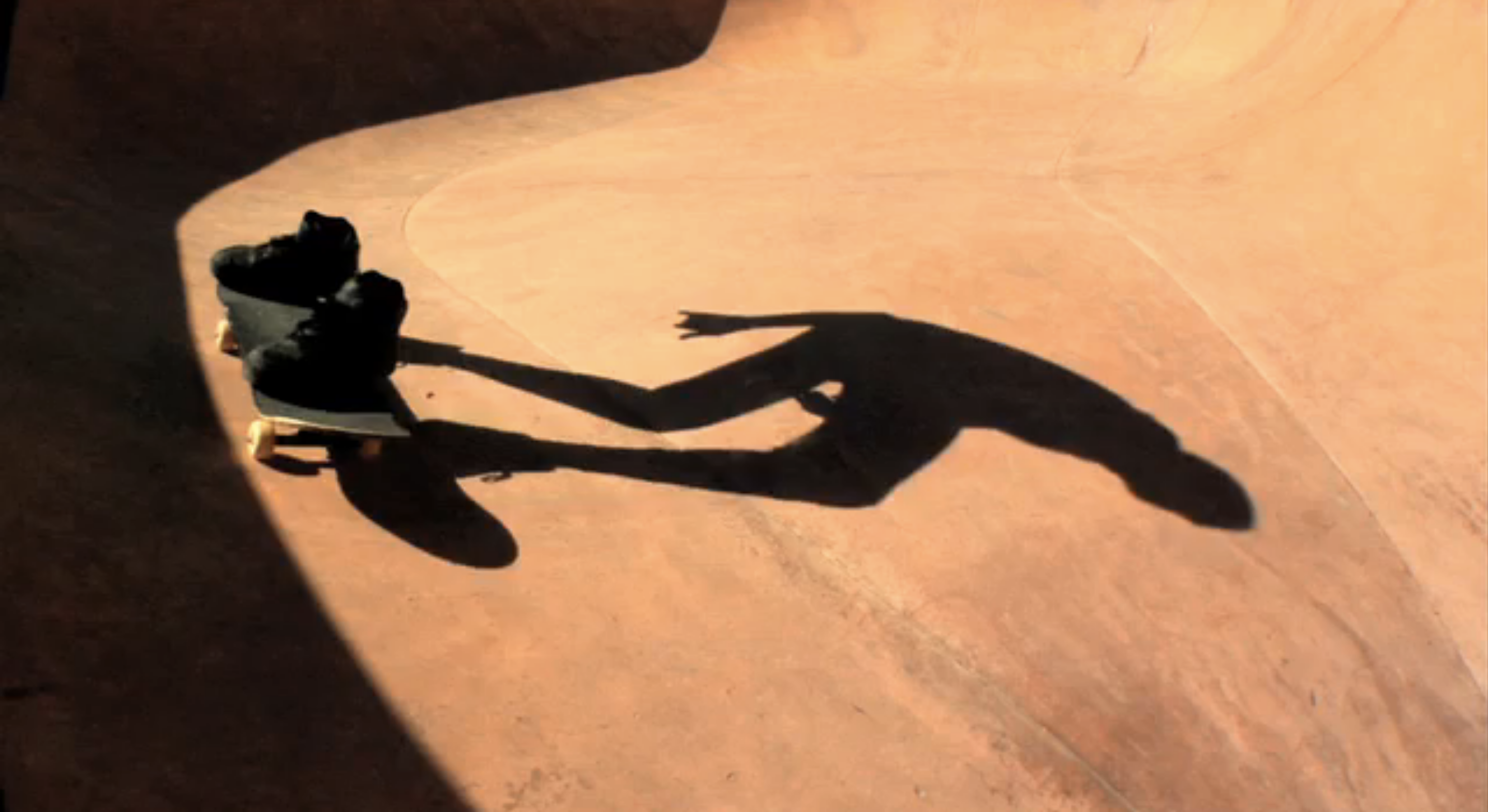
In short, Nanda was not short of inspiration: for the Hors Pistes Festival, he wanted to dive into the incredible diversity of shapes and surfaces of the ingredients Iñaki used to prepare the menu served in the Centre Pompidou’s cinema during the opening night.
To sum up, the two of us spent a week in a studio shooting “Viá Lactéa,” back then with 7Ds/5Ds and stills lenses that allowed macro photography. Nanda had prepared the film very precisely, in particular through typologies of shape and texture effects that gave us aesthetic references to frame our experiments. To light our little setups, we imagined that we were working not with food but with landscapes: in other words, framing the very small but lighting the very large.
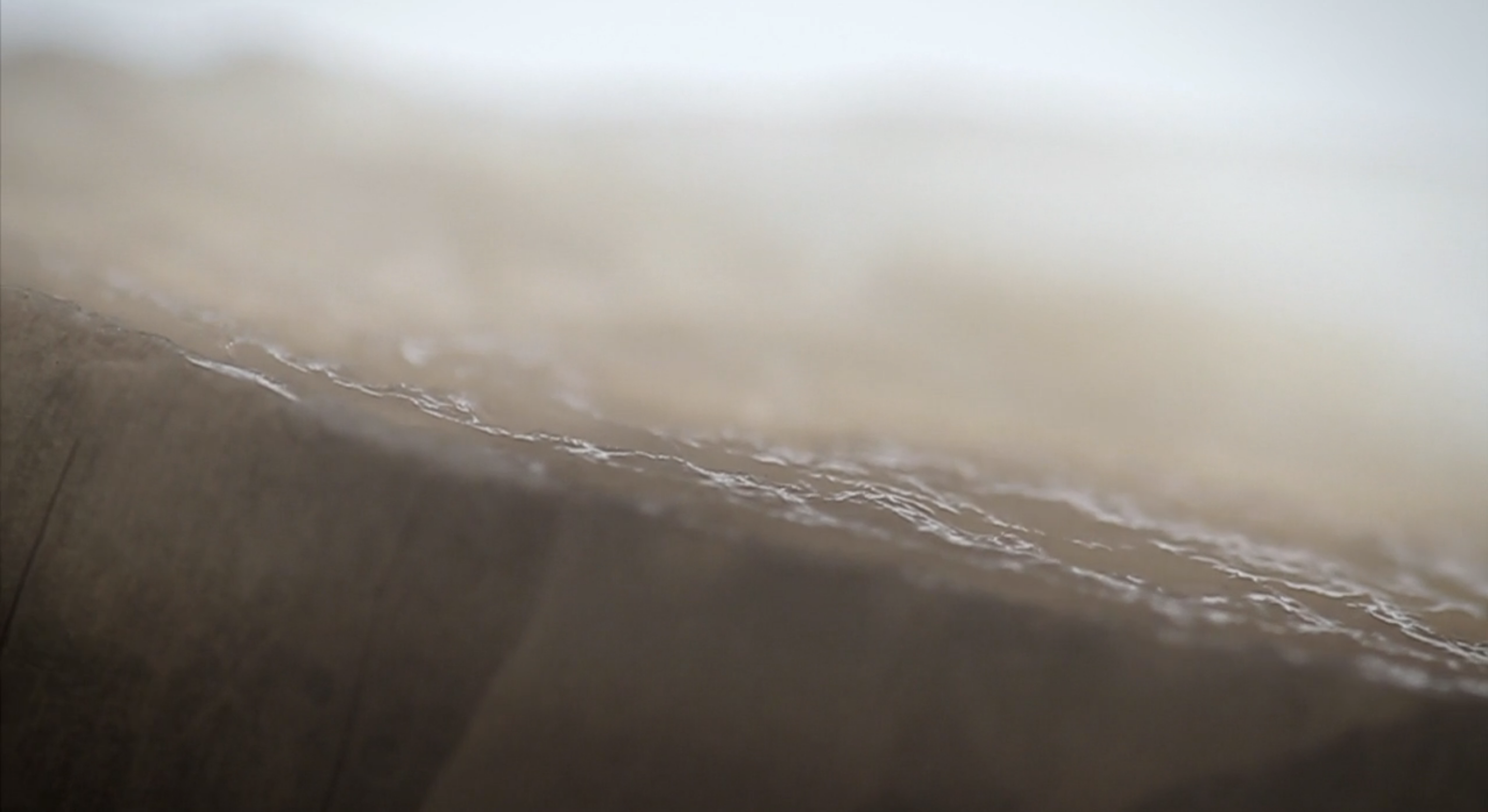
Once Iñaki’s bento had been served during the interlude, the guests at the festival’s opening night got to see a film that staged what they had just eaten!
The film (graded by Dan Cohen) went on to travel widely, at festivals and notably on the Mubi platform, and it inspired many other directors too.
… to “Julia”
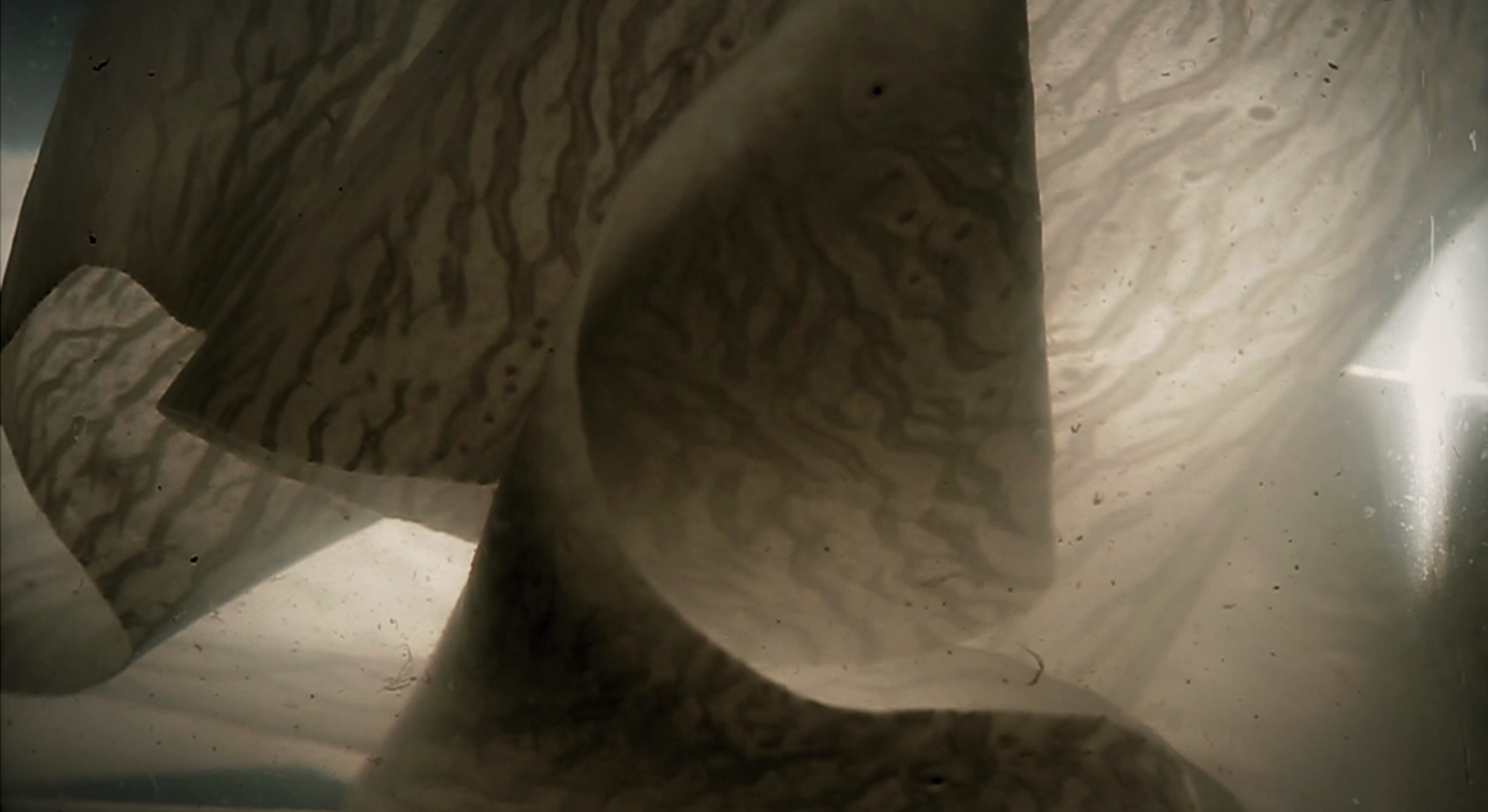
But back to “Julia.” Through mutual acquaintances, Julie Cohen and Betsy West, who were wondering how to go beyond a strictly documentary image of Julia Child, saw Viá Lactéa and contacted Nanda. The idea was to shoot in France, in the places where Julia Child had stayed during her time in the country, and also to shoot macro sequences illustrating some of her iconic recipes, in a studio in New York, on a custom set built from photos taken in a kitchen in Provence. Unfortunately, in the fall of 2019, my schedule didn’t allow me to be available for the French shoot (handled by Nanda himself and another cinematographer), but we nevertheless started thinking about the studio shoot. Since the shoot involved construction and remote exchanges, we had to plan well ahead how we envisioned this new Viá Lactéa, this time in the best possible production conditions.
As in Viá Lactéa, we wanted to shoot in slow motion and in macro. But this time, given the distribution expectations, it seemed obvious to shoot in 4K and in RAW, with the minimum specs set by the production, namely that the project be shot at 23.98 frames per second. A shoot in New York, and therefore in the 60 Hz world. On these strictly technical matters, I was on my own, Nanda being first and foremost a director and, ultimately, an art director. I had to take all the issues into account, including finding a rental house in New York that could supply both camera equipment of the highest cinematographic standard and some specific grip accessories that are rather rare to find for rent! Nanda was thinking in particular of motorized sliders with remote-controlled heads, typically used to make time-lapses with DSLRs.
We also still had to find the macro lenses, the camera offering the best slow-motion performance in 4K, and the most suitable lighting kit for working on a very small surface. At that stage, we didn’t really know what the shooting budget was either, or how much we should prioritize slow-motion performance.
On Viá Lactéa, Albrecht Gerlach, who had founded PhotoCineRent a few years earlier, had supplied the macro lenses we needed, and PhotoCineRent has since become a partner of choice on a great many shoots. Naturally, I talked to Albrecht and Neticia about my project, which, even though it would be shot in New York, was going to require tests in Paris.
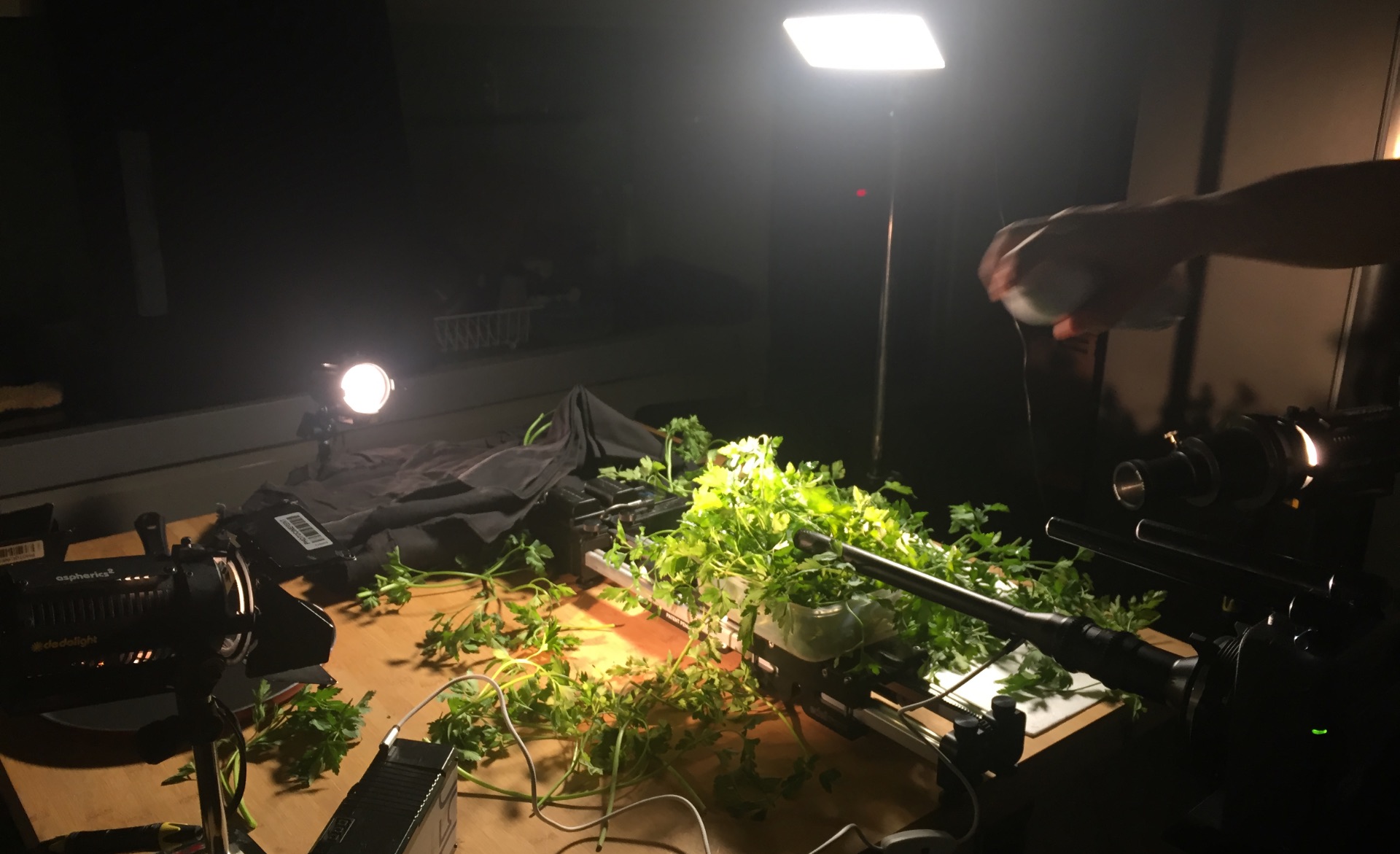
For my first test, I wanted to determine which lenses would do the job, and to test a configuration with a motorized slider, to see whether it did what we wanted. After hesitating a little over a Blackmagic Pocket 4K, I was won over by the Venice’s modularity and decided to use its extension system, the Rialto, mounted on a motorized slider. However, the slider model available at PhotoCineRent was limited, especially for motorized use of the head, which, on reflection, didn’t really pose a problem.
A discovery!
The main purpose of this first test was really the lenses, given that by mounting a camera on a slider, I had to deal with the weight of the lenses. I also wanted to find a series that could be used as consistently as possible for the shots where the set would be visible and for the macro shots specifically. Lightweight but “consistent” lenses, then. I started with Canon’s 100 macro, a superb stabilized lens we had used on Viá Lactéa, then moved on to CP.2s, notably the 135, although it was a bit too heavy… I was thinking of using diopters and extenders. But Nanda felt we were still far from the look he was after. Then a prep technician at PhotoCineRent told me about the IBE Raptor lenses, which I didn’t know. We were immediately won over: precise, with a 1:1 magnification ratio, and consistent across a kit of 3 lenses, 100/150/180mm. A discovery.
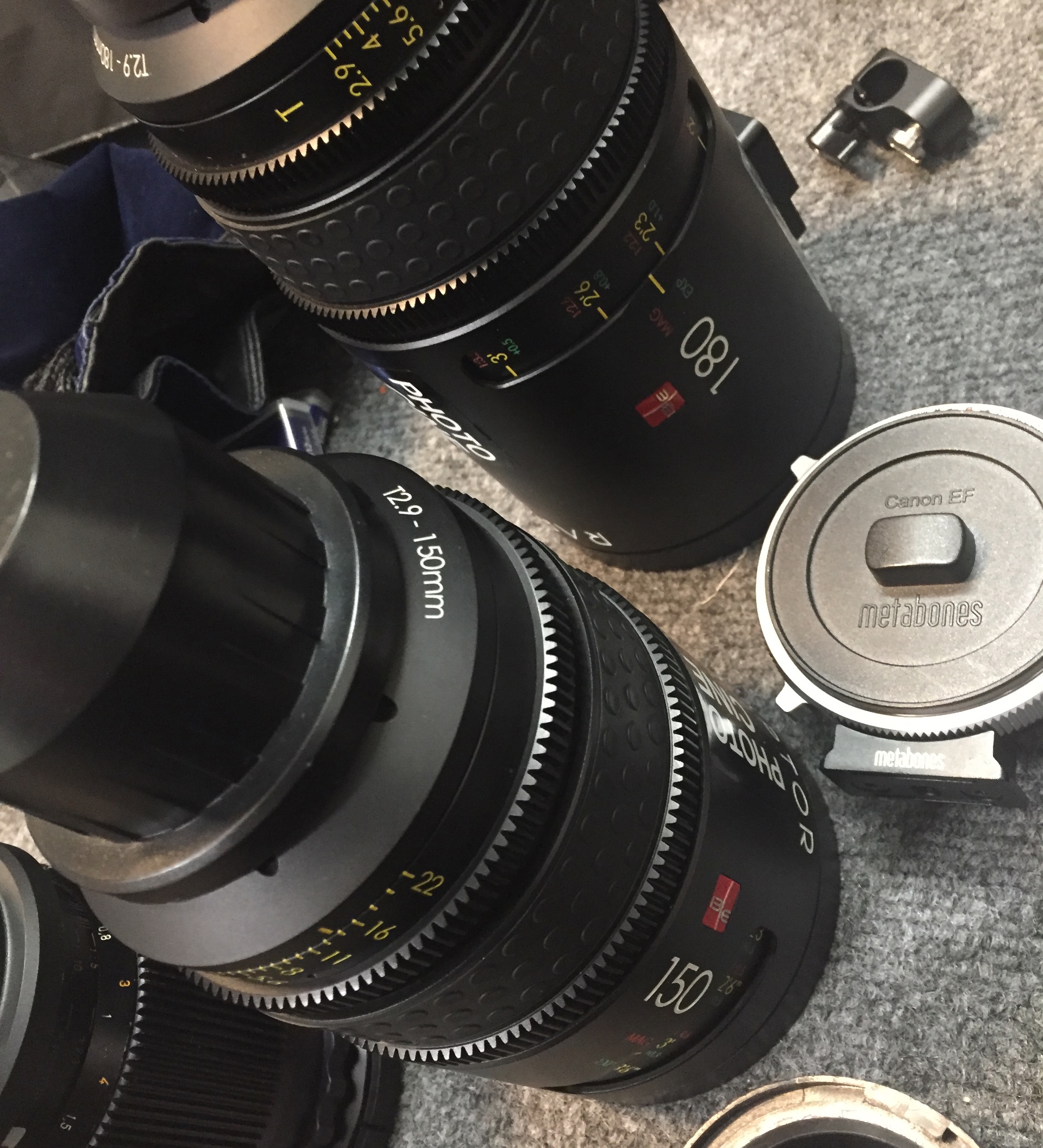
During this first test, with the camera at 23.98, I quickly noticed a problem related to the camera’s frame rate. As soon as I went above 90 fps, I ran into fairly pronounced flicker problems that I couldn’t get rid of, even by adjusting the shutter with ECS. And since I wanted to be able to work with any shutter speed according to the stylistic needs of the shot, this posed a REAL problem!
After a bit of investigation, I concluded that my beloved 150 W Dedos were the problem, and that the only solution was to work with suitable lamps.
To check this hypothesis, but also to determine which camera would be best suited to recording the cleanest and most creative slow motion possible, I decided to carry out a new round of tests at PhotoCineRent. This time with an 1800 W HMI with a high-speed ballast, a SkyPanel S30, a 300 W tungsten Fresnel, and a 2 kW tungsten Fresnel. And also a RED Weapon, an Alexa LF, and a Venice, all three fitted with Raptor lenses.
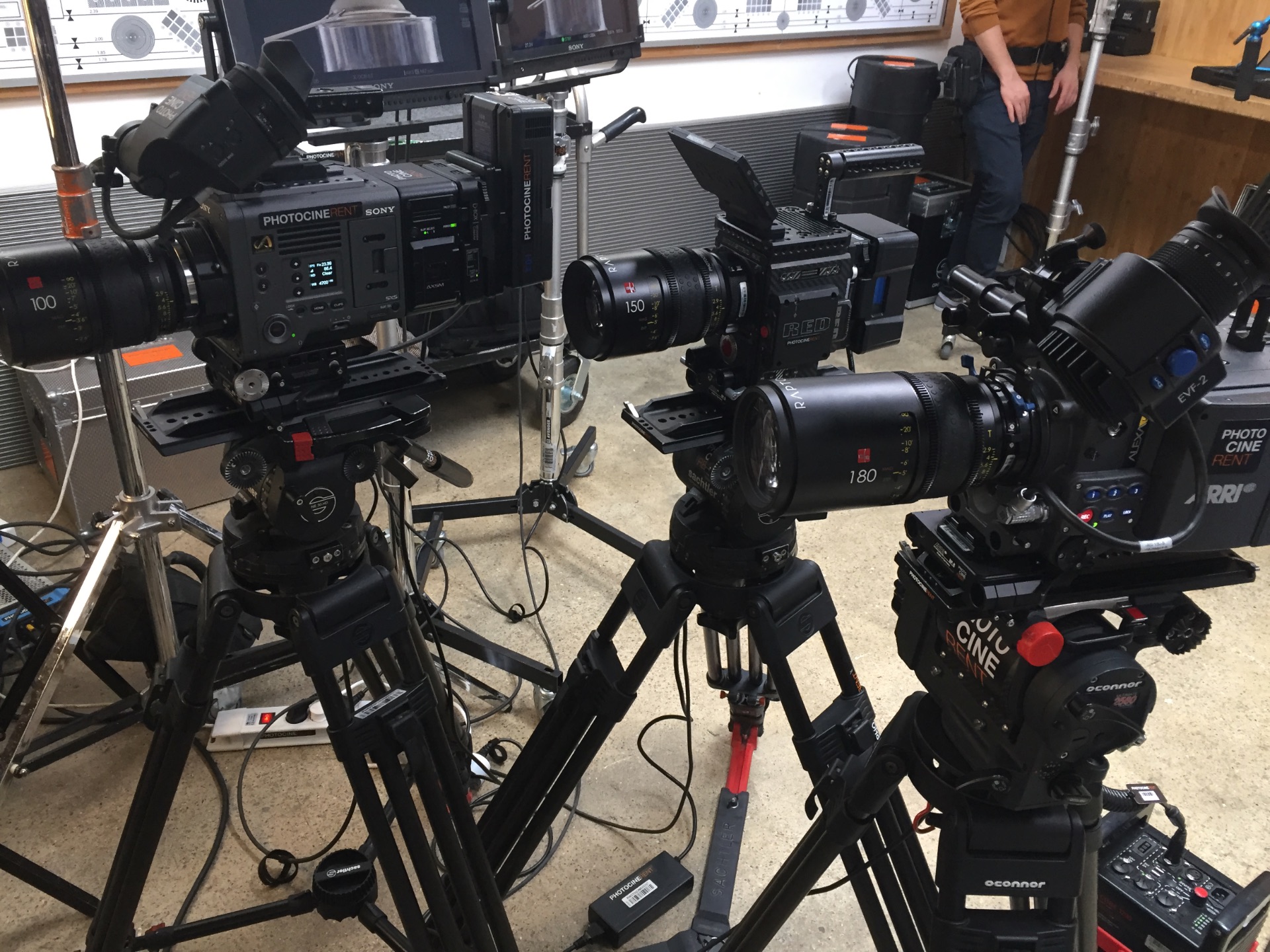
Catherine Briault and Neder Hadj Hassen, also members of the Union, were available and interested, and came to lend me a hand that day. We ran a small series of tests to see for ourselves how relevant the use of slow motion and various shutter speeds would be in the concrete situations I was likely to find myself in.
It was a very good, very instructive day, during which I found that with tungsten sources, the higher the wattage, the more I avoided flicker problems, and that I would have to use high-speed ballasts for my HMIs. At that point, however, the plan was for me to work with a small electrical crew in New York, who would take care of these equipment issues. I had also requested certain changes to the sets, prepared lighting plots, and so on.
But this lovely day of testing was rather abruptly overshadowed at the end of the day by the announcement of a certain lockdown, to take effect two days later for an indefinite period. We all know what happened next, and my New York shoot, which had looked so promising, was of course postponed indefinitely.
Finally, we shoot…
Then, a few months later, Nanda told me that even though the production had resigned itself to shooting the studio scenes with a New York crew, the macro shots would be filmed by us after all! At that time everything was still very fragile, but we got ready for a shoot in July 2020. In the meantime, the film’s production moved forward: produced by Storyville and Imagine, Ron Howard’s company, the documentary would be released in theaters in the United States, distributed by Sony Pictures Classics.
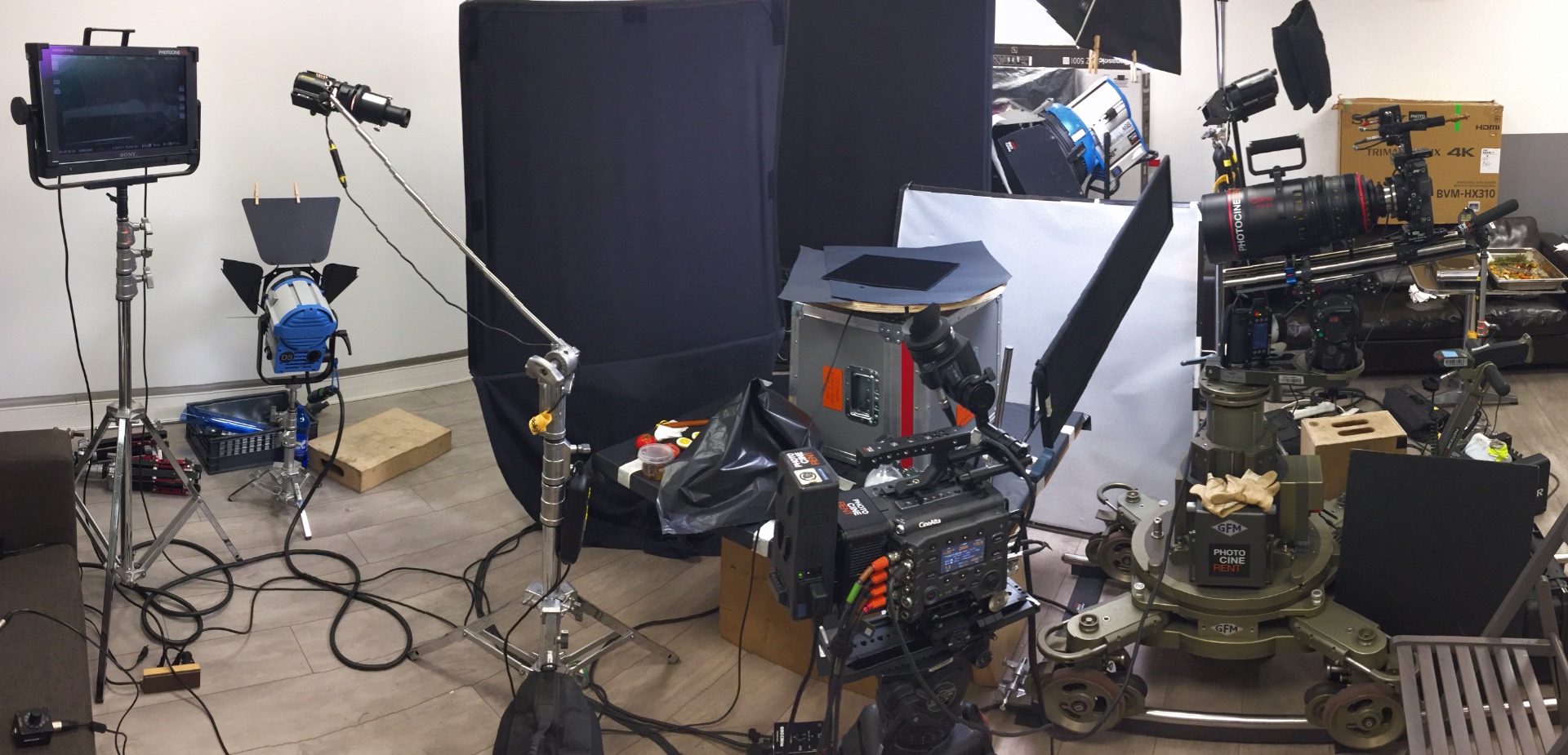
Without the help of a Paris production team, Nanda and I looked for solutions: we asked PhotoCineRent whether they could improvise a small tabletop studio for us on their premises, we found the cook (Antonio) who would help us prepare the recipes as Julia Child had described them, and we also found the data manager who could handle the daily shipment of review exports to the directors (Olivier).
All things considered, I chose to shoot with the Venice. Although there was nothing wrong with the Alexa LF or the RED Weapon, being able to use the Venice’s extension system greatly simplifies the grip issues, and I also like the camera’s versatility as well as its high frame rate capabilities.
I chose a lighting package I could more or less manage on my own: an 1800 W HMI and a 575 W HMI, both with high-speed ballasts, a SkyPanel S30, a 650 W tungsten, and a case of 150 W tungsten Dedos, the latter potentially usable up to 60 fps. I also booked my famous Raptors, the 100, 150, and 180mm, as well as a Laowa 24mm probe lens. For the grip side, things didn’t go exactly as planned: Albrecht, who wasn’t able to provide the slider with the motorized head we were looking for, offered us a GFM Dolly Primo with a GFM slider instead! Not the same tool, but a whole other scale!! But I could also see the value of this unexpected tool, which would give me a lot of setup possibilities.
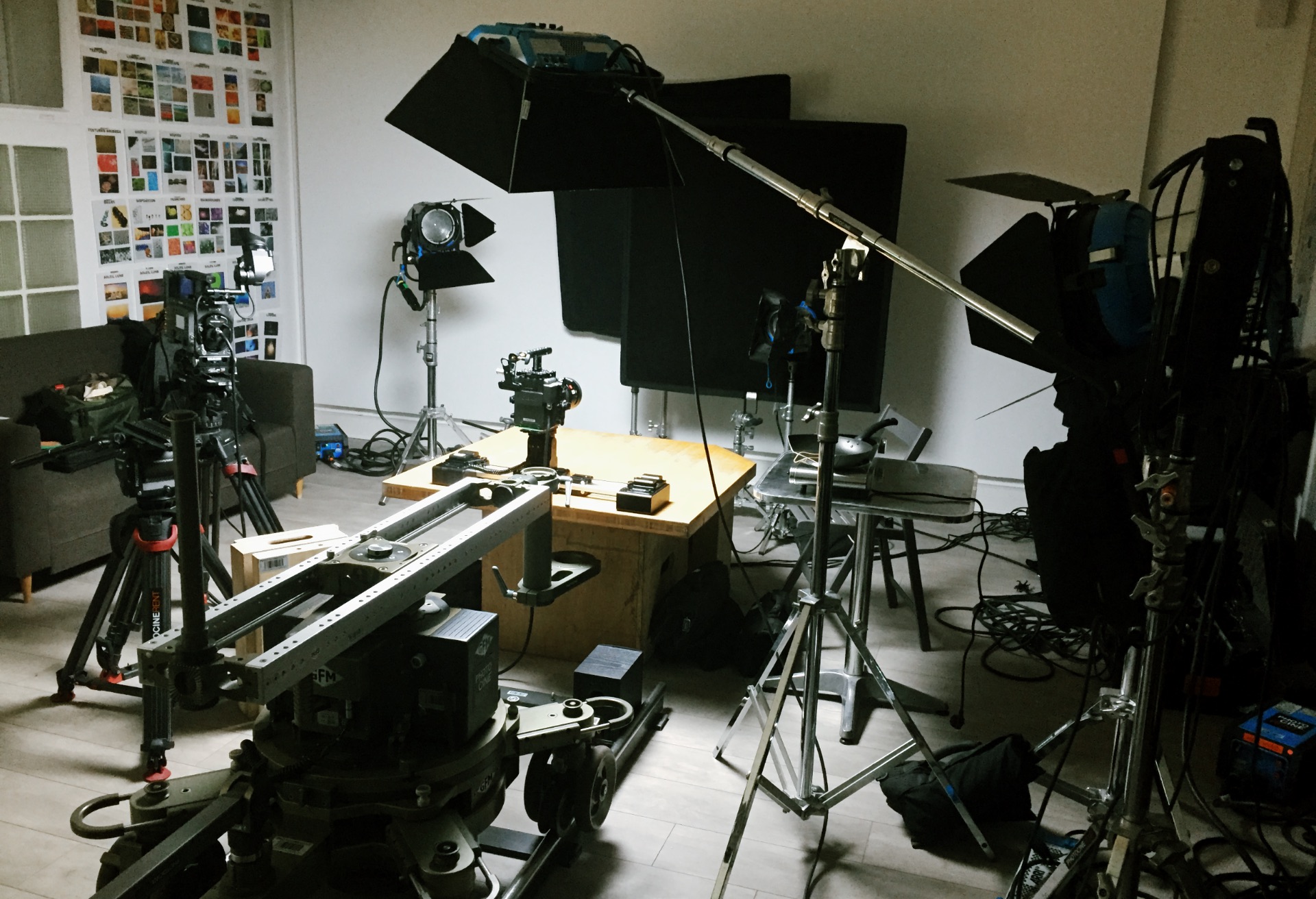
As for monitoring, not having enough perspective on the production as a whole, I preferred to switch regularly between S-Log3.Cine and the camera’s basic s709, with no specific LUT, but with several monitors, including a 4K RGB screen that happened to be lying around! Finally, we planned to shoot for one day with a Phantom, for 1,000 fps shots.
A bit like on Viá Lactéa, we had a great playground and the toys to go with it. Somewhat more luxurious toys this time!
Avoiding fake imagery
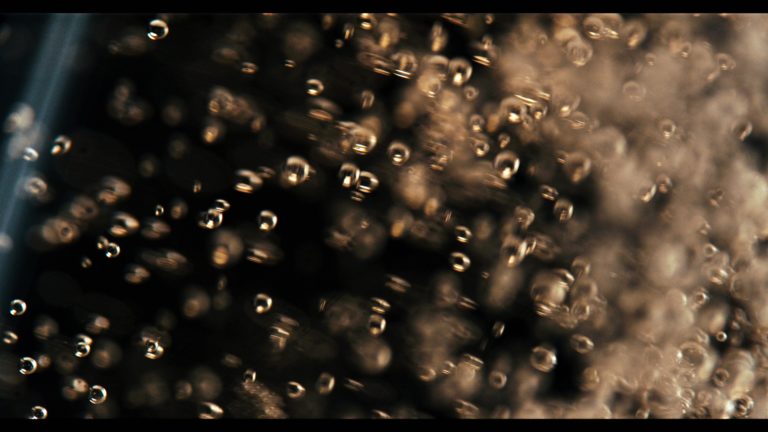
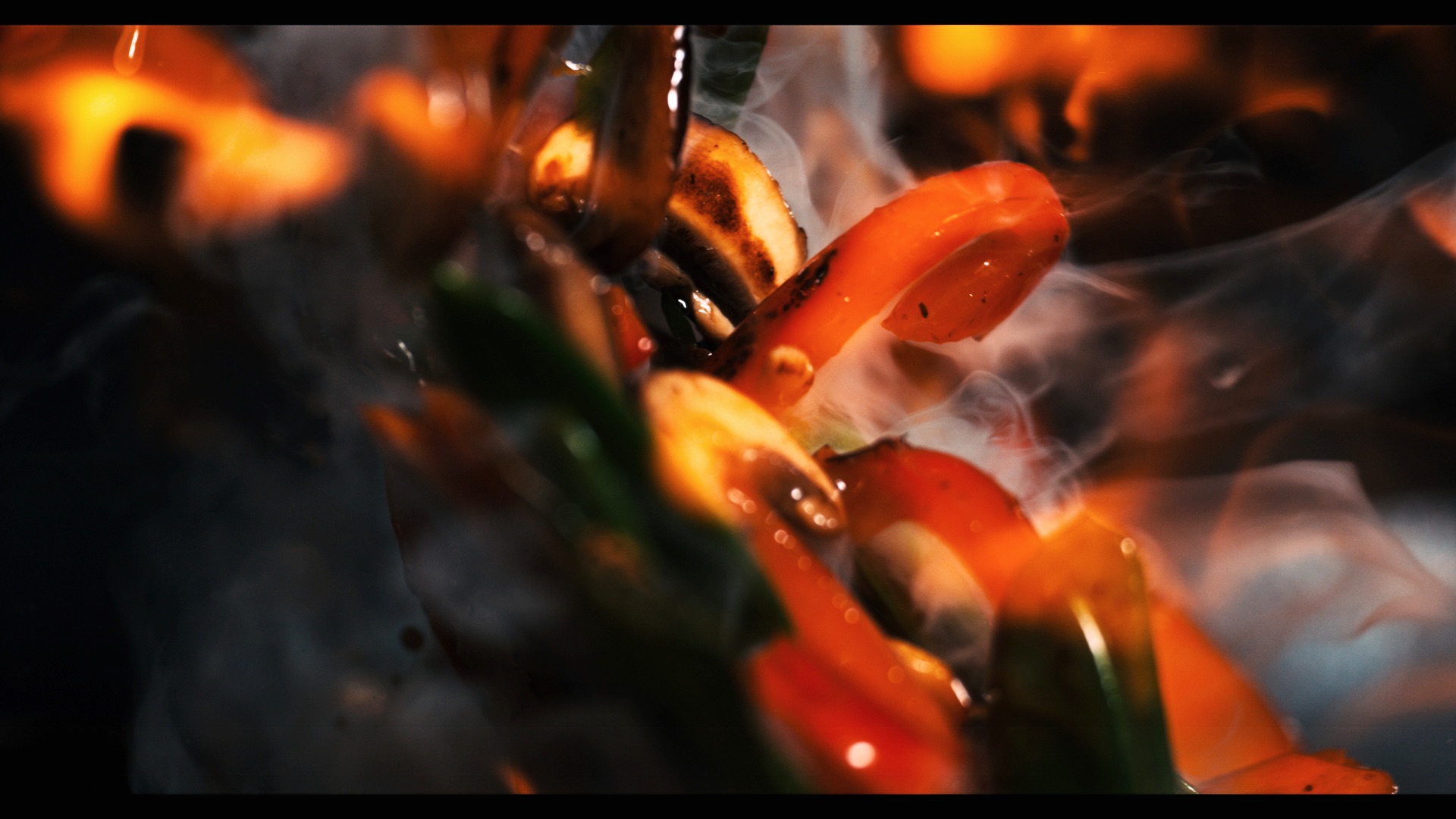
For each recipe, we had to stage the ingredients and document certain steps of the recipe, sometimes right up to plating. In a specific production context, and therefore with less freedom than on Viá Lactéa, we nevertheless used the same formula (after all, that was why they had come to us): framing as close as possible to the material, but lighting it like landscapes. Creating almost abstract visual spaces, flirting with the experimental. Filming the real material of cooking while avoiding the idealized advertising imagery of fake ingredients.
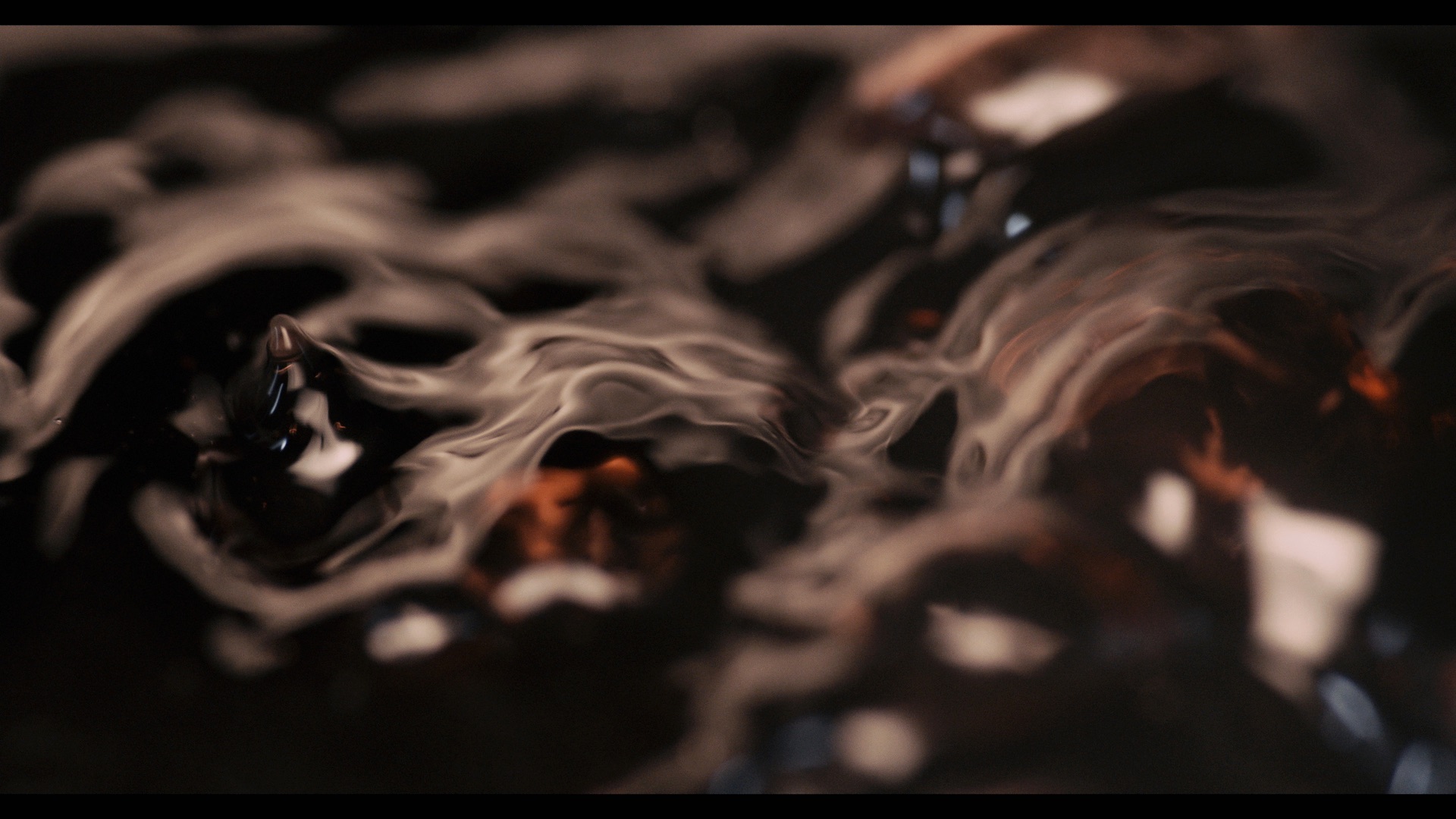
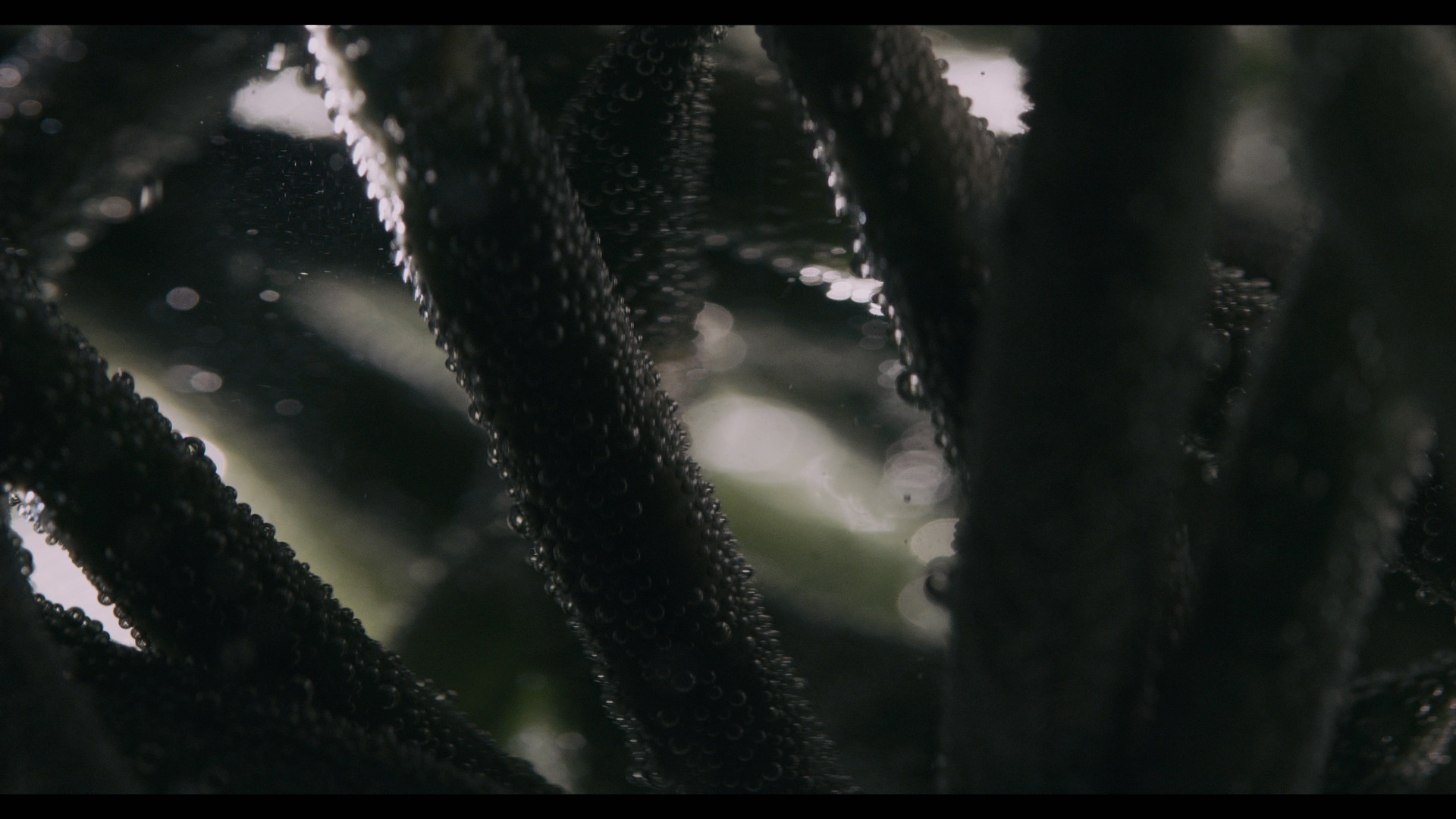
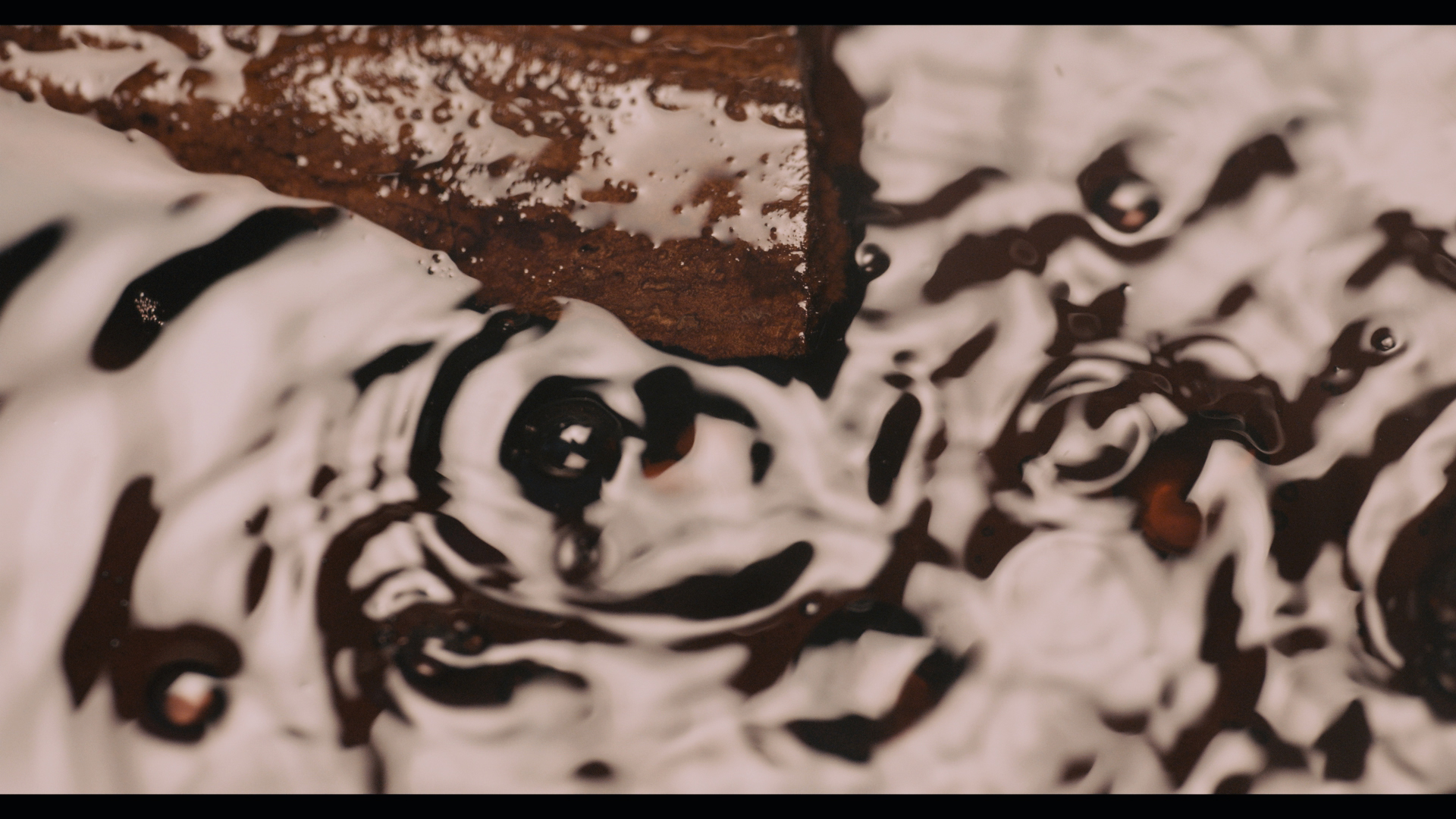
Sole meunière, tarte Bourdaloue, bœuf bourguignon, stir-fried vegetables, roast chicken: it was essentially about revisiting French classics and the shapes of their ingredients. The cooking processes obviously added essential dynamic elements: boiling water, flames from the wok, fizzing bubbles, steam above the pans… Antonio prepared the food on his own or on set, using tools that allowed us to see what we wanted to film: a pan sawn in half, heat-resistant laboratory glassware…
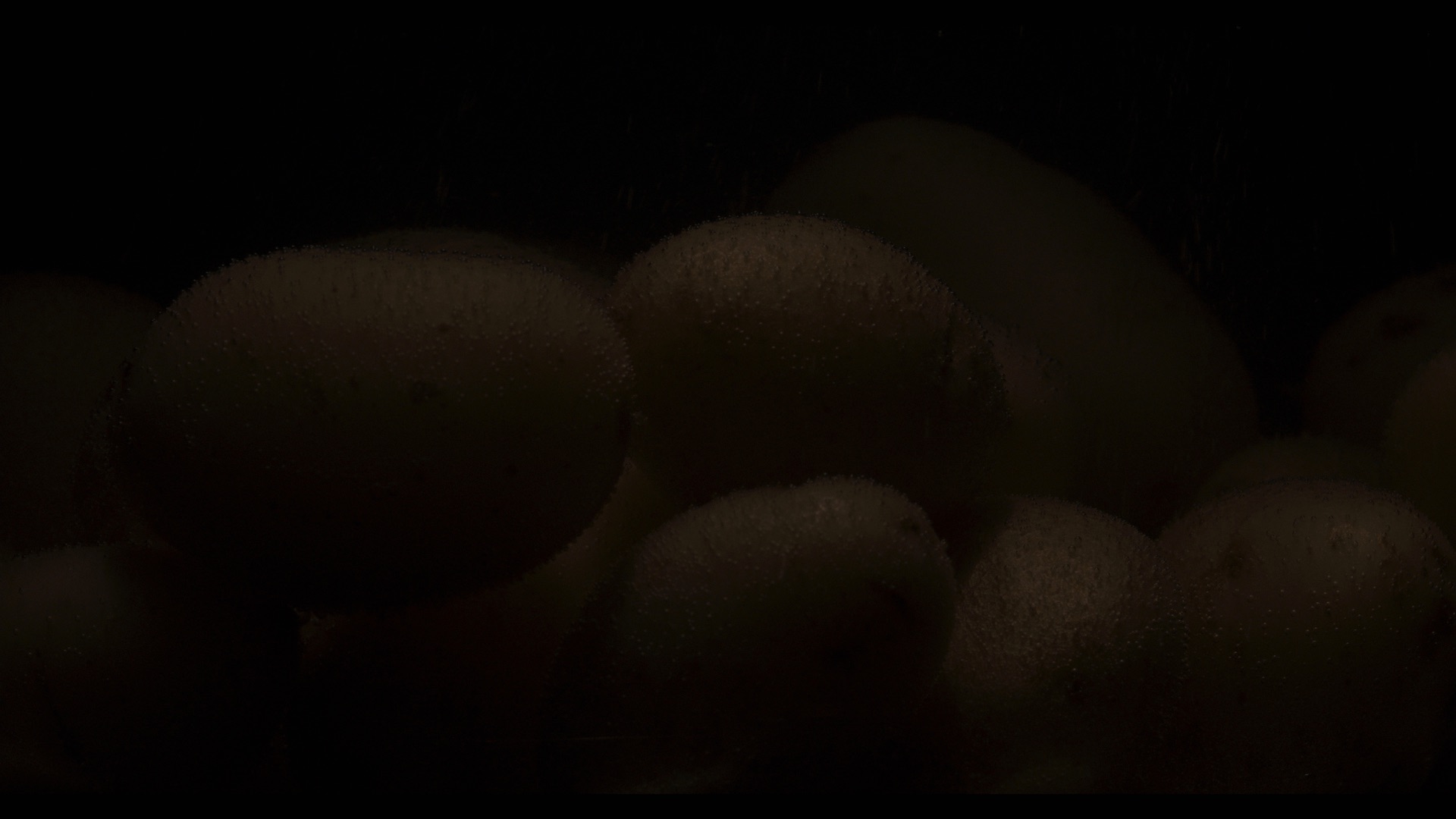
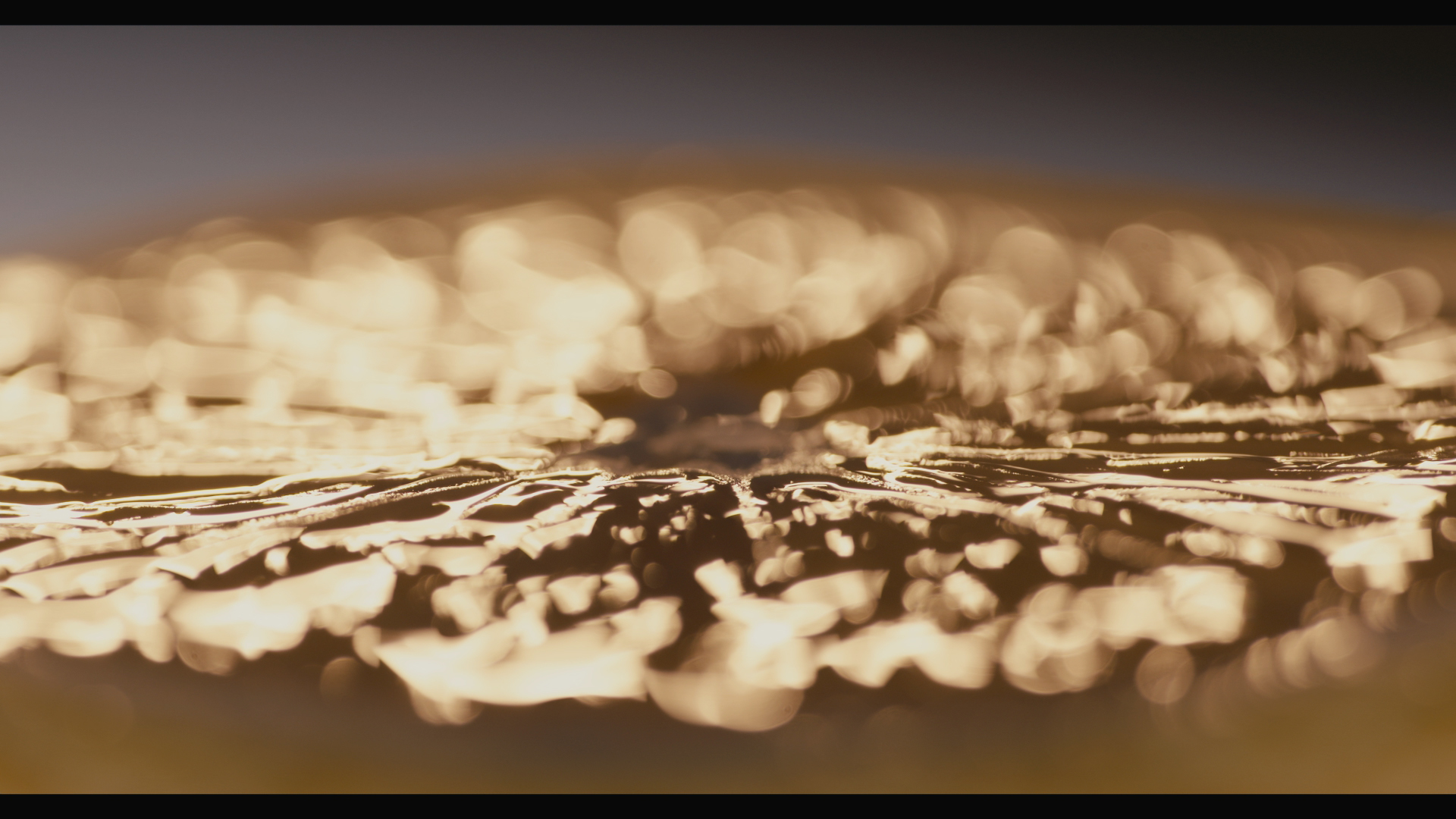
The Venice made it easy to play with frame rates, with the Rialto sitting on the dolly and the camera body within reach. I chose not to use any filtration and to use the Raptors as they were: I absolutely wanted to avoid any risk of ghosting and to deliver very precise images, since I didn’t really know how and when they would be used in the final cut.
An interesting anecdote about these lenses: for one shot in particular, the production wanted a sort of pull-back, but without a focus puller, that was obviously very hard to do with macro lenses. So I suggested using an Angénieux 24-290 zoom, which, with the right zoom control, would let me create the “reveal” effect the production wanted. But after viewing, even though the Angénieux was very good, the directors really wanted the look of the Raptors!! So we had to do that famous pull-back, Rialto on the slider, Nanda doing the grip move while I concentrated on focus…
Another notable moment: our Phantom shoot. I initially planned to shoot on a VEO 4K, but given our shooting conditions, Albrecht convinced me to shoot on a Phantom Flex4K, notably because it allowed quick playback of takes on the spot, from the camera. Even with my two HMIs and their high-speed ballasts, the amount of light was still fairly limited, so I shot wide open to reach 1,000 fps.
The “little story” of the miscredited cinematographer
The dailies sent to New York every day allowed precise exchanges with the production, who could follow the shoot day by day and who also helped us gauge how experimental we could afford to be. Then the shoot ended, the last dailies were sent, wrap, thank-yous, and then no more news.
Nanda and I had even started to wonder whether the project had been buried, when we learned from the trade press that a US release date was set for November 5, 2021. We had not been told anything, nor included in any discussions about the grading of our images, for example…
As for the “little story,” then: at that point, only the director of photography who shot in the United States was credited on IMDb. After we asked for both our names to be added, Nanda was finally credited on IMDb as director of photography, for our tabletop images and for the images he shot in France with the directors. But despite his follow-ups, nothing doing: I am still credited as “gaffer,” in other words chief lighting technician, which is a wonderful profession, but not mine…
Once I got over the bitterness of reading, in the few articles about the film, praise for the American director of photography’s “mouthwatering food cinematography” regarding the images shot in our micro-studio, and despite several emails to the production that went unanswered, I had to face facts. It troubled me a little; I wondered why and how my name, associated with acclaimed cinematographic work, could have been so thoroughly erased from a project on which I had been on the front line, backed by a rental house attentive to my concerns. And then I had to resign myself: too bad for this time, there’s not much I can do about it anyway!
The most important thing is that I kept learning from this shoot full of twists and turns, and that my collaboration with Nanda was further enriched by this great experience.
Can’t wait for our next shoot together!