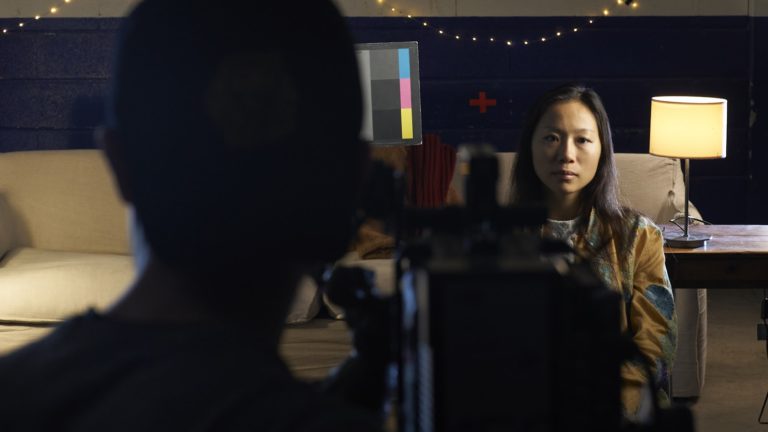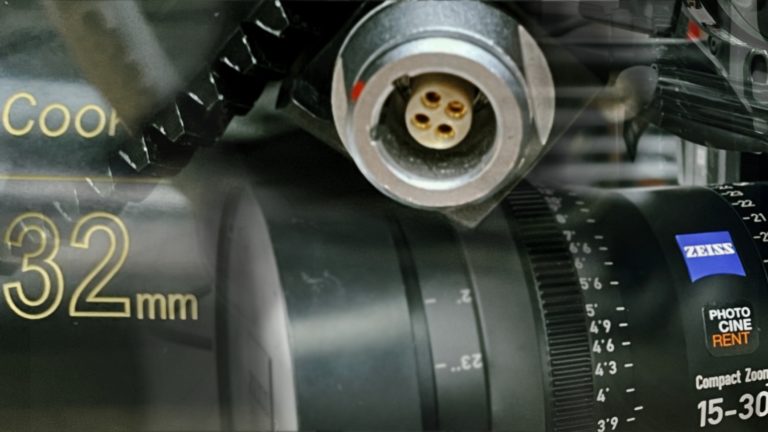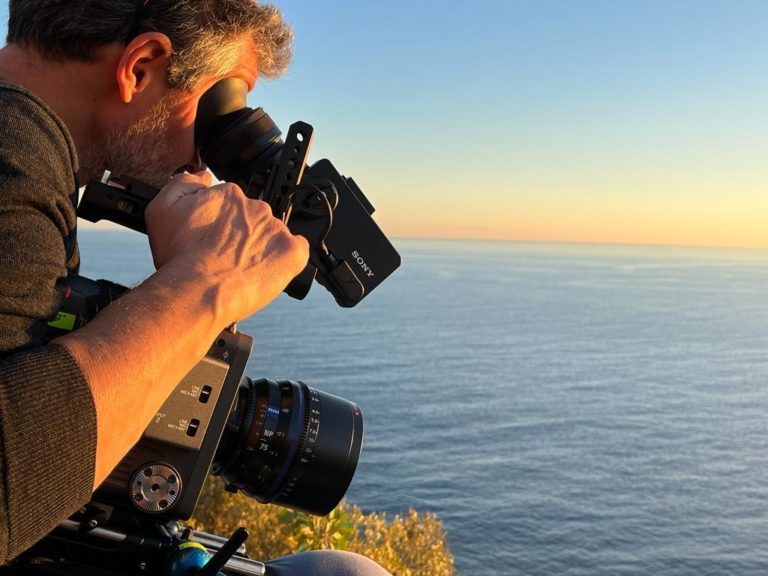
Thomas Bataille is a cinematographer working in both fiction (Exfiltrés, Diane a les épaules and recently The Night of the Glass of Water) and documentary. He shares here his first impressions of the Sony Burano, which he had the opportunity to test before using it in the field, fitted with the new Zeiss wide-aperture Nano Primes.
By way of preamble, I should like to point out that I am a cinematographer, not a camera technician. Although I researched extensively before using it, my hands-on experience with the Burano is merely the subjective account of a user in a specific configuration — one that does not pretend to be exhaustive.
Handling
Since nobody in France had really used the Burano yet, I began by calling cinematographers who had already had it in hand abroad and exchanging with Forest Finbow, a cinematographer and colourist who is a Sony ambassador, to gather information. I also organised tests at RVZ, our rental house.
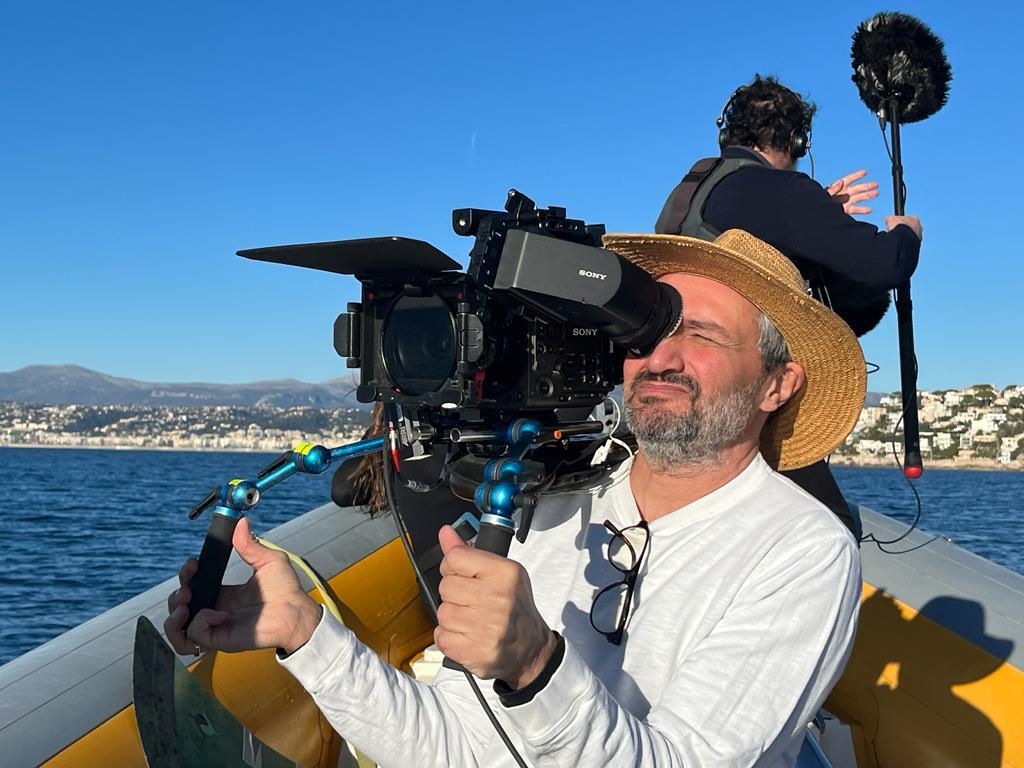
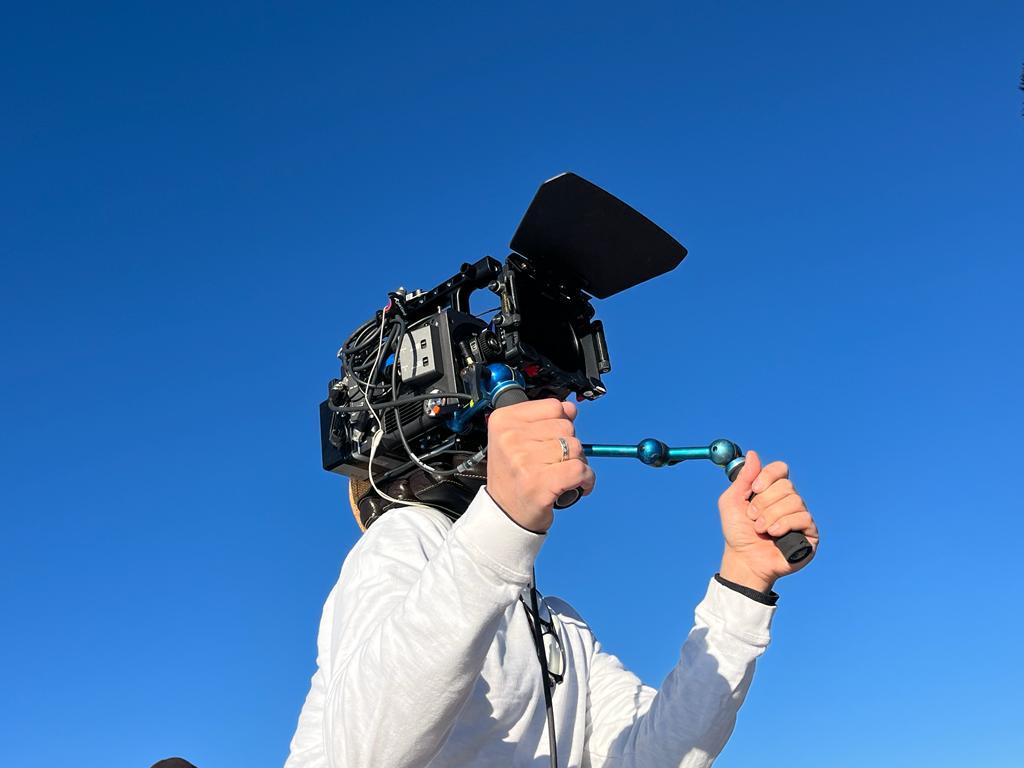
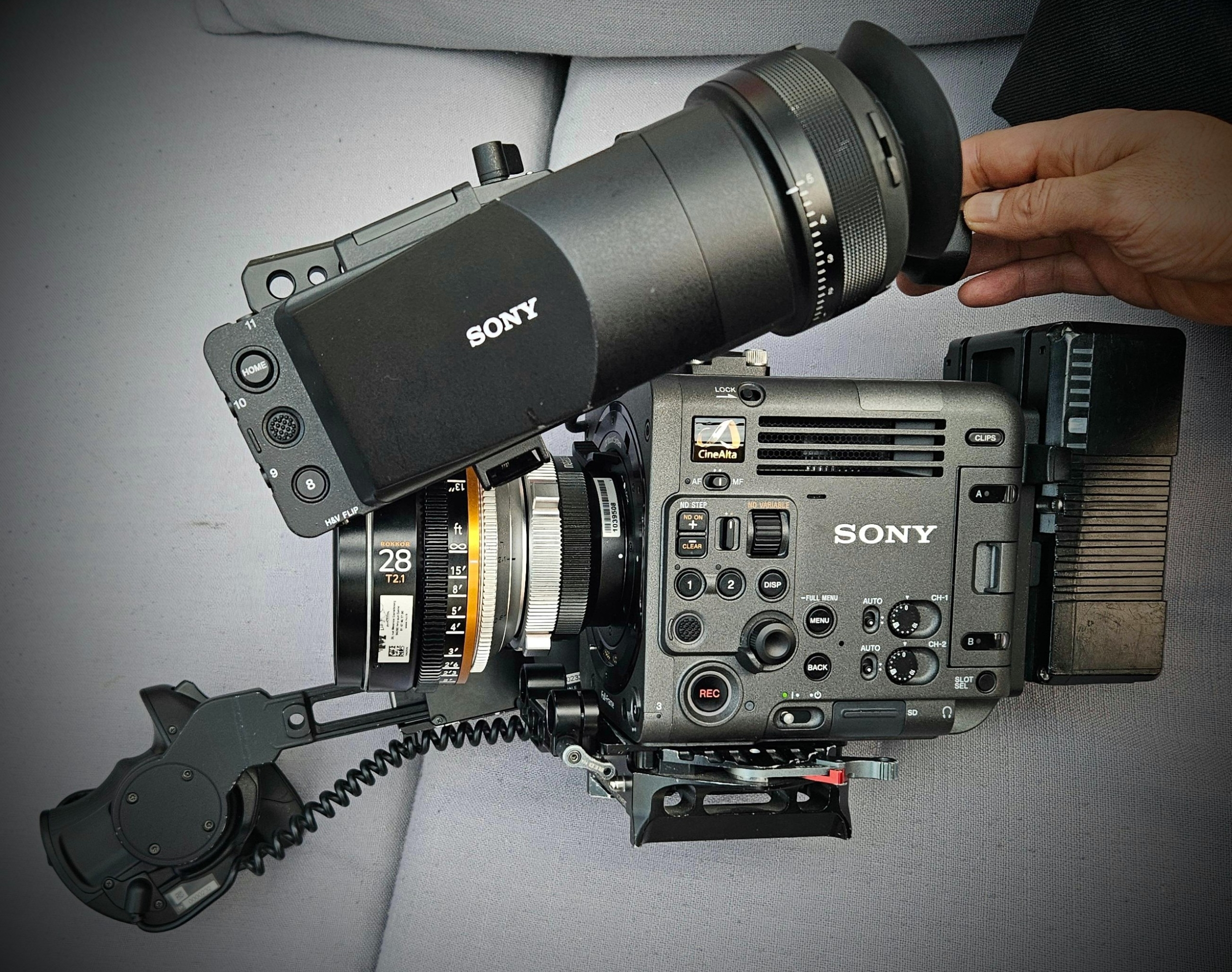
In the hand, the Sony Burano feels like a cross between the FX6 and FX9. Its size sits between the two. Its ergonomics are similar to the FX6 but with a fine swivelling touchscreen that doubles as a small video return. This screen lets you control the camera and position the autofocus point. A little bulky when shooting handheld, it may also be difficult to bring close to the eye because of its size — but it remains very pleasant to use.
Sensor and recording
The Burano features a full-frame 8.6K sensor (the same as the Venice 2, according to Sony) with an interchangeable PL/E-mount. The dual base ISO (800 and 3200) is a significant asset for low-light shooting. For this particular project — a fiction film shot partly at night — the 3200 ISO base was invaluable.
We shot in X-OCN ST (eXtended tonal range Original Camera Negative) at full-frame 6K. This Sony RAW format is remarkably efficient: manageable file sizes while preserving maximum latitude for grading. I also tested the XAVC-I codec, which is excellent — very clean, with pleasing highlight roll-off. I even have the impression that the signal processing has been improved since the FX9. Or perhaps it is the Venice sensor.
The camera can also record simultaneously in X-OCN and XAVC, which is very practical for editing proxies. One thing to note: internal stabilisation (IBIS) is more effective when using only part of the sensor (Super 35 mode), as the sensor then has more room to work with. Moreover, active stabilisation is only available in XAVC mode.
Stabilisation
For this film, we wanted to shoot handheld without too much jerkiness when walking with the characters, but without resorting to a Ronin-type stabiliser in order to stay reactive. Having already tested stabilisation using gyro data recorded by the camera (notably on the Venice and FX9), I had been pleasantly surprised by the improvement in stability — without altering the image too much, unlike optical-analysis stabilisation.
During the tests, I compared different stabilisation modes: no camera stabilisation at all, using only the gyro data in Sony’s Catalyst Browse software or via the Gyroflow OFX plugin in Resolve; the “normal” and “automatic” mechanical stabilisation modes; and combinations of IBIS with post-production gyro correction. In the end, I chose to shoot without any in-camera stabilisation and to apply gyro-based correction in post, which gave the most natural result while effectively smoothing out the larger jolts.
One practical caveat: the gyro data is only embedded in X-OCN files, not in XAVC. So if you plan to use gyro stabilisation in post, you must shoot in X-OCN — which generates a lot of rushes.
Grading latitude
In the grade, I found the camera easy to work with, using my FX6 and FX9 benchmarks. The Burano’s XAVC is very clean and rolls off nicely into the highlights. I even have the impression that the signal processing has been improved since the FX9 — or perhaps it is simply the Venice sensor at work.
In this film dealing with themes of life and death by the sea, I deliberately chose pronounced contrasts. I sometimes accept, within the same frame, sun reflections on the water and partially shadowed faces, without trying to “recover” the highlights. I found that the camera handled this configuration — let us call it… brutal — very well.
Lenses
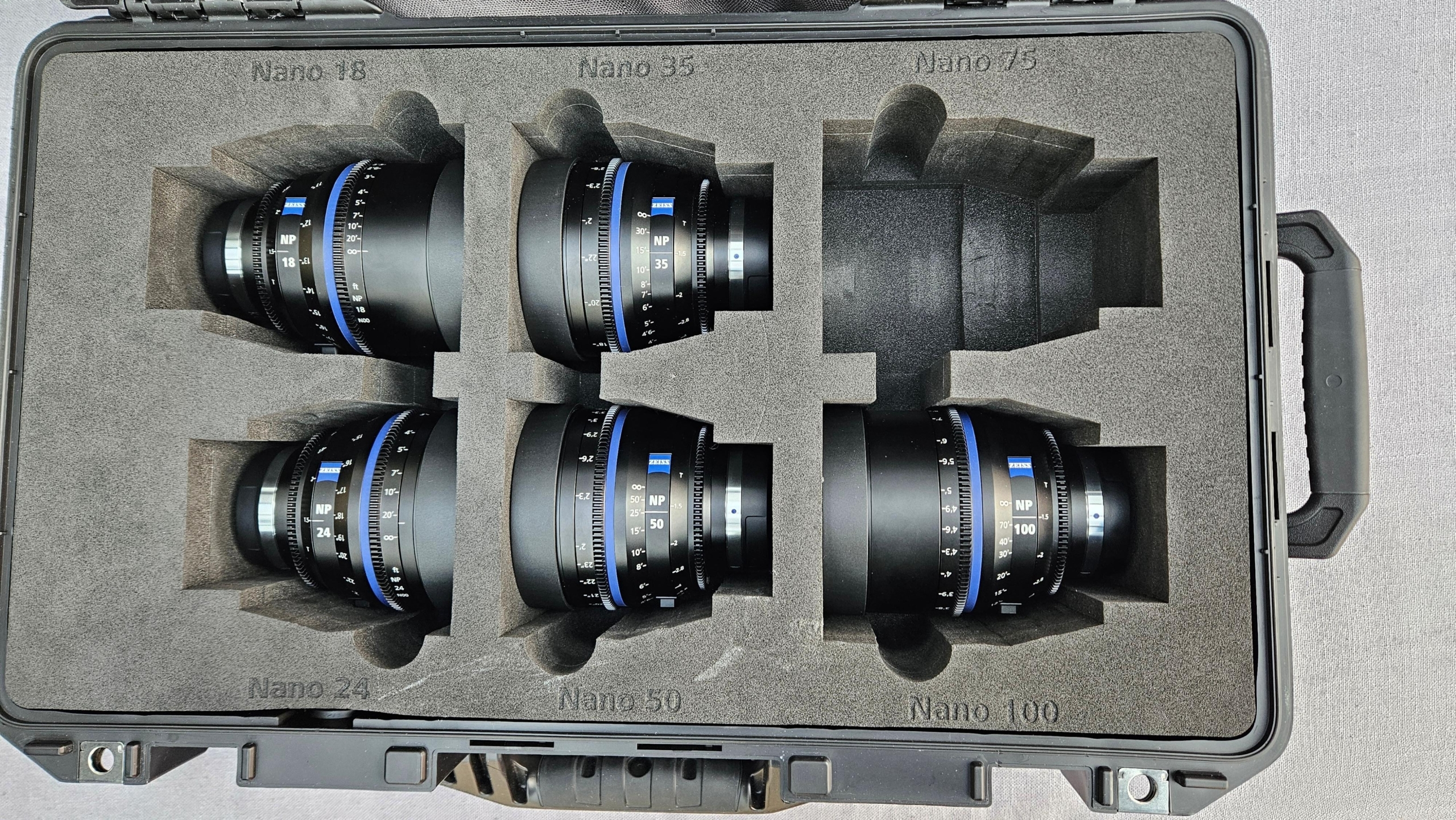
Regarding the lenses, I greatly appreciated their lightness — one of the Nano Primes’ strong points. With the Burano, the overall kit remains very manageable, which is ideal for handheld documentary or fiction work. At T1.5, they offer a generous aperture that lets you work in very low light while producing a beautiful bokeh.
The optical rendering is clean and modern, with excellent resolution and very well-controlled chromatic aberrations. The flares are discreet and pleasing. Unlike some older lens designs, they do not impose a strong “character” on the image — which can be either an advantage or a limitation, depending on what you are looking for. For my part, I found them perfectly suited to the project.
Conclusion
The Sony Burano is a serious contender in the full-frame cinema camera space. Its combination of the Venice 2 sensor, compact form factor, dual base ISO and versatile recording options makes it an attractive proposition for cinematographers who need a lightweight yet high-end tool. Paired with the Zeiss Nano Primes, it forms a compact and efficient kit that does not compromise on image quality. I look forward to using it again.