For 20 years, alumni of the IFFCAM — the Institut Francophone de Formation au Cinéma Animalier — have been gathering at the Ménigoute International Ornithological Film Festival (FIFO).
The festival, now celebrating its fortieth edition, has expanded to encompass all wildlife films, and many “Iffcamians” present their films in competition. It was at this 2024 edition that we were able to meet three of these wildlife “image hunters” to talk about their profession.
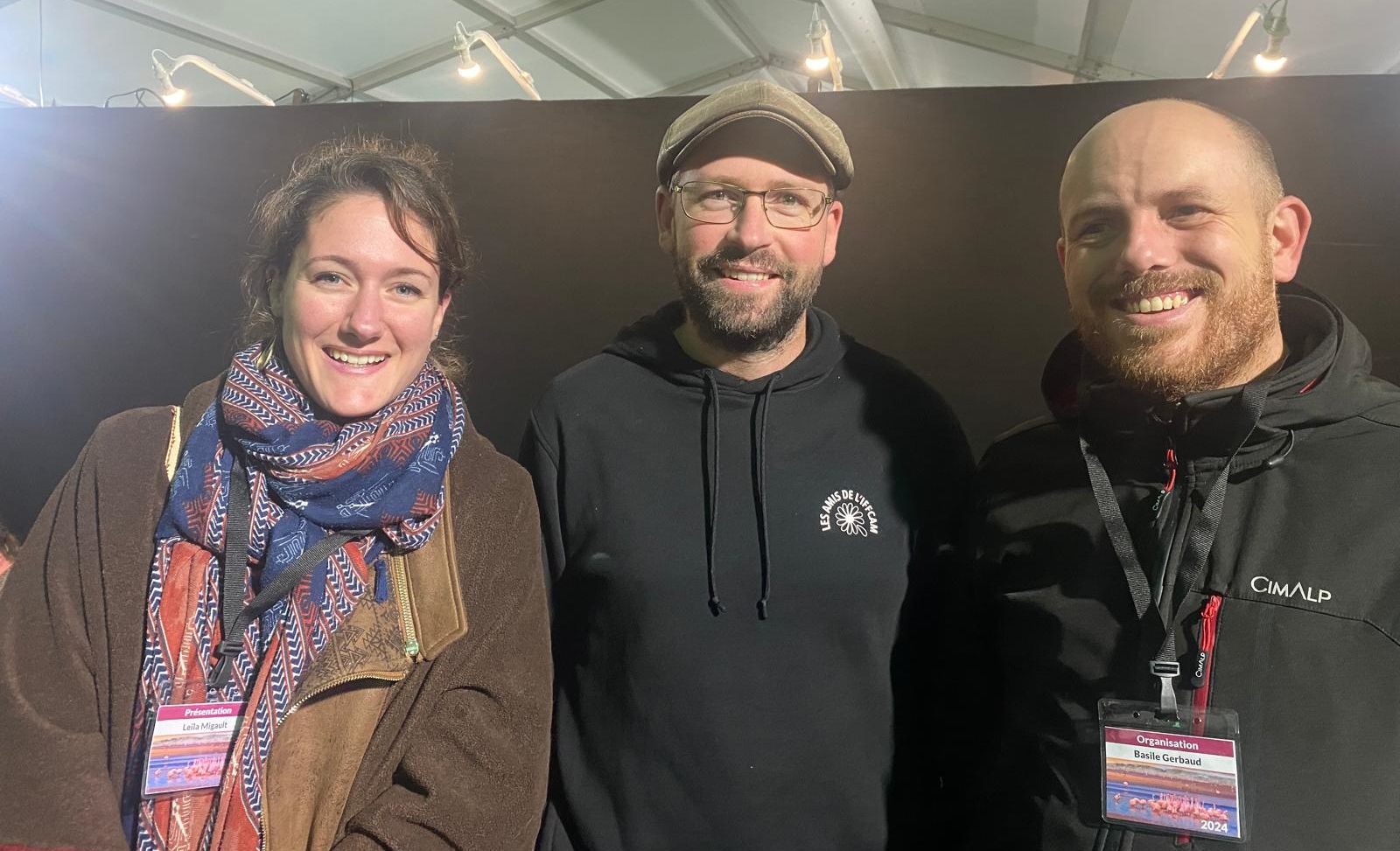
Leïla Migault, Hugo Braconnier & Basile Gerbaud at FIFO 2024
You are all three wildlife cinematographers, but I noticed you’ve also all directed your own films — is that common?
Leïla Migault (class of 2018)
Yes it is — it’s a profession where you have to be a jack of all trades if you want to make a living from it. We write, we direct, we operate the camera, and we sometimes do sound recording too.
Basile Gerbaud (class of 2011)
We do it out of necessity: the budgets of some French-speaking channels force us to wear multiple hats, and since it’s usually the image that drew us to wildlife filmmaking, many of us become director-cinematographers.
Hugo Braconnier (class of 2014)
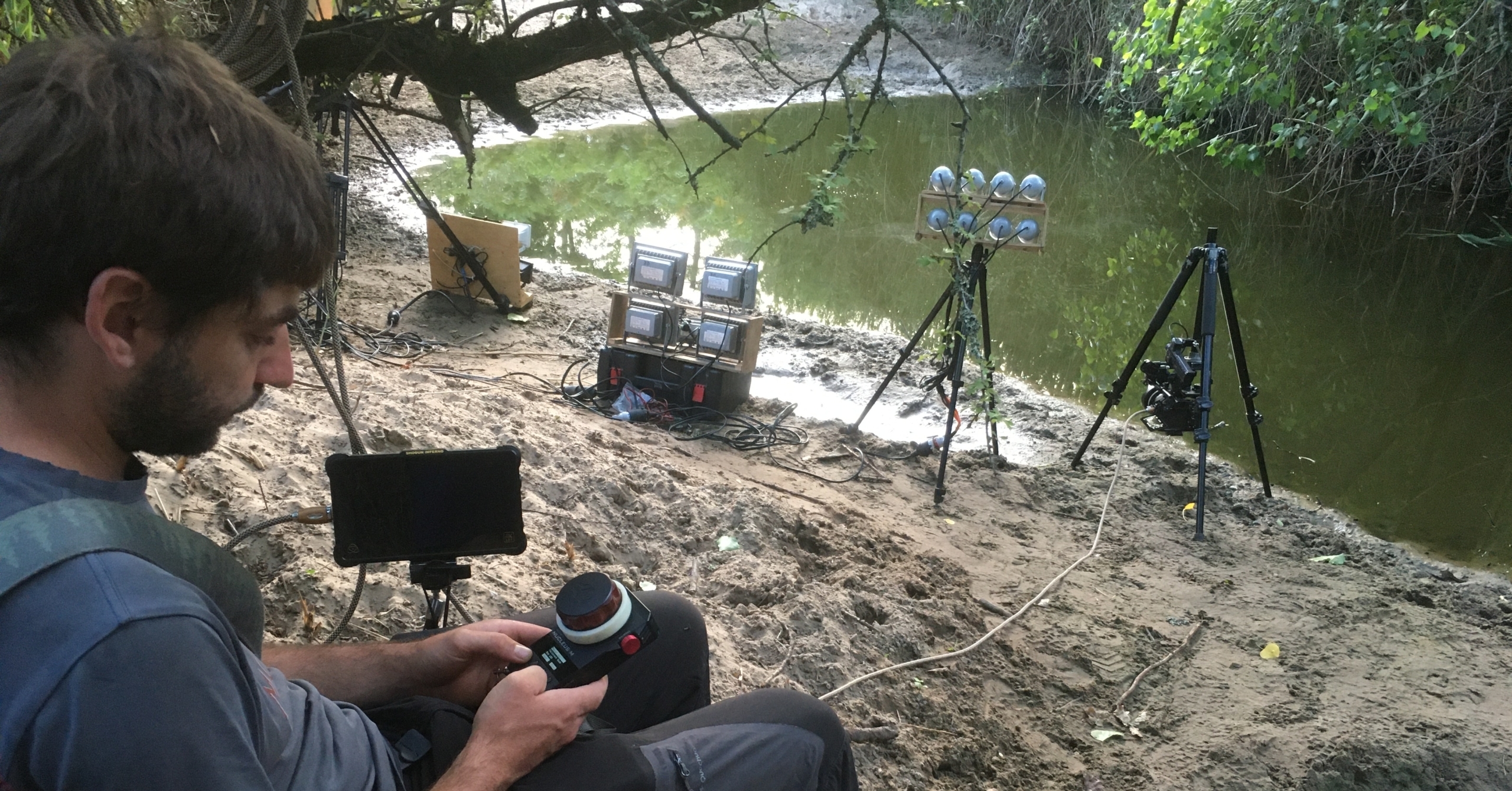
My brother Nathan and I are much more cinematographers than directors. We’ve built a reputation for specialised footage and we work on shoots where we’re purely behind the camera. We focus on technical challenges — infrared, ultra slow motion, macro, night filming — and we’ve managed to position ourselves as image specialists rather than all-rounders.
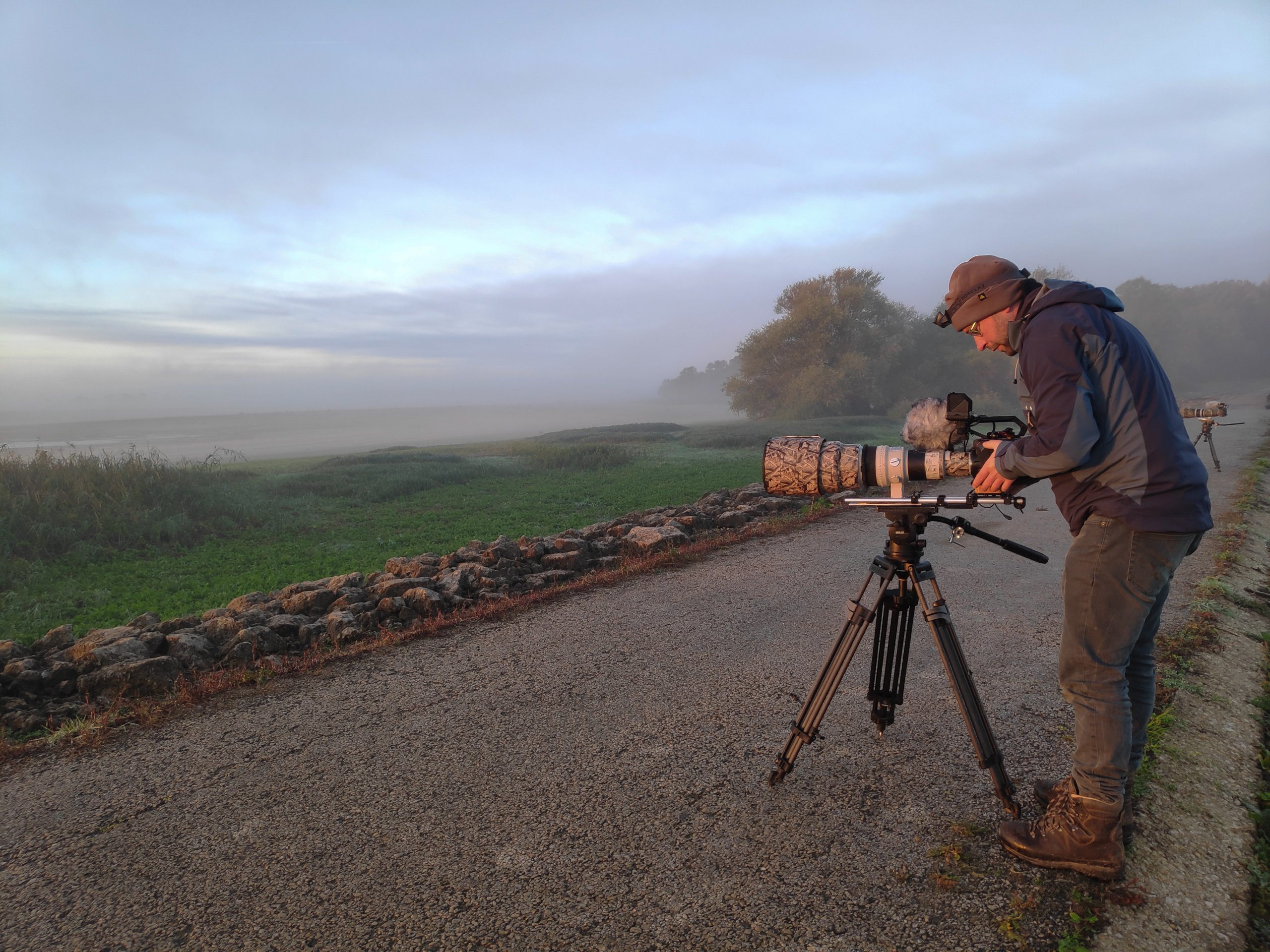
What camera and lens setups do you use?
Leïla Migault
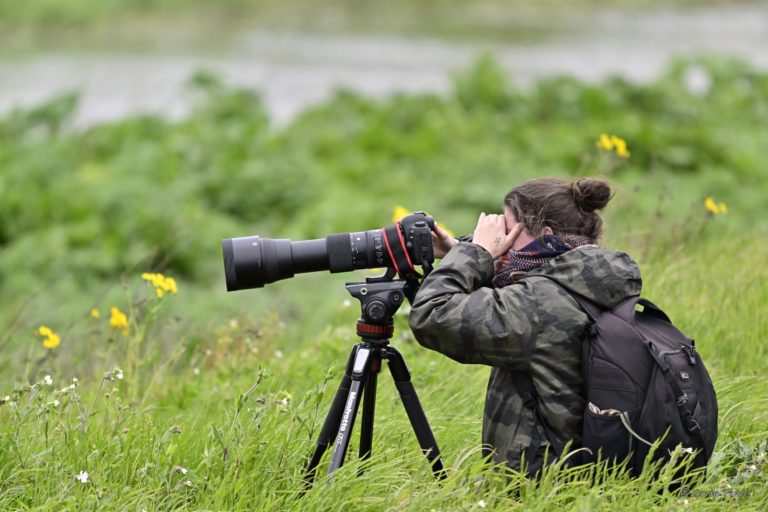
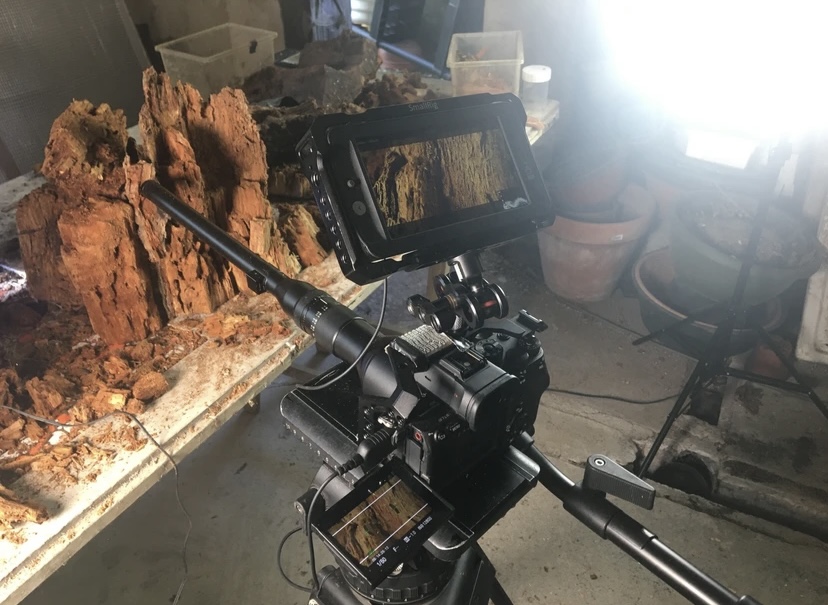
For wildlife, I use a Canon C70 and a Canon R5 with long focal lengths, especially a 600mm f/4. Everything depends on the subject. For macro, I work with specific lenses and sometimes a probe lens. The key is always adaptability.
Hugo Braconnier
We work a lot with modified cameras — we’ve had the infrared filters removed from some of our cameras to film bats. For slow motion, we use a Phantom at up to 1000 fps. The technical side is really what drives us — finding the right tool for each situation.
Basile Gerbaud
I mostly use a Sony FX6 and a 200-600mm zoom. What I love about this setup is its versatility — it’s compact, reliable, and the autofocus is remarkably effective for tracking fast-moving animals. For documentary-style shoots with more cinematic ambitions, I switch to prime lenses and a larger camera.
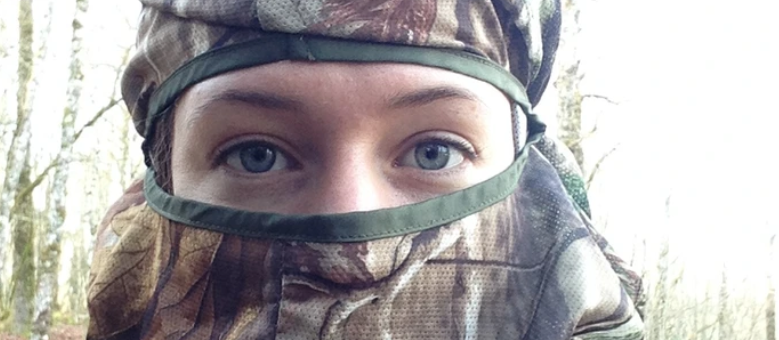
What is the most remarkable animal you’ve ever filmed?
Leïla Migault
I get excited about a simple robin, so… (laughs)
Basile Gerbaud
It’s far more satisfying to film a robin in beautiful light than a bear in a terrible frame. It’s the magic of the captured moment that matters, not the animal.
Hugo Braconnier
One day, we had to bring back a seal sequence in Scotland — the director wanted footage of a behaviour that had been observed but never filmed. We spent a fortnight in the middle of winter on a frozen island in awful weather, and we saw nothing. Then the day before we left, we managed to capture the famous sequence: that’s an incredibly powerful feeling.
Basile Gerbaud
I remember a film I made about bison in Poland — I waited for days without seeing anything, then suddenly they appeared and I found myself 20 metres from them. At that moment you don’t think about the camera anymore — you’re in the experience, completely immersed. And then you realise you got the shot, and that it’s beautiful.
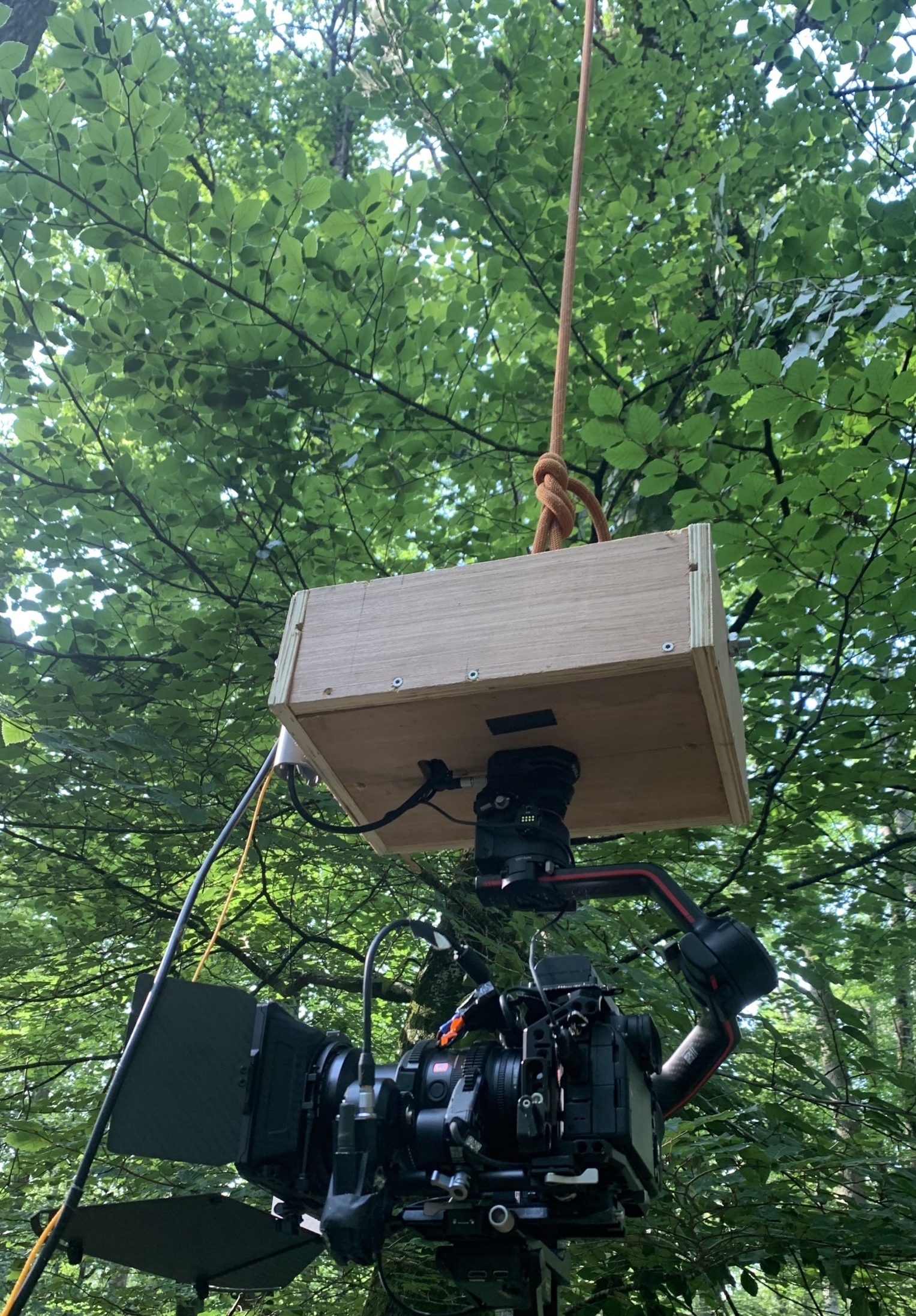
How did you make a name for yourselves?
Hugo Braconnier
For us, it was clearly word of mouth. IFFCAM students knew we had a lot of footage of the “black woodpecker,” so whenever a film needed a black woodpecker, they’d come to us.
For the past few years, my brother Nathan and I have been shooting a huge amount of bat footage. It’s very technical — we’ve had the infrared filters removed from our cameras, and now producers know that if bats are involved, you call the “Braco brothers.” At this year’s FIFO festival, there are 3 French films featuring bats: those are our images…
Basile Gerbaud
When one of us produces a sequence or a film about a particular animal, the IFFCAM alumni network — the “Iffcamians” — spread the word. Animals come back from one film to another, and it creates a real community of image-makers.
Has the profession changed in recent years?
Hugo Braconnier
Enormously. The arrival of mirrorless cameras has been a game-changer. Today, you can get professional-quality images with a relatively affordable camera. When we started, you needed much heavier and more expensive gear to achieve the same result.
Leïla Migault
Social media has also changed everything. Today, you can reach an audience directly, share your work, and make yourself known without necessarily going through traditional channels. It’s both an opportunity and a challenge, because it means more competition but also more visibility.
Basile Gerbaud
What has changed the most, I think, is the awareness of environmental issues. Today, films aren’t just about showing beautiful animals — they tell stories about conservation, about threats, about the relationship between humans and nature. And that gives our work a whole new dimension.
What advice would you give to a young person who wants to get into wildlife filmmaking?
Leïla Migault
Be patient! This is a profession where you have to know how to wait. And above all, love being outdoors, in all weathers.
Hugo Braconnier
Specialise. Find your niche, your technical expertise, something that sets you apart. That’s what will make the difference.
Basile Gerbaud
Never stop being amazed. The day you stop marvelling at a sunrise or a bird in flight, it’s time to change jobs.
The IFFCAM alumni demonstrate that wildlife filmmaking is much more than just pointing a camera at animals. It’s a demanding craft that requires patience, technical skill, ethical awareness and a deep love for the natural world. Through their work, they help us see the world differently — and that may well be the most valuable contribution of all.