In the French documentary landscape, this unique school has been cultivating a singular approach for twenty years, combining technical rigour, environmental awareness and narrative creativity. We meet its director, Marie Daniel, who opens the doors of her school — an institution that has grown steadily over the years.
Marie, what is the IFFCAM?
MD: It’s the Institut Francophone de Formation au Cinéma Animalier (French-speaking Institute for Wildlife Film Training), a school located in a small village in the Deux-Sèvres department, Ménigoute, between Poitiers and La Rochelle. The school was founded 20 years ago in the wake of the Ménigoute International Ornithological Film Festival, known as FIFO, and is supported by the Deux-Sèvres department — a truly original setup. The festival, originally focused on birds, has expanded to cover other forms of wildlife and nature, and holds an important place in the documentary landscape. The school trains around thirty students per year over two years, offering a Master’s degree.
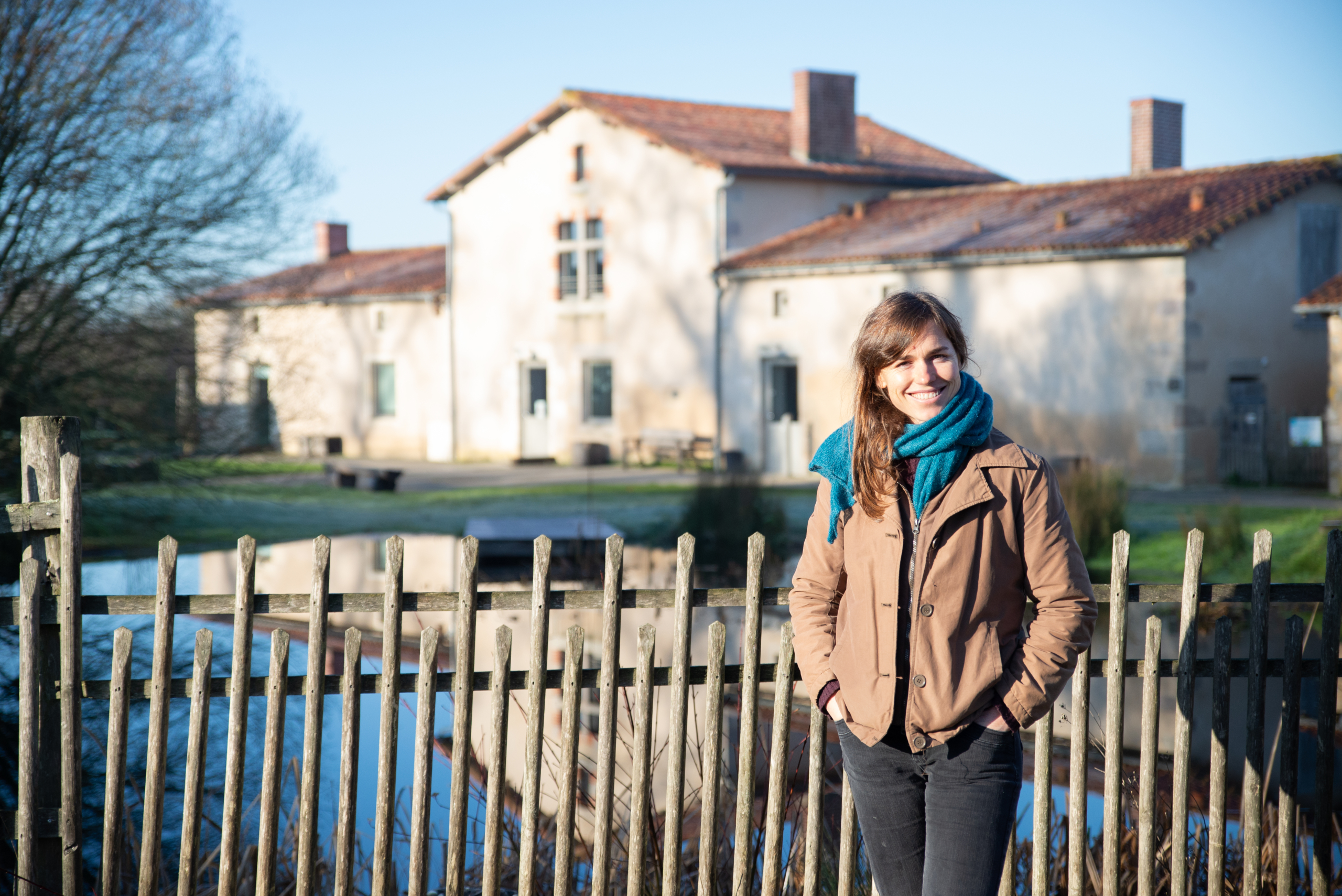
Marie Daniel outside the IFFCAM premises ©V Pegoraro
What specific technical aspects are taught at the IFFCAM?
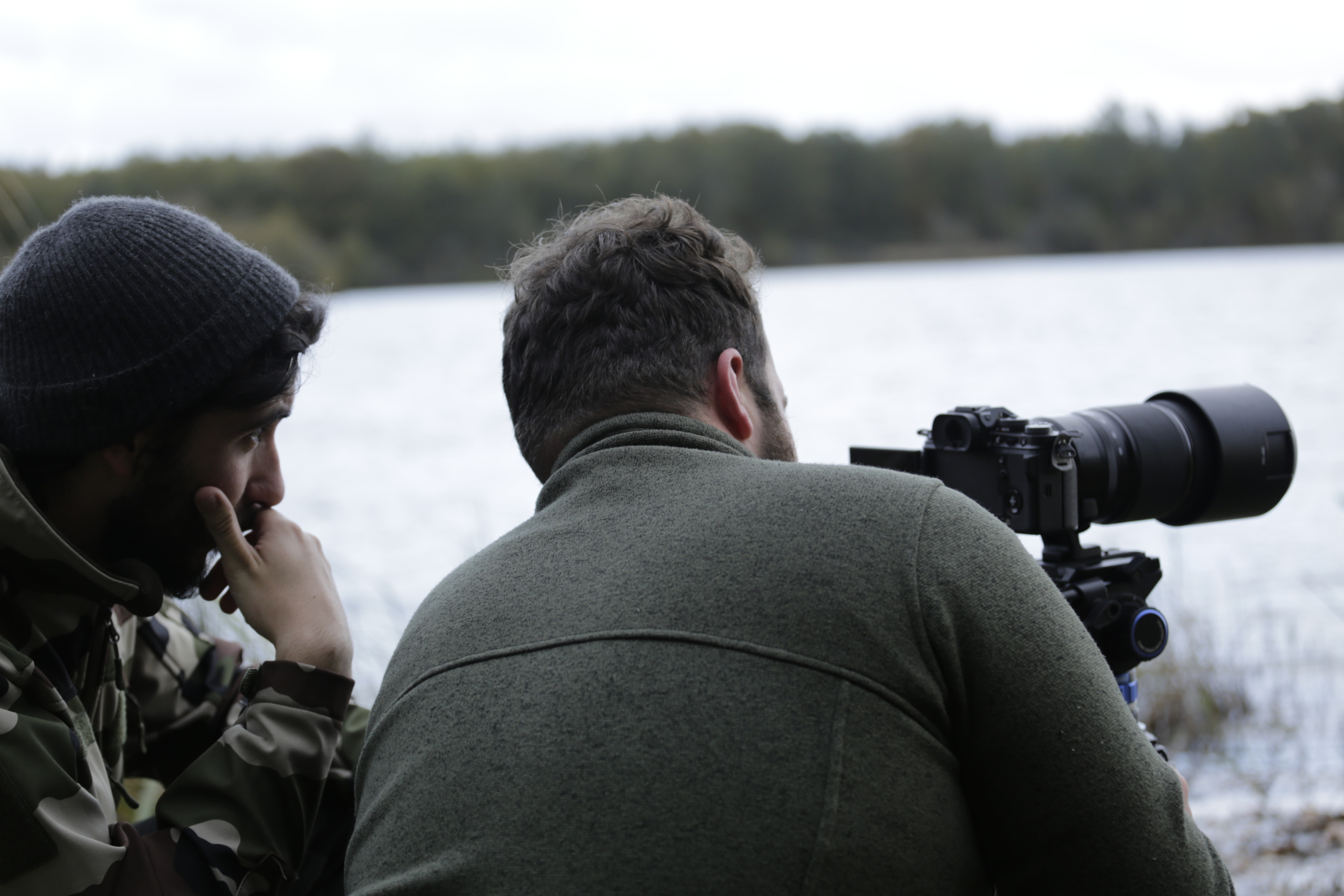
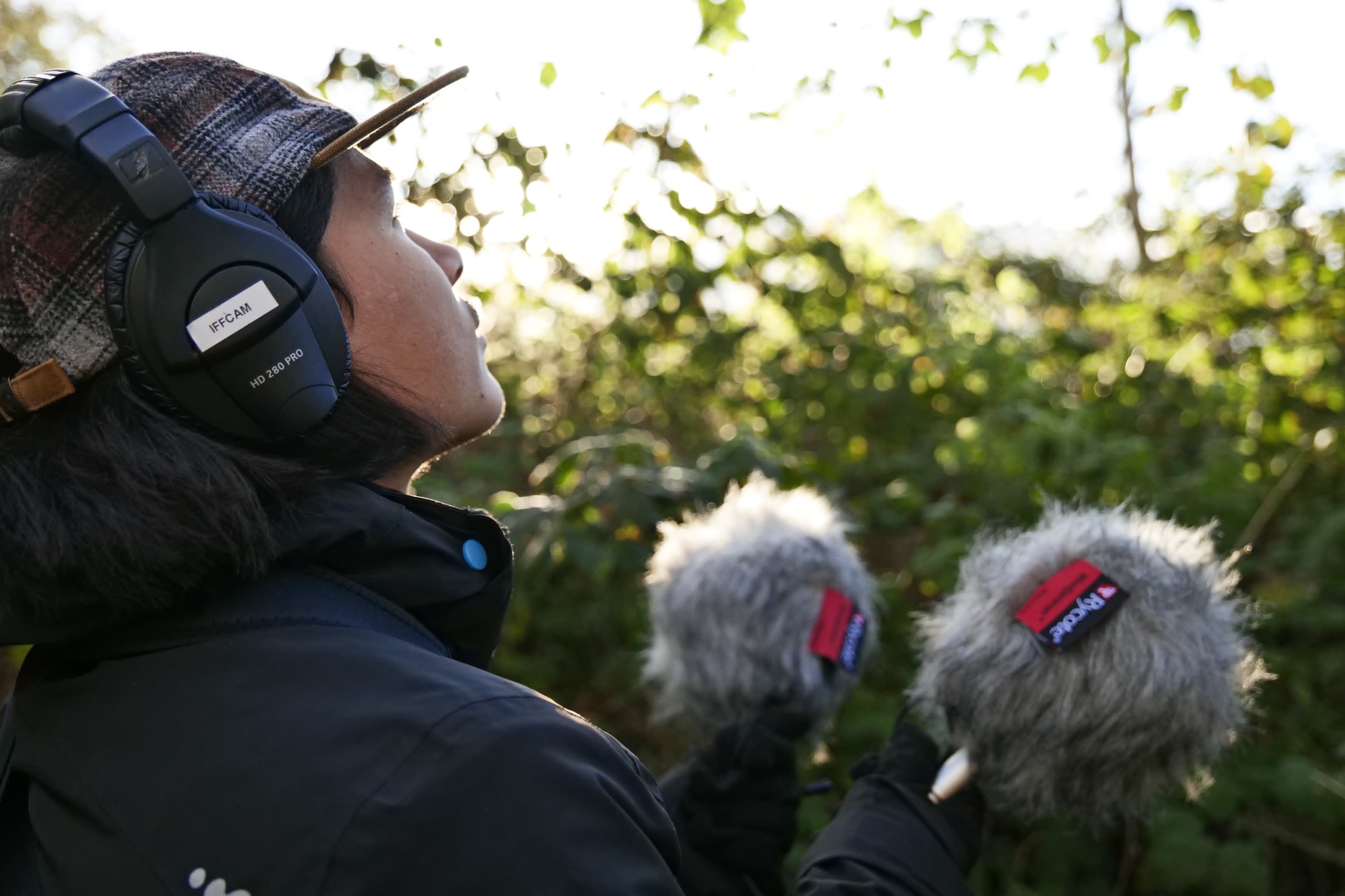
MD: What’s great about the IFFCAM is that students get hands-on experience with every stage: writing, cinematography, editing, mixing, colour grading. For example, they learn to shoot with long focal lengths to capture animal behaviour from a distance without disturbing them. We also teach them sound recording in the wild, where the slightest unwanted noise can become a real headache, and where a naturalistic approach is equally essential. And then they work on stabilisation: it’s crucial for smooth, precise movements, especially with unpredictable subjects.
You place great emphasis on ethics. Can you elaborate?
MD: Yes, ethics is a cornerstone of the IFFCAM. We don’t do wildlife filmmaking for the spectacle. Every shot must be thought through in terms of its impact on the environment. For instance, if a student is filming a bird’s nest, we ask: “Is your presence disturbing the nesting?” If the answer is yes, you stop. We also raise awareness about the ethics of narration: how does one tell a story about animals without anthropomorphising excessively? How does one respect the reality of animal behaviour rather than bending it to a narrative?
 ©PA Combre
How do you handle these debates?
MD: We discuss them extensively, without being dogmatic. For example, drones offer incredible shots, but they can disturb ecosystems. The solution? Collaborate with naturalists or reserve managers. The idea is to find a balance between creativity and respect for the natural environment.
And in terms of narrative, how does it work?
MD: We teach them to find their own path. We explore many narrative approaches: interviews in motion, immersive shots, thoughtful voice-over. For instance, we recently ran a workshop where students had to film a scientist walking through a forest. The aim was to capture his thinking while working on natural light and composition. This kind of exercise pushes them to think about framing and storytelling simultaneously.
 ©PA Combre
What career paths are available after the IFFCAM?
MD: They’re varied. Some alumni work for the France Télévisions group channels, others for Arte, and some even for cinema. Others go into self-production. For example, Sophie Arlot and Fabien Rabin have been making a living from their films for 15 years. They produced Trait de vie, a documentary on animal traction, with very modest means but great recognition.
With technology evolving, how do your students cope?
MD: Honestly, they’re lucky. Today, you can buy a powerful mirrorless camera at a reasonable price and get professional-quality images. Some arrive already equipped with impressive gear. And what’s great is that they share their skills: those who are very technical work with those who have a more narrative approach. It creates a real dynamic.
 ©PA Combre
Can you tell us about a project that particularly stood out?
MD: Yes! Recently, a group of students produced a film about the return of the wolf to France. They spent months in the field, embedded with shepherds and naturalists. What was impressive was the quality of the images and the depth of the narrative. They managed to present both sides of the debate without passing judgement, which is not easy on such a divisive topic.
What role does the IFFCAM play in the future of wildlife cinema?
MD: I think we’re training the next generation of filmmakers who will be both storytellers and witnesses. They’ll be the ones who tell the story of our relationship with the living world. And in the current context, with biodiversity in crisis, this role is more important than ever. The IFFCAM is a place where we learn not only to film, but to look — really look — at the world around us.