Through a collection of question-and-answer portraits, the Union introduces the members of the association. Today, Pascal Caubère.
When and how did you become interested in cinematography?
My interest in cinematography began with a genuine love for images, very early in my adolescence following my mother’s death when I was 16. I then borrowed an 8mm camera, then a Super 8, and simply started filming family celebrations and events. Then, with a small viewer and a tape splicer, I would edit my footage, adding music or voiceover with the sound Super 8 projector my father had given me in 1976.
It was this “projection” into adulthood that gave me this strong desire to film, to capture the energy of life around me, always keeping in mind Cocteau’s famous quote: “Cinema is filming death at work.” I also had the good fortune of growing up in a family of artists and actors whose collective imagination nourished these little adolescent films.
It was obvious: I loved framing, images, editing, projection, sound, with the immense pleasure of the varied reactions from those around me. These joyful experiences, I would find (and continue to find) them throughout my professional life.
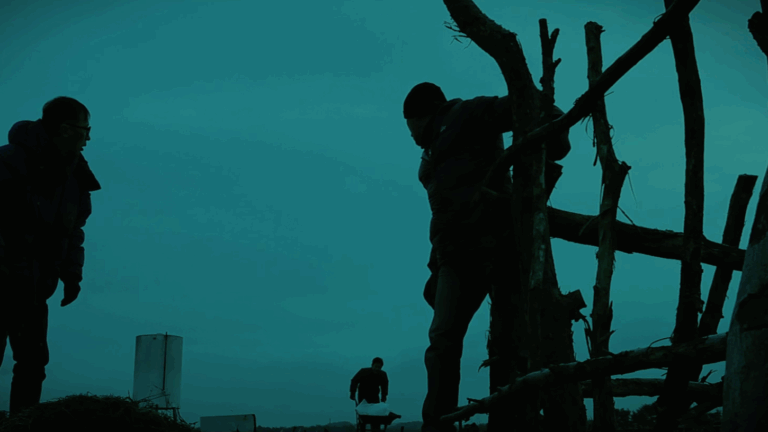
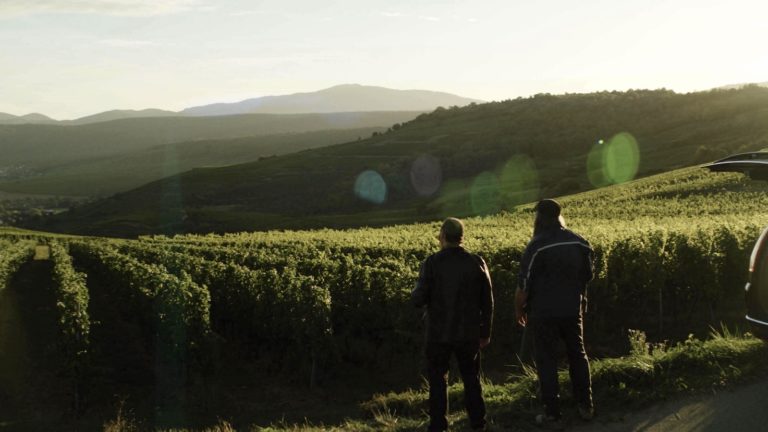
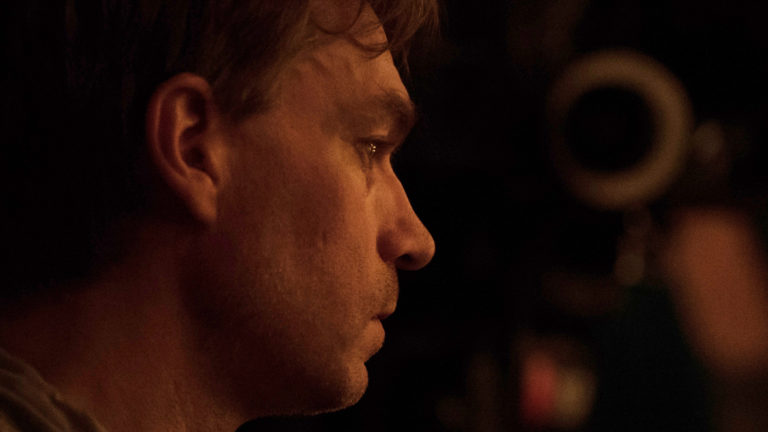
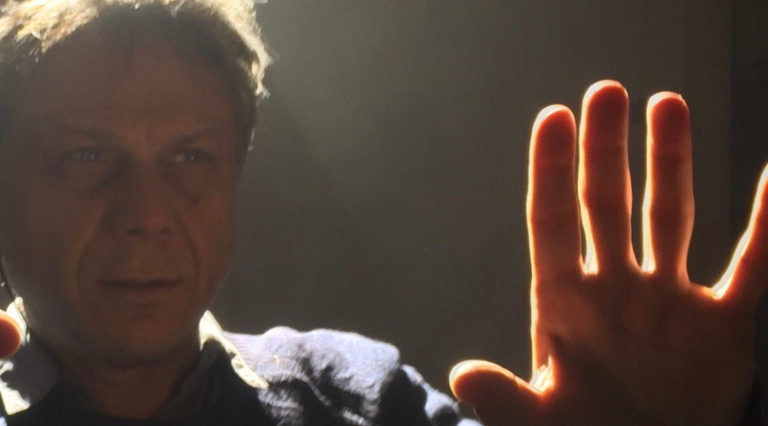
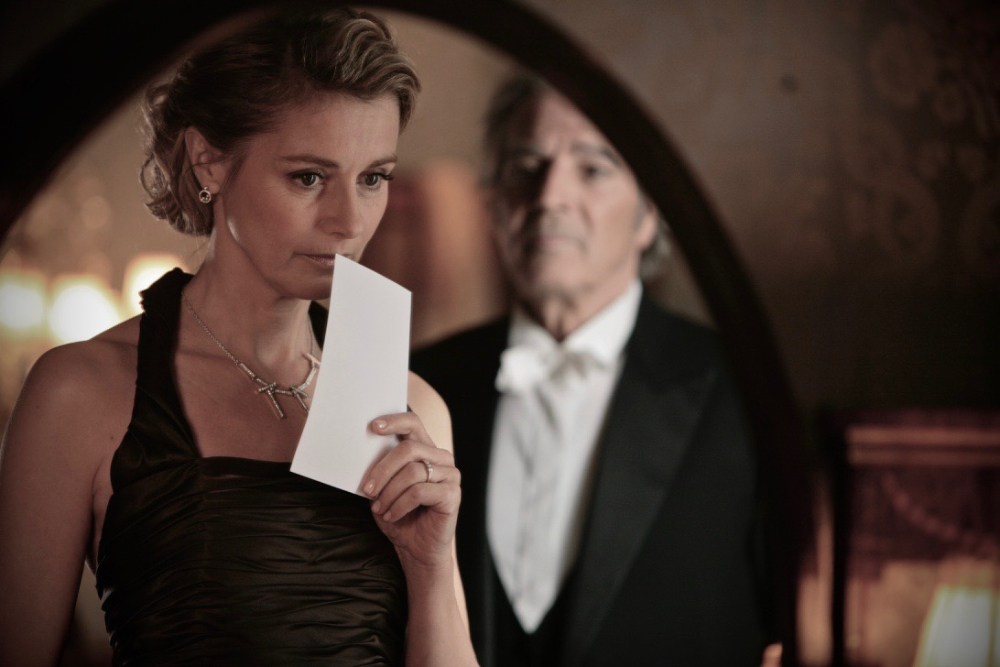 Bambou, directed by Didier Bourdon
Which films have particularly struck you visually, to the point of drawing you specifically to the work of cinematography?
It was at my film school that I discovered the two fundamental cinephile orientations for me: Italian cinema and British cinema. More precisely, the films of Nanni Moretti (Bianca, Dear Diary, The Son’s Room…) and those of Ken Loach (Kes, Ladybird, and most recently I, Daniel Blake with his great director of photography Barry Ackroyd). These two filmmakers became the most influential references in my work.
I am a great fan of this cinema rooted in a strong reality, brought to the screen with each director’s own particular style.
What was your initial training?
After a technical baccalauréat, I spent two years at CLCF, where I arrived culturally ignorant. During those two years I acquired a cinematic and literary culture while continuing to film and edit my Super 8 productions.
In 1981, I entered Louis Lumière (at the time it was a two-year BTS programme). There I found happiness because, despite some significant shortcomings in the teaching, I found myself among people who shared the same passionate love for technique and cinema.
For me, the foremost quality of this profession is the ability to create and bring together a “family” in a very short time to accomplish a common work: a film.
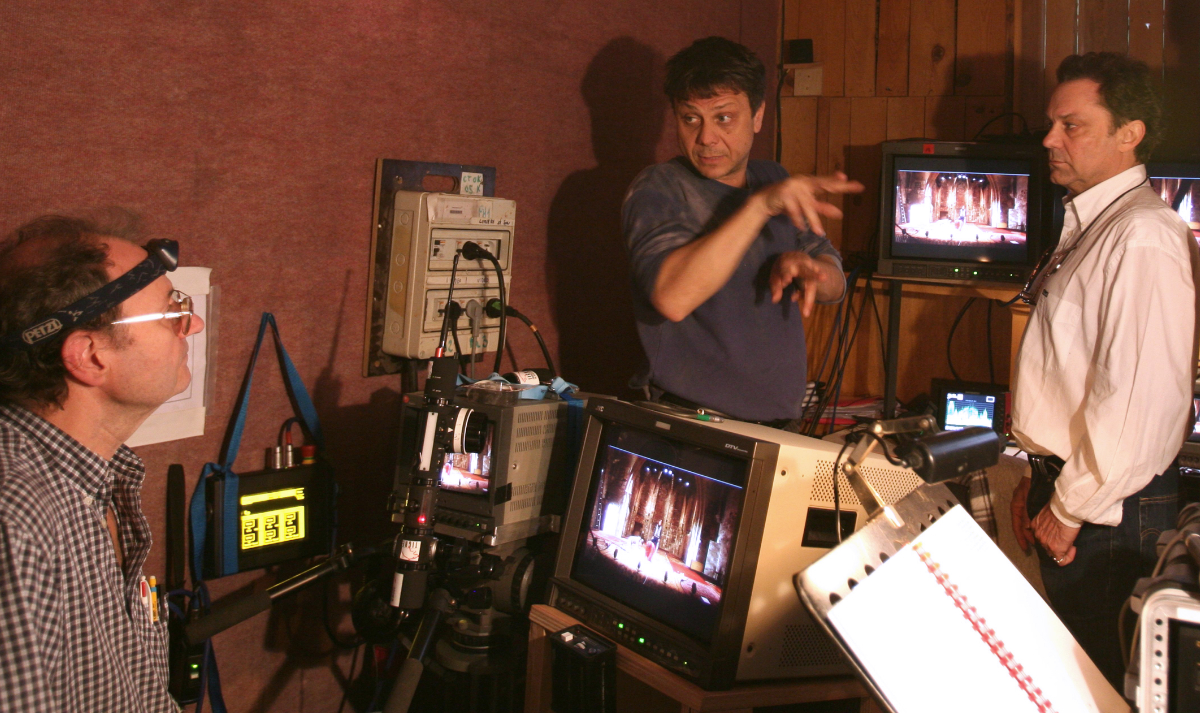 On the set of a theatre capture in Avignon in 2016 with Philippe Caubère, directed by Bernard Dartigue
When and in what context did you start working as a director of photography?
At 23, straight out of school, my first contract was as a freelancer for FR3 with a 16mm camera shooting reversal film. I filmed sporting events on weekends.
In parallel, I was making short films, corporate films, and so on. Then, riding that momentum, at 25 I shot my first two features: an art film, L’homme imaginé by Patricia Bardon, and a very bad erotic B-movie! I had thus done the splits across every possible genre…
What types of films have you worked on, and what would be the ideal next project?
I have worked on a wide range of projects, alternating between art films (Grandperret, Nicotra, Bardon…), big-budget comedies (Didier Bourdon, Marc Esposito…), and TV movies. This “eclectic” approach to cinematography helped me build a genuine network that kept me in steady work. I was able to experiment with highly varied configurations across diverse fields (fiction, documentary, corporate, advertising, theatre, opera, etc.), which led to strong personal and artistic encounters.
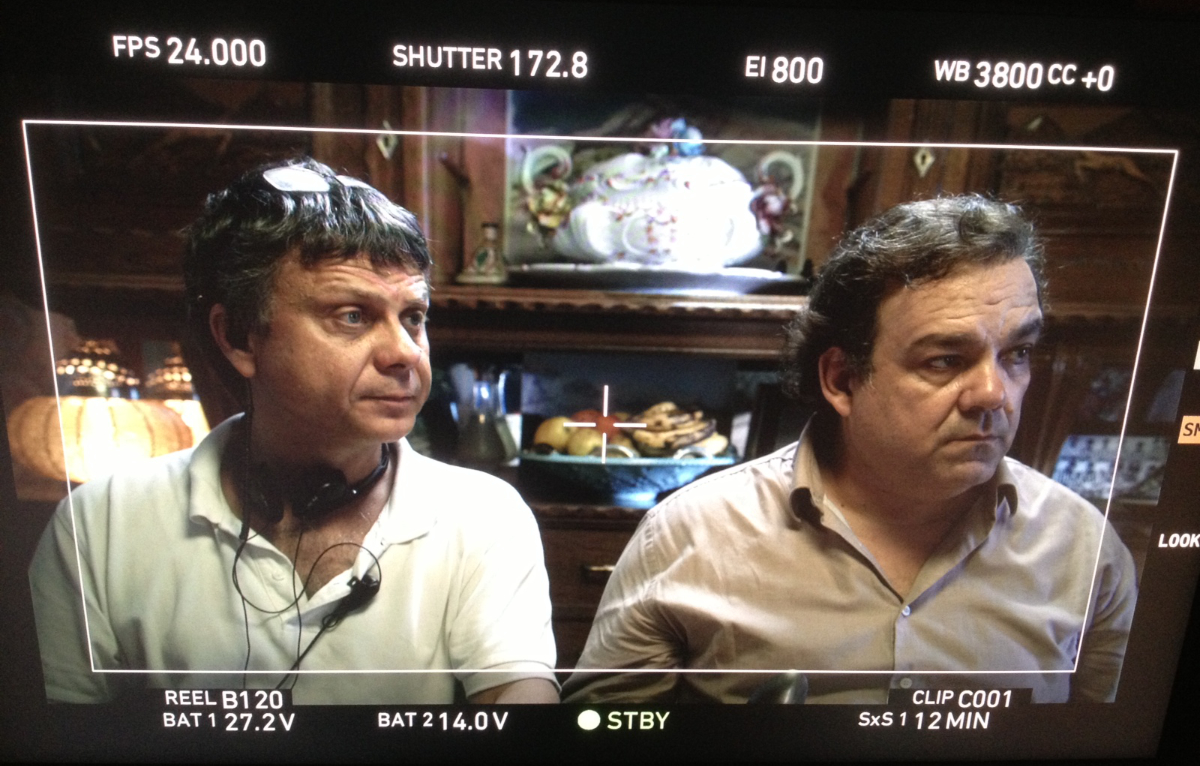 On the set of Les 3 frères, directed by Didier Bourdon and Bernard Campan
In 2019, I shot a feature film, Patricia Bardon’s art film Nana ou les filles du bord de mer. The technical challenge of this project was filming with an FS5 and a single camera assistant/electrician. I edited, colour graded and produced the DCP of this feature in very little time. It was a fantastic technical experience for me, an opportunity to edit and grade in my own editing suite equipped with DaVinci Resolve. For two years now I have been passionately interested in post-production and workflow, and I have decided to develop this additional activity, which greatly enriches my work as a director of photography.
At the same time, for the past three years I have been working on series—documentary or standalone—and I teach lighting at EICAR (I enjoy the relationship with young people and the idea of passing on knowledge).
The best future project for me would be a beautiful art film with a small budget, where I could once again handle the full technical follow-through, or a well-written series, because I really enjoy this format in which you can truly develop original lighting approaches.
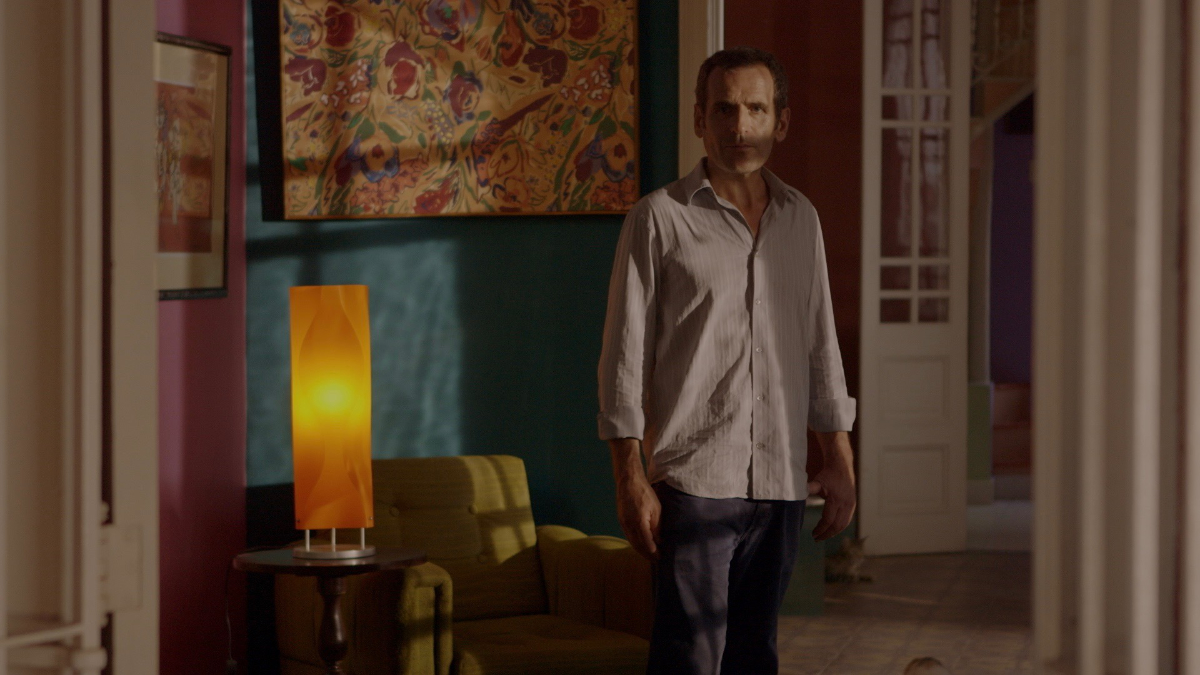 Fui banquero, directed by Patrick Grandperret and Émilie Grandperret
What are your artistic sources of inspiration?
Everything inspires me! My eye is everywhere. A book, an exhibition, a photograph, a painting, a colour, nature, a play… For each project, regardless of format, I try to identify the axis, the sensibility of the artistic direction, so that it perfectly respects the wishes of the director, the production, and the intended destination—TV screen or cinema. In that sense, thoroughly immersing myself in the script is essential before I can envision the images, make lighting and framing choices, and follow a visual axis. Even if it is subtle, even invisible to some viewers or sometimes even to our artistic partners, it is part of the sensibility of the cinematographer’s craft.
Do you remember any memorable blunders?
Some time ago, I was filming a piano recital at the Théâtre du Rond-Point in Paris, with two cameras, including one on a crane loaded with a 35mm magazine. Partway through, the magazine opens without me noticing! I keep on filming while the film spools out of the magazine… until a spectator taps me on the shoulder to point out the problem!
Otherwise—not blunders strictly speaking—it has happened to me during colour grading sessions to let myself be too influenced by the director or the colourist and end up disappointed by the final result. This situation is always delicate because a power struggle can develop between the director, the production and the director of photography… Since then, I regularly remind myself that nothing is a given and that mistakes are part of the job, so I always remain “wary” of the technology and also, gently, of my teammates—even if I know them well!
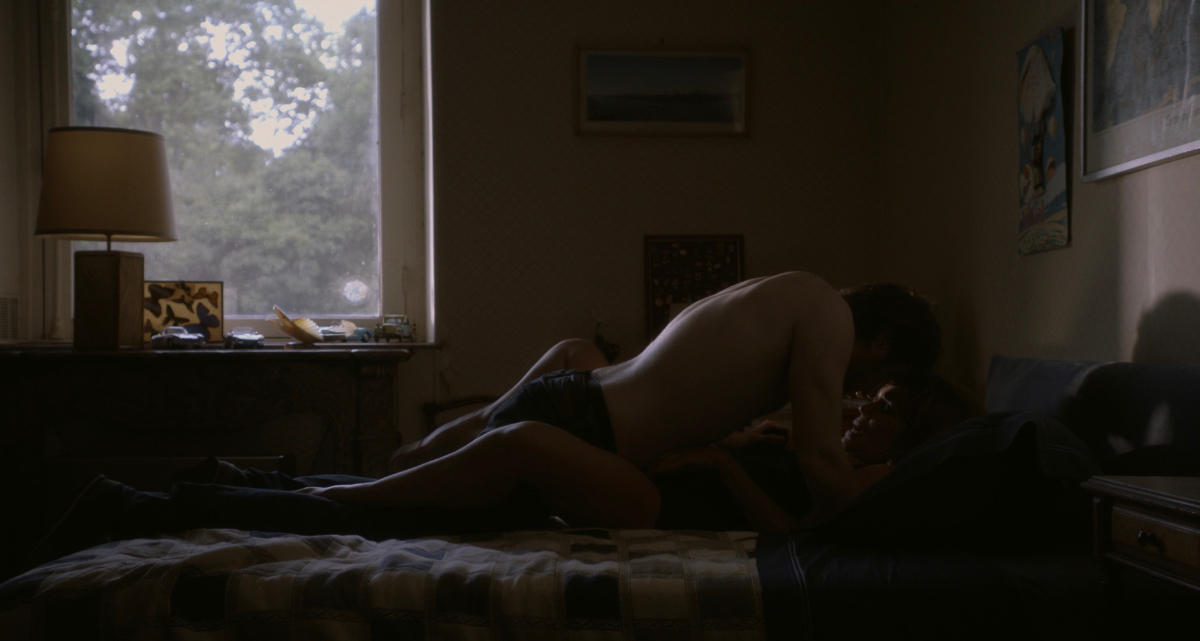 Lebowitz contre Lebowitz, directed by Olivier Barma
Have you experienced moments of doubt about your work or your professional environment?
About the nature of my work: never. I find this profession wonderful, and for me the whole art lies in being able to practise it for as long as possible.
I have experienced occasional professional dry spells that sowed doubts about my ability to exercise this craft, but those moments were constructive because they forced me to question myself, to take further training courses in post-production and other areas (the wonderful AFDAS, which I also recommend to my assistants). They also allowed me to take on smaller projects again, return to documentary work, and so on.
I was fortunate enough to hold on financially; I always strived to maintain my intermittent status, with the good fortune of never losing it since 1986.
Can you describe a particularly original technical or artistic setup?
An important encounter for me was the cinema film Le cœur des hommes by Marc Esposito. As a directorial choice, he absolutely wanted to shoot with two, then three cameras running permanently to film his four actors (Lavoine, Campan, Darroussin and Darmon). Marc’s world and his screenplay were very dense in dialogue, with many sequences involving the four actors. Relying on a fairly static staging, the cameras needed to capture shot/reverse shot compositions, two-shots and three-shots simultaneously.
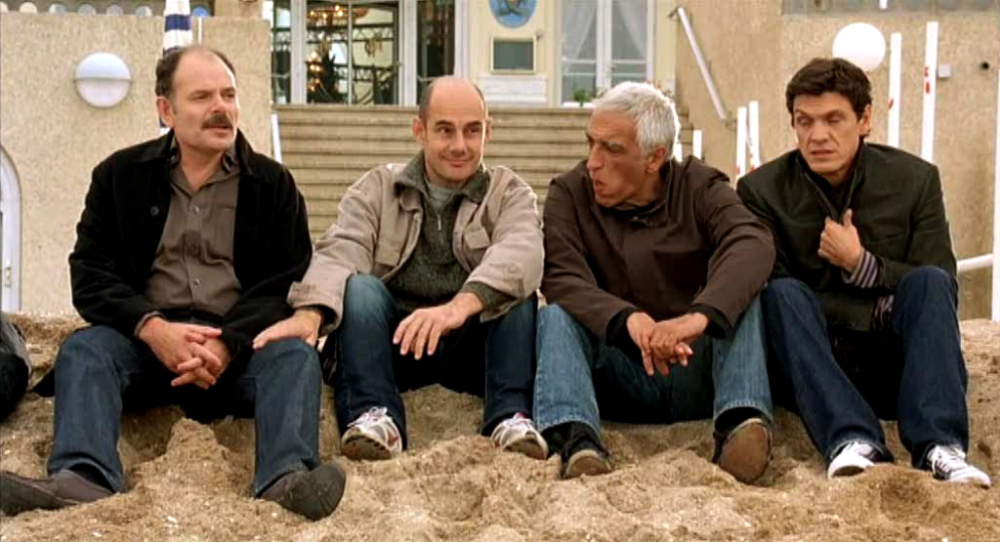 Le cœur des hommes, directed by Marc Esposito
For each sequence, every actor had to be performing and filmed so as to bring a certain tension to the scene. This required a lighting system that was quite time-consuming to set up, especially since the sets were sometimes quite small, with a very substantial camera crew—all the more so because the first two Cœur(s) films were shot on 35mm! It was a great school for me, with some things that worked and others that didn’t, where you had to make drastic choices about lenses (Angénieux zooms) and lighting (remote controls, lighting consoles, LEDs, etc.). The third Cœur was filmed digitally, so it was easier to manage, especially in grading. All of this made me acutely aware of what you lose and gain by filming this way, but I could talk about it for hours… Multi-camera setups are now standard in TV movies and increasingly common in big-budget features, but it remains a real artistic challenge for the director of photography.
Have you ever wanted to direct?
I have never had any desire to direct fiction.
I did, however, direct a documentary about the work of my brother Philippe Caubère, an actor and writer, using rushes accumulated over many years. And at the moment I am editing a documentary about my godmother, which might be titled L’art de vieillir (The Art of Growing Old), the portrait of a 94-year-old woman I have been filming for many years, all self-produced. This entirely satisfies my desire to direct.
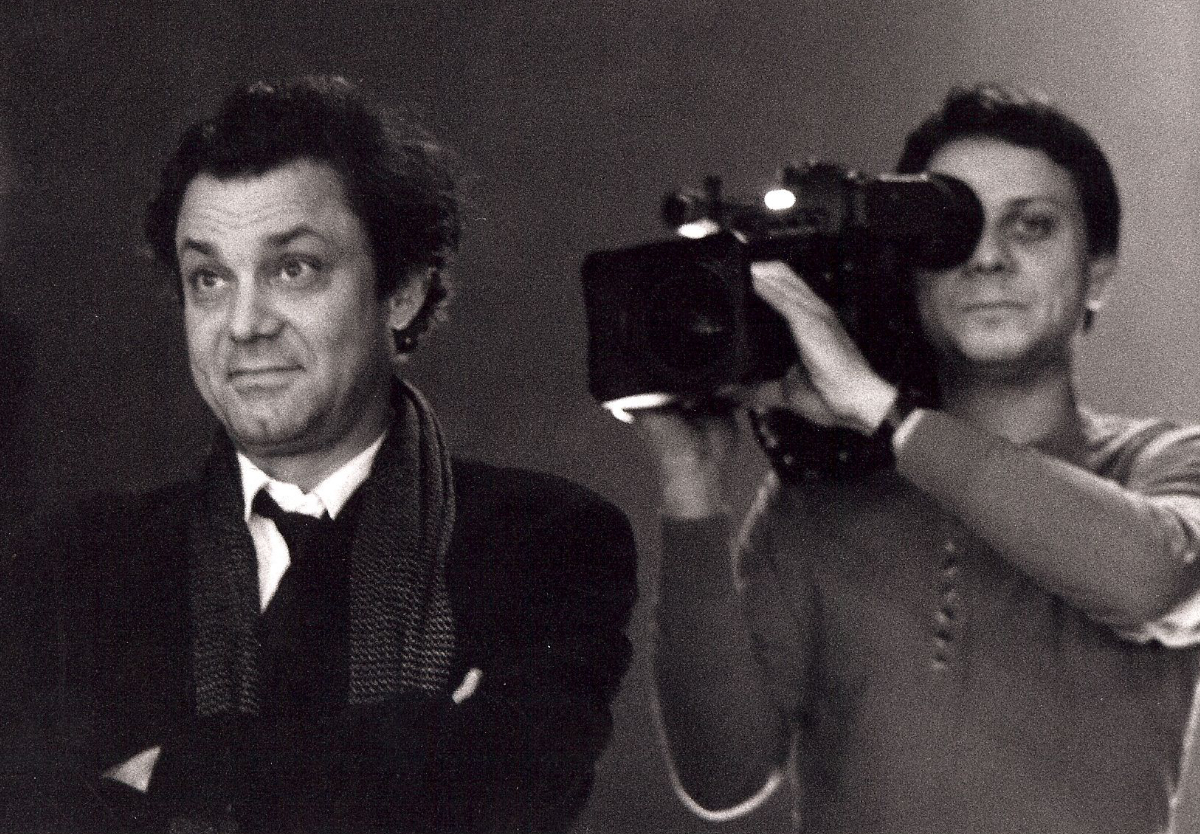 Philippe and Pascal Caubère
What do you love and what don’t you love about your job?
I love being part of the director/script/production equation.
Trying to find the most suitable technical means to make a film, a TV movie or a documentary, finding the right axis to achieve the right image.
What I don’t like is the VIP side of the profession—having to sell yourself, promote your work, “seduce” in order to get hired.
I also dislike the impossibility of planning my professional schedule, even minimally.
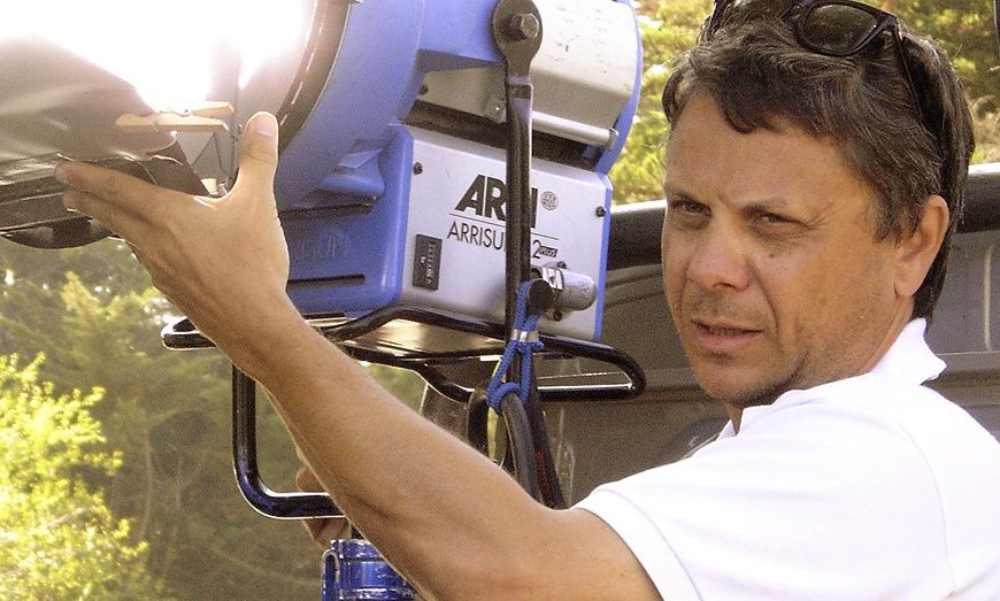 On the set of Meurtières, directed by Patrick Grandperret
What advice would you give to an aspiring cinematographer?
To pursue your dreams and ambitions to the fullest.
To be curious about every project, every encounter.
To look after yourself and have fun, so you can keep practising this profession for as long as possible while maintaining a strong professional ethic.
PS: And to join the Union des chefs opérateurs to rediscover a spirit of companionship!
Pascal Caubère on the United Cinematographers website