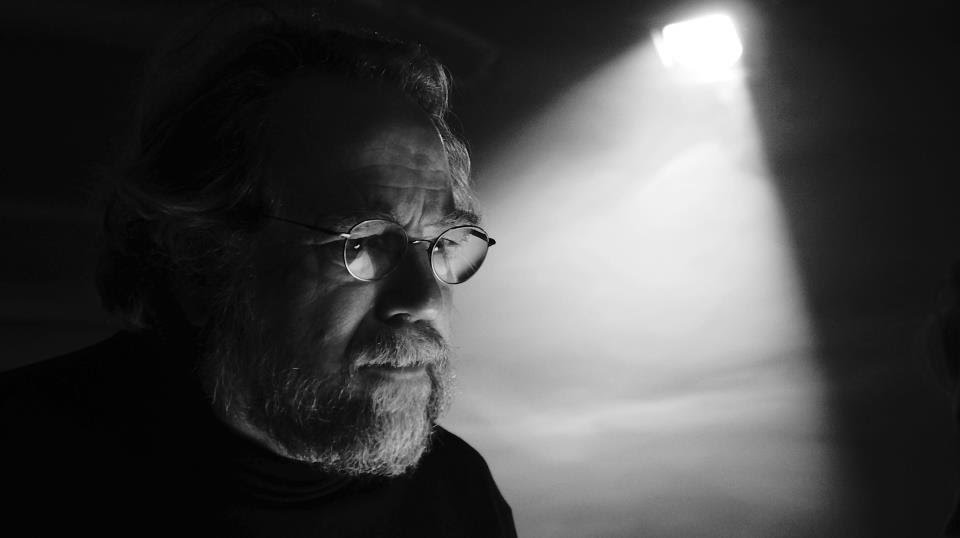
Through a collection of Q&A portraits, the Union introduces the members of the association. Today, Pascal Montjovent.
When and how did you become interested in cinematography?
My father revealed to me a few years ago that the only way to calm me down as a baby was to light a candle near an object. I wouldn’t look at the candle, nor at the object, but at the flickering shadow on the wall. This fascination with light is something I’ve never been able to explain.
Later, at 13, I started editing my father’s extensive collection of Super 8 films. That was also the year I discovered the first Star Wars in the cinema, which shook me deeply and provided answers to questions I had never asked myself. The evocative power of the film medium had me riveted. I suddenly wanted to explore its expressive possibilities.
I became a dedicated cinephile while also handling the cinematography — and above all the lighting — of the films I was making with friends. By the time I left university, I had shot about forty short films in Super 8, 16mm and video.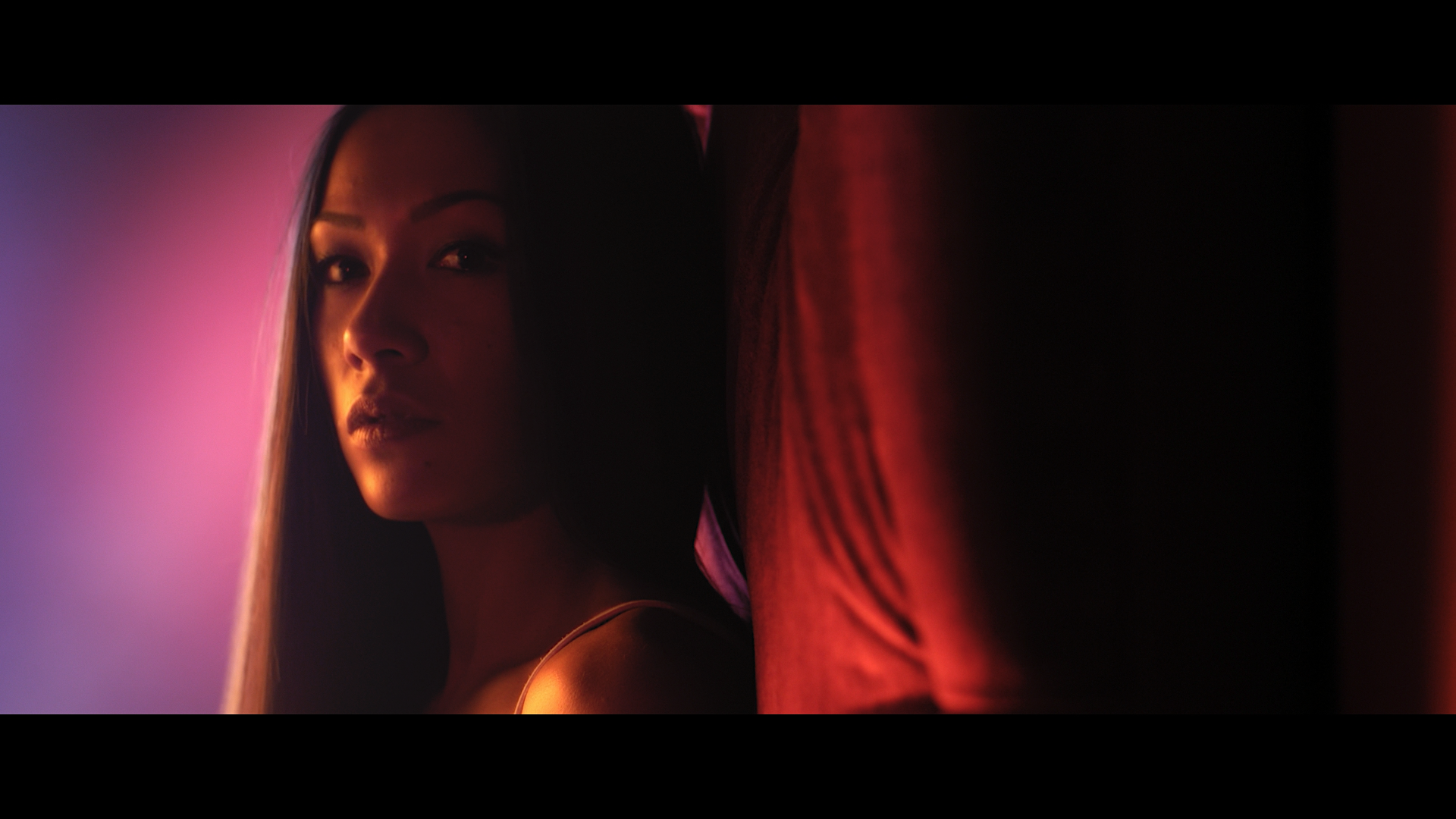
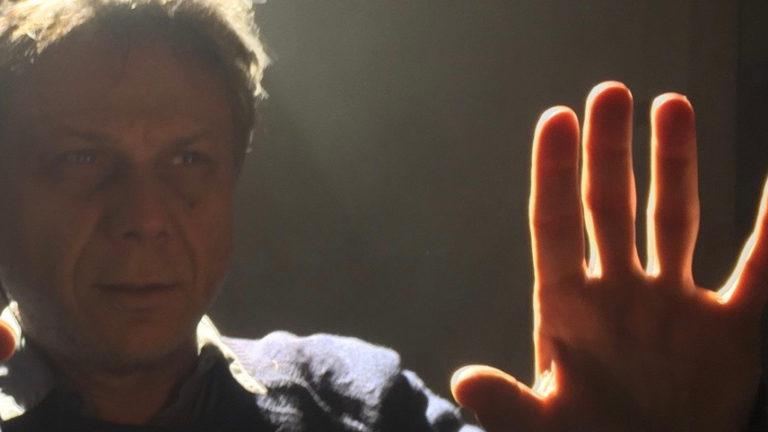
La Fleur du Mékong, dir. Dimitri Frank. Teaser Cannes
Which films particularly marked you visually, to the point of drawing your attention specifically to the work of the cinematographer?
Early on, stylised films like those by Murnau, Borzage, Minnelli, Tarkovsky. Or certain animated films — the “lighting” in Paul Grimault’s and Jiří Trnka’s films, or that of Bambi, left a lasting impression. Later, I discovered the work of Sven Nykvist and Henri Alekan, and that of the Polish school — Peter Suschitzky and Sławomir Idziak — who influenced me enormously.
Films that blended visual effects with live action, such as Close Encounters of the Third Kind by Steven Spielberg (cinematography: Vilmos Zsigmond) or Blade Runner by Ridley Scott (cinematography: Jordan Cronenweth), put me on the right track. The one that embraces the idea that cinema — whether realistic or fantastical — rests on a series of illusions. What is lighting, after all, if not an elaborate construction of shadows and reflections designed to produce an emotional response?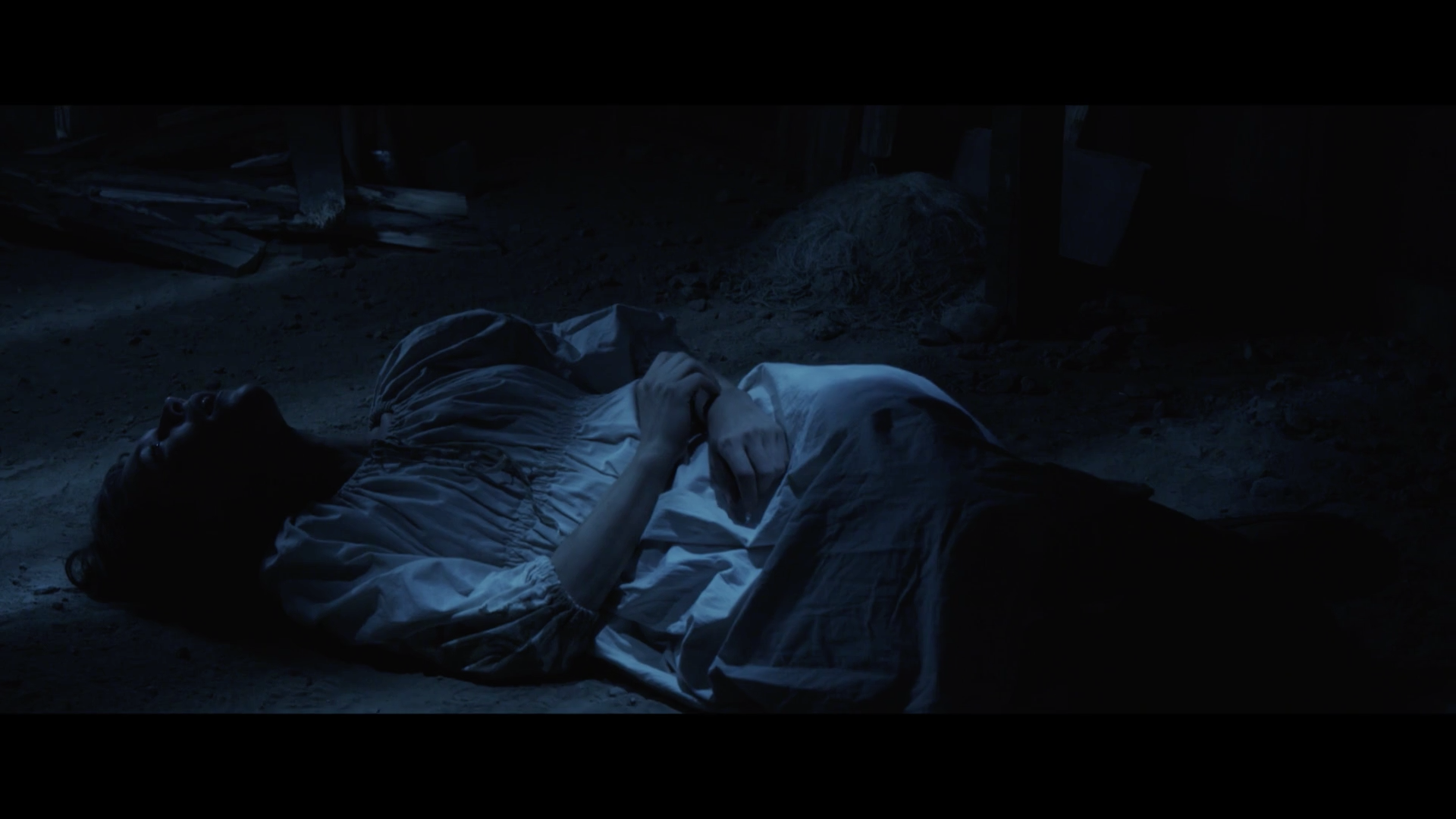
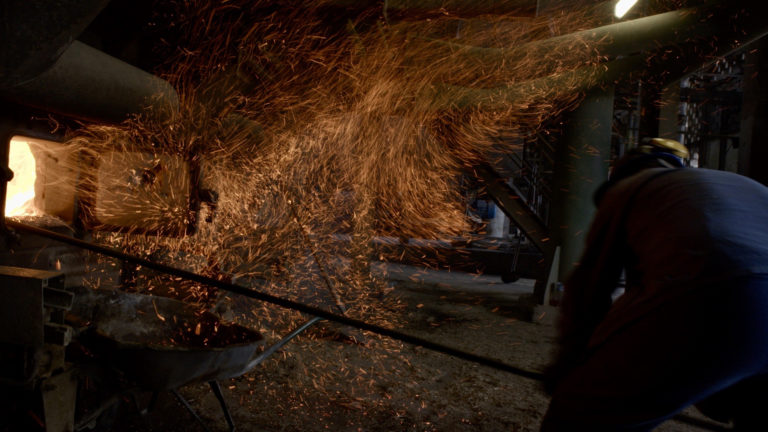
Le Lac Noir directed by Victor Jacquier / imaginastudio
What was your initial training, and when and in what context did you start working as a cinematographer?
Science education, then Sciences Po. My father blocked my path to film schools, fearing I would become “a travelling entertainer.” So I carved out my own path alongside my studies, with a slight preference for handling light rather than the camera.
When I was about fifteen, I helped friends bring their films to life. First in Super 8, and around 20 in 16mm with an Eclair ACL I had bought from a wildlife filmmaker.
In Geneva, the university had a Steenbeck editing bench and a rudimentary lighting kit that I drew from every week for experimentation. I had even developed my own Super 8 black-and-white rushes and tested solarisations by push-processing.
I was then invited to work on a fiction feature in Morocco as 1st AC. Immediately afterwards I worked on several other features as 1st AC, all shot on 35mm, followed by a feature as gaffer.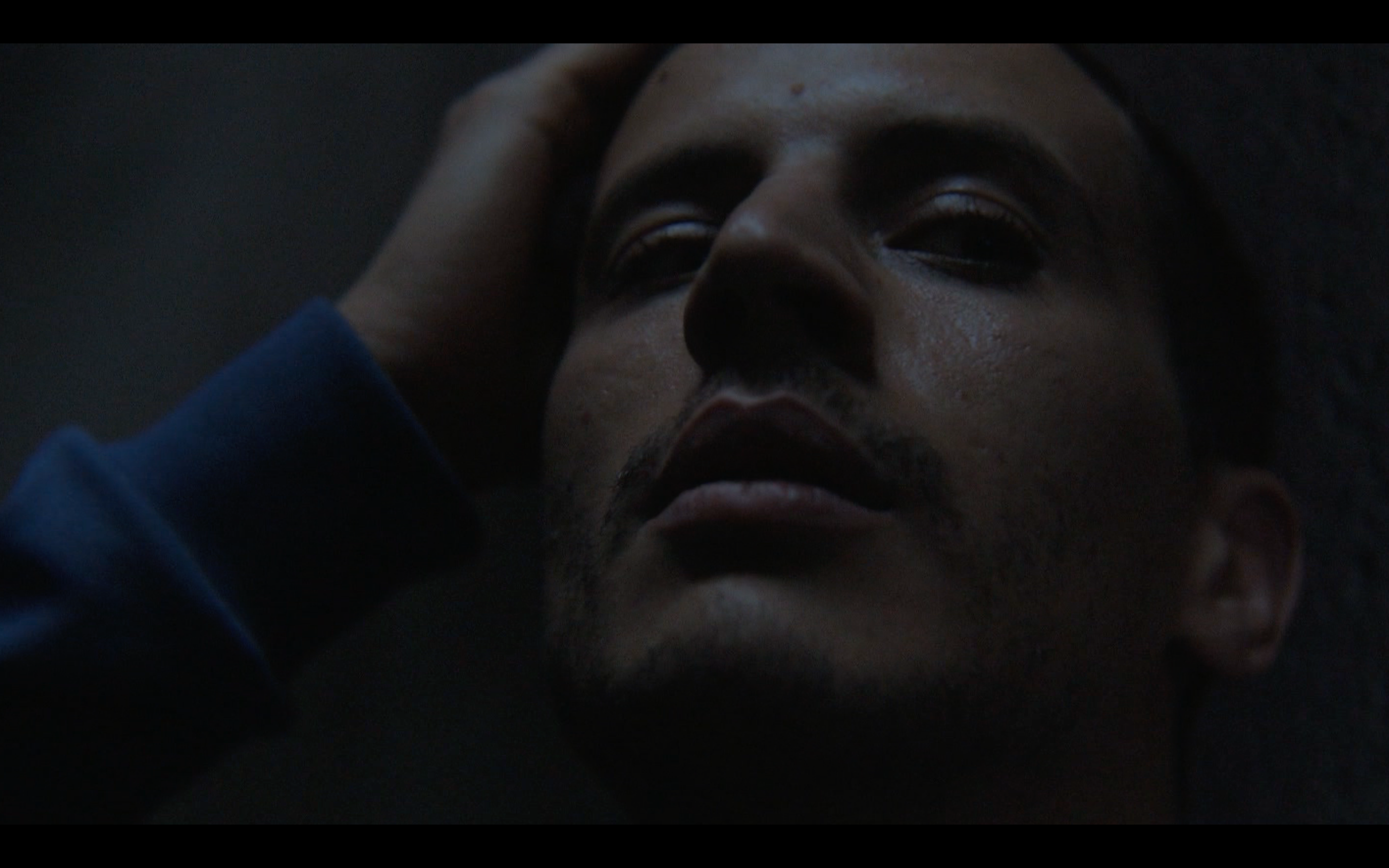
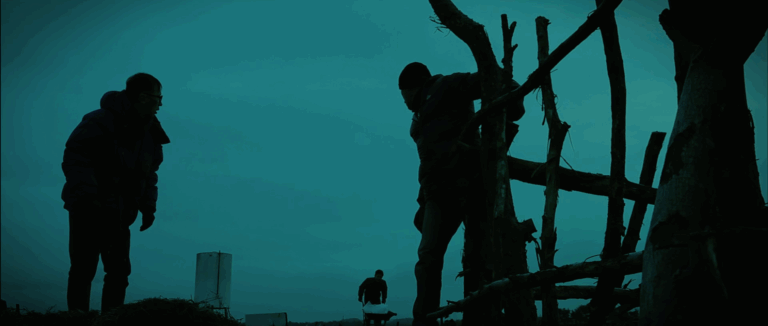
Silences, short film dir. Mohcine Besri
All of this made the emergence of digital cinema in the early 2000s particularly exciting. I jumped at the chance to shoot with the Viper, a camera that generated Log rushes — a revolution at the time! I had even won the Kodak Award for Best Cinematography for a short shot on the Viper with a pack of children, something that would have been unthinkable on film since you had to “let it roll” to capture the right moments.
This experimental period ended with the arrival of the first RED which, though still in beta, allowed low budgets to access an enormous sensor and to work in RAW. Throughout this period, lighting technology evolved very little, which gave me a stable frame of reference for working across all these acquisition formats with a certain peace of mind.
Even though I have always had one foot in the realm of visual effects and CGI, what matters most to me is collaborating with actors on set. I love being immersed in a dramatic situation from the inside, adjusting the light and the frame to serve the emotions and the story.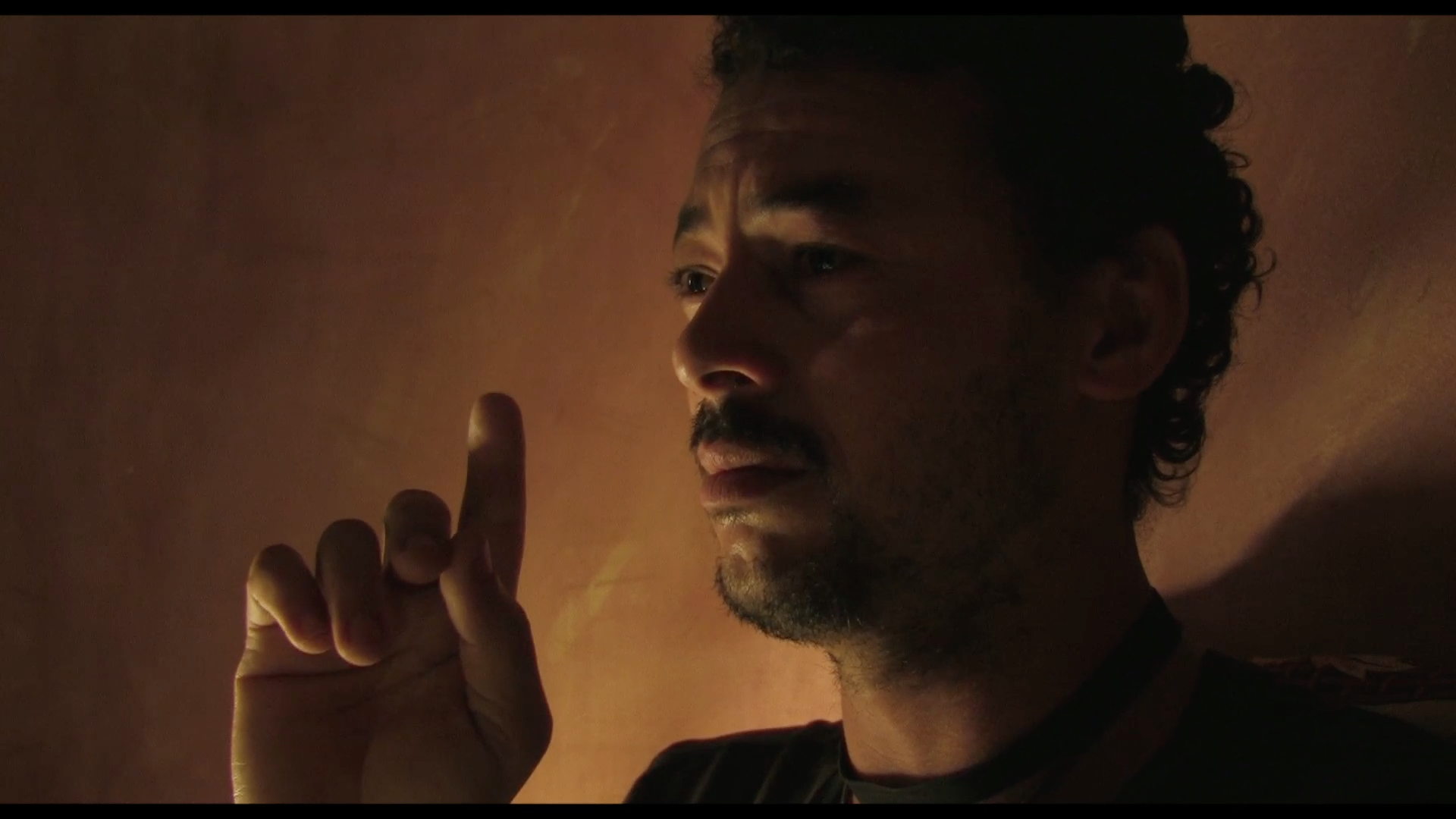
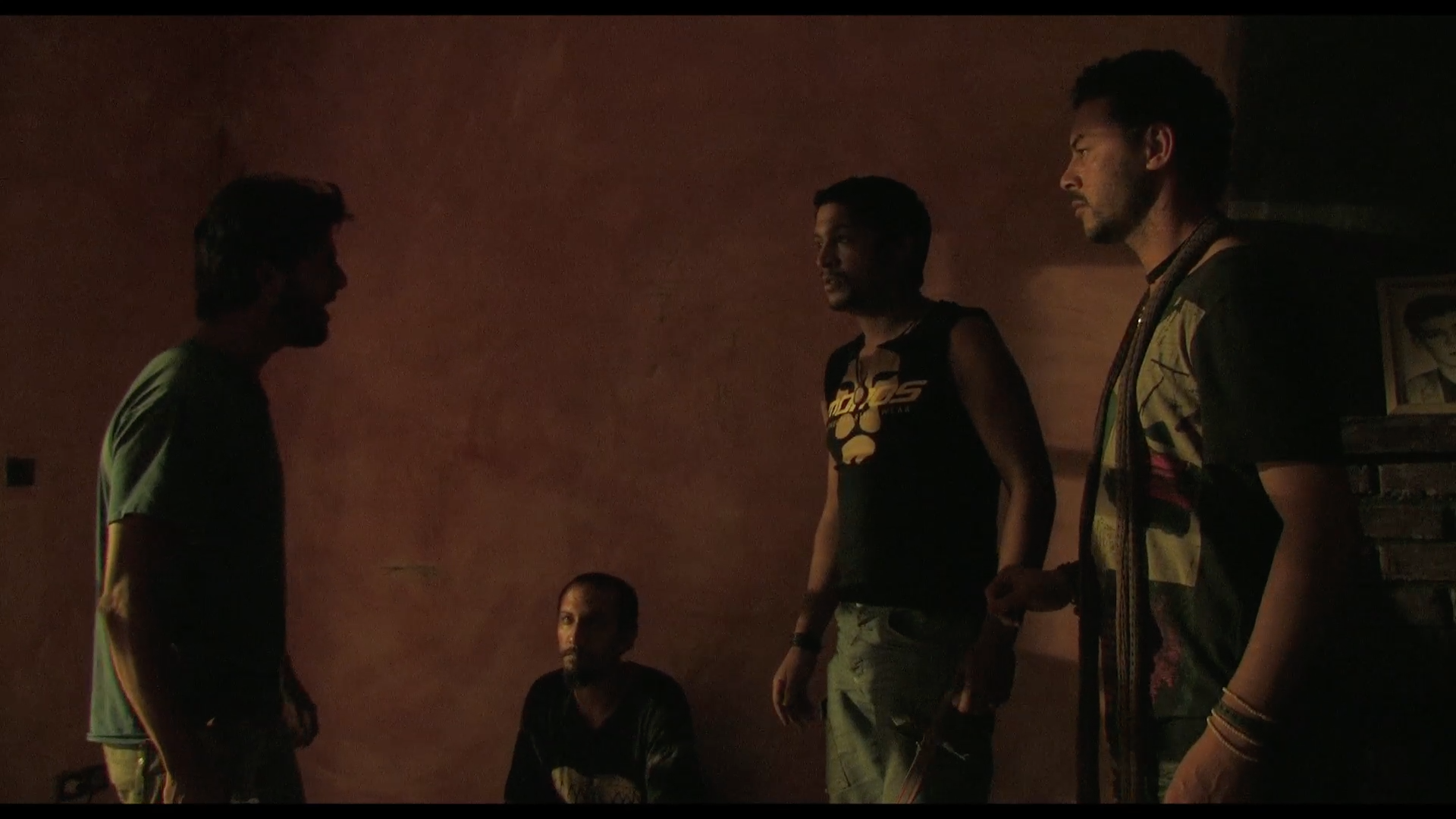
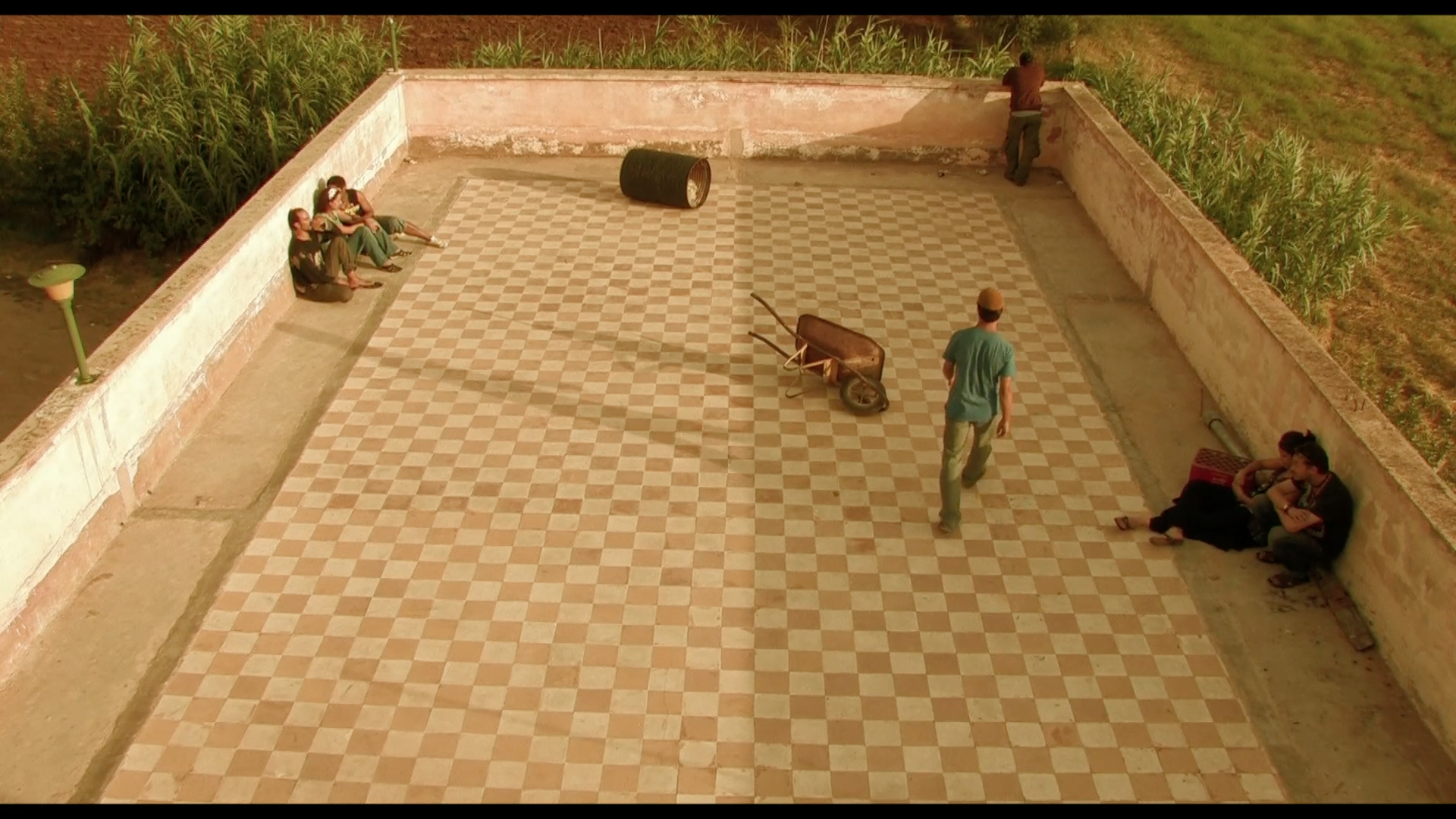 Les Mécréants, feature film dir. Mohcine Besri
Alongside shooting, you teach lighting at film schools and have kept a blog for 10 years. What motivates you to pass on and share your knowledge and expertise?
The 1980s were not a great time for finding information when you were interested, as I was, in a discipline as specialised as film lighting.
There were a few poorly translated English books (from the Dujarric editions, for instance), but most of the information was on the other side of the Atlantic, in specialist magazines and more or less inaccessible books.
And it must be said that my fellow lighting practitioners were not the most forthcoming. The culture of secrecy — “trade secrets” — was very much alive. Even so, I managed to gather precious nuggets from a few generous colleagues who shared their experience openly.
Sharing has always felt natural to me. If I know something, I feel almost duty-bound to pass it on. The blog was born from that impulse: to make freely available, in French, the kind of practical information that I had spent years hunting down in English.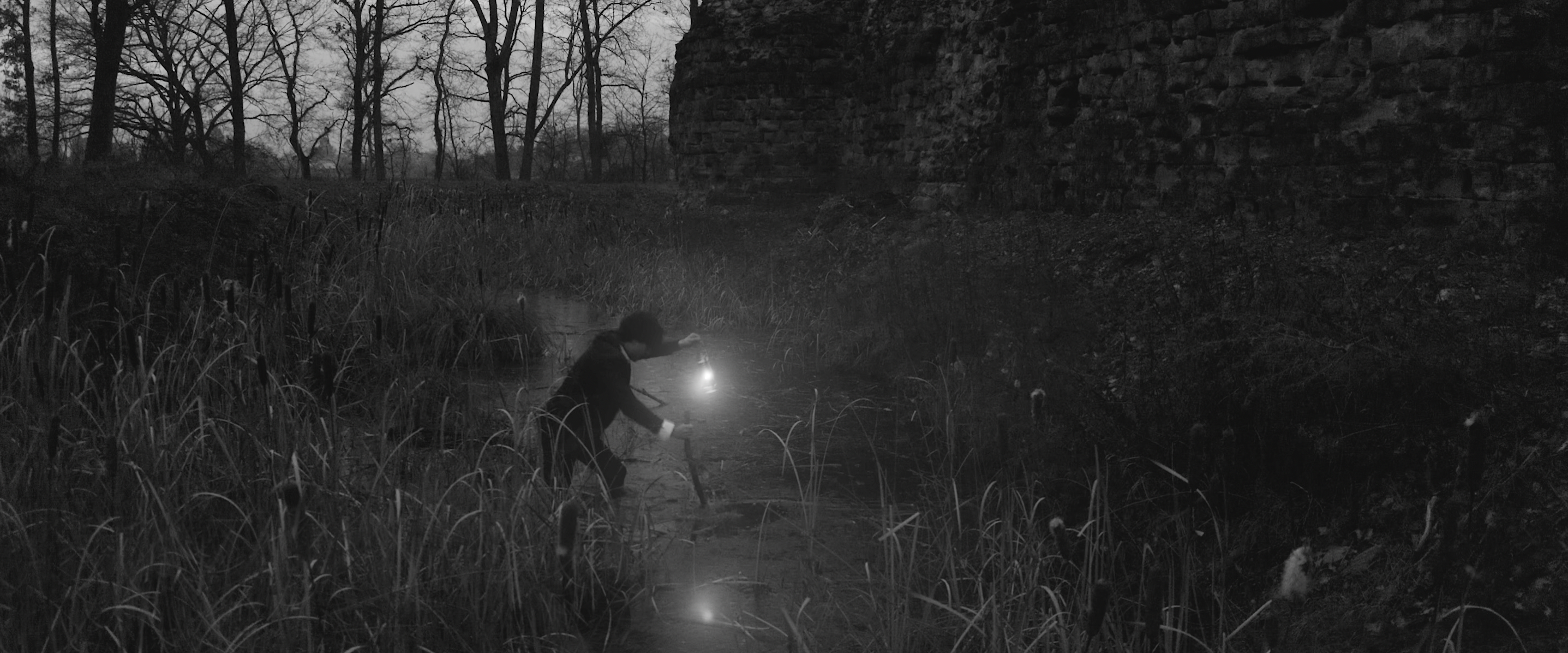 Imago, dir. Mehdi Duman
When the internet made its first tentative appearances in the early 1990s, I immediately sensed a sea change. At the time, the internet was not yet multimedia, but Usenet forums brought together people just as eager as I was to exchange about their field of expertise. These first virtual communities were of course predominantly North American, which suited me perfectly since that was where the first-hand information I was looking for came from.
The generosity, altruism and open-mindedness of my distant correspondents validated my assumption: share and give without expecting anything in return.
Gradually I put into practice workflows and lighting setups freshly imported from the United States and Canada. At the time, I was shooting mostly in Switzerland, where very few people worked this way. My French-speaking colleagues were often sceptical, sometimes even hostile, towards approaches that deviated from established practice. But the results spoke for themselves.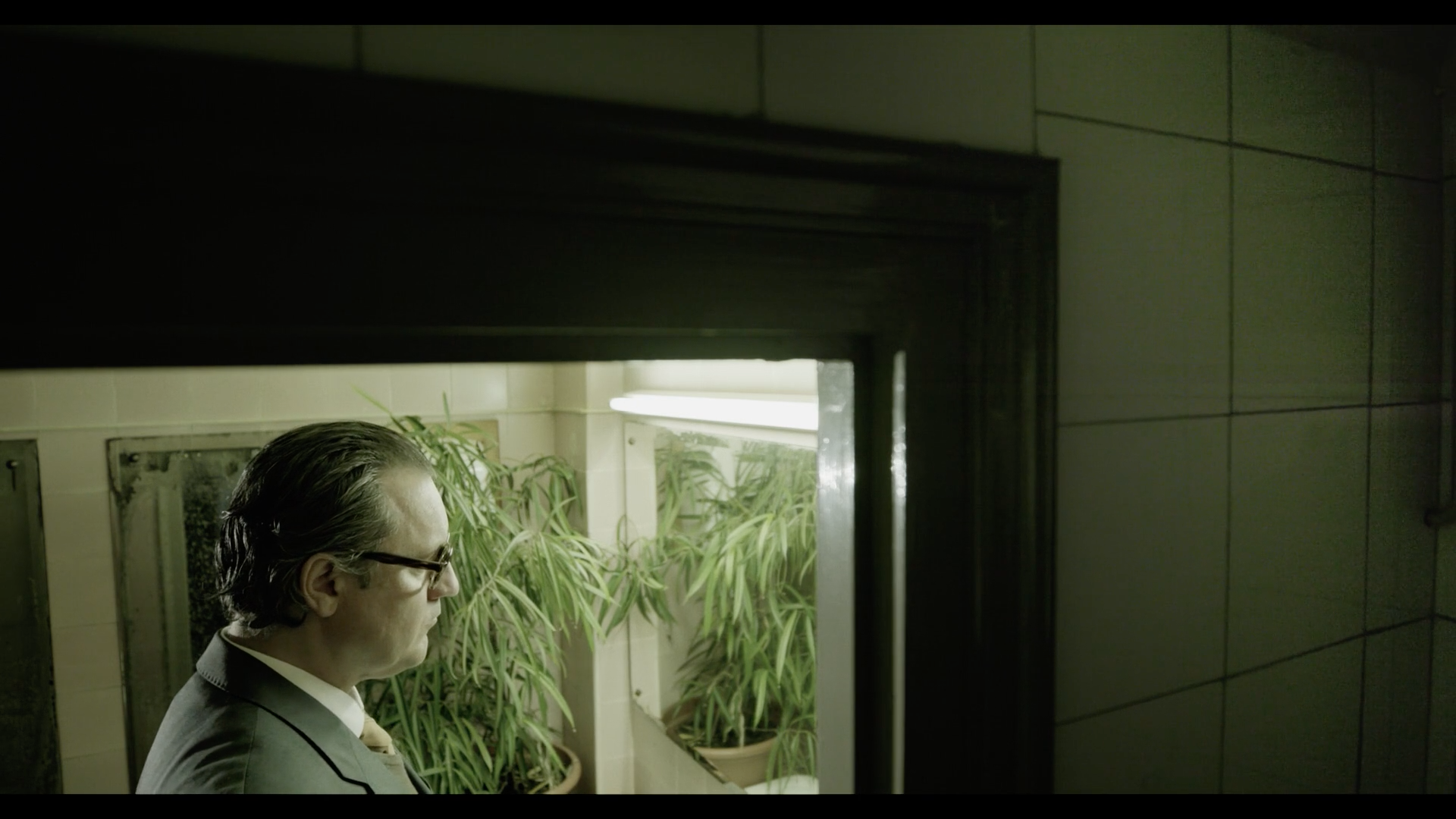 Work in progress, dir. DCPA Christophe-Philippe
What types of films have you worked on, and what would be the ideal next project?
I’ve worked on all kinds of films — shorts and features, fiction and documentaries, music videos and commercials, as well as a few virtual reality attractions. In Switzerland and internationally. I’ve also lit two stage plays, one of which I lit entirely with bounced light, using only reflections.
 Laurent Sandoz in the play L’Interrogatoire by Jacques Chessex, directed by Laurent Gachoud
For the past few years I’ve been exploring lighting in “real-time 3D”, in entirely virtual yet increasingly realistic environments. It’s a fascinating field of investigation! Initially, the software offered cruder lighting tools than those we use on set, but things are changing. For instance, Unreal Engine now features the equivalent of our soft boxes, whose barn doors act as honeycomb grids.
Unreal is what’s called a “game engine” that lets you assemble sets and animated characters and “film” them with cameras, lenses and tracking shots closely modelled on those we know. Unreal, which also includes grading tools, also powers many of the large LED screens now widely used for in-camera VFX — a technique where the actors perform in front of giant LED walls displaying photorealistic backgrounds in real time.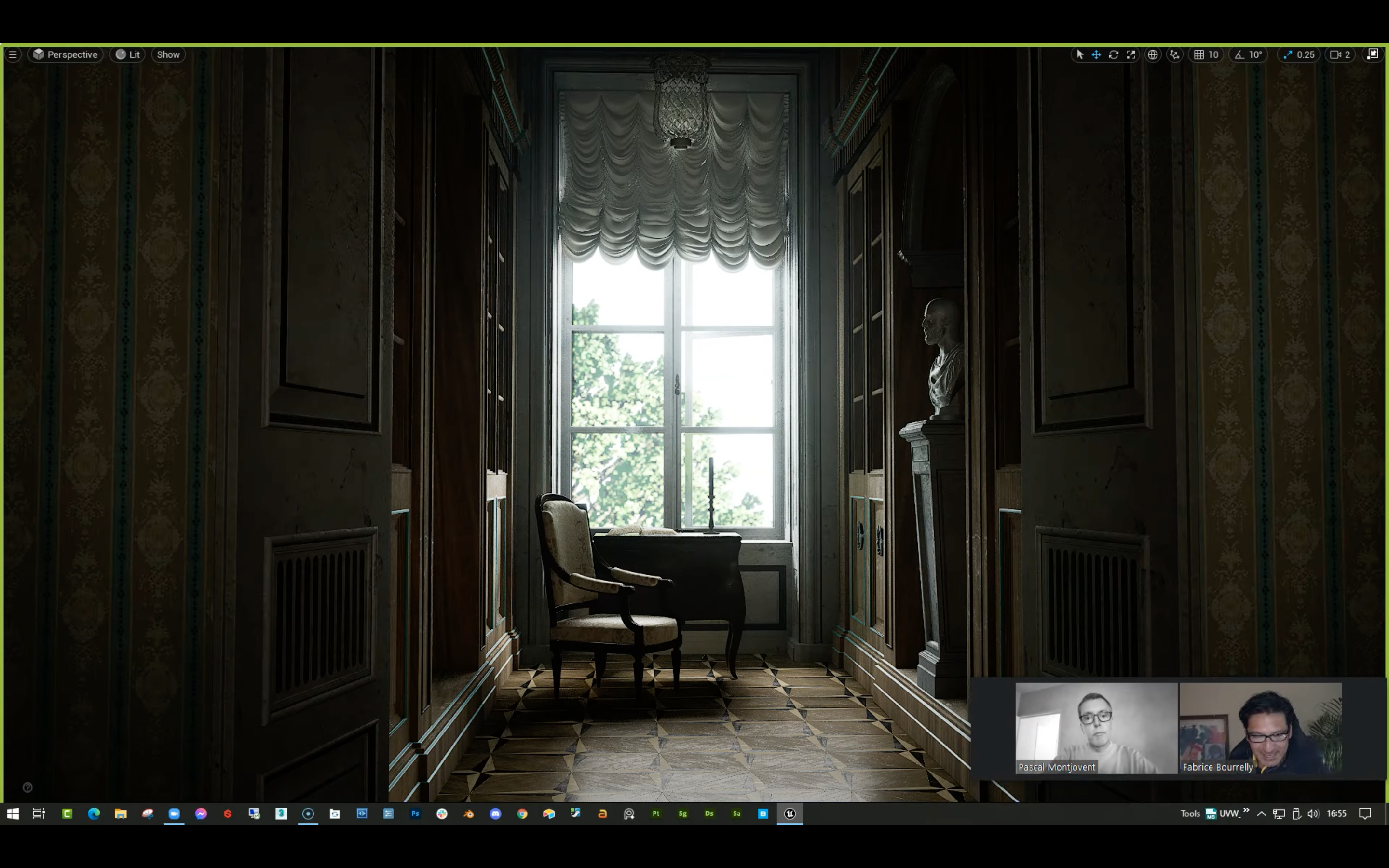
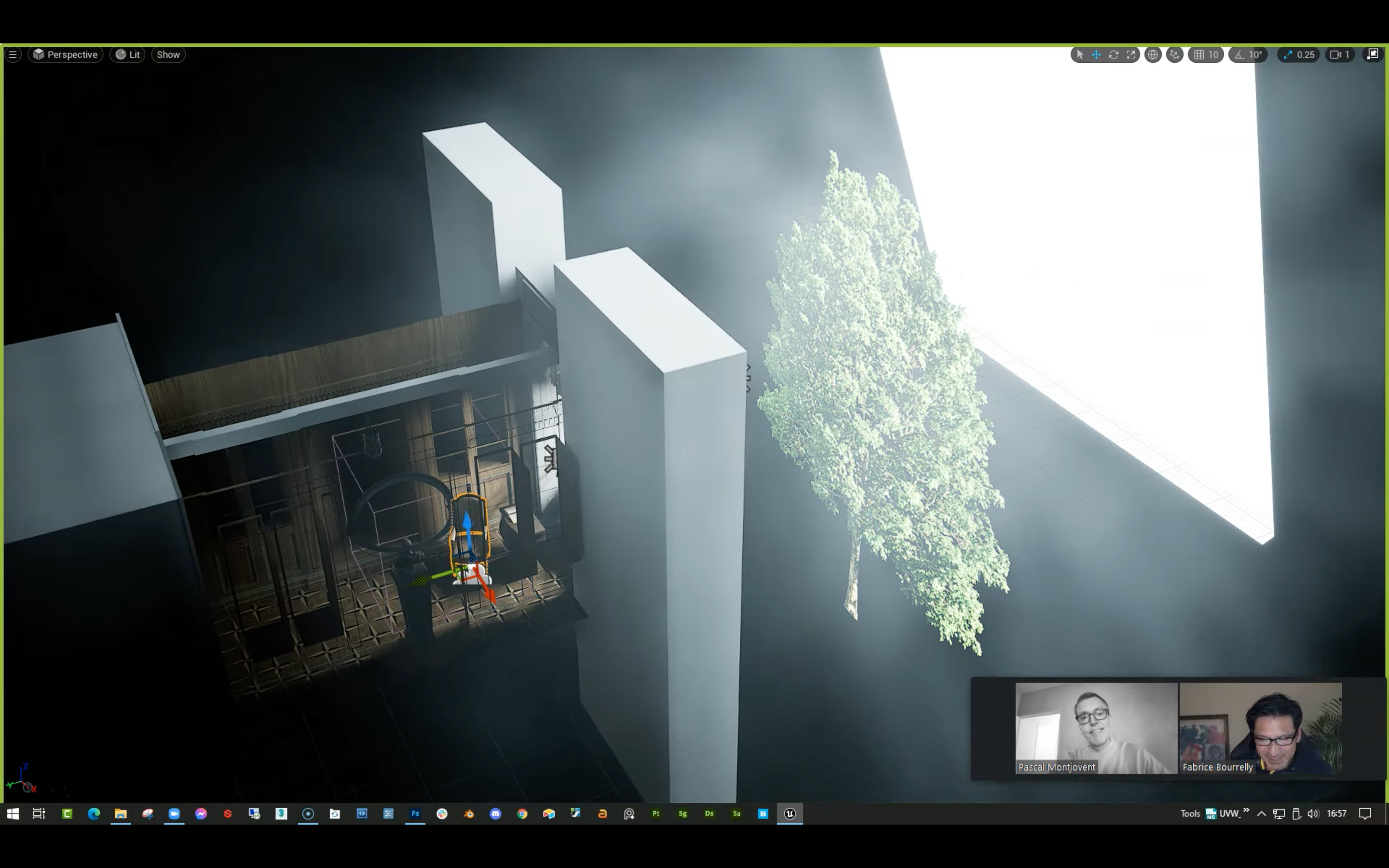
Screenshots from a YouTube video that briefly presents a real-time 3D lighting setup (see link at the end of the interview)
On various VR projects, and also to prove the feasibility of an animated series in real-time 3D, I was led to educate CGI artists about the equipment, strategies and lighting workflows we use in real life. This collaboration led me to give online lighting courses in tandem with an Unreal Engine veteran (1). For those interested in the field, I interviewed one of the best “virtual DPs” on my blog (2).
The ideal next project would be a film that blends several of these techniques, with the aim of producing a film where the technology is completely invisible. For instance, a realistic thriller, handheld, set in contemporary Greece, where certain scenes gradually reveal virtual elements seamlessly interwoven with the live-action footage. Shooting Motion Capture for the R&D of a real-time 3D animated series Les Voyages Fantastiques de Téo & Léonie
What are your artistic sources of inspiration?
They come mainly from music. I find that the parallels between these two fields are very numerous, starting with the fact that they both play with time. And, just as a few notes can place you in a certain orbit within seconds, resonate with you, a light operates in the non-verbal register but connects directly to your “inner self” — the part that vibrates and feels without intellectualising.
My musical influences, in terms of lighting, come mainly from jazz and orchestral music, from baroque to contemporary composers like Penderecki.
I studied music theory for seven years, which gave me a keen sensitivity to harmony — another concept that translates beautifully to visual composition and lighting.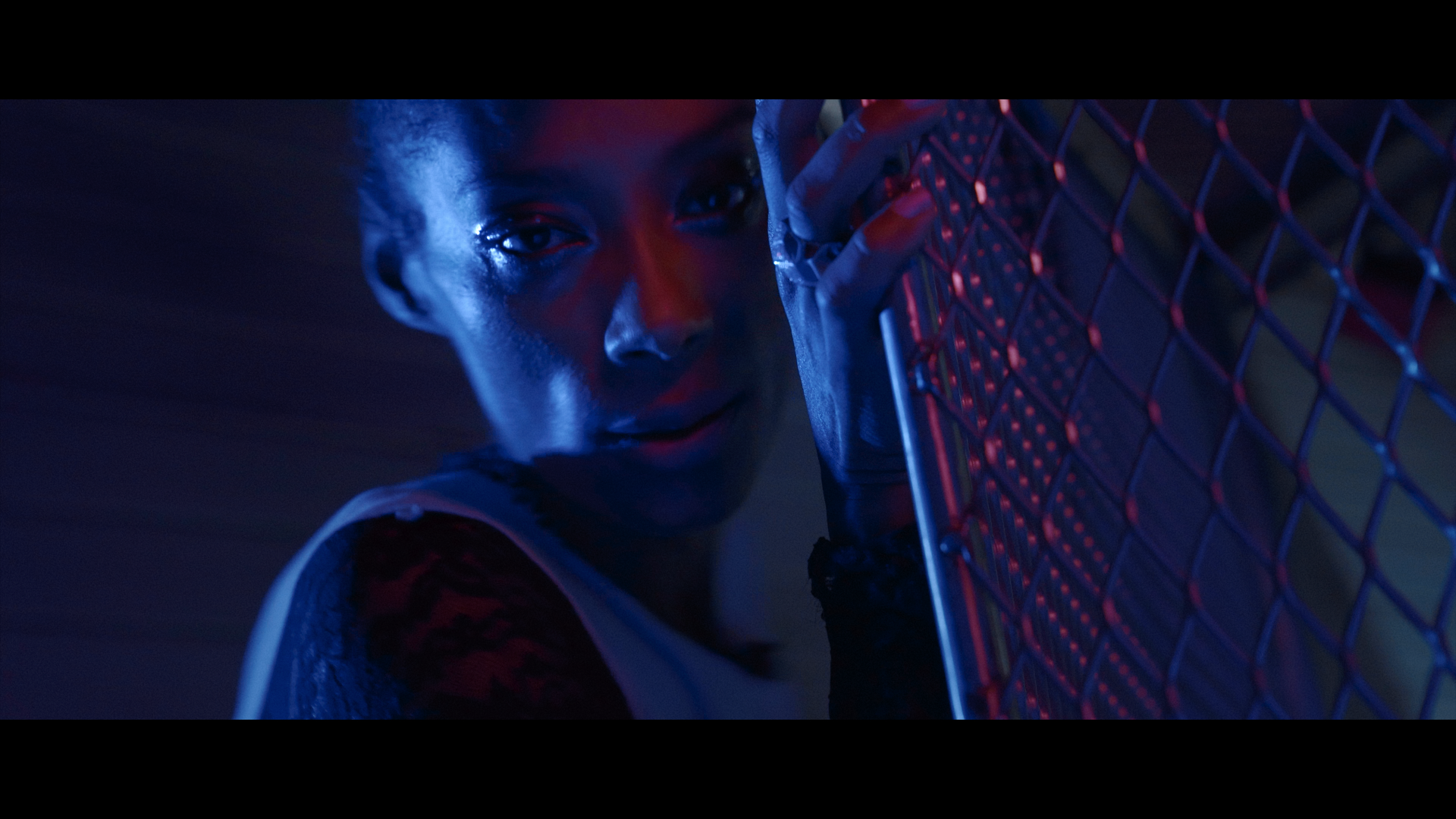 Music video for Luluxpo, dir. Boris Rabusseau / freestudios
Then my quest for simplicity led me towards minimalist jazz and certain medieval musicians, where every note counts in building the piece. I’d even say where certain absent notes make you complete the structure of the piece yourself — much like a scene plunged in shadow and darkness makes you imagine what’s happening in the areas where you can no longer see much. Suggest rather than underline.
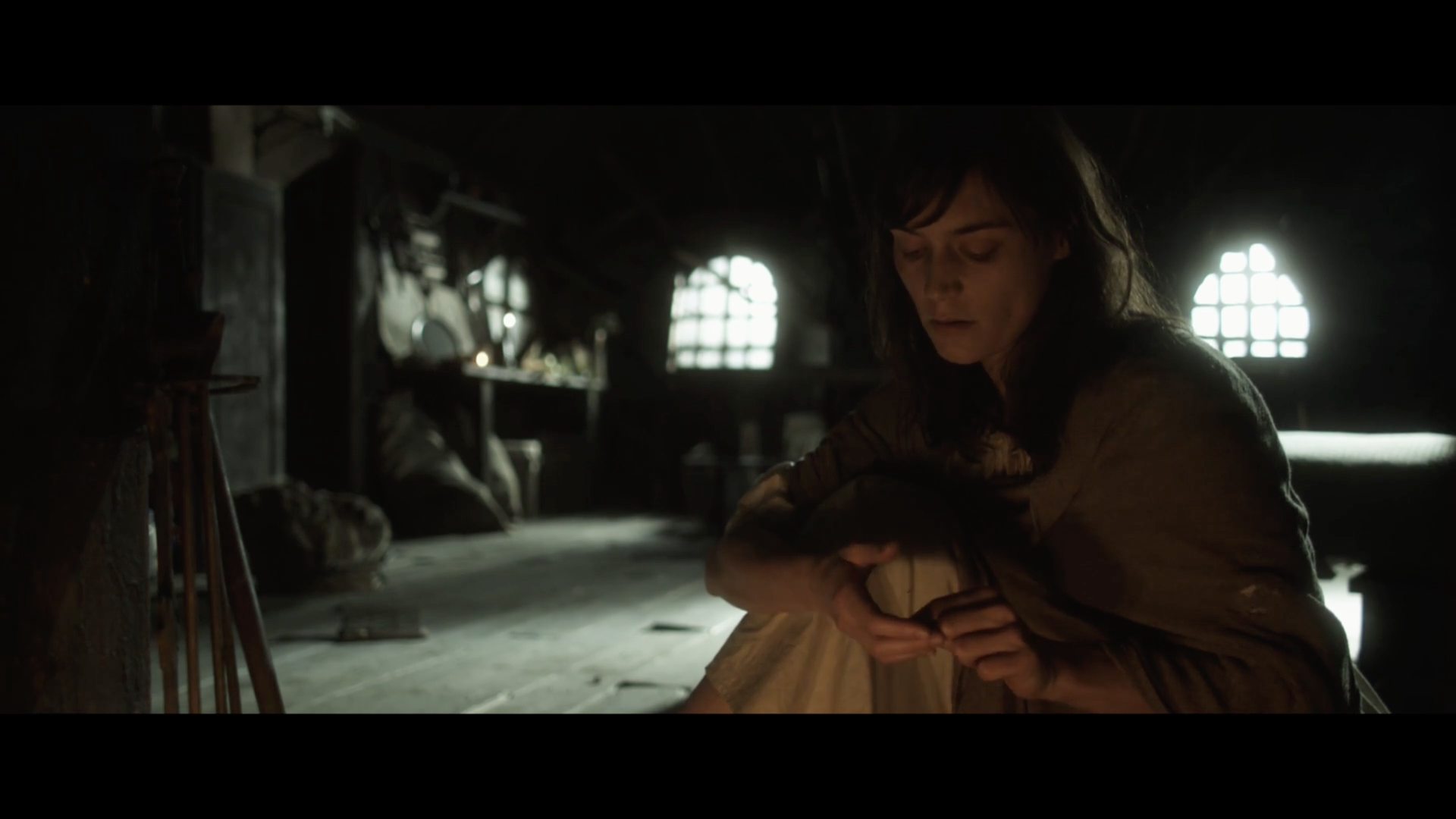
Le Lac Noir / imaginastudio
And apart from music, but still in terms of harmony, I also find a good deal of inspiration in cooking. For me, small point sources evoke the sharpness of pepper, and large diffused sources the softness of sugar. Certain colours evoke acidity, soft contrasts an absence of salt, and so on. The blending of sources and colours, the dosing of contrasts — these offer inspiring parallels with the culinary arts.
Do you remember any regrettable but ultimately instructive blunders?
No. However, I force myself, at the end of a good take, to ask what I could have done better. Because during the process of building a new shot, I inevitably make a whole series of small judgement errors.
Being constantly attentive to the gap between what I planned and what I actually achieved keeps me in a state of constructive dissatisfaction — which is, I believe, the engine of progress in any creative endeavour.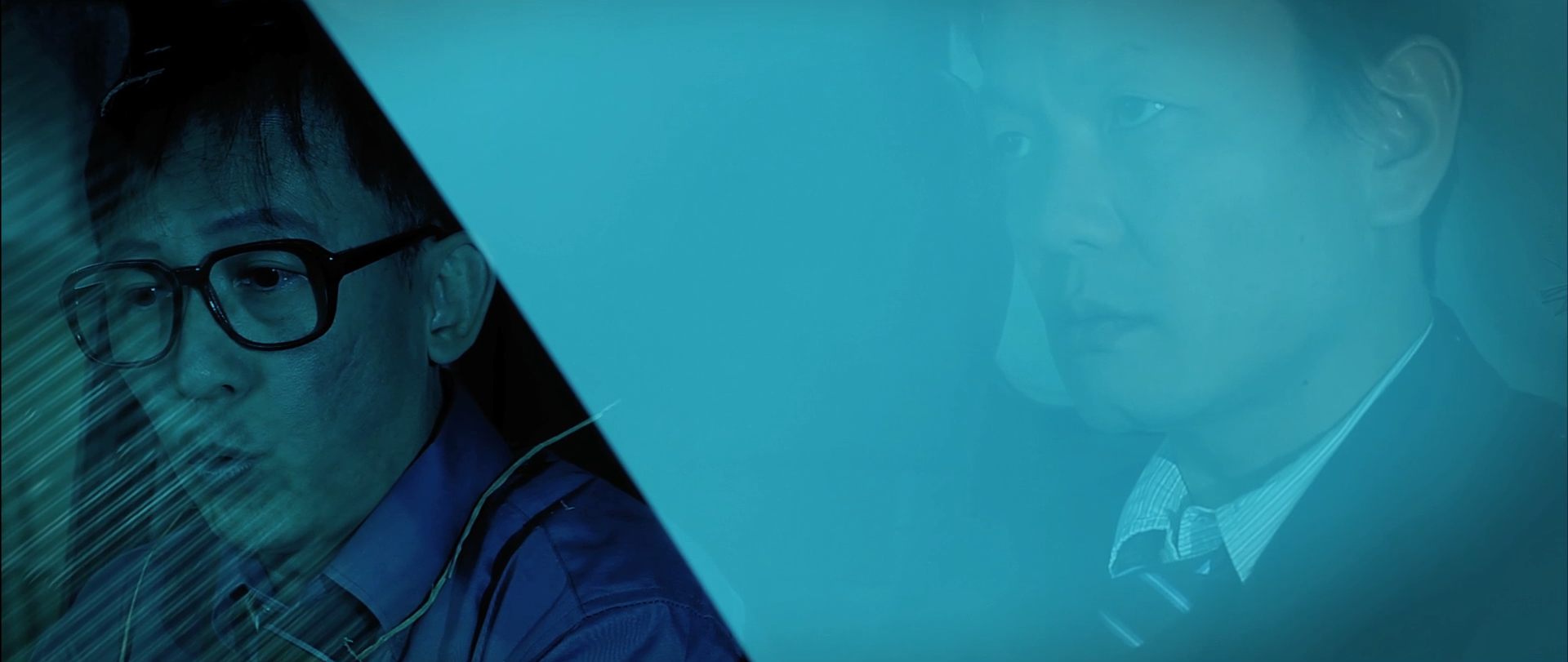
Chasse à l’âne dir. Maria Nicollier. Deliberate reflections on a truck windscreen
Have you experienced moments of doubt about your work or your professional environment?
Two painful moments, yes. Those where post-production failed to carry forward what we had created on set.
On Love Express (dir: Elena Hazanov – 2004), a feature shot on film, a good part of the on-set work was destroyed by a calamitous post-production. The pre-light and the shoot had required considerable effort — lighting an entire ship from holds to cabins to ballrooms, plus the decks for night exteriors. Shot on a low-contrast stock to facilitate digital post-production via a scan. But the production eventually changed its mind and opted for a conventional photochemical post-production, with a grade that bore no relation to what we had originally designed. It was heartbreaking.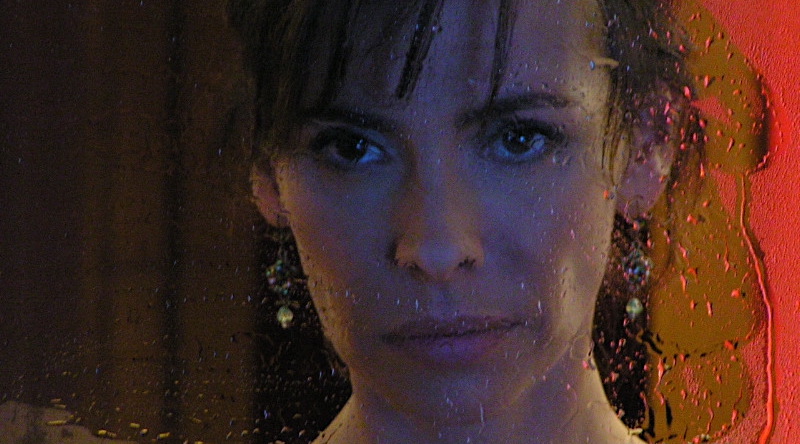
Mathilda May in “Love Express”, dir. Elena Hazanov
Another great moment of solitude: we had gone to shoot Il neige à Marrakech (dir: Hicham Alhayat – 2008) on 35mm in the Moroccan High Atlas, at Oukaïmeden.
This meant shooting between 2,500 and 3,200 metres above sea level with relatively substantial camera equipment — a Moviecam SuperAmerica with all its flight cases, film reels and accessories. We worked in snow up to waist height. It was an exhausting shoot, but we were aware of making a good film.
Things got complicated afterwards, in post-production. The company handling the executive production hadn’t budgeted for 35mm post-production. So I was asked to grade the HDV rushes instead! The result, on the big screen, was vaguely soft and looked like video. It was disheartening, especially knowing that the negative was sitting somewhere in a vault, full of promise. But sometimes the cinematographer has no control over what happens after the last clap.
These experiences taught me a great deal about the importance of protecting the post-production pipeline as early as pre-production — and about the limits of a cinematographer’s influence once the footage leaves the set.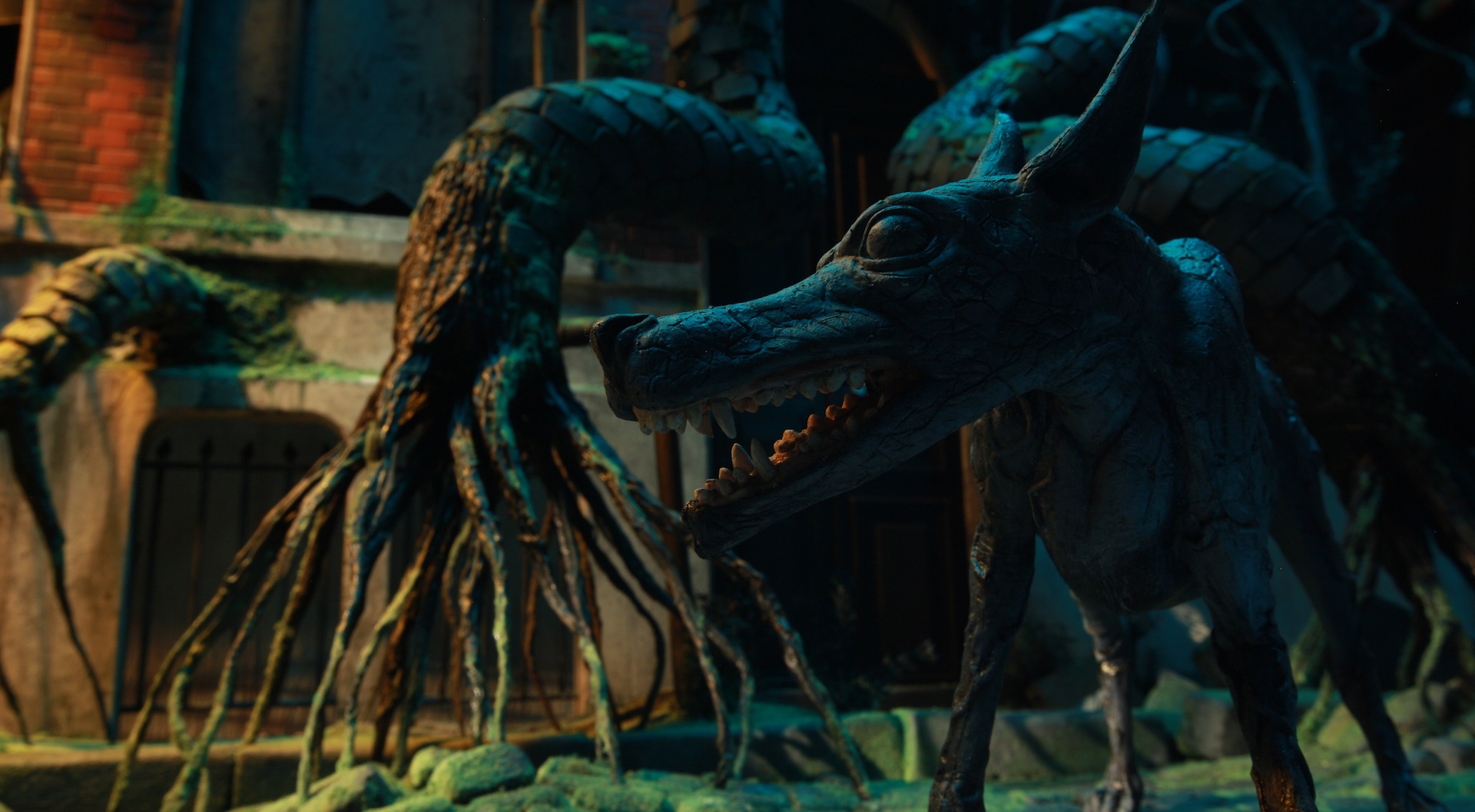 Contagions Proof of Concept, animated film / le cabinet psychopompe
What do you love and what do you dislike about your profession?
I love the creative buzz of the set.
I don’t like the wrap at the end of a shoot.

Lilith Work in progress, dir. DCPA Christophe-Philippe
What advice would you give to an aspiring cinematographer?
Learn to look — to adopt viewpoints radically different from your own.
Learn to listen carefully and to “read” non-verbal language. It’s essential for understanding the life of a set.
Always be five minutes early.
Don’t stand in doorways.
During prep, identify the key sequences from the cinematography standpoint and give them more time than the rest.
Think of your work as one link in the chain that leads to a film. Think about the links that follow: make their lives easier.
Listen to and respect your “inner voice”, especially when it advises you not to take on a project you don’t feel right about.
Don’t change your deep nature, even when you’re confronted with toxic personalities or situations. Stay true to yourself — it’s the only compass that won’t lead you astray.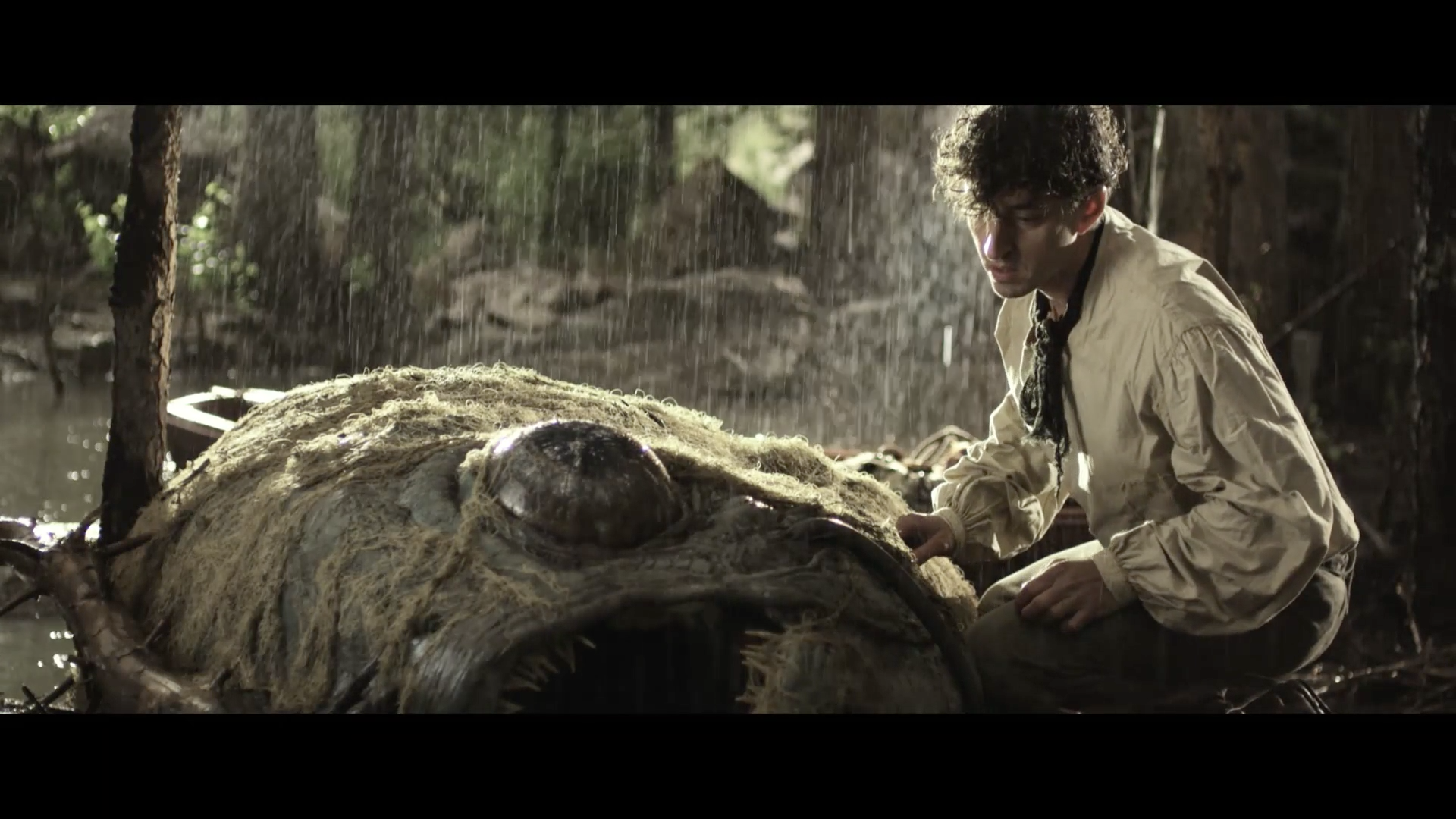
Le Lac Noir / imaginastudio
Pascal Montjovent on the United Cinematographers website
- A short example where I light a set in real-time 3D on Unreal Engine, with the help of Fabrice Bourrelly
The complete lighting course, in 10 modules of 2 hours each, is available on Fabrice’s website; - The interview I conducted with Pierre Yves Donzallaz, one of the four “Virtual Cinematographers” at Lucasfilm / ILM, who lights The Mandalorian and other major productions on the StageCraft LED volume.