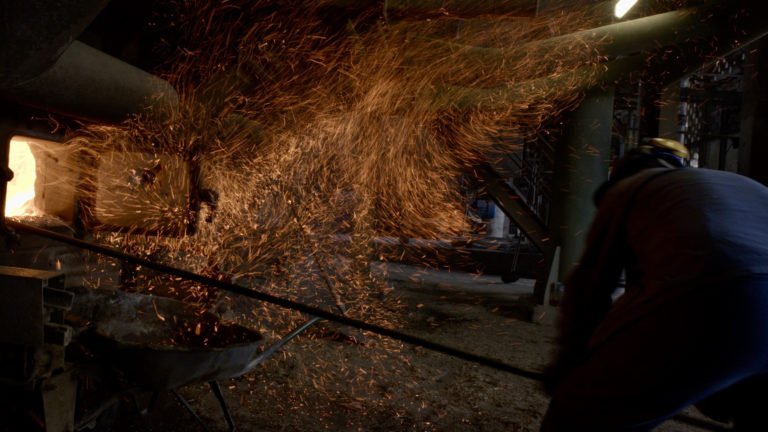
Through a collection of question-and-answer portraits, the Union introduces the members of the association. Today, Renaud Personnaz.
When and how did you become interested in cinematography?
I would be tempted to answer “never.” Or “always”—it amounts to the same thing. As far back as I can remember, it was cinema and not “the image” that interested me (interested is an understatement—passionate would be more accurate), first as a cinephile viewer. Then one fine day I saw L’acrobate by Jean-Daniel Pollet (it is neither Citizen Kane nor Apocalypse Now) and I said to myself, “Cinema is great to watch, but it can’t be too bad to make, either.”
Subsequently, I discovered the array of crafts that go into making a film and fairly quickly understood that the cinematography professions held a privileged place: you transform words into light, you dance with human beings… I have never been able to consider cinematography as an end in itself. For me it is one facet of filmmaking.
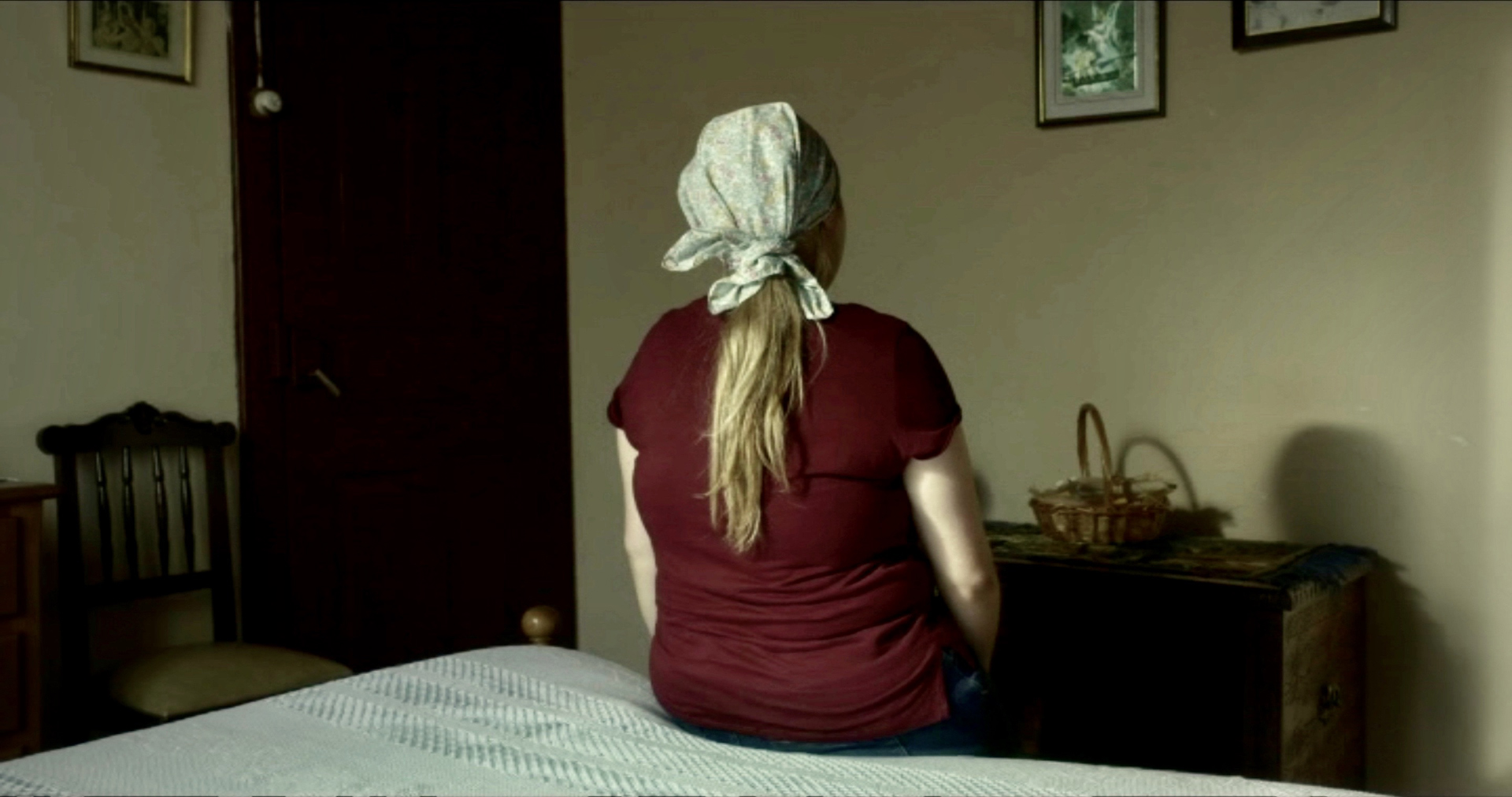
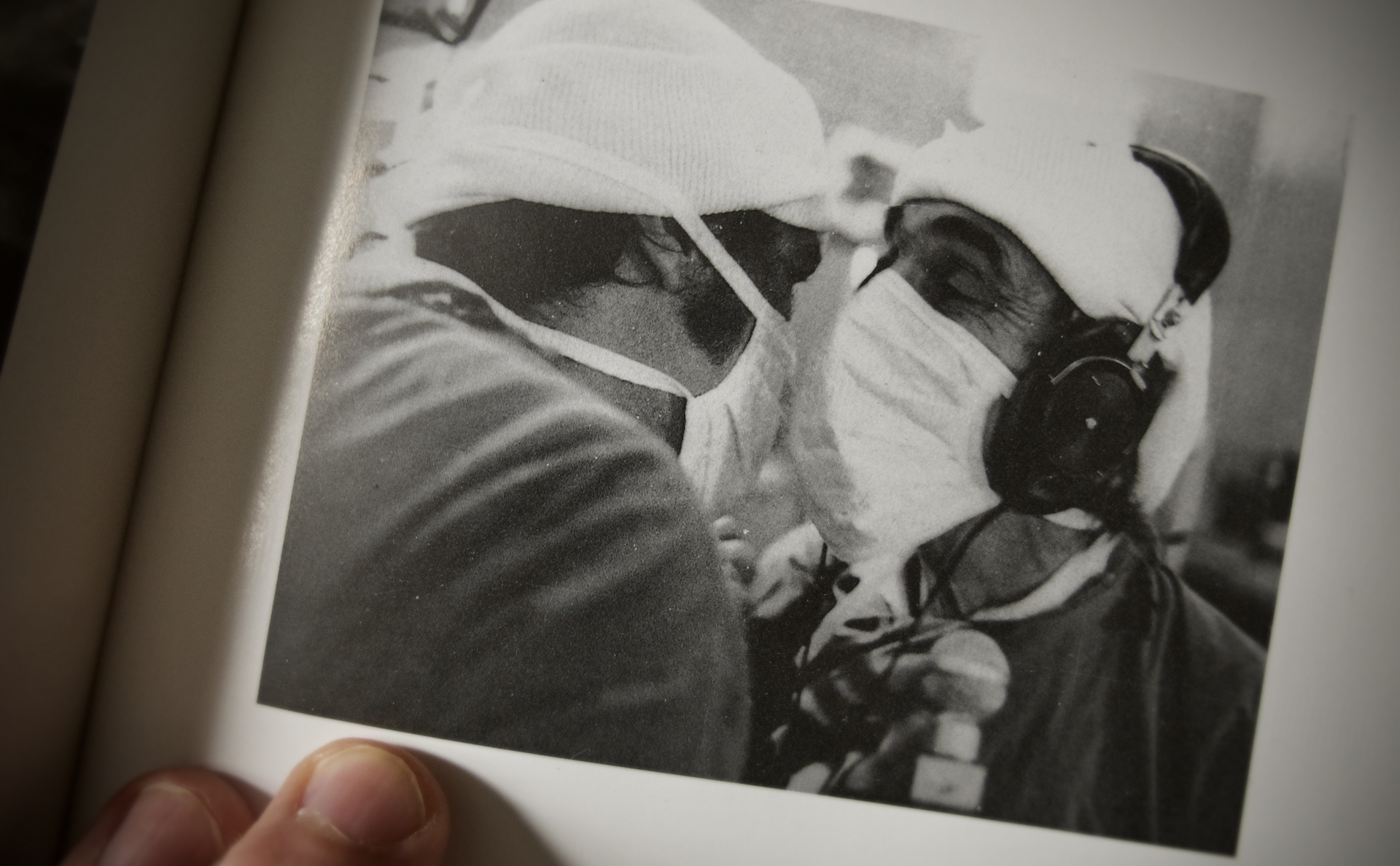
Tous les rêves du monde, directed by Laurence Ferreira Barbosa
Which films have particularly struck you visually, to the point of drawing you specifically to the work of cinematography?
Even today, it is rare that I go to see a film because a particular cinematographer worked on it. And I have never judged a film by the “beauty of the image.” On the other hand, I have always been drawn to directors whose image is recognisable from film to film, regardless of which cinematographer they worked with, and to cinematographers who, throughout their careers, have managed to adapt to the diverse styles of the filmmakers they have collaborated with. For the same reasons, I love films whose image work cannot be separated from the direction itself.
What was your initial training?
I watched films in cinemas.
I also spent a year in the cinema department at Paris VIII University where, thanks to the limited equipment available and generous teachers, I was able to shoot many small, atypical pieces with a group of very enthusiastic friends.
Then I attended the École Louis Lumière.
When I graduated, I began to learn my craft.
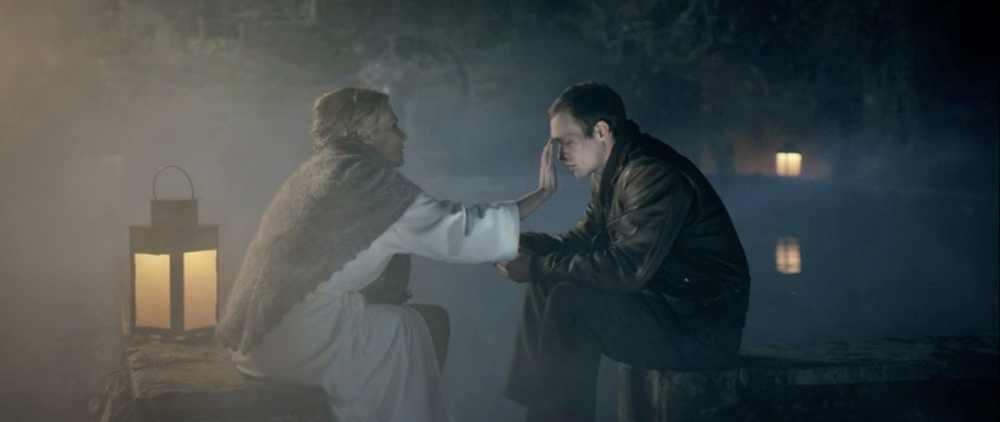
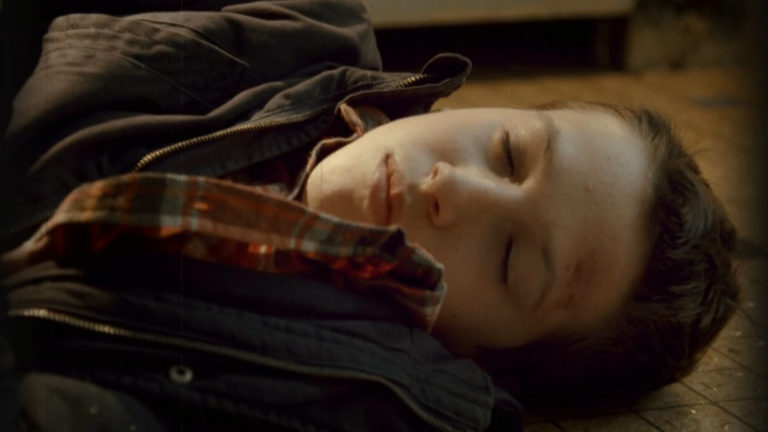
Le divan de Staline, directed by Fanny Ardant
When and in what context did you start working as a director of photography?
It was through documentary that I first became a cinematographer. At the same time, I worked for a long time as a camera operator on feature films, mainly in Italy, where camera operation and lighting are more separated than in France. That was a great piece of luck for me, but now, when I work in fiction, I am never more comfortable than when I am operating the camera myself.
What types of films have you worked on, and what would be the ideal next project?
I have worked mainly on feature films, both fiction and documentary.
As for future projects… the best news would be that there is a next one. That’s not happening tomorrow (I am writing this under lockdown). What I wish for is that we can once again make films close to one another—in proximity, rather than at a distance.
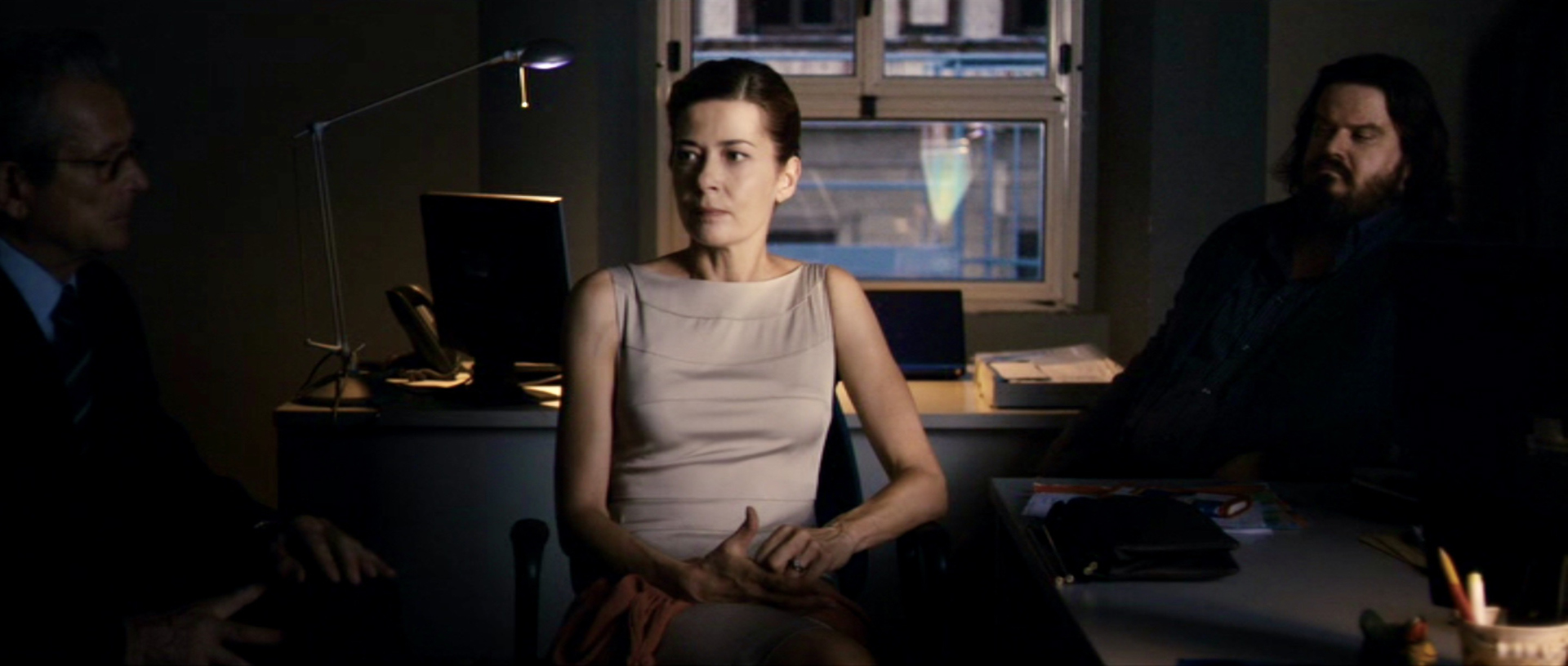
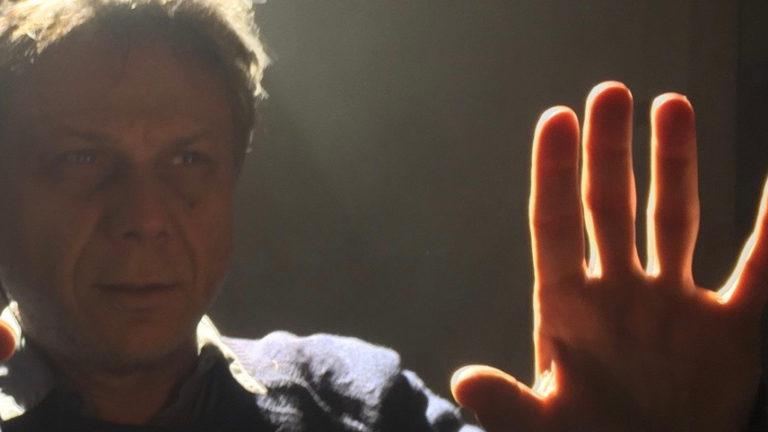
La variabile umana, directed by Bruno Oliviero
What are your artistic sources of inspiration?
Even though they can be very stimulating, pictorial references have rarely been decisive in my work, except in cases of deliberate quotation: they often serve to build a shared vocabulary with the director but are often misleading and, as the shoot approaches, they lose their relevance. Moreover, since I tend to consider that our craft belongs as much to the arts of time as to the arts of space, I give at least as much importance to aural suggestions as to visual ones (music, sounds…). Furthermore, each project leads me to take a specific interest in very particular fields (political, scientific, social…) that can suggest visual ideas. But above all, it is the words printed on the pages of the script, or those spoken by a director, or by someone I’m filming, that set my imagination in motion.
Do you remember any regrettable blunders that turned out to be instructive?
On one of my first shoots as a camera assistant, I was working with a cinematographer I greatly admired, on a feature film. We had had an exhausting day of shooting, in Naples in the height of summer, at the 10:30 pm screening. After ten minutes, I felt my eyelids closing without being able to stop them. When I opened them again, the audience was filing out—I had been resting my head on my cinematographer’s shoulder.
He doesn’t seem to have held it too much against me: I went on to work on six more films with him, and he taught me a large part of what, to this day, makes up my practice as a cinematographer.
Have you experienced moments of doubt about your work or your professional environment?
I avoid visiting the sets of friends’ shoots in which I’m not involved: I feel stupid and useless there, and I always wonder how anyone can devote so much time and effort to making a film, however beautiful it may be.
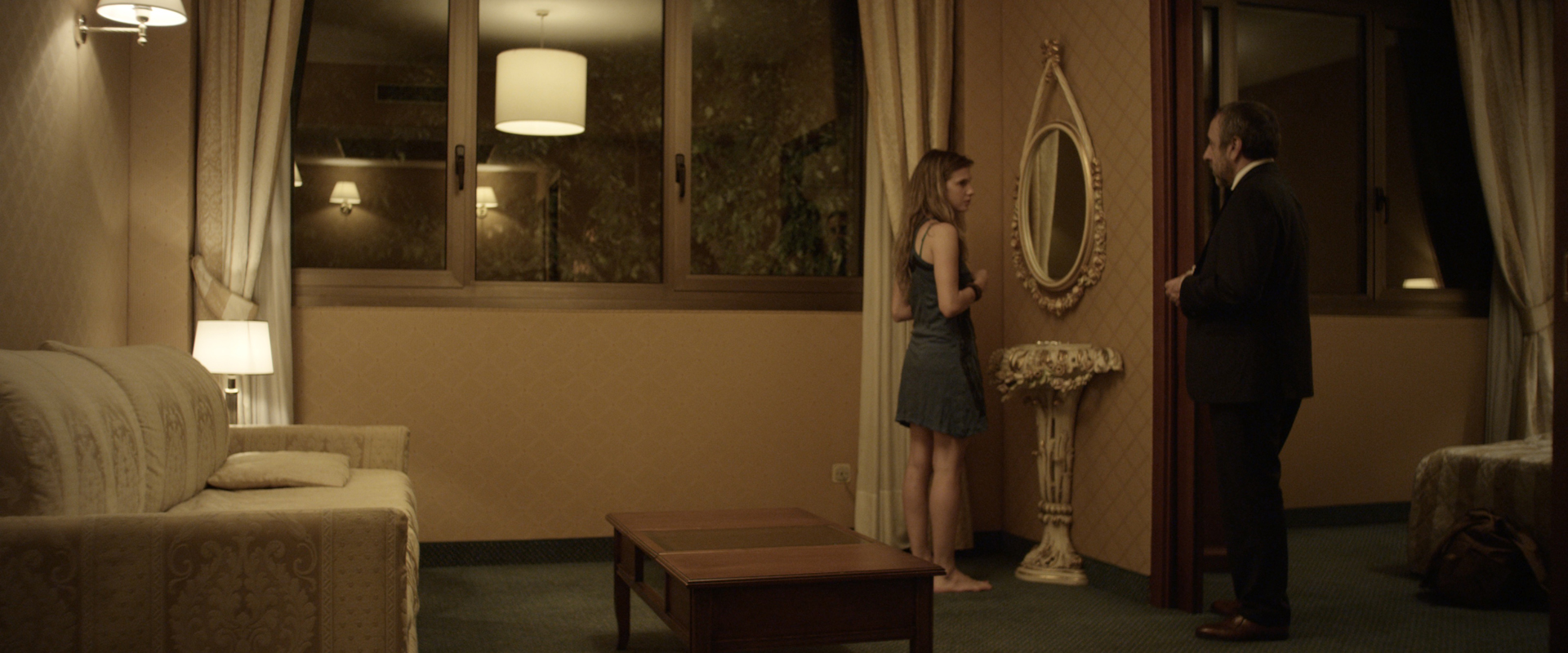
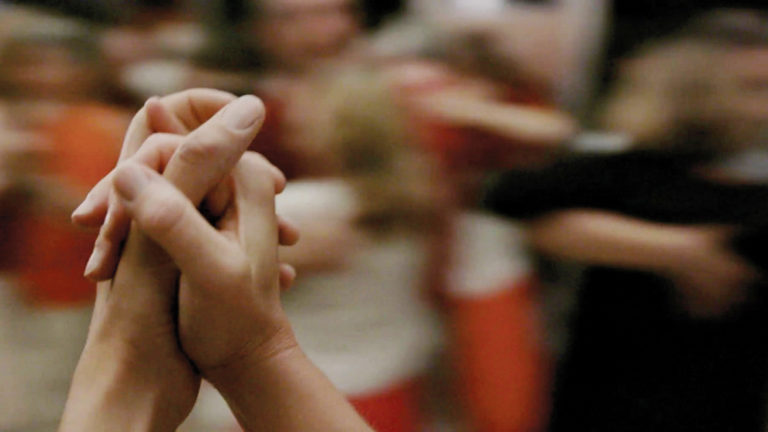
La variabile umana, directed by Bruno Oliviero
Have you ever wanted to direct?
I have directed a few documentaries on occasion. The first time was in 16mm, with a modest budget but a five-person crew, and I wasn’t doing the cinematography. It was wonderful. Later, economic constraints pushed me to shoot them myself. I appreciated both setups, for completely opposite reasons, obviously.
What do you love and what don’t you love about your job?
These days, what I feel like saying is that what I love most has to do with the connections (between crew members, with the people being filmed) and with the passing on of knowledge (between generations).
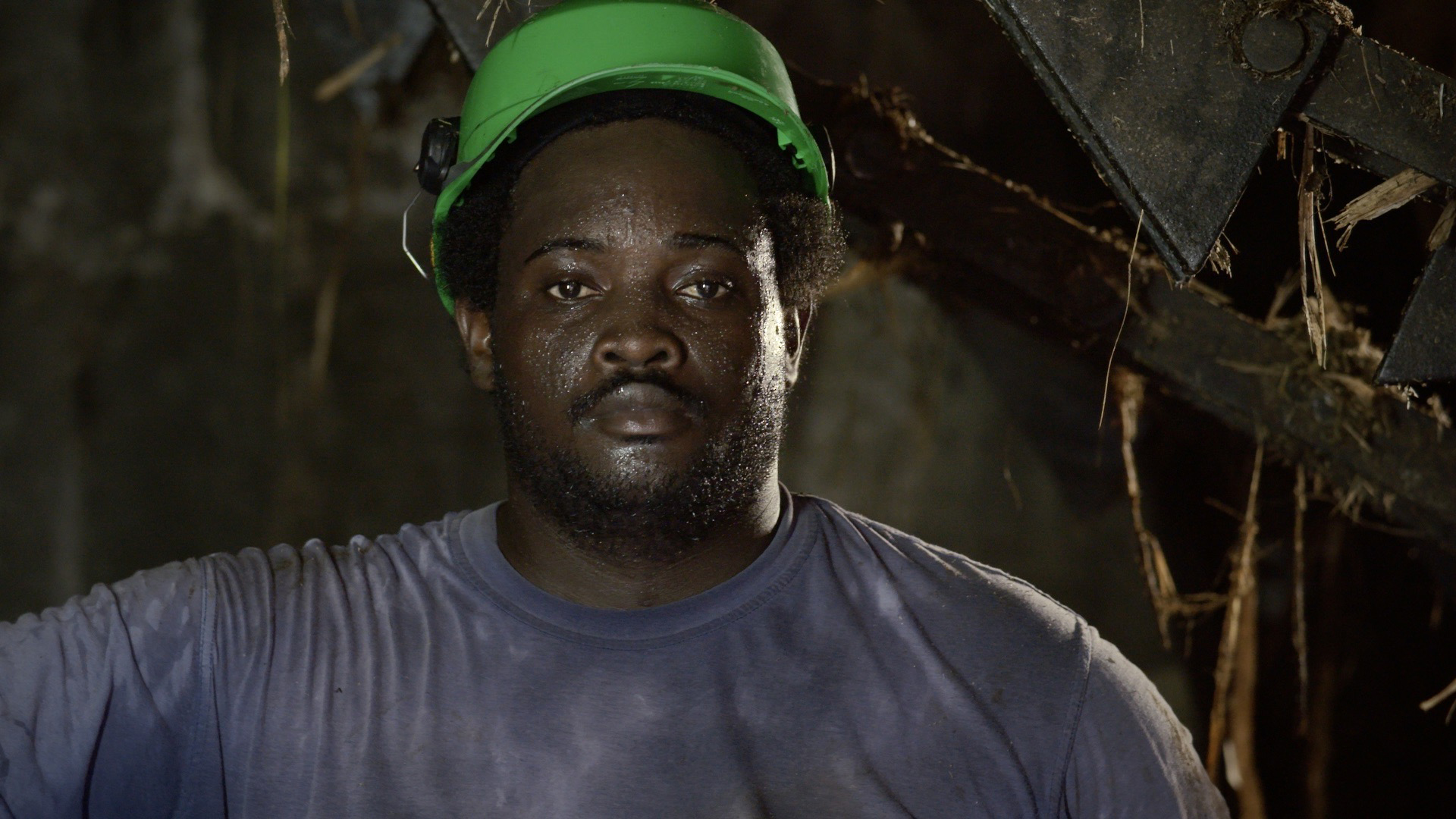
Paroles de nègres, directed by Sylvaine Dampierre
What advice would you give to an aspiring cinematographer?
To go and see films in cinemas. To try to forget about tools and technique, both of which will always end up serving you well—as long as you don’t make them your masters. To seek out directors whose world you wish to inhabit.
Renaud Personnaz on the United Cinematographers website.