Through a collection of Q&A portraits, the Union introduces the members of the association. Today, Marion Boutin.
When and how did you become interested in cinematography?
My very first contact with cinematography dates back to a careers fair at secondary school. Several sixth-formers had come to tell us about the options and specialisations at their schools. I felt enormous pressure at the injunction to commit to a path, a career choice that seemed destined to define my entire life, when nothing particularly sparked my interest. Until I came across the cinema and audiovisual students: suddenly I felt a breath of fresh air, an opening, the offer of something different. I obviously had no idea where I was setting foot, or how far it would take me…
Which films left a particularly strong visual impression on you, to the point of sparking your specific interest in the craft of cinematography?
Actually, it was the other way round. It was the practice of shooting that pushed me to take an interest in the cinematography of films. Since my awakening to the image is inseparably linked to my studies, the first strong memory that comes back to me is discovering The Cabinet of Dr. Caligari. I might be rather disappointed rewatching it now, but at the time I was fascinated by the painted sets, completely warped, and the character of Cesare with his high-contrast make-up — the very dark eyes and very white skin.
It’s funny — talking about it, I realise that my earliest visual desires were rooted more in a powerful overall aesthetic than in any specific work by a director of photography: I mention the set design and the make-up before talking about lighting and framing!
What was your initial training?
I completed my training at Louis Lumière, in the cinema programme. Before that, a third year of a Cinema degree, before that a vocational diploma in Cinematography, and before that still a first year of an Archives and Image degree (yes, I know the “archives” part is a bit surprising — it must have come in handy once to show off in a conversation, and why not? — but it included courses in film history and painting that shaped my eye and my visual aspirations).
With, at the very beginning of course, that famous audiovisual option in sixth form, for which I had to fight because at the time it was not easy to access.
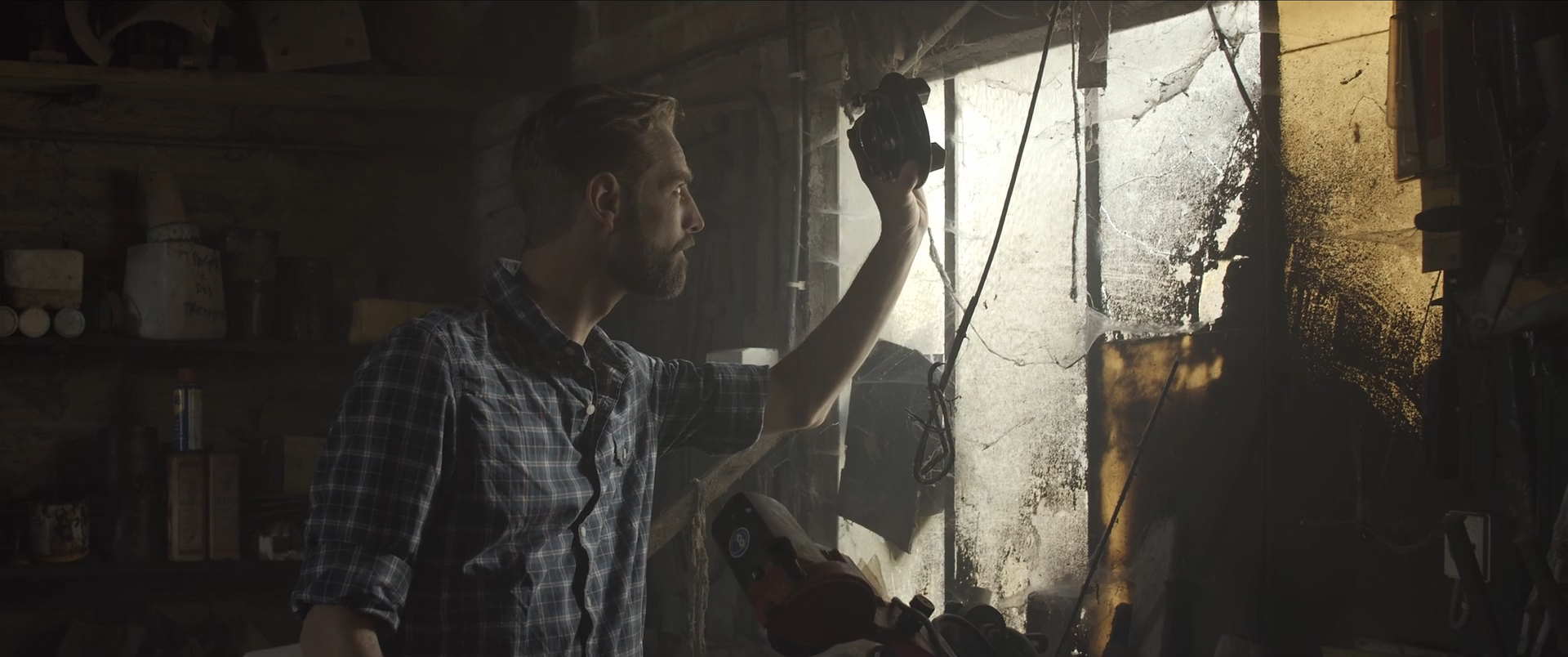 Surplus Moto commercial by Grégoire Louge — production: Hipolito Studio
When and in what context did you start working as a cinematographer?
I cut my teeth straight out of school on short fiction films, often self-produced, with very little budget and impossible hours (but I was 25 and I used to carry Mandarines and flags on my back in the metro — since then I’ve grown older, discovered expense reports and taxis). It was often exhausting, sometimes frustrating, but above all hugely formative: I never compromised on my standards for delivering quality images, despite the lack of resources and the tough conditions. It was a period during which I progressed enormously.
My first real position as a cinematographer (insofar as a real position is defined by a pay slip) I owe to meeting the director Frédéric Massot and his cinematographer Philippe Brault. I assisted the latter on camera for one of Frédéric’s short films. Both immediately placed their trust in me, to the point of offering me Philippe’s place on Frédéric’s films whenever he was unavailable. It was with them that I truly learned the craft of documentary cinematography. Philippe, a former war reporter, works exclusively with fixed focal lengths — a rigorous and demanding method that I adopted as my own, not without a great deal of perspiration at first!
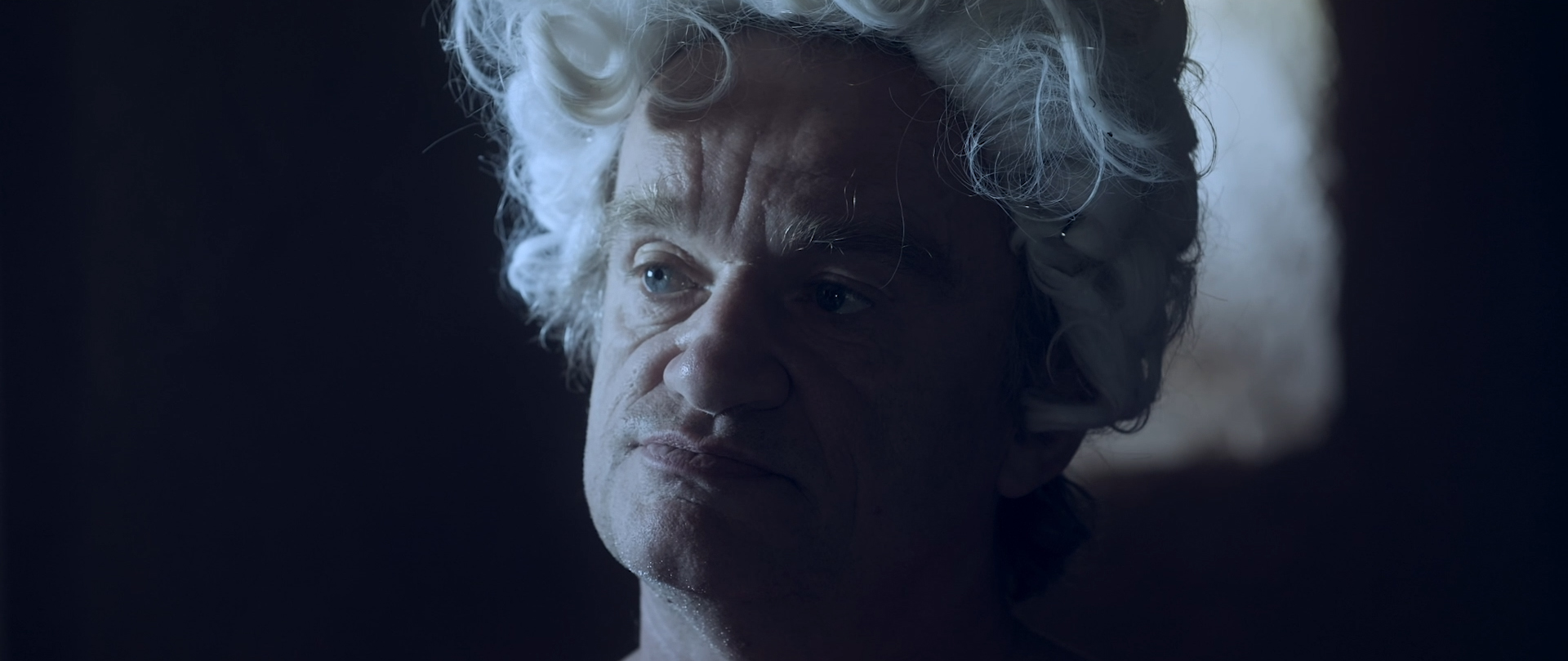 “Borders — Contrasting Realities,” a feature film by Ken McMullen — production: Scape London
What types of films have you worked on, and what would be the ideal next project?
My career as a cinematographer has been quite eclectic. Lots of short films, but also music videos and commercials. In recent years, I’ve often collaborated with communication agencies on branded content. I find real pleasure in the simplicity of the working relationships and the enthusiasm of the teams on this type of project. I’ve also continued my work on documentaries and, for the past three years, I’ve been mentoring young directors on their first films as part of a training programme run by the association DEFI Production.
The ideal project? I’d love to go back to fiction — I miss the lighting. And while I’m at it, a genre film, just for the fun of playing with shadows and atmosphere!
 “La Grande Ourse,” a short film by Kevan Stevens — production: Koala
Do you remember any regrettable blunders that turned out to be instructive in the end?
There was that famous time when I thought I had started recording, but I hadn’t: my finger was numb from the cold, snow and condensation were all over the hastily improvised rain cover that kept falling over my screen — on which I hadn’t even displayed the REC indicator anyway…
The result: about ten minutes of “reverse rushes,” at least as riveting as photos taken from the bottom of a pocket, among which — of course — was absolutely NOT THE ONLY IMAGE the client had asked for, namely the finish of the ski race (which ultimately set us apart rather originally from all the other crews covering the event). Since then, I always display the recording indicator prominently.
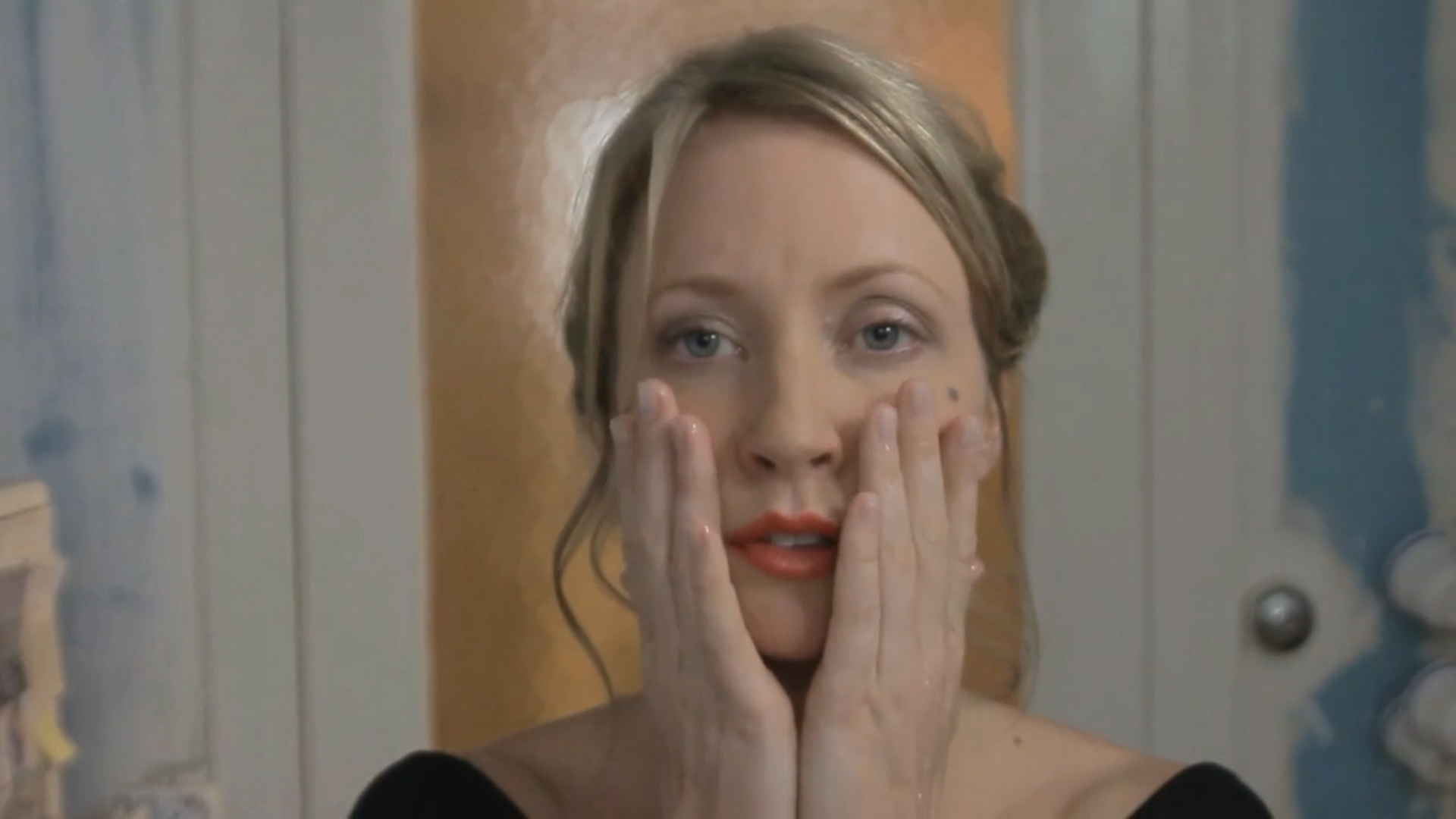 Varuo music video by Jethro Massey — Self-produced
Have you experienced moments of doubt about your work or your professional environment?
Often. Whenever I step outside my comfort zone, in fact. If I’m offered a type of project that’s not in my usual repertoire, or when I meet a new director… Each time, I have to win back my own confidence. I sometimes even calculate how many years I’ve been working in cinematography to reassure myself of my legitimacy as a DP.
But I’m gradually learning not to give those moments of doubt more importance than they deserve. While it’s healthy to question yourself, it shouldn’t prevent you from believing in yourself and moving forward. Especially since I’ve often been welcomed with great trust and kindness.
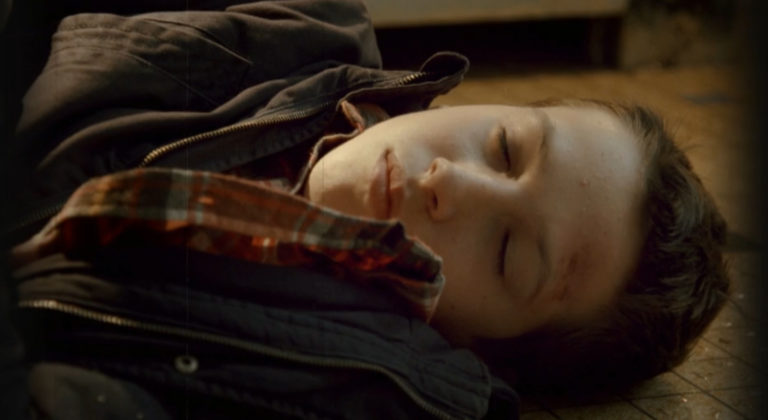
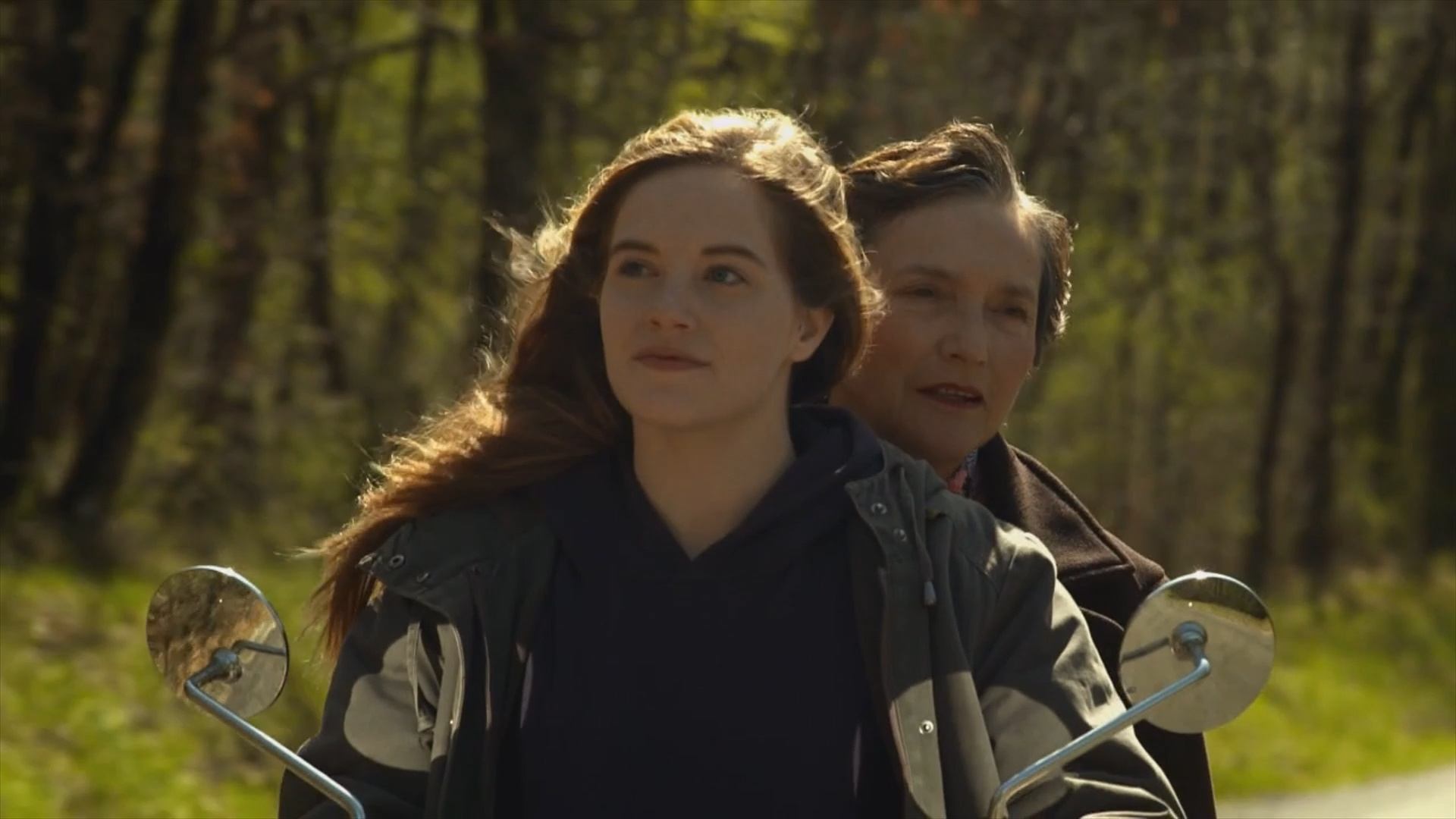
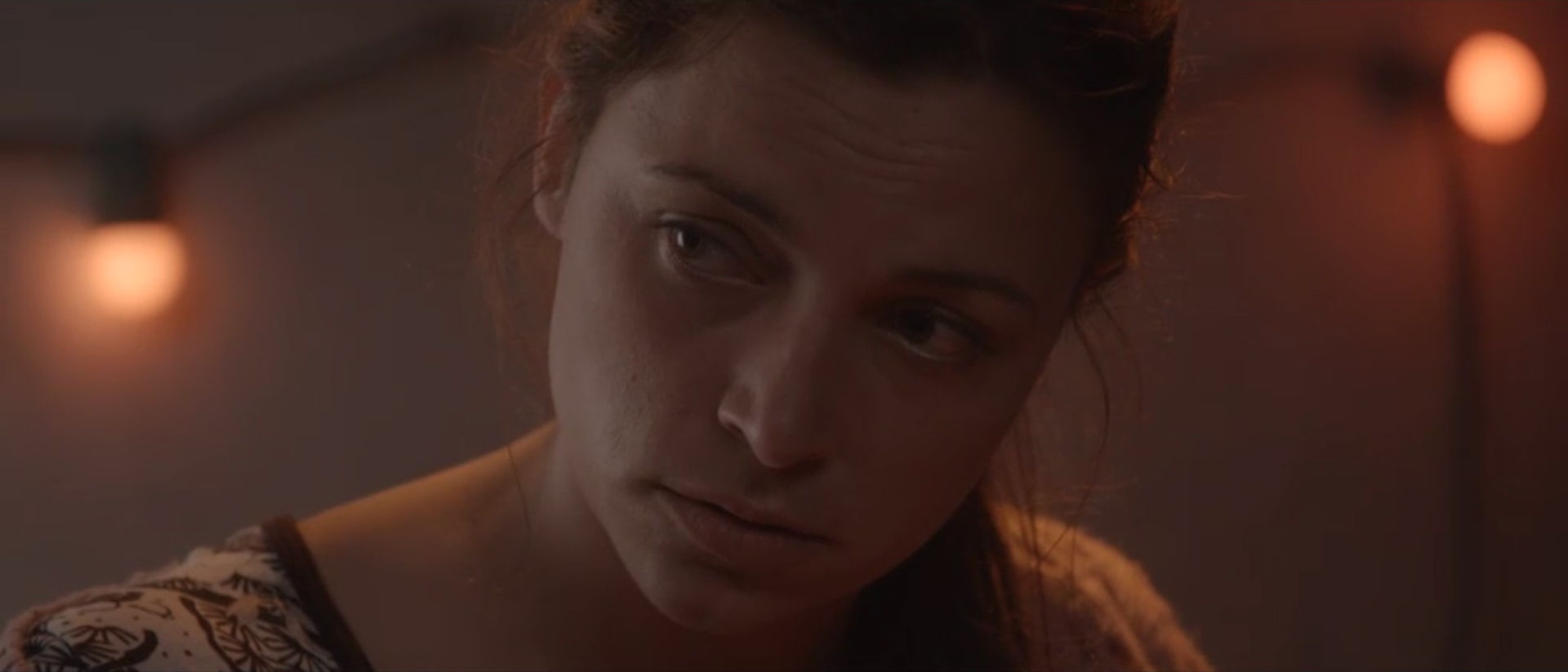 “Comme un jour de printemps,” a short film by Jean-Marc Le Bars — production: Théorème
Have you ever wanted to move into directing?
I’ve always been drawn to directing, but without seeking to make it my profession. I love cinematography too much, and since it’s already difficult enough to make a living as a DP, I try not to spread my energy too thin.
That doesn’t stop me from developing my own projects in my spare time. Setting aside the student films over which we shall draw a veil, I’ve directed two self-produced short films: Préface à l’interlude carnassier, a poetic and cruel fable depicting the day of Sadness and Anger, and Déjeuner du Matin, a wordless adaptation of Jacques Prévert’s poem. I’m fond of this kind of project, which offers great freedom for experimentation, but which unfortunately has its limits. I have in development an animated film, Les Décentrés, this time properly produced, which I’m co-directing with Damien Pelletier, a graphic artist and animator. It’s a dystopia about a character who refuses to leave his bed. We’ve been carrying the project for several years now and have high hopes of seeing it come to fruition soon.
Curiously (or perhaps not), the more I progress in directing, the more easily I feel like entrusting the cinematography to other DPs. Even though the discussion around lighting and framing remains necessarily very technical, it’s also pleasant to rely on others’ expertise in order to focus on the mise en scène.
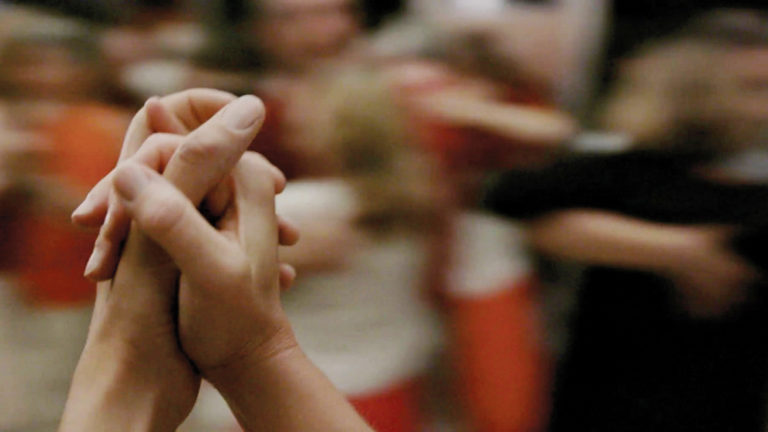
 Les Décentrés short film project by Marion Boutin and Damien Pelletier — production: Les Valseurs
What do you love and what do you dislike about your profession?
I love watching people and capturing their beauty through my gaze. I’m not talking about physical beauty, but about each person’s inner light. I love it when a frame falls naturally into place, when I feel that the camera position is right, almost intuitively. I love it when, after a day’s work, I continue to perceive where the light comes from, how it reflects and dresses the room. I love it when my eye works at perceiving the world simply and naturally.
What I don’t like? Pretence. Relationships that seem friendly on the surface while we’re all walking a tightrope, waiting for the other person’s slightest misstep. Power struggles and ego battles that sometimes take precedence over the creation of a work. The lack of respect, the hierarchy… In fact, I think what I dislike is everything in our industry that relates to the world of work — but I believe that’s unavoidable. Sometimes, rather naively, I wish for more sincerity and simplicity in professional relationships…
What advice would you give to an aspiring cinematographer?
Trust yourself — there are several possible paths…
Marion Boutin on the United Cinematographers website.
> Cover image: “Comme un jour de printemps,” a short film by Jean-Marc Le Bars — production: Théorème