Through a collection of Q&A portraits, the Union introduces its members. Today, Arthur Bourdaud and Anne-Charlotte Henry.
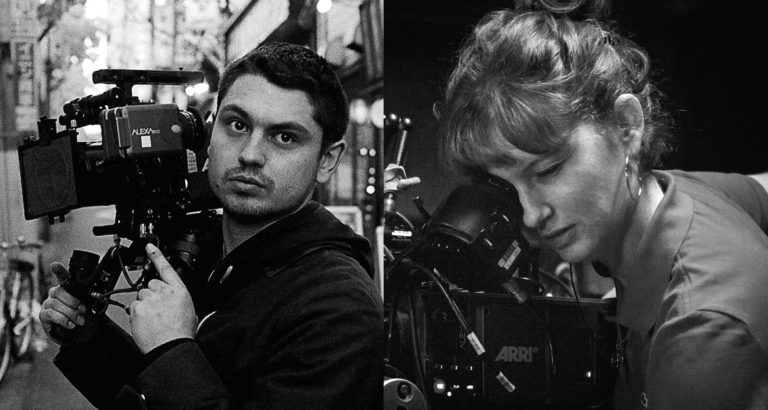
This issue of En Aparté is somewhat special as it features a dual portrait — Arthur and Anne-Charlotte, a cinematographer duo known at the Union under the name Henry Bourdaud.
Anne-Charlotte and Arthur met at the same film school and then worked together on the cinematography of their graduation film — that’s where the desire to work as a team was born. After their training years, the directors with whom they had shared their studies began calling on them.
Arthur : The school’s policy was to share responsibilities on the graduation film, because when you make your graduation film, you’re not necessarily at the top of your game on everything when you take on too many roles at once. We realised we were better as a pair and it would be a shame not to keep going. It’s like everything — you need the right match, it would be awful to force people together! We had the same tastes, so it happened naturally.
When and how did you become interested in cinematography?
A : My family didn’t go to cinemas and didn’t really have an artistic culture. I got into video through skateboarding: I loved filming skating — it was sports filmmaking, but there were sequences, truly crazy shots, and that’s what sparked my artistic passion for images. I went to film school to become professional and train as a camera operator/editor, to take my passion further by gaining better technical skills. I was already on the verge of being a professional “filmmaker” and I went there to become an independent director.
I also played basketball for 15 years, and when I arrived at school, I found that same team spirit in cinema that I loved in basketball. I instantly forgot what I’d originally wanted to do and told myself I wanted to create images with a team rather than on my own.
A-C : I come from photography: I discovered images through photography, from a very young age. I wasn’t a cinephile — my family wasn’t really into films — I truly discovered cinematography and the craft of the image at film school. The only films that really struck me when I was young were the big sagas like Harry Potter.
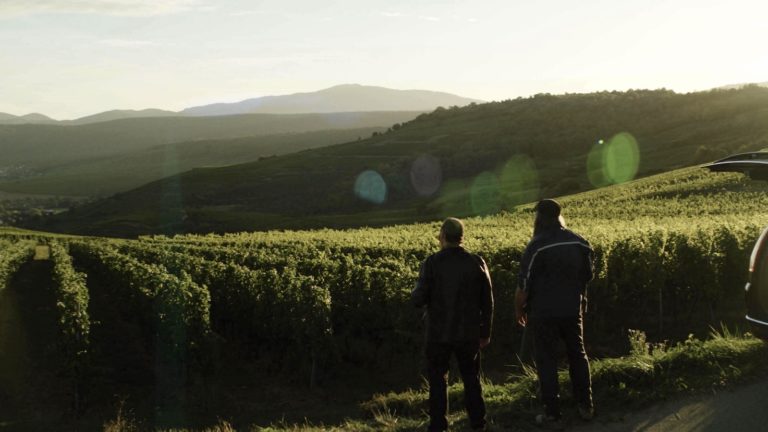
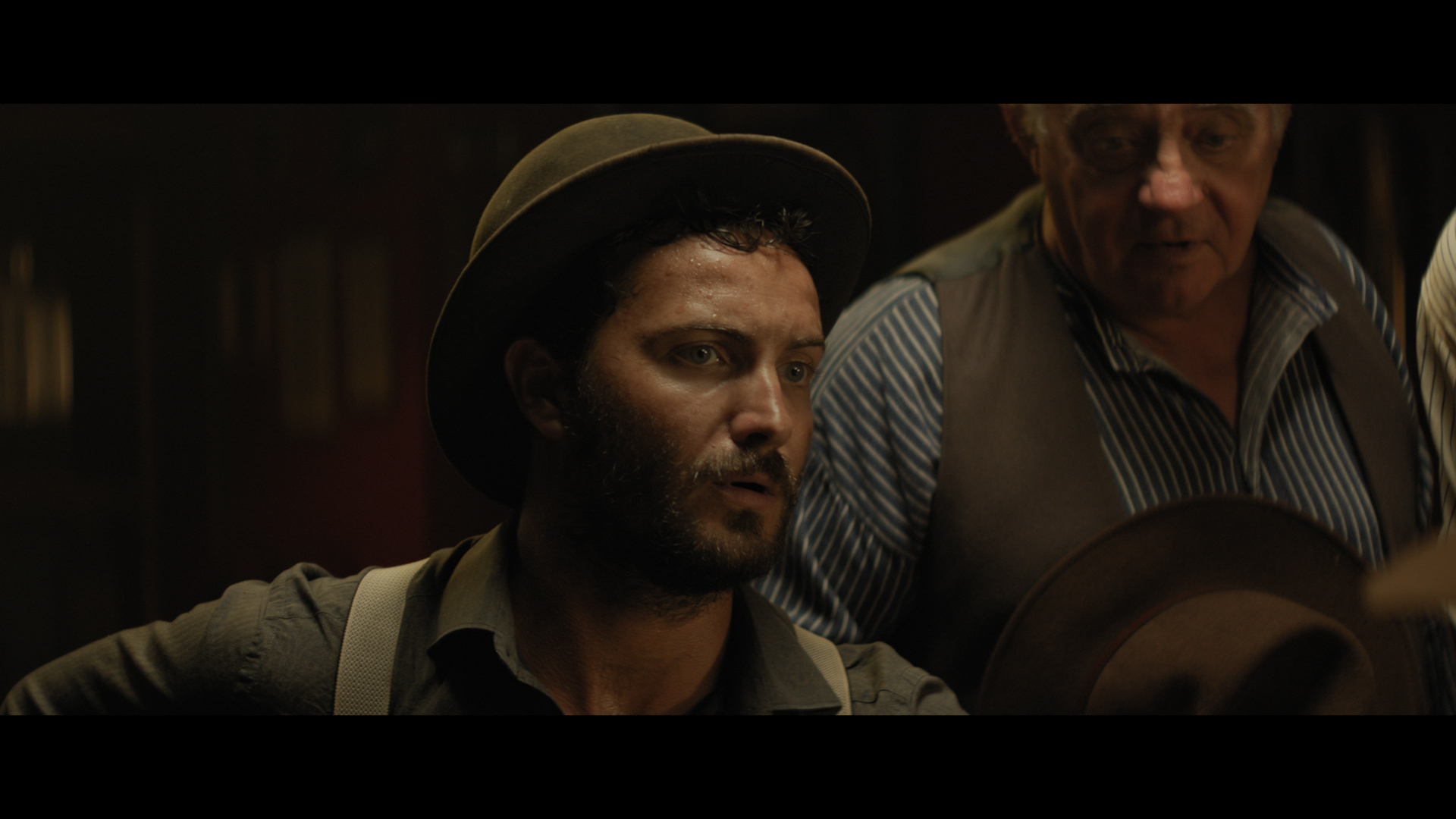 “L’héritage” directed by Pierre-Alexandre Chauvat – production Mist Films
Which films particularly struck you visually, to the point of sparking a specific interest in the work of the image?
A : Once I discovered that I wanted to make cinema, I started going to see a lot of films, to learn, alongside school. I saw a great deal: I went to see what I liked and what I didn’t like. One film struck me deeply: War Horse by Steven Spielberg (cinematography: Janusz Kamiński) because the lighting is very distinctive, and that’s when I really saw the light! I truly understood the impact of the cinematographer on the image and on the film.
A-C : I don’t have a standout reference from before film school, but then I saw two films in particular. I also learnt a lot from the photographs and images of Depardon, notably. When I saw his films, I found in them what I loved in his photographs (the frame!).
What was your initial training?
A : We both attended CinéCréatis in Nantes, a 3-year programme, then we started working as assistants, very rarely together, for about 4-5 years.
A-C : I quite quickly became a first assistant camera with a lot of responsibility on series and feature films. I really enjoyed being a camera assistant — I love pulling focus, and in that role you’re as close as possible to the camera and the actors. However, all the organisation around it was a bit too heavy for me.
A : I worked a bit as an assistant because that’s what we were told we had to do, and I couldn’t see how to become a cinematographer right away… I started with a very big shoot as third assistant camera, which went badly, and that rather put things in perspective. I realised I wasn’t very good as an assistant: in fact, I spent all my time watching the DP work, watching how he did the lighting. I don’t regret those experiences, which above all taught me a great deal about the cinematographer’s craft… It also made me realise that I wouldn’t be an assistant and that I needed to quickly get on with what I truly love!
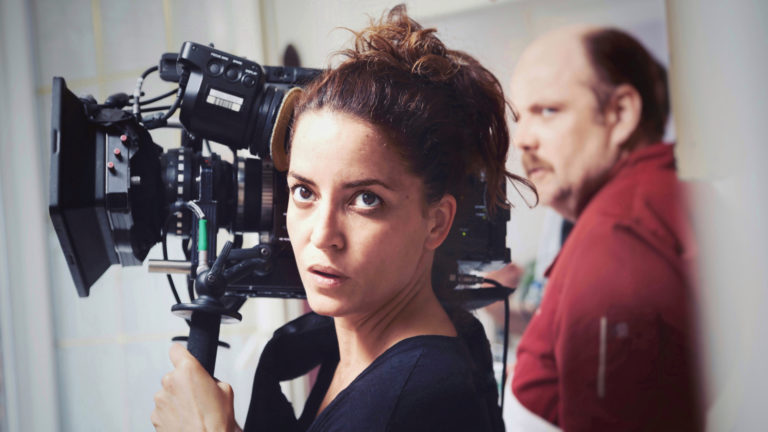
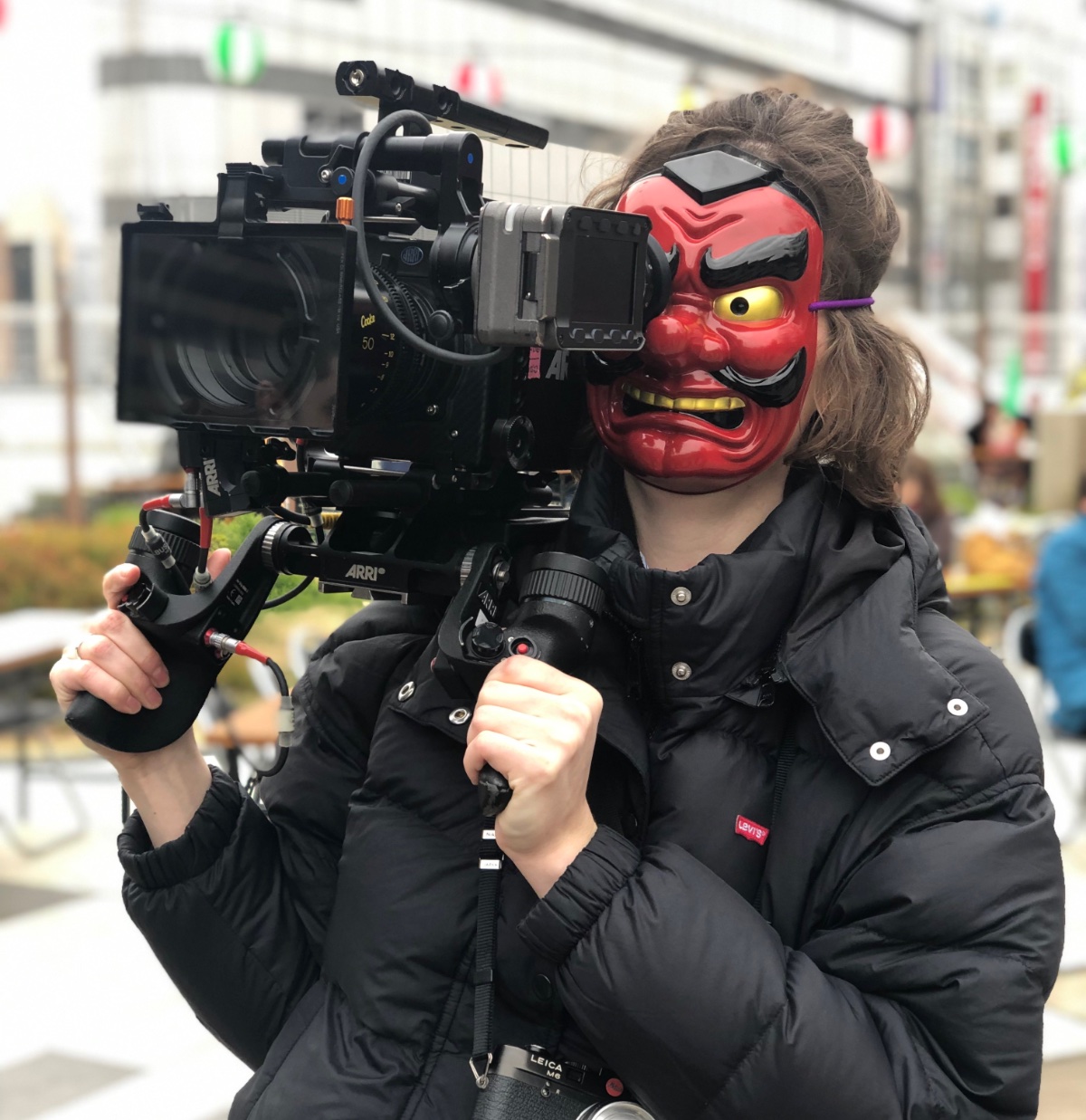 On the set of “Minori” directed by François Descraques – Périple Production (Paris) / Assemblage (Tokyo)
What types of films have you worked on and what would be the ideal next project?
A-C : We’ve mainly done short fiction.
A : When we left school, it was the moment when online distribution was exploding — a whole economy was about to emerge… We did our end-of-studies internship on Le Visiteur du Futur, season 4, a web series directed by François Descraques (cinematography: Alexandre O’Toole). We were both camera interns — Anne-Charlotte on camera and me on lighting. That was the summer when Studio Bagel and Golden Moustache were being created!
It also gave us a real understanding of two parallel worlds: we got to know traditional cinema and the classic circuit, and we got to know films made for the internet, which was a great training ground because there’s less budget, but you can still make images even with less money — and it’s true that this made our transition faster. We knew that world, so we were ultimately able to make a lot of short fiction for online platforms, actually quite well financed, with fairly substantial budgets for the internet.
In that context, we had this enormous stroke of luck of being able to make short films, but shorts within an economy with real expectations and a real audience behind them: we made two shorts for Cyprien’s channel and there were 7 or 8 million views! And that’s what we wanted to do: images seen by an audience, because when you make short films, that’s not always the case, which is incredibly frustrating!
A-C : Ideally, we’d like to do a mix.
A : We fought hard to do both, so today it’s mainly short cinema fiction, and we’ve recently started doing commercials. In shorts, we were used to shooting over 5-6 days.
How did you decide to present yourselves as a duo of directors of photography?
A-C : It happened naturally… We put together a showreel as a pair; our first directors knew us from school, we’d done a few low-budget films, and then when those directors found producers, they wanted to continue with us — and that’s how it happened. This duo identity came about almost in spite of ourselves. It worked well, we got along well, and it continues.
A : We always pitched ourselves as a pair, but word of mouth is what worked best, because naturally there’s an initial prejudice! Whereas when people know us, or know people who know us and who know how we work, it goes much better.
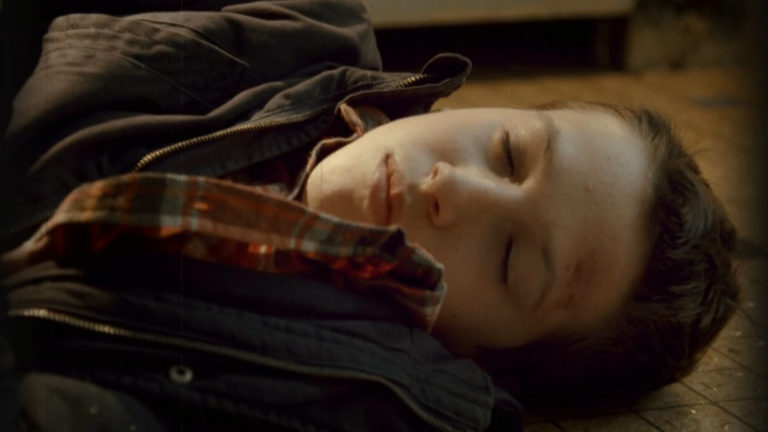
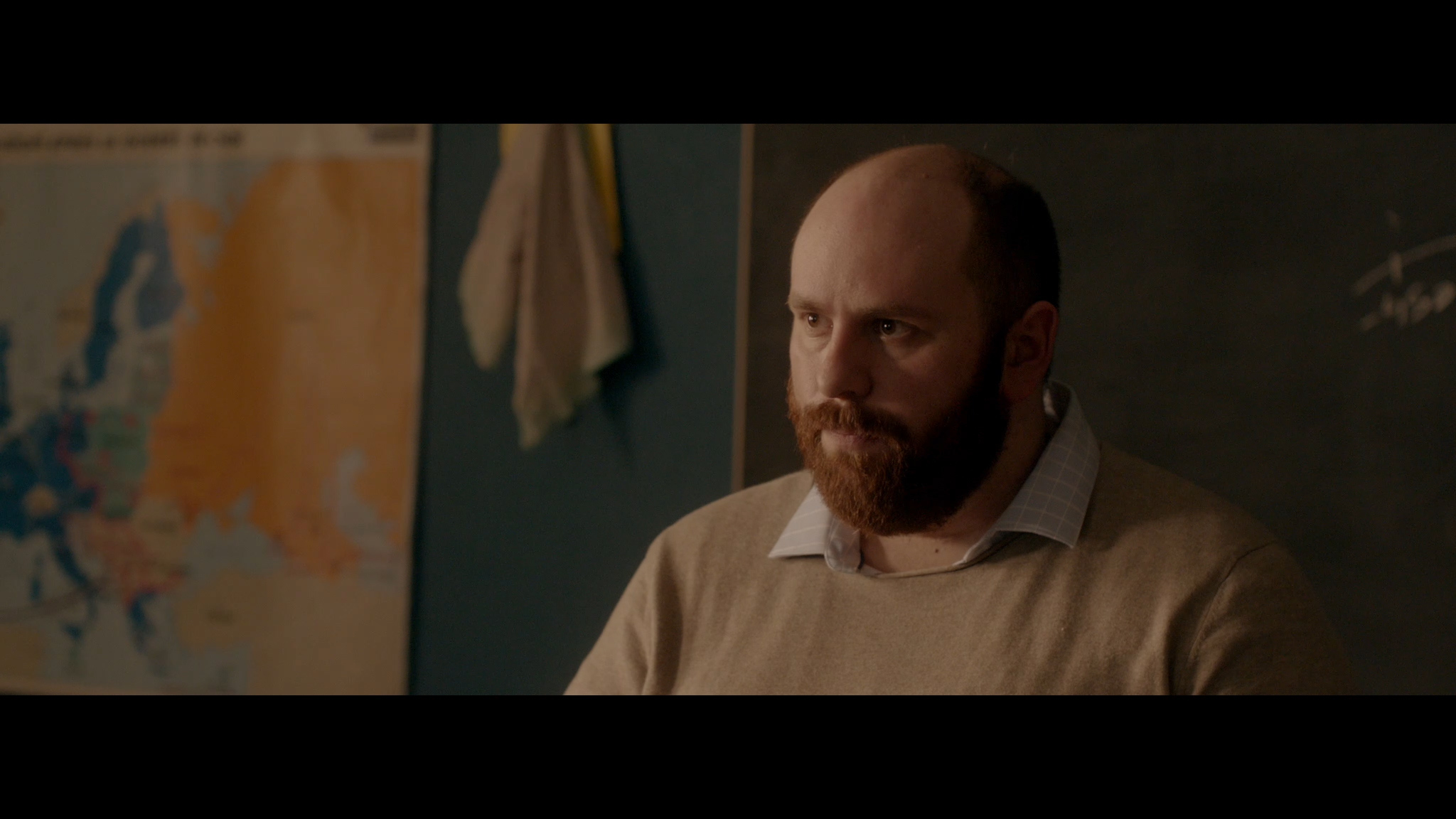 “PD” directed by Olivier Lallart – production Les Faquins
How do you divide the work during preparation and on set?
A-C : We do all the projects, all the prep, all the meetings, all the location scouts, all the post-production — everything as a pair. On set is where we divide things the most. One of us handles the camera, grip, production design, and above all the actors, while the other stays slightly back but always close to set with the directors and script supervisors, keeping a more general eye on the lighting — not at the eyepiece, more at the monitor.
A : We realised there are two different spaces between the monitor and the set… The director, or the script supervisor, discusses things that don’t necessarily reach the set, so by being at both the set and the monitor, at the end of a take we can communicate with each other and combine our strengths.
A-C : On set it very much looks like “one camera operator and one director of photography,” but at the same time I know exactly what the lighting setup is because I chose it, and that allows me to choose the framings and actor placements with full knowledge. Obviously, that doesn’t prevent me from communicating directly with the electricians, and likewise Arthur sometimes takes over the camera for one shot or another.
A : For the stunts! We have our general system and then of course there’s case-by-case… For example, we’re about to do a shoot with a long take where we need to pass the camera to each other, so being two really helps with that kind of thing.
Do you ever work with someone else operating the camera?
A : Apart from with the Steadicam, no. When we work with a Steadicam operator, they operate of course.
A-C : Or “I don’t have four hands!”… After every film, we say to each other “Thank goodness there are two of us!” That’s something we say very often.
A : The fact that there are two of us also allows us to go further in the artistic direction — we can afford to take that time in prep, to push on the production design, to push on the costumes.
And how do you settle technical choices?
A : We educated ourselves about cinema practically together, since we had little cultural background beforehand, and we share this common foundation that means we’ve followed roughly the same path… So the choices come very easily, without too much deliberation.
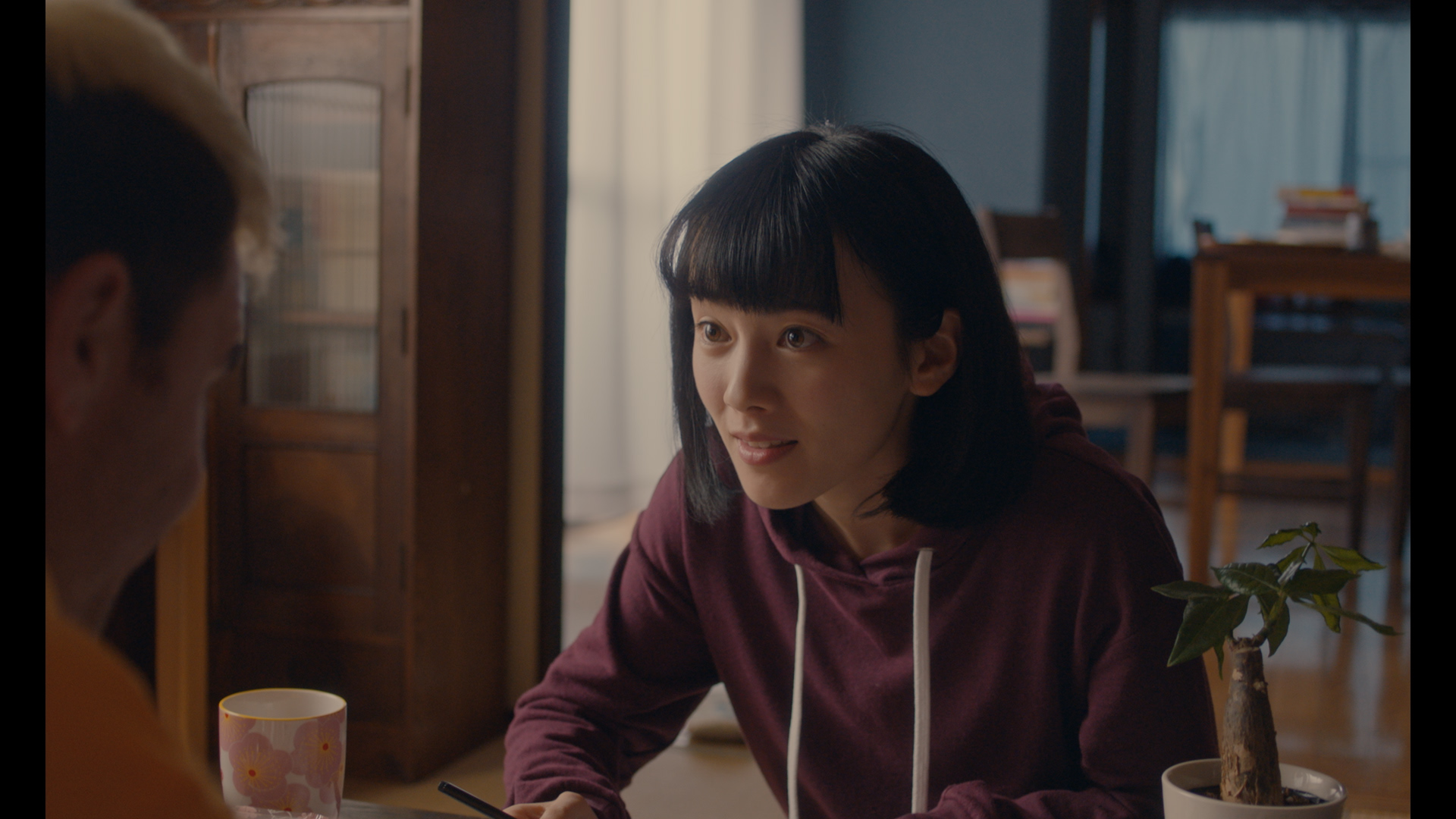 “Minori” directed by François Descraques – Périple Production (Paris) / Assemblage (Tokyo)
Do you ever experience moments of friction in your working relationship, as in any partnership?
A : If it happens, it will always be during prep, never on set. During prep, we think a lot, we throw ideas around… There can be disagreements, but by the time we show up at a meeting or go to set, we’ve already agreed on something. We have time to think it over, weigh the pros and cons, and arrive with clear ideas.
A-C : Even in prep, it’s a discussion — there are no deep disagreements, and that’s what strengthens the project. Preparation remains essential… Our partnership isn’t anything incredible, really!
A : Yes, we haven’t invented anything… Today, when you look at how productions work, you really need someone at the camera and someone at the lighting, and that’s increasingly the case. The bigger the project, the more this system makes sense… On bigger projects, you also need to impose a system with a camera operator, perhaps in a slightly disguised way, so that there’s no choice: there always needs to be someone on lighting and someone on camera.
Do you ever work on projects without each other, or do you always work as a duo?
A-C : As cinematographers, in fiction or commercials, we always work as a duo, but we do sometimes operate camera on other shoots, for fashion or interviews.
A : In fact, when people call us for those kinds of projects, they ask whether one or the other is available!
What are your artistic sources of inspiration?
A-C : I learnt framing from the images and photographs of Depardon, notably. Through his work. Otherwise, we draw inspiration from cinema, from all films… In our childhood we saw few films, but now we watch everything.
A : Architecture and interior design take up more and more space in our sources of inspiration.
A-C : We love scouting for locations, suggesting locations.
A : You can’t make a beautiful image without a beautiful set, so it’s essential to take an interest in it.
Do you recall any regrettable blunders that turned out to be instructive?
A : For me, it was mainly blunders as an assistant — small mishaps that pushed me to move on to something else.
A-C : For me, it was mainly inexperience rather than actual blunders, and also lacking the confidence to stand by your choices… Now, we assert ourselves more!
A : It’s probably related to the fact that we’re from a generation where shoots are digital, so certain things are made easier, safer. Digital allows you to know whether you’re messing up or not… We never knew the days of film, so we don’t have the anecdote about fogged film stock!
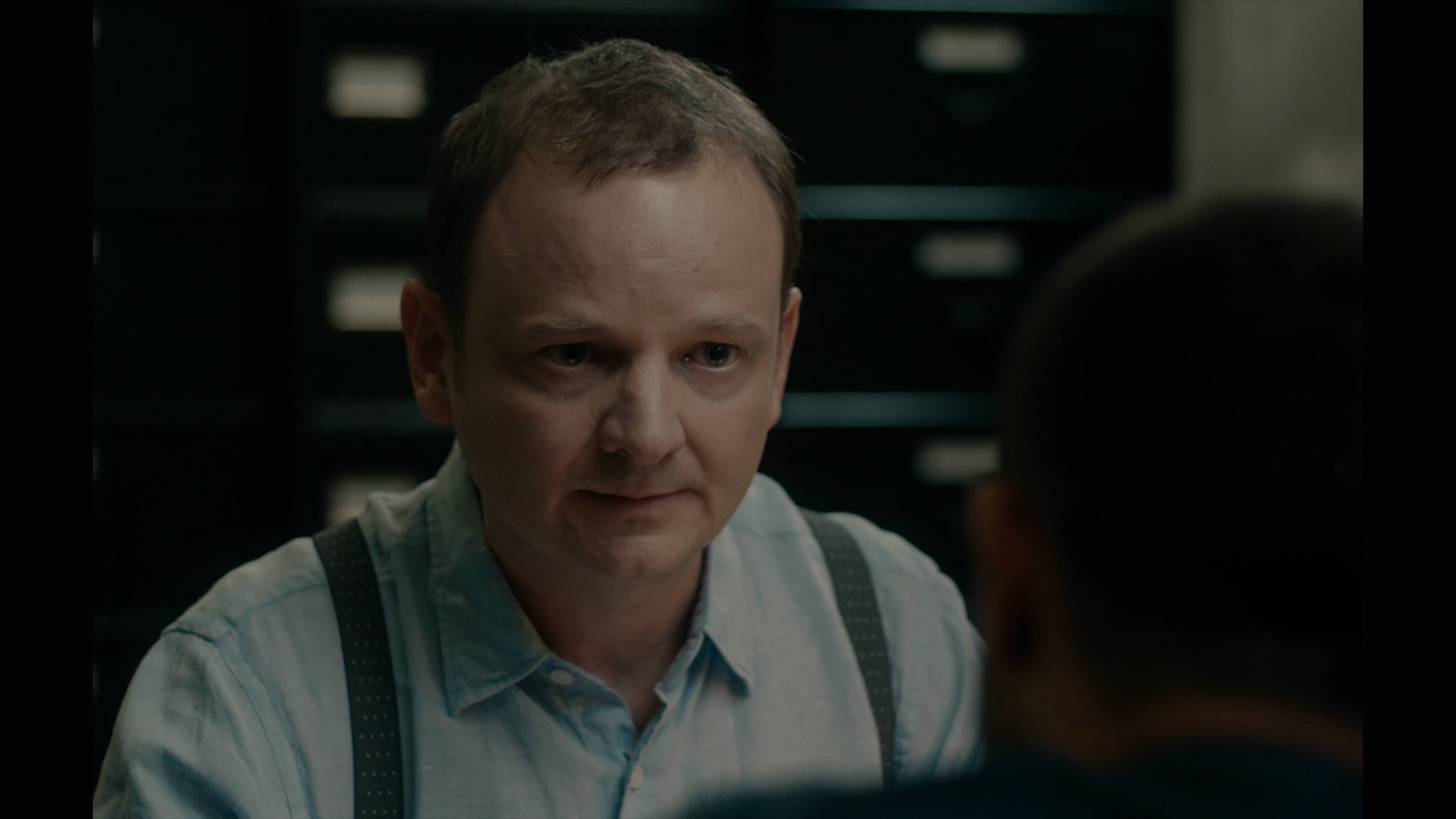 “La Science de l’Amour” directed by Timothée Hochet – Périple Production
Have you experienced moments of doubt about your work or your professional milieu?
A : One thing that raises questions for us is obviously the duo, because sometimes we wonder if it’s going to work, if it’s viable… Sometimes we think it might scare people off.
We obviously have moments of doubt about work… It’s cyclical — sometimes we work less, sometimes more, and it’s during the quieter times that you doubt.
A-C : We ask ourselves that question all the time, but we keep working so everything’s fine — we know it’s our strength! I feel like doubt is just part of the profession.
A : Being a duo helps us lift each other’s spirits. As for the professional milieu, we avoid unpleasant people and try to work in a good atmosphere. When it goes badly, it’s tough, and you know straightaway it’s not going to work… Even when there’s pressure, we’re making cinema — it’s a privilege, and you have to know how to keep that excitement of teamwork alive.
Regarding doubt about our professional milieu, our concern would be around the visibility of short fiction… Short films truly deserve better visibility.
Beyond that, our ongoing fight is something we do almost every day: establishing this male/female duo, and it matters. We like to say we’re 50/50, and that’s already quite something!
A : It also somewhat influences our choices about the crew we work with — often a predominantly female crew, or 50/50, with women as heads of department. But above all, it’s our commitment to working with nice, competent people that takes priority.
A-C : It’s surely generational, but we really feel it on our shoots, this idea of having gender-balanced crews.
A : We’ll see if that continues over time and on larger-scale projects, but it’s also our battle.
Do you recall a particularly original camera or lighting setup?
A-C: It was a lighting installation — we needed a light that moved in a circular pattern.
A: Like in L’Enfer by Henri-Georges Clouzot… We had a friend build us a system using a fishing reel and a bicycle wheel! Basically, it was a bicycle wheel with a hole in the middle to position the camera, and to spin the wheel, all the fishing line from the reel was wound around the rim. You pull the reel handle, it spins the wheel incredibly smoothly — and on the wheel, small lights are mounted. It can run for quite a while — you’ve got someone reeling for 2-3 minutes!
It was quite makeshift, but the result was flawless.
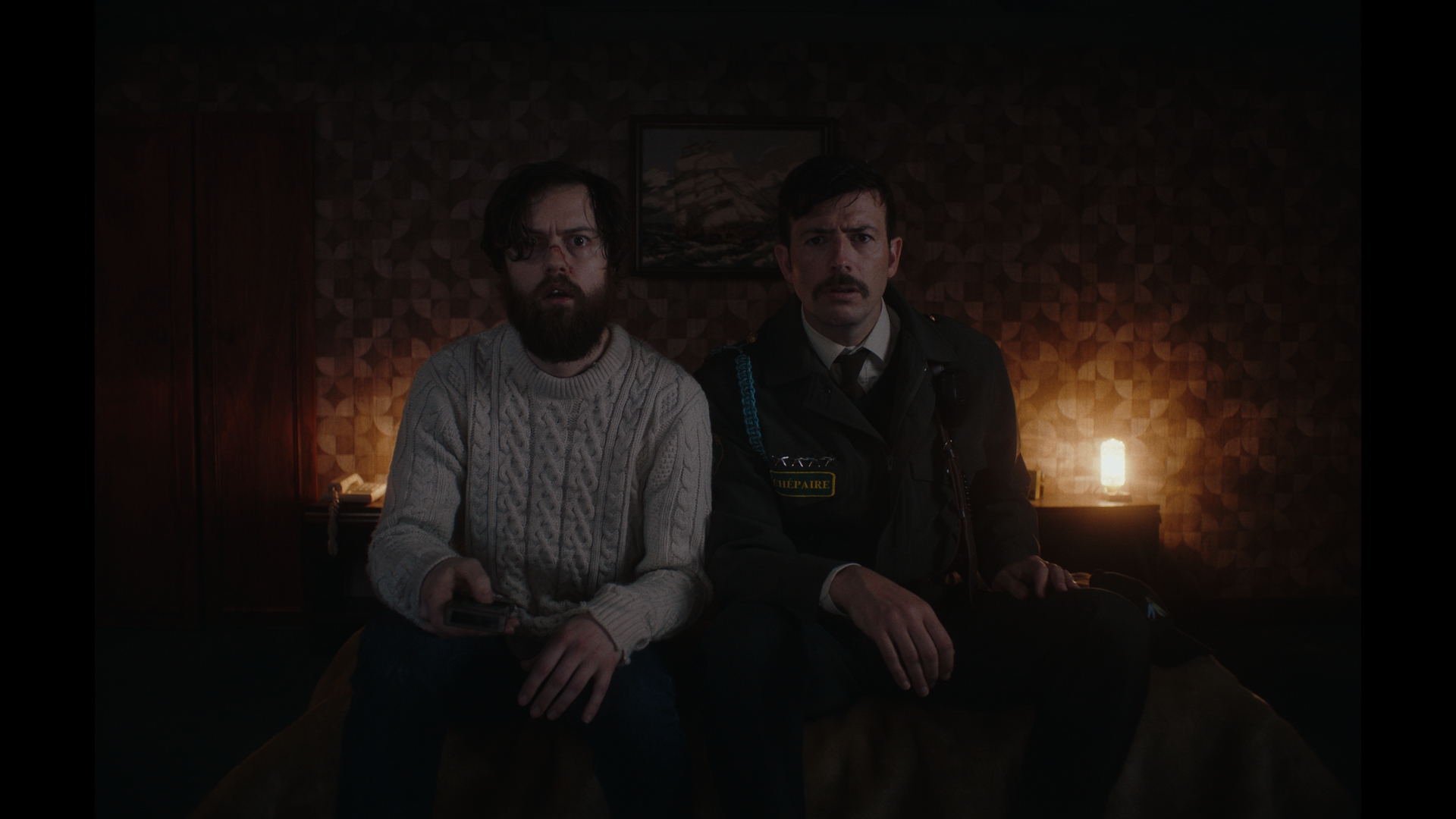 “Choulequec” directed by Benoit Blanc and Matthias Girbig – Oups production
Have you ever wanted to move into directing?
A : No, for the time being we’ve never wanted to move into directing because we’re still at the beginning of our “career,” so we’re far from having explored everything this craft has to offer. There are still so many things we’d like to try, learn, and discover that we’re nowhere near wanting to do something else! And above all, we really love our job…
A-C : We also really love our position on set, which is truly at the junction between the artistic and the technical — the staging, the actors, etc.
What do you love and what do you dislike about your profession?
A : What we love is the creative work — that’s really what drives us. We love what we do and there’s not much we’d change!
What we like less is the competition within the cinematographer’s profession… We sometimes find ourselves having to do “casting calls” for cinematographers — it’s part of the game, but it’s not very pleasant.
Ditto for the “school label”: we didn’t come from Louis Lumière or La Fémis, which can strangely remain a determining factor in the choice of a cinematographer for a project, and even with time, you can still feel it.
A : I think it’s felt even more so for our generation, because now when you graduate from Louis Lumière or La Fémis, you really are a cinematographer and you get to shoot a lot of short films, funded ones, etc.
Today, the average age of cinematographers is dropping: they work on projects at an increasingly young age, and you realise that you’re going to struggle much more to reach the same level of project if you didn’t come from Louis Lumière or La Fémis… We’ve often genuinely felt it as a disadvantage.
 “Les Cheveux Longs” directed by Sophie Muller – production Marty
What advice would you give to an aspiring cinematographer?
A : Patience and perseverance.
A-C : And optimism! Believe in it, even when it’s not easy… You have to fight for it.
A : You just have to hold on.
Henry Bourdaud on the United Cinematographers website