Through a collection of Q&A portraits, the Union introduces the members of the association. Today, Malory Congoste.
When and how did you become interested in cinematography?
It goes back to childhood. I lived in a small seaside resort where the cinema was at the end of the street. I spent all my school holidays watching every film they screened: mostly blockbusters and “popcorn” movies from the 1980s. I became a real fan of monster movies, and as a child, my dream was to work at ILM to create zombies, werewolves, vampires, aliens… Until I came to this realisation: “The monster that frightens me the most is the one I can’t see.” From that point on, I wanted to become a director of photography — to be the one who hides the monster in the shadows.
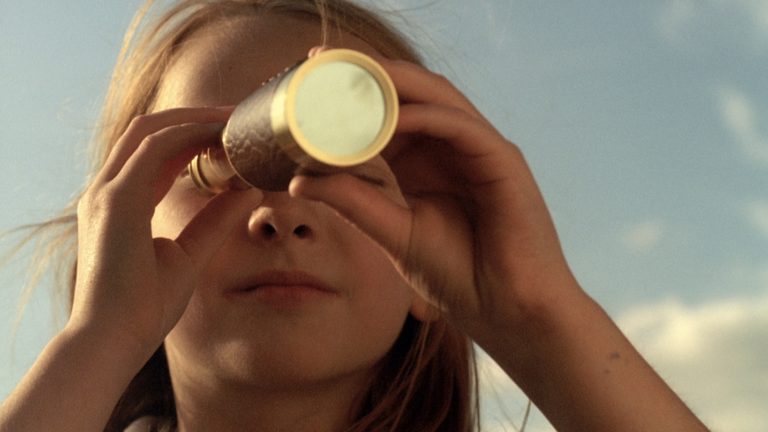
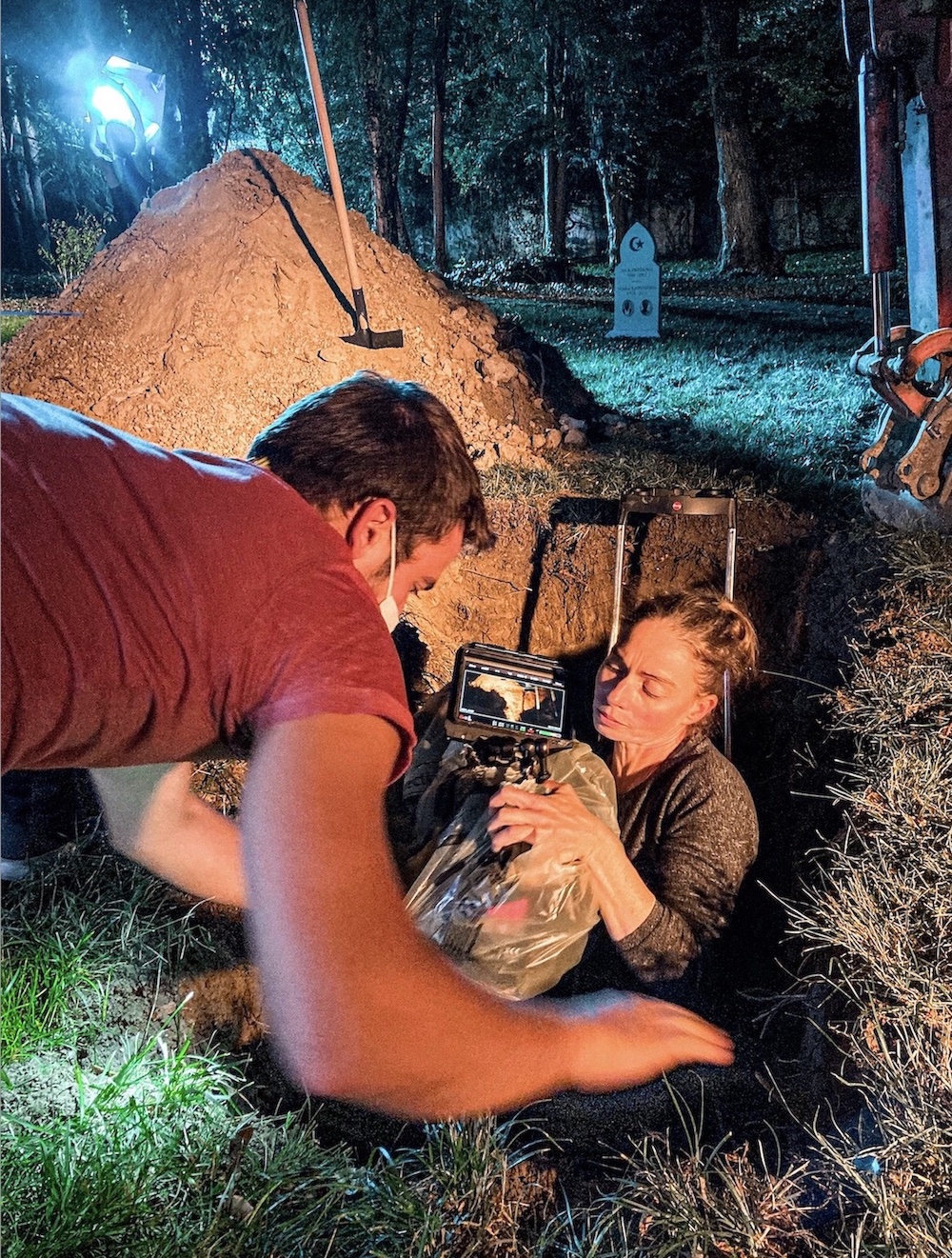 On the set of Le Somnambuliste, a series directed by Jérémy Strohm (Centurion Films) — Setting up a subjective camera
Which films left a particularly strong visual impression on you, to the point of sparking your specific interest in the craft of cinematography?
Raging Bull , which I was lucky enough to discover as a teenager in a cinema during a Martin Scorsese retrospective. I had never seen boxing fights filmed like that: the black and white, the slow-motion bodies, and that blood running down the rope… I think that was the moment I wished I were the one behind the camera, capturing those images.
The opening of Halloween: The Night He Came Home and its subjective point-of-view shot was also a real trigger. And then came the discovery of Terrence Malick’s films and especially the work of Emmanuel Lubezki — pure visual poetry. I was mesmerised by the way the camera moved through space. More recently, the films of Nicolas Winding Refn have had a huge impact on me, particularly the collaboration with Larry Smith on Only God Forgives : the use of colour and light in that film is extraordinary.
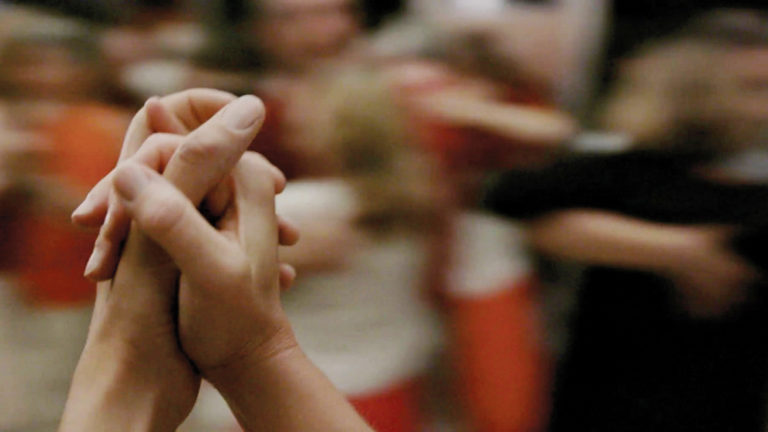
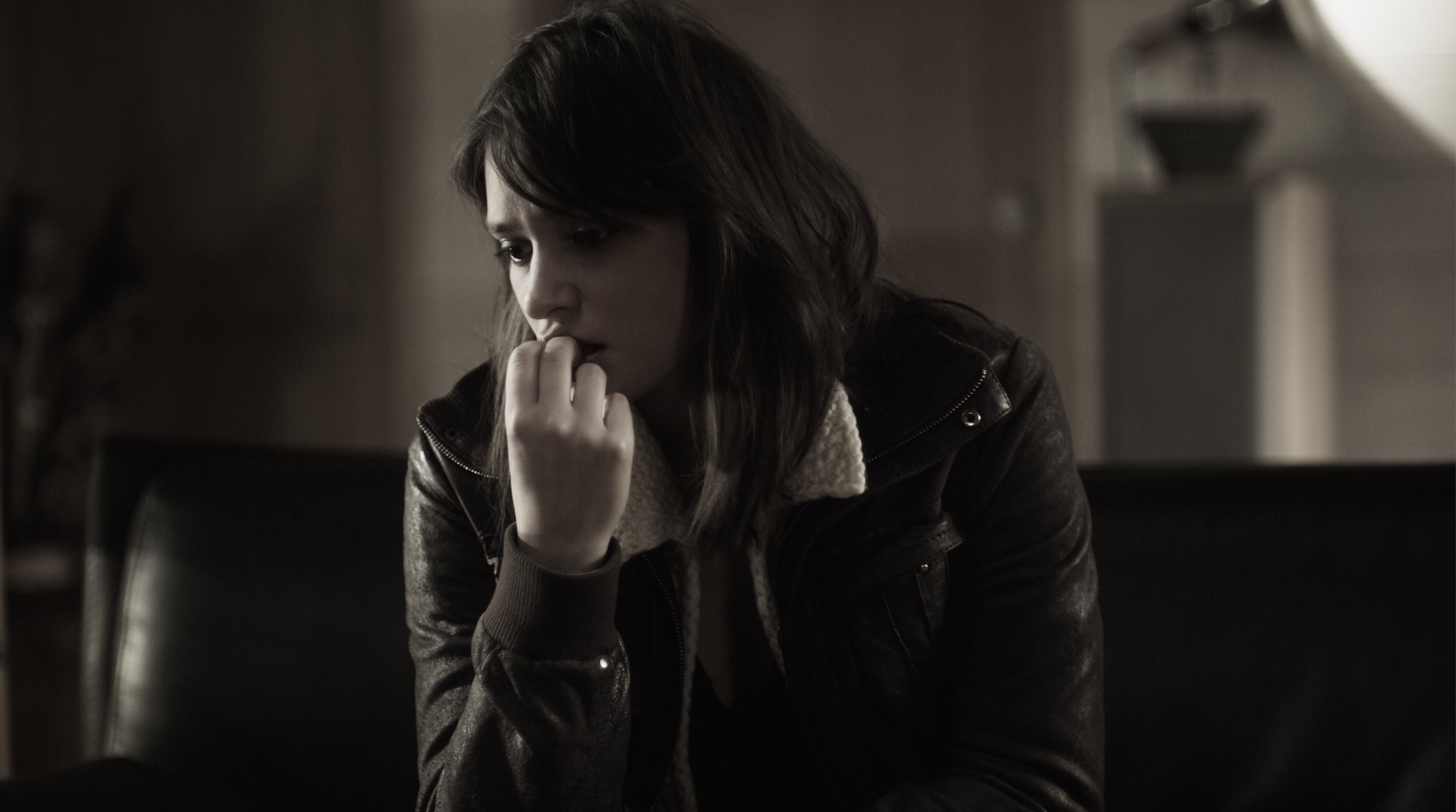 “Ne nous soumets pas à la tentation” directed by Cheyenne Carron (Hésiode Productions – Cheyenne Films)
What was your initial training?
I studied at ESRA Paris, in the Cinematography programme. Alongside my third year, I started working as an electrician. I did that job for three years. But at the time, the path from electrician to director of photography was not at all the standard route, so I stopped and retrained as a first assistant camera. I then quickly met the director of photography Antoine Marteau, whose first AC I became.
When and in what context did you start working as a cinematographer?
Throughout those early career years, I shot several short films as director of photography alongside my work as an assistant. Then in 2010-2011, Cheyenne Carron offered me the chance to work on her feature film, on the recommendation of Antoine Marteau. Shortly after that film, I stopped working as an AC entirely to dedicate myself fully to cinematography.
What types of films have you worked on, and what would be the ideal next project?
After that first feature, my work really diversified over the years — always fiction, but also music videos, commercials, documentaries, and branded content. I had the opportunity to shoot a second feature, this time directed by Cédric Prévost, whom I had accompanied on several of his short films.
Somewhat by chance, I discovered short-format TV and digital series, in particular thanks to Benjamin Busnel, with whom I had done music videos. He brought me into the offbeat universe he had created with his two co-authors for their series Le Département , which eventually moved from digital to broadcast on Canal Plus. Then came the encounter with Jérémy Strohm around the pilot of another equally offbeat digital series, Le Somnambuliste , whose first season we were able to shoot last year for Centurion Films.
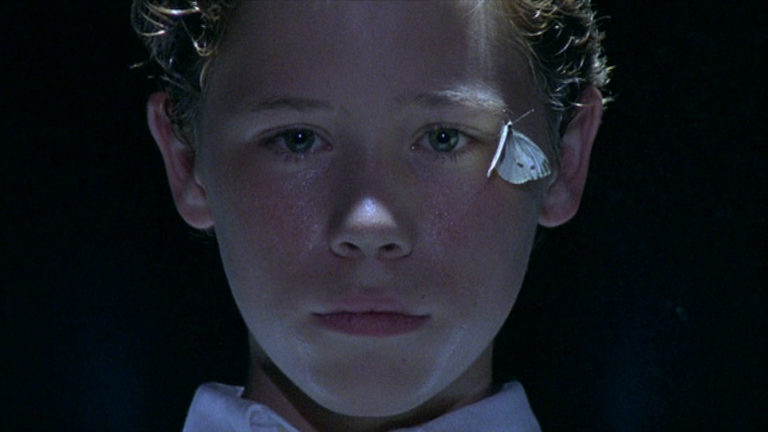
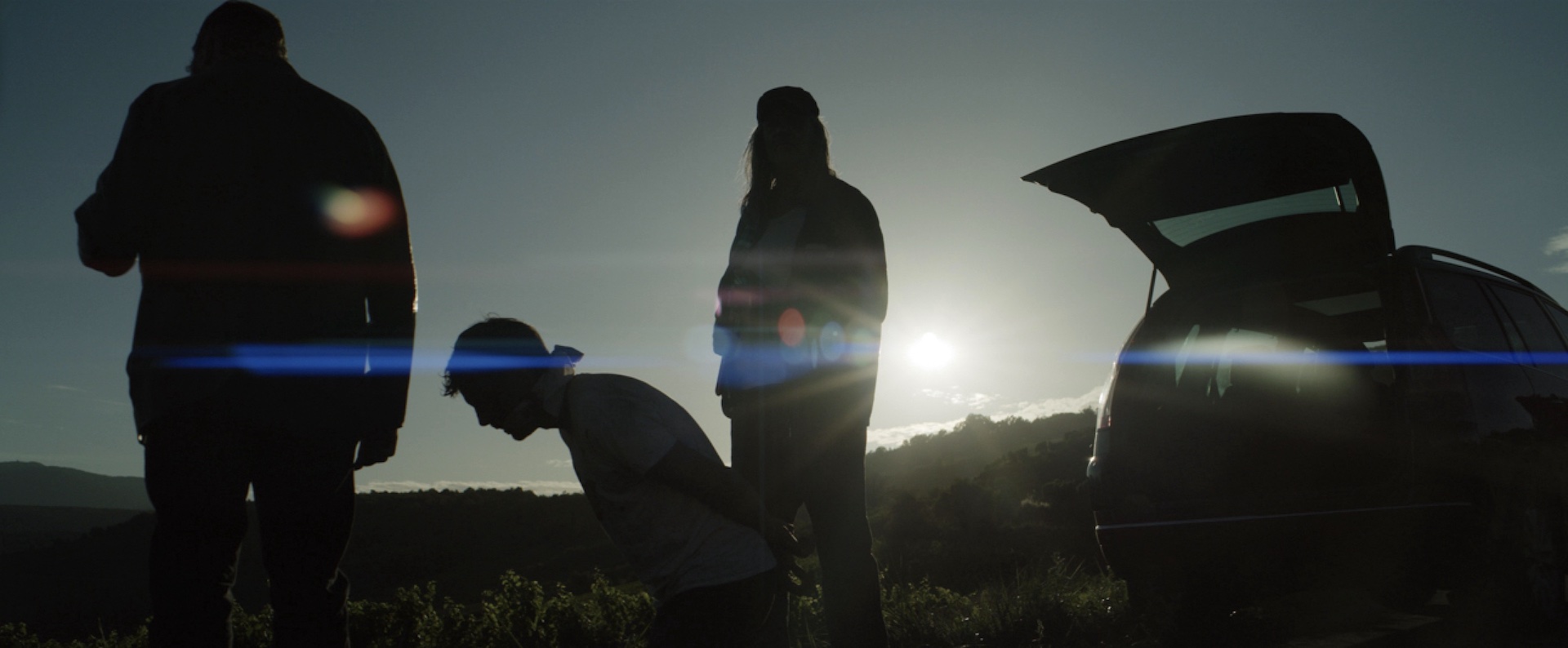 Le Somnambuliste, a series by Jérémy Strohm (Centurion Films)
What are your artistic sources of inspiration?
It all depends on the project. We currently live in a world so rich in images that my sources come from everywhere. I like to thoroughly prepare the films I work on: I can spend a great deal of time on visual research, whether in my video library, on the internet, in my book collection, or in my personal archives. Photographs, paintings, music videos, feature films old and new, short films, TV and digital series, commercials, archive footage — I go through everything until I find the right texture, the right tones, the right format, the right framing…
Do you remember any regrettable blunders that turned out to be instructive in the end?
I’m thinking of one of my most recent projects. It wasn’t really a blunder, but a misjudgement that made me reflect on the way I work.
The client’s brief was very detailed and the technical setup was practically written out already. The director and I broadly agreed with it: all handheld, fixed lenses with an Easyrig, all in slow motion. The crew was very lean — I only had one assistant and a lot of moves to make, so I would be pulling focus myself most of the time. But we were filming children, and when I learned how young they were, I thought I would have been more comfortable with a stabiliser and an ALEXA Mini, since I suspected I would end up shooting continuously. The budget was tight and the crew limited, so I didn’t follow my instinct. On the shoot, we got the shots and the client was happy, but I spent the entire day feeling uncomfortable. At the end of the day, I mentioned my regrets and the alternative setup I had envisaged. Perhaps it wouldn’t have changed anything, but that experience taught me to always trust my gut feeling and speak up, regardless of budget constraints.
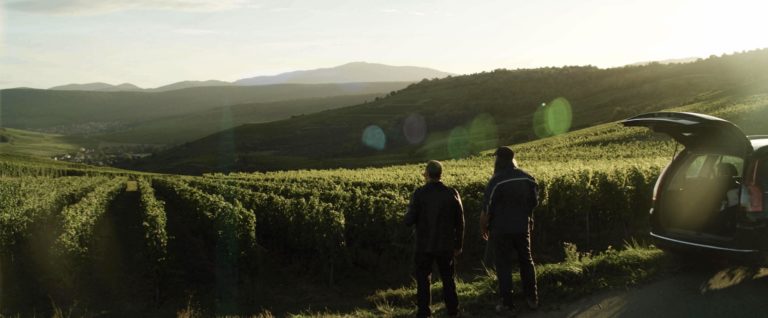
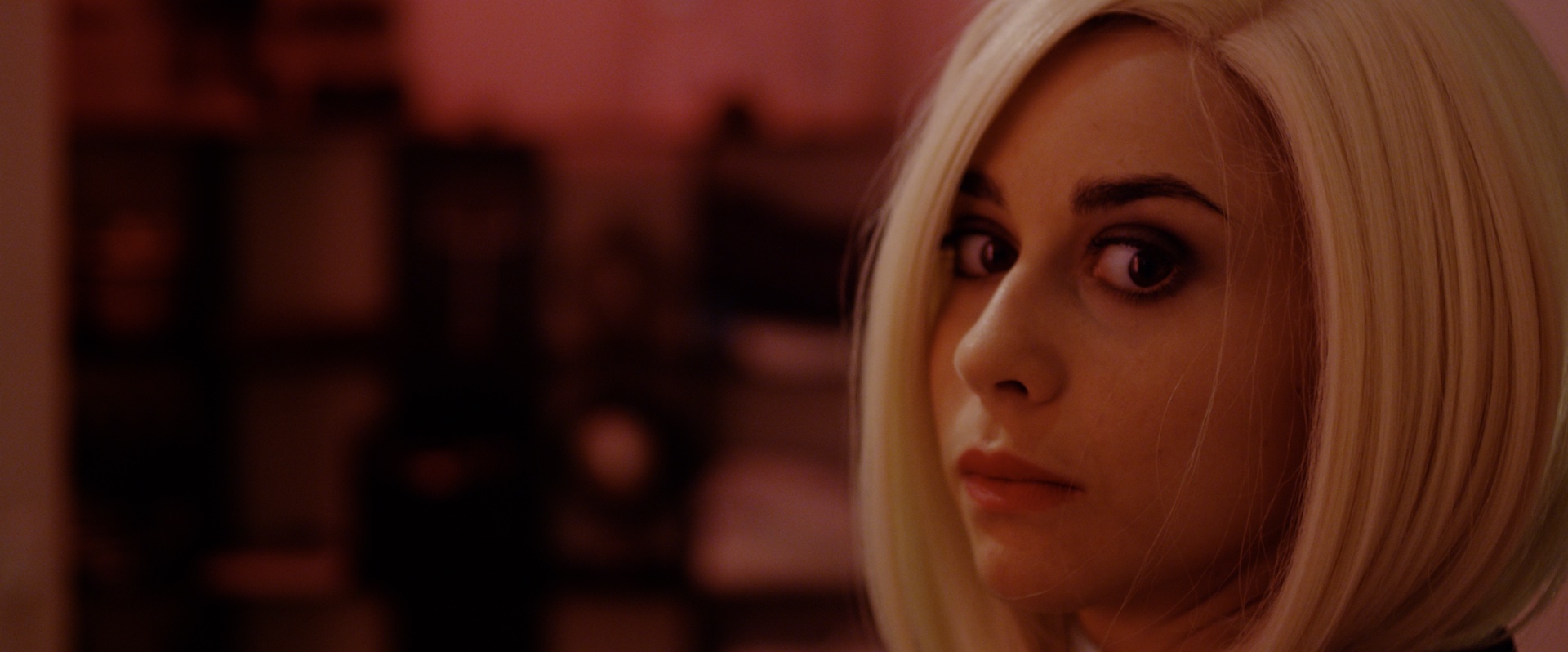 “Love Bug,” a feature film by Cédric Prévost (Arts Premiers)
Have you experienced moments of doubt about your work or your professional environment?
I’ve had two major periods of doubt. The first came just before my transition from assistant to DP, over ten years ago.
I was planning to move abroad to start my career as a director of photography, because I was afraid I wouldn’t be able to thrive or find my place within French fiction productions. I was passionate about working on genre films or projects with offbeat, unconventional universes. In France, opportunities for that kind of production — whether shorts, features, or series — were virtually non-existent. I stayed nonetheless, telling myself that change could come, since France offered a very large volume of productions compared to many other European countries. I made connections, I opened myself up to many other worlds and visual projects. I grew in different ways. I worked on projects I would never have imagined and would never have pursued on my own.
Yet that feeling always lingered somewhat. And a year ago, compounded by the COVID crisis, it resurfaced strongly. Then the series Le Somnambuliste went into production, cutting my doubts short. In the end, I chose to join the Union rather than leave!
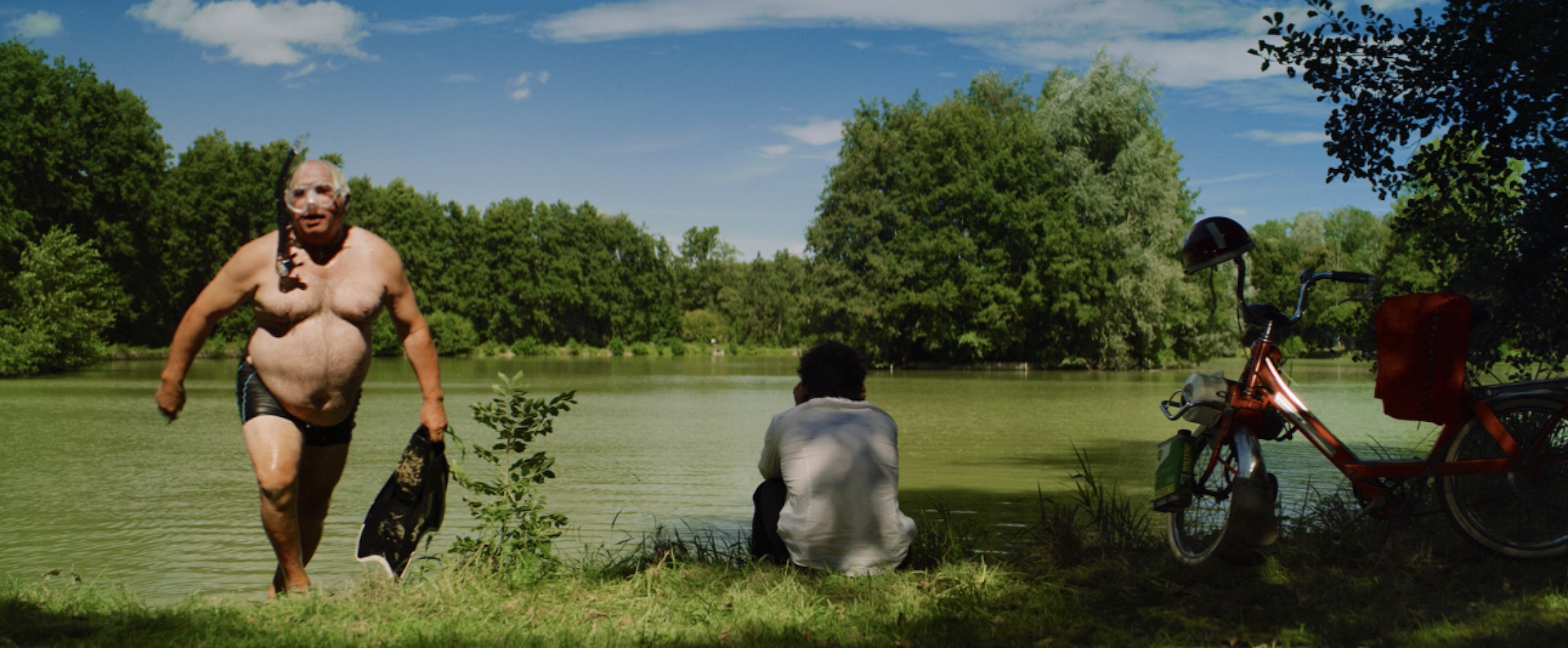 Le Somnambuliste, a series by Jérémy Strohm (Centurion Films)
My current reflection is that our industry is undergoing a profound transformation, here in France. The lines are shifting. Diversity is being demanded by many, at every level. I believe that a diversification of projects and of the people who make them would be truly beneficial and enriching for our industry. The arrival of streaming platforms is calling many things into question, and I have hope that it may shake up the established order in a positive way. If so, I want to be part of that transformation. We shall see whether time proves me right.
Do you recall setting up a particularly original camera device?
I worked on an architectural project for the National Cowgirl Museum in Fort Worth, Texas. The concept was to project images of horses galloping at full speed onto the facade of the museum. The horses had to be filmed at a specific angle and speed, against a pure black background, for integration into the projection mapping.
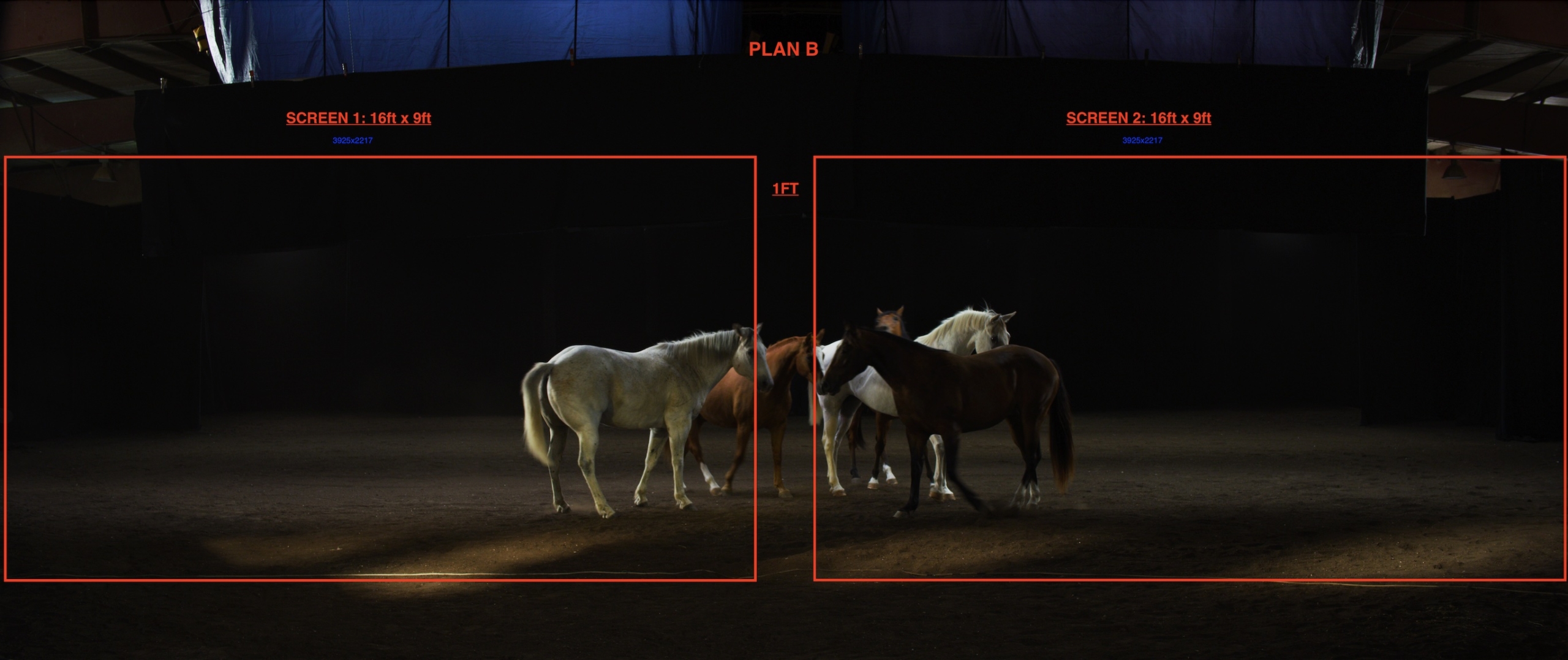 National Cowgirl Museum — projection concept
The space needed for this performance had to be quite vast. At that time in Texas, no studio large enough was available to host our shoot. We had to recreate a black-backdrop studio setup within the grounds of a ranch: massive blacking out, replacing all the ground sand with a darker compost mix for the image, and shooting at night. The building didn’t allow for heavy rigging on the structures, and I had defined a space lit exclusively by toplight in the middle of the course. So we set up five Airstar helium balloons to cover the area, but the anchor points couldn’t disturb the horses’ line of sight during their gallop. It turned out to be trickier to set up than we had anticipated! In the end, nearly ten days of preparation for five takes of the same shot — because, of course, the horses didn’t always cooperate.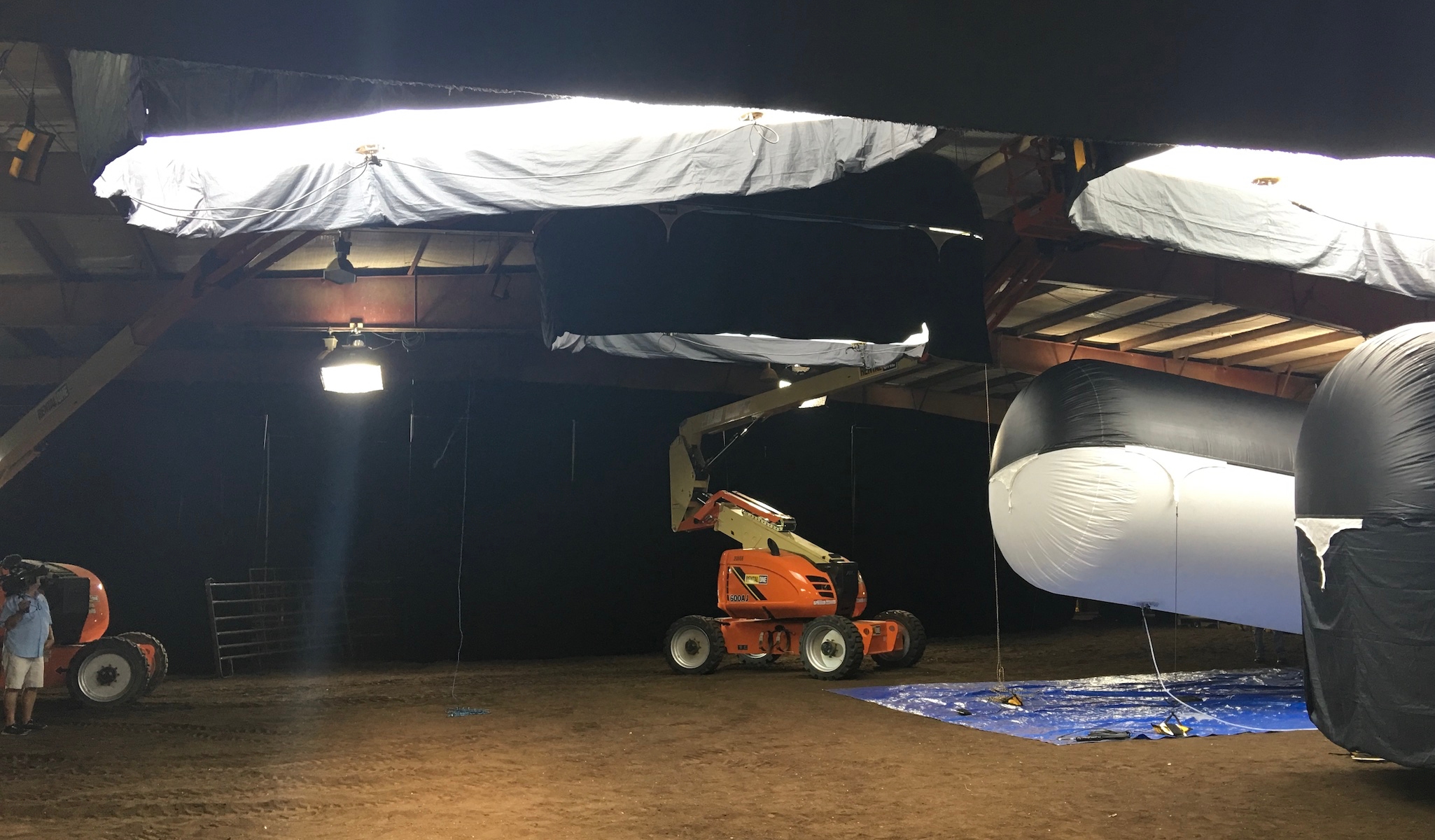
 National Cowgirl Museum
It was a superb experience — the local executive production was truly wonderful, and working with the gaffer both in preparation and on set was a real pleasure. It was, in the end, a very comfortable shooting configuration.
Have you ever wanted to move into directing?
Not on my own initiative. But I do have two projects in development nonetheless.
A short film that I wrote years ago: after reading it, a friend pushed me to co-direct it with her, while I would also keep my role as cinematographer on the project. As for the other film, it’s a documentary on which I was originally meant to be the DP, but since the subject touches me personally, the producer suggested I take on the direction as well.