Through a collection of question-and-answer portraits, the Union introduces the members of the association. Today, Karine Aulnette.
When and how did you become interested in cinematography?
I was fortunate to be introduced to the work of the image through the Cinema & Audiovisual option at secondary school.
Certain contemporary films particularly resonated with me, and I realised with delight that they were always shot by the same director of photography: Eric Gautier.
This magnetic power of the image drew me in, and I wanted to make it my profession.
Which films have particularly struck you visually, to the point of drawing you specifically to the work of cinematography?
Those films, which all turned out to be photographed by Eric Gautier, were Esther Kahn and Comment je me suis disputé… (ma vie sexuelle) by Arnaud Desplechin, and Les Destinées sentimentales by Olivier Assayas. Other major cinematographic references for me include Quatre nuits d’un rêveur by Robert Bresson (DP Ghislain Cloquet), My Night at Maud’s by Eric Rohmer (DP Nestor Almendros), The Conformist by Bernardo Bertolucci (DP Vittorio Storaro), Fanny and Alexander by Ingmar Bergman (DP Sven Nykvist), The Earrings of Madame de… by Max Ophüls (DP Christian Matras), Army of Shadows by Jean-Pierre Melville (DP Pierre Lhomme), Paris, Texas by Wim Wenders (DP Robby Müller).
I also want to mention the films shot by Agnès Godard, including The Dreamlife of Angels by Erick Zonka, La vie ne me fait pas peur by Noémie Lvovsky, Beau Travail by Claire Denis…
It is interesting to see how much all these films remain references for me. I often revisit them during prep.
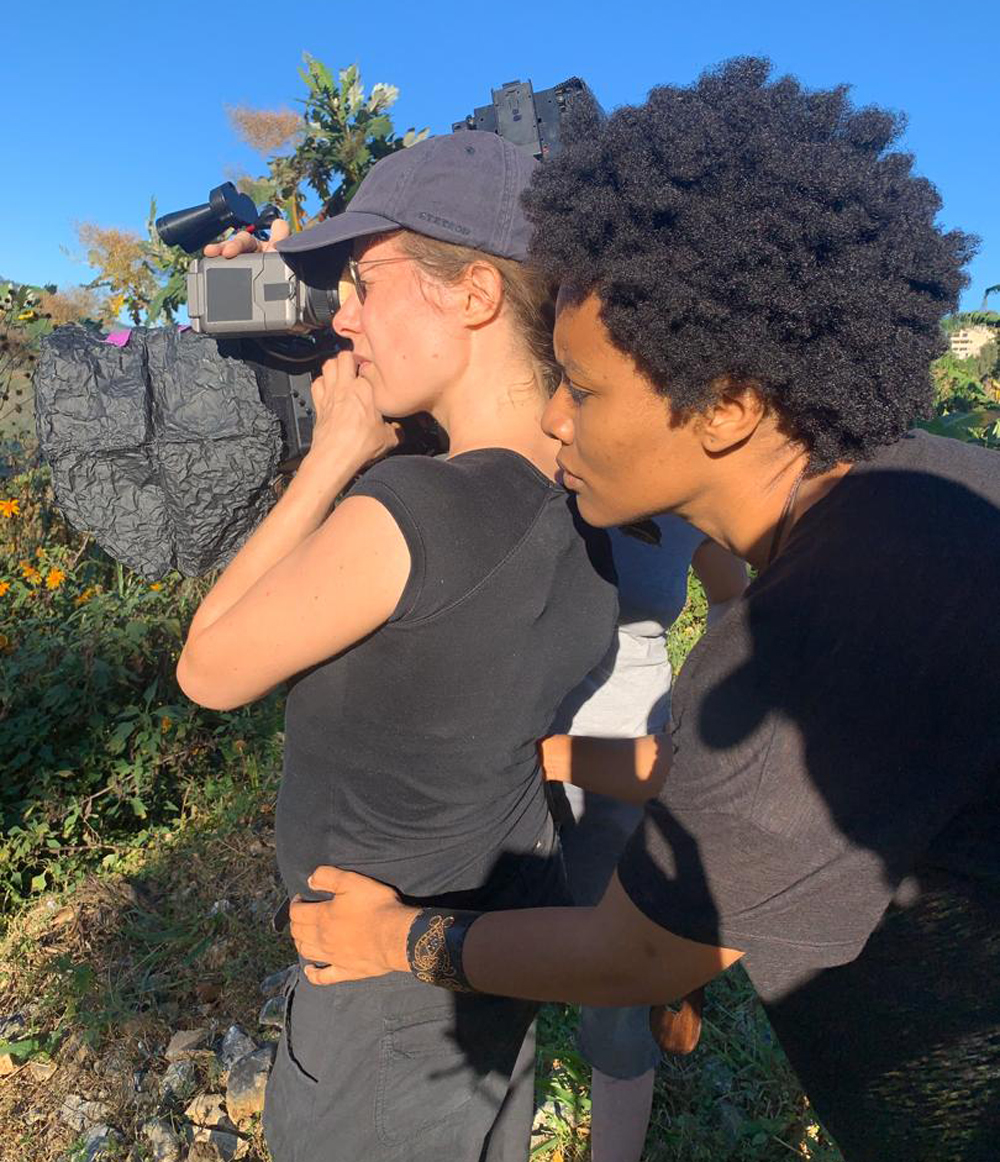
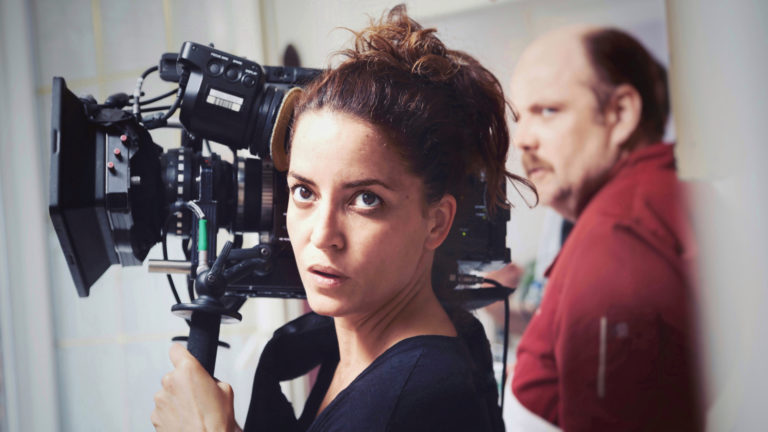
Freda: Karine Aulnette and Gessica Généus on the set of Gessica Généus’s film – Sanosi Productions
What was your initial training?
I began my studies with a BTS Audiovisuel (Image option) in Boulogne-Billancourt, which gave me practical foundations that proved extremely valuable later on. Then I joined the Cinematography department at La Fémis. I remain deeply grateful for the teaching of Yves Angelo, William Lubtchansky and Jean-Claude Larrieu.
When and in what context did you start working as a director of photography?
At the end of my studies, and for years after, I worked on short films and documentaries, which allowed me to learn while continuing to build myself artistically. I feel I really became a director of photography when I shot my first feature film.
What types of films have you worked on, and what would be the ideal next project?
So far, I have been fortunate to work on documentaries with a deeply cinematic quality, and on fiction films where I felt I was genuinely engaged in formal experimentation.
In the future, I dream of films for which I will have sufficient artistic preparation time with the director, to experience the wonderful feeling of “inventing” the image of a film together.
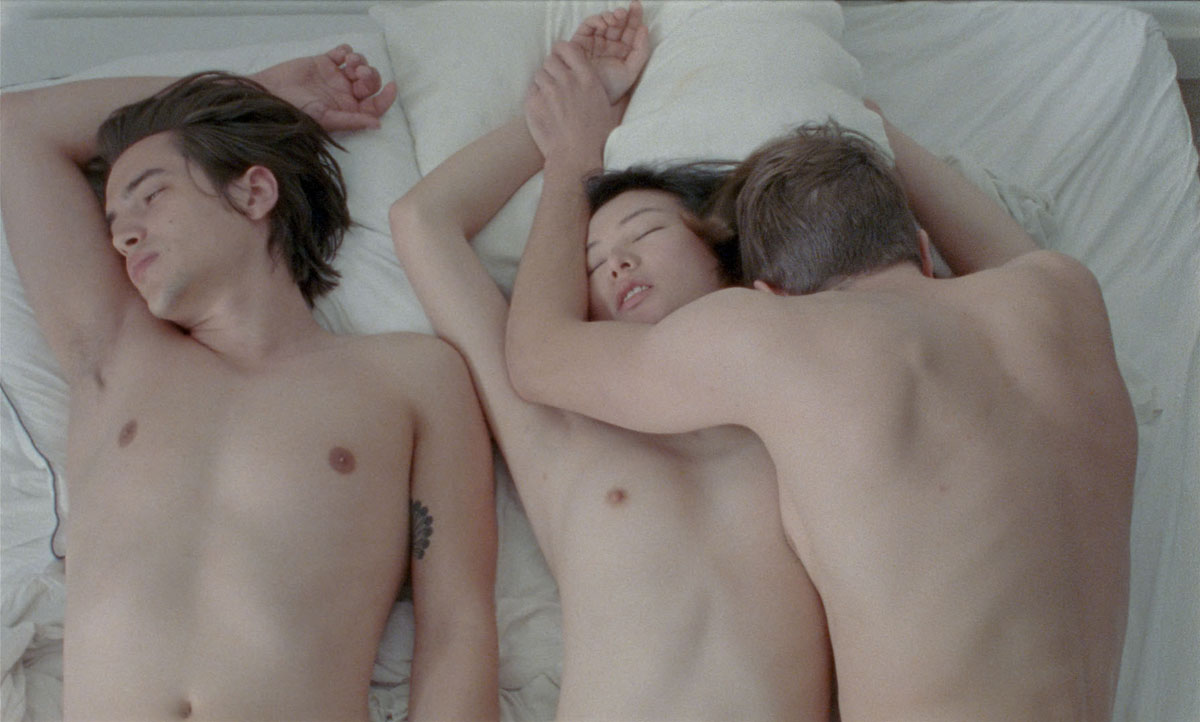
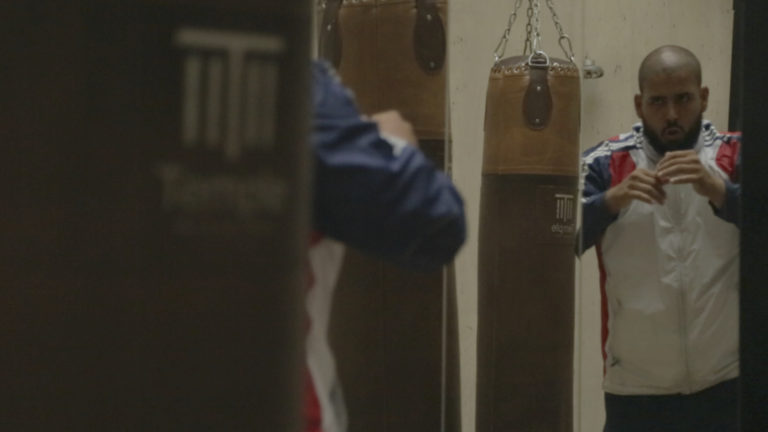
You, directed by Mélanie Matranga – Lafayette Anticipations
What are your artistic sources of inspiration?
I realise that they are above all films, which I love revisiting during prep. In addition to those mentioned earlier, I think particularly of the films lit by Sven Nykvist, including Persona and Cries and Whispers by Ingmar Bergman. And those photographed by Raoul Coutard, including Jules and Jim by François Truffaut, Breathless, Contempt, and Alphaville by Jean-Luc Godard.
Do you remember any regrettable blunders that turned out to be instructive?
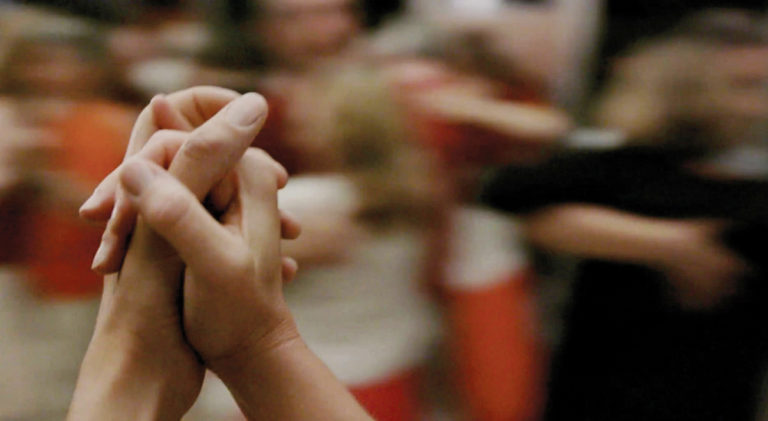
One day when I was assisting on the short film Les Vœux by Lucie Borleteau (shot by Hélène Louvart), we were filming outside in very cold weather with an ARRI 416 on reversal film. We waited for the actors to be ready in a warm room, and the camera fogged up instantly when we returned to the cold. By the time I noticed, a whole roll had been shot through fog. I was devastated, but the image turned out to have a beautiful, dreamy quality that suited the scene. Since then, I have been fascinated by “embedded” shots where the camera becomes one with the trajectories. This is a technique that was widely used in the silent film era, when the camera was very free, and which for me holds something of the essence of cinema. There is a shot in Le grand bal by Laetitia Carton where we entrusted the camera to a virtuoso waltz dancer, and where the camera literally adopts the subjective point of view of the dance.
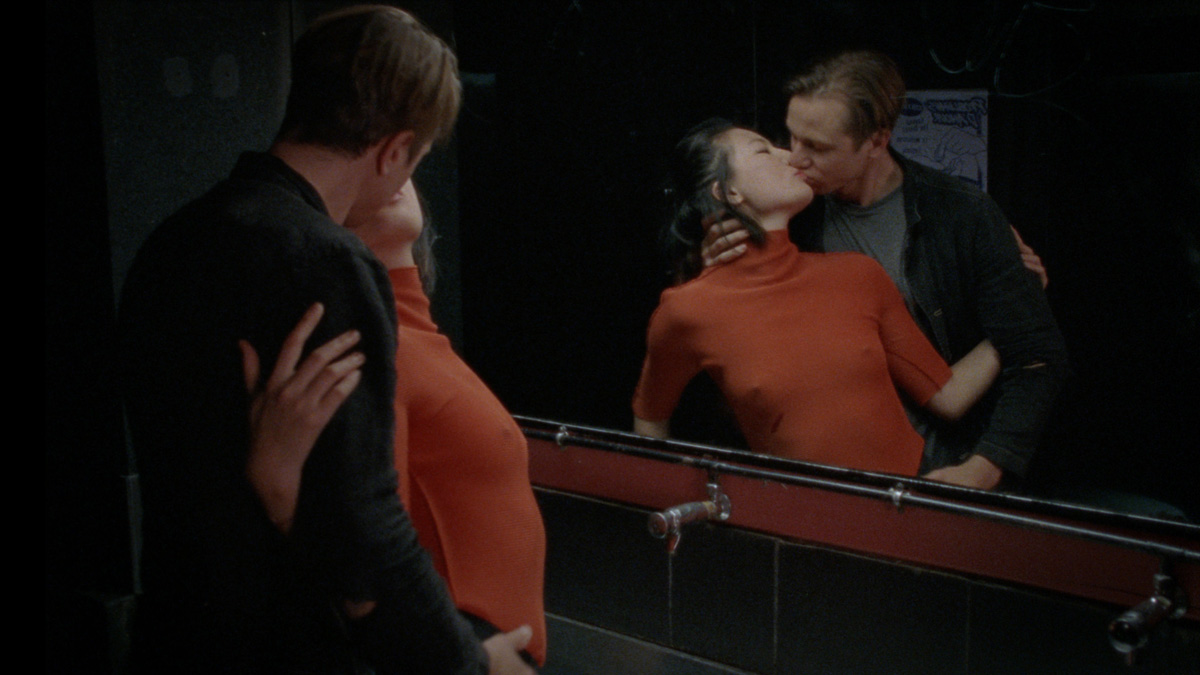
Le grand bal, directed by Laetitia Carton – Sanosi Productions
Have you experienced moments of doubt about your work or your professional environment?
I feel that one of the major issues in today’s working world is that it has been infiltrated by capitalism and the tempo of the stock market. I have the impression this is the case in all professions, not just cinema. So it seems to me we have a duty to resist this trend, because this tempo runs rather counter to the maturation of the artistic process.
I am sometimes slightly disconcerted when certain producers and directors champion films with magnificent ideals, yet only allow themselves precarious working conditions—always “faster and cheaper.” Whereas I believe it is infinitely better to put “every chance on your side,” that the more respectful the working conditions are of people, the further you can go artistically.
I am so fascinated by the artistic quality of films that lie far behind us in the history of cinema, but which in my opinion knew how to give importance to their working conditions.
What do you love and what don’t you love about your job?
What I love above all are those moments on set when the preparation of the film and the fervour of the crew crystallise, giving me the feeling of being “touched by grace.” These are moments of extreme joy that I constantly seek. I believe it is this communion of the crew that defines cinema—the feeling that our efforts combine to create a work that exceeds the capacity of any one of us.
On the slight downside of my profession, I am sometimes struck by how much our profession can be physically and psychologically demanding. But these difficult moments are always offset by the beauty of the collective work.
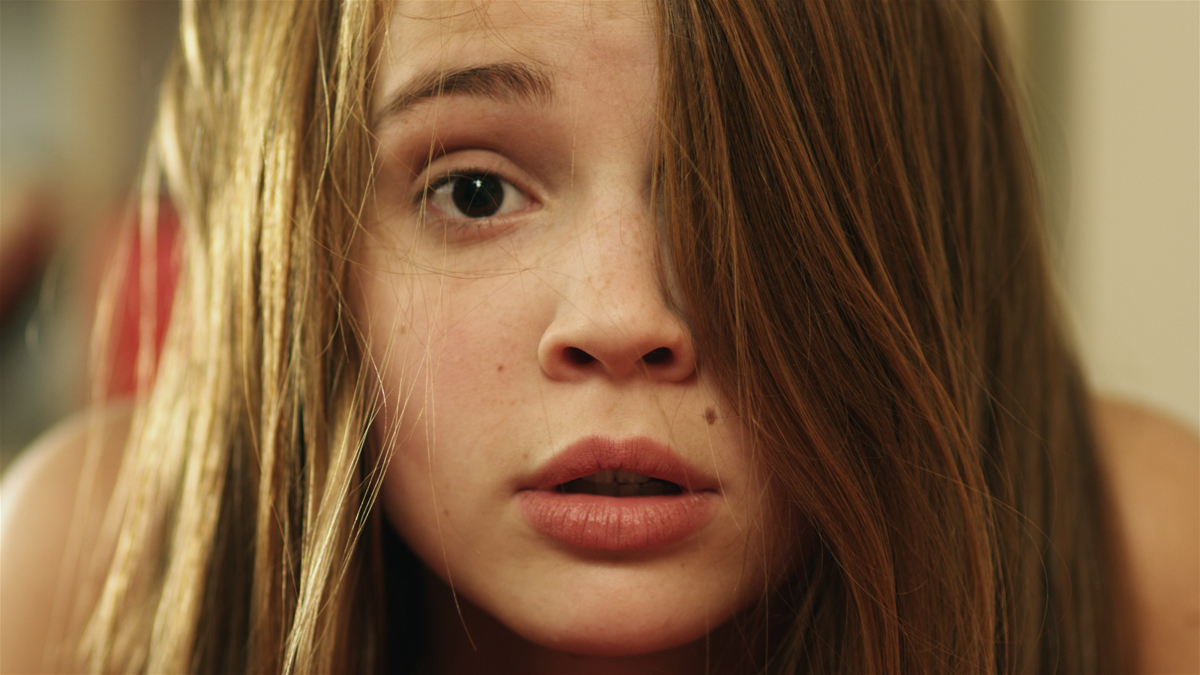
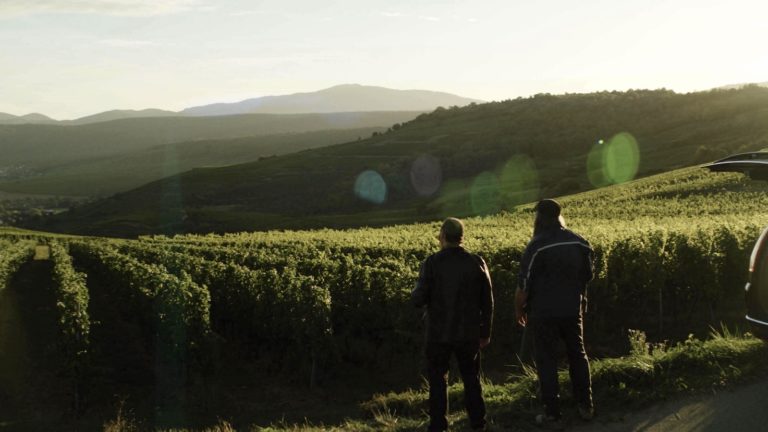
Post Coïtum, directed by Guillaume Cremonese and Damien Gault – Courte Focale Production
What advice would you give to an aspiring cinematographer?
I would advise them to be absolutely wary of a tendency that pushes us to chain projects together without allowing enough time for the preparation of films. For me the profession of cinematographer is very close to that of the actor. I believe that a huge part of a film’s success is determined in preparation, which is the time that will allow us to get under the skin of the film’s “character.”
Another key thing to know, I think, is that in all our decisions, we must constantly think about the interest of the film. This seems obvious, but surprisingly, on set, you sometimes realise that everyone is bogged down in logistical or human problems and loses sight of it… When the film is good, when there is a beautiful light, beautiful acting, a beautiful camera movement, everything becomes fluid. Even screening… When everyone shouts “hurry, hurry” on set, we must manage to stay in communion with the soul of the film. To remain wonderful actors, so that at “Action” we become the film.
Karine Aulnette on the United Cinematographers website.
> Cover image: Le grand bal, directed by Lætitia Carton – Sanosi Productions