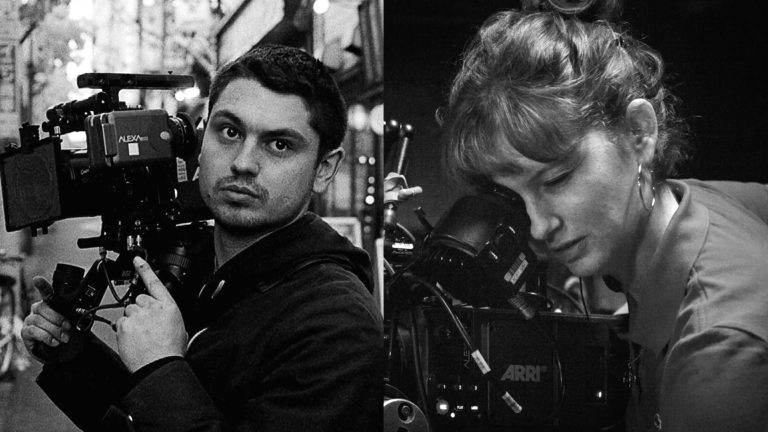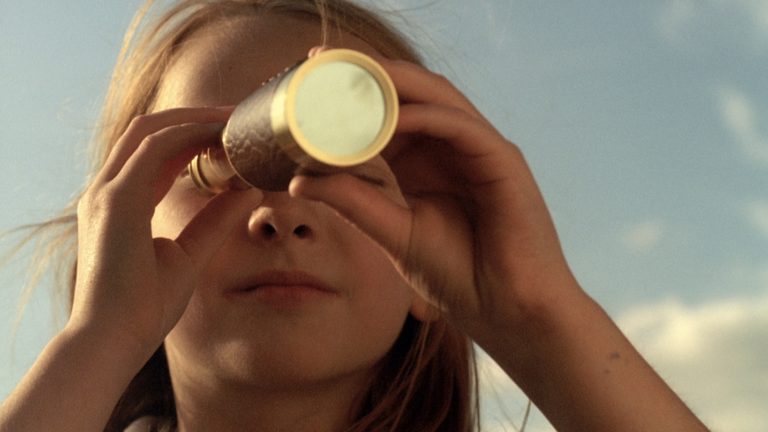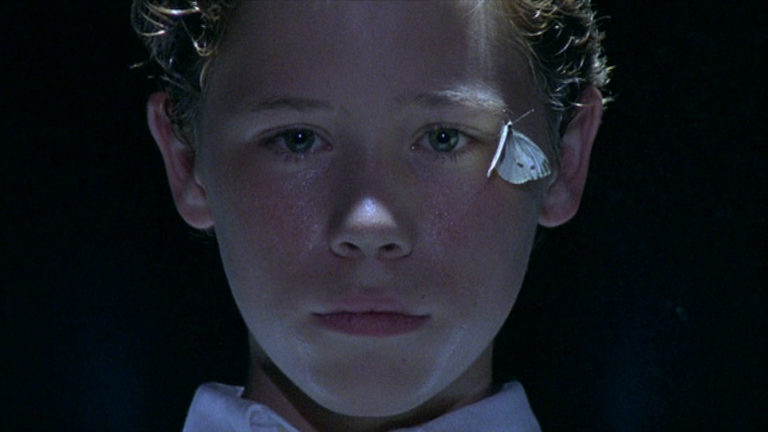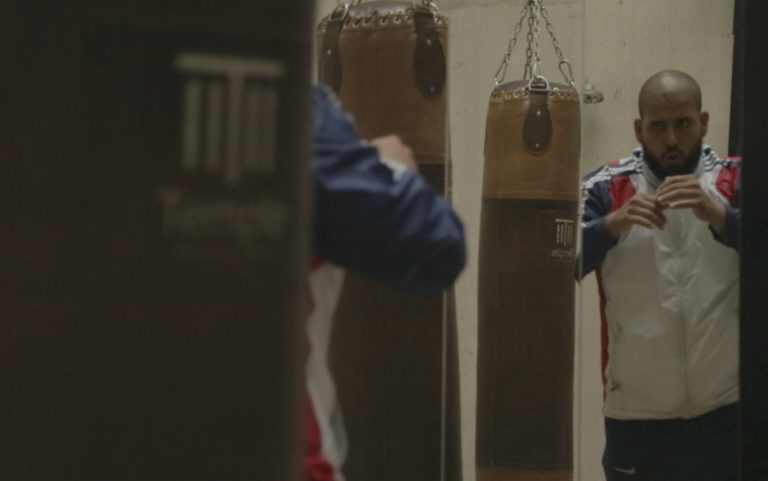
Through a collection of Q&A portraits, the Union introduces the members of the association. Today, Valérie Potonniée.
When and how did you become interested in cinematography?
I must have been about 12 when my mother gave me my first camera — a 6×6 format. I remember that I loved the square image. I took photos of my family, sometimes staging my brothers, my sister or my parents. Then I learned to develop my prints. In the darkroom, I was fascinated by the image appearing. We even had a photo lab at home that I shared with my mother. I could spend hours there.
Then, as a teenager, I went to the children’s film club at the Tuileries — I used to drag a bunch of friends along — and later to the film club at my lycée. I dreamed of making films; one day I told my parents I wanted to go to film school. It wasn’t easy to convince them, but I eventually entered the Conservatoire Libre du Cinéma Français (CLCF).
After school, I started as a camera trainee, then became a 2nd AC, then a 1st AC. I worked with several cinematographers who taught me an enormous amount — about precision, anticipation, and above all humility in the face of light.
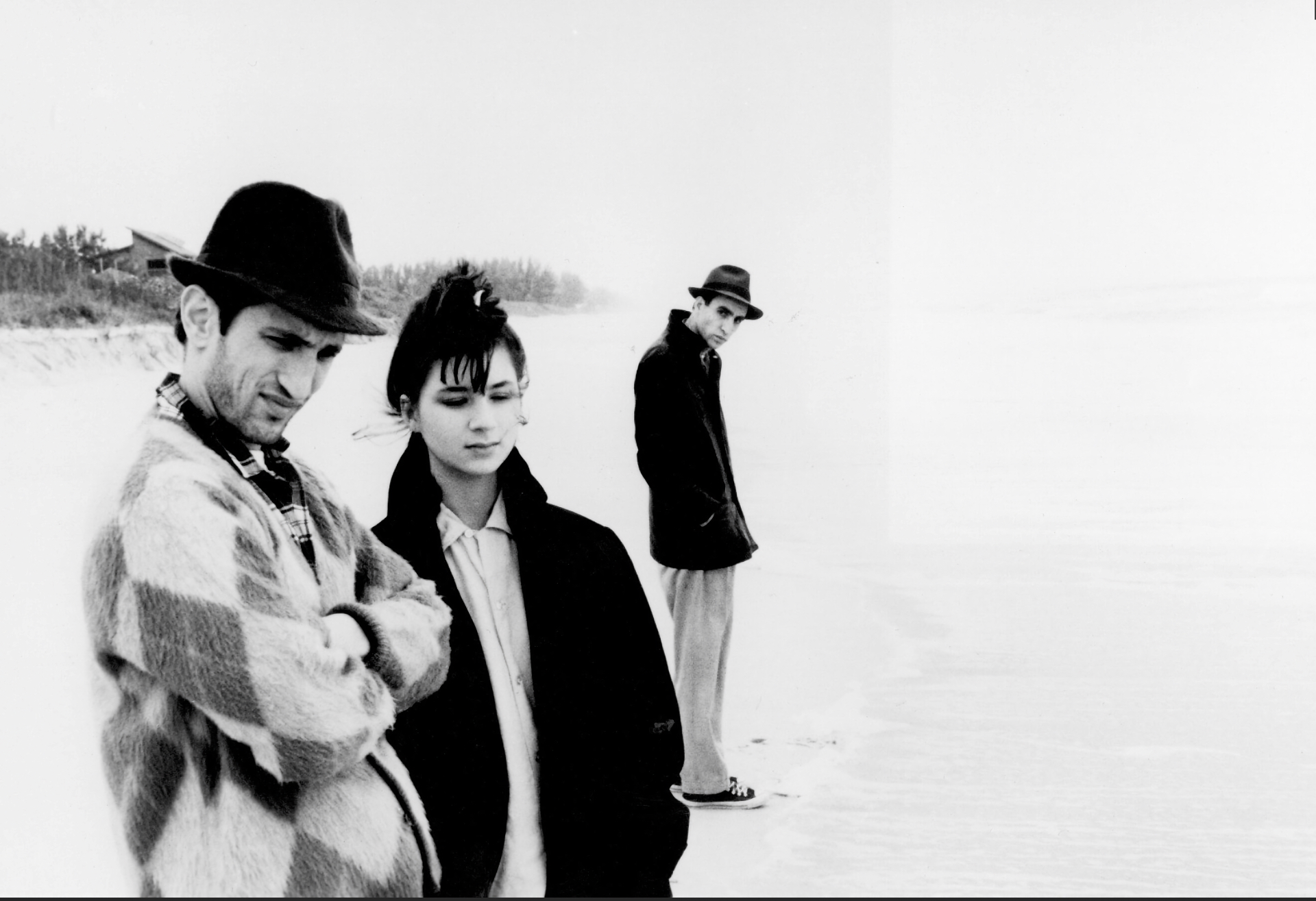 Stranger Than Paradise by Jim Jarmusch (cinematography: Tom DiCillo)
I think the film has a truly poetic writing, a bit like Boris Vian’s poetry: nothing is conventional — it’s a cinema that invents itself. There are few dialogues; the film tells its story through images and music. This work had fascinated me with its freedom of writing and the way it was shot, with long takes that were either static or interminable car tracking shots. I imagine that if I rewatched it today I probably wouldn’t feel the same emotion, nor be as fascinated.
I love images with strong aesthetic choices, like in that film. I think I also love black-and-white films, because they already imply a transposition of reality.
I remember being struck by the work of Robby Müller and the way he used natural light, and by the austerity and power of Sven Nykvist’s images for Bergman. These DPs showed me that cinematography was much more than a technical craft — it was a form of expression in its own right.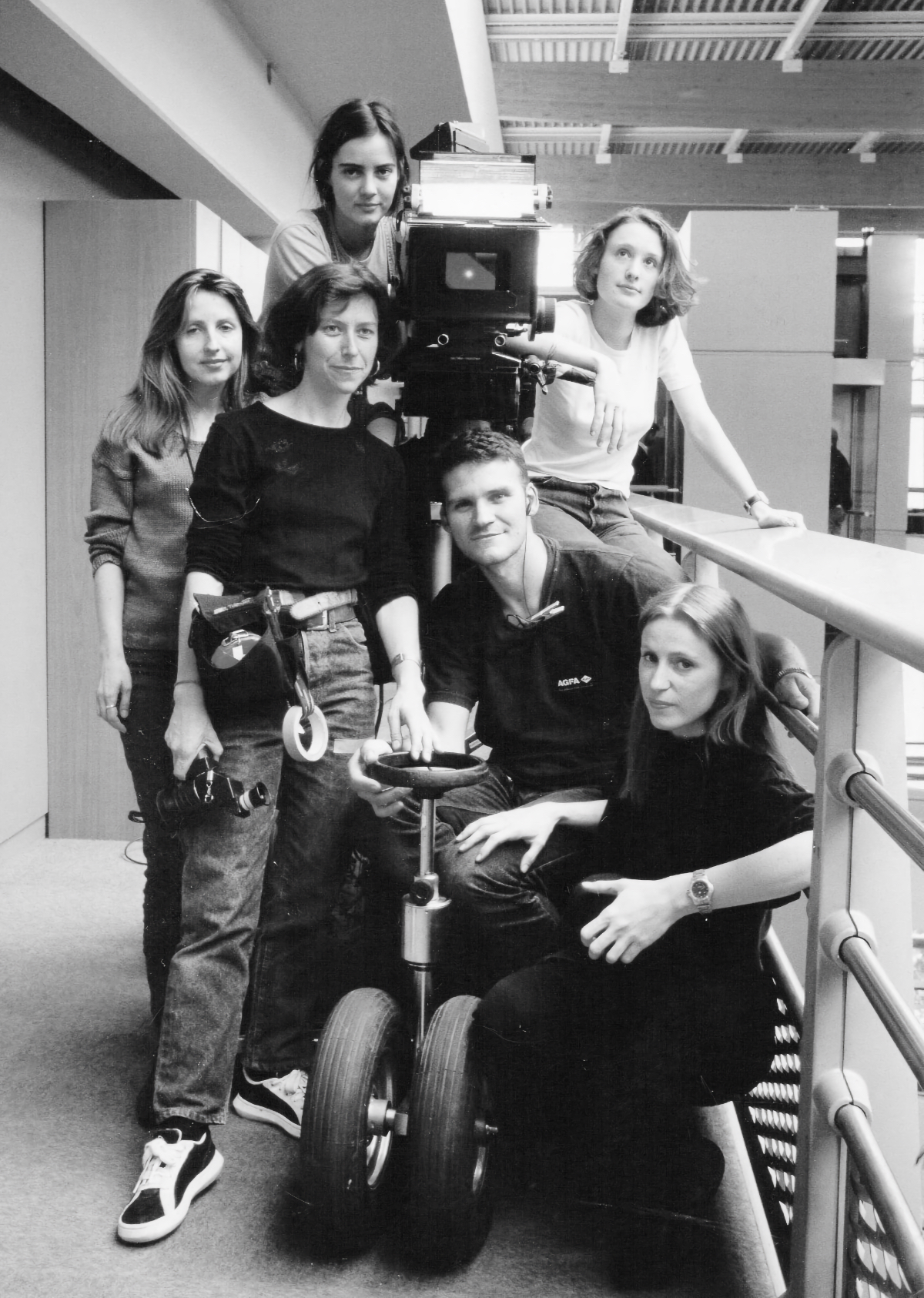 Crew on the shoot of “L’Homme est une femme comme les autres” by Jean-Jacques Zilbermann, 1998 (cinematography: Pierre Aïm). From left to right: Agathe Grau (script supervisor) above Marie Sorribas (2nd AC), I am below (1st AC), Alice Ormière (script trainee), an electrician (whose name escapes me), Béatrice Mermet (3rd AC) – Photo Nathalie Eno
I then started working as a cinematographer on a series of documentaries for Capa Télévision, projects for the TEVA channel. These were short documentaries, sometimes reports, shot with a small crew and requiring speed.
The transition from assisting to lighting was not straightforward for me. In fact, moving from assistant to cinematographer, I initially felt like I was losing my bearings. As an AC, I knew my role perfectly — the lenses, the focus, the mechanics. But as a DP, suddenly the whole image was my responsibility: the light, the framing, the emotional tone. It took time to find my own voice.
I think what helped me most was accepting that I had to start small, with projects that didn’t intimidate me, and gradually build confidence. And the fact that I’d been observing DPs closely for years as their AC meant I had unconsciously absorbed a great deal.
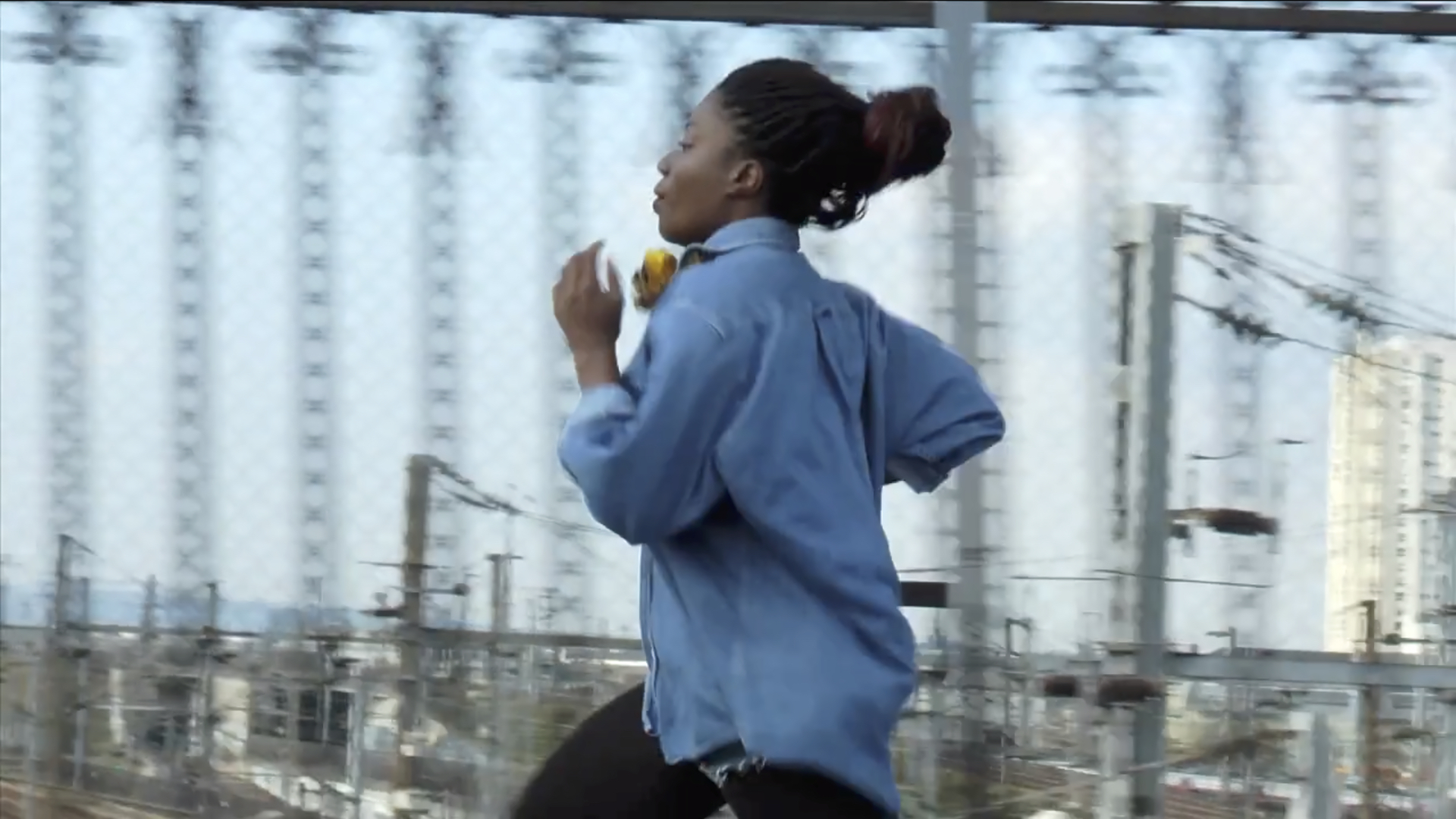
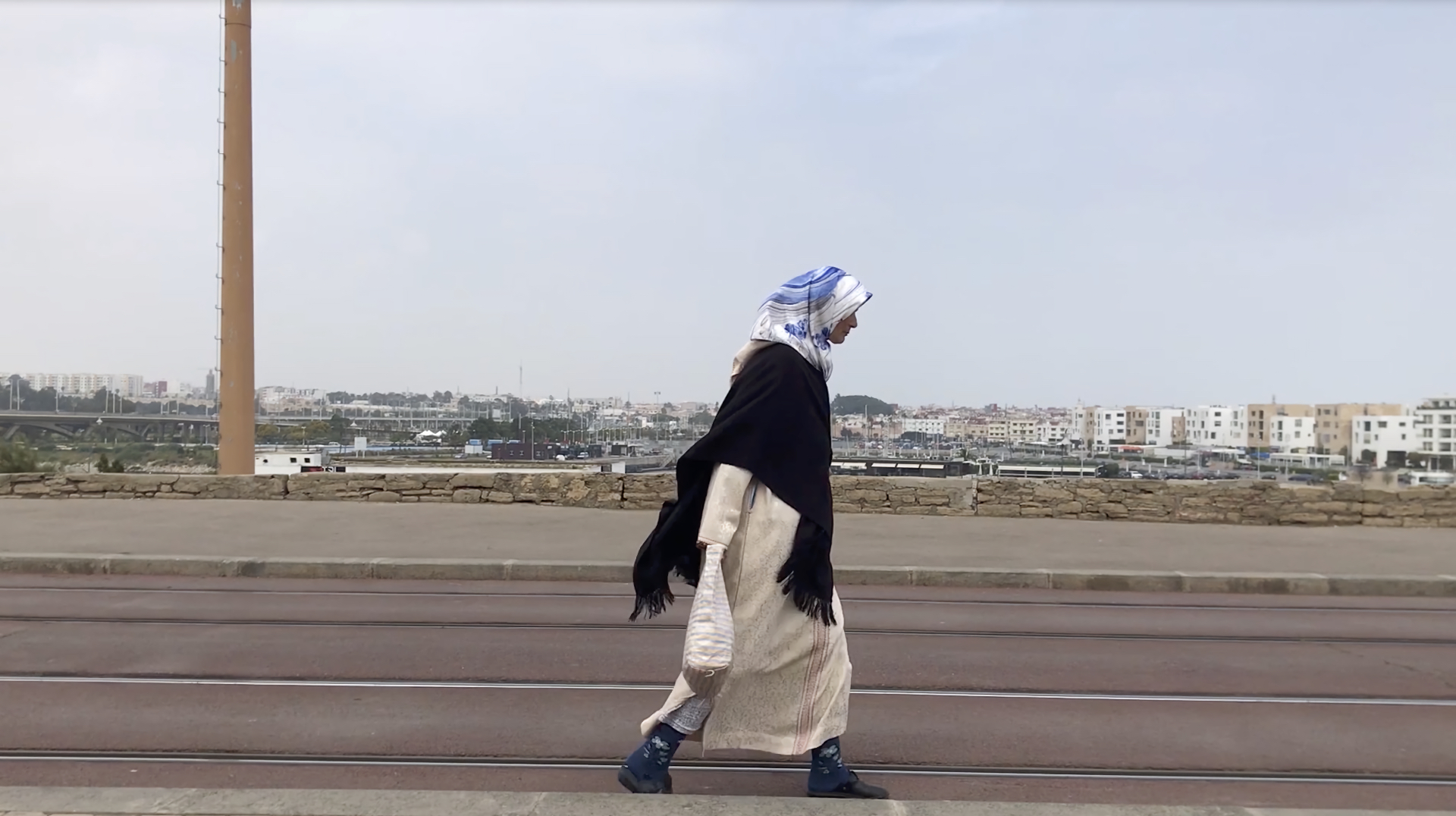
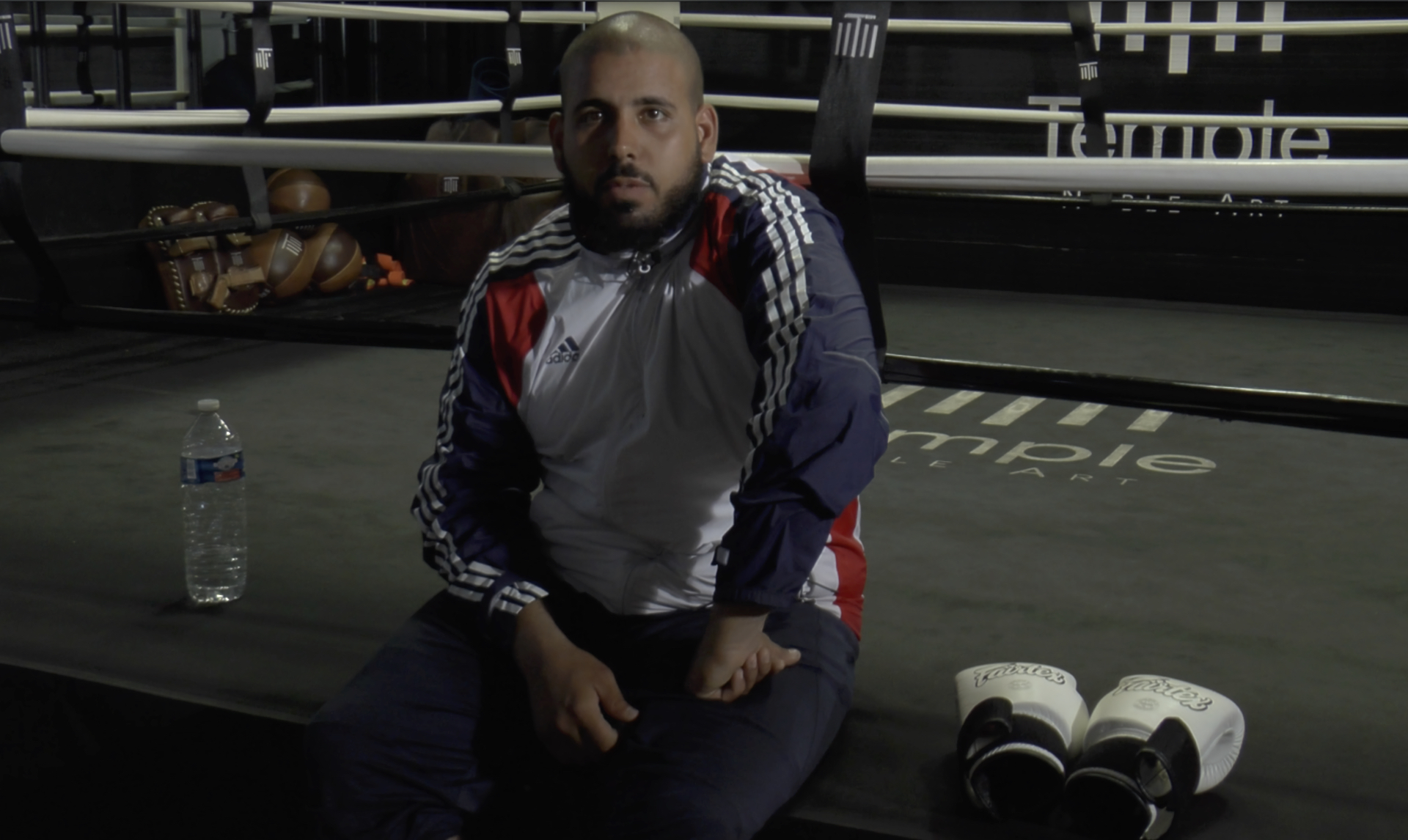
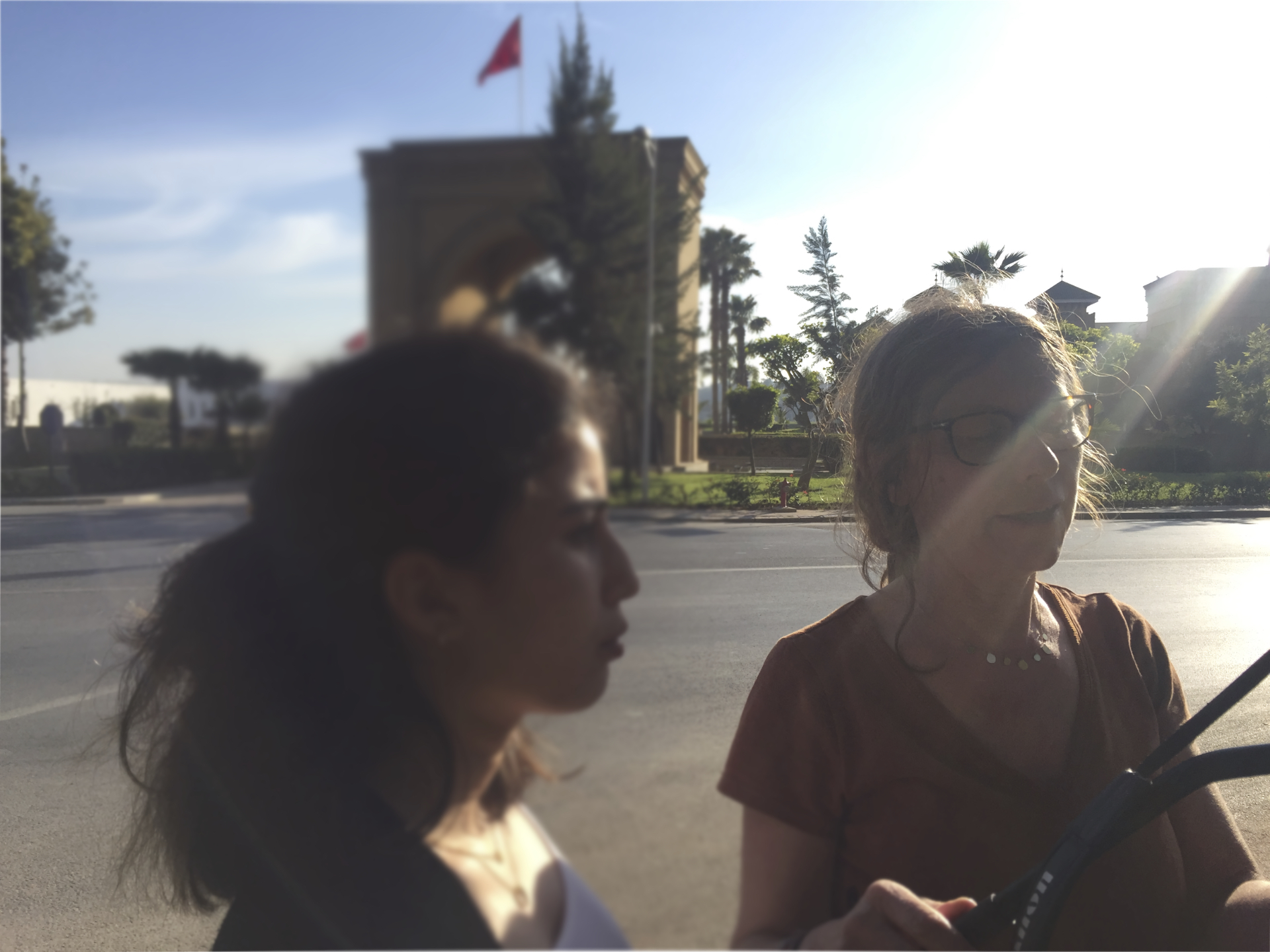 On the set of “Houna” directed by Badria El Hassani
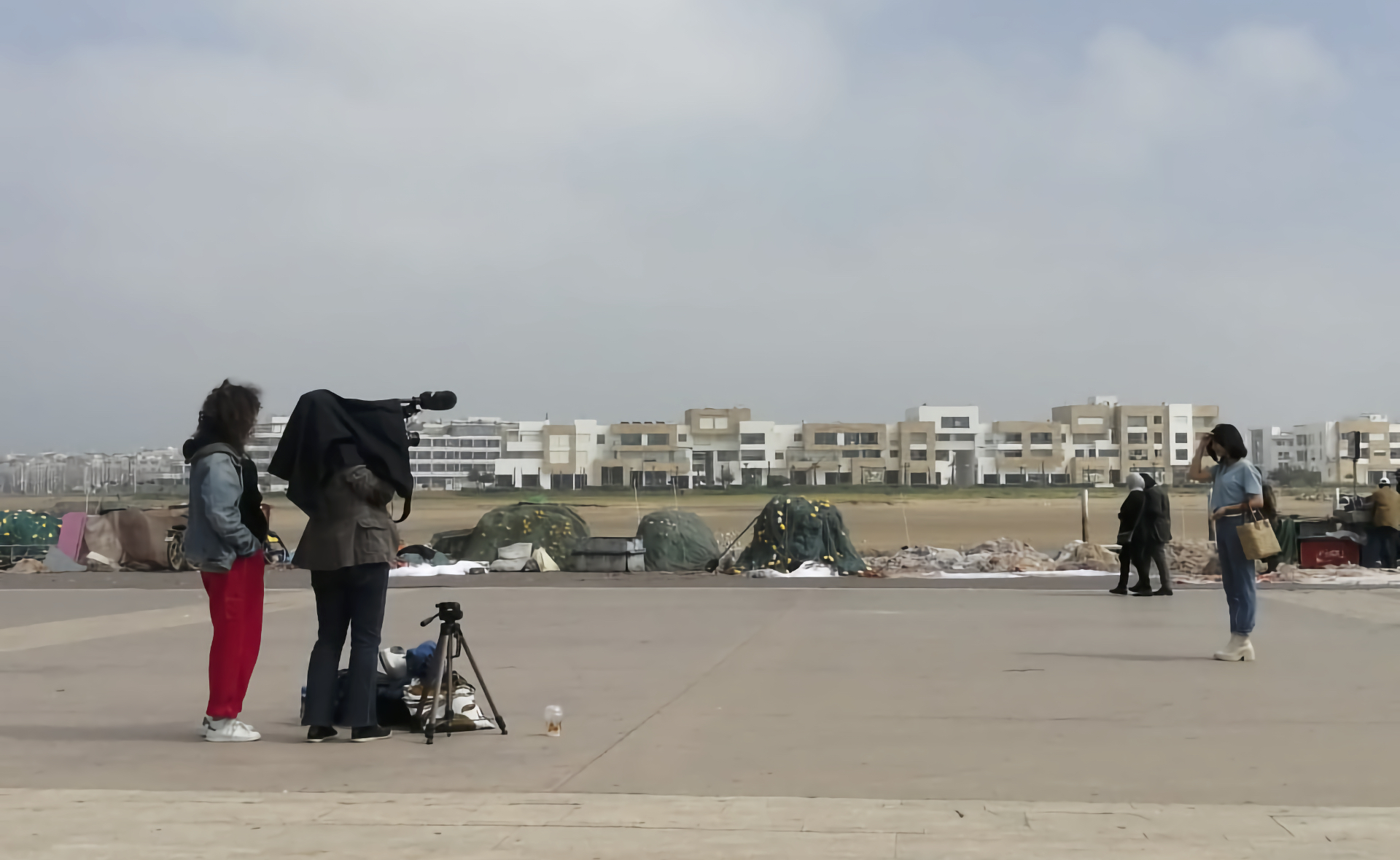 In Rabat, on the set of “Houna” directed by Badria El Hassani