Through a collection of question-and-answer portraits, the Union introduces the members of the association. Today, Noémie Gillot.
When and how did you become interested in cinematography?
Through photography, which André Bazin called an “embalming art.” I started taking photographs as a teenager, almost compulsively, as if to fight the anxiety of passing time. With my old Nikkormat slung over my shoulder, I would photograph everything in my daily life, and I also began putting together small visual installations in artist squats.
At Paris VIII university, as luck would have it, there were no spots left in the Photography programme I wanted to join, so I had to enrol in Cinema instead. That is how I discovered that one could, in a way, make moving photographs.
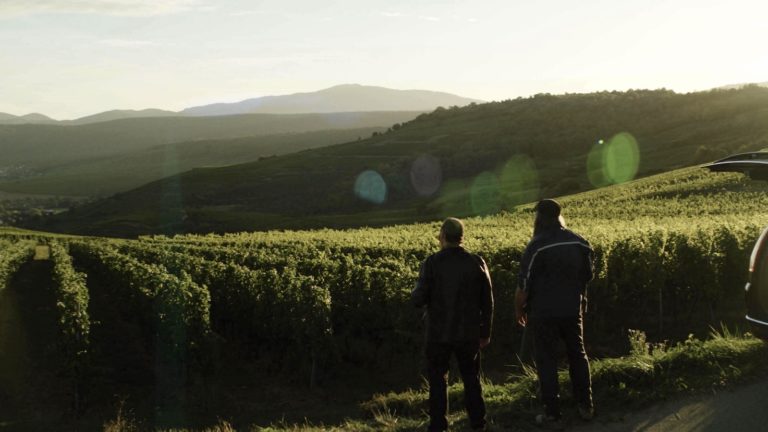
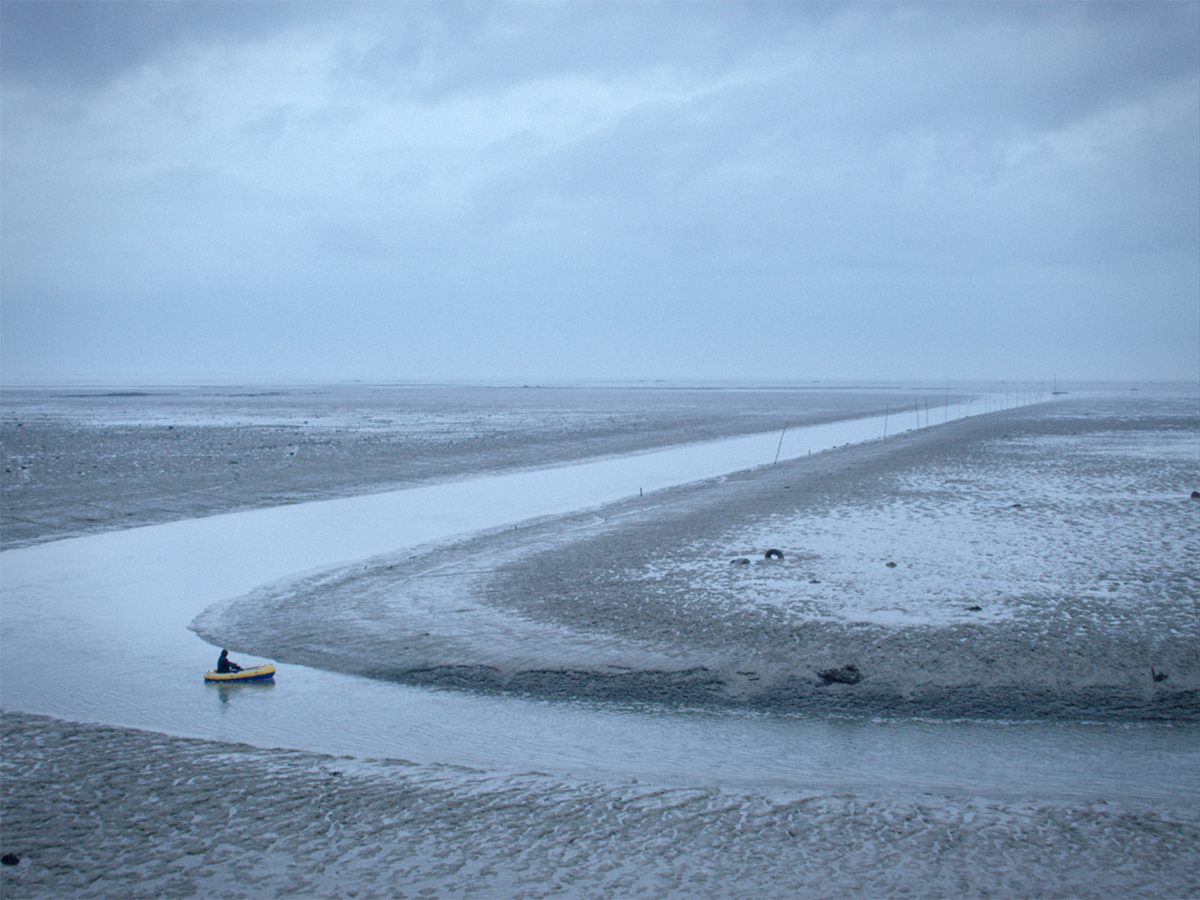 Guillaume à la dérive, directed by Sylvain Dieuaide
Which films have particularly struck you visually, to the point of drawing you specifically to the work of cinematography?
I realise that my all-time favourite films (Cría Cuervos by Carlos Saura, L’effrontée by Claude Miller, Sans toit ni loi by Agnès Varda) all share in common an exceptional naturalness, an almost documentary quality in the way they are shot. In a very different, more experimental register, I was hypnotised by Koyaanisqatsi (by Godfrey Reggio) and the music of Philip Glass.
But my true pictorial shock remains, as for many cinematographers, In the Mood for Love and all of Wong Kar-Wai’s films lit by Christopher Doyle.
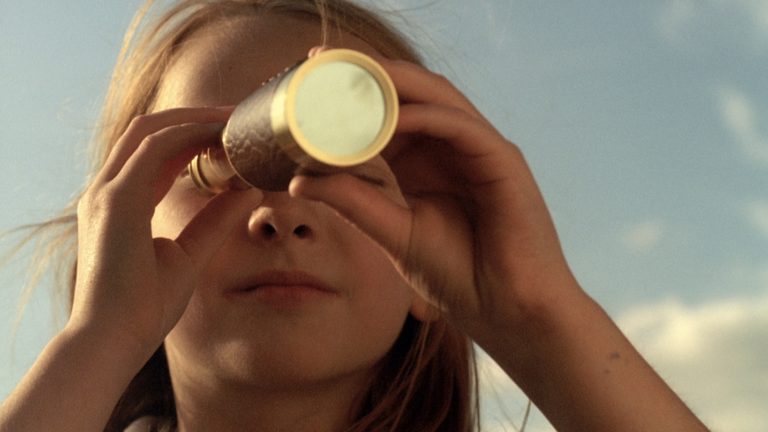
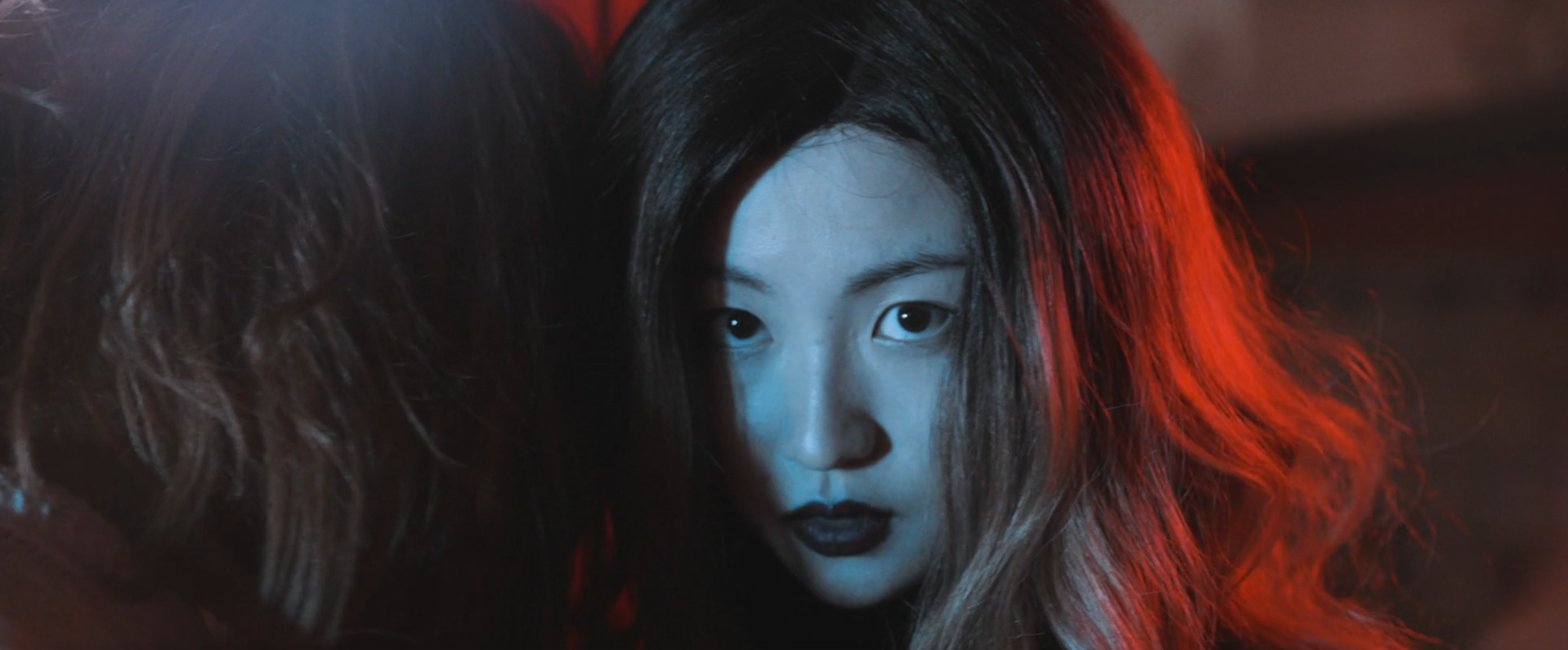 Clip Coma Carole Anne, directed by Marco Dos Santos
What was your initial training?
After a Cinema degree at Paris VIII, I joined the Cinematography department at La Fémis in 2003.
When and in what context did you start working as a director of photography?
At La Fémis, since the school allows you to practise the craft in near-professional conditions. After graduating, I continued making short films as a director of photography, alternating with better-paid shoots where I worked as a camera assistant.
What types of films have you worked on, and what would be the ideal next project?
I have the good fortune of working on very diverse projects, in fiction as well as documentary. I have quite a few short films under my belt and just as many music videos, a bit of advertising, some corporate and institutional work. I try to keep learning and stay challenged. My ideal next project would be a feature film with a strong artistic vision.
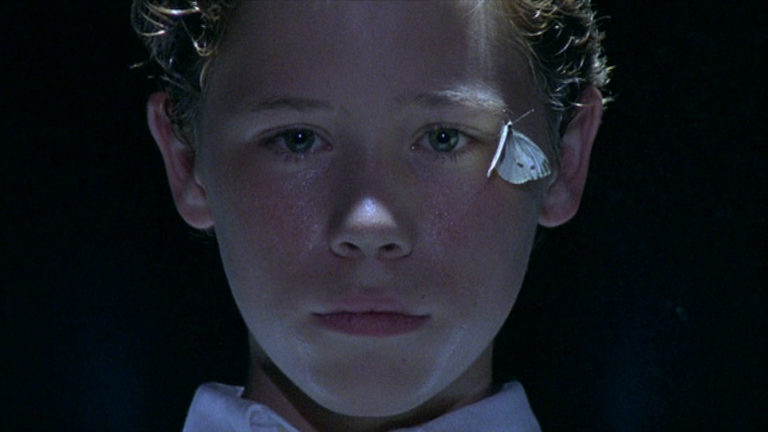
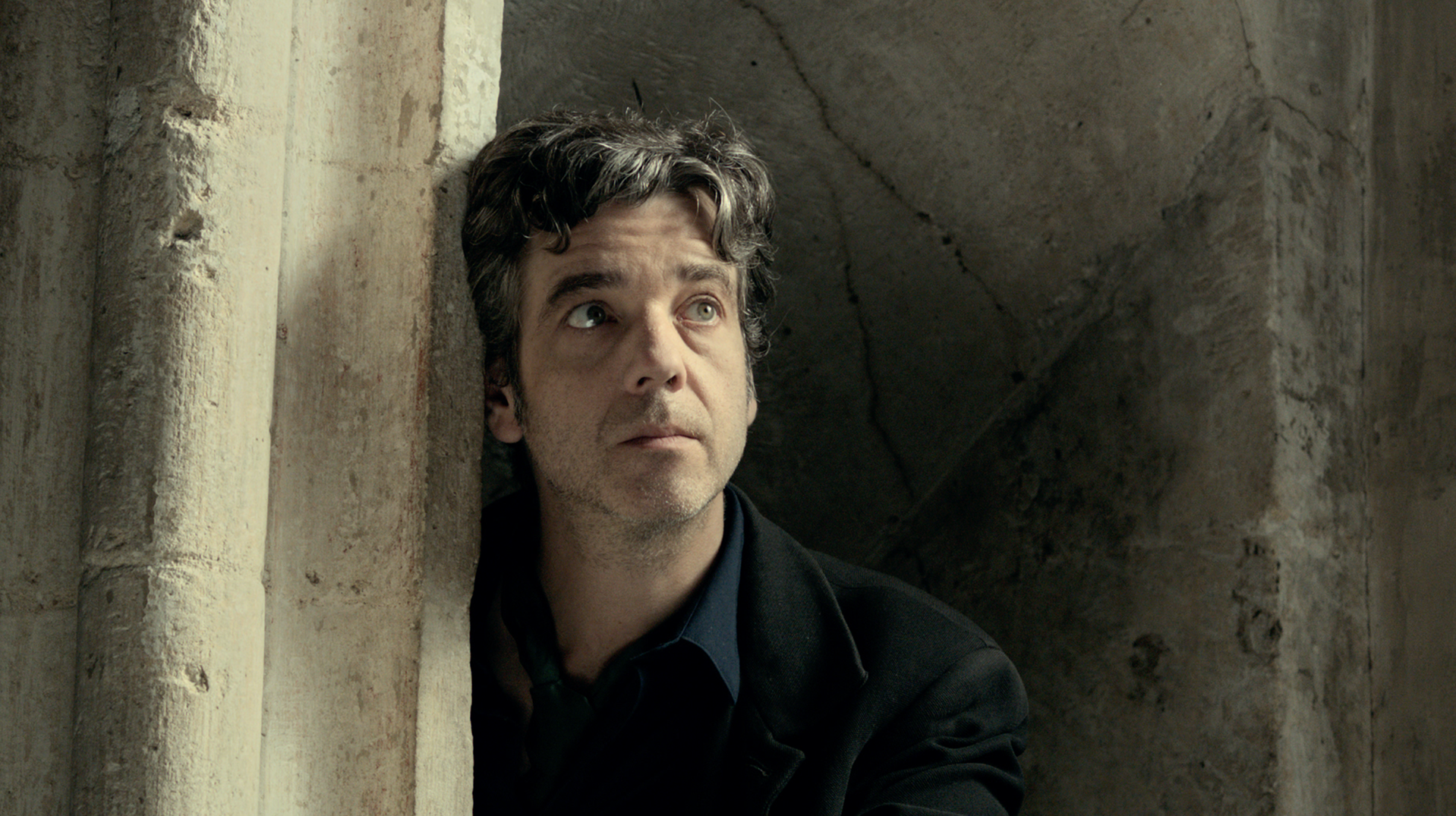 Conversation avec un épouvantail, directed by Sylvain Dieuaide
What are your artistic sources of inspiration?
They are many: cinematic, photographic and pictorial.
During prep, I like to go in search of disparate visual elements to build a coherent moodboard that will facilitate dialogue with directors: a Philip-Lorca diCorcia photograph, an Edward Hopper painting, a screenshot from Joker, and why not some personal images.
Do you remember any regrettable blunders that turned out to be instructive?
The only blunder I can remember (I have a very bad and above all very selective memory) is fogging a BLIV magazine (35mm camera) in the rush of a shoot on a train. What I take away from it: accidents can be beneficial, because in the end it was the fogged shot that made it into the final edit.
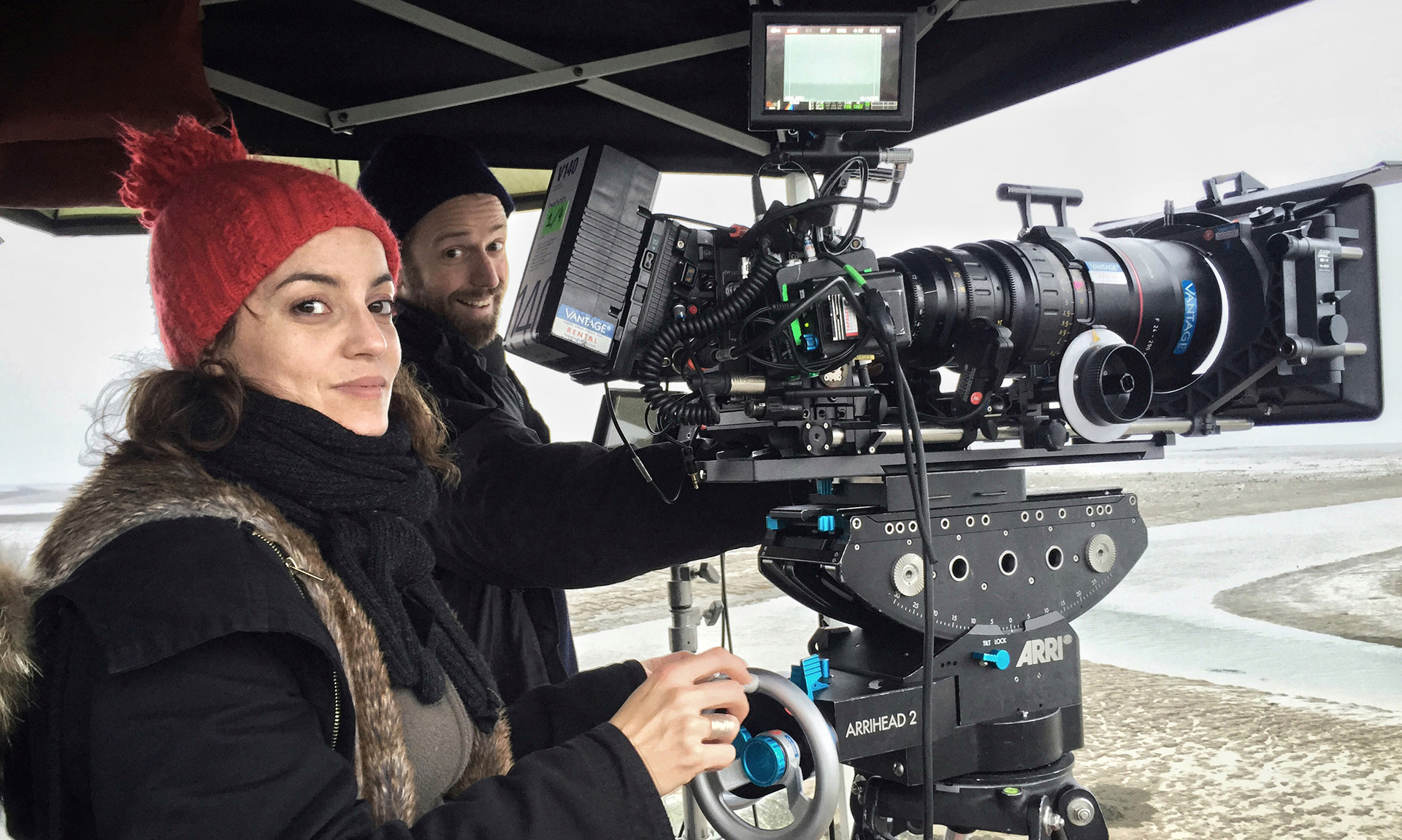 On the set of Guillaume à la dérive, directed by Sylvain Dieuaide
Have you experienced moments of doubt about your work or your professional environment?
I plunge into abysses of doubt whenever the phone doesn’t ring enough. This anxiety evaporates the moment I set foot on a set.
Have you ever wanted to direct?
I directed three short films, during and after my studies at La Fémis.
I am interested in staging and acting, and some directors appreciate being able to discuss these with me.
I don’t rule out returning to directing one day, but the time and energy involved in carrying a project from start to finish tends to discourage me. I love shooting too much!
What do you love and what don’t you love about your job?
What I love:
The privileged relationship with directors. The trust.
Looking for a visual universe that serves the story: “Imagine you’re in a laundromat at night, and a butterfly would come in through the door, and you’d start dancing, etc.” What a privilege to keep “playing” as an adult!
The physical side of this job, becoming one with the camera.
Rehearsing a complicated sequence shot, feeling the concentration of every crew member, adjusting timings, movements, positions… and finally nailing it to perfection.
Working with directors who have a true creative vision, a universe into which I am invited to enter.
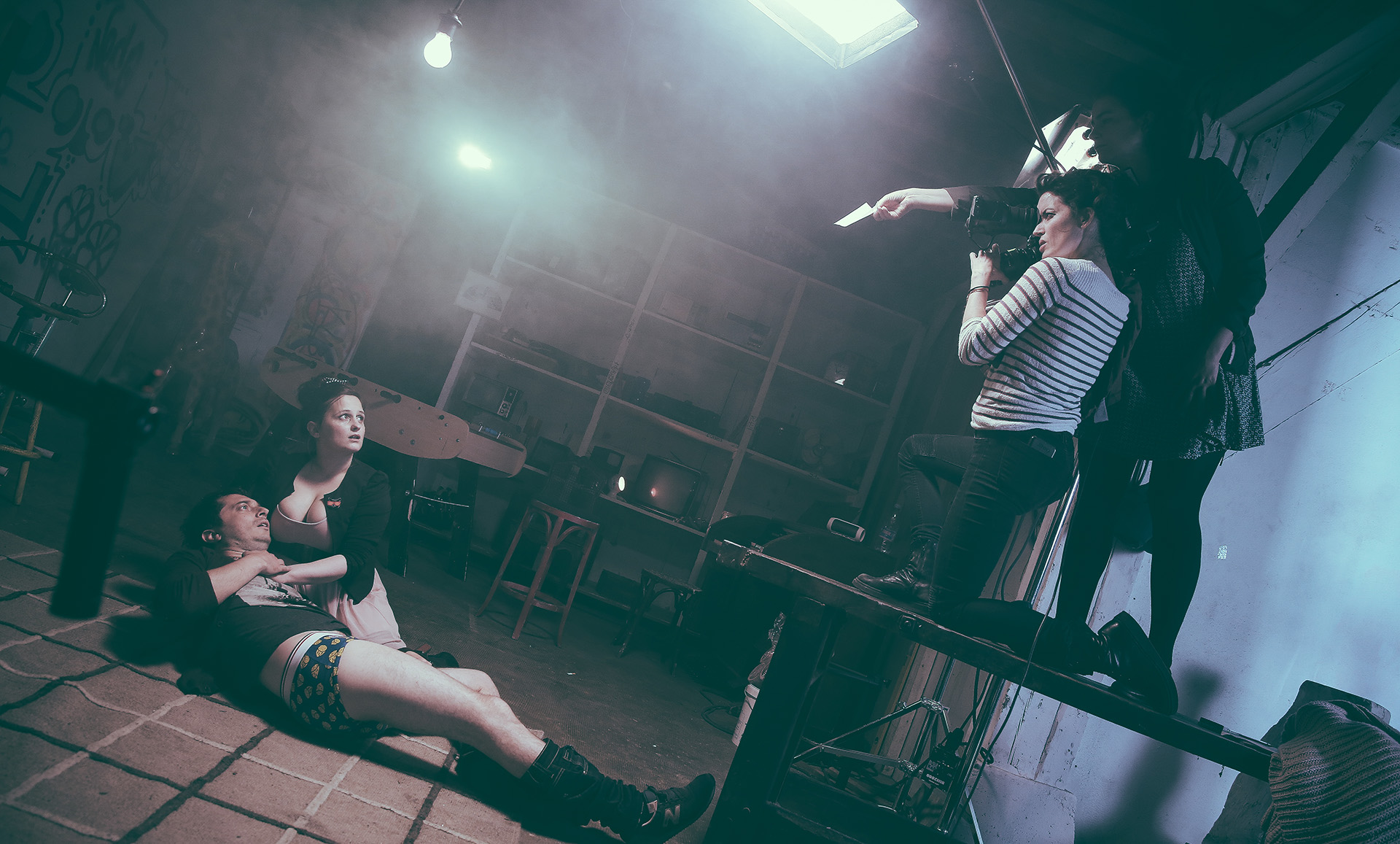 On the set of Guillaume à la dérive
What advice would you give to an aspiring cinematographer?
To watch as many films as possible, to train one’s eye through photography, painting, exhibitions… And above all, to shoot, shoot, shoot.
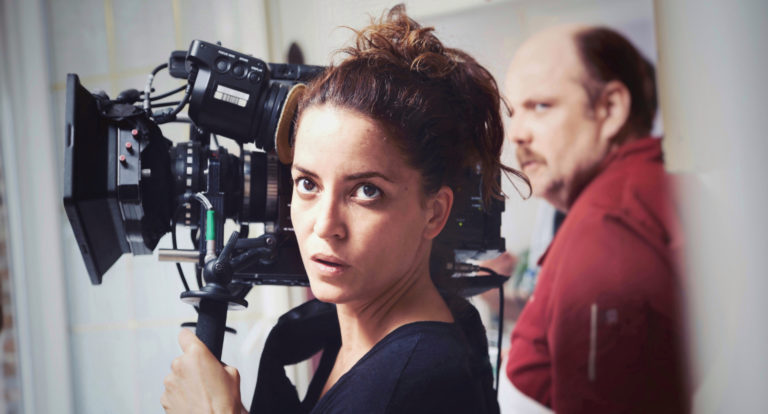
Noémie Gillot on the United Cinematographers website.