Through a collection of question-and-answer portraits, the Union introduces the members of the association. Today, Raphaël O’Byrne.
When and how did you become interested in cinematography?
As a teenager I practised photography extensively. My father had a Nikon and we had a darkroom for developing and printing, so I spent long hours wandering with the camera to take photographs and in that darkroom, rocking trays to make images appear.
Which films have particularly struck you visually, to the point of drawing you specifically to the work of cinematography?
I never really became interested in cinematography through watching films. It was not films that brought me to this profession—it was life’s chance encounters, meeting a director of photography.
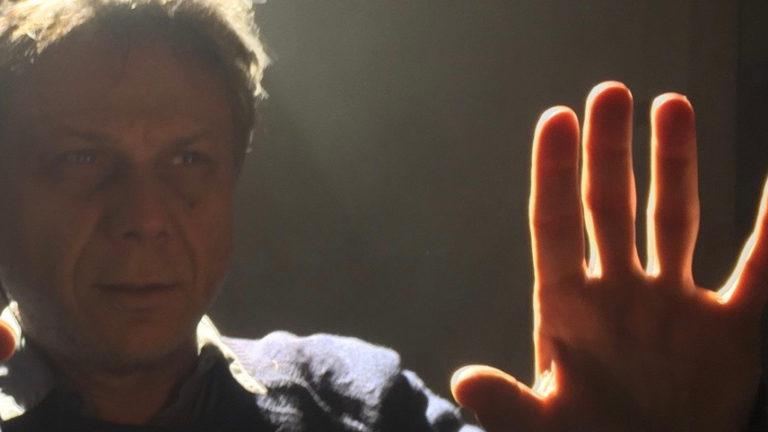
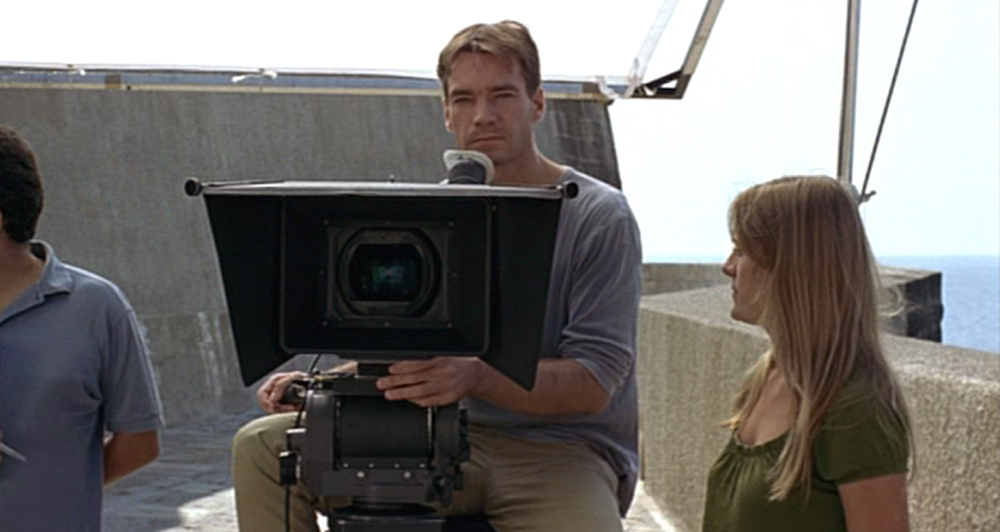 La Religieuse Portugaise, directed by Eugène Green
What was your initial training?
I learned on the job. I didn’t know anyone in the film world, but I was lucky enough, around age 20, to meet Lionel Cousin, a director of photography who worked mainly in documentary, and who offered to take me along on a film as his assistant. At the time, documentaries were still shot on Super 16, so there was always an assistant to, among other things, load and unload the magazines. He showed me how a camera worked, how to collimate the lenses, run steadiness tests, and so on. I started in the 1990s, just before the creation of La 7 (the future Arte), a channel very much oriented towards creative documentary, which allowed me to work on numerous projects around the world. But this training took time—I went through long periods without work, doing odd jobs while waiting for the phone to ring. I took advantage of those periods to travel, to practise music, photography, and to do things other than cinema. When I could have moved on from assisting, digital had already invaded the market, with the direct consequence of too often eliminating the camera assistant (with a few exceptions). Most of the time I would set off, and still do, alone on the image for documentaries. I am very sorry not to be able to offer a young person the path I was fortunate enough to follow.
When and in what context did you start working as a director of photography?
My transition from camera assistant to director of photography happened through documentary. Quite naturally, I signed my first film as cinematographer in 1995, Sous un toit de Paris, directed by Emmanuel Laurent, with whom I had worked as camera assistant alongside Lionel Cousin and Etienne de Grammont.
There was also another event that led me to step behind the camera. In the 1990s, I was taking tabla lessons—Indian percussion—and through that I discovered the ghatam, a percussion instrument from southern India that fascinated me. I did some research, wrote a short film project and obtained a CNC writing grant for the film. After several location-scouting trips, we found a bit of money, an Aaton lent by the Neyrac lab, and a few rolls of film stock, which allowed us to go on the shoot. It was also my opportunity to step up to the camera (and to directing).
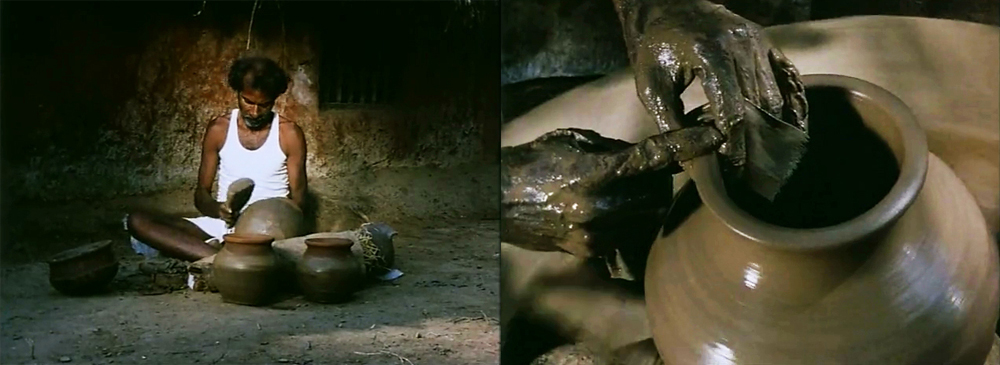 Yati, directed by Raphaël O’Byrne
My move to fiction features came in 1999 with Toutes les nuits, the first feature by Eugène Green, whom I had met through Philippe Martin, producer at Films Pelléas.
What types of films have you worked on, and what would be the ideal next project?
As I mentioned, I have worked extensively and still work in documentary, often on films related to culture and particularly classical music, in live performance capture (opera, dance, classical music) and in fiction features, such as those of director Eugène Green, for whom I have shot all his films. I am currently finishing the shoot of the third feature by Czech director Václav Kadrnka.
The best next project? Every project that allows me to learn something and to be challenged.
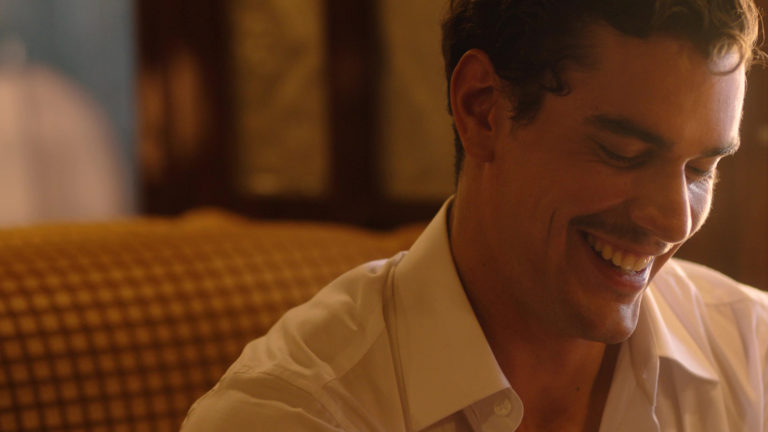
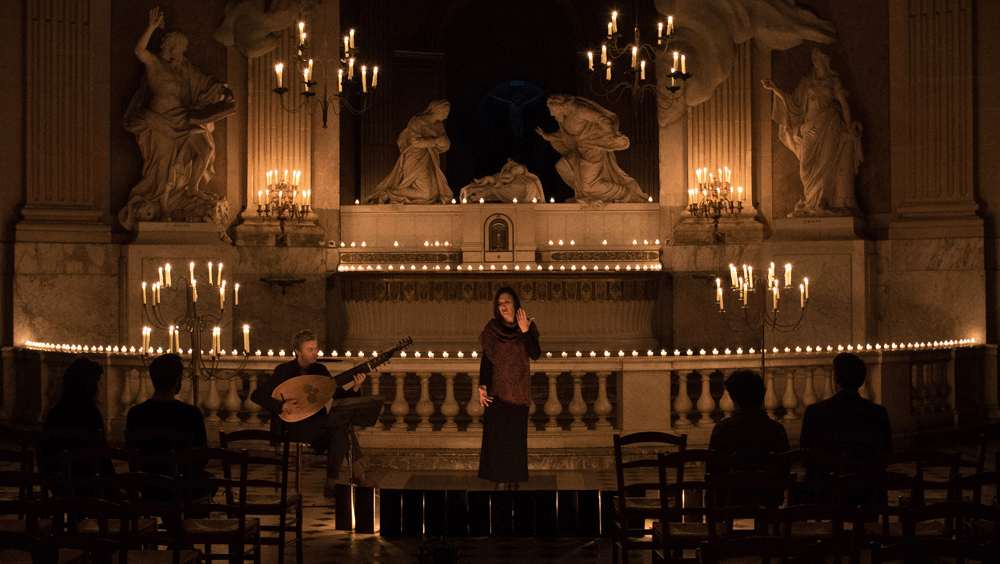 Toutes les nuits, directed by Eugène Green
What are your artistic sources of inspiration?
Classical painting. The photographic work of Eugène Atget, Josef Sudek, Robert Frank, William Eggleston, and many others. Music also, very much so—I have always practised music: the learning of an instrument, in this case percussion, also shaped my eye. Image and sound, in my case, have always bounced off each other, each being the other’s apprentice or driving force. In both cases, it is always a question of attention, energy, rhythm, balance and pleasure.
This feeling was very clear when, as a teenager, I spent a year in Cairo; I discovered and became interested in the Arabic language and its script. I was taking calligraphy lessons and often listened to cassettes of Quran recitations. It became obvious to me that listening to those voices—their rhythms, the precision of their intonations, their silences, their beauty—helped me trace the letters and find the visual balance of the lines on the blank page.
Do you remember any regrettable blunders that turned out to be instructive?
Yes, there were several, always related to loading film. The 122-metre rolls can run out very quickly, and the reloading in the changing bag often happens in less-than-comfortable situations. To save time, I would load and unload the reels simultaneously—loading the fresh roll on the feed side and unloading the exposed roll on the take-up side using the same can. One day, in the rush, I forgot to unload and box the exposed reel. The result: after loading the fresh roll, I opened—in broad daylight—the take-up side of the magazine to thread the loop, and noticed the exposed reel was still there. Oops! I closed the magazine in a flash, horrified, hoping the daylight hadn’t touched the image too much, and, not proudly, reported it to the crew. The result on screen: an intermittent red halo, more or less “acceptable,” on the side of the image—the same one my 8mm phone app now offers as a filter for a “vintage” look. Times have changed.
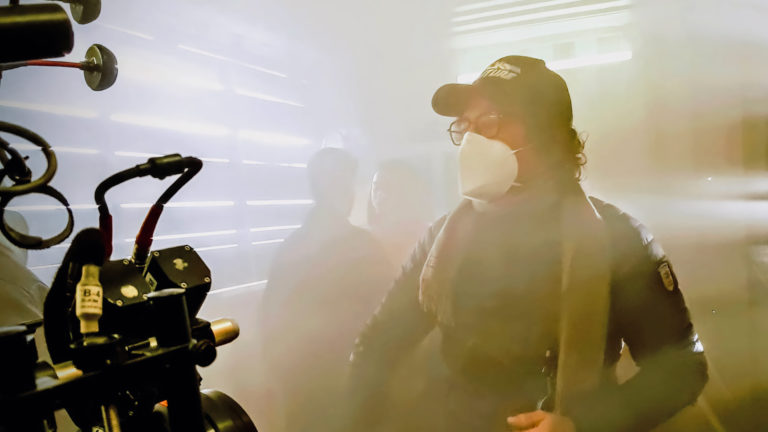
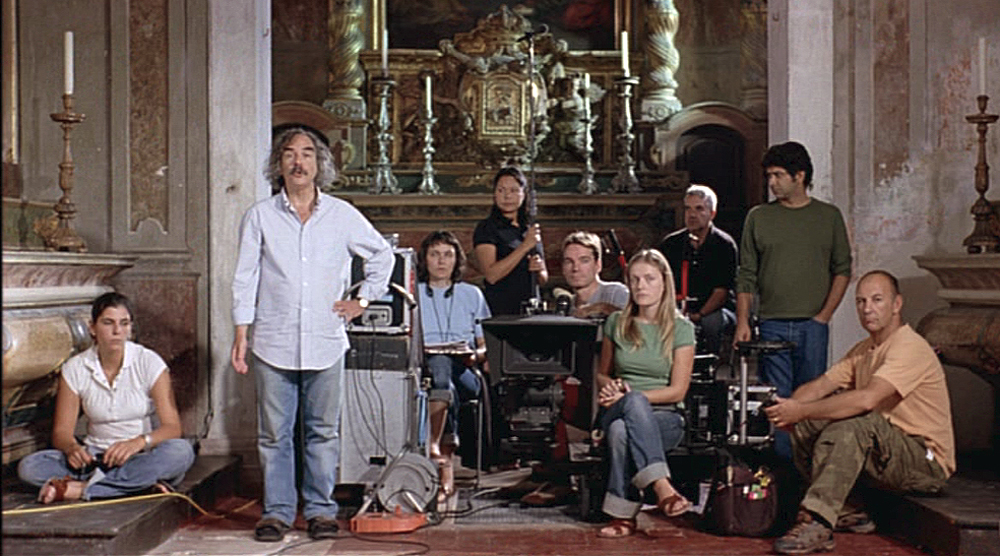 On the set of La Religieuse Portugaise, directed by Eugène Green
Have you experienced moments of doubt about your work or your professional environment?
I have never had doubts about my commitment to this profession—it has always been a gift to do this work. I feel good in what I do and take great pleasure in it (except when I throw out my back!). But yes, of course, doubts arise when there are no more projects on the horizon, when the future is uncertain, which is often the case. Doubts and questions are constant during shooting too, technically: did I make the right choice, was I right to cut at that moment, to position myself here rather than there, to make that lighting or framing choice? But doubt is always a driver, and in practice you don’t really have time to doubt—intuition takes over.
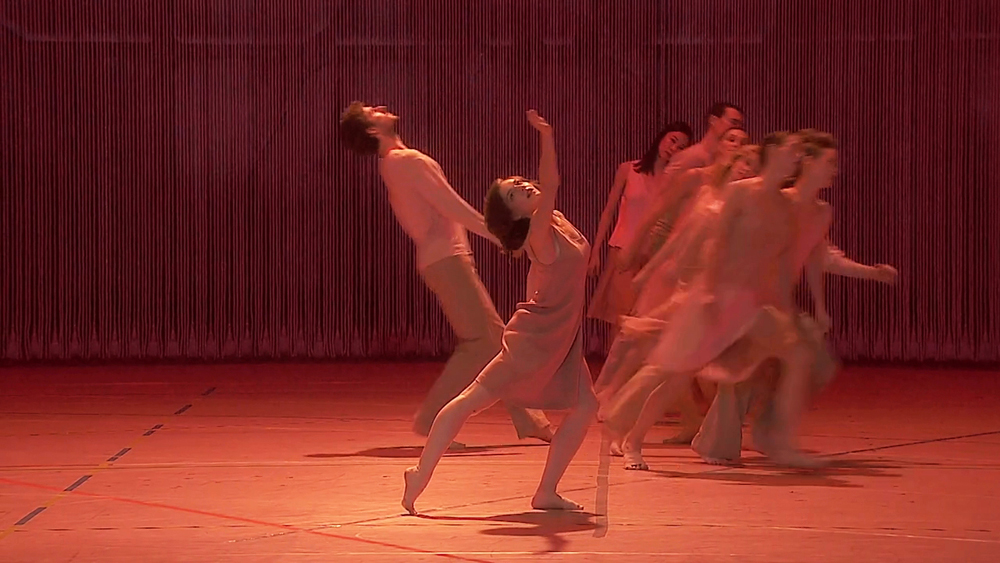 Rain, Anne Teresa de Keersmaeker, directed by Louise Narboni
Have you ever wanted to direct?
I moved to directing very early on. While still an assistant, Lionel Cousin and I had bought a 16mm Arri ST camera. My first short film, L’impromptu de St Géry, was shot one summer with 3 or 4 rolls—it was mainly an opportunity for me to use that camera. Then came Yati, another short filmed in India, a very significant and foundational experience I mentioned earlier. The film, for which I handled both the cinematography and the direction, had a beautiful life: festival prizes, purchases by French and foreign channels. Following that adventure, my producer at the time, Philippe Jacquier at Sépia productions, encouraged me to continue directing. I wrote another short film, L’ombre portée, which received CNC support. Since then I have made several more, all self-produced with tiny budgets.
I was often told you had to stay in your lane—something that has always surprised me; I think it’s very French. So I have long navigated between cinematography and directing without second thoughts, directing always remaining a secondary activity.
What do you love and what don’t you love about your job?
Paradoxical as it may seem, I love not knowing what I’ll be doing next month (even if it’s not always easy to live with, and sometimes I’m not doing much next month). I love meeting a director I don’t know, finding myself from one day to the next in a place, a country, a culture completely foreign to me, facing a totally unexpected situation, a person you meet knowing nothing about them and whose world, whose daily life, so far from your own, you discover. I love working abroad, hearing languages I don’t understand, and trying to adapt to a situation, to find the right position, the right distance, to be accepted by those you are filming despite the “aggression” that the act of filming can represent. I also love the teamwork of making a film, unlike photography which leaves you solitary.
In fiction, I have been working with Eugène Green for over 20 years—this long-term collaboration is very precious to me, yet another beautiful gift from life.
The work of a cinematographer on a documentary, a live performance capture, or a fiction film is very different; I enjoy being able to switch between them.
Finally, I also love the free time this profession leaves me to do other things—music, for example.
I don’t like it when cinema makes a drama of itself.
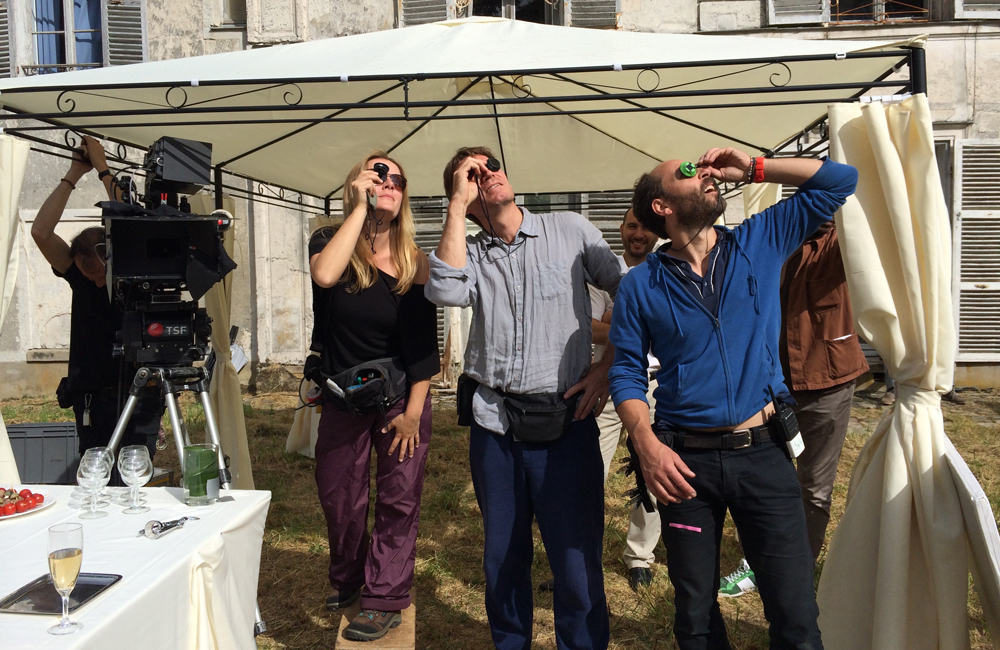 On the set of Le fils de Joseph, directed by Eugène Green
What advice would you give to an aspiring cinematographer?
Never turn down a job offer when it comes along: even if the project is far from exciting, there is always something to learn. Develop personal projects, shoot—no matter the format—don’t be afraid of not knowing, of making mistakes, don’t protect yourself by pretending, stay true to yourself, follow your intuitions and your nature.
Raphaël O’Byrne on the United Cinematographers website.
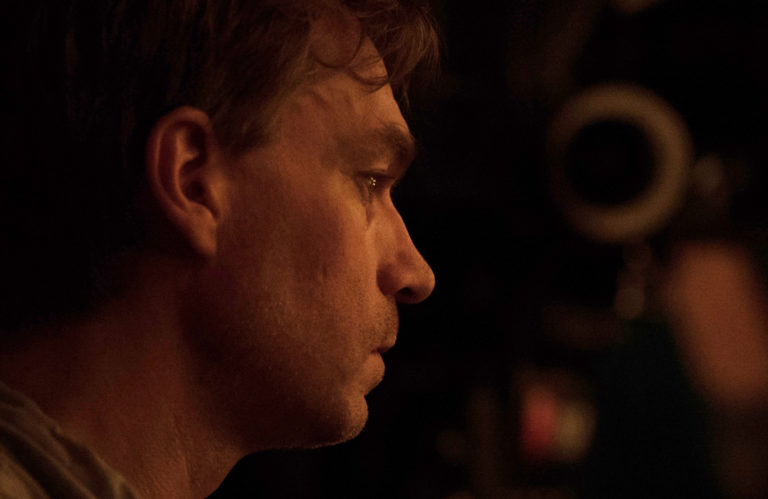
> Cover image: portrait of Raphaël O’Byrne © Sarah Blum