Through a collection of Q&A portraits, the Union introduces the members of the association. Today, Emmanuel Lakkari.
When and how did you become interested in cinematography?
From a fairly young age, I was sensitised to framing through analogue photography. My grandmother also passed on to me the pleasure of painting.
Very early on, through painting exhibitions, I unconsciously absorbed a certain sense of light and composition. Discovering Rembrandt, Vermeer and others kindled my still-innocent eye. I drew and painted watercolours. From there no doubt came the desire to sculpt — even to “paint” — with light, first in photography and then in cinematography.
I started to take a real interest in cinematography as such when I was a university student, even though I had been shooting for pleasure since I was about 16. It was at university that I realised this was more than a hobby. I spent a great deal of time watching and rewatching films, studying how DPs crafted their images and their lighting.
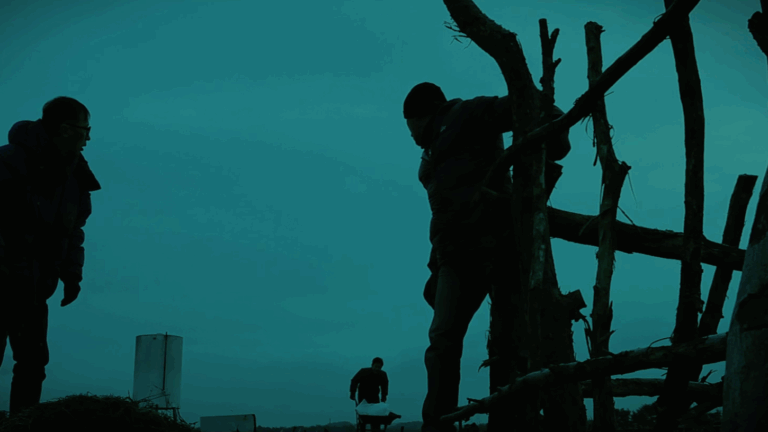
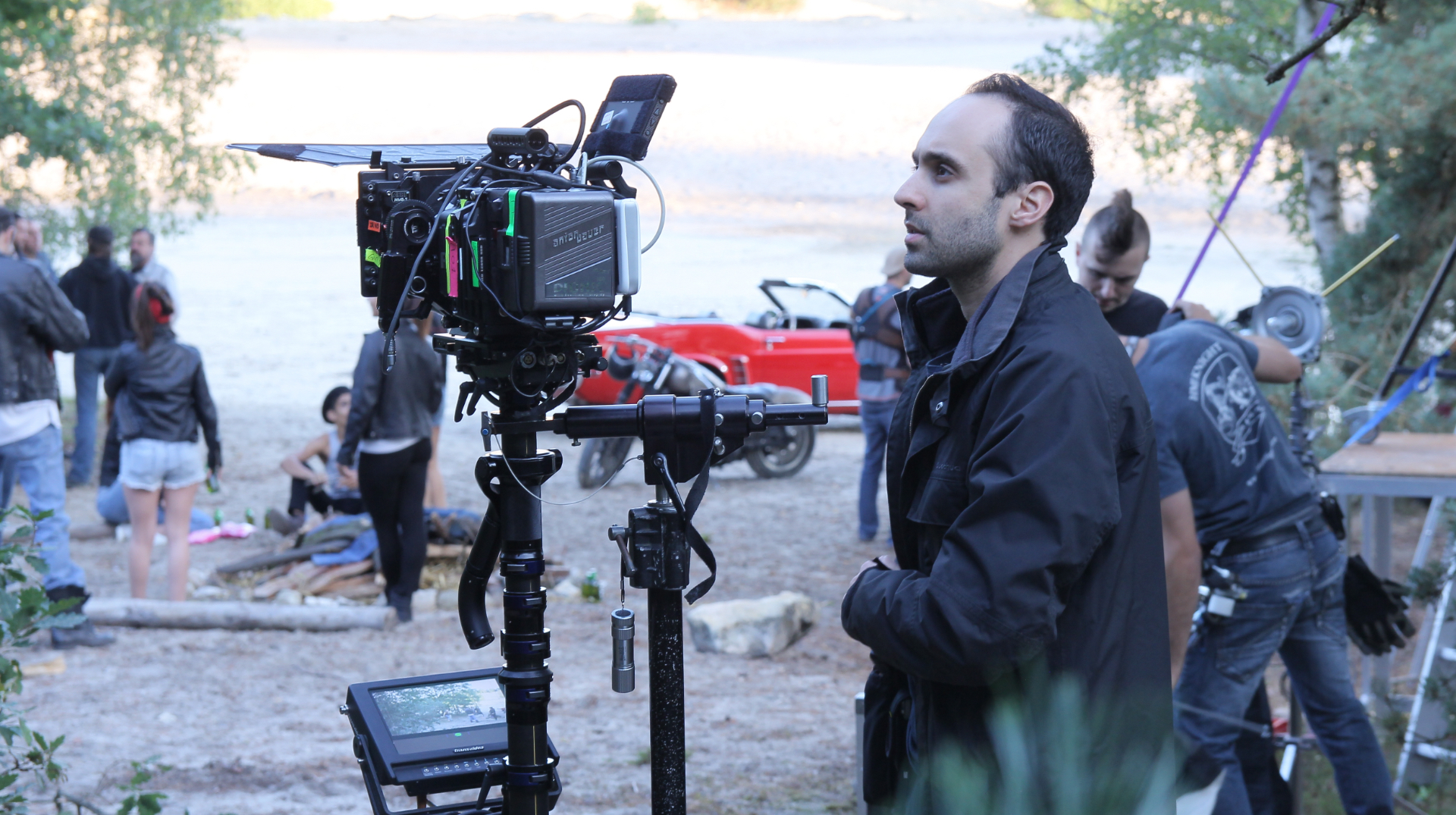 On the pilot of the TV series “French Air Love” directed by Andrew Tisba
Which films particularly marked you visually, to the point of specifically drawing your attention to the work of the cinematographer?
Many films have marked me, particularly black-and-white films I saw when I was younger.
I was strongly influenced by the films watched by my uncles and aunts — Chaplin, Hitchcock, Cocteau, Truffaut, Carné — which gave me a taste for a certain aesthetic, for contrast.
I realise that at the age of 13 I went to see 12 Monkeys by Terry Gilliam, and that film truly unsettled me, both through the story and its visual aesthetic. I had to watch it several times — first to understand the story, then to observe how the lighting moods were constructed and what framing choices were made.
This film remains a benchmark for me; through it I discovered the work of Roger Pratt. Since then I have never stopped exploring the work of other cinematographers — from Vittorio Storaro and his mastery of colour, to Gordon Willis and the incredible darkness of The Godfather.
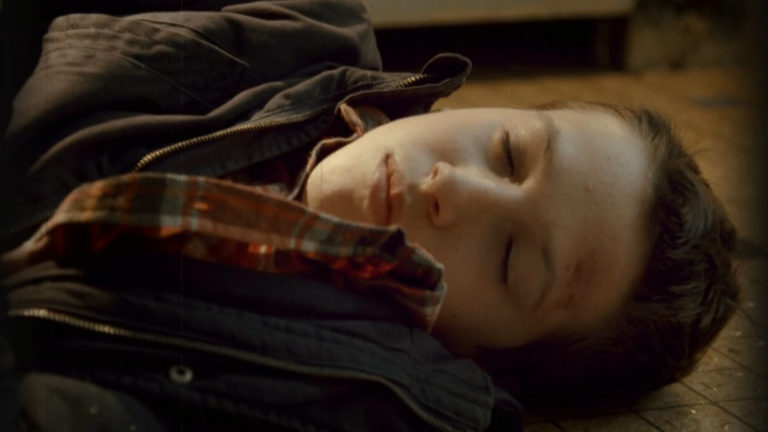
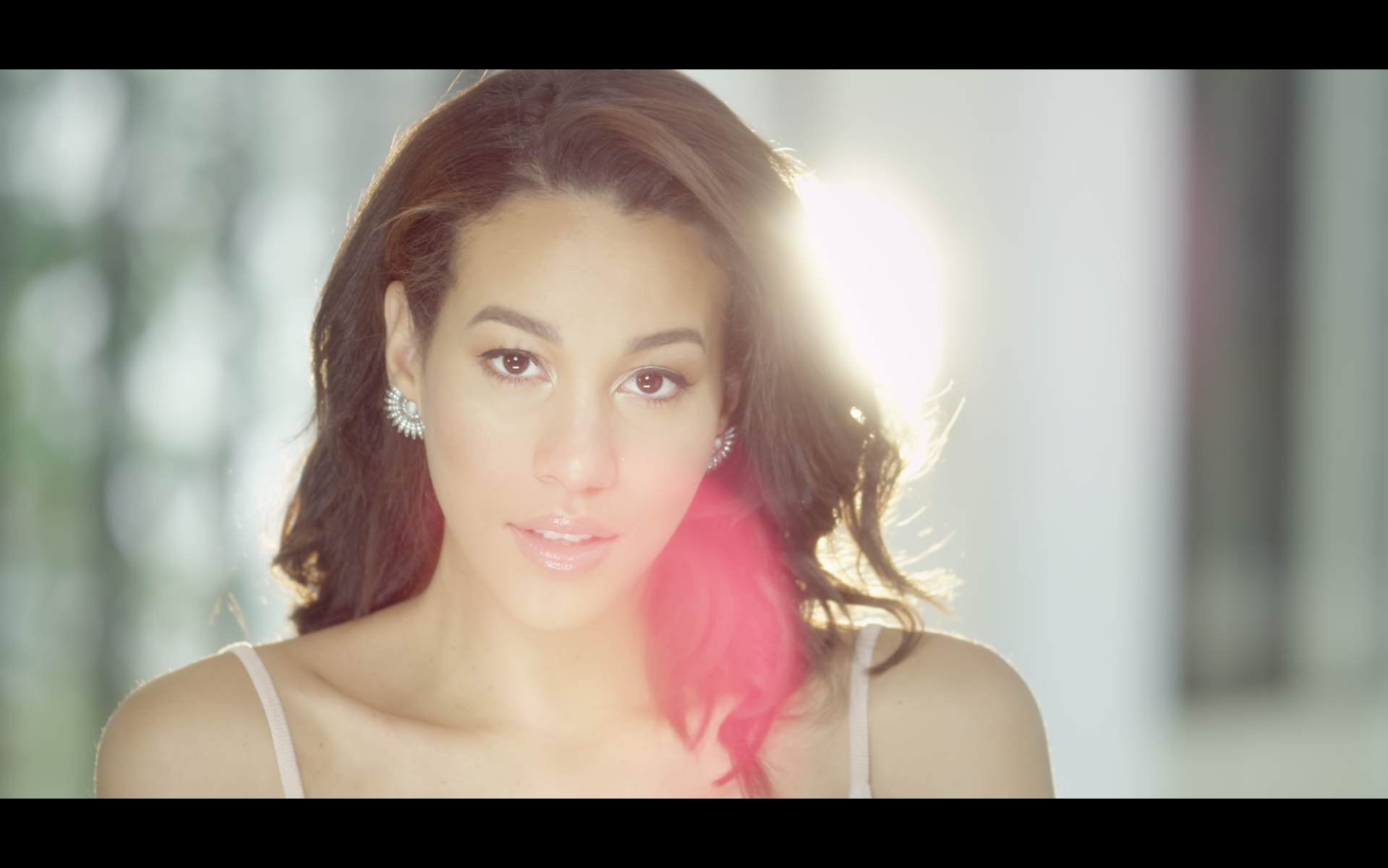 Commercial for the brand D.E.S Skincare directed by Fabrice Pierre – production Digital Cinema
What was your initial training?
I started with a science baccalaureate, then two years of DEUG MIAS at Jussieu in Paris, where I spent more time in the university Film Club than in lectures, I must confess. I sat the Louis Lumière entrance exam, which I failed, and then looked into other film schools. Before the Louis Lumière exam I spent my time at the BIFI watching cinema classics. There I met students from various schools and was quite convinced by the approach of 3IS, which I eventually joined.
I graduated from the Cinematography department having gone through every crew position during my studies — often as 1st AC, which gave me a solid grounding, and as gaffer, which let me experiment with lighting. It was a well-rounded education that taught me both the technical and the human side of filmmaking.

After film school, I was also mentored by many cinematographers I met while working as a camera assistant. Knowing I came more from the camera side than from lighting, each of them gave me some of that informal teaching — those “recipes” tested over the course of a career. At the same time, without the help of older, seasoned gaffers, my learning of lighting would have been slower, perhaps even more frustrating; I wouldn’t have learned as quickly.
Speaking of cinematographers, Pascal Montjovent (a member of the Union) also helped shape my skills through his blog, which I scoured like a bible on numerous occasions.
Generally speaking, I learn every day from my peers and by continuing to experiment.
How do you think your experience with special formats, such as stereography, has influenced your practice as a cinematographer?
At one point I had the opportunity to work on stereoscopic projects as a camera assistant, with Pierre Baboin (also a member of the Union), who put me back in the saddle professionally. I was coming out of a permanent contract at a video agency, taken to pay off my student loan.
That experience was technically very beneficial. You have to be extremely precise when pulling focus with two motors on two lenses simultaneously, not to mention the longer camera-test time needed to find matched lens pairs.
From a cinematographic standpoint, stereography made me even more aware of depth and space in the frame — foreground, mid-ground, background. It taught me to think in three dimensions, which I still carry into my 2D work today.
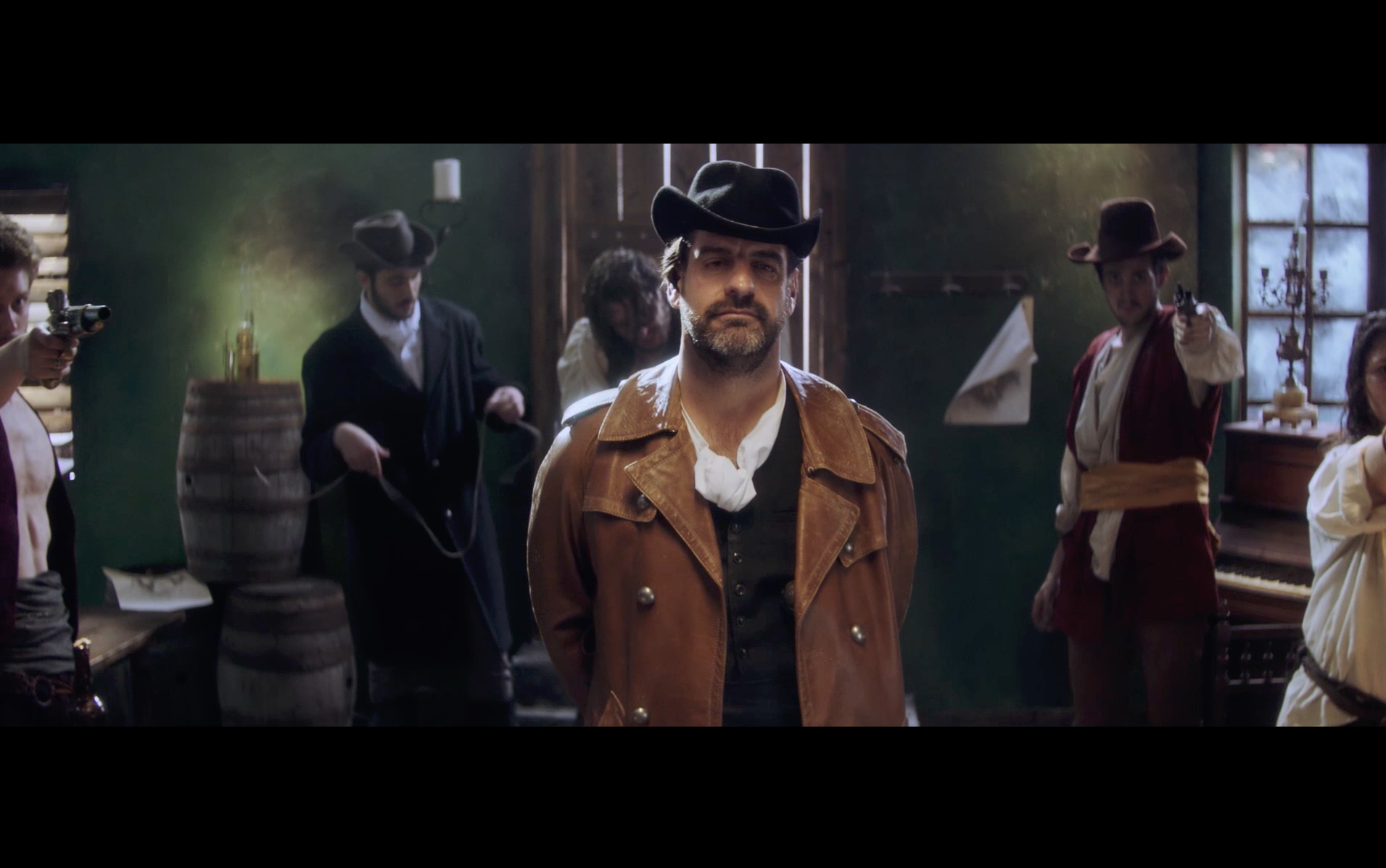
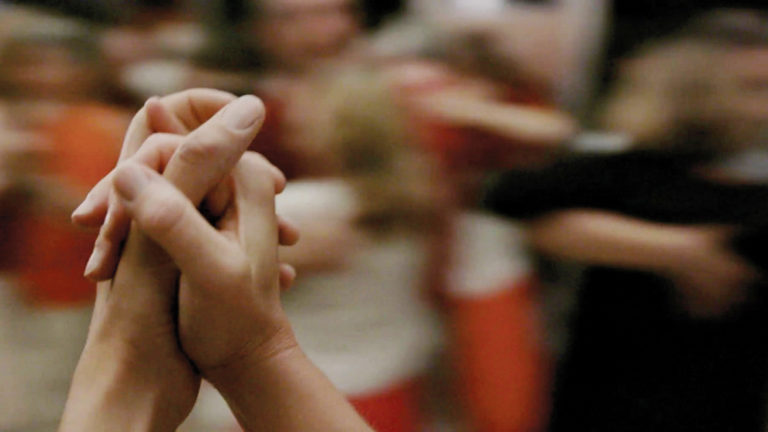
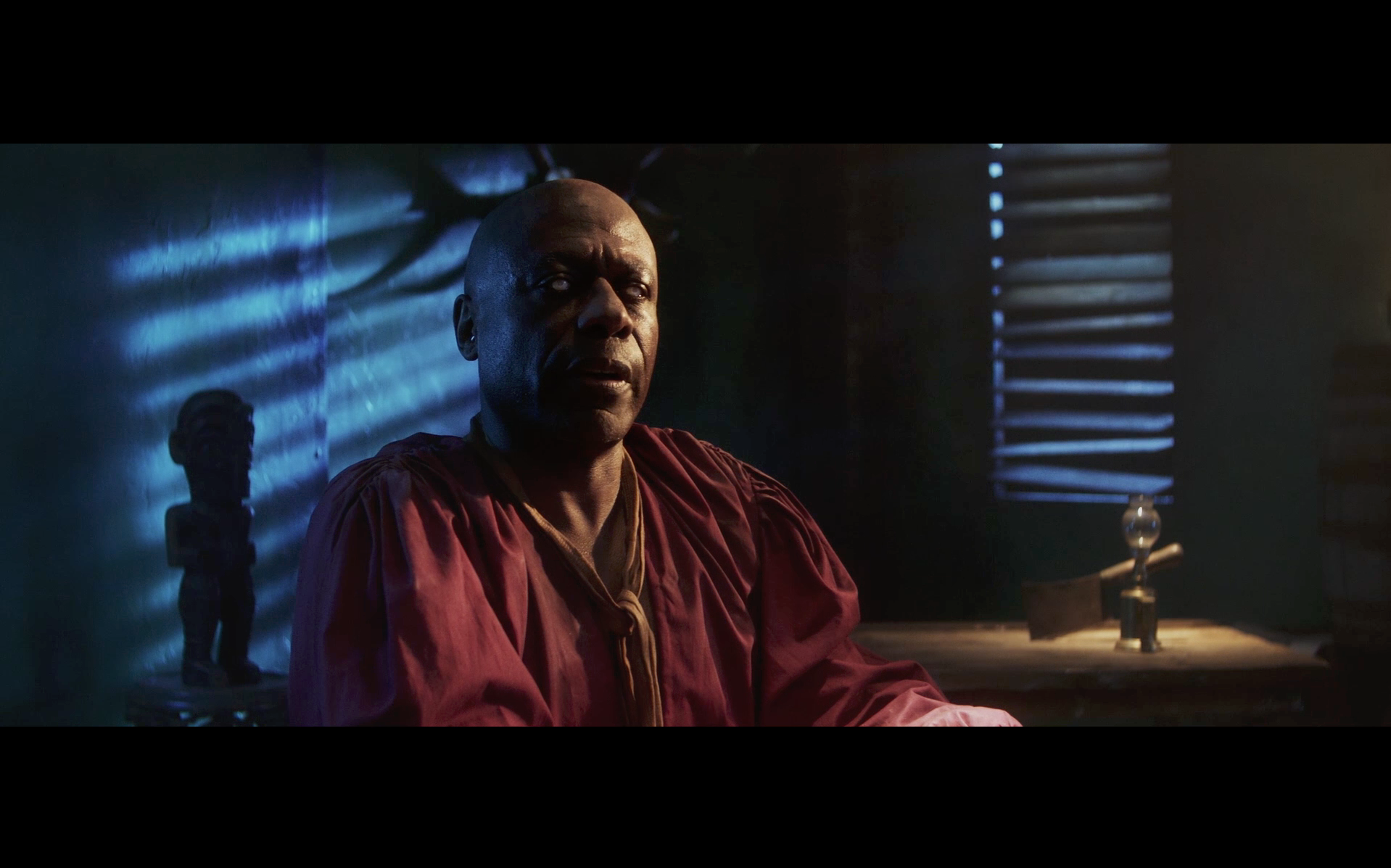 Captain Habakouk medium-length film directed by Sofyan Boudouni – prod Cameo Pictures
What types of films have you worked on, and what would be the ideal next project?
I’ve shot all kinds of films: documentaries, short films, fiction, and quite a lot of commercials. So far I have only shot pilots for feature films or TV series, and worked on features as a MoVI Pro operator or camera operator.
My ideal next project would be a beautiful feature film, a TV series or a standalone TV film. A project with a great story and artistic ambitions in terms of both framing and lighting. A film that would allow me to fully express my visual and technical aspirations.
Fiction is what I miss, and it’s what I’m gravitating toward these days.
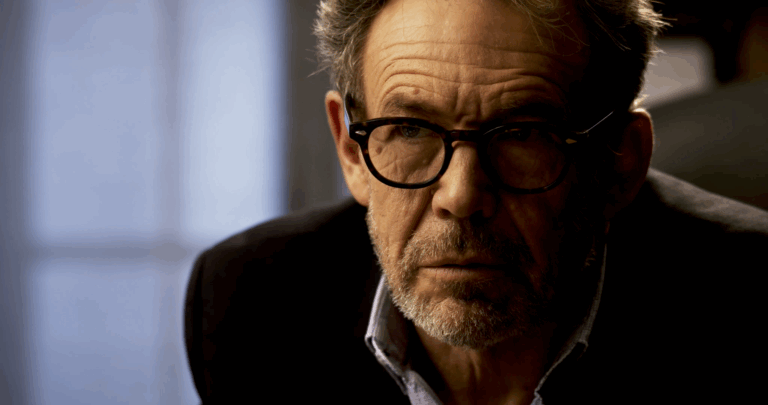
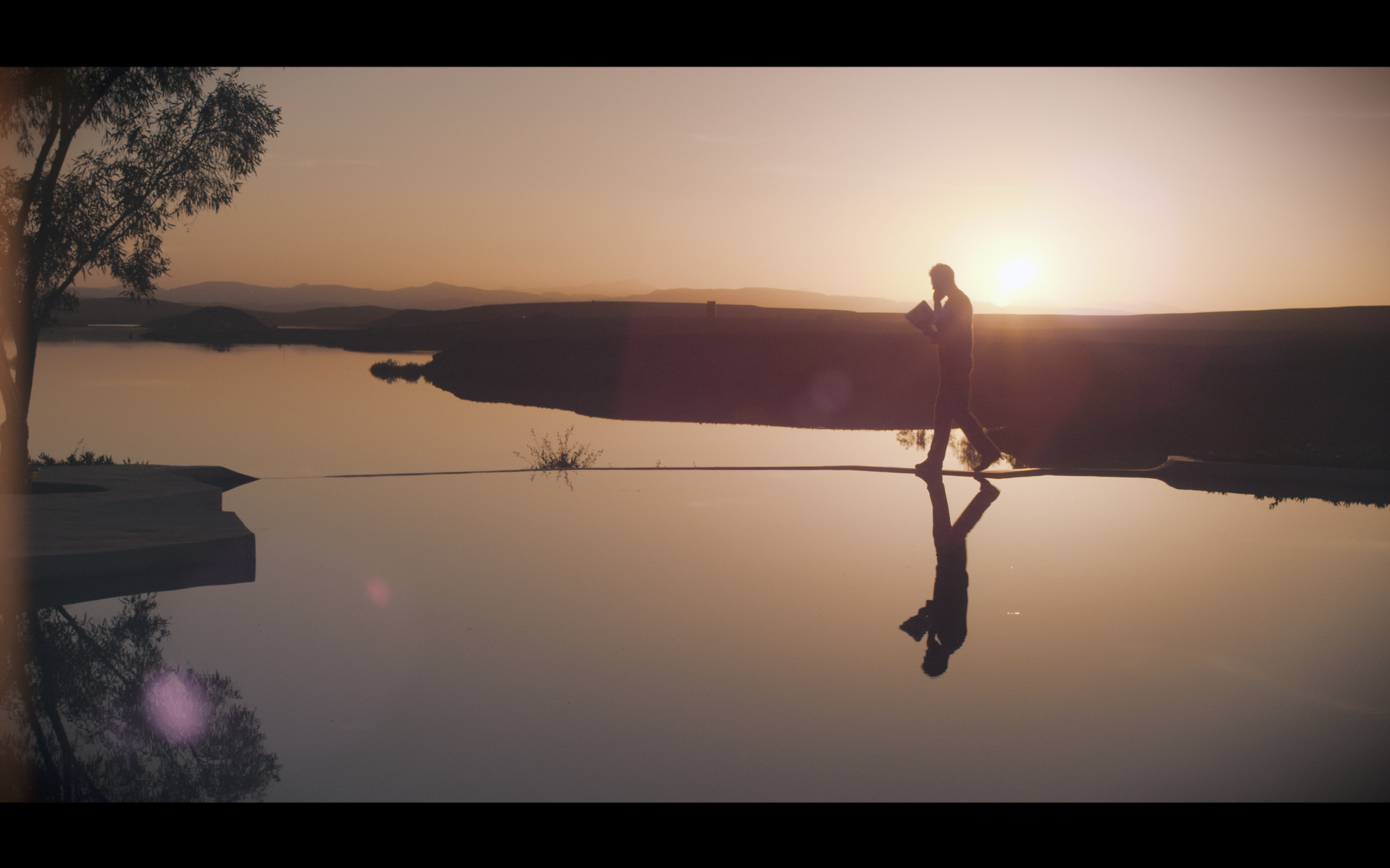 Queen of Hearts short film directed by Abdelfattah Ait Tahabbassat – prod Saad Films
What are your artistic sources of inspiration?
Painting truly remains my primary inspiration for lighting. For framing, I’m much more inspired by photography.
It’s also by watching other cinematographers’ work that you try things and draw inspiration. On a short film, I tried Roger Deakins’ technique of bouncing and diffusing light using bed sheets. On a medium-length film, I was asked to approximate the mood of The Hateful Eight, lit by Robert Richardson. So I created strong backlights with well-placed Par64s and negative fill — it’s a technique I still use regularly.
I’m also inspired by contemporary photographers such as Gregory Crewdson, whose cinematic staging of light and composition feels very close to what I try to achieve on set.
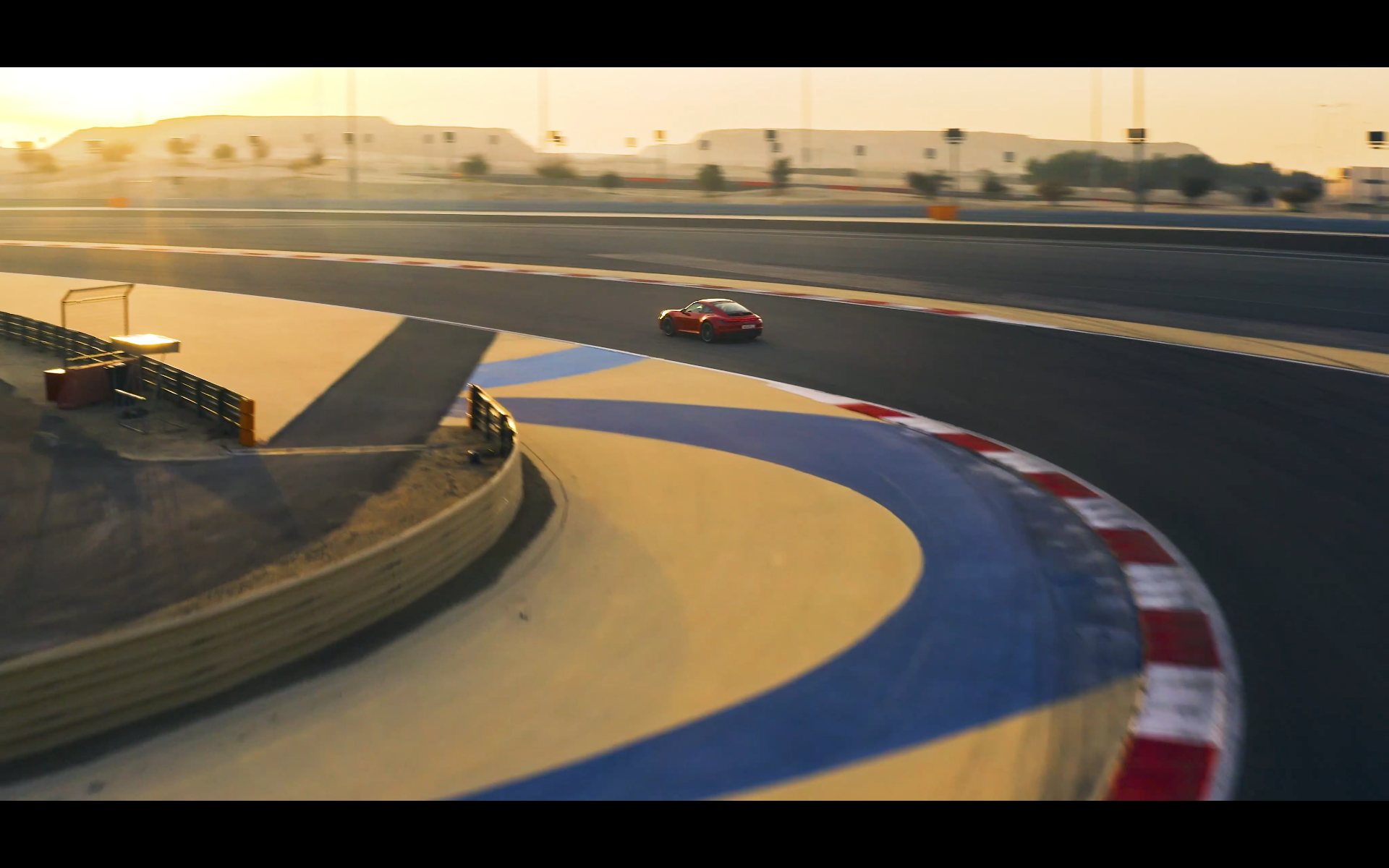 Commercial for the Tag Heuer Limited Edition Bahrain watch (partnership with Porsche) directed by Renaud Santos Moro – prod White Cube / Blu Steel Films
Do you remember any regrettable but ultimately instructive blunders?
There must be a few — like a nice camera-filter drop at the start of my career. But not that many, to be honest.
The hardest thing in this profession is the relational side: you need to surround yourself with genuine, passionate, reliable people.
I remember one moment that particularly marked me. I was contacted for a project, but the budget was rather tight. So I suggested shooting on a 5D, which was a very common tool at the time. The director refused and insisted on a more cinematic camera. I stood my ground, and in the end the project fell through. It taught me a valuable lesson about knowing when to adapt and when it’s not about the camera but about the trust between the director and the DP.
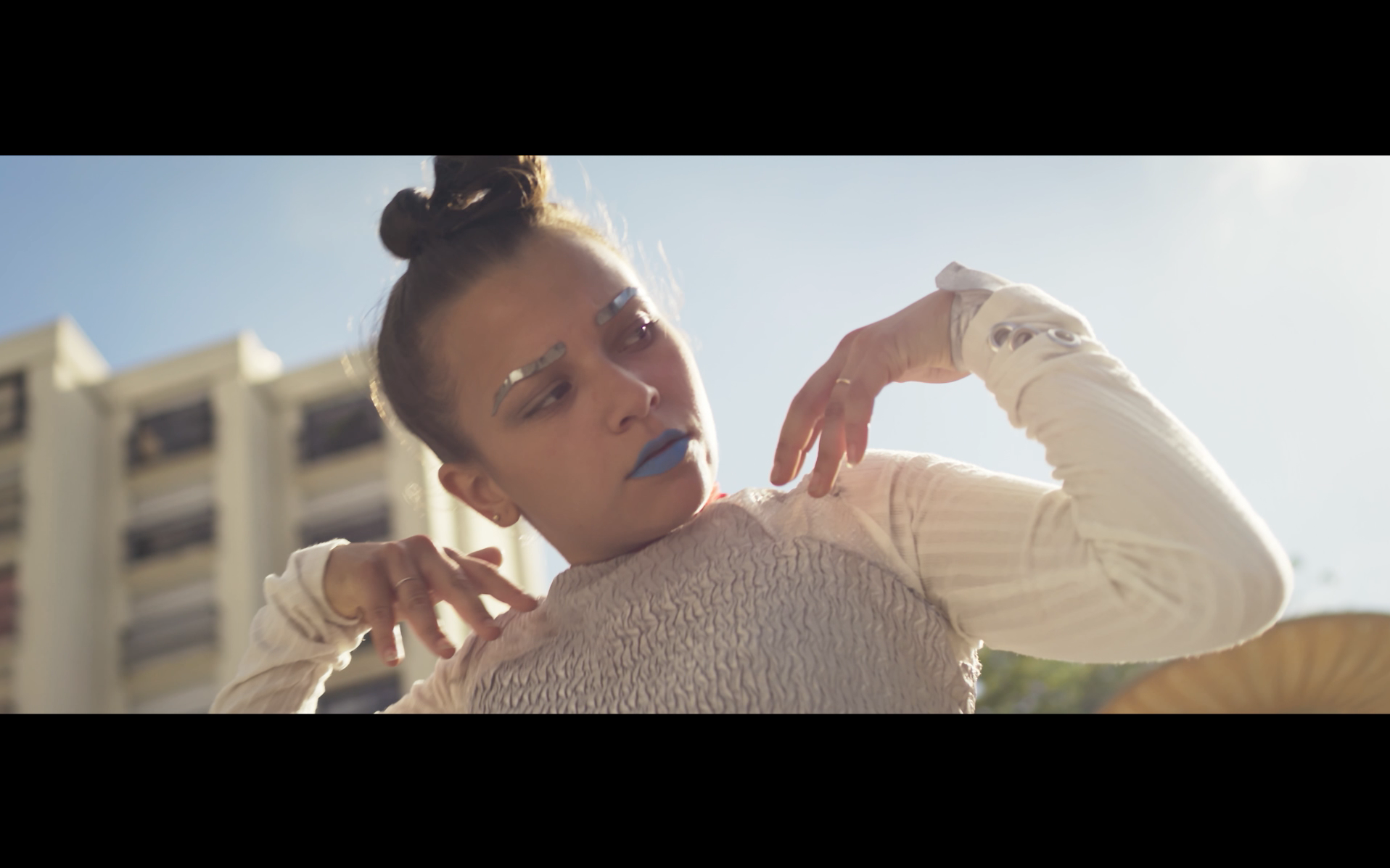
King Of The Jungle music video for the artist Shanguy directed by Roberto Cicogna – prod Wattson
Have you experienced moments of doubt about your work or your professional environment?
Yes, often. This is ultimately a seasonal profession. Being now the parent of a two-and-a-half-year-old boy, I wonder whether this seasonal nature can truly last.
On several occasions I nearly quit, but I have too great a passion for this craft. You sometimes encounter people who are not entirely straightforward or honest, or you run out of steam, or you simply need time to rediscover the drive.
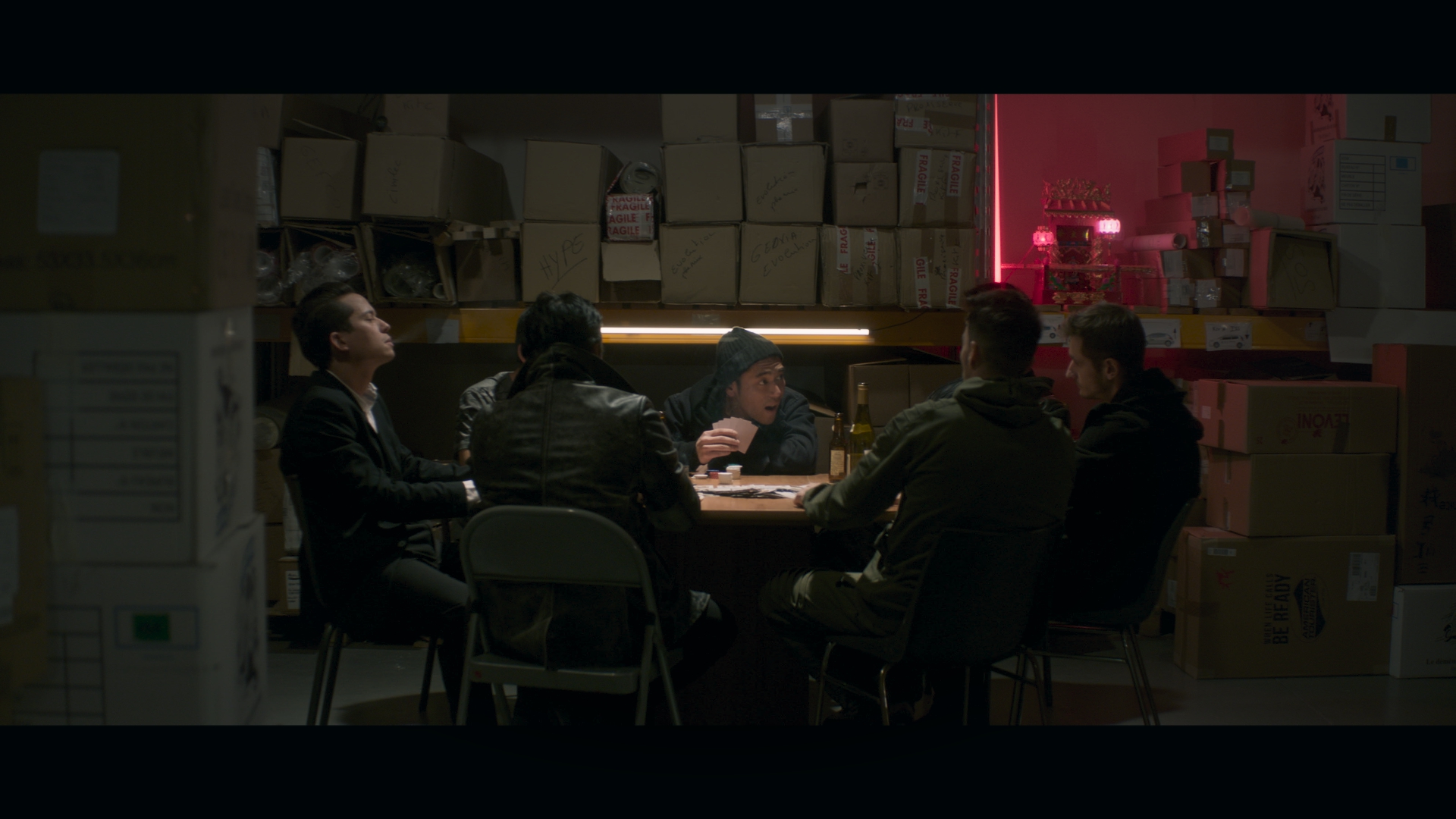
Article 22 feature-film pilot directed by Fab Manga – prod Infinite Films
That’s why I’ve diversified my skill set somewhat. I learned colour grading so I could speak the same language as a colourist and also handle smaller projects on my own, create LUTs for my shoots and craft looks that the client can see during production. I also specialised in gimbals — MoVI Pro and Ronin 2 — which allows me to work in that capacity on substantial projects alongside other cinematographers, and to keep drawing inspiration from my peers.
The absence of work can sometimes feel heavy, but it’s also an opportunity to take the time to keep learning.
Do you recall setting up a particularly original cinematography rig?
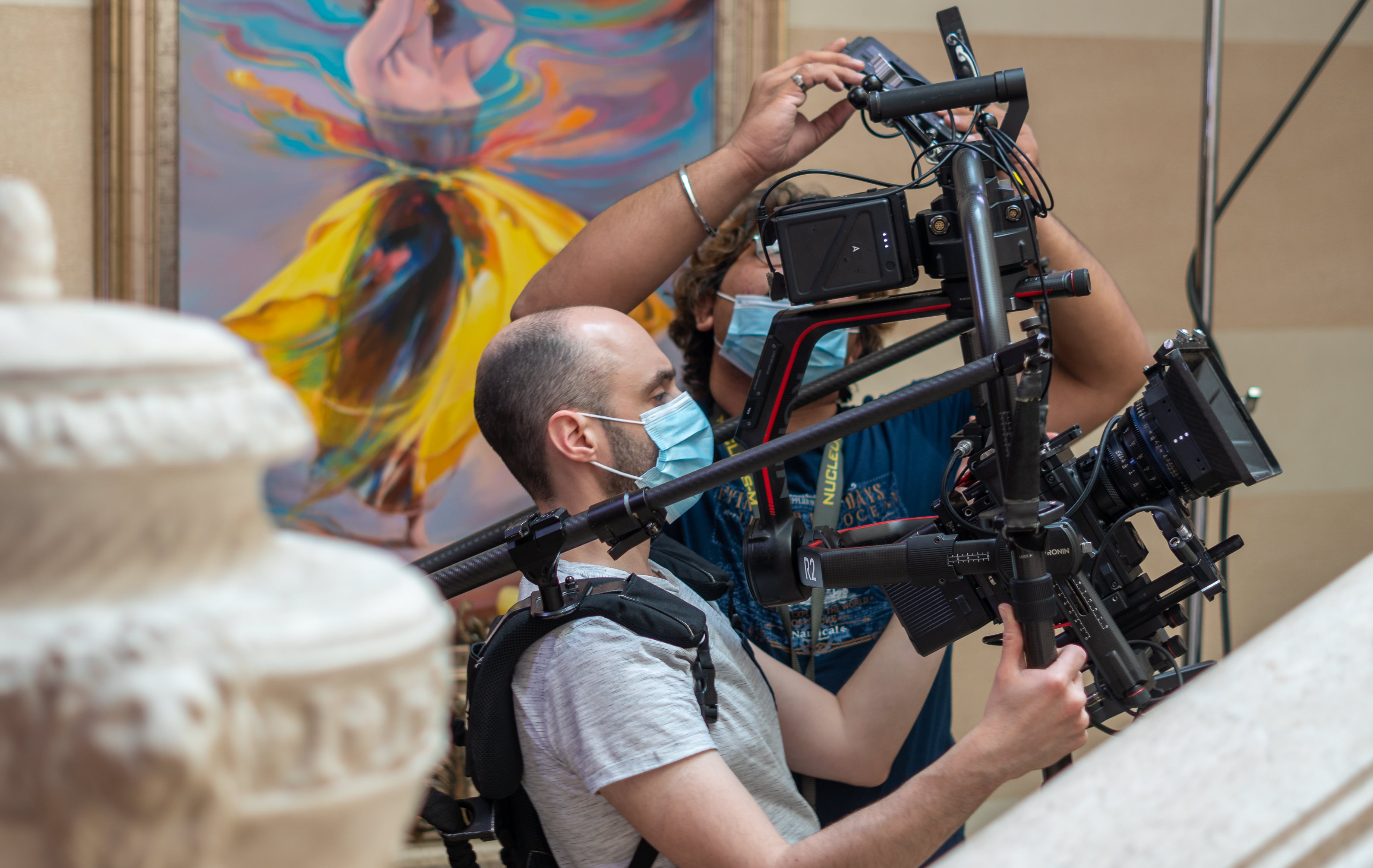 Commercial for Al Zain jewellery Bahrain directed by Mohammed Fakhro – prod Blu Steel Films
It’s really the use of the MoVI Pro that has been original for me.
I remember a TV series pilot where I was the Director of Photography and we used the MoVI in really tight spaces, passing it from hand to hand to get through tricky areas — something that wouldn’t have been possible with a Steadicam, for instance. Today it’s become commonplace, but at the time of its launch it was a small revolution.
I also think back to another project as B-unit on a feature film. We had to bring the MoVI Pro down three flights of stairs in a stairwell. At the bottom, a key grip took over the MoVI Pro to complete the framing. We had to rehearse the move about thirty times before the shot finally worked in a few takes.
Have you ever wanted to move into directing?
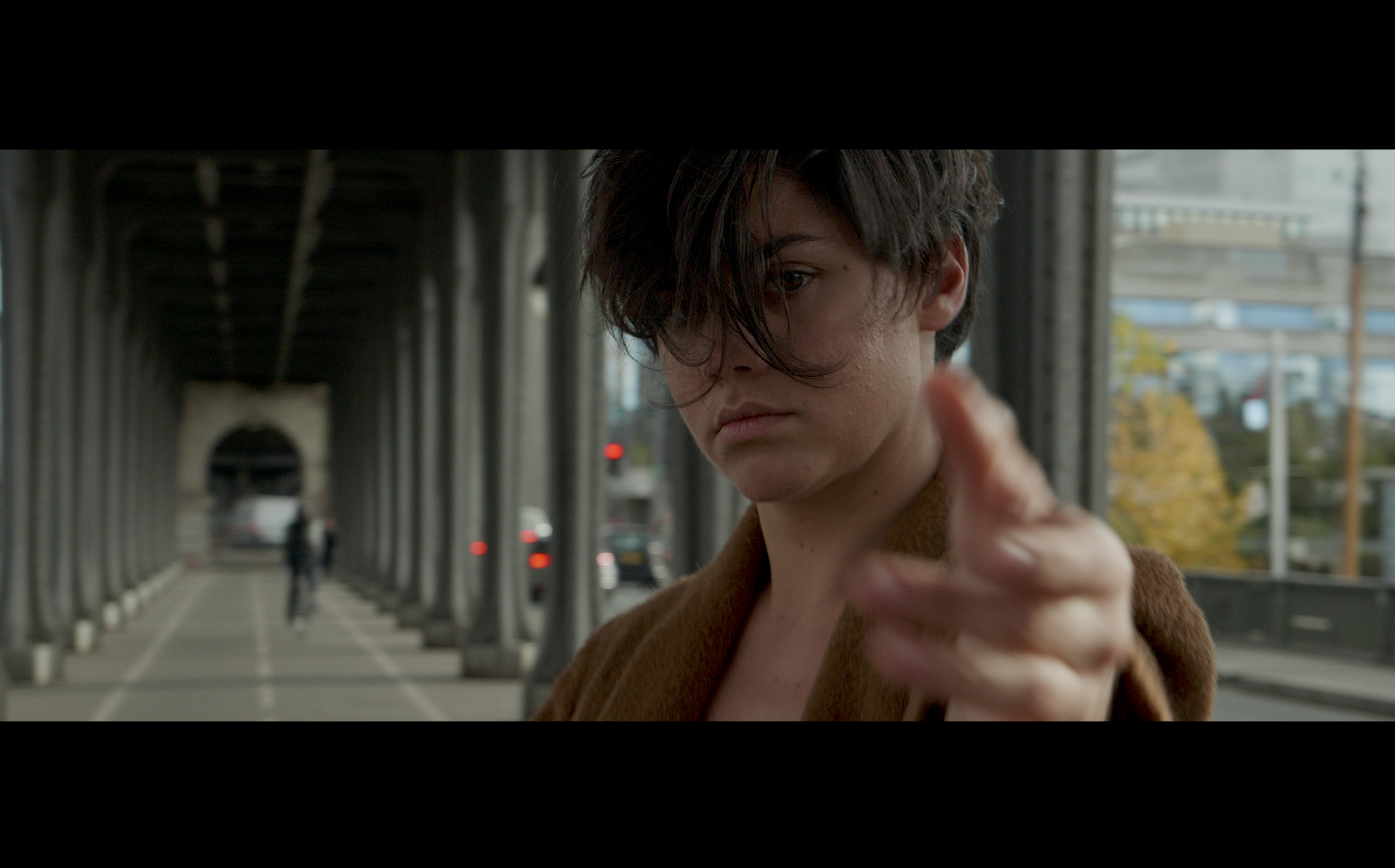
Somewhere Else experimental film with Juliette Boucheny directed by Sezer Turan
One thing that can sometimes prove really frustrating is the lack of trust from advertising clients when you haven’t already worked on a project similar to theirs, despite your experience on other projects. Some simply can’t project themselves beyond your past credits.
In France, people tend to pigeonhole careers. This DP specialises in car shoots, that one in packshots… With Americans or Anglo-Saxons in general, you can sometimes move from one world to another more easily, I find.
What advice would you give to an aspiring cinematographer?
You have to try everything. Take on as many projects as you can to gain experience, understand what works and what doesn’t. Watch as many films as possible, study painting, photography — train your eye constantly. And above all, surround yourself with good people: talented, honest, passionate crew members who push you to do your best work. That human connection is what makes this profession so rich.