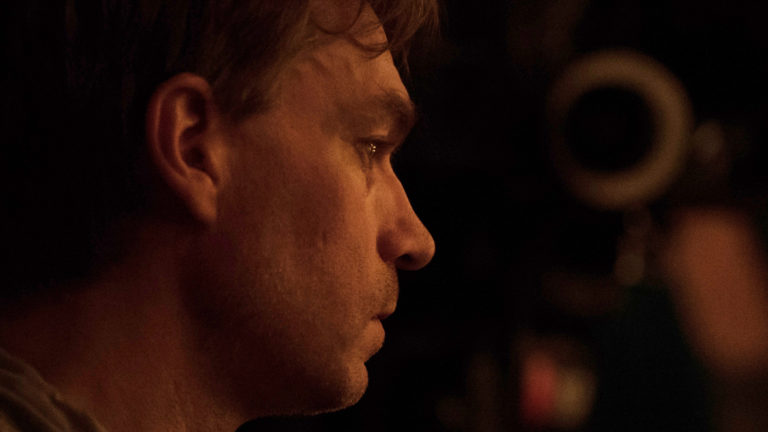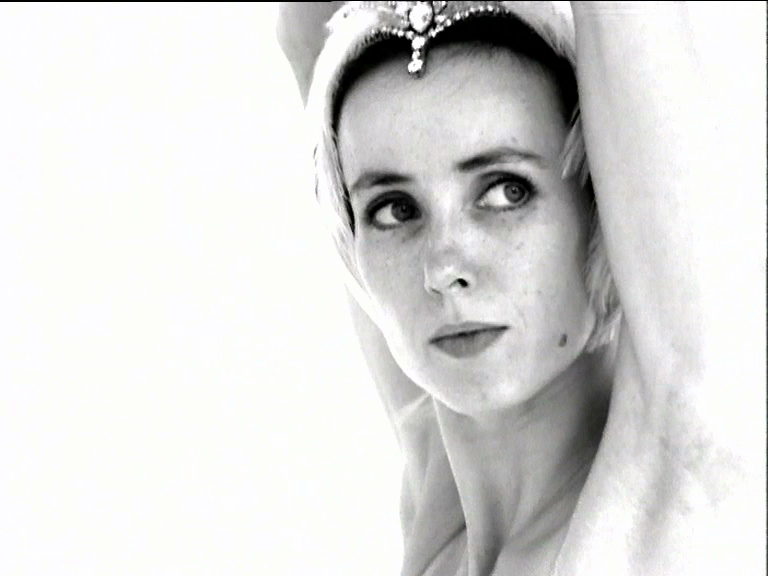
Through a collection of Q&A portraits, the Union introduces the members of the association. Today, Jean-Philippe Bouyer.

When and how did you become interested in cinematography?

I come from a family where aesthetics were always valued: my grandfather, an office worker, had been doing photography since the 1930s; my father, a Spanish teacher and a good photographer himself, painted watercolours. I became interested in cinematography quite early, around 7 or 8. It was near the ocean, in dazzling spring morning light; the street ran east-west, the sun was still low. My father put a Kodak camera in my hands and wanted me to understand the difference between frontal light and backlight, the effect of silhouettes. That moment stayed with me — the realisation that where you place the light source changes everything about how you perceive a subject.
Later, as a teenager, I became fascinated with Super 8 and started making short films with friends. I was drawn to the image more than to storytelling — I wanted to understand how light and lenses transformed reality into something emotional.
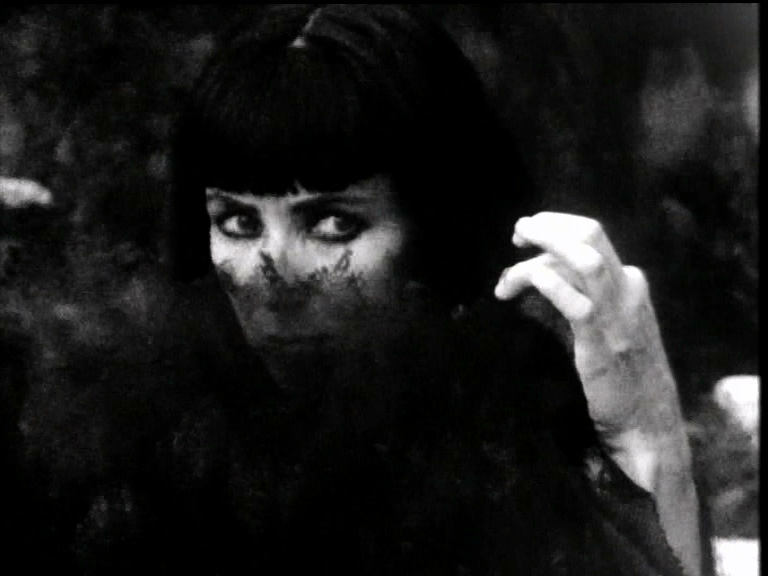
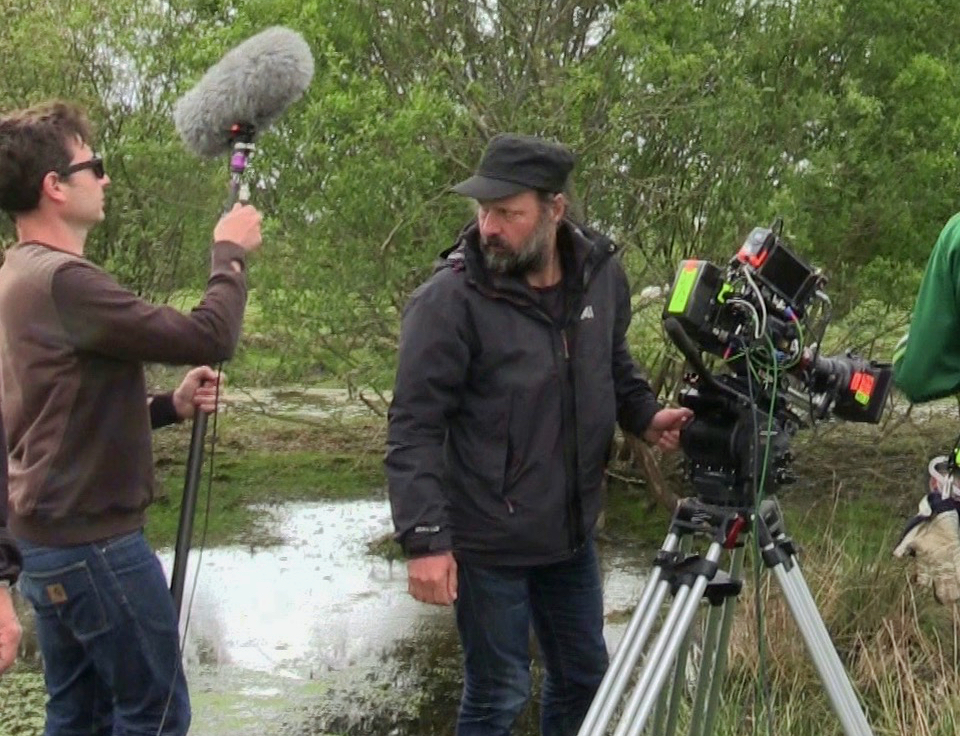
“Portrait de Sylvie Guillem” documentary (16mm Bolex spring-wound TriX rushes) directed by Françoise Ha Van Kern
Which films particularly marked you visually, to the point of drawing your attention specifically to the work of the cinematographer?

There are many. A film is a whole, and it would have been impossible at first to tell whether the emotion came from the light, the framing, the sets, the directing or the acting.
I think Apocalypse Now by Coppola, shot by Vittorio Storaro, and Paris, Texas by Wim Wenders, shot by Robby Müller (perhaps because of the Super 8 family sequences), were the triggering films. Before those, I also remember The Marriage of Maria Braun (dir: R.W. Fassbinder, cinematography: Michael Ballhaus).
In Apocalypse Now, there is that incredible sequence where the boat, after a series of slow upstream passages, arrives at night at an American base during a Playmate show. The stage lighting is part of the dynamics of the staging: the spotlights, the shafts of light and the fireworks, in their raw state. That is definitely one of the sequences that steered me towards this profession.

Paris, Texas is a film that carried me for years — it’s through it that I discovered Robby Müller’s work. American films shaped my childhood, and I think that’s what seduced me about this film: the resolutely European way of filming American landscapes that had made us dream in American movies. The beginning of the film is wordless: just image and music, a long subjective shot of a raptor soaring over the desert approaching a man walking aimlessly. Everything is presented through the frame, the light — pure visual storytelling.

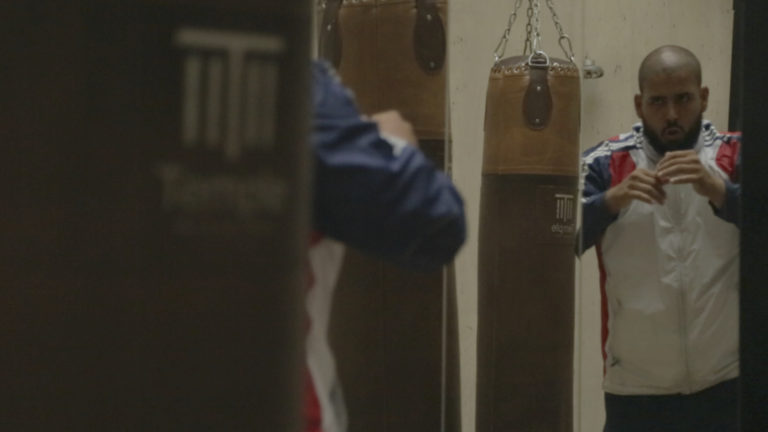
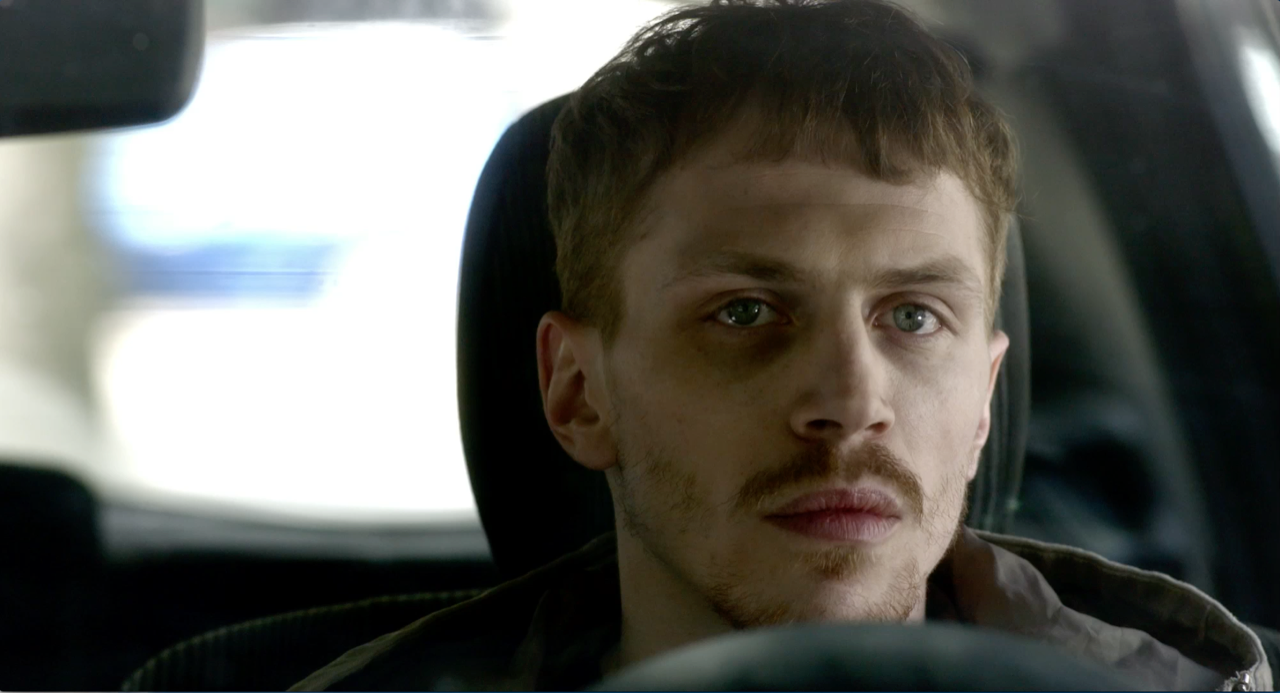
“Frères d’arme” directed by Sylvain Labrosse (F55 with Cooke Panchro S2/S3 series)

What was your initial training?

After an experimental baccalaureate (Science-Literature), I followed a course in modern literature and cinema at Paris 3, sat the IDHEC (now La Fémis) entrance exam without success, then Louis Lumière — same result.
Then I met an IDHEC-trained camera assistant who taught me the craft on feature films. I subsequently met more established DPs who hired me as 2nd AC on films such as La bande des quatre (dir: J. Rivette, cinematography: C. Champetier) and Un monde sans pitié (dir: E. Rochant, cinematography: P. Novion).

When and in what context did you start working as a cinematographer?

I started lighting my own short films in Super 16, taking advantage of the documentary shoots where I was working as a camera operator to experiment with framing and light. Then a director I’d assisted offered me my first fiction short as DP. That was the real turning point — realising I could bring my own vision to someone else’s story.


What types of films have you worked on, and what would be the ideal next project?

At the same time, I started working in documentary. The lightness of doc shoots compared to fiction appealed to me — the small crew and the “one-shot” nature of certain shooting conditions offer an exciting freedom for improvisation with the image! Alternating between these two types of shoots creates a balance that suits me well; each feeds the other: when I’m in fiction, the documentary instinct nourishes certain situations, especially for handheld work; and when I’m in doc, I try to compose fiction-style shots and think in terms of coverage, especially when I need to convey a situation within a confined space.
I dream of a feature-length fiction that blends documentary spontaneity with carefully crafted lighting — a film where the boundary between real and staged becomes invisible.

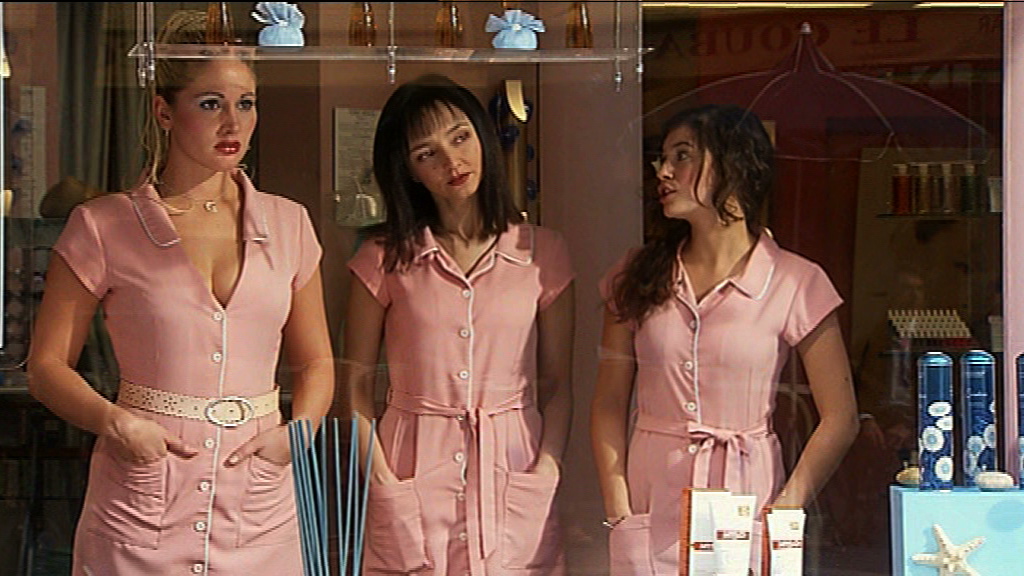
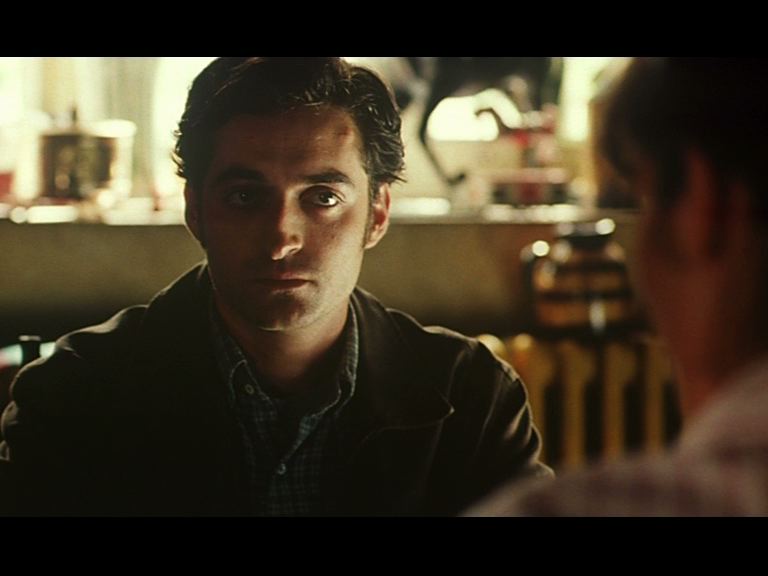
“Vénus et Apollon” directed by Tonie Marshall (SD Panasonic 2/3-inch)
What are your artistic sources of inspiration?

I love observing the world — urban life but also nature. I find reality fabulous; there are colour combinations, people’s attitudes, reflections in windows that are incredible. Outdoors, I see frames everywhere. I often find myself, when taking photographs, composing a frame and waiting for something to happen within it — I have a few series like that which I’m very fond of. I also love drawing, though I do it too rarely unfortunately.
I also feed, of course, on other people’s images — I go to the cinema, to exhibitions of painting, drawing, photography, sculpture… I also love observing natural light; I’d love to take the luxury of spending an entire day simply watching the light change in a single location, from dawn to dusk. The painter Hammershøi, the photographer Saul Leiter — they both taught me that beauty is often in the quiet, the understated, the almost-invisible.

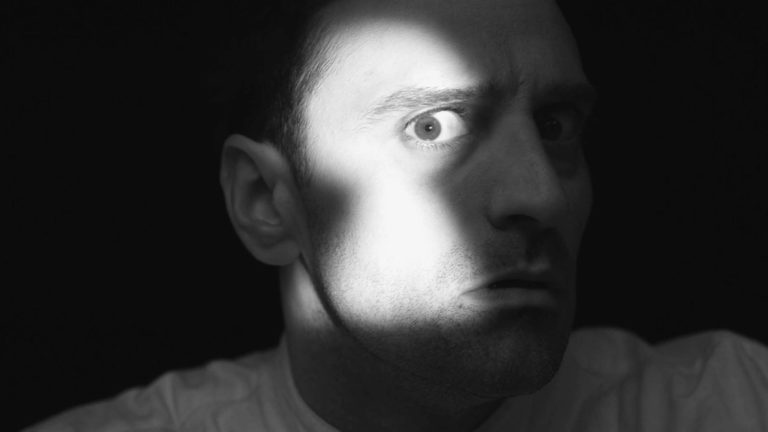
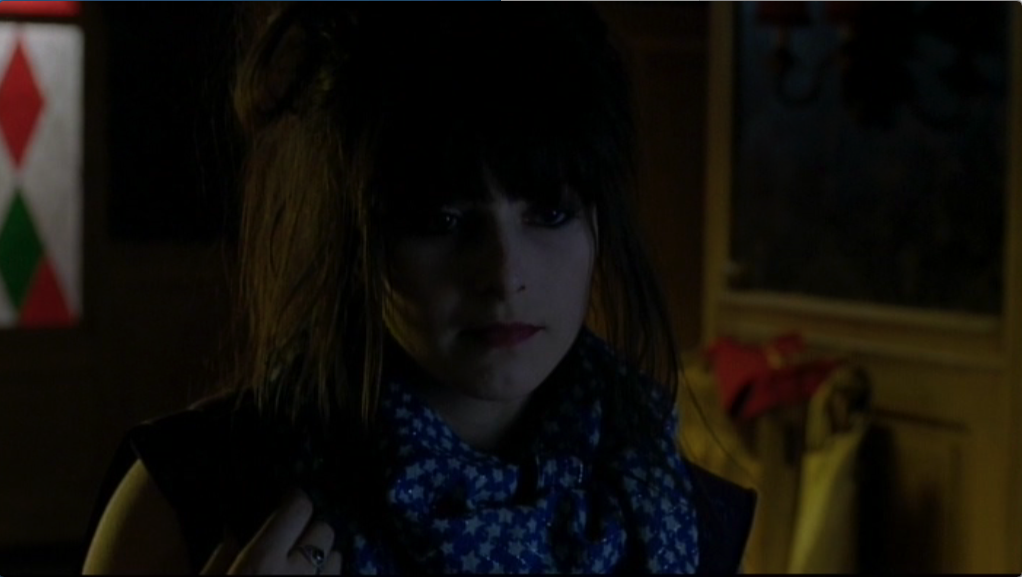
“Mister V” directed by Émilie Deleuze (Moviecam, 35mm Kodak, Zeiss GO)
Do you recall setting up a particularly original cinematography rig?

I’m not one for technical tricks, even though I keep up with developments and new technology. In fact, in that regard, the Union’s Slack forum helps me a great deal! However, I love live in-camera effects à la Méliès. Today, with digital tools capable of far more complex and realistic images, it may seem unimpressive, but the handcrafted quality of certain effects retains a great deal of charm in my eyes — those very imperfections in the image that make it more human.

On a Super 16 film, I had to shoot a night scene in open countryside. The offbeat world of this film needed to lift away from reality — it was a road movie set in the countryside. I came up with the idea, on a cliff-top set above a campfire, of doing a double pass. I shot at twilight, without the actors, exposed for the sky in underexposure, making sure to stop down enough to get a deep black in the lower part of the frame where the characters would later be. I thus obtained a horizon line with a deep blue sky and an equally deep black. We rewound the film and shot the scene at night with the actors around the fire, taking care not to move the frame between the two takes to avoid any double image on the cliff, even though the fire barely lit it. The result: the sky exists in this shot, it defines the set and gives it more scope. As an optical effect, it would have required an internegative which, in Super 16, would have caused a massive grain increase and a jarring texture change between shots in the edit. It would also have cost far more!

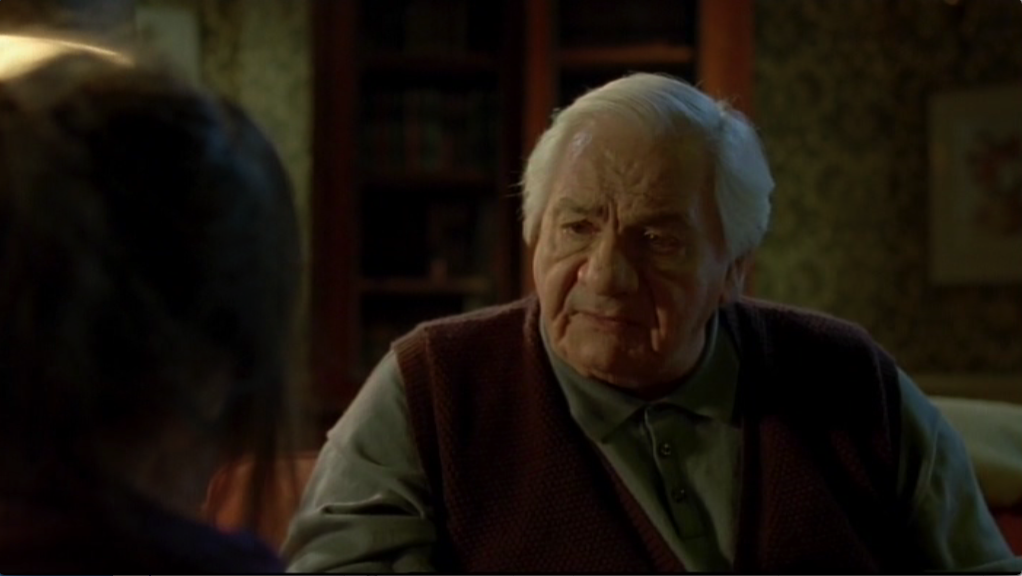
“À deux c’est plus facile” directed by Émilie Deleuze (Panavision Techniscope, Kodak, Primo spherical)

What do you love and what do you dislike about your profession?

I love arriving on a completely dark set and lighting it.
I love being forced, sometimes, to trust reality, and the happy surprises of natural light — because it’s often beyond anything you could imagine.
I love prepping with the director, when the director has a world different from my own and we try to communicate through references about the project’s visual identity. I find it exciting to discover, understand and find the means to render, through the prism of my own personality, a universe different from mine.
I love designing a lighting setup, placing the sources, shaping the light, then stepping back and seeing that it works — that the space has been transformed.
I don’t like the administrative side: quotes, negotiations, sometimes the feeling that the image is the last priority in a production’s budget. And I don’t like those moments when time runs out and you have to compromise on something you know could have been better.

What advice would you give to an aspiring cinematographer?

Watch films obsessively, but also look at paintings, photographs, the world around you. Train your eye constantly. Learn the craft — the technical foundations — because you can’t be free to create if you’re struggling with the tools. And above all, don’t rush: the path is long, but every step teaches you something. Trust your instincts, stay curious, and never lose the wonder that brought you to this profession in the first place.