Through a collection of Q&A portraits, the Union introduces the members of the association. Today, Kevin Avedissian.
When and how did you become interested in camera work?
At 18. I was intrigued by the object—a Nikon FE2 that belonged to my father. He no longer used it. I borrowed it and ended up keeping it. I cut my teeth by developing, scanning, and printing digitally.
I then bought a small bridge camera with which I photographed a village in Iran for a book published by my father—my great-grandfather’s memoirs. I took great pleasure in producing these images that, for the first time in my life, served a narrative.
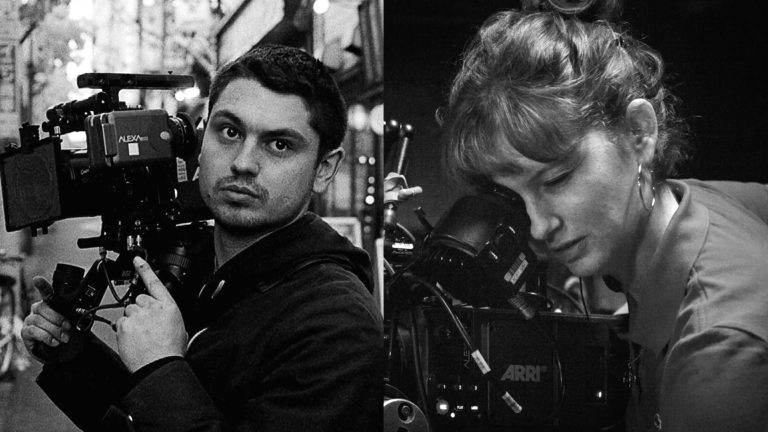
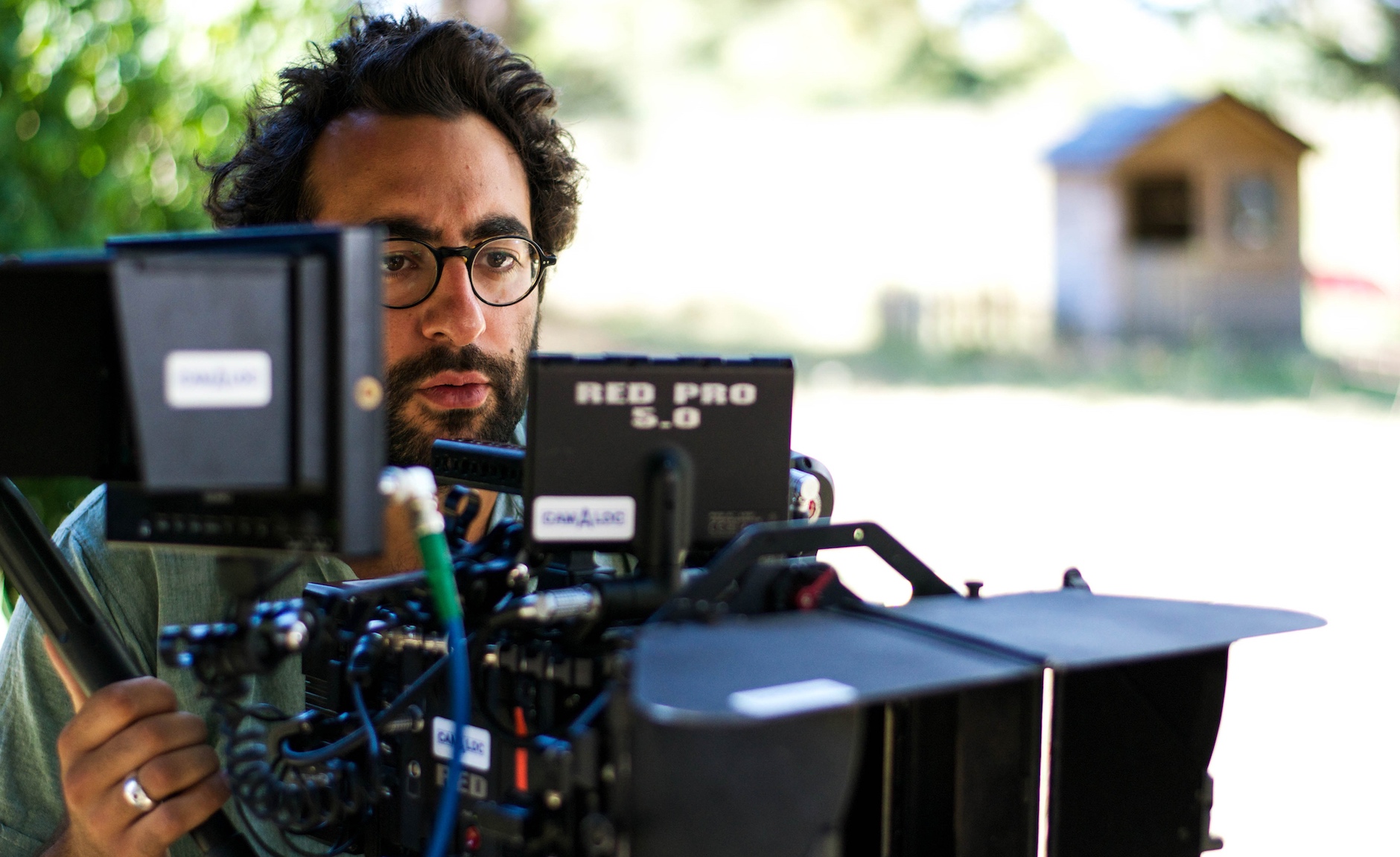 On the set of Les Vagues, directed by Jeanne Dantoine
Which films left a particular visual impression on you, to the point of sparking your specific interest in cinematography?
At 19, I was struck by Stanley Kubrick’s films. 2001: A Space Odyssey was a shock—its rhythm, its aesthetic, and its screenplay. I set out to learn about the often sophisticated filmmaking techniques behind Kubrick’s work: original framings, candlelight lighting, radical focal lengths, sweeping zooms, monumental set constructions, and so on. I was discovering the profession of cinematographer.
What was your initial training?
Since no one around me at the time had any connection to cinema, I wasn’t quite sure how to train. After some trial and error, I went to ESRA Paris, where I met wonderful professors and students. I still frequently work with some of them. I have very fond memories of it, even though it was a bit of a factory and very expensive! My class was the last to shoot on film. The image digitisation quality was mediocre, but the experience was invaluable.
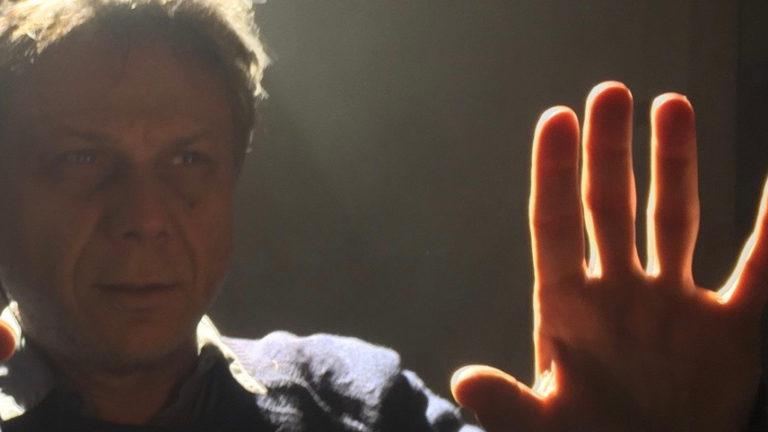
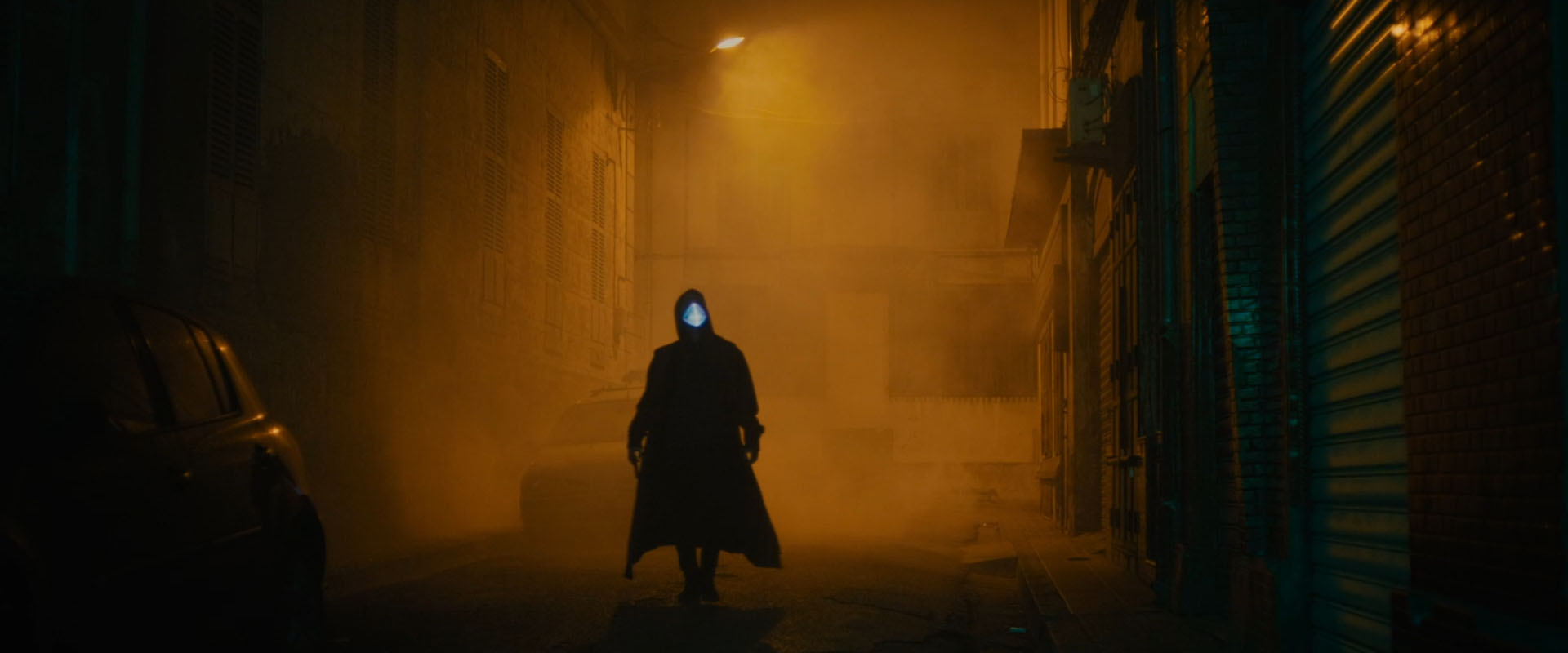 Infinix Mobile, TV commercial directed by Pascal Dash
When and in what context did you start working as a cinematographer?
Right after graduating from ESRA, I started shooting fashion and fiction films as a cinematographer, notably with director Emma d’Hoeraene, whom I met at school.
At the same time, I did internships at rental houses and worked as a camera assistant on two feature films and several commercials. Camera test benches are excellent meeting places for an aspiring camera assistant.
It’s hard to make a production understand that you’re an assistant one day and a DP the next, so I had to make a choice. It’s also hard for them to entrust the responsibility of tens—even hundreds—of thousands of euros to a 25-to-30-year-old, but some did.
Today I work mainly on commercials for prestigious brands such as Cartier, Louis Vuitton, Kérastase, Lacoste, and others.
At the same time, I’ve done and continue to do fiction—mainly short films—and music videos. This diversity is very enriching.
The best next project would be a feature-length fiction.
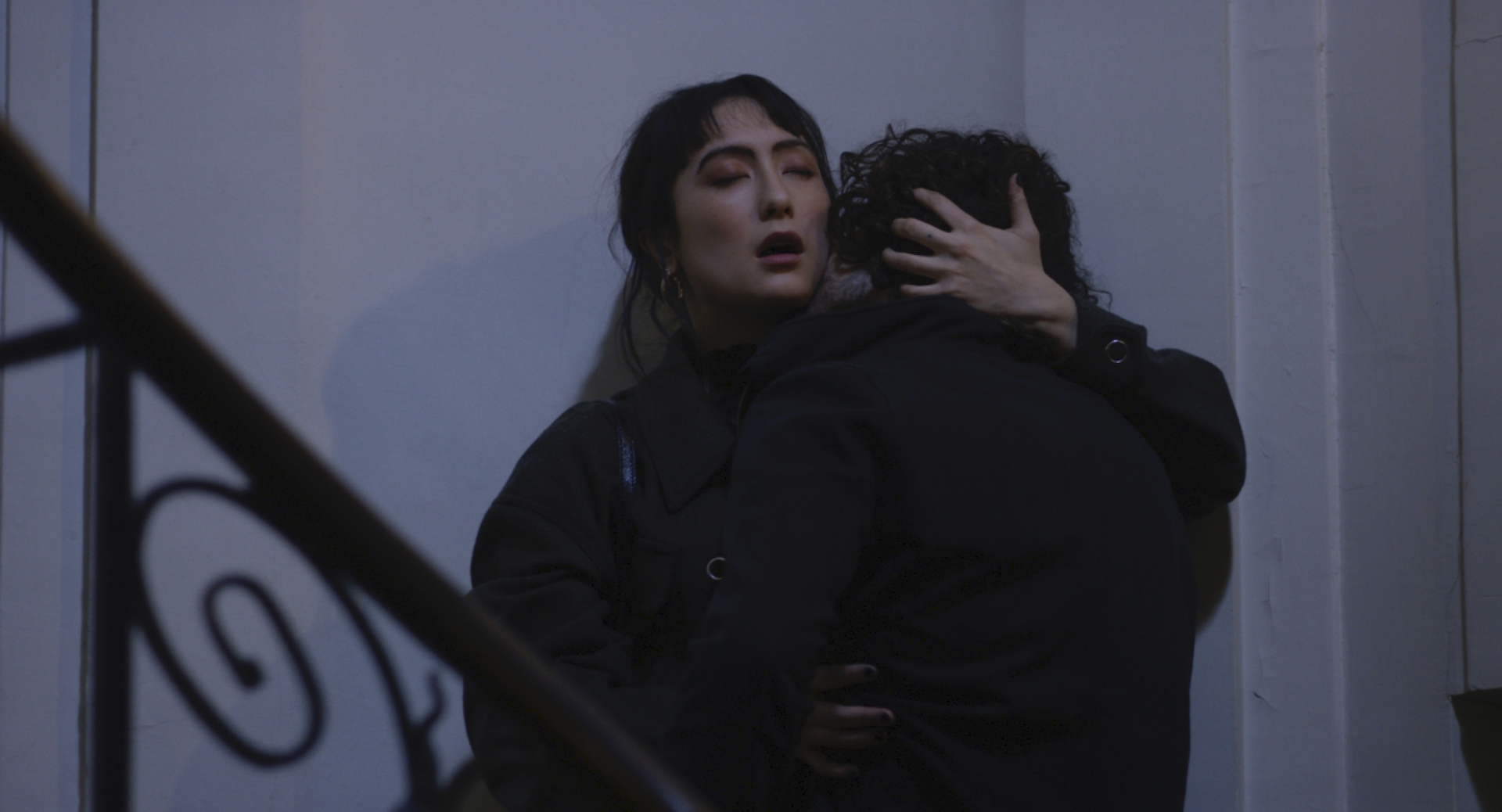 Pony Girl, directed by Enguerrand Jouvin
What are your artistic inspirations?
At 6, I used to watch The Big Blue on repeat. I saw it dozens of times. I’d put my socks on the tips of my toes and swim across the ocean of my living-room carpet. I still love fiction films just as much—they are a vast source of inspiration.
I look at a lot of photography—notably the street work of Garry Winogrand, Joel Meyerowitz, Harry Gruyaert, and others. I also love the more meticulous images of artists like Guy Bourdin, Miles Aldridge, Irving Penn, and Gregory Crewdson. I frequently show photographs and film clips to the directors I work with.
I loved the parallel that Eric Gautier drew, on a France Culture programme, between cinematography and jazz improvisation. It encouraged me to trust myself more and leave room for intuition.
Do you remember any regrettable blunders that turned out to be instructive?
Of course—quite a few. They were all instructive. I remember my 35mm Leica Summicron-R tumbling off the roof of a truck we’d climbed onto for a high-angle shot (more fright than harm), an un-backed-up hard drive that crashed, a badly closed case that spilled its contents. Even when I’m not the one who made the mistake, I feel responsible within the team. We can all blunder. We tell each other about them, they leave a mark, and we don’t repeat them. I like growing together with the people I work with.
Have you experienced moments of doubt about your work or your profession?
The first two years were tough. I had little paid work and long periods of inactivity. At the start, I was invoicing as a freelancer. It was only when I got intermittent status that I could finally breathe and stop worrying about a few weeks without a contract.
The first times are great but quite stressful—the first green-screen lighting, car scene, night shoot, day-for-night, packshot, and so on. It’s hard to admit you’ve never done it because everyone wonders if you’re capable. I often pretended I already knew how… Today, people trust me more.
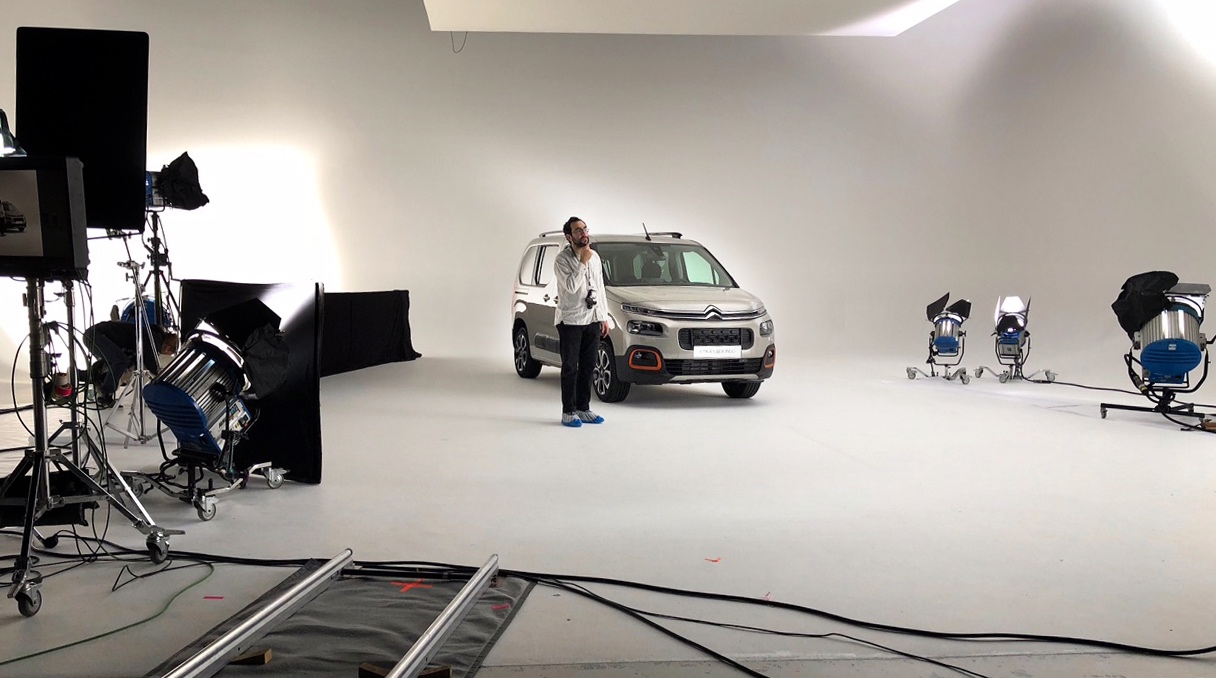 On the set of a Citroën commercial directed by Guillaume Palmantier
Do you remember setting up a particularly original camera rig?
A few fairly spectacular things come to mind—funny camera mounts and eccentric DIY solutions—but they’re not that original. The experience that certainly left the biggest mark on me recently was shooting dialogue sequences for a series pilot directed by Enguerrand Jouvin. Multi-minute sequences filmed without conventional shot/reverse-shot, sometimes in a single take with fast pans between the actresses, who were sometimes numerous. I was operating and had to be particularly attentive to the dialogue. I was sceptical at first but ended up trusting Enguerrand’s choices. I think the result is superb.
Have you ever wanted to direct?
At the very beginning, yes, when I didn’t know the profession of cinematographer existed. Since then, no. I love the encounters and the dialogues I can have with directors. I find inspiration in the role that is mine and don’t feel that would be the case if I had to direct a film. But never say never…
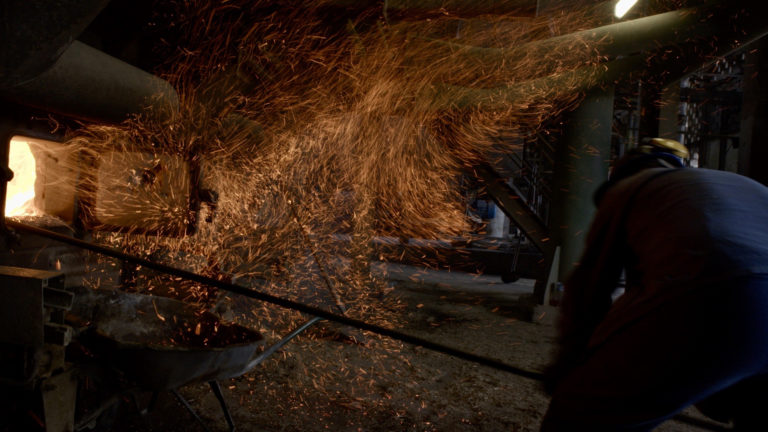
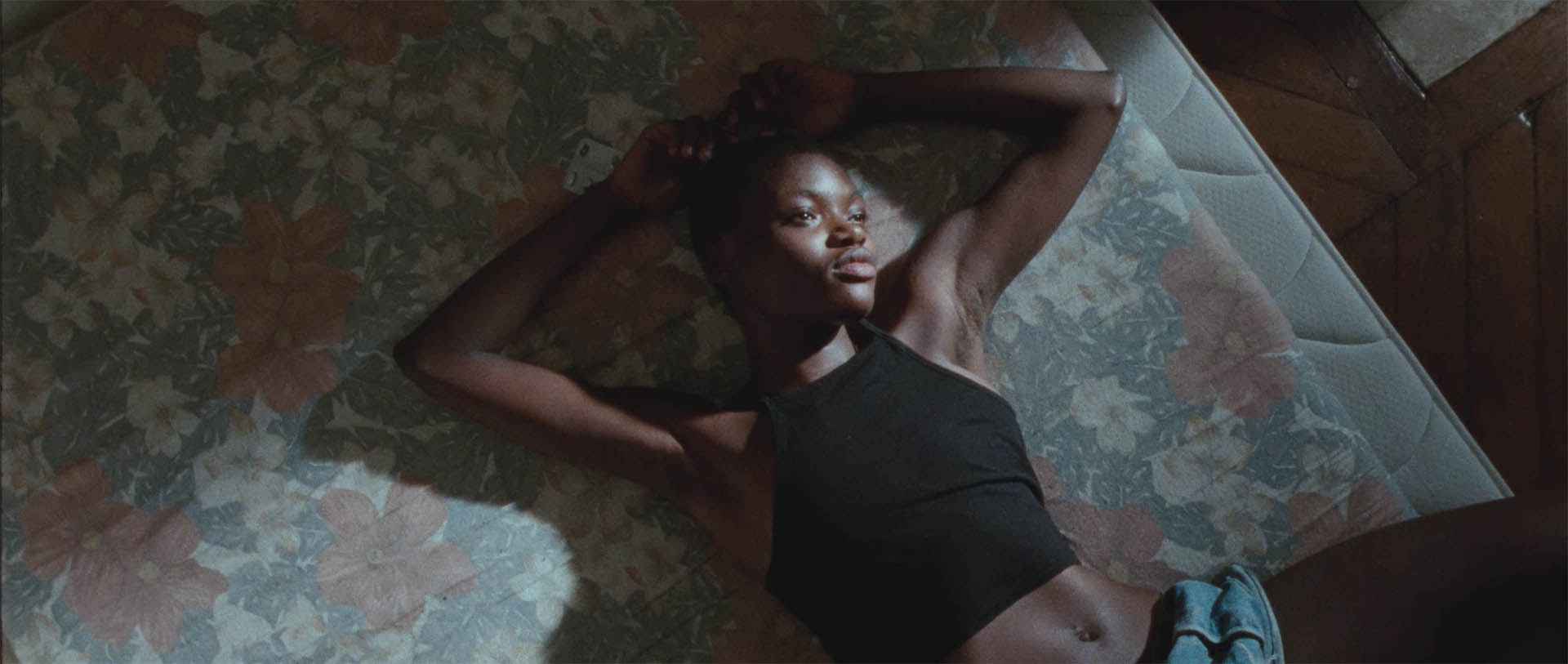 Les Païens, directed by Tristan Feres
What do you love and what don’t you love about your job?
I love this profession because it combines art and technique, like architecture. This encounter is fertile—it creates objects with personality. I see cinematography as a craft that cultivates singularity. Like others, I generally prefer a lens or a light that has flaws, because I can see them as qualities.
Finding what seems the most appropriate way to bring a film to the screen means setting up an equation with multiple solutions. With the same script, two crews will never make the same film. That’s precious!
And teamwork is another thing I love about this job. The encounters and the moments of grace: at the end of a take, at the end of a shoot, when you’ve given everything, when gazes meet, happy to have done the best we could. It’s not always about putting something beautiful in front of the camera, but rather something appropriate.
Whenever possible, you must fight against “making do” and give everything to get the right set, casting, costumes, make-up, and hairstyling, because these elements are essential for the film and its image. When we “make do,” we can shape reality, but our magic powers have their limits. We can find tricks—shooting from a particular angle, not lighting a certain area—but it’s best to avoid shooting yourself in the foot. That’s why I think preparation is a truly crucial stage.
Kevin Avedissian on the United Cinematographers website.
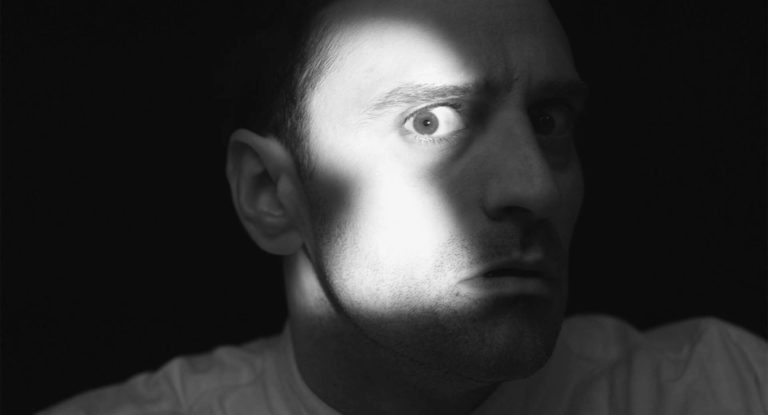
> Cover image: Hic Sunt Dracones, directed by Enguerrand Jouvin