Through a collection of Q&A portraits, the Union introduces its members. Today, Frank Barbian.
When and how did you become interested in cinematography?
As far back as I can remember, I’ve been immersed in images. My photographer father gave me my first camera at the age of 5, I grew up in the photo lab, shot my first Super-8 films at 13-14… “Making images” has always been a kind of second nature for me. When I think about it, I find that it’s not so much the technical achievement of the image that interests me, but rather finding the right tone to accompany a narrative and its characters that fascinates me most. And from that standpoint, in my career there was first this desire for the epic use of images.
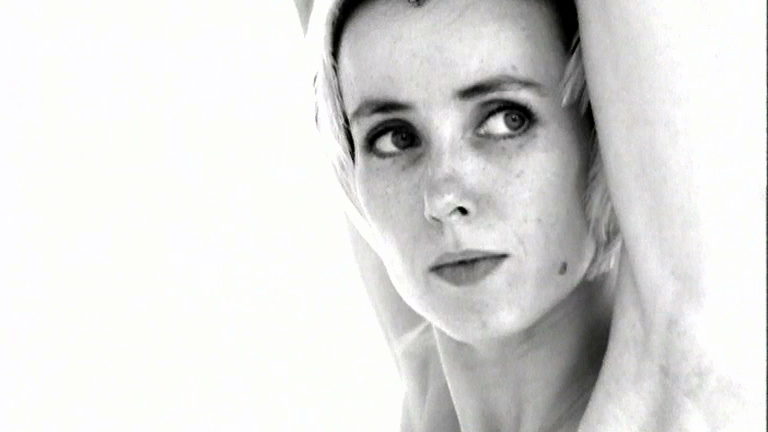
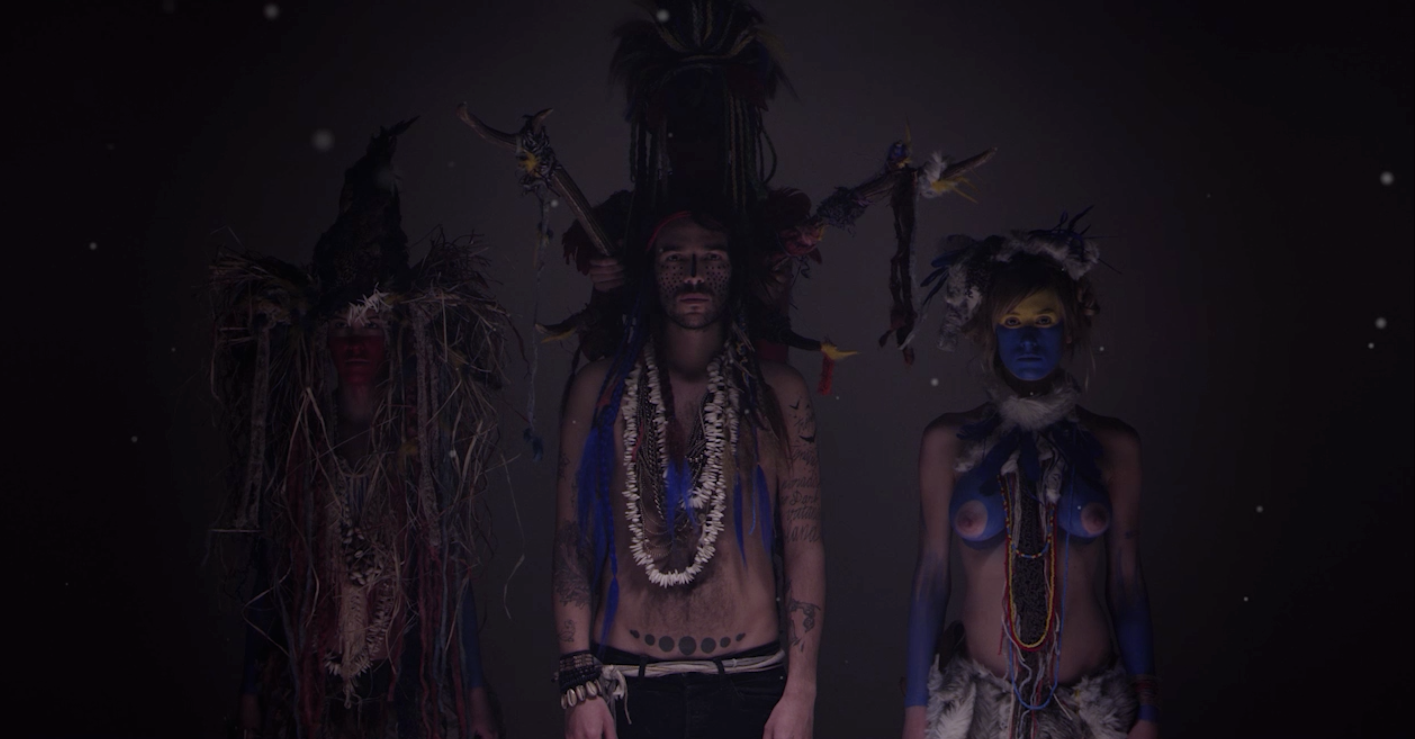 “Joncha – La Fine” music video directed by Guillaume Fizet – production Karus
Which films particularly struck you visually, to the point of sparking a specific interest in the work of the image?
It’s certainly a multitude of films, a multitude of influences that shaped my imagination like a “socialisation.” The expression that such and such a film “was a revelation” has always left me perplexed, because it gives too much importance to a single film at a specific moment, and therefore too ephemerally… We are necessarily exposed to the influence of the films we grow up with, and more particularly to the influence of films we begin to take interest in as cinematographic works rather than as entertainment. For me, it was the films of Tarkovsky, Godard, Wenders, Sautet, and especially Truffaut. It was through these films that I began to take interest in the work of directors of photography, that I began to discover the naturalistic explorations of Nestor Almendros, to marvel at the cinematic impressionism of Conrad Hall or the sensitivity of Eduardo Serra; and it is the masterful softness of Philippe Rousselot’s lighting that I am particularly fond of.
What was your initial training?
It took me years to understand that ultimately the training most deeply rooted in me was my father’s. It was in the darkroom, under the enlarger, moving the mask, deciding what would ultimately appear on the print and what would not, that I learned the sense of framing since childhood. Decades later, on a shoot, camera on my shoulder in the midst of the actors’ choreography, it’s there, that innate sense of framing, like a reflex. But also in documentary: cutting the redundant, the superfluous in order to direct attention to what’s essential was an early and invaluable lesson that today has become an intuition.
After shooting 4 fiction films in Super-8 during my adolescence, I began studying cinema at the Hochschule für Gestaltung in Offenbach, Germany. It’s a school that sees itself as the successor to the Bauhaus: the common core curriculum included drawing, painting, sculpture, and photography, and from the second year onwards, cinema. We had the privilege of having our own 16mm black-and-white laboratory where we learned a great deal about developing, grading, and printing ourselves. There were no lab technicians; everything was self-managed by the students, so we had to handle equipment maintenance. When you’ve worked nights in warehouses to pay for film stock and shooting, and the machine stops during negative development, you never forget what the developer bath does to your grain and your fog.
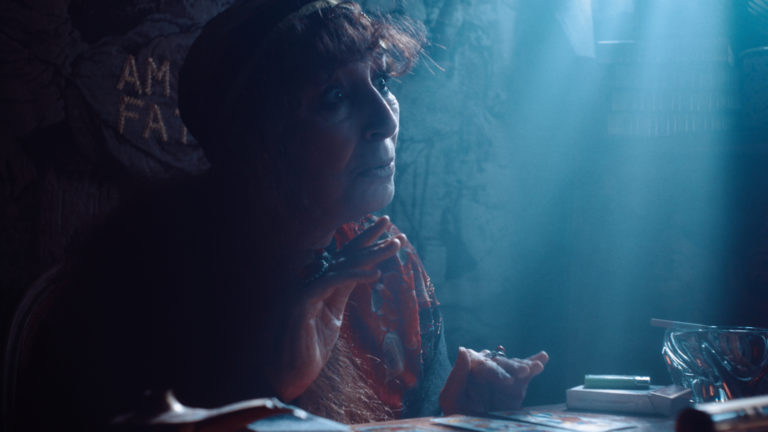
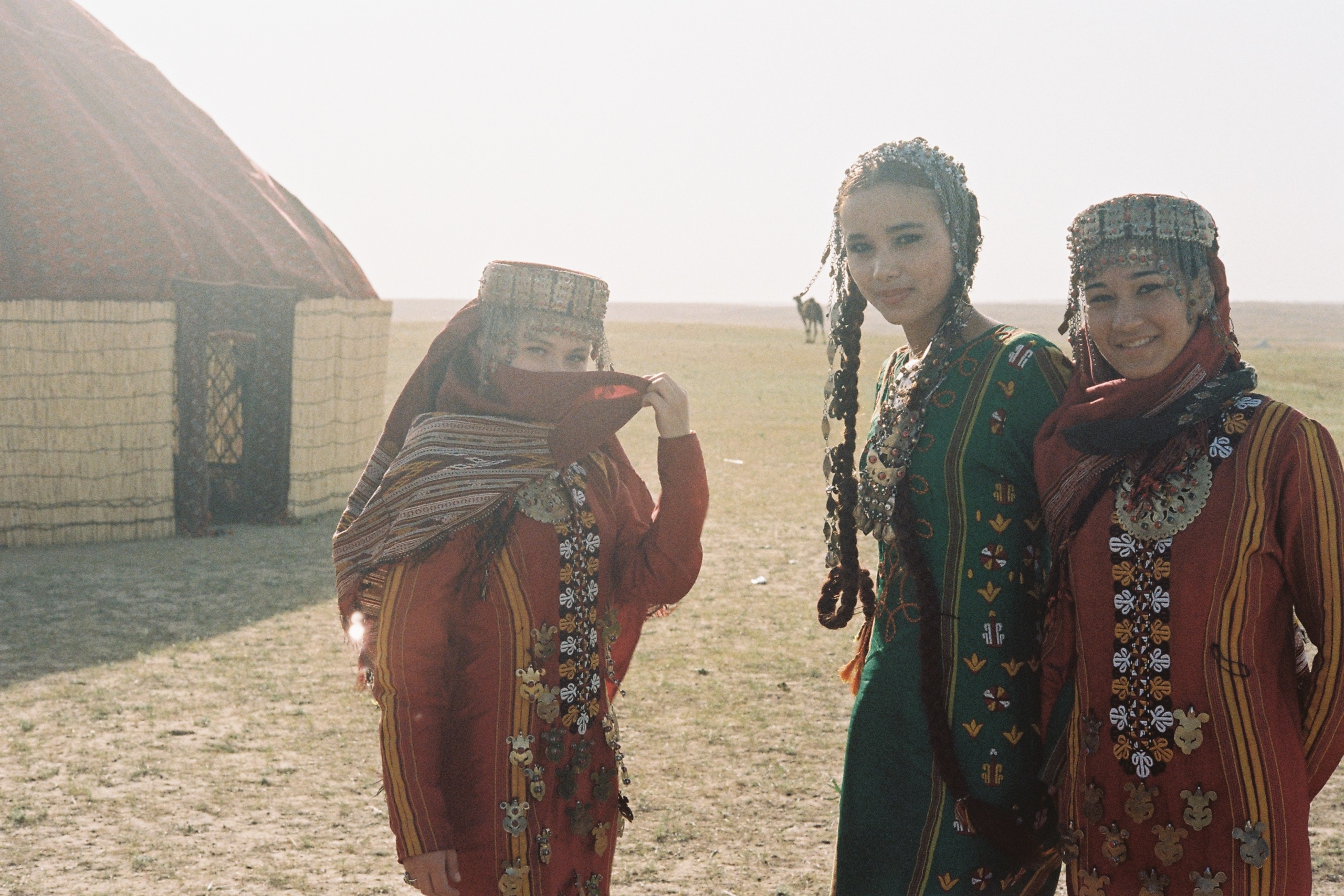 “Turkmenistan 3D” directed by Rafael Ferré Sentis – production Tulipes & Cie
When and in what context did you start working as a cinematographer?
In the early years, it was a good fifty short films. But ultimately that only counts towards our personal experience as a cinematographer. We get the impression that for professional circles, the only thing that matters is feature-length work, and in that area, for me, it was when I came to Paris that things finally started to take off — in Germany. As they say, “no one is a prophet in their own land”! I had screened my graduation film at a small festival and talked with a guy who turned out to be a film producer whose films I already knew. The following year, he showed me a script, and that’s how I shot my first feature, a Franco-German co-production with Fatih Akin.
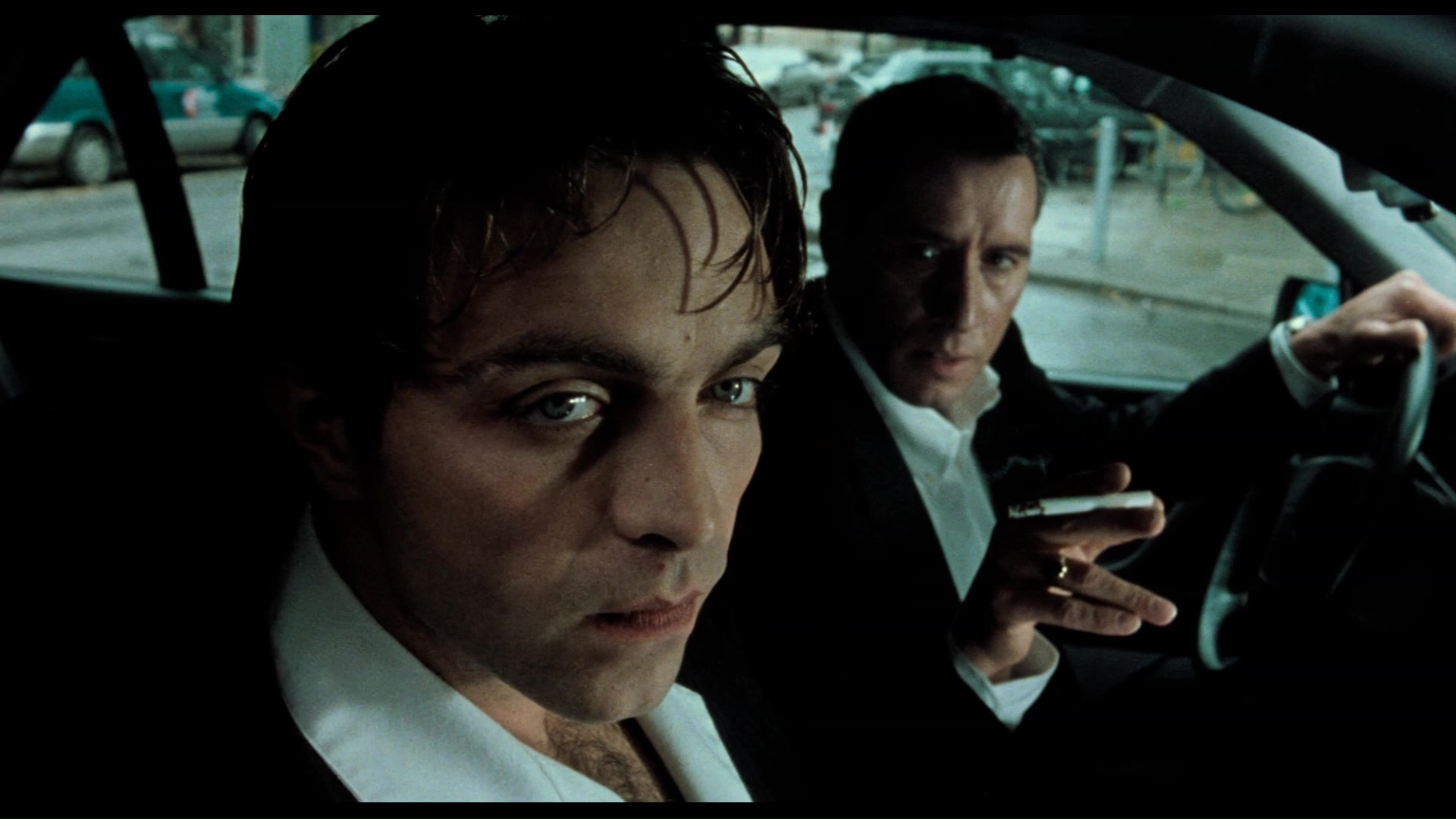 Kurz und Schmerzlos (Short Sharp Shock) by Fatih Akin – Wüste Film
What types of films have you worked on and what would be the ideal next project?
In the beginning, it was almost exclusively fiction, first during my adolescence then throughout my studies, and subsequently half in France, half in Germany — around fifty shorts in all, then features and TV movies. A lot of debut films, at first often self-produced, then produced by well-established production companies like Lazennec or Wüste-Film. At the same time, to support my family, I started working on reportages and then on documentary films over the years. Which means that currently I work more in documentary in France but more in fiction in Germany. My dream project is always the next one, regardless of the genre — the main thing is to meet a director whose vision excites me and whom I can support with my images.
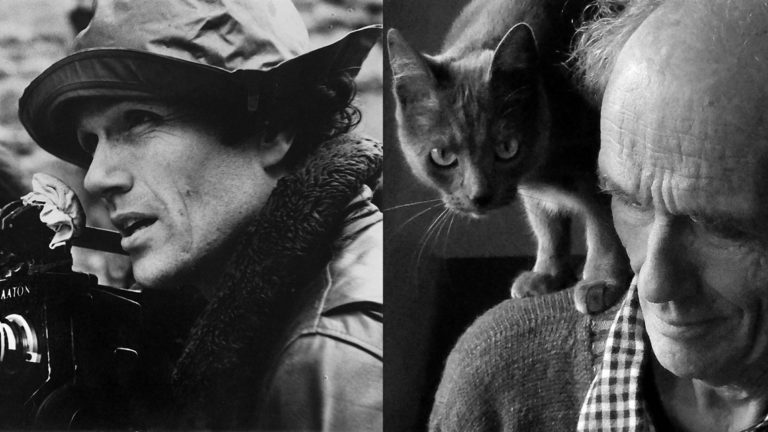
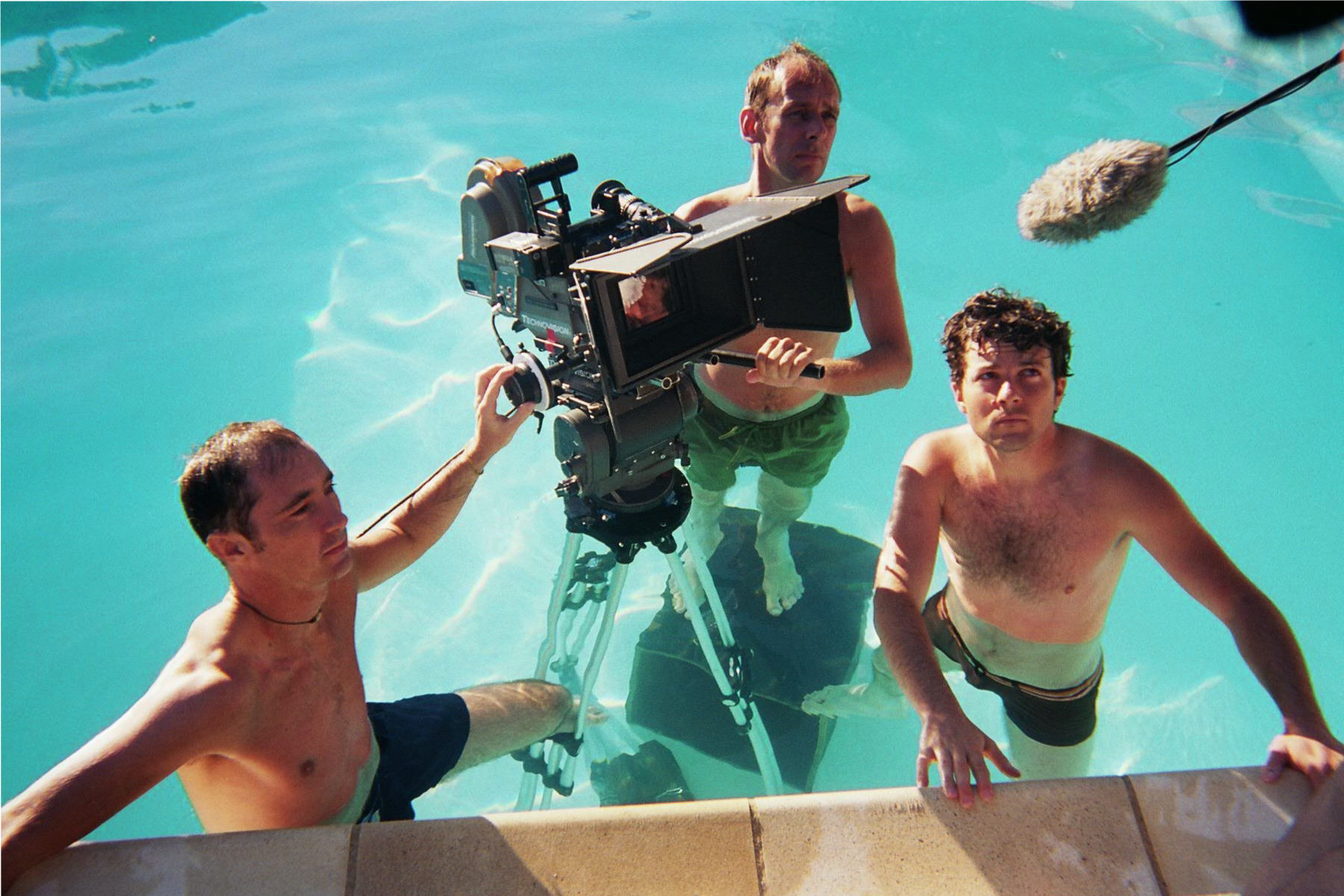 On the set of “Do Not Disturb” directed by Winfried Bonengel
What are your artistic sources of inspiration?
I naturally draw from all kinds of art forms — painting, sculpture, architecture, installation, photography, dance; but from the very beginning, I’ve considered that the essence of our work with the image is light: finding the right situation, the right atmosphere that reveals the meaning of a scene. Then working on the direction, the character, the contrast, and the colour according to the staging is, to me, far more important than tinkering with LUTs or curves. There are different ways to seek inspiration for lighting: studying painting, analysing the lighting in other films, photography… But the most astonishing resource will always be natural light in all its countless expressions — it’s an inexhaustible source if you observe it carefully. It speaks to us of much more than mere brightness: depending on its angle of incidence, it speaks to us of passing time, of the ephemeral and of fragility. Or on the contrary, it conveys its immutable force, sometimes its brutality when it falls vertically with very strong contrasts. Then there’s diffused light, without direction, that deprives us of all bearings and can be disorienting. I try to probe what memories certain lighting situations evoke, because these memories are often shared with the audience, and triggering them is a very powerful way to involve the viewer emotionally in the film.
Do you recall any regrettable blunders that turned out to be instructive?
On my first feature, we needed a quick cutaway of a metro train pulling into a station — a lateral shot of the windows flashing past. Between two locations, we quickly go down into a station; the train arrives, I set my tripod, lock my aperture, frame, and roll. A quick little cutaway. Except that back from the lab, you see the windows going by and right in the middle, clearly visible, the reflection of the camera and my entire crew. I looked quite ridiculous and had to reshoot it. That taught me there’s no such thing as a small shot and that you must take the time to think about your setup, take the time to really look at what you’re filming, no matter the conditions you’re shooting under.
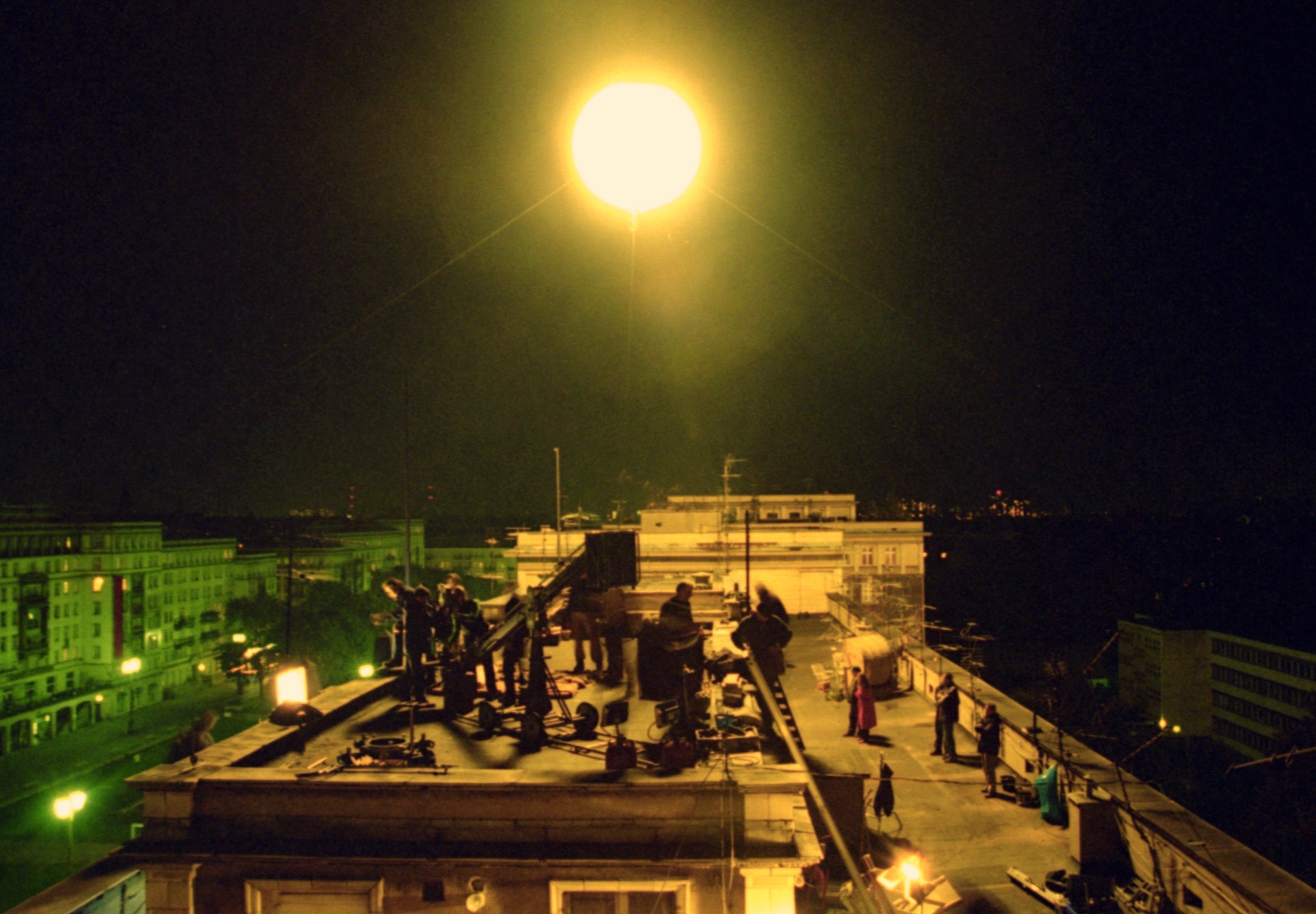 Les Enfants de la Colère (Children of Anger) feature film directed by Winfried Bonengel – production Next Film
Have you ever experienced moments of doubt about your work or your professional milieu?
Even in the most difficult moments, and there are plenty, I have never doubted my vocation. At no point have I considered doing something else, even though there’s always some fool in our circle, frustrated with their own career, telling us that maybe it’s time to stop insisting. Creating the images of a film will be my passion until the end of my life.
On the side, I have often taught cinematography at various film schools, but I consider this activity almost as part of the profession.
That said, it must be acknowledged that our professional milieu is deeply troubled when it comes to abuses of power, nepotism, and consequently the way crews are all too often assembled. Beyond the fact that this represents a certain violence in the labour market and in human relations, it above all makes films bad — and it’s starting to show.
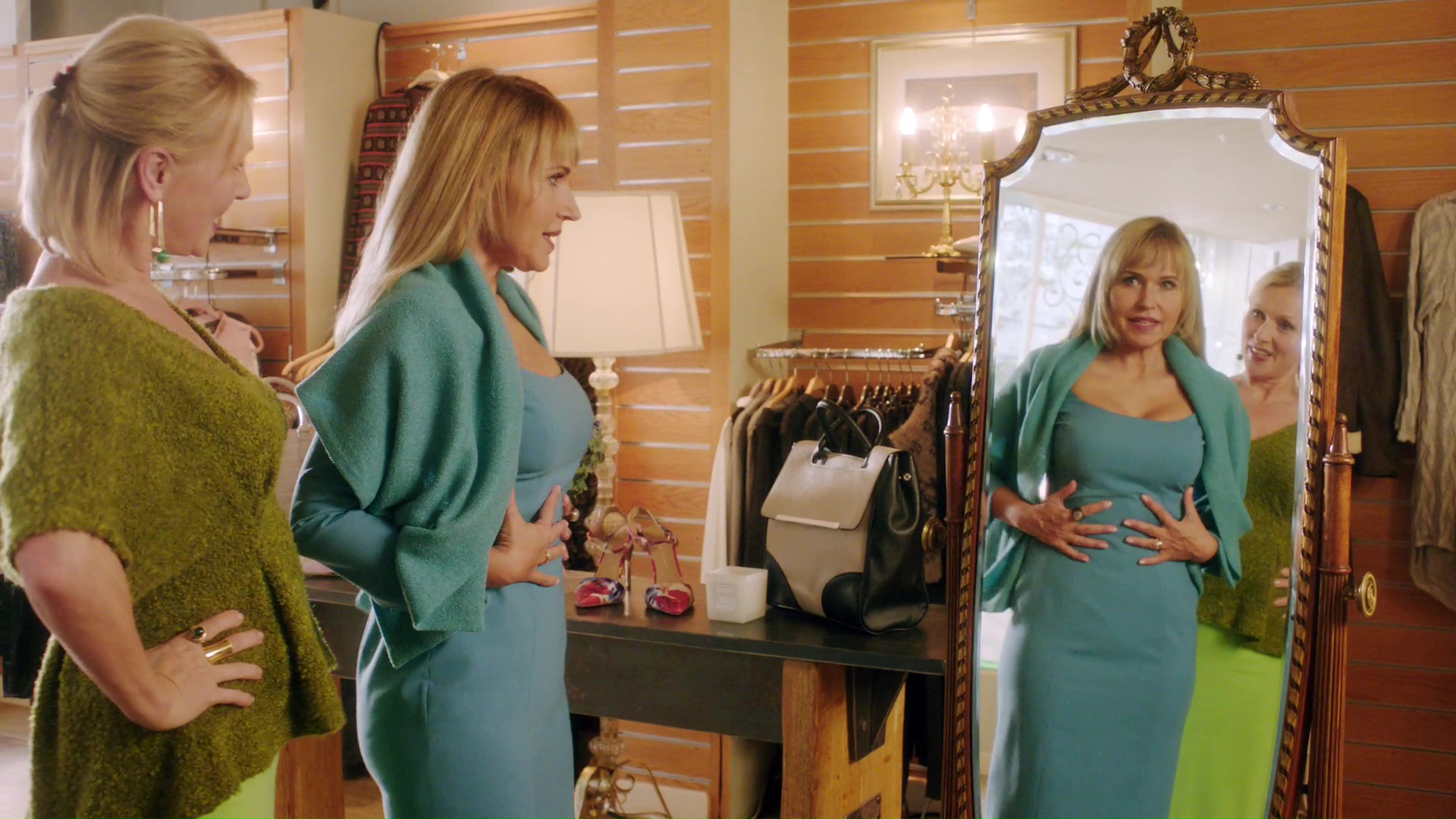 “Licence to Cheat” TV movie directed by Uli Möller – production FFP New Media / ZDF
Do you recall a particularly original camera setup?
Perhaps the most original setup I’ve ever had to design was building a set extension studio for the game company Crytek. They had developed a virtual production software (FilmEngine) that they were presenting at the FMX conference. This setup comprised a large green-screen studio, a motion capture installation, and a camera tracking system (nCam), all linked to their software. Together with American VFX supervisor Rob Legato, we explored the possibilities of virtual shooting by having actors move through a virtual set: a space station orbiting Saturn. While an actress performed in front of the green screen, a robot played another actor in motion capture. As I followed the action with a handheld camera, they boarded the virtual spacecraft, then the director operated a model under the motion capture rig (puppeteering) and in my viewfinder the ship took off with the actress and the robot on board (even though in reality everyone was still standing there in front of my green screen). All of it live and in real time. Fascinating to see the physical reality of the actors and the camera merge with the virtual world.
Have you ever wanted to move into directing?
No, and I never will. It’s an extremely different job, complementary to ours. I had to direct during my studies, and it inspired enormous respect in me, but I’m too attached to this aspect of our work — translating into images what belongs to the director’s imagination, showing the invisible, and ultimately telling what is written nowhere.
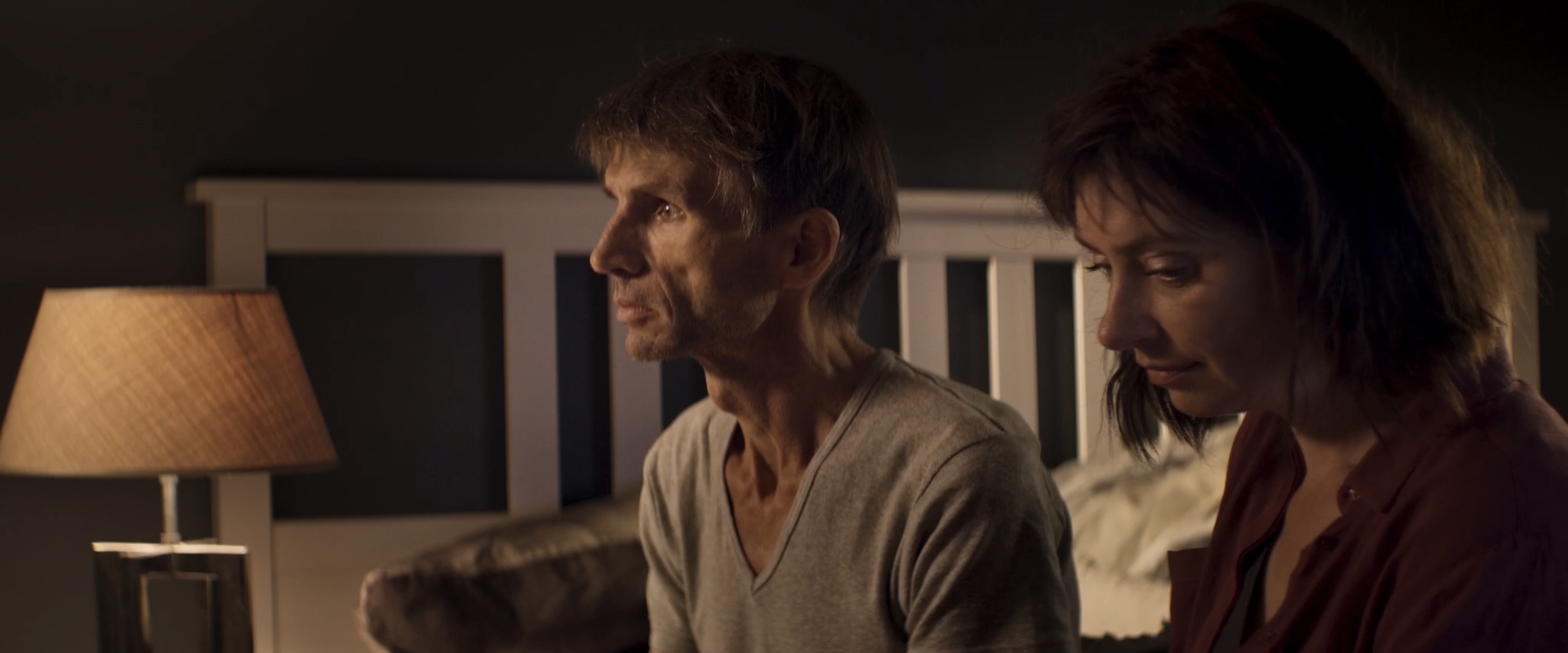 Jamil directed by Michele Gentile – production Little Big Talents
What do you love and what do you dislike about your profession?
I’ll start with what I don’t like, to end on the passion.
What infuriates me in our industry are the clichés of every kind: those people who are always so sure they know how things should work, how you should or shouldn’t do things — the tough guys on set who know better, who are surprised by the female electrician, or by the DP who doesn’t ride a motorcycle, and those who are convinced that an actor’s son is inevitably a better director than an unknown who came from nowhere. All these certainties kill people, but above all they kill cinema.
But none of this manages to disrupt a passion that is deeply rooted and that unfolds each time in the same way: at the beginning there are only words, a few indications too, such as INT/day, EXT/night, etc. With each reading of the screenplay come mental images, intuitions about the genesis of the film, its emergence/revelation into the visible world. It is we, the cinematographers, who are at work in this emergence. Philippe Rousselot said: “If the image doesn’t make sense, it expands the domain in which meaning manifests itself; it gives it its force and its intensity.” Seeing this meaning come to life through my images is the source of a passion that never fades.
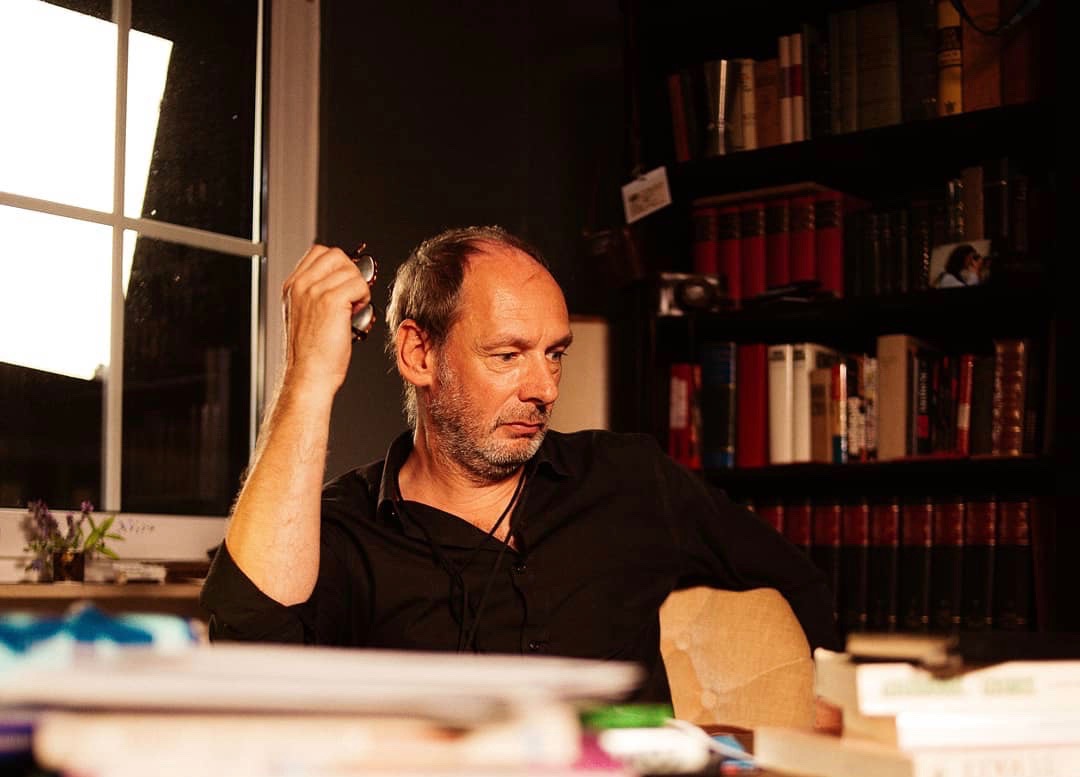 On the set of Jamil – production Little Big Talents
What advice would you give to an aspiring cinematographer?
Stay away from social media, get out there and shoot, shoot, shoot!!!
Frank Barbian on the United Cinematographers website
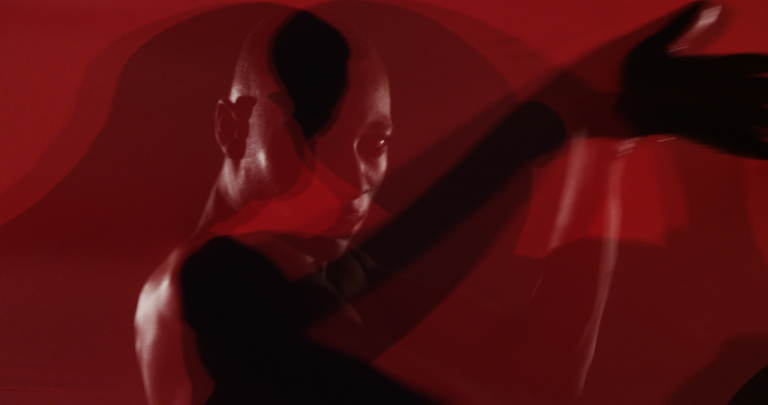
> Cover image: Lexi – G.O.T.F. music video directed by Martin Geisler – production Karus