Through a collection of Q&A portraits, the Union introduces the members of the association. Today, Yann Gadaud.
When and how did you become interested in cinematography?
When I was a kid, my grandfather, my sister, my cousins and I used to make little films in the summer. It was great fun during the holidays. Then I started projecting the Super 8 reels my grandfather had shot when he was young. The flicker of the image, the unsteady gate, the grain. That was when I discovered the magical dimension of cinema.
Which films left a particularly strong visual impression on you, to the point of sparking your specific interest in the craft of cinematography?
I think the first time I was truly blown away was watching Heaven’s Gate by Michael Cimino. Obviously. Everything is so grandiose in that film. There is a kind of “effortless” style in Vilmos Zsigmond’s cinematography that greatly appealed to the student I was. Lots of diffusion, flares, smoke — it felt like you could almost touch the light.
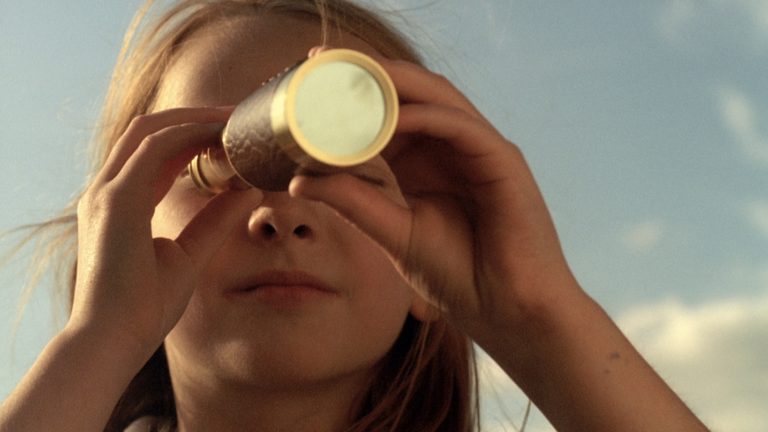
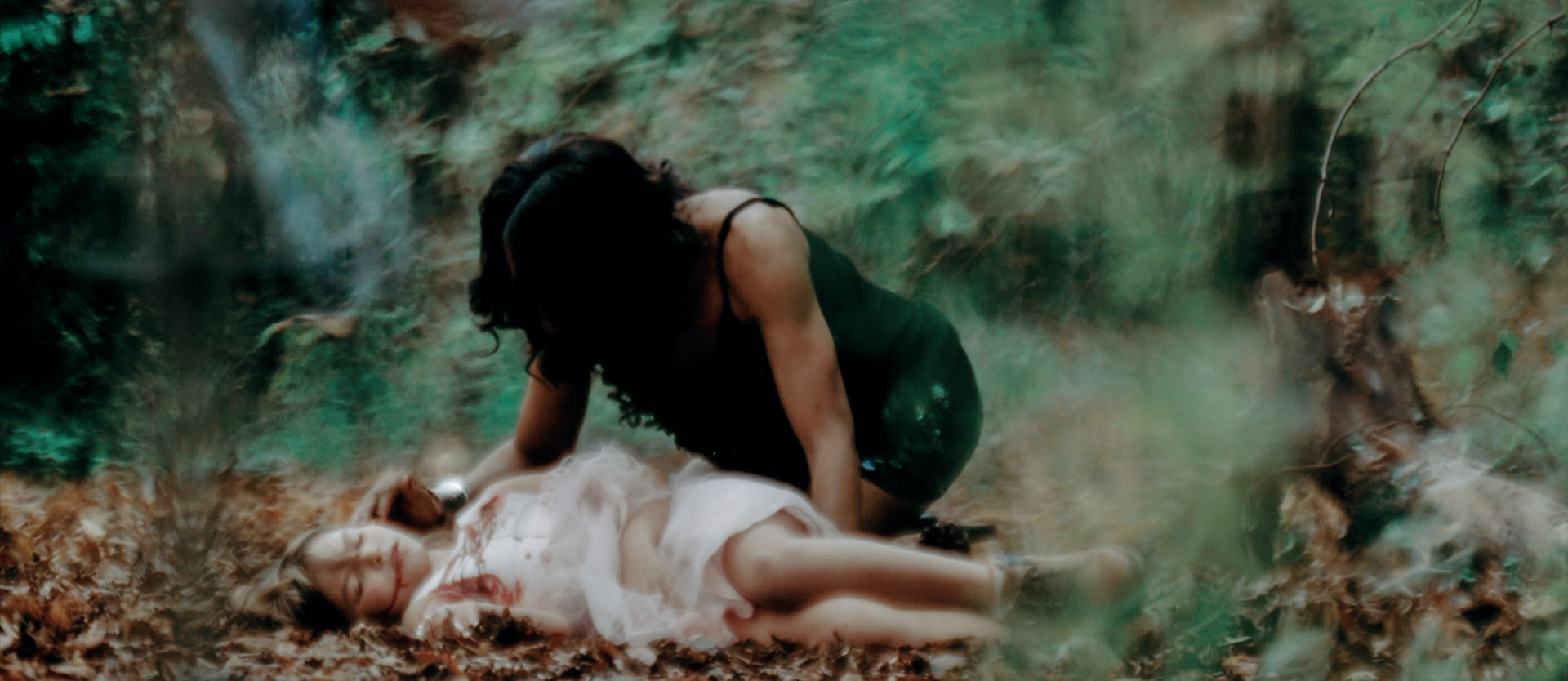 Where Horses Go To Die, a feature film by Antony Hickling
What was your initial training?
I would gladly rephrase “initial training” as “initial path.” I did a vocational degree in Cinematography, then began my “real” training as a camera assistant on films and television movies. At the same time, I also worked as an electrician and a grip on television sets, because my curiosity has always pushed me not to box myself in. So I worked in different positions and on different types of shoots, and I also managed to find department heads who were comfortable with that.
When and in what context did you start working as a cinematographer?
I started on short projects, and then one year I landed my first feature film, followed by a documentary series as DP. For the feature “Kickback,” I was up against big names from the AFC, but the director, Franck Phelizon, wanted to break new ground by choosing a young DP. There was a big cast and a modest budget, and since I was young and a bit reckless, I said yes straight away without thinking twice. There were so many adventures on that shoot! I learned a huge amount about my craft and about this baroque world of cinema.
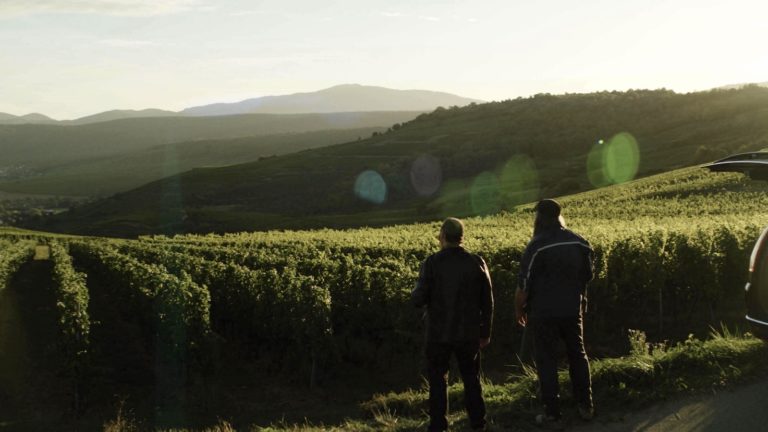
For the documentary series, it was another wonderful encounter. Alexis de Favitski called me to help him shoot a scientific documentary series for Arte, on the theme of plate tectonics (La Valse des Continents). My fiction background appealed to him because he wanted crane shots, Steadicam, drone, cable-cam, Ronin, and time-lapses of the stars. There were just two of us, and we had to take about twenty flights. I had the pleasure of discovering that with well-chosen equipment and some ingenuity, you could pull off a “Hollywood” shot for every sequence. We were shooting in breathtaking landscapes. Those films gave me the taste for going far from home to film people and stories.
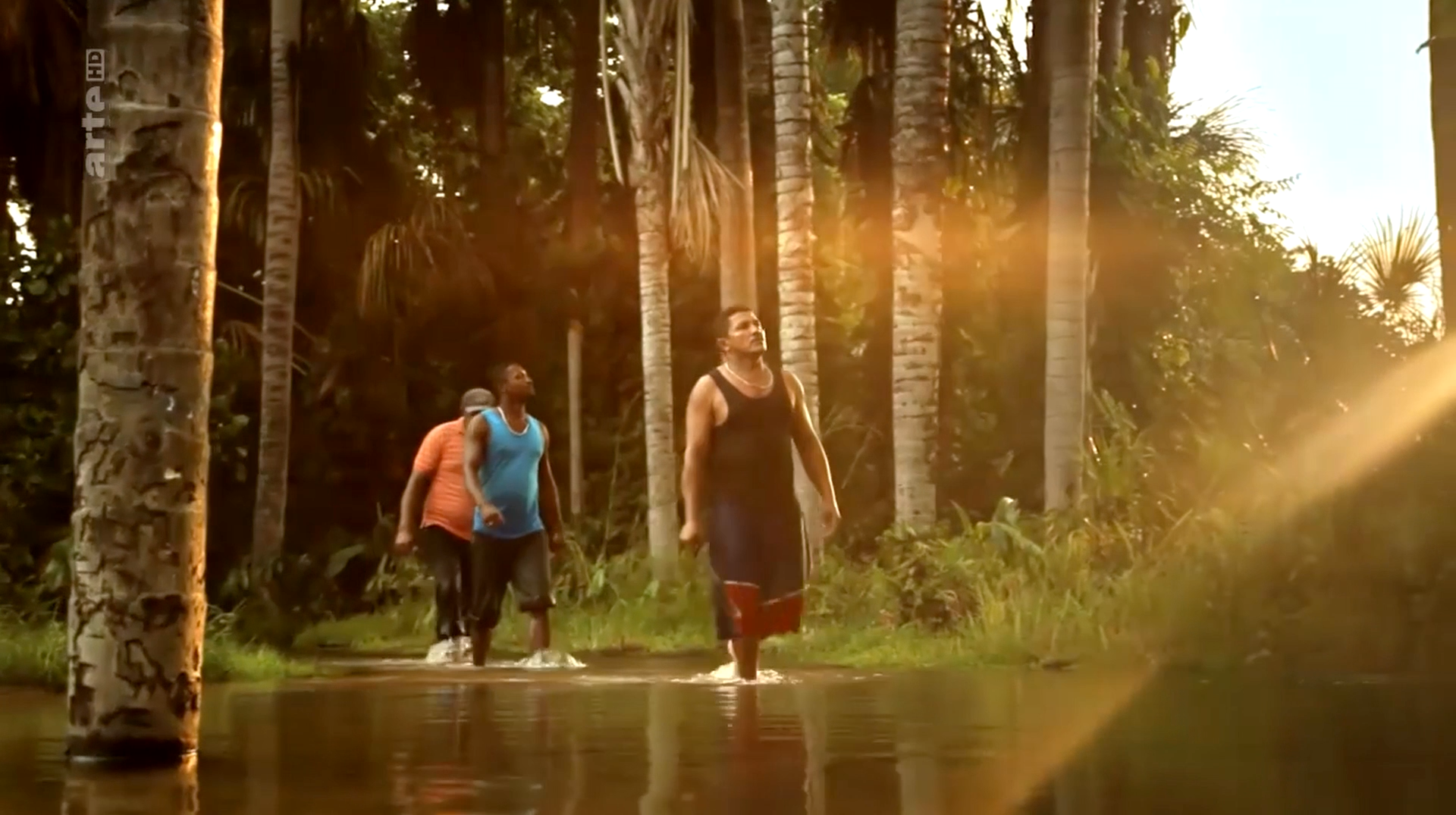 La Fève Tonka du Vénézuela by Alexis de Favitski — production: Z.E.D
What types of films have you worked on, and what would be the ideal next project?
I’ve managed to work on many very different projects: fiction, documentaries, commercials, and music video captures. I’m currently finishing two fiction projects: Down in Paris, my second feature with Antony Hickling, produced by H&A Films, and “Kurt,” a series pilot where I stepped in for Christophe Larue (whom I thank), who was committed to another film. This pilot is directed by Gérard Guerrieri and produced by Injam.
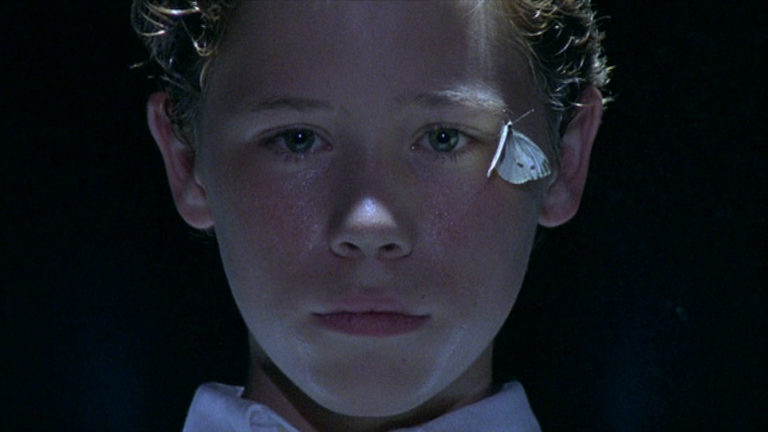
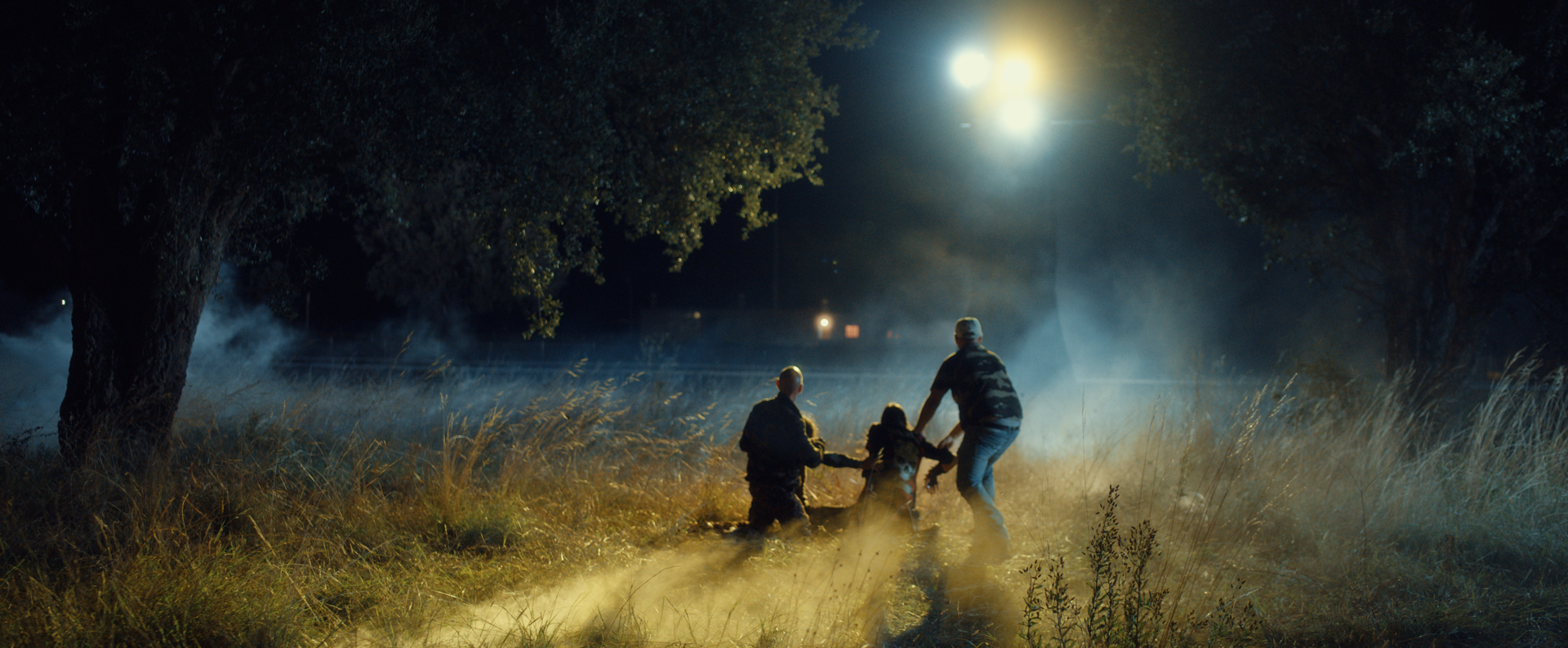 A Kurt Story by Gérard Guerrieri — production: Injam
In retrospect, I realise that I have a particular inclination for working with fiction directors who have very distinctive, baroque, odd, and atypical universes. I like working with directors who pay particular attention to the craft of cinematography and understand its challenges. They are more inclined to make bold and remarkable aesthetic choices.
As for my ideal next project, I would love to return to the landscapes I discovered during La Valse des Continents to shoot an adventure film. Wide open spaces, the jungle, the desert. These settings are deeply inspiring.
What are your artistic sources of inspiration?
Cinema, of course, Impressionist painting, but also short films. I spend a lot of time preparing films. I follow many artists, photographers, DPs, and set designers on Instagram. I draw inspiration from all the images gathered during my research to put together a visual intention book for each new project, which often helps me find the right idea for a sequence.
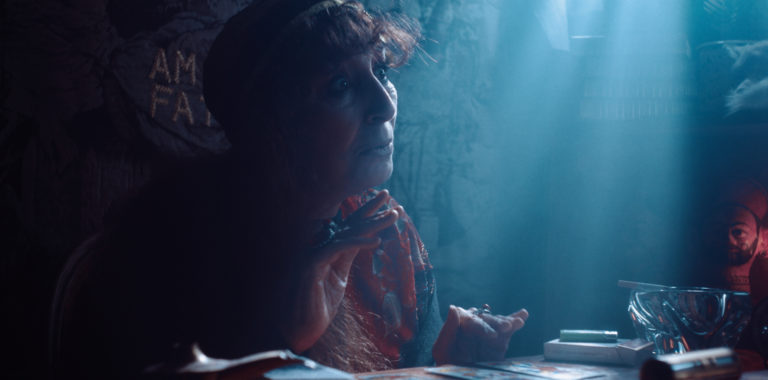
I pay close attention to the work of Roger Deakins, especially his non-naturalistic scenes. I would cite as an example the opening sequence of Blade Runner 2049: a vast, desolate landscape lit by a single source — simple, powerful, striking.
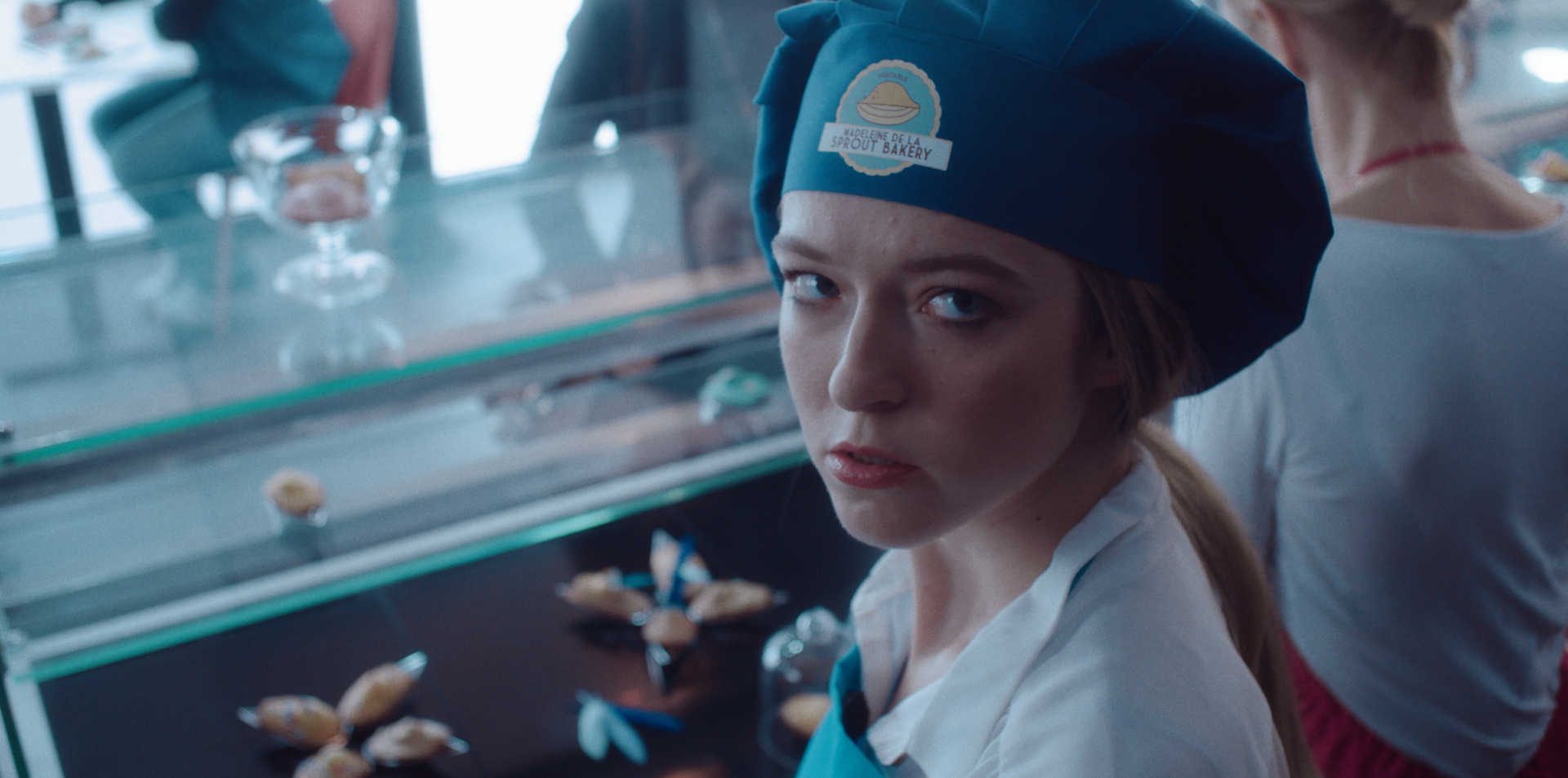 The Gypsy Woman Told My Mother by Yannick Panarotto — production: Hokum Factory
I also admire the work of Jean-Paul Rappenau on rhythm and tempo, which he strives to imprint in his films. It’s not just a matter of editing: it’s also meticulous work on the actors’ blocking, the framing, and the sequence breakdown.
Do you remember any regrettable blunders that turned out to be instructive in the end?
The director of Kickback gave me his screenplay to read and I called him right after to share my thoughts and make a few remarks. At that point, he told me he was going through a tunnel and would call me right back. He never called back.
I owe a big thank you to my girlfriend, who pushed me to swallow my pride and move heaven and earth to regain the director’s trust — and eventually make his film. Since then, I am extremely careful when giving initial feedback on a screenplay. I read it several times, write three or four pages of notes, take care to highlight the positives first, and then make a few suggestions. I then reserve the right to share those notes with the director or not.
Have you experienced moments of doubt about your work or your professional environment?
Yes, like everyone, especially when I’m not working. But I take advantage of the downtime to hone my skills on DaVinci Resolve.
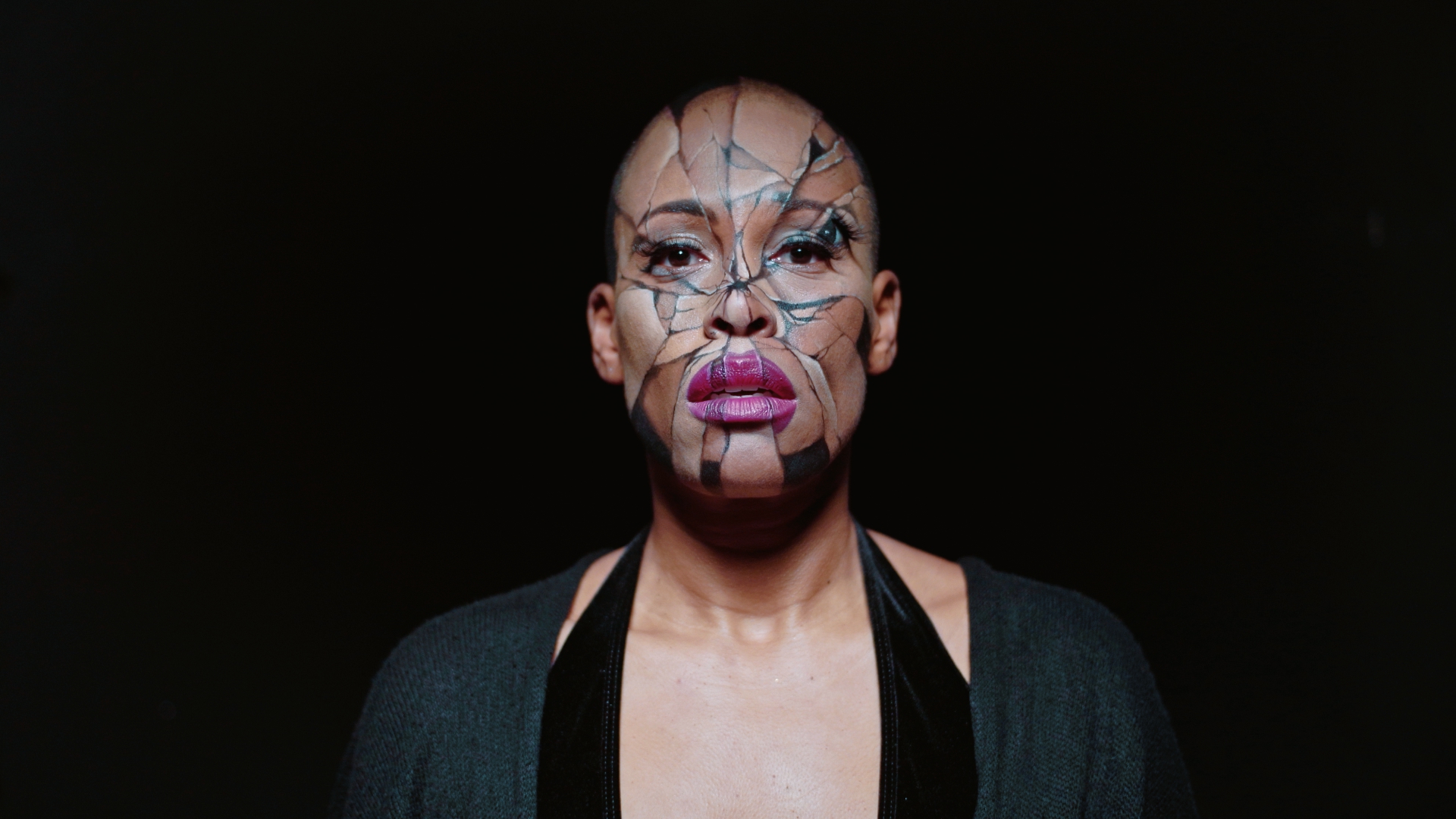 The Abbetors, a music video for Aurus feat. Sandra Nkaké, directed by Laurent Aspesborro — production: La Patate Sauvage
Do you recall setting up a particularly original camera device?
Yes: a shot we set up with Alexis de Favitski during a documentary shoot about the Tonka bean harvest in the Venezuelan jungle. We had almost finished our day, and we still had two hours of walking ahead of us in stifling heat with the gear on our backs. But we decided to rig a cable-cam between two trees and hung a Ronin on it. The idea was to capture in a single shot all the stages of gathering and shelling the sarrapia — the fruit of the Tonka bean. All the workers got excited about the idea of doing a real cinema shot, and the result was magnificent.
Have you ever wanted to move into directing?
Not really directing in the traditional sense, but I’m always attentive to the overall process of filmmaking, from the choice of shot list to the choice of locations, costumes, and even shooting schedules — there are so many parameters that impact the aesthetics of the image. Generally speaking, if what you’re filming is naturally beautiful and right for the story, it makes the work of lighting, framing, and grading much simpler. For the DP, the real challenge is getting the director to make the right decisions during pre-production.
I’m also currently co-writing a short film with Laurent Aspesborro. It’s a very long process but very rewarding, and it also promises a wonderful trip: the story is set on Réunion Island.
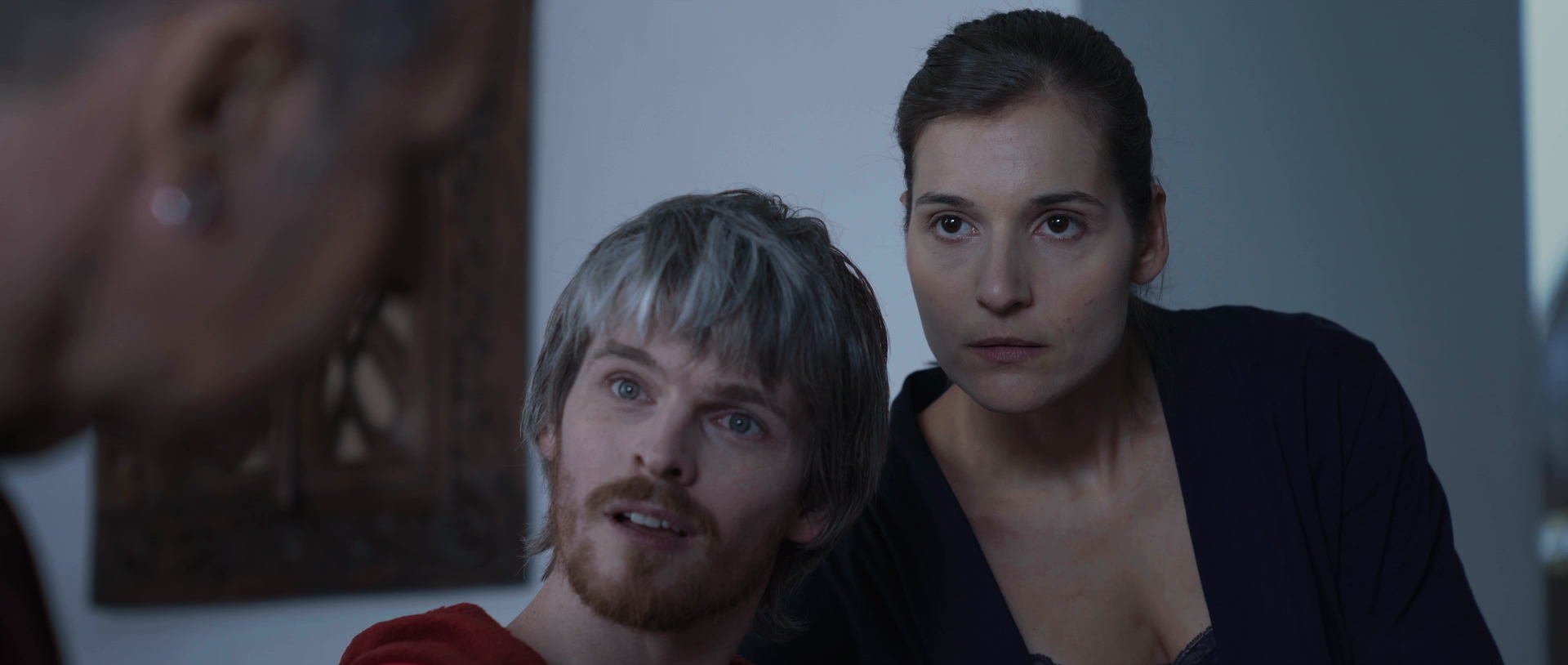 Un Coup pour Rien, a short film by Matthieu Morandeau
What do you love and what do you dislike about your profession?
It really is the only profession that can have you fly 6,000 km, take two days by dugout canoe, and hike ten hours to film fossilised oysters in the middle of the jungle — then, a week later, find yourself on a set filming a Ukrainian model to sell shampoo. This profession also allows us to meet people we would never have crossed paths with otherwise, and to enter their lives very quickly.
On the other hand, I don’t like it when the phone stops ringing: I start overthinking the meaning of this profession, even though I know you have to be patient and get excited about every project that comes your way.
What advice would you give to an aspiring cinematographer?
Never give up. There are no small projects. I’m also a programmer for a short film festival, so I watch about a hundred short films a year and can confirm that there is a great deal of talent in our country. But the competition is fierce, so make sure you find projects and directors that allow you to set the bar very high. It’s more often a question of artistic vision than of budget!
Yann Gadaud on the United Cinematographers website.
> Cover image: The Gypsy Woman Told My Mother by Yannick Panarotto — production: Hokum Factory