Through a collection of Q&A portraits, the Union introduces the members of the association. Today, Gaëtan Borne.
When and how did you become interested in cinematography?
I remember that from the age of twelve or thirteen, I was already making little films with a compact camera. I then became interested in photography, which I still practise today, and it was during my secondary school years that I really started making films while thinking about different ways of enhancing the image I was shooting — in particular by building a dolly track, using the famous trio of Mandarines, and the trusty aluminium-foil reflector! Those days are long gone…
Which films left a particularly strong visual impression on you, to the point of sparking your specific interest in the craft of cinematography?
Three films come to mind. I’m not sure whether they are the ones that drove me towards cinematography, but one thing is certain: they are the three films that sparked my interest in the art of cinematography: Days of Heaven by Terrence Malick (DP: Néstor Almendros), Blade Runner by Ridley Scott (DP: Jordan Cronenweth), and The Conformist by Bernardo Bertolucci (DP: Vittorio Storaro).
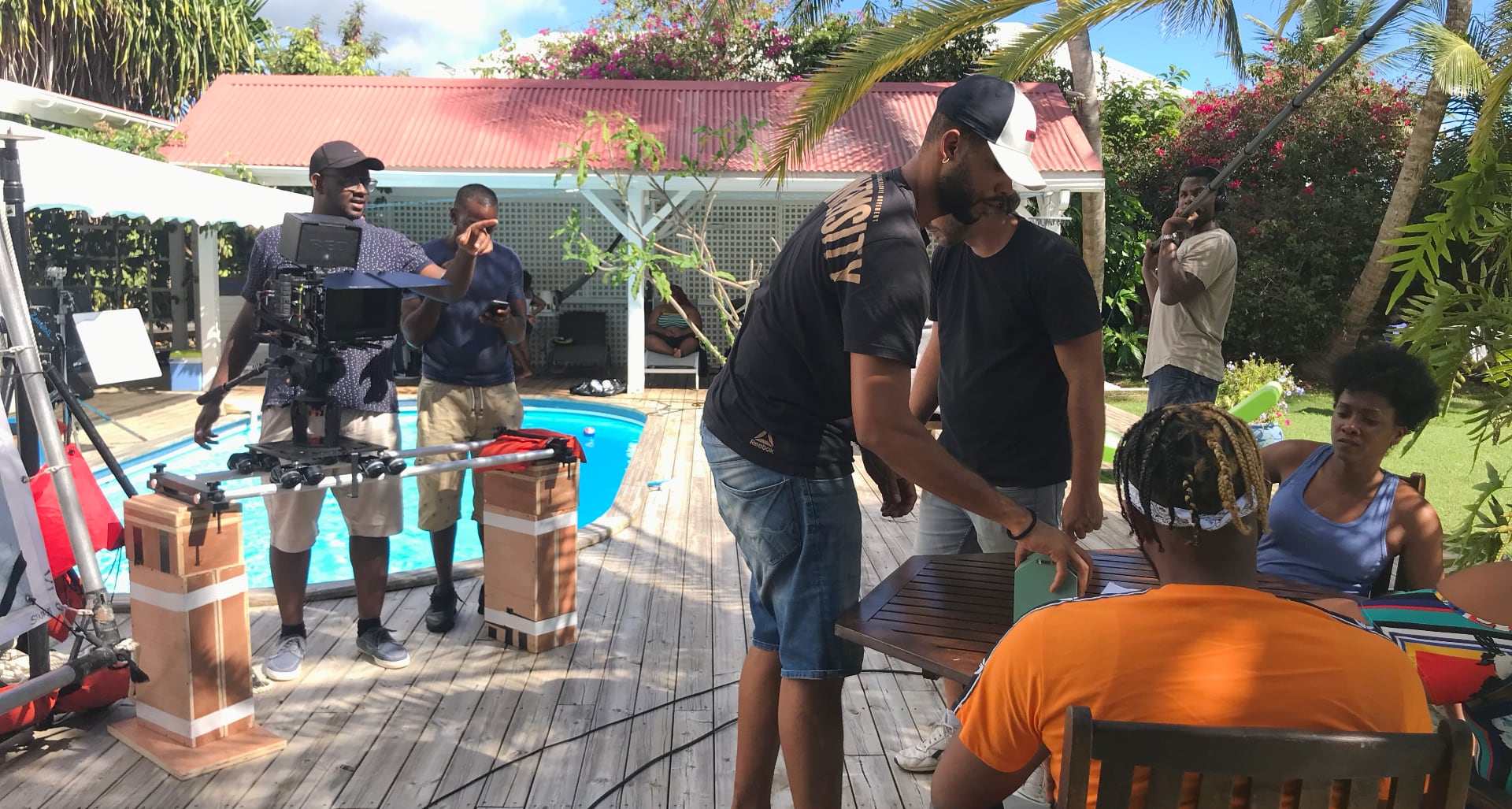 On the set of La Casa del Makrel directed by Yannick Maillard (prod. Yarma Videos – Zandollywood – Canal+ Caraïbes)
What was your initial training?
I would remove “initial” from that question. I had what you might call “field” training in the electrical department over three years on shoots in the French-speaking Caribbean, where I had the opportunity to work under the direction of Gilles Porte on the film Port-Au-Prince, Dimanche 4 janvier. I then decided to pursue a vocational degree in audiovisual editing, from which I graduated with a Bachelor in Cinema and Audiovisual — Technical specialisation — at Eicar Paris. At the end of my studies at Eicar, I alternated between camera assisting and cinematography, and was able to work under several directors of photography such as Pierre Cottereau, Nicolas Gaurin, Tom Hines, Rory Taylor, and Stefan Ivanof…
When and in what context did you start working as a cinematographer?
I was supposed to be the first assistant camera on a short film by director Bruno François Boucher, but a week before the shoot, the cinematographer I was working with had a problem and recommended me to the director and the production. That’s how I got to shoot my first produced short film: Douche Écossaise. After that project, I continued to alternate between shoots as a camera assistant and as a cinematographer. But now I do less and less assisting to make room for my work as a DP.
What types of films have you worked on, and what would be the ideal next project?
I’ve worked on a wide variety of projects: fiction, commercials, corporate films, TV shows, and branded content for social media. Right now I’m in post-production on seasons 2 and 3 of the web series La Casa del Makrel , produced by Canal+ Caraïbes, Yarma Production, and Zandollywood in Guadeloupe.
I don’t currently have a future project in the pipeline, but I would say my ideal project would be to shoot a poetic genre film or a romantic comedy, full of tenderness, in locations near water, with my dream crew — all the right conditions for a perfect shoot!
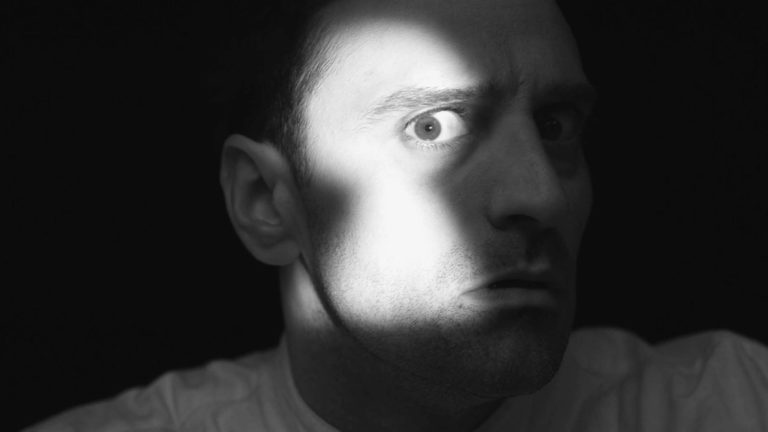
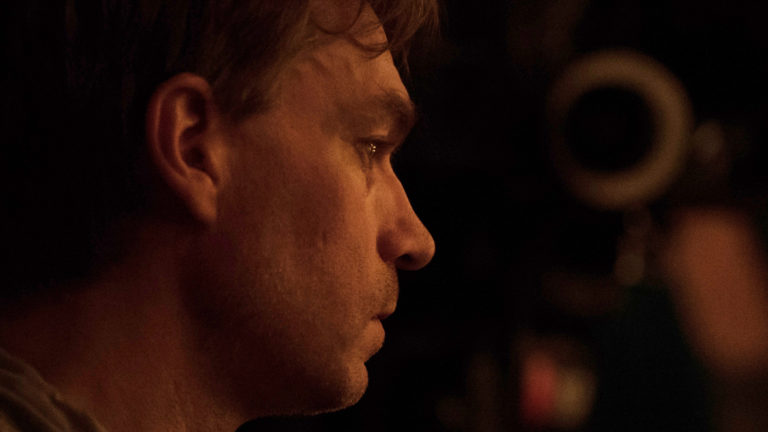
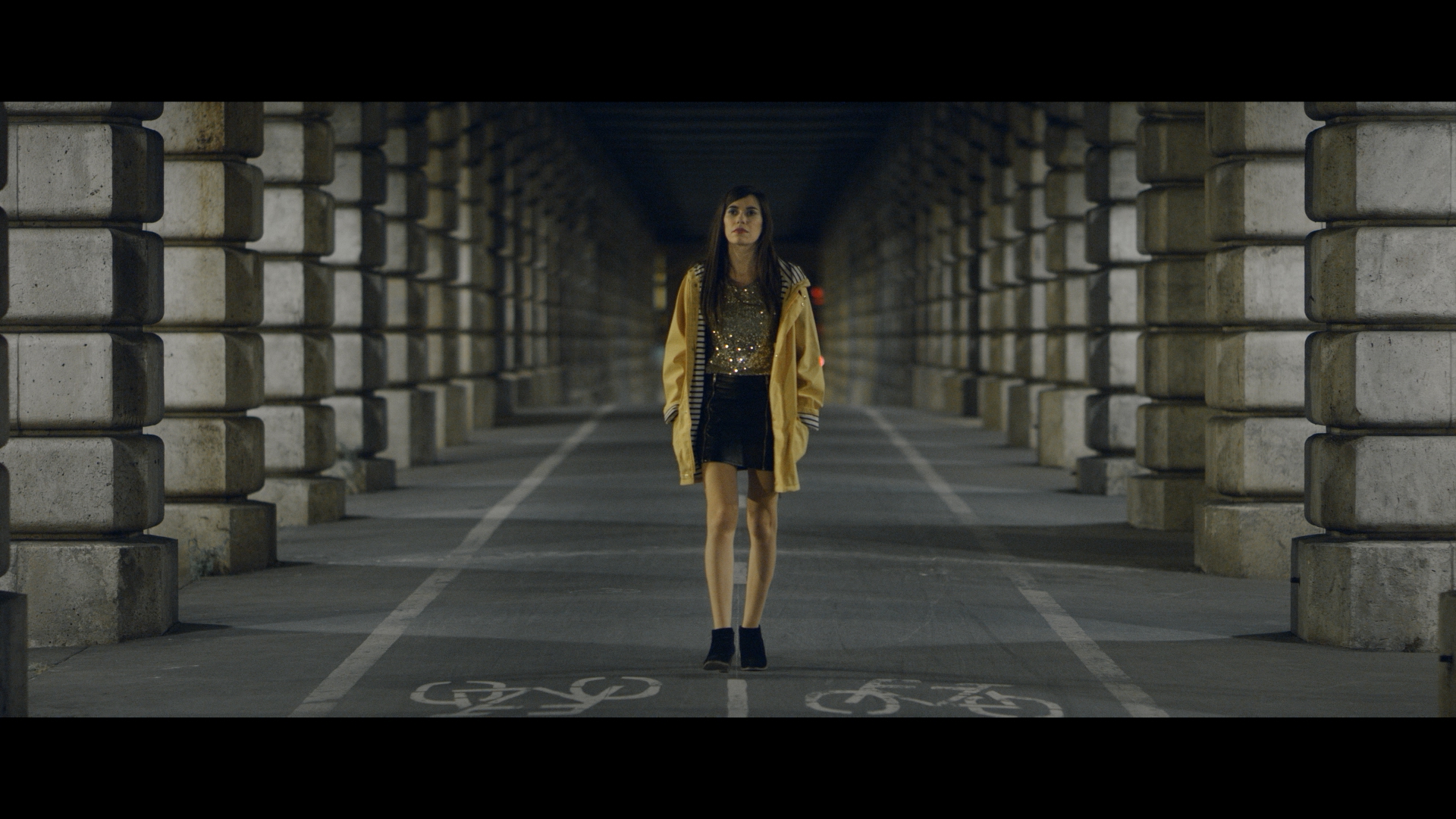 L’oiseau de nuit by Aurélie Lamarchère
What are your artistic sources of inspiration?
My artistic sources of inspiration are very broad and sometimes have no direct link to cinema. I follow directors of photography, artists, and photographers on Instagram. I also take photographs and, since I travel a great deal, I feed my visual universe with a kind of personal image bank, much like Shotdeck. The difference is that my images are not film stills. These images allow me, when the time comes, to offer directors fresh intentions in order to elevate their projects. Of course, I also draw inspiration from cinema productions.
Do you remember any regrettable blunders that turned out to be instructive in the end?
For me, there are no big or small blunders, regrettable or not — the important thing is to know where you messed up and to understand how not to end up in the same situation again. I often tell my crews: we’re only human, so we have the right to make mistakes. I don’t recall any blunders as a cinematographer; perhaps as an assistant, but nothing that couldn’t be fixed. The key is to learn from every experience.
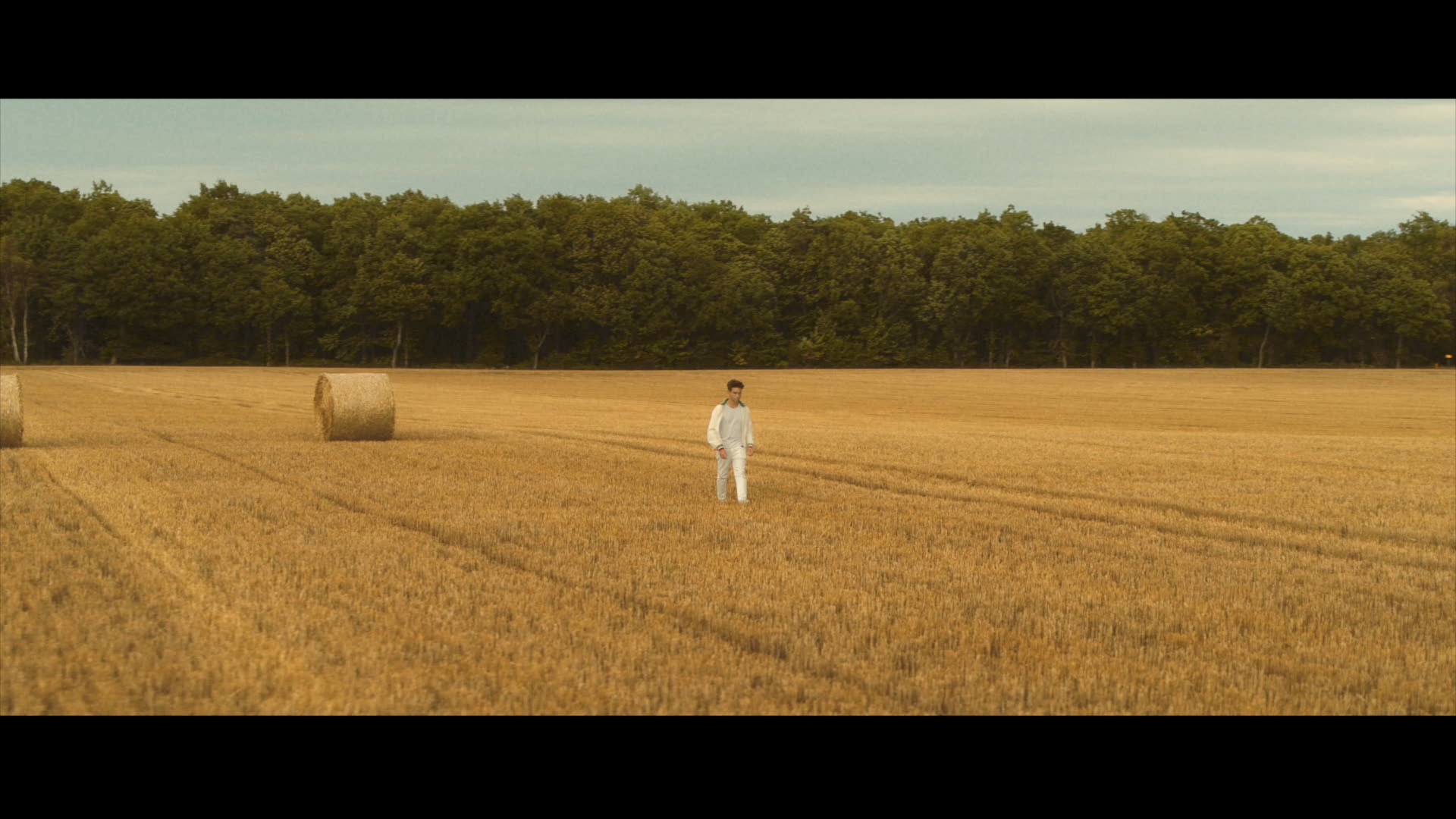
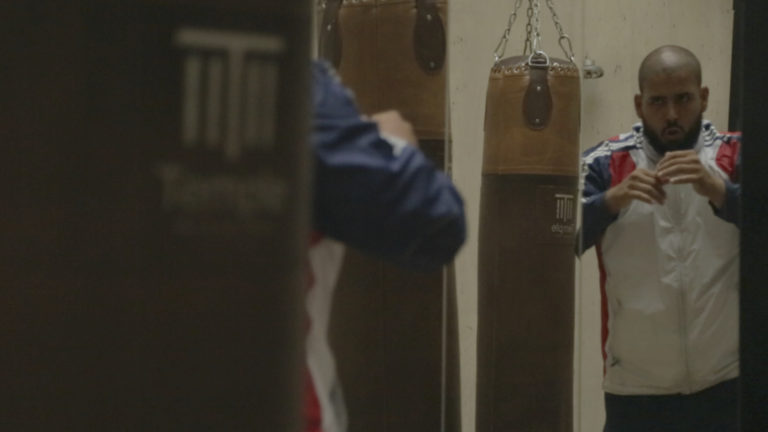
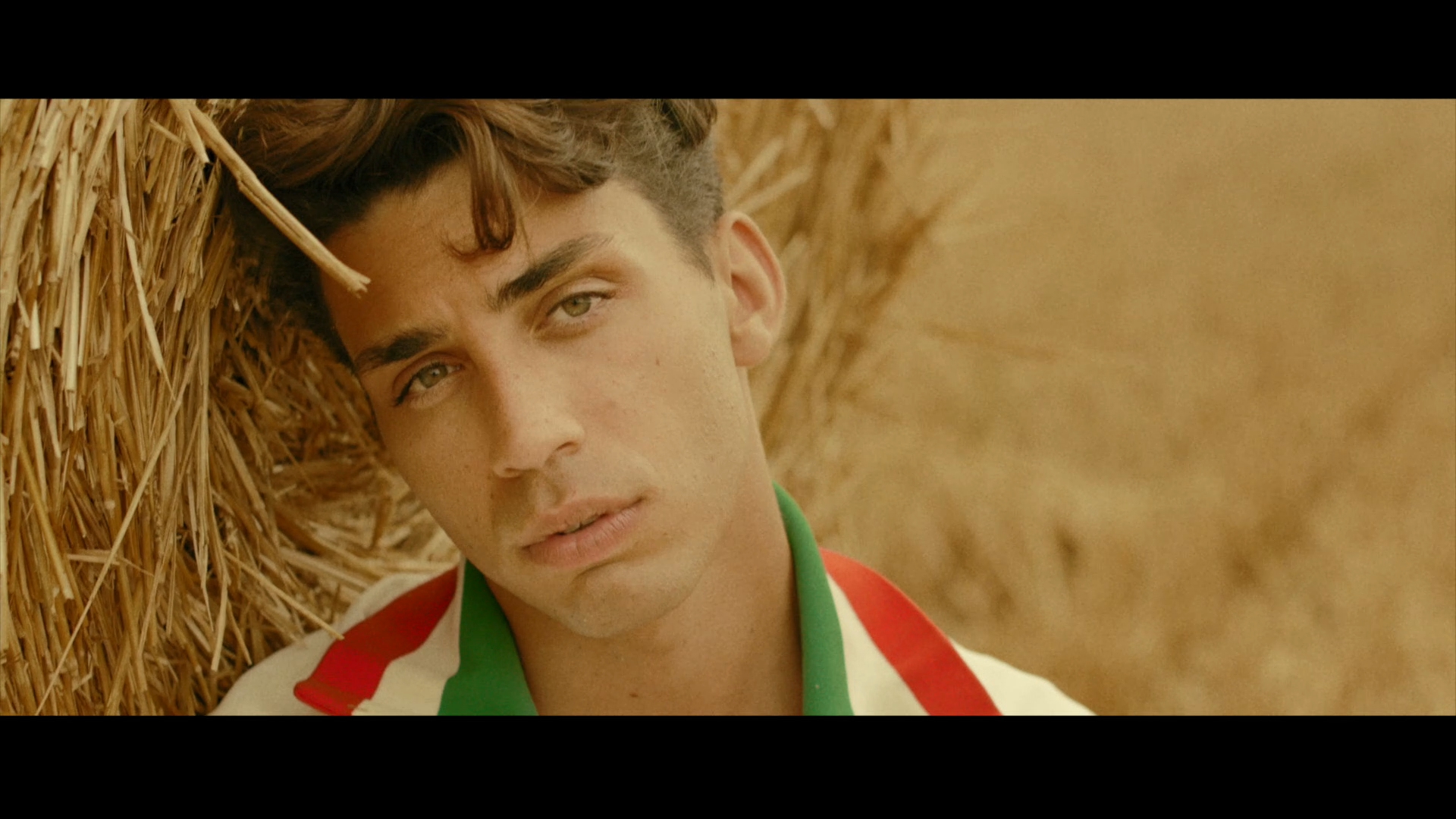 Samuel Perdu directed by Kaba Olory
Have you experienced moments of doubt about your work or your professional environment?
Yes, regularly… I move around a lot, sometimes in Europe (France, Belgium, Spain), sometimes in the Caribbean (Guadeloupe, Martinique). I think it’s difficult to build a solid network when you regularly change your main place of residence. The phone rings once when you’re unavailable — it may ring a second time, but not a third… Yet it’s a way of life I’ve chosen, because I come from the French West Indies and I love living and shooting there. Unfortunately, 75% of my work as a cinematographer takes place in mainland France, so yes, I do have doubts about my work, because when the phone doesn’t ring, it creates a little stress and I ask myself many questions such as: “Will I find a film? Do people like my work?”
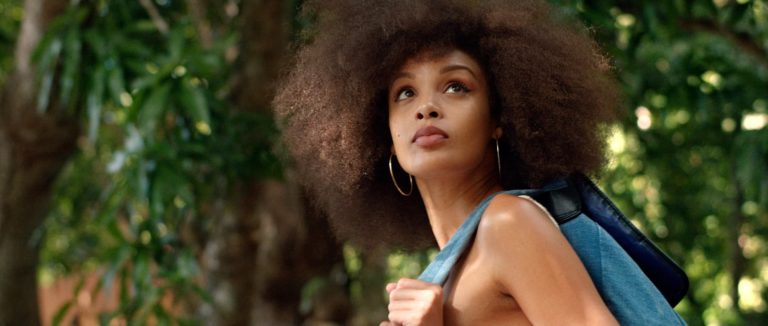
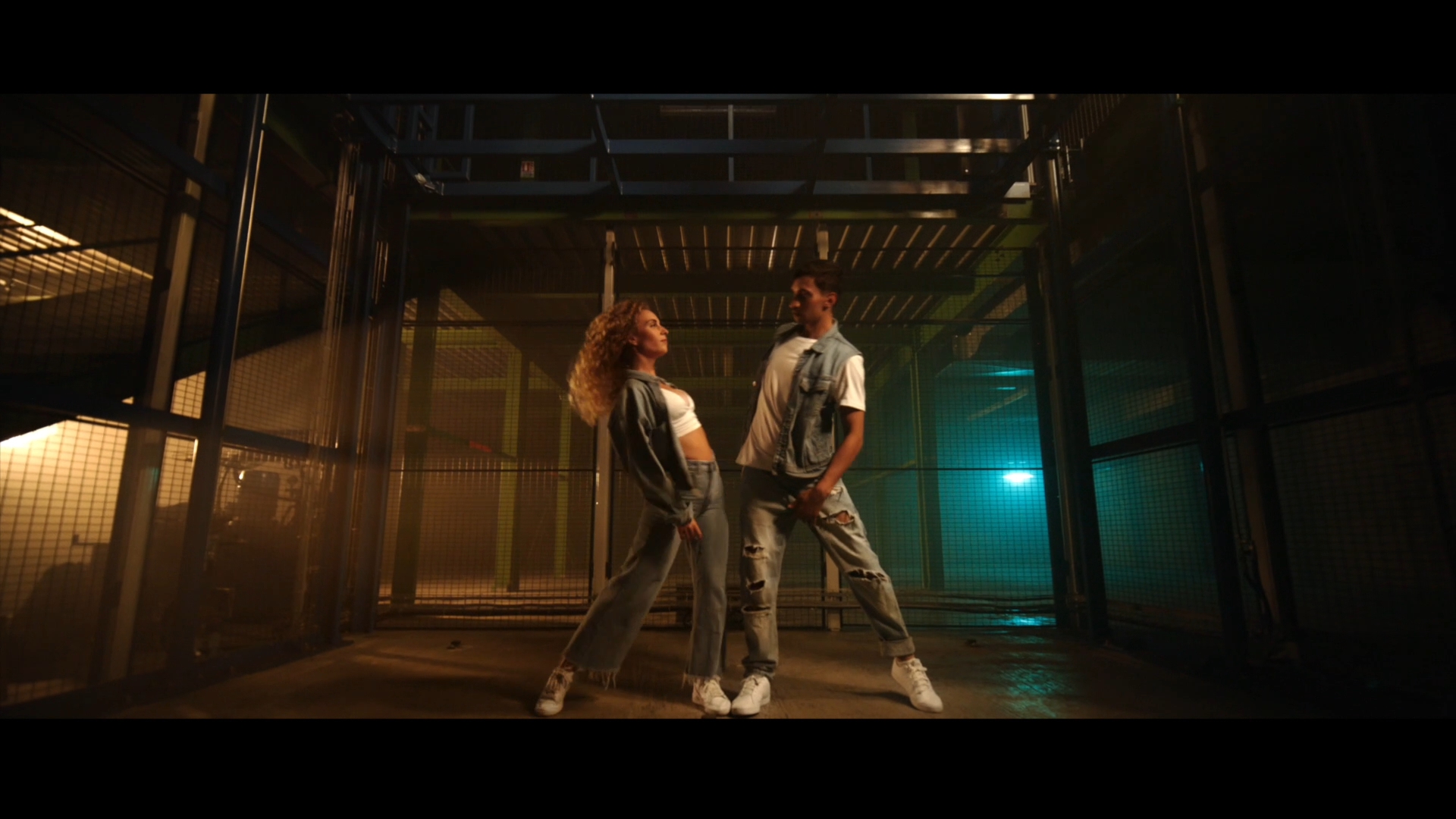 “Albane et Leo – Don’t Know How to Be Your Friend” by Kaba Olory — production: Hokum Factory
Do you recall setting up a particularly original camera device?
I’m not sure! But I do have a fairly recent memory: it was the music video for Albane et Léo, shot in a studio. During pre-production, the director told me he wanted to shoot with the latest DJI Inspire 2 drone with the Zenmuse X7 camera, and I said: “Why not!”, assuming the drone would only be used for aerial shots. Except he then informed me that no — he wanted to shoot entirely with the drone: on a tripod, on a dolly, in flight. And to sell me on the idea, he showed me the promotional film by DJI (the most widely used drone manufacturer).
Always up for a new challenge, I accepted and brought along Brice Tholozan from Full Motion. We prepared the project; he explained how the camera worked, including the ability to change lenses — I had a set of four, I believe. You should know that the setup requires a drone pilot, a camera operator, and a focus puller. The experience was incredible, and the result speaks for itself.
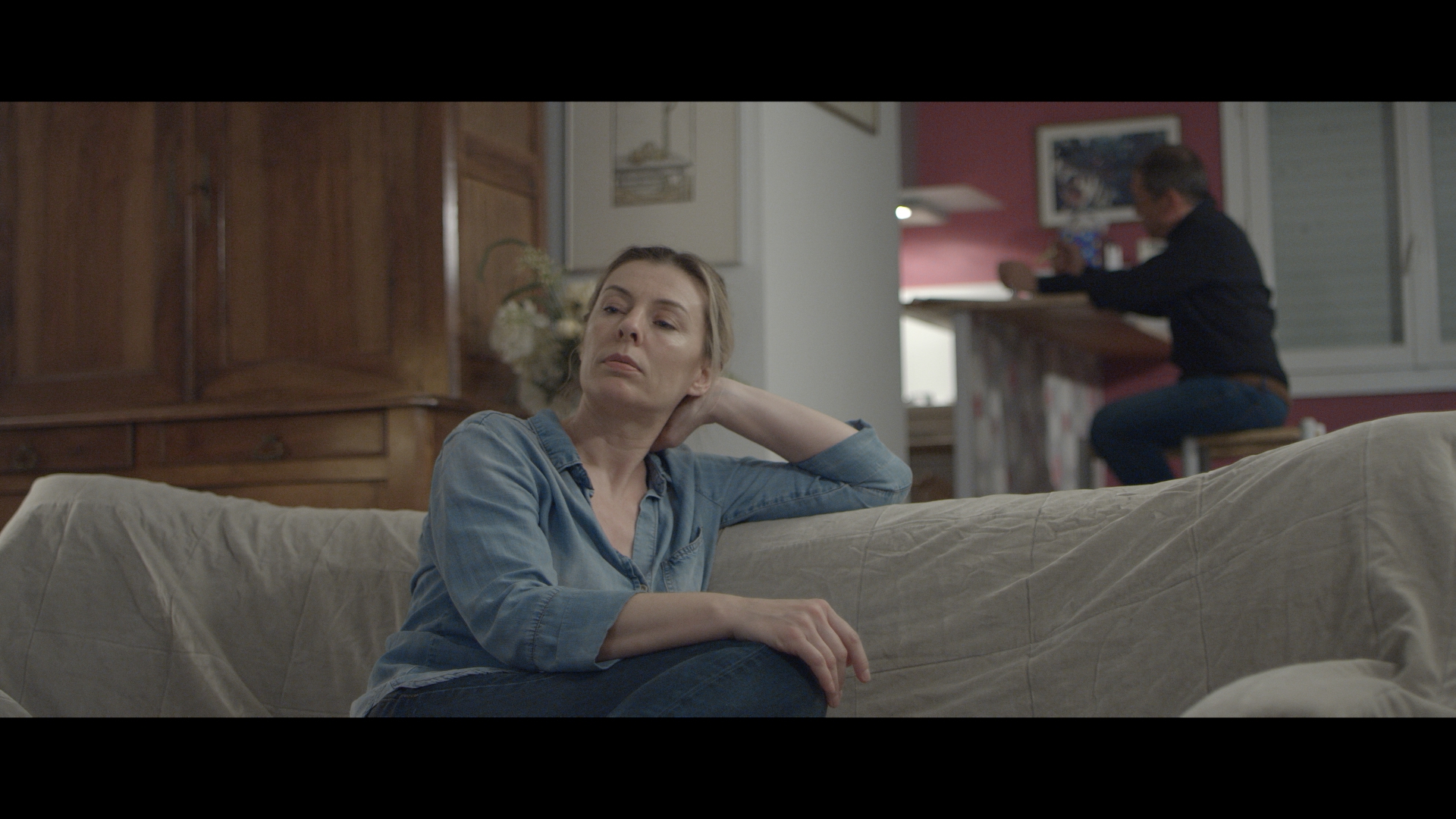 L’oiseau de nuit by Aurélie Lamarchère
Have you ever wanted to move into directing?
I actually started out in directing, but ultimately I was won over by cinematography. I still direct the occasional small solo project, for the fun of it or simply for the pleasure of making beautiful images. At the moment, I’m co-writing a short film with a director friend, but I direct less and less and have no desire to go back to it.
What do you love and what do you dislike about your profession?
As a travel enthusiast who considers himself a citizen of the world, what I love about this profession is its nomadic side: one week I’m in Guadeloupe, the next in Paris, and three days later I’m off to Belgium for a short film. In every place, I meet different people with different cultures, and we have wonderful exchanges. In fact, as I write these lines, I’m in Guadeloupe facing the sea, having just finished a web series for Canal+ Caraïbes. What I also love is that our profession constantly allows us to take on new challenges — whether technological or budgetary — and that’s very stimulating for me.
What I hate the most about this profession — and I think 85% of my colleagues would agree — is the wait for the next project, the wait for the phone call that will bring a shoot offer… I’m not a patient person, so it’s very difficult for me. But lately I’ve been managing that wait through sailing. It’s soothing; it allows me to reconnect with the essence of what I love in life and to reflect on my work.
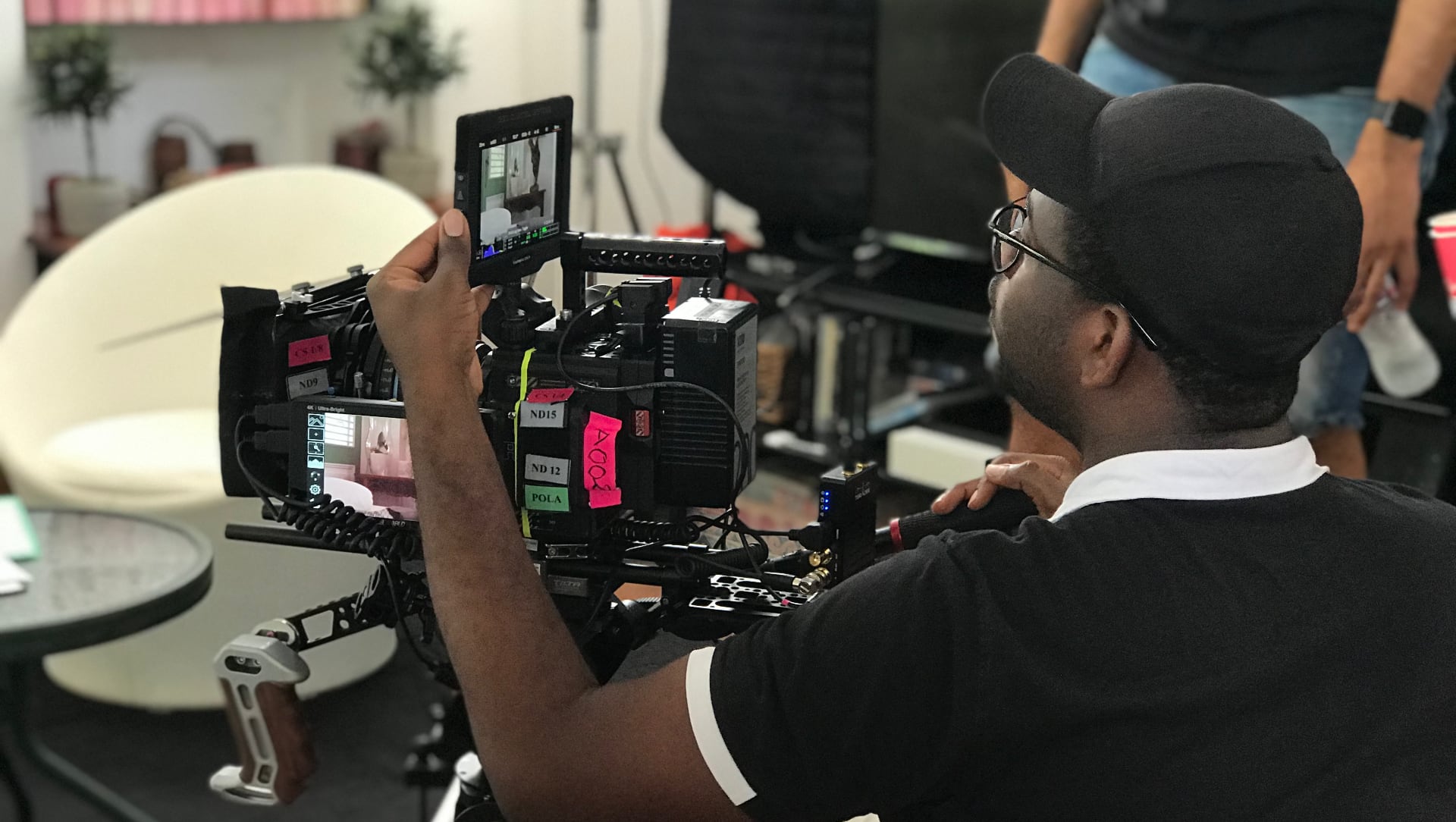 On the set of La Casa del Makrel directed by Yannick Maillard (prod. Yarma Videos – Zandollywood – Canal+ Caraïbes)
What advice would you give to an aspiring cinematographer?
It’s sometimes very tough and the wait can be very long, but you mustn’t give up. And for those lucky enough to have equipment and the opportunity to shoot during their studies — do it, so you can build a quality showreel by the time you graduate. I should point out that having a quality showreel doesn’t mean you’ll land a DP job straight out of school, but it can always help. “Keep calm and carry on” 🙂
Gaëtan Borne on the United Cinematographers website.