Through a collection of Q&A portraits, the Union introduces the members of the association. Today, Julien Bossé.
When and how did you become interested in cinematography?
My story is fairly unremarkable — I must have received a reflex camera around the age of 13 or 14 as a gift, and I started hiding behind the lens to avoid being photographed myself. Then it started to be fun. But above all, I think it allowed me as a teenager to exist among others without really putting myself forward (is this a psychoanalysis interview?).
Which films left a particularly strong visual impression on you, to the point of sparking your specific interest in the craft of cinematography?
I think the first film that made an aesthetic impact on me was Mauvais Sang by Leos Carax. I’m not sure I would be as moved by it today, but as a very young cinephile, it hit me like a thunderbolt. The image could assert itself and have its own way of telling a story.
Later, like many cinematographers, I discovered Christopher Doyle’s vision alongside Wong Kar-wai. For a time, I was fascinated by the work of Darius Khondji. And also Emmanuel Lubezki with Michael Mann and Terrence Malick. But in a different vein, I saw a masterclass at Camerimage with Ken Loach and Barry Ackroyd that captivated me — that relationship between technique and staging where the actor must be free to move anywhere on set. A bit like John Cassavetes’ “everything for the actor” approach. I’ve drawn on very, very diverse sources.
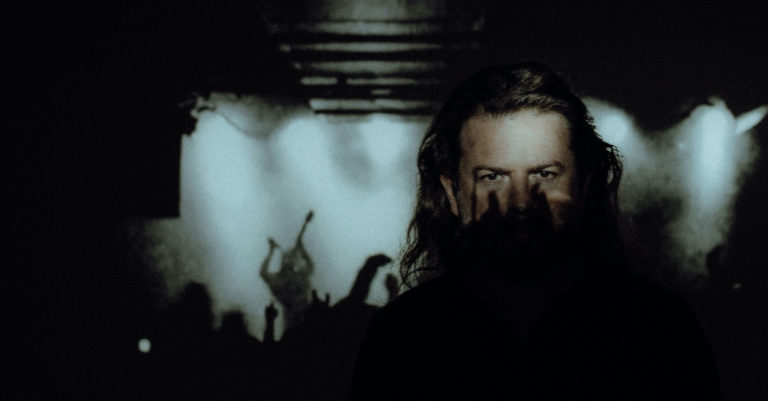
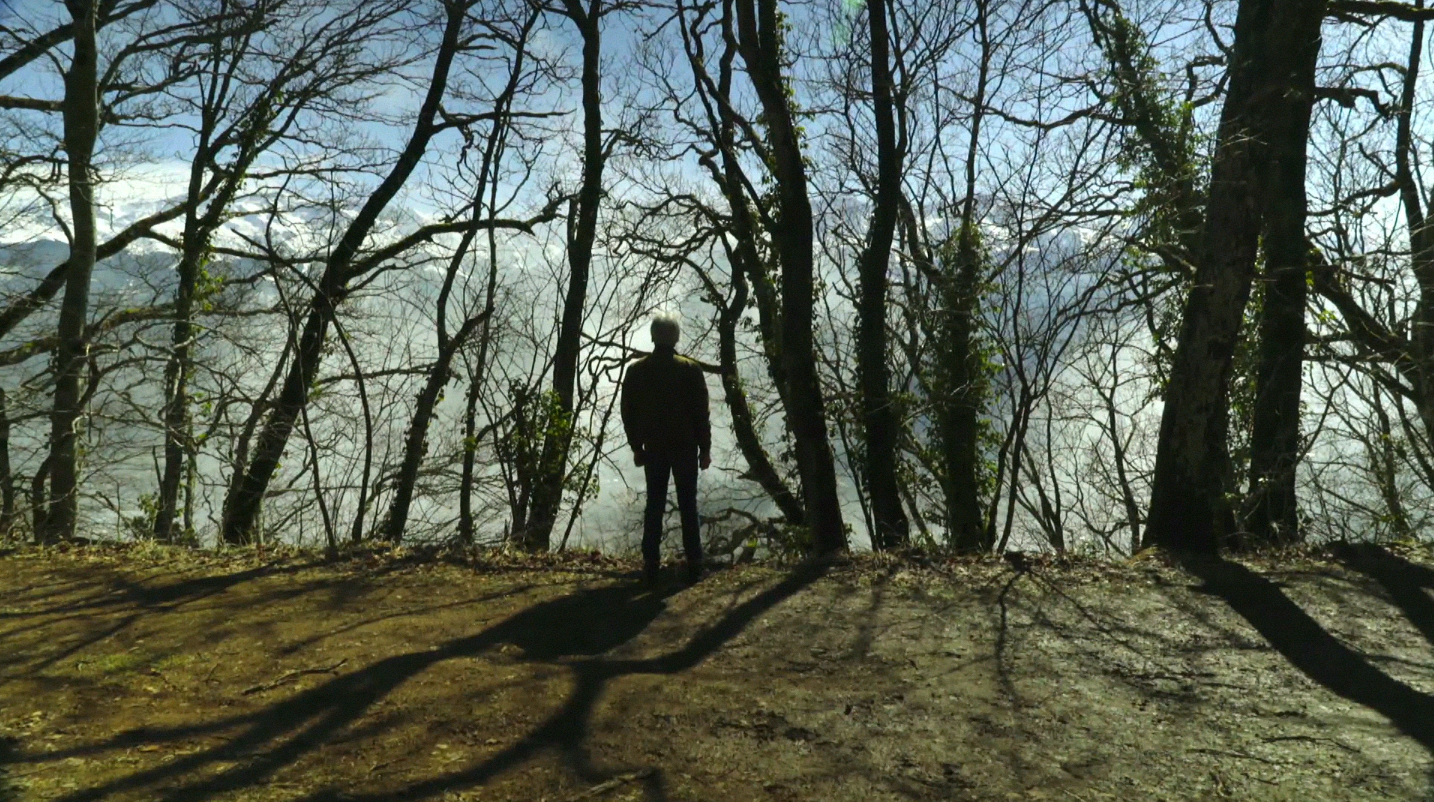 Première année dehors, journal de bord, a documentary by Valérie Manns (2020) — production: Les Films du Balibari
What was your initial training?
A cinema baccalaureate in Angers, a vocational diploma in audiovisual, then I started working as a freelance camera operator/video journalist/editor for local TV and Canal+ filming football. I quickly got bored and couldn’t see the point of it all. I sat the entrance exam for La Fémis in the Cinematography department and, to my surprise, was accepted. I say “surprise” because from the start, I didn’t feel I had the typical profile. I’d been working for several years and had openly embraced a fairly activist stance from the exam itself. I think that’s what appealed to the jury. But when I arrived, I could see that I didn’t have the cinematic and artistic culture of most of my classmates — Huillet, Straub, Akerman, Pollet… all these names were unknown to me. And yet I was still a young man who fantasised about fiction. And it was indeed for fiction that I went to La Fémis.
Except that we started with documentary workshops, and I was lucky enough to be supervised by Rithy Panh. I should really say “put straight,” because I arrived with all my television experience — a camera that films quickly and efficiently, shot/reverse shot, interviews, cutaways, close-ups, wide shots, establishing shots. My well-framed images had everything. Everything except emotion, everything except cinema. Rithy Panh gave me a real wake-up call, and I discovered documentary filmmaking. Despite some wonderful moments of training and shooting during my studies and afterwards, fiction has never given me as much satisfaction as documentary.
So: four years at La Fémis. The cinematography department was then headed by Charlie Van Damme and later Bruno Nuytten. I loved their approach, which was always focused on the meaning of what we had to film, and on the mise en scène rather than on technique for its own sake.
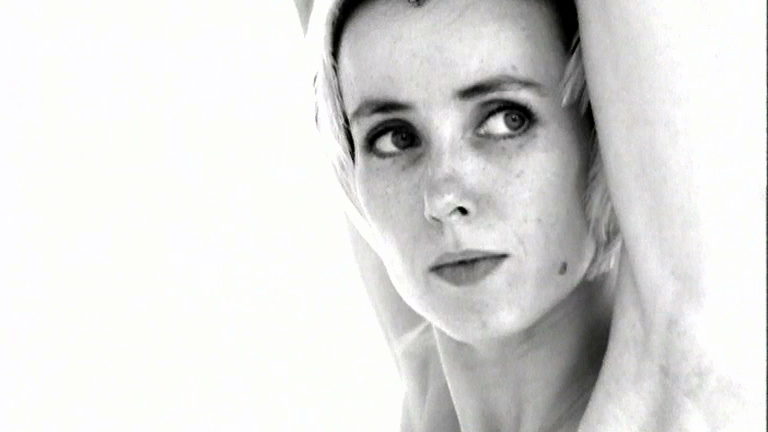
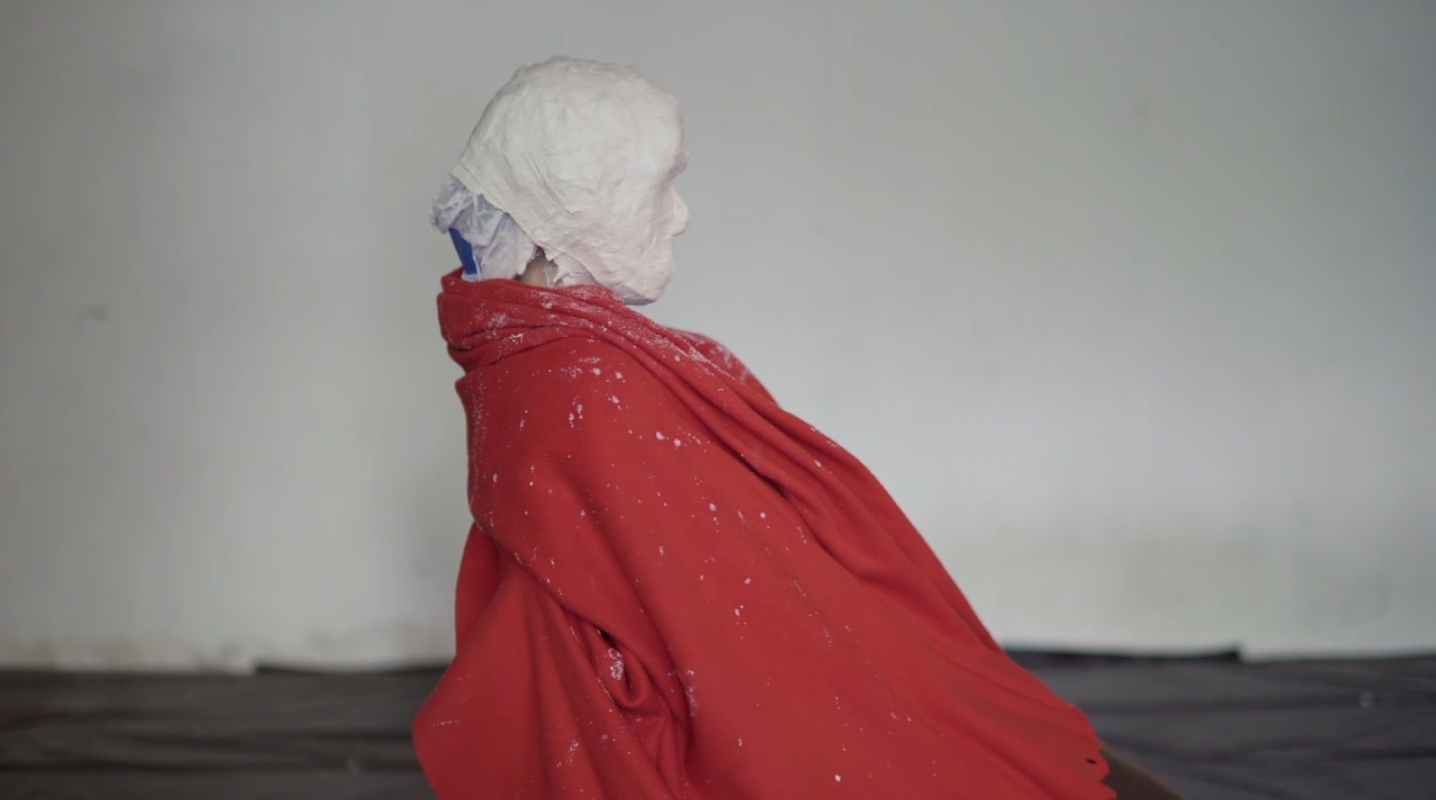 Ce n’est qu’après, a documentary by Vincent Pouplard (2019) — production: Deuxième Ligne Films
When and in what context did you start working as a cinematographer?
When I left La Fémis, I had to go back to salaried work because I was expecting my first child. Out of the question for me to chain together short films and unpaid internships. Besides, I was always a poor camera assistant — I’m not very interested in technique and I don’t have the rigour of a camera assistant. If I’d had to climb the ranks in fiction, I would have dreamed of being a grip before becoming a DP, but I have the impression that pathway doesn’t exist. Perhaps it’s a matter of social class. I’ve always loved the ingenuity of grips — the constructions, the DIY solutions.
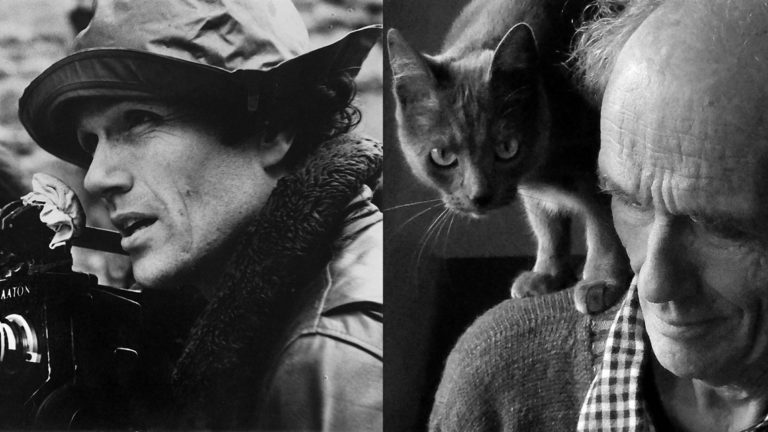
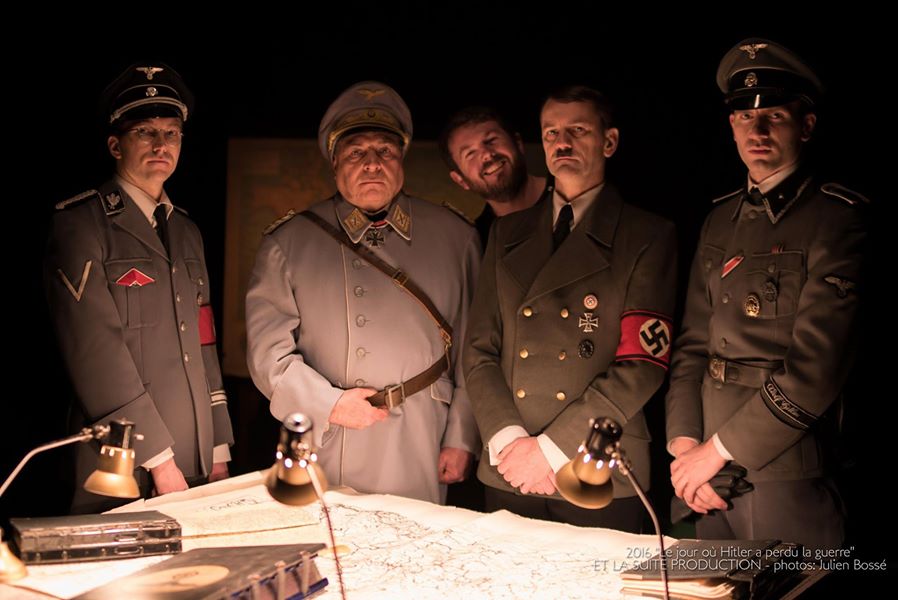 Le jour où Hitler a perdu la guerre, a documentary by Laurent Portes (2016) — production: Et la suite…
At La Fémis, they primarily teach you to be a cinematographer — not so much an assistant. I wanted to shoot, and there was this economic necessity. I partially resumed my pre-Fémis activities, but I had in mind to move gradually towards documentary. I’m not someone who rushes — I like to take the time to live, and cinema is not the sole focus of my life. I went back to live in Angers, alternating between personal projects (fiction, docs, music videos), training workshops for young audiences or community centres, and more commercial work.
I have strong ties to Africa and I went to live in Gabon for four years, where I had to reinvent my life and adapt to local production. It took time, but it was incredibly enriching to immerse myself in a very different kind of cinema. On my return to France, I had to rebuild my network. I’d had too many breaks, but I had kept a few good contacts and a director friend offered me a little trip around the world for a documentary about karaoke, for Arte. That was the first real documentary I worked on as a DP.
What types of films have you worked on, and what would be the ideal next project?
For the past few years, I’ve been working 95% on auteur documentaries. I have a particularly close and trusting relationship with a documentary producer who has offered me some beautiful projects and wonderful encounters with filmmakers. Before this troubled period we’re living through, I was lucky enough to be offered enough projects that I could almost choose my collaborations. That’s a luxury. But I don’t want to chase work — I’m certain that the quality of my commitment to projects is also linked to the time I give myself between them.
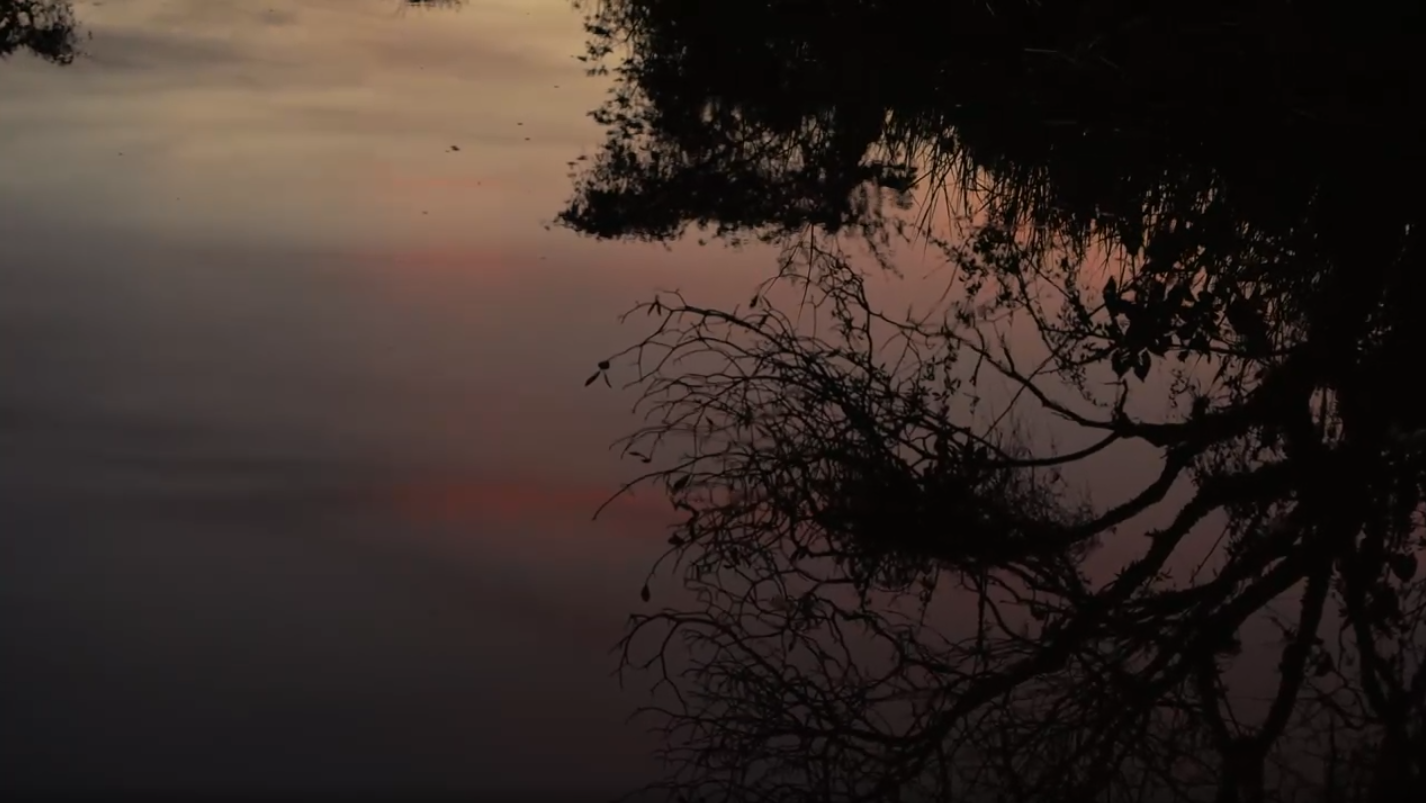 Eaux Noires – documentary by Stéphanie Régnier (2018) – production: Survivance
What are the ingredients of a good project?
There’s no real recipe for a good project. But there are indispensable human elements: complicity, dialogue, listening. It might seem obvious, but in practice these aren’t always there. Today, with experience, I’m better at sensing who I’ll click with, and even though I’m quite a good chameleon and adapt easily, I don’t like lying to myself or regretting my commitments. I want to be proud of the films I work on, proud of having brought my perspective, and also proud of supporting and advocating for the films afterwards. I need to be in agreement with my ideas when I’m shooting. That doesn’t mean I can’t be surprised or that I only work on activist films—far from it. But I think that by making images, especially in documentary cinema, we carry a political and social responsibility. When I film people who open up to me, whether they are protagonists in a documentary or actors in a fiction film, I feel I owe them equal care and attention. Not only in terms of the image, but also in my human rapport and in the trust they may place in me, in us as a crew, to never betray the spirit of what they have to tell us.
What are your artistic inspirations?
That’s a vast question—hard to draw up a list. I feel like I draw nourishment from so many different things. I occasionally give talks in high schools, middle schools, and community centres, and I tend to say that it’s one of the keys to creation in general: cultivate yourself, learn, and draw nourishment from reality as much as from the imagination, and also know how to question your own knowledge and certainties. I’m curious about everything and permanently seeking to know more, yet at the same time I feel very ignorant: people regularly mention films, books, authors, classic painters I’ve never heard of. I have so much still to discover.
And then there’s reality itself, and I like keeping my inspiration on near-permanent alert, capturing all the details of daily life—a light, a reflection, an atmosphere, a sound, a face, a gaze. I love simple little things as much as a work of art or a beautiful film.
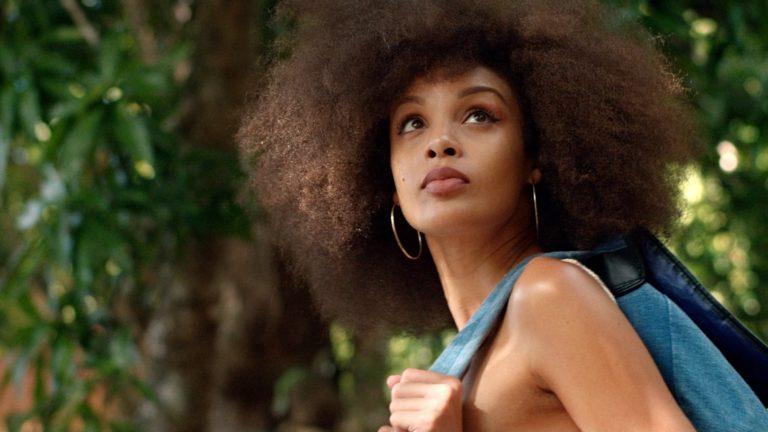
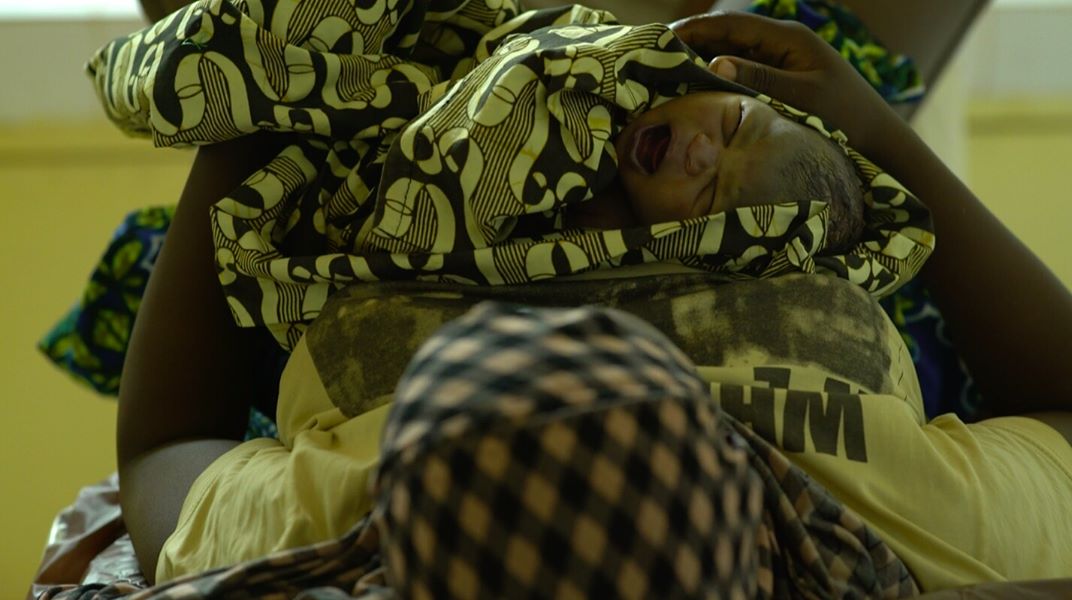 L’arbre sans fruits – documentary by Aïcha Macky (2017) – production: Les films du Balibari
Do you remember any regrettable blunders that turned out to be instructive?
There are inevitably a few stories of accidentally opened film magazines, recording errors, or other technical mishaps, but what I’d really single out is a story that served as a lesson and opened my eyes to what being a DP on a shoot means from a hierarchical standpoint. Of course, it was ONE experience and I don’t generalise from it. But in any case, I became well aware of what I didn’t want to be and didn’t want to do.
It was during an internship on a TV movie, with a “great DP” in charge of the image. I was responsible for the video assist, so right at the monitor, and my second job after setting up the return was to bring the DP his coffee and hold his cigarette between takes while he adjusted things. At the time I thought this was normal. But beyond the coffee and cigarettes, the atmosphere was heavy: crude jokes, remarks that were socially inappropriate or sexist, drawing a few nervous, embarrassed laughs. The key grip was a great guy who wouldn’t play that game, did his job well, and took the coffee and cigarette out of my hands to throw them in the bin. Of course, at the bottom of the social chain, the shy and impressionable intern I was took his share of jokes and small humiliations.
I didn’t say anything at the time—I absorbed it and freed myself on other shoots, discovering other DPs and other ways of working. But I then understood that my account of it didn’t go over well and that I was talking too much. That I needed to keep those kinds of experiences to myself.
I think that played a part in distancing me from big productions. I love the serenity of simple human relationships.
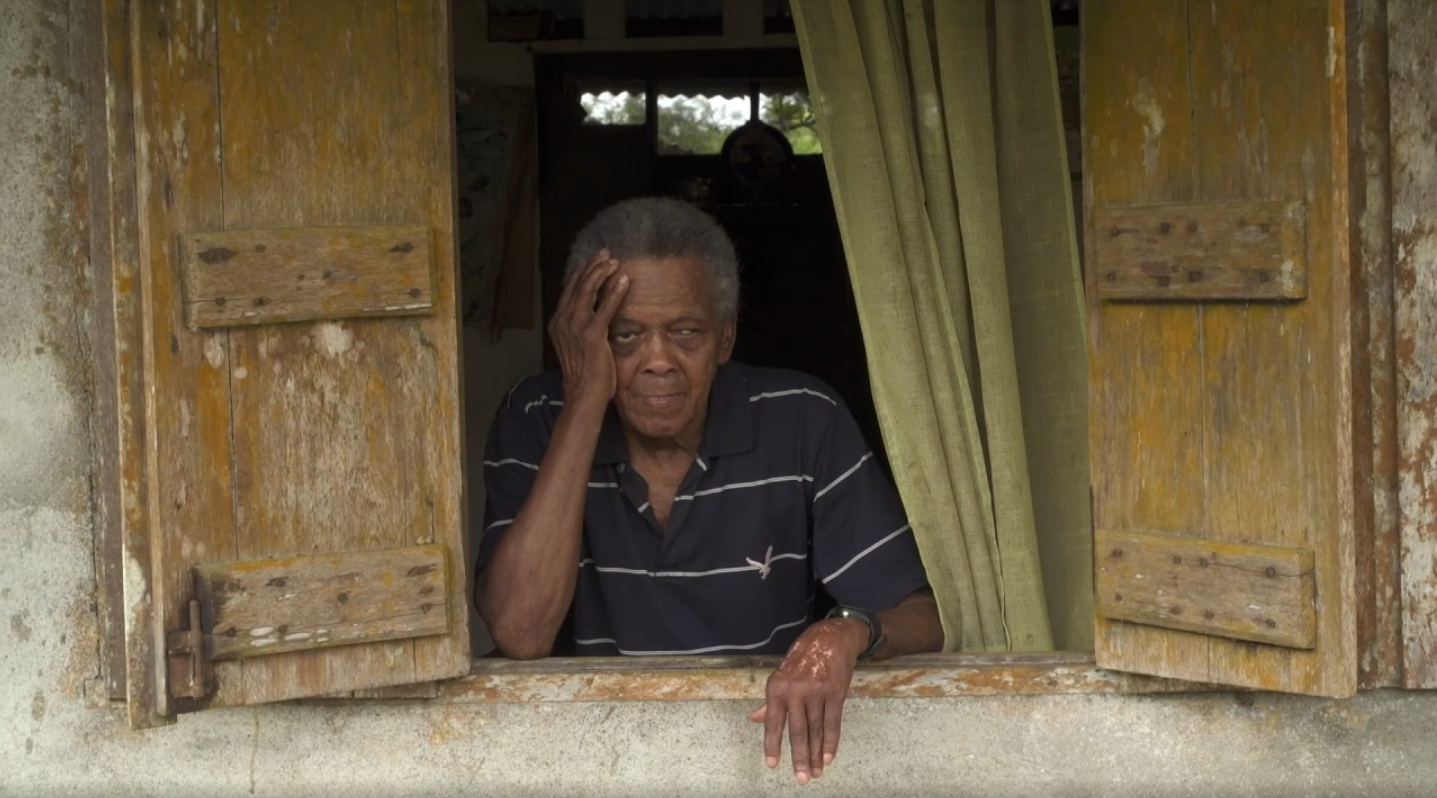 Eaux Noires – documentary by Stéphanie Régnier (2018) – production: Survivance
Have you experienced moments of doubt about your work or your profession?
Yes, of course. Since I’ve moved around a lot and changed sectors within my job as a camera operator (journalism, corporate films, fiction, advertising, music videos, documentary…), I’ve often questioned my place and my skills in meeting what was expected of me. Our image-making professions involve technical competence, artistic creation, and human relationships. Even though I’m not very interested in technique as such, I still need it to respond as accurately as possible to the needs of films and broadcasts. So I do what’s necessary to maintain my technical foundations and stay up to date with developments. But what really drives me are the conversations I can have with directors and sound engineers. When I feel that what we’re doing has meaning or provokes emotion, reflection, or debate, I think to myself that technique matters very little compared to the substance of the questions raised by the films I work on. When I filmed Raphaël and Norbert for Valérie Manns’ beautiful film Première année dehors, each of them had just come out of roughly 30 years behind bars, and I accompanied them for a year. My very personal position is that what matters above all else is the relationship I’ll be able to create with them, as the camera operator who will capture what they feel about this life upheaval. How do I help the director make cinema, create frameworks, think about film, narration, and editing, while respecting every element these protagonists share with us? How do you reconcile reality and our need for narrative construction? How do you respect these men and their pain? How do you avoid introducing too many artifices into their lives at this key moment when they face freedom but also social violence? How do you stay at a distance while being very close? I confess that considerations about 12K in 8:3:5 43-bit S-Log5 don’t really make me shudder…
OK, I’m exaggerating a bit, because of course I have concerns about my work having the right look and technical coherence for broadcast, but my priority will never lie in those questions.
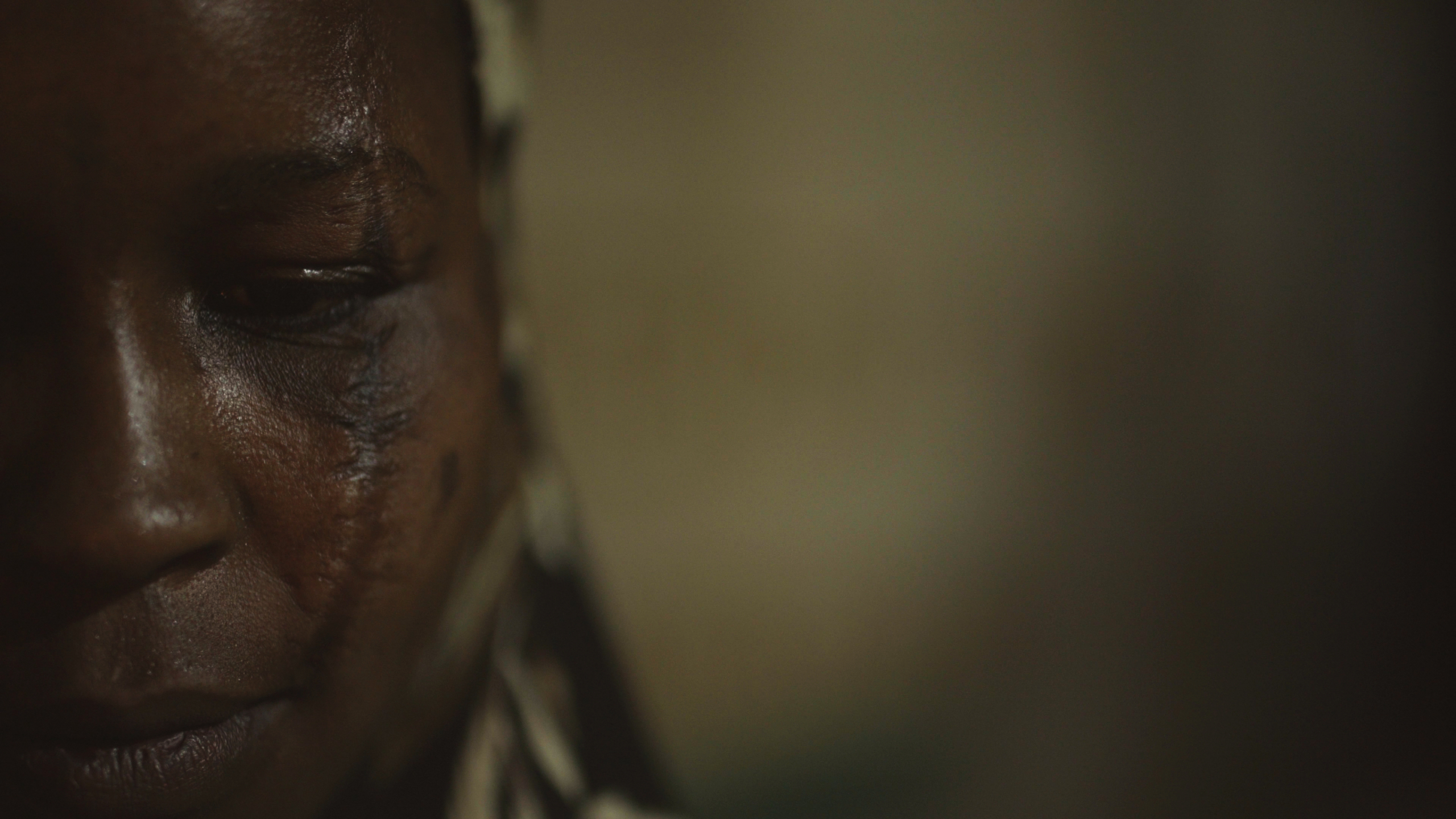 Zinder – documentary by Aïcha Macky (2021) – production: Les films du Balibari
There’s another kind of doubt I sometimes face: doubt about the meaning of the films we make. A few years ago, I filmed and co-directed a documentary about the commemoration of the abolition of slavery—a commission for France 3. The subject interested me, so I took it on. We made a television documentary that I think has qualities and meaning. We met fascinating people and tried to give substance to the question at hand. I believe everyone was satisfied. But during the shoot, we learned that France 5 and Arte were each also making their own film on nearly the same topic. So then… What are we for? To multiply perspectives on a subject and feed programme schedules that we all watch from behind our screens? The gap between those who produce and those who consume culture and social discourse is shrinking. My sometimes simplistic, binary mind wonders about the logic of it all and whether the profusion of information, the multiplication of spaces, and the massive commodification of culture and knowledge aren’t leading us astray and making us apathetic. Nor am I at all in favour of a return to monolithic, state-controlled culture and information. In short, I’ll admit I sometimes feel a bit lost (and the current period isn’t helping). In any case, I want meaning in my life path, and that of course includes my professional activity. So yes, despite the passion I have for my craft and the undeniable pleasure I take in participating in films, between shoots I sometimes doubt and question the meaning of what I do.
But once I’m on a shoot, I let myself be carried away by the pleasure of living these exceptional moments and bringing everything I can to the making of works.
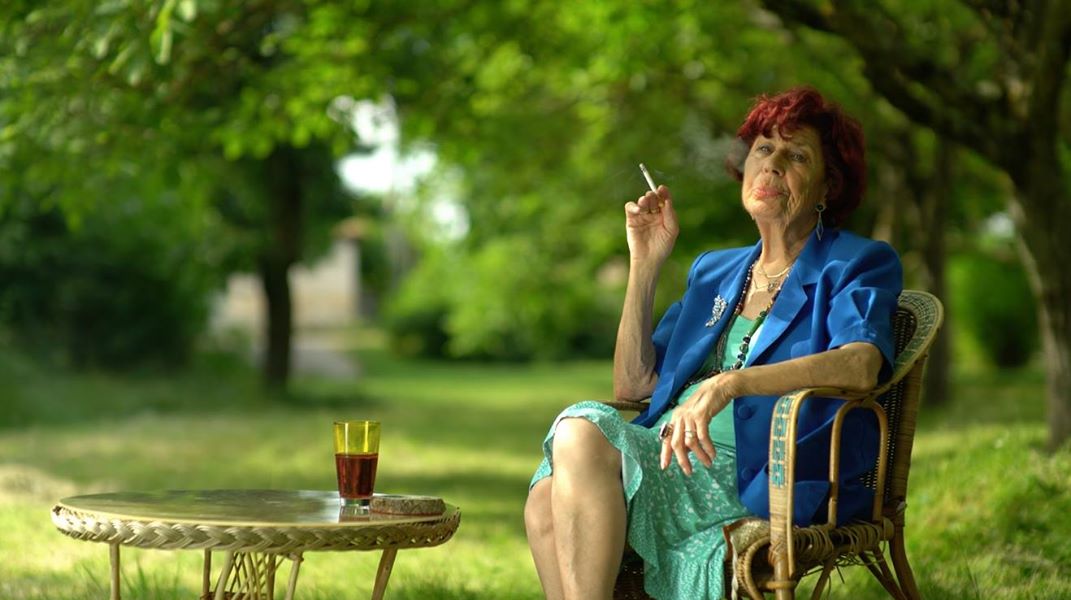 Ce sera bien – documentary by Thomas Riera (2017) – production: Mille et Une Films
Do you remember setting up a particularly original camera rig?
I work in filmmaking worlds with very limited means, and that constantly pushes me to create solutions on the fly—sometimes imperfectly—to film with bits of string scenes that would really require a crew, a grip truck, or more equipment. But I’m on my own with just my few bags of personal gear, and sometimes it’s four bungee cords that stabilise a car shot a bit better, or I strap myself with two extensions onto a motorcycle taxi hoping that a pothole or sharp turn won’t tip the vehicle onto me. For lighting, I like to improvise with what’s available: I have a few LED panels, a couple of Chinese paper lanterns, two light bulbs, a roll of aluminium foil, but whenever possible I work with available and natural light. On some shoots it’s a challenge, but it often also brings out beautiful results.
Have you ever wanted to direct?
Yes. When I made my graduation film at La Fémis, I explored how Black actors were filmed in France. I directed a short film I still quite like—it was a caricature of a shoot with a Black actress treated as an object and all the technical questions the DP might ask himself. A biting little comedy. The film turned out rather well, but the thesis I submitted really wanted to address the socio-political question of Black actors’ place in French cinema, while the school expected the student to stick strictly to technical matters. Agnès Godard—I’ll admit I was quite a fan—was on the jury and told me she hadn’t understood where I was going in my thesis but had loved the film and my way of filming women. She told me to keep making films. That both unsettled me and made me want to.
I did—I shot another short and a documentary. But I’ve come to realise I don’t necessarily want to direct alone. I like the comfortable side of being a DP. And I like the idea of melding into someone else’s vision, trying to make proposals that are right for the director’s desires. I have my own viewpoints, a gaze, no doubt a style, and it’s about combining that with a film’s needs and an aesthetic that serves what the mise en scène is saying. It’s a wonderful position when the complicity is there.
I still have directing ambitions, but for now this role suits me, as long as I can work with people I love, whose desire for film I admire, and who appreciate our collaboration.
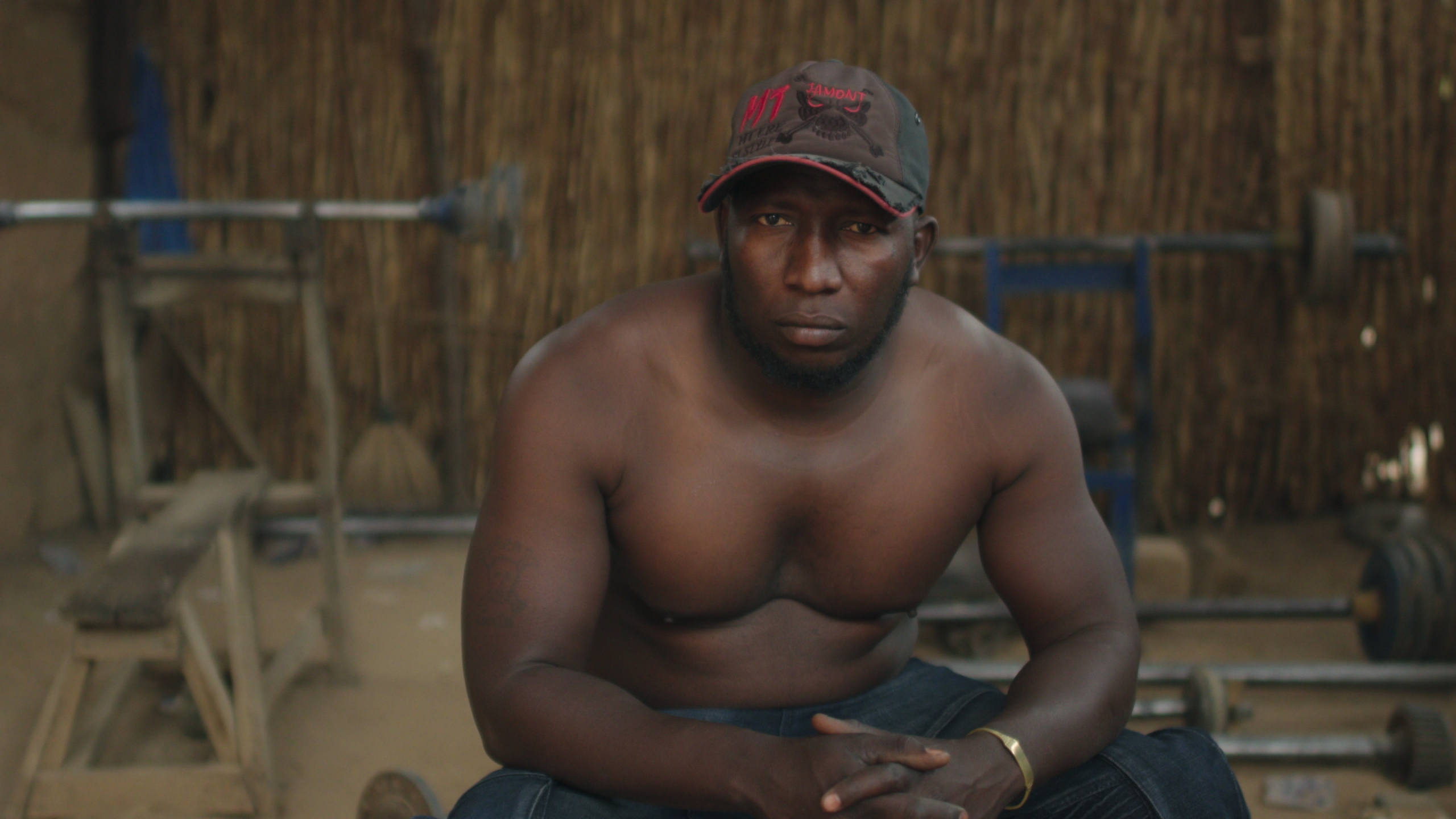 Zinder – documentary by Aïcha Macky (2021) – production: Les films du Balibari
What do you love and what don’t you love about your job?
What I love above all, I think, is the encounter and the discovery that documentary cinema makes possible. Time is precious in documentary filmmaking, and especially time off-camera. I hate arriving at a protagonist’s place with a suitcase or camera in hand. I like us to be able to arrive simply for a human encounter. The complicity that builds in those off-screen moments is so precious. A coffee, a conversation, taking the time to simply be, before engaging the film. It’s not always possible, but I know that when it is, it’s always something gained for what follows. And I believe that’s one of the qualities people credit me with on shoots: knowing how to be present and often finding the right thing to share.
What I like less—and fortunately it rarely happens—is managing egos, posturing, or lack of trust and complicity. It’s complex because I can easily accept strong directiveness from some people, while with others it doesn’t sit as well. I sometimes work with directors who’d want to hold the camera themselves and control everything. That’s frustrating for me, and I often find it also shows in their relationship with the protagonists. Those who seek to control everything struggle to manage their subjects. It has rarely happened to me, or the collaboration simply ended. And today I don’t make a big deal of it—I’d rather work less but have beautiful collaborations than work through the pain of difficult human relationships.
I’ve been working for several years with director Vincent Pouplard, and I’m always amazed to head into shoots with my eyes closed, without necessarily knowing much about what we’ll film or what we’ll set up each day. But things happen very naturally, and I feel a great mutual trust in what each of us proposes. I think he could make me shoot almost anything. I did say almost!
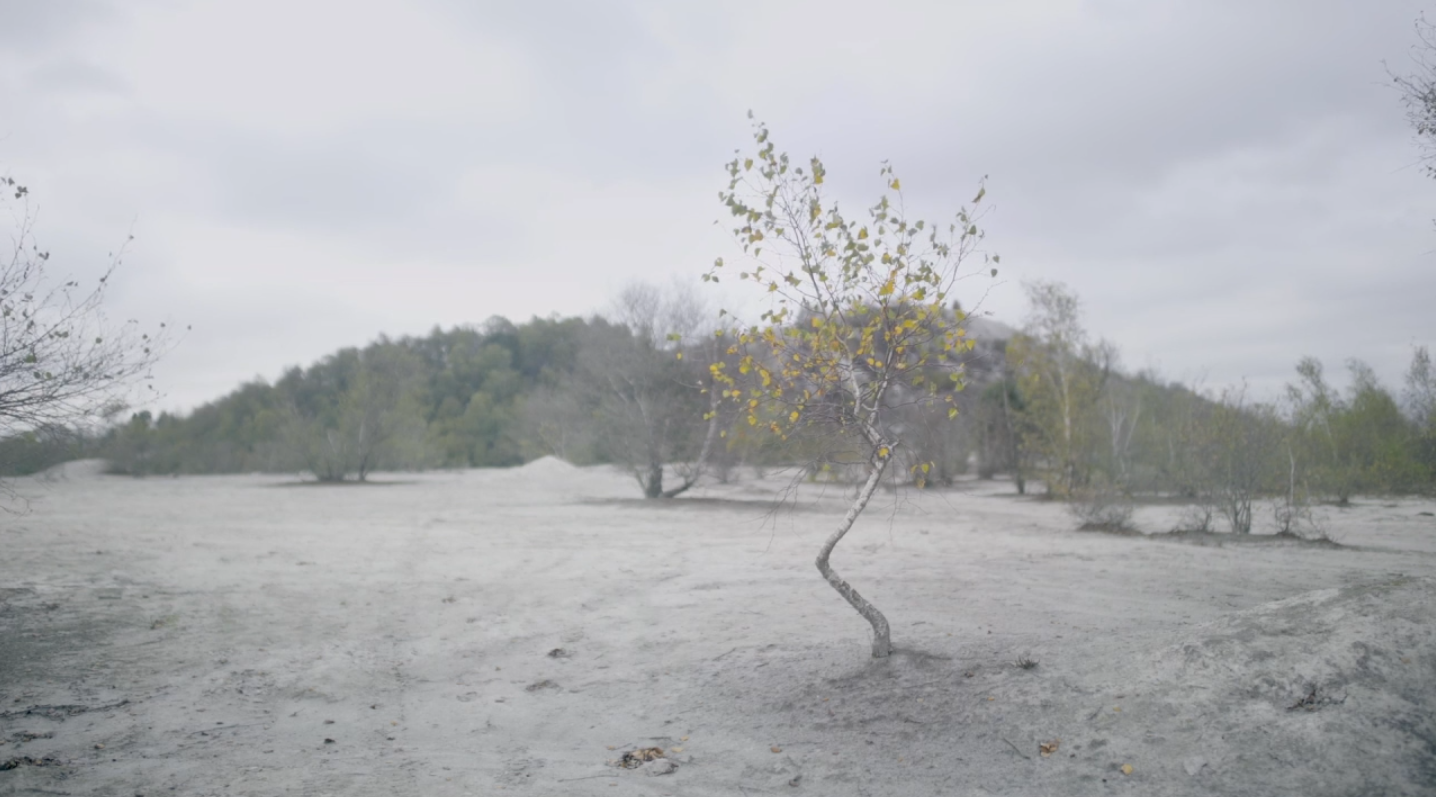 Ce n’est qu’après – documentary by Vincent Pouplard (2019) – production: Deuxième Ligne Films
What advice would you give to an aspiring cinematographer?
That’s also a complex question—each of us aspires to different things.
Don’t get too lost in matters of image and representation. Our professions allow us to live very varied lives: we change colleagues, bosses, situations, workplaces, and we never know what tomorrow will bring. It’s a richness for those who accept it, but it’s also a trap—you can lose yourself trying to run in every direction, needing to charm, enter networks, not leave them too quickly, stay, exist…
I don’t think I’ve ever been as professionally happy as I am now, doing what most closely resembles me. It took me a long time to find my path, but I’m content in what I do and wouldn’t trade it for anything.
When I don’t know how to do something or if I’m not the right person, I can say so and own it. If a project doesn’t appeal to me, I avoid taking it on. I hope to hold onto the idea over time of no longer accepting projects that bother me or don’t match who I am. I no longer want to do advertising for “big business,” I no longer want to work with journalists who have fixed viewpoints before filming and try to “make” their protagonists say things. I hope I can continue my craft with sincerity and in agreement with my ideas. Nothing is ever won, but you have to set a course.
I think it’s important to listen to yourself. Our professions are also made of glitter and false pretences, and it isn’t always easy to know whether you’re headed in the right direction. So be curious, go look around at what’s being done everywhere, try things, discover, but ultimately listen to yourself with sincerity and move towards what resembles you.
My last piece of advice would be that the sound engineer is a precious companion on the road, and it’s wise to surround yourself well. I hate these “wars” of position between image and sound. We’re making the same film, and being as accommodating and attentive as possible to sound means being allies—and inevitably winning together.
Julien Bossé on the United Cinematographers website.