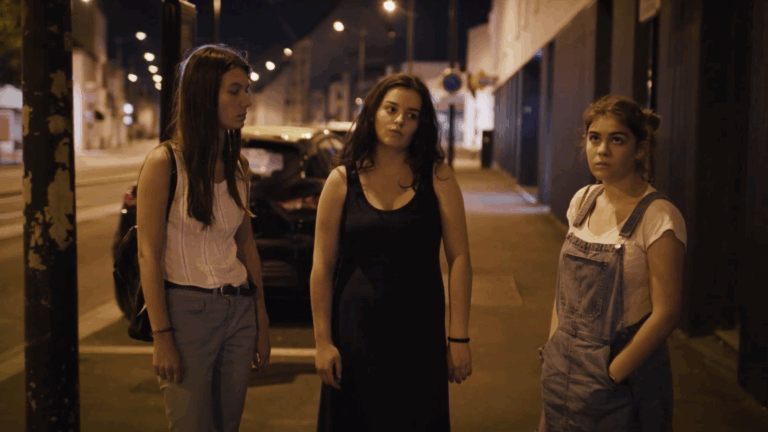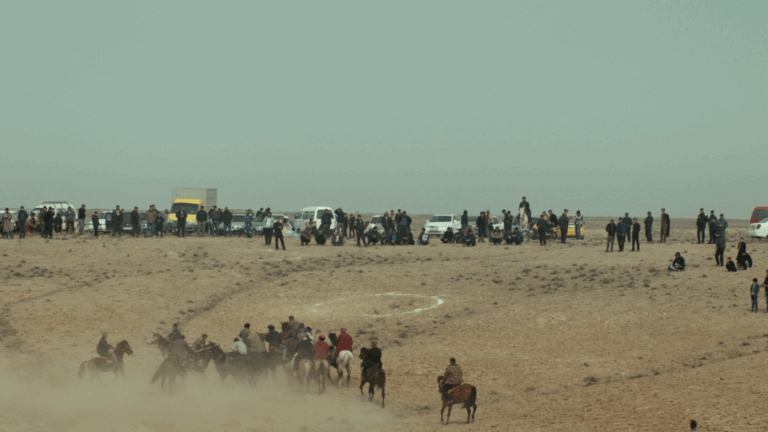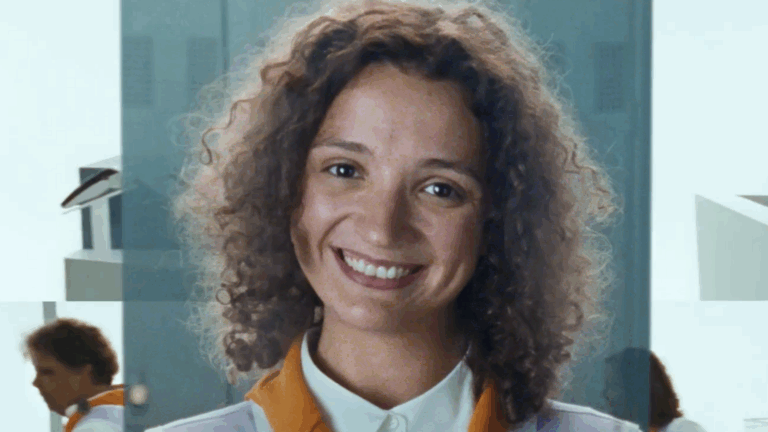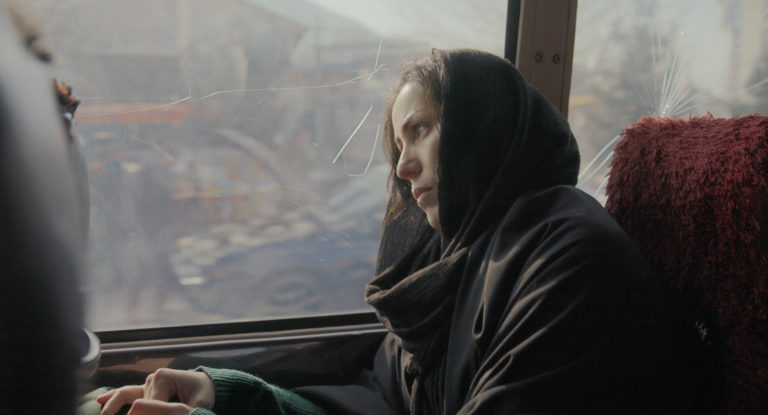
Kabul, Afghanistan. A seamstress named Pari looks for a way to get a pair of glasses, which she needs to keep working.
That is the synopsis of the film by Salar Pashtoonyar, presented in the international competition at the Clermont-Ferrand festival. It should also be said that Pari is a young widowed mother, and it goes without saying that being a widow, in Afghanistan of all places, is a daily ordeal. The film’s visual style, made up of static frames bathed in soft, warm light, deliberately contrasts with the harshness of Pari’s life as she raises her children alone in a country where being a woman and a widow amounts almost to social death.
Nikolay Michaylov, the film’s Canadian cinematographer, told us about his experience on the shoot in an email exchange.
Kabul and Afghanistan are rather unusual locations, especially for a short film… How did you end up there?
As it happens, I had already worked with Salar Pashtoonyar, the film’s director. We were students together at York University in Toronto, Canada. Bad Omen was his thesis film, and since we had already worked together a bit, Salar trusted me and asked me to come with him to Afghanistan. It was a real privilege for me to help tell this very personal story, based on Salar’s own life experience in Afghanistan.
In some ways, Bad Omen reminds me of Iranian films. Beyond a neighboring regional culture, I see a certain restraint, a certain subtlety, a quiet confidence in the framing… How did you prepare the film’s visual style?
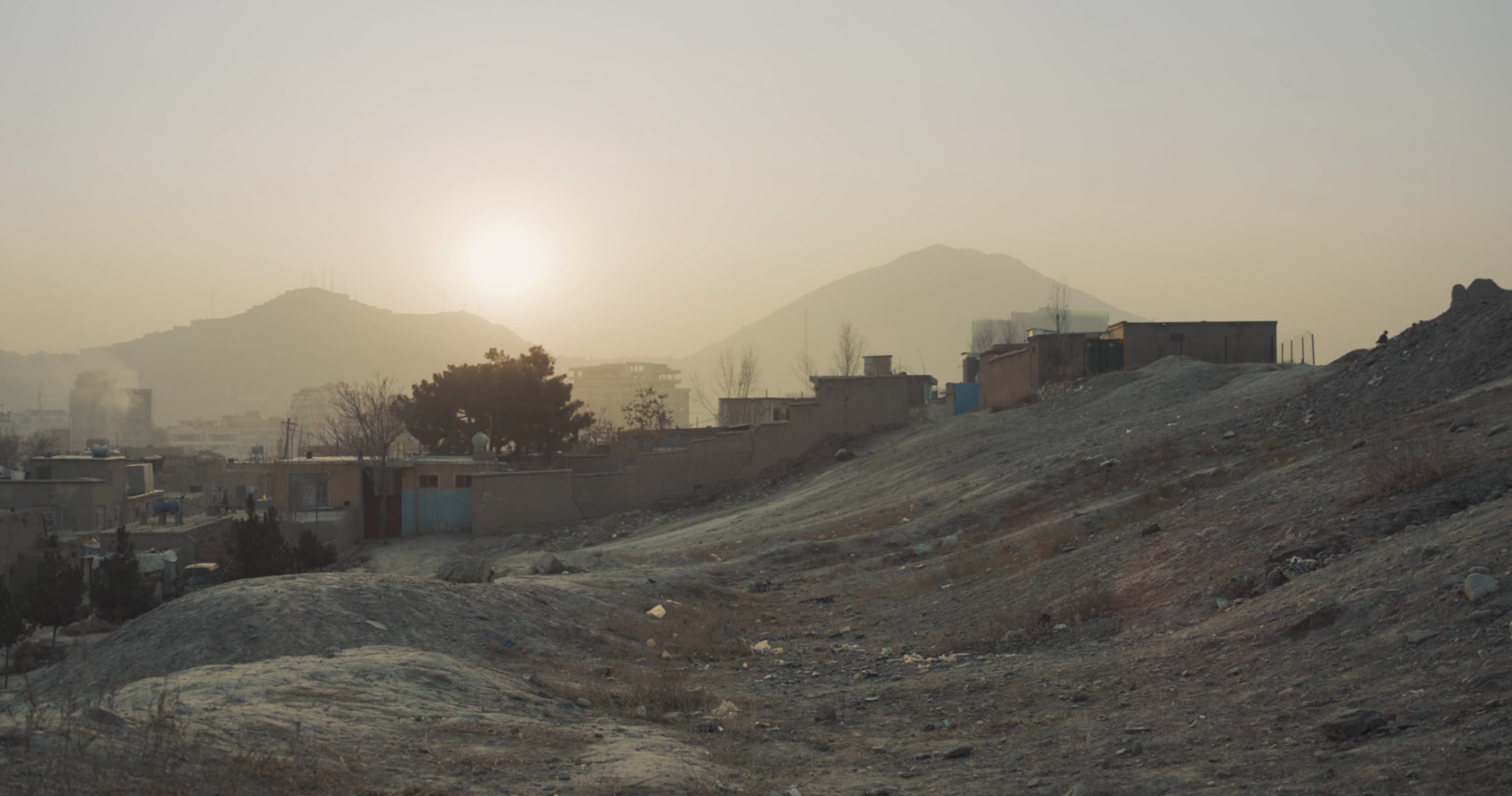
Salar and I talked a lot about how the Middle East and Asia are often portrayed, and above all caricatured. Even though the film sheds light on the injustices suffered by widows in that part of the world, it was important to Salar to show the beauty of Kabul, even though the city also has plenty of problems. In a way, all of this influenced my lighting and framing.
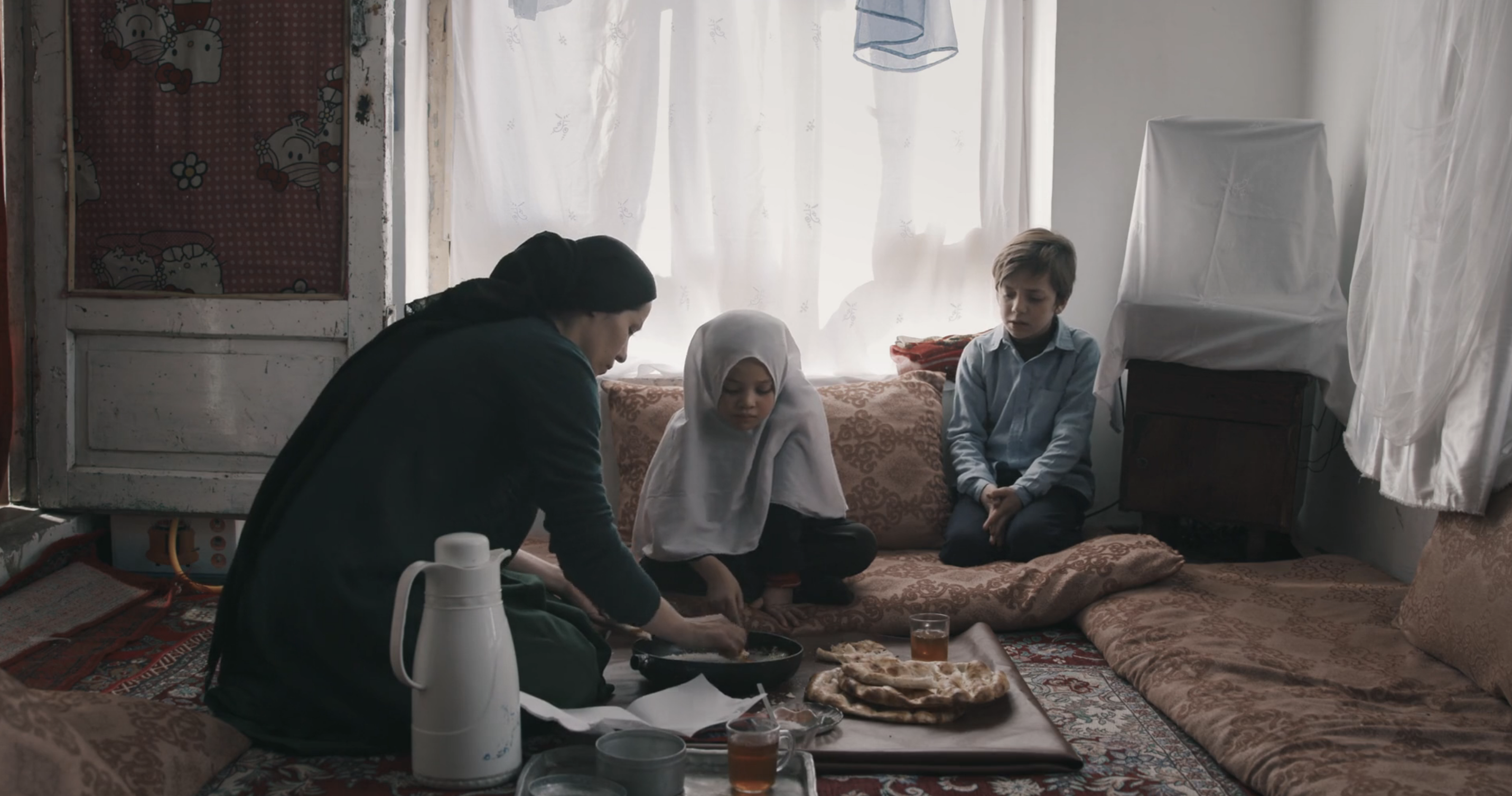
Our Kabul is the opposite of Hollywood’s depictions. Western films portray the Middle East with very warm, contrasty light, which has nothing to do with a place like Kabul, which is simply a lively, bustling city in the middle of a desert valley surrounded by mountains. I wanted to pay tribute to it, with the hues of the desert, the colors of the fabrics people wear, and the eccentric colors of Afghan carpets. Our colorist, Patrick Samaniego, at Alter Ego Post, helped me a lot with that.
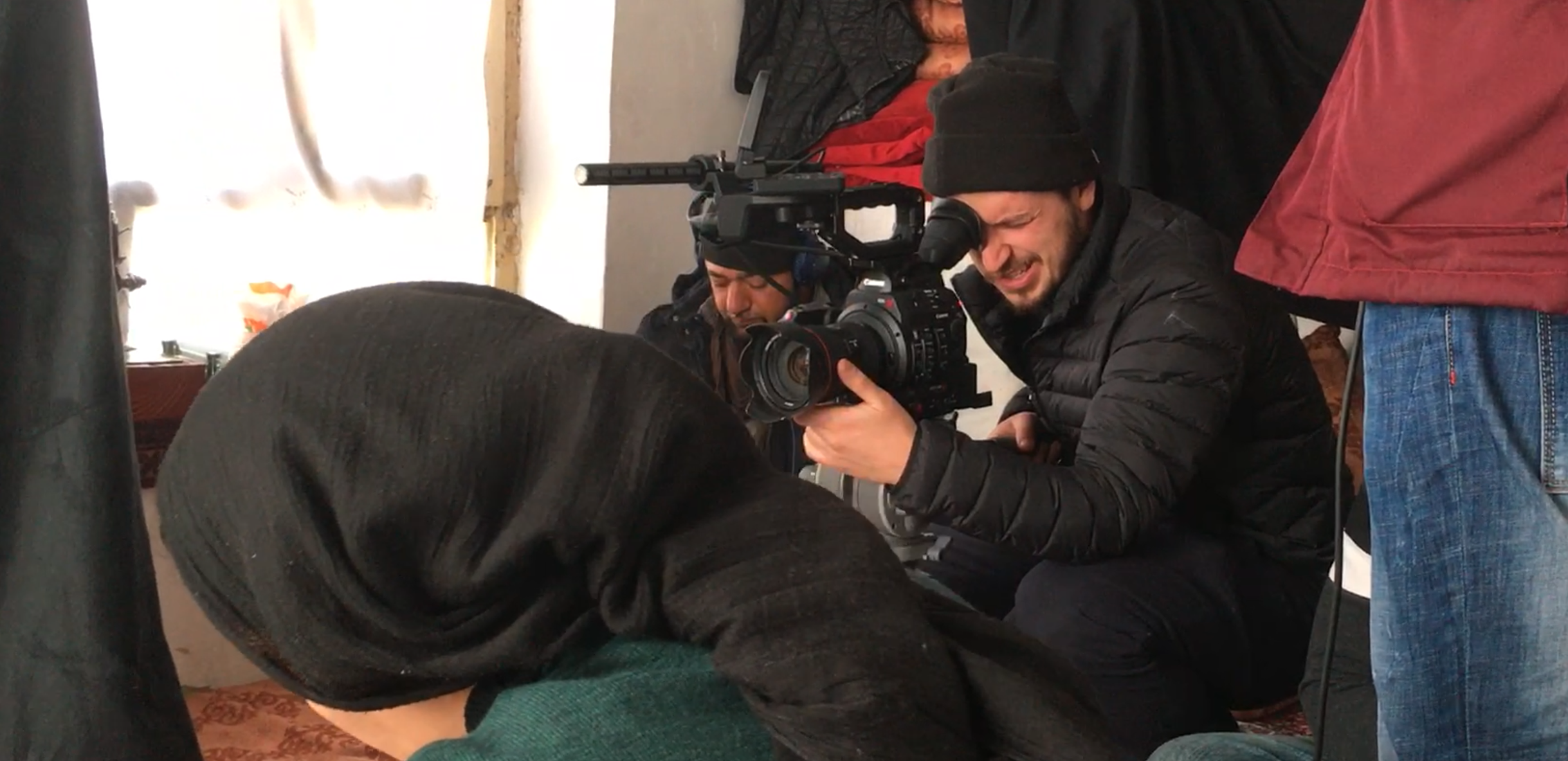
Salar had shot all his previous films handheld, but after reading the script I suggested doing the opposite. We had brought an Easyrig and a tripod, but once we were immersed in the world of Pari, the main character, it became obvious: a very stable, very composed image allowed us to show how Pari occupied space, her space. To convince ourselves completely, we watched several films by Chantal Akerman (Je Tu Il Elle, 1974; Jeanne Dielman, 23 quai du Commerce, 1080 Bruxelles, 1975). To me, handheld camera brings a kind of discomfort, of chaos, whereas Pari’s story is about resilience, which we felt was clearly expressed by a static image. Pari’s story tells how a mother takes it upon herself to care for her family. I wanted our visual language to convey Pari’s perseverance: it was the strength of this character, more than the camera, that had to create movement in a very rigid society.
What guided your equipment choices?
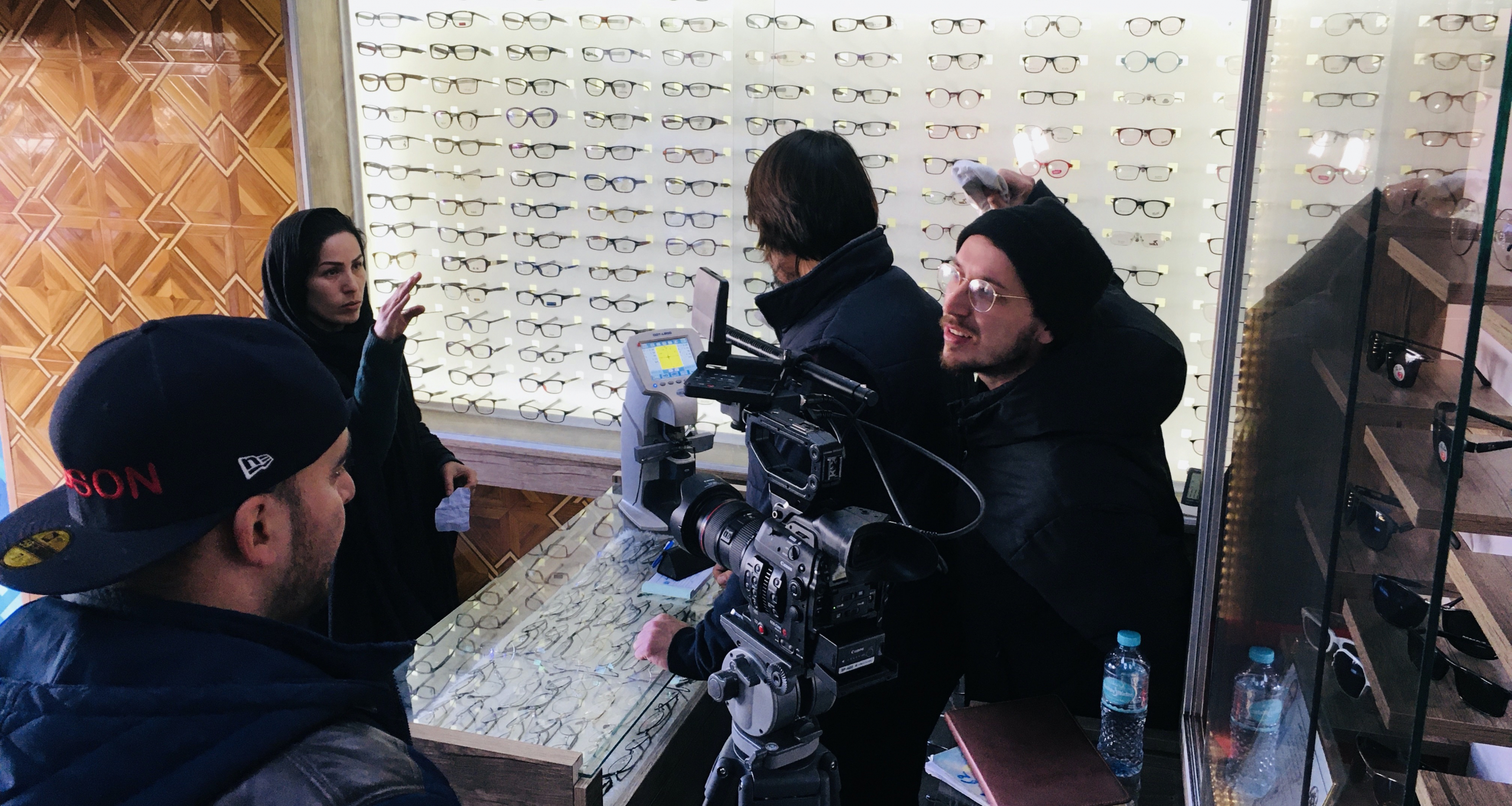
The insurance costs for a basic camera kit taken there far exceeded the film’s entire budget, and even York University’s legal department couldn’t allow the equipment we wanted to leave the country. So we had to rely on our own resources: Salar ended up buying a C300 Mk II, and I borrowed still lenses from a production company I often work with in Toronto. The film was shot entirely with a Canon EF 24-70mm f/2.8L II USM. I also got many shots in the city with a Canon EF 70-200mm f/2.8L IS II USM.
I could only take two suitcases, one for my clothes and another with everything I could carry: battery-powered Quasar tubes, Moss Flex bicolor LED strips, muslin, duvetyne, a small stand with a ball head and a magic arm, a dozen clamps, and lots of gaffer tape.
Were you able to bring your crew, or did you have to work with a local crew?
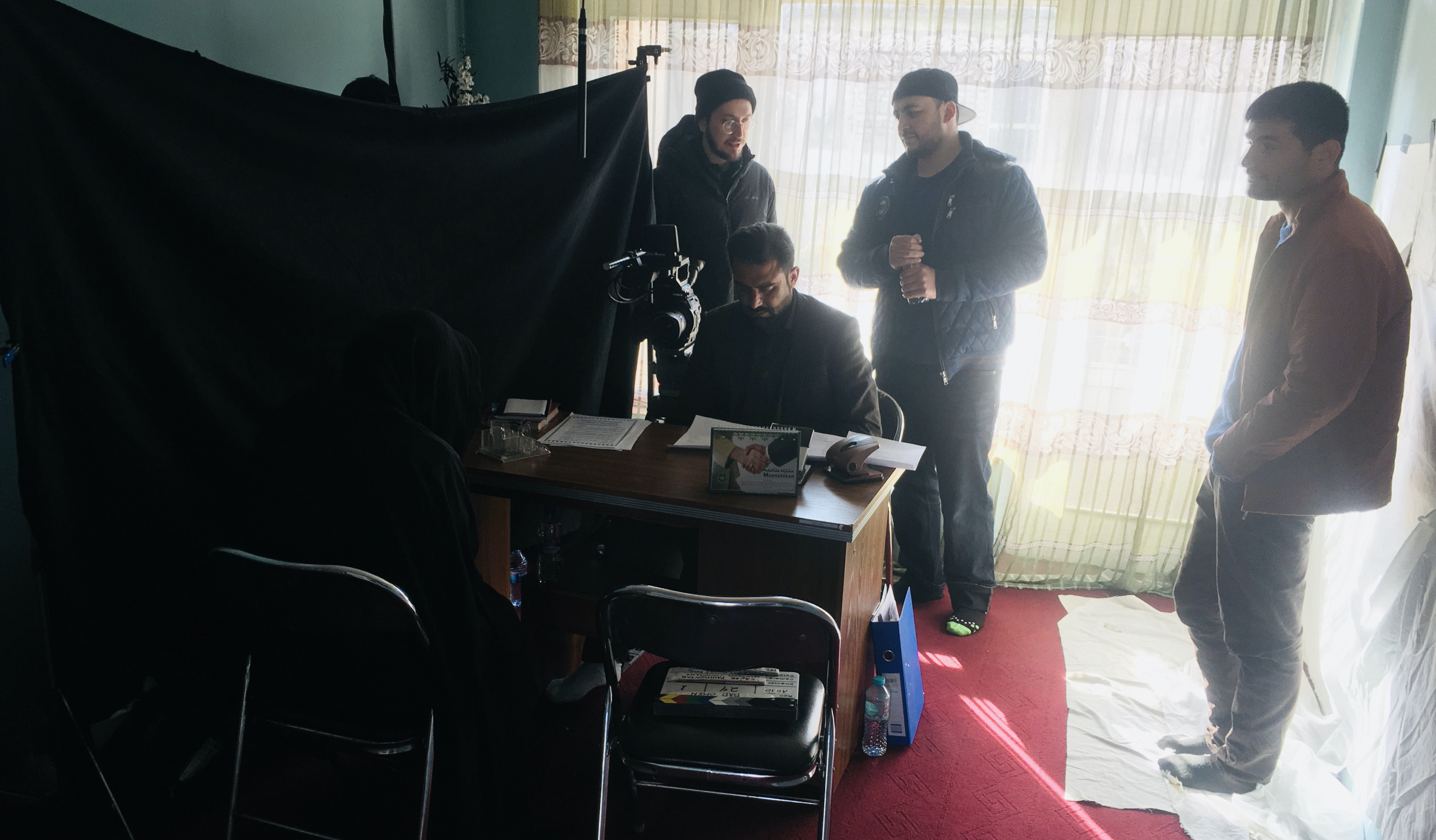
I couldn’t bring anyone. Salar and I knew our means were limited, so we gave ourselves time for meticulous, well-organized scouting. Our fixer/assistant, Parwiz Arify, was incredible on this film. When needed, I could rely on his lighting or camera skills to assist me.
Everyone on set was very invested and helped us however they could. That commitment was really appreciated!
I really liked the skies and exterior atmospheres in the film, which have a very soft look. How would you describe the light in Kabul, and how did it affect your images?
Kabul sits in the middle of a very dry valley, surrounded by mountains, and the light is very hard. In winter, however, this hard light is softened by a thick cloud of smoke. Security spending weighs heavily on the Afghan state, which affects public services, including energy. Unfortunately for the population and for entire parts of the country, this is felt in everyday life, with whole neighborhoods going without electricity for much of the day. As a result, many homes are heated with coal or wood, businesses and shops run their generators to stay open, and poor and homeless people burn garbage to keep a little warm. On top of that, Kabul is a dense city, choked with traffic…
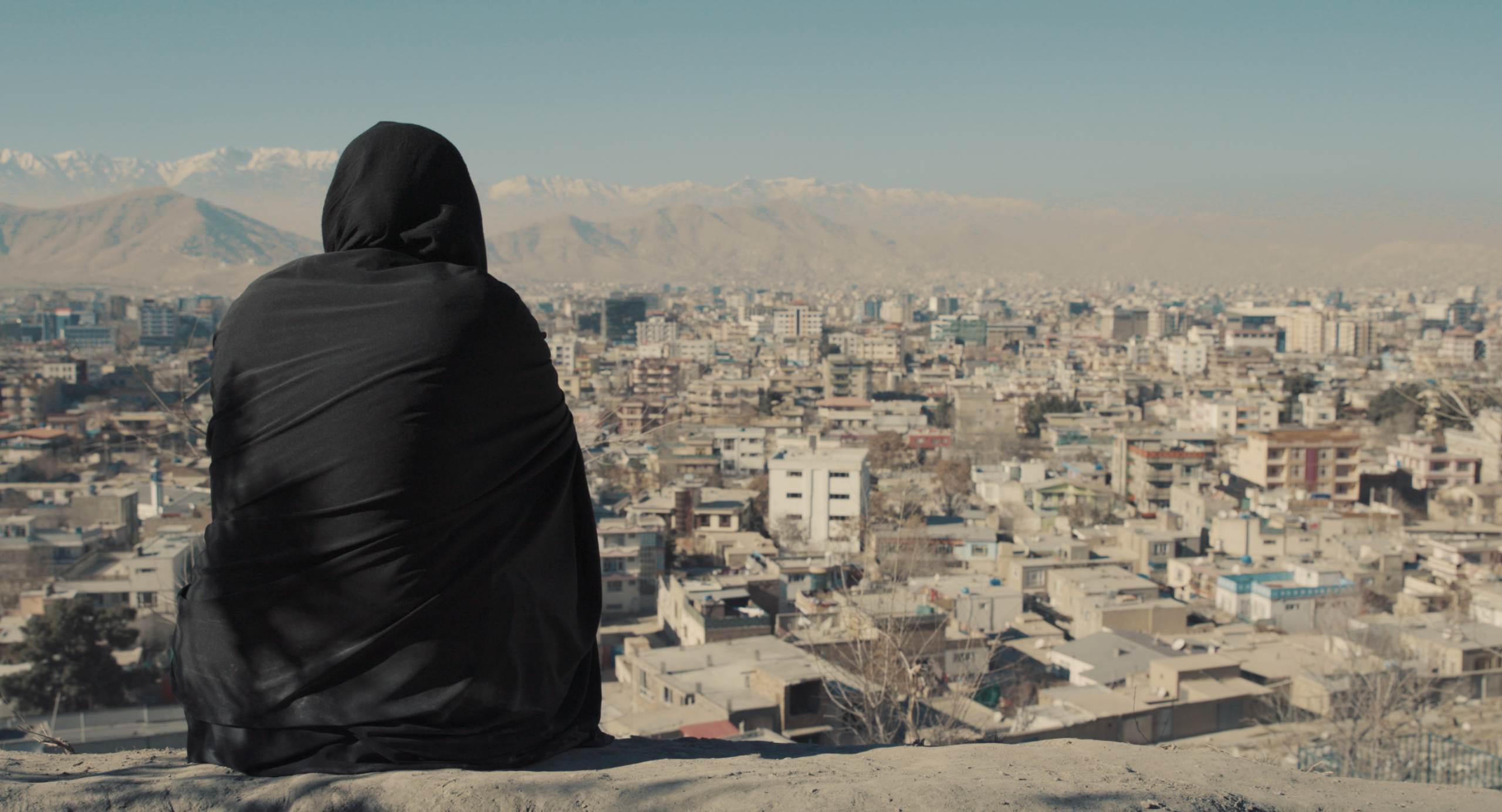
All of this builds up into a thick haze over the city (whenever I opened my weather app, it invariably said “fog”), and this haze acts as a kind of diffusion, filtering the sunlight. That served us well in getting this soft, diffused light.
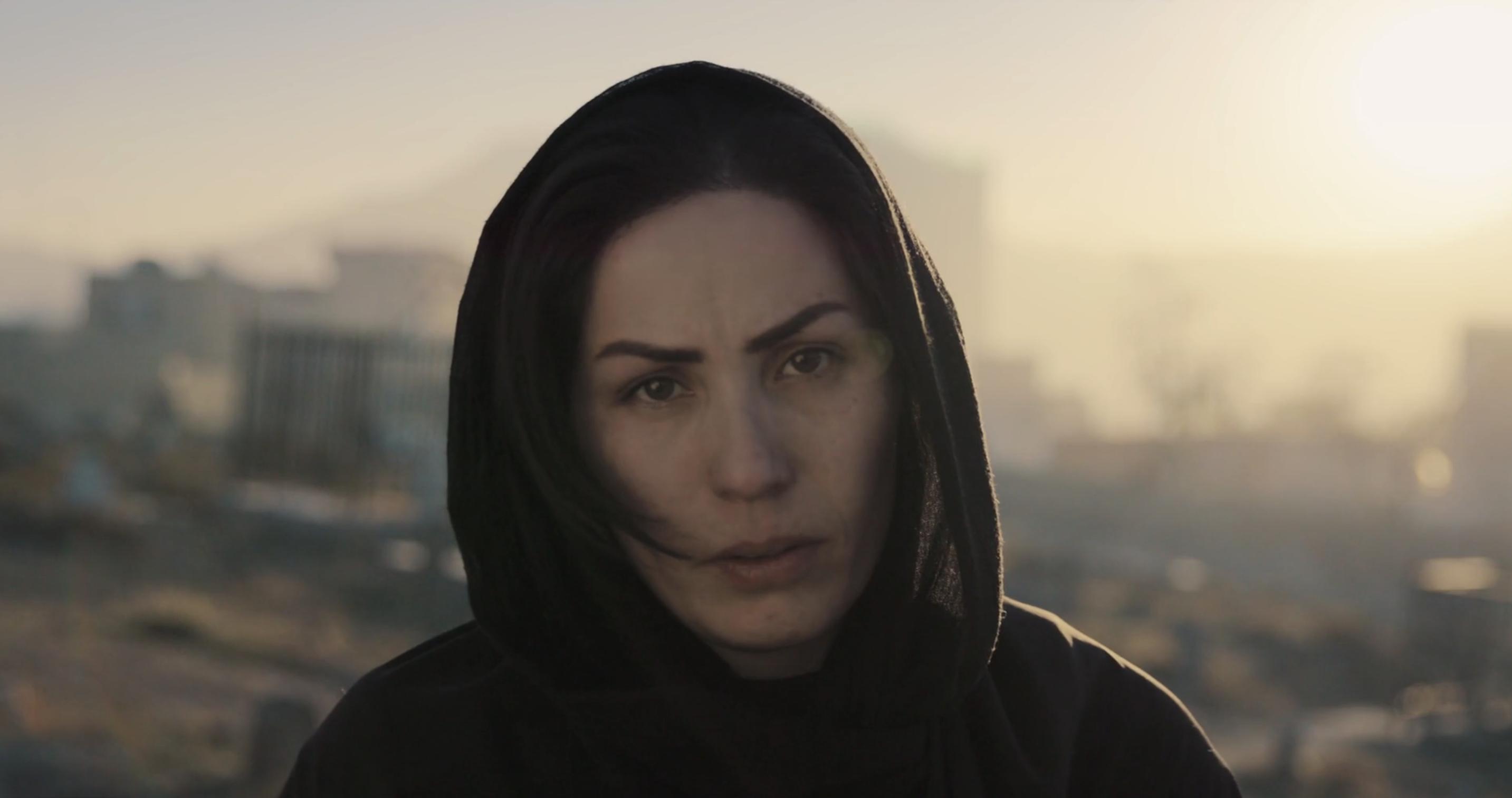
For me, one of the strongest shots in the film is Pari’s look into the camera. All the men she meets in the film more or less avoid her gaze, and here her direct look and silent face call on the viewer as a witness. I can easily imagine that this shot was in the script, and I also imagine that other shots came up during the shoot, as often happens. How did the locations influence your work?
Every shot in the film had been meticulously planned in advance. Once in Kabul, we spent a full week scouting, with a stills camera to previsualize our frames.
Security measures in the city severely hampered spontaneity, so we had to deal with unforeseen problems with permits. The shots of Pari in public spaces were obviously the most problematic, since filming in public typically arouses suspicion. We had to be vigilant and careful about the people and places we filmed.
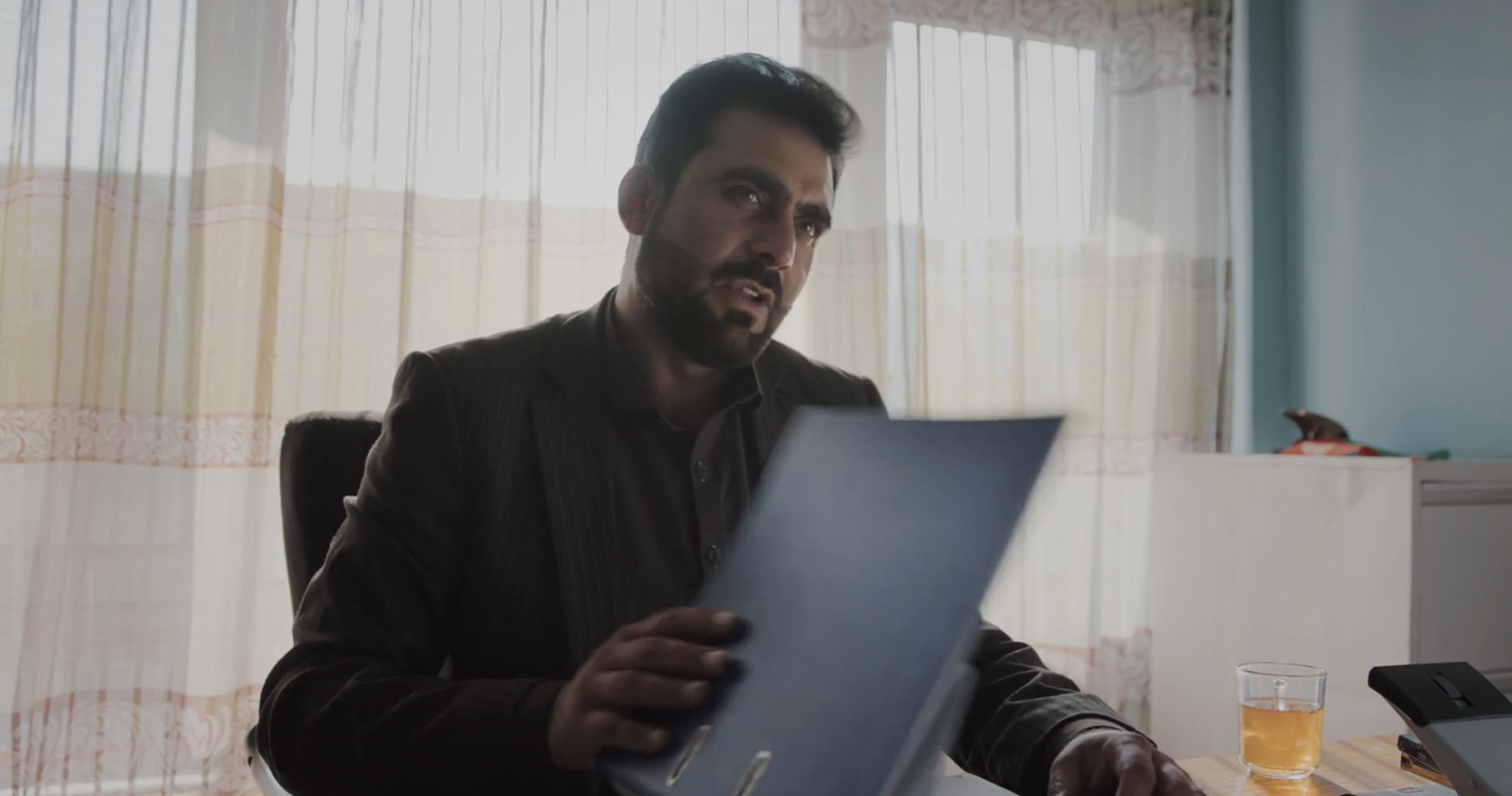
The juxtaposition and contrast between the peaceful mountains and the city’s characteristic tumultuous energy blew me away, and the locations completely shaped my framing. My ambition for the film was to show Pari’s daily struggle in this unique place that is Kabul, and on several occasions the locations were fully in tune with the film’s intentions. In the tailor’s shop, for example, you can see behind Pari a photo of a woman in a wedding dress, obviously at odds with Pari’s situation yet intimately connected to it. Incorporating that element visually allowed us to reinforce the directing intentions in the image.
Pari’s look into the camera is also my favorite shot. At that moment in the film, and in the following sequence, Pari faces her reality, and it’s truly heartbreaking.
What was the biggest challenge for you on this film?
The biggest challenge for me was adapting to the way films are made in Afghanistan. Filming in a country you don’t know involves a cultural learning curve, with ways of doing and ways of being that I hadn’t necessarily anticipated. At one point, Salar had to remind me that Canada’s pace doesn’t apply in Afghanistan and that we just had to go with it, which is a kind of privilege, in the end. If a location fell through, we took the time to find another; if the police didn’t want us to film somewhere, we stopped shooting and went to shoot elsewhere. If we ran out of daylight, we rescheduled the sequence. I had to let go, and in a way it set me free. It allowed me to fully appreciate the beauty of Afghanistan. I also had the opportunity to meet the country’s small community of filmmakers.
I saw on your website that you work in fiction but also in commercials and music projects, and that you have also directed a few films (including a documentary). What is your background, and what led you to cinematography?
In 2009, I started studying at Ryerson University with the idea of becoming a director. In the first year, we were asked to shoot our own film with black-and-white 16mm Bell & Howell cameras. So very early on I learned to shoot and develop film, cut on a Moviola, conform prints, and project them. We were taught to be self-sufficient. It was this intensive practice that made me comfortable with cameras, even though they terrified me at first, so I never saw myself becoming a cinematographer! Yet the more I familiarized myself with the medium by experimenting with it, the more I learned to love working on the image.
My experience as a director grew after I left school and greatly enriched my career as a cinematographer. At this point in my career, I still love experimenting and finding new ways to tell stories, whether as a director or as a cinematographer.
__
Nikolay also tells us that another film he worked on is at Clermont-Ferrand this year: Every Day’s Like This, by Lev Lewis.
To learn more about Nikolay and his filmography: his website.