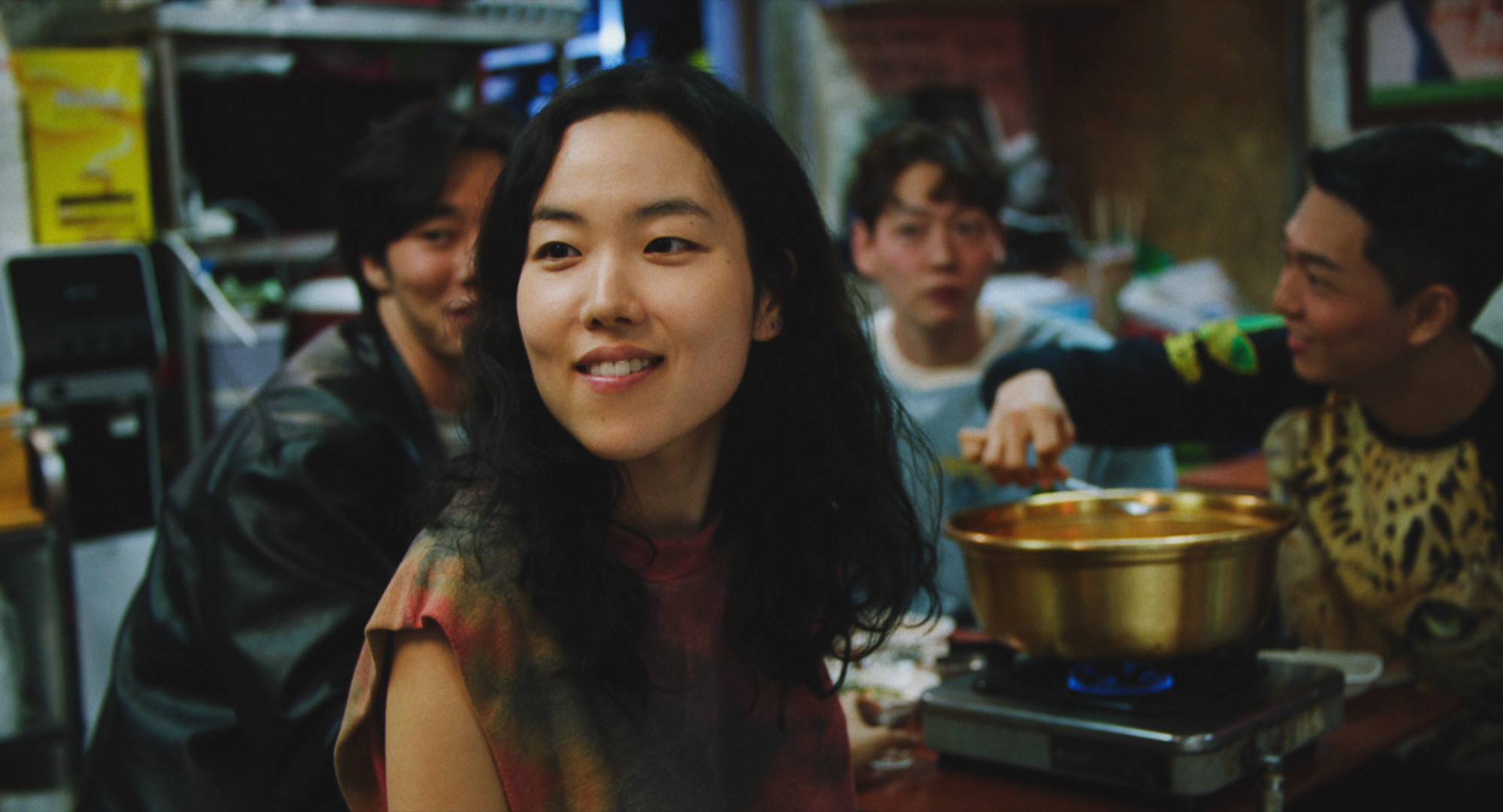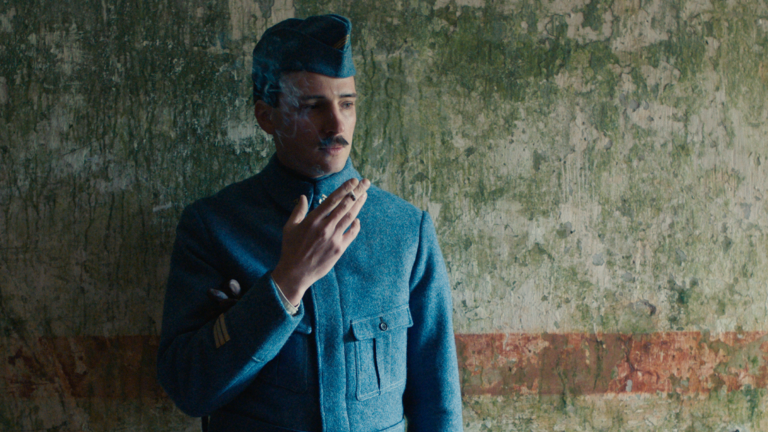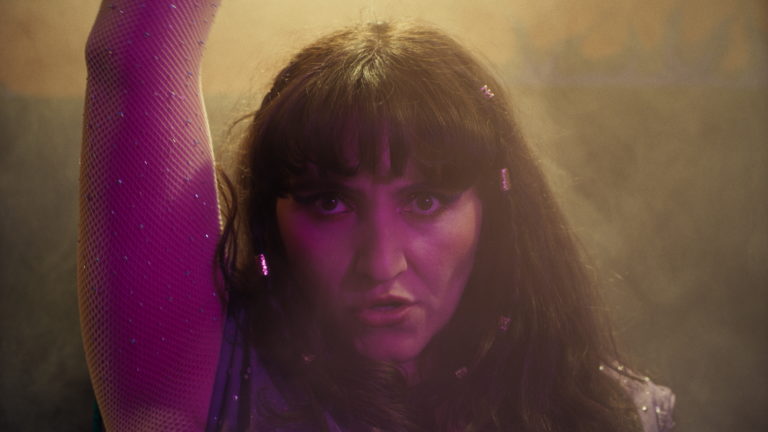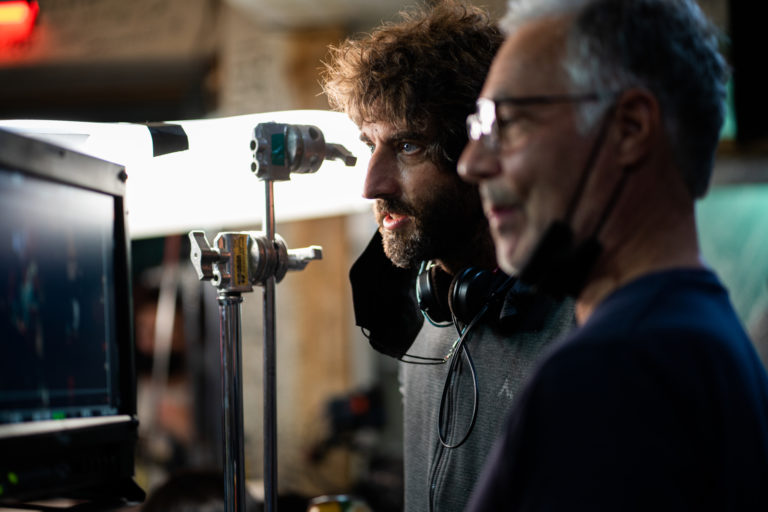
Thomas Favel, a member of the Union, was the cinematographer on Return to Seoul, a film celebrated in the Official Selection’s Un Certain Regard at the Cannes Film Festival.
It is now showing in around a hundred cinemas across France.
Speaking to us from Texas, where he is shooting another film, and used to working abroad, Thomas details his working methods.
– This is your third feature with Davy Chou, a French-Cambodian director who has won several festival awards. This time you shot mostly in South Korea. How did you prepare for this shoot?
It’s hard to sum up the whole preparation, but we can at least sketch out a timeline:
– Early 2020: the very first script readings.
– Spring 2021: meetings with Davy and Vincent Villa, the sound designer (and a close collaborator — we’ve known each other since Golden Slumbers).
– June-July 2021: preparatory tests, during which we determined [that]…
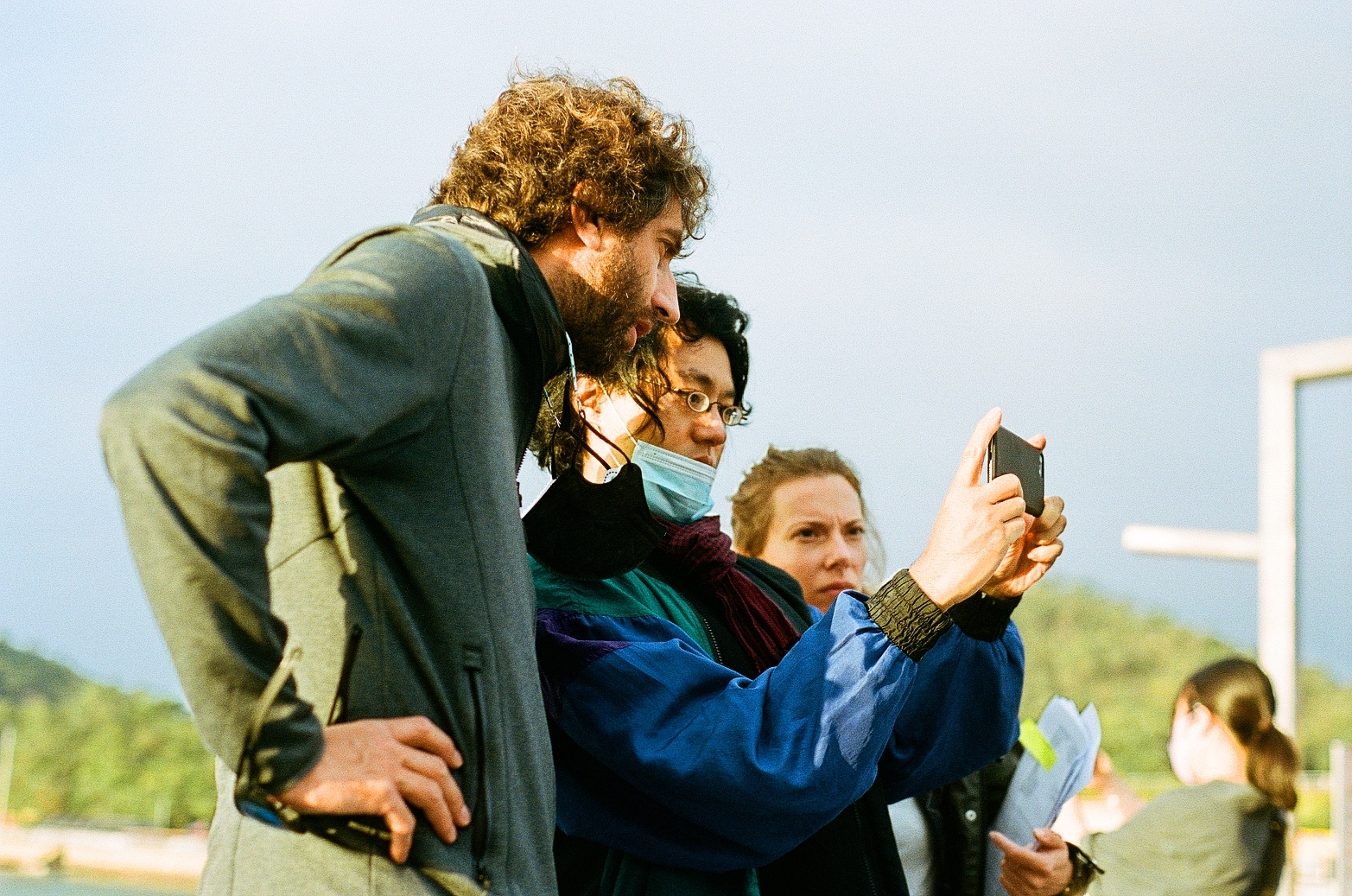
Crédit photo: Min-Ho HA
In Korea, as the local executive producer explained to me, the roles are split differently: there’s a lighting DP and a camera DP. I would have been the camera DP, but I wasn’t thrilled by that division of labour. So I chose to work again with Bertrand Prévot as gaffer, whom I know well and whose work I appreciate, and whom Davy also knows well, since he worked on Diamond Island (by Davy Chou – 2016). I knew he would fit in very well with the Korean crew.
We did prep together remotely, so he could immerse himself in the film and so we could define the lighting principles together, scene by scene, before he arrived on location.
– You’re known for your meticulous preparation. Yet Philippe Rousselot AFC, ASC says that a good part of preparation gets overturned the moment a shoot begins — that the film ends up dictating its own aesthetic rules. What do you think of that, generally, but especially on this particular film?
I didn’t know I was known for my prep! 😉
On this film, we prepared the grade and the overall image together (colour treatment, camera heights, framing values). In short, we tried to understand how Davy wanted to approach the faces in relation to his references; we could clearly visualise the atmosphere, the mood, and the emotional approach we could work towards.
This kind of preparation might give the impression of limiting room for improvisation on set, but in reality it wasn’t a limitation at all — quite the opposite. Since Davy was very focused on his actress, who wasn’t a professional, he could go straight to the point, straight to the emotion of his film, without ever worrying about the image he would get, because he knew the image would end up very close to what he had imagined, or to the emotion he was after.
For me, as in jazz, it’s preparation that makes improvisation possible.
That said, we do love it when a film gets away from us.
An actor will never behave exactly as you imagined, and that’s what makes the beauty of cinema.
Even with Benoît Forgeard, who storyboards everything, there are moments that spill over. I imagine it must have been the same with Hitchcock.
As for light, it will never fall exactly as you thought it would, which is why I don’t draw up lighting plans, except when there are special effects.
I prefer to watch the first blocking, see how the actors’ bodies will move through the set, and how that set will already offer up possibilities for light. Even though, of course, a lot will already have been anticipated in prep — where the window is, what lighting the art department has planned, and so on.
– How would you sum up the artistic direction of this film’s images, in terms of lighting, framing and camera movement?
It’s an attempt to blend contemplative Asian cinema with American cinema in the vein of Safdie or Fincher. At the start of prep, this was a question Davy couldn’t quite settle — everything shot on a tripod and in contemplative tracking shots, or everything handheld on a long lens, Safdie-style. Balanced against that was also the masterful editing structure of Fincher’s films (see The Social Network, which influenced us a great deal).
– How did you frame dialogue in Korean, without necessarily understanding every nuance of it?
I knew the dialogue by heart, and I’m used to shooting in languages I don’t understand. I actually enjoy it — I find you become more attentive to body language. And generally, even when I don’t understand the words, I can sense whether a take is good or not; it’s a kind of alchemy with the actor that doesn’t only pass through words.
– Did you shoot entirely on real locations, or did you mix in studio work?
We shot only on real locations, but there was significant set-dressing work on some of them, such as the guesthouse for example.
– What was your lighting package of choice on this shoot?
We used a lot of Astera Titan tubes, which are very practical in small spaces and allow you to shape the light according to the action and movement.
– Your sensor? Your lenses? Your camera presets? And why?
The Alexa sensor at 3.2K, ProRes 4444 and ARRIRAW open gate, standard Primo lenses.
We wanted to create bespoke LUTs, but the colourist was on holiday, so we started shooting with old LUTs I had used a great deal (I had built them for other films), and in the end they worked well. It’s because I know them; they suit my taste.
– What were your main contributions during the grade?
The film is divided into three parts, each part defining a certain form of the character’s identity in relation to her situation, or her identity crisis, as she arrives in Korea. These are three stages towards this character’s maturity.
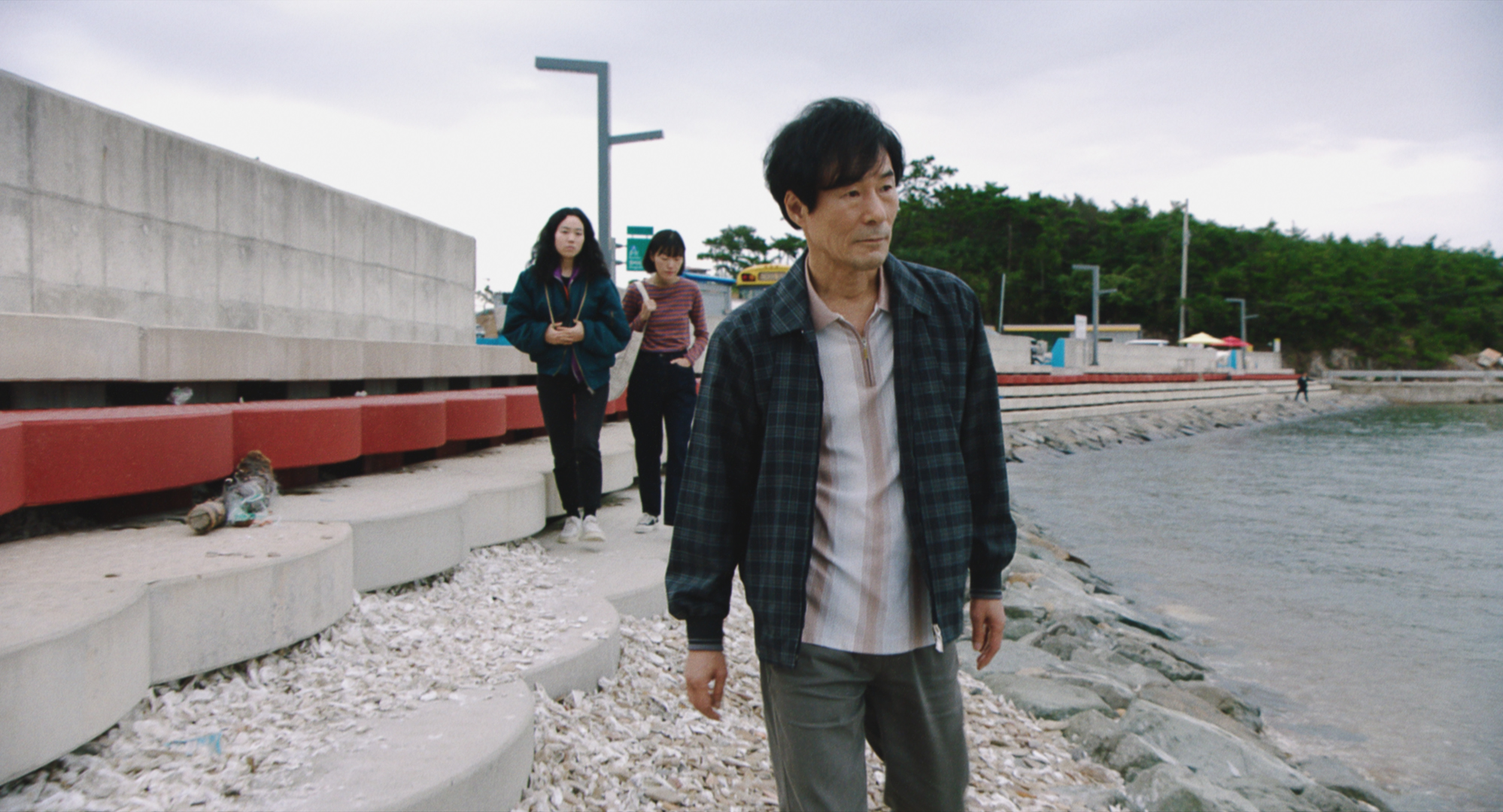
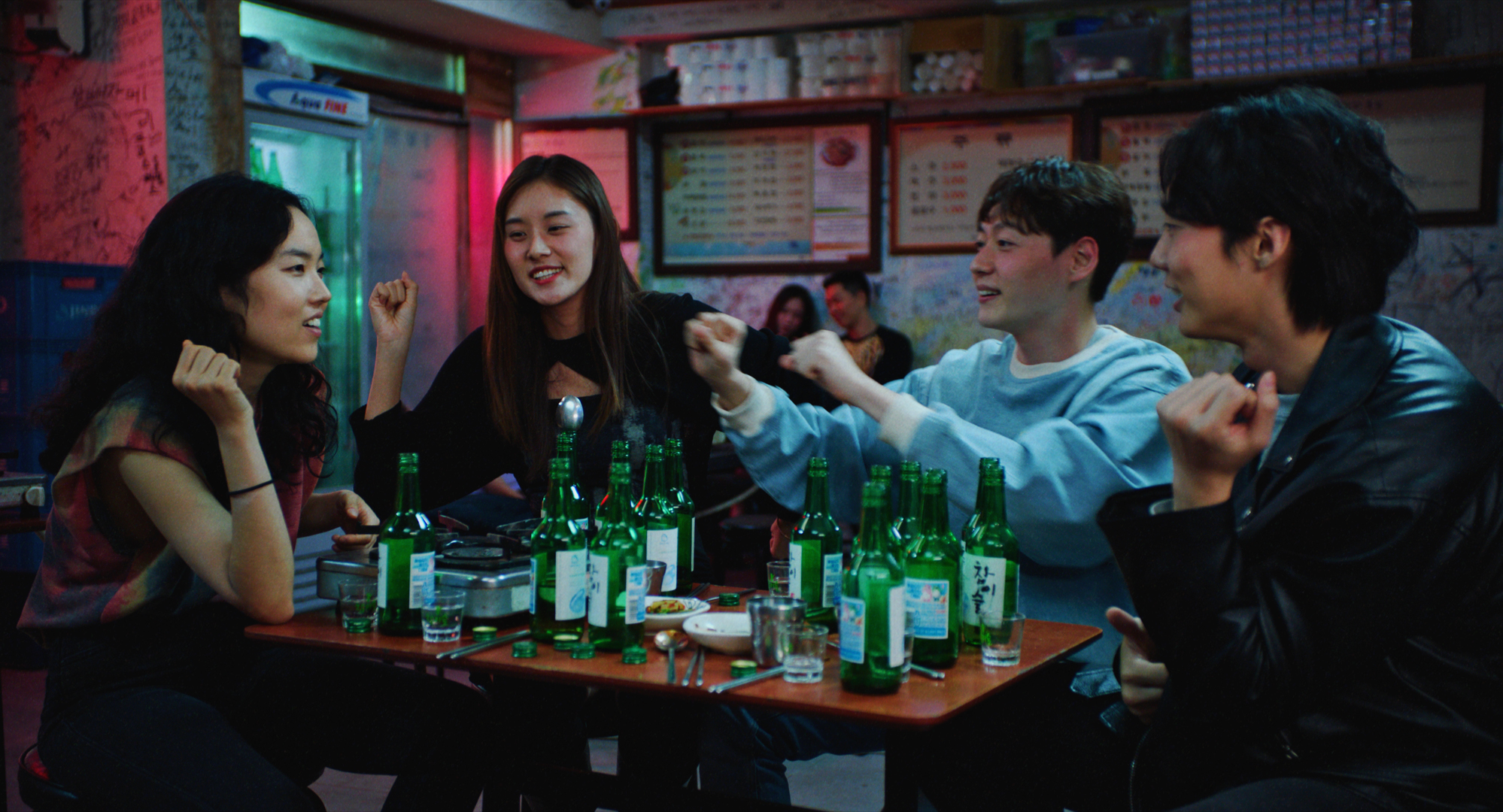
The first part focuses in particular on the fact that she’s a young French woman arriving in Korea. We explore her search for identity, which sometimes clashes with a very colourful, very exotic Korean world. Through her search for her own family’s roots, she tries to fit into her surroundings while noticing a clash of values. In the grade, in this first part, we tried to show just how much she tries to identify with a Korean youth, all while fundamentally discovering herself at odds with the very traditional values of her father’s family.
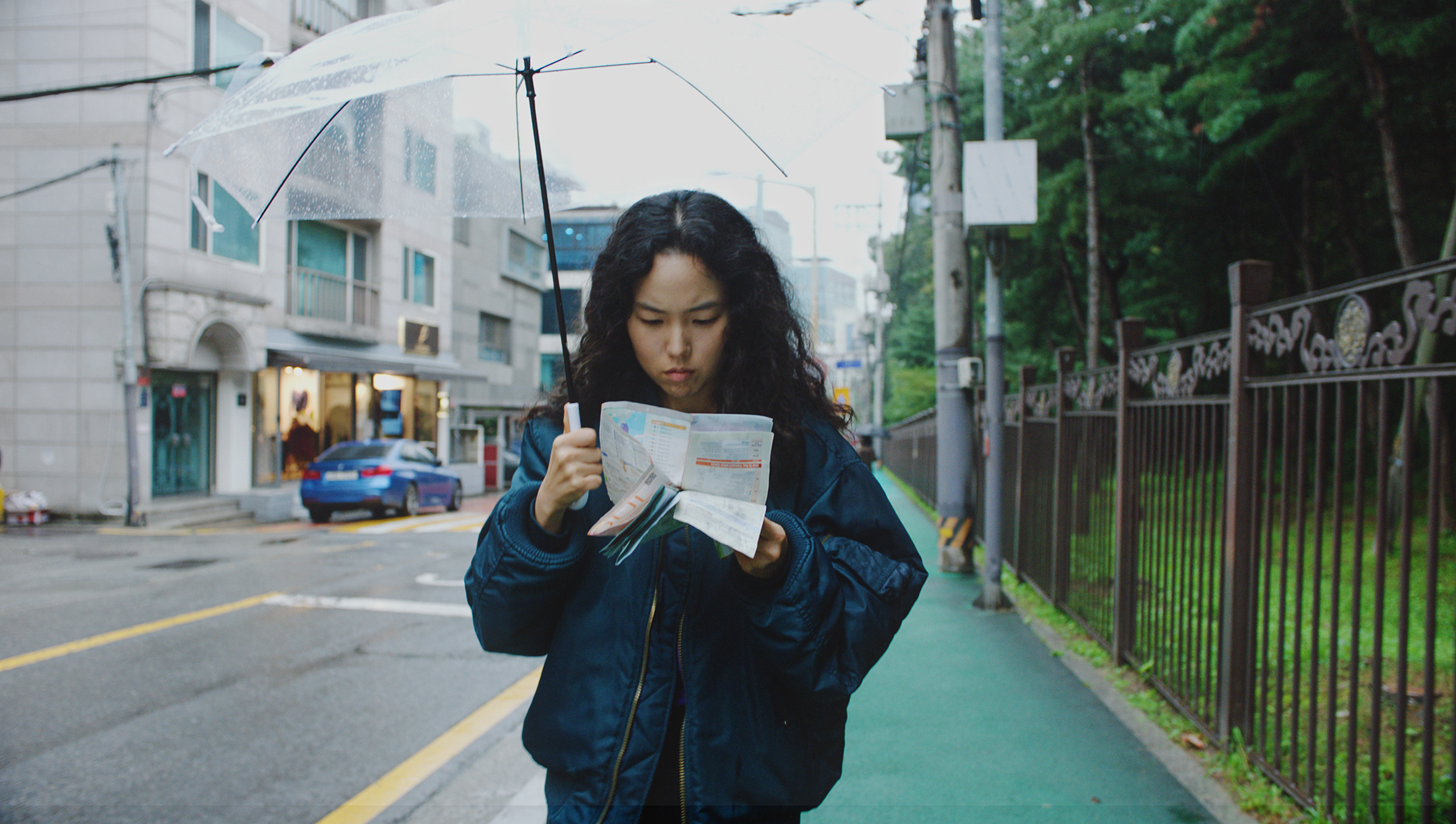
In the second part, she’s a woman with more maturity, who fits well into her surroundings. She has built her own world. Yet a certain violence remains, particularly when she’s confronted with the dark, strange side of her mother. But she seeks to be loved by people, and accepted by an environment she identifies with culturally.
The third part depicts another stage of maturity: she is now at peace with a certain form of Korean identity. But the fact that her mother won’t reach out to her remains a sticking point. She strives to stay adult in the face of this situation.
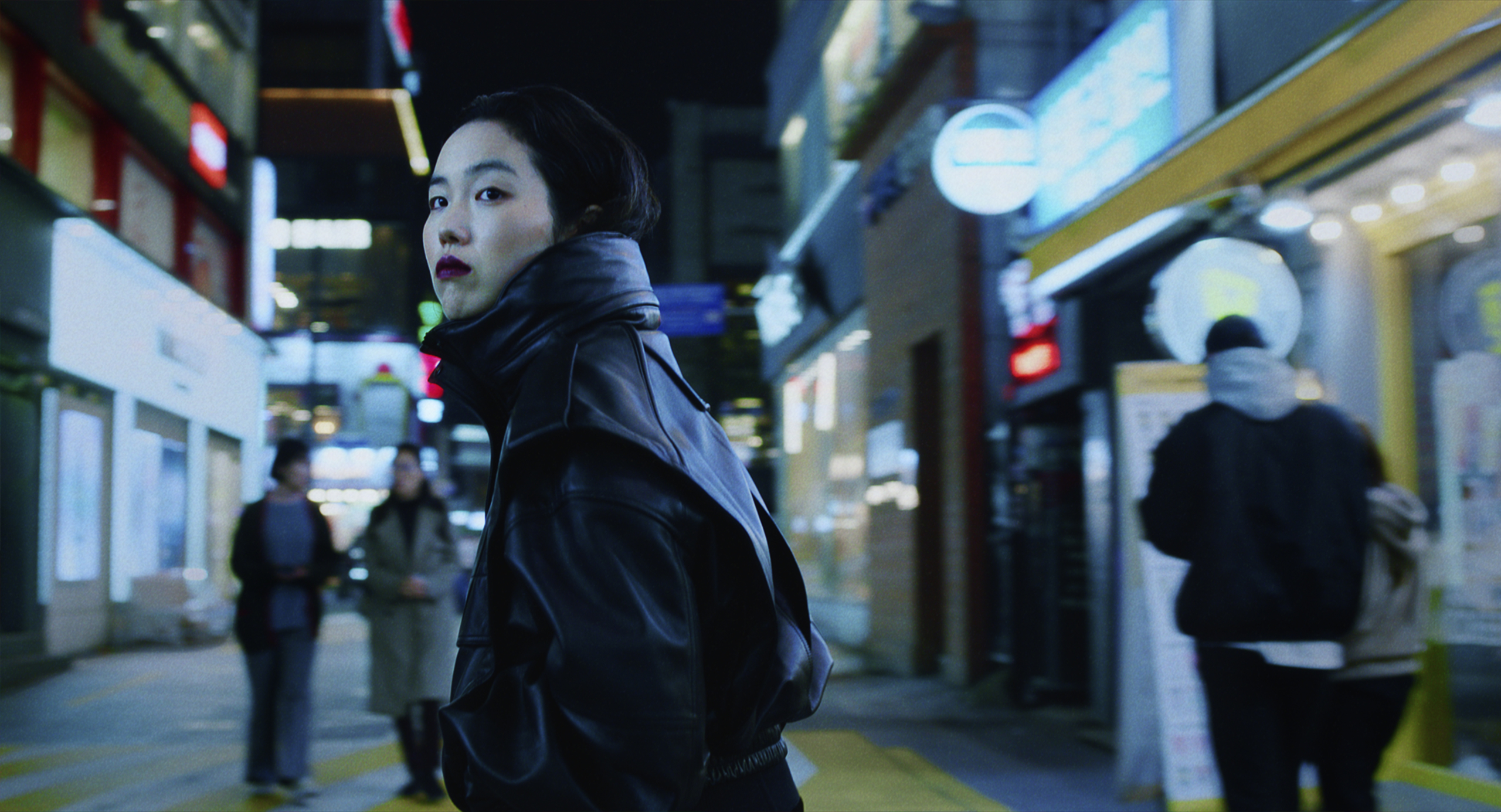
The grade across the whole film tries to show the different colours of her life and the particularities of this evolution.
The treatment of colour, moods and environments was there mainly to support the character’s emotional state.
Diamond Island was centred on contemplation and a certain wonder at images and environments, whereas Return to Seoul makes the character’s emotions vibrate, and lets the audience step into deep empathy with her feelings and turmoil.