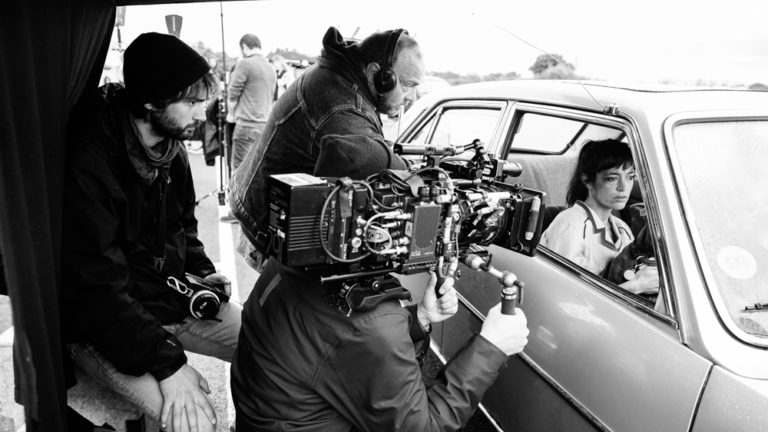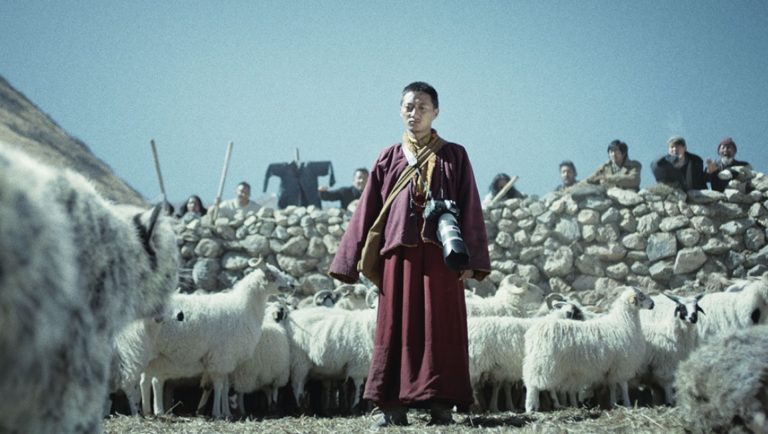
The Snow Leopard (Xue Bao) is the last film by Pema Tseden, who died suddenly a few months after its release. The Tibetan director, a graduate of the Beijing Film Academy, crafts an astonishing tale in which the Tibetan and Chinese languages, the impulses of death and life, YouTube and the Buddhist religion mingle.
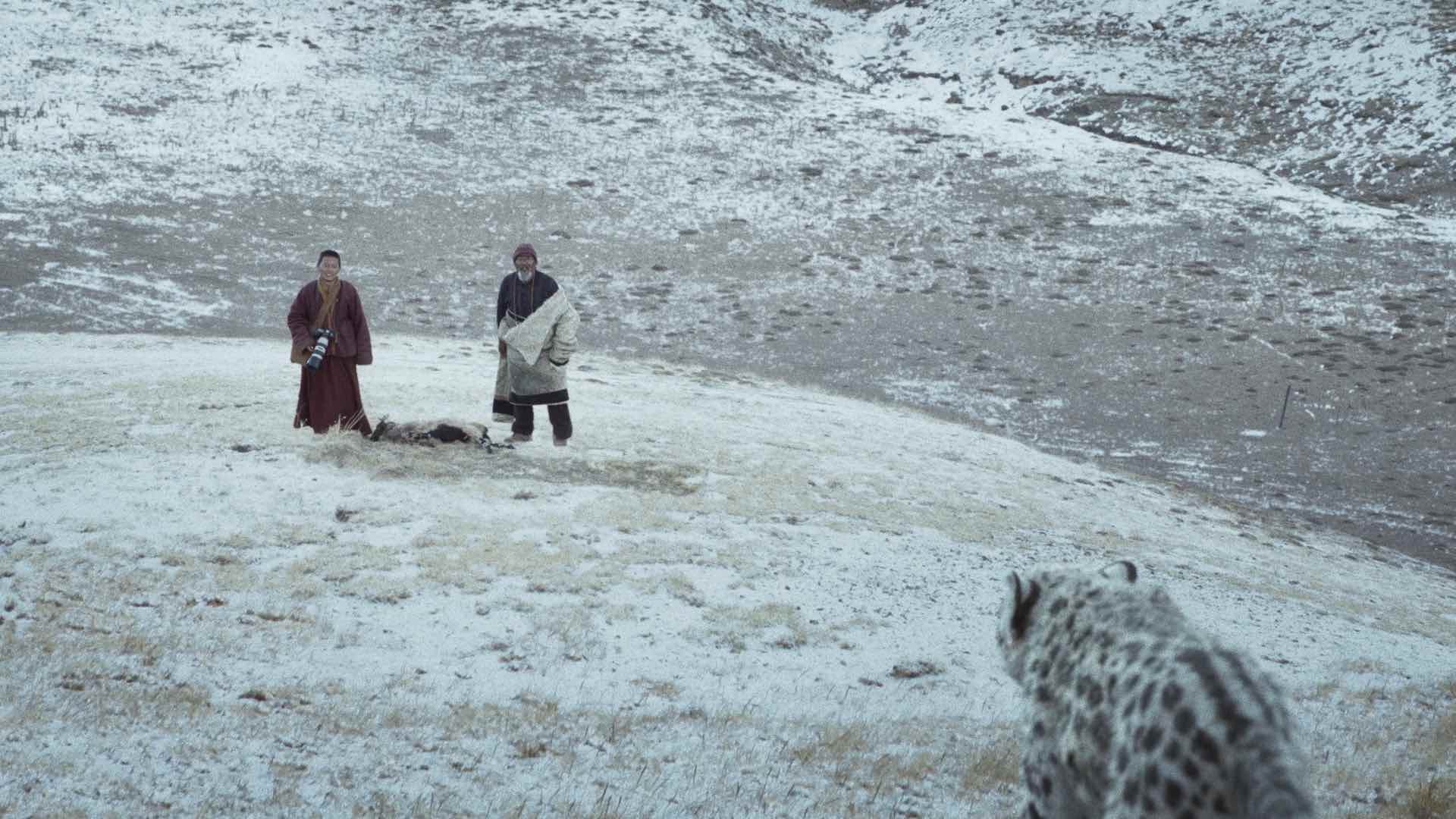
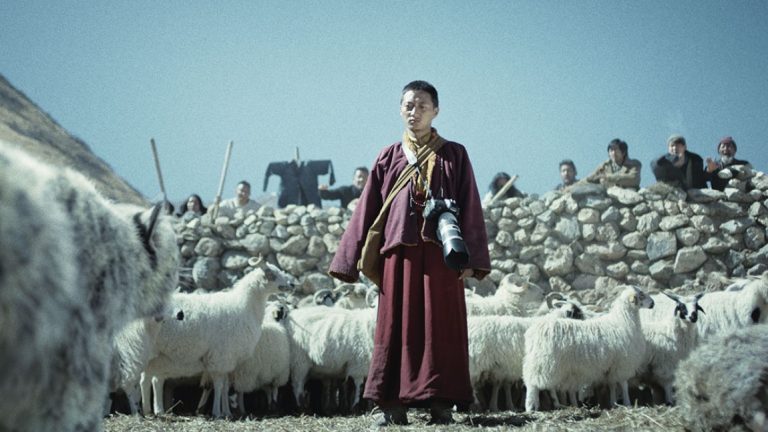
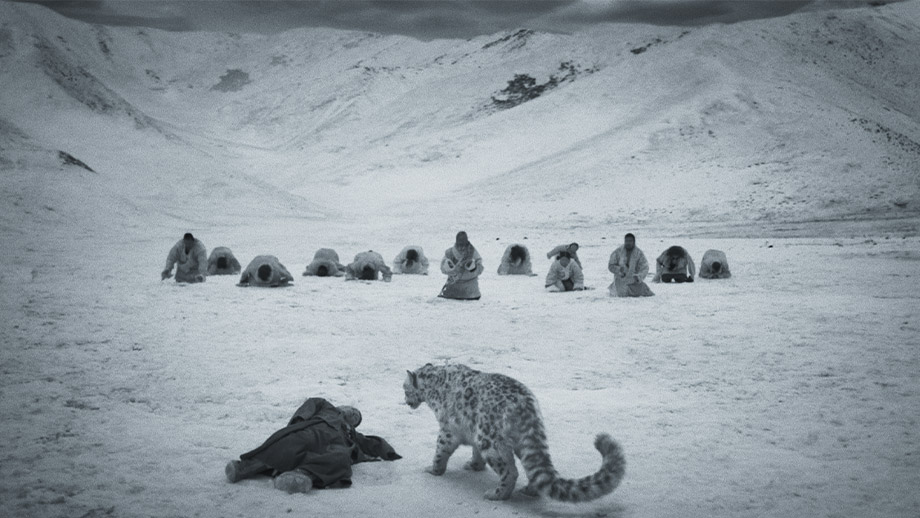
The film begins with a road-trip between men, then freezes between mountains. At once an ecological fable, a tragedy and a film within a film at 5,000 meters above sea level, The Snow Leopard relies on unrestrained use of digital visual effects, veering at times into a dreamlike trip before returning to comedy. Pema Tseden called on the services of Belgian cinematographer Matthias Delvaux, accustomed to shooting in China, whose images flood our pupils with the light of the steppes.
Interview with Matthias Delvaux (@delvaux_matthias)
– How did you come up with the idea of making movies for a living ?
I have loved dreaming away through movies since I was young, especially horror and cult films. And now because I chose a more nomadic way of working in cinema, I am able to get experiences in different parts of the world and with different cultures. It’s wonderful really.
– Can you tell us about your Chinese connection ?
Many years ago I did a bike trip in West-China which was a big adventure and made me curious to explore China even more. I fell in love with the desolate landscapes, the language and the stories from the people. When I arrived the independent movie scene was quite strong, so I stuck around for some more adventures.
– How did you meet Pema Tseden ?
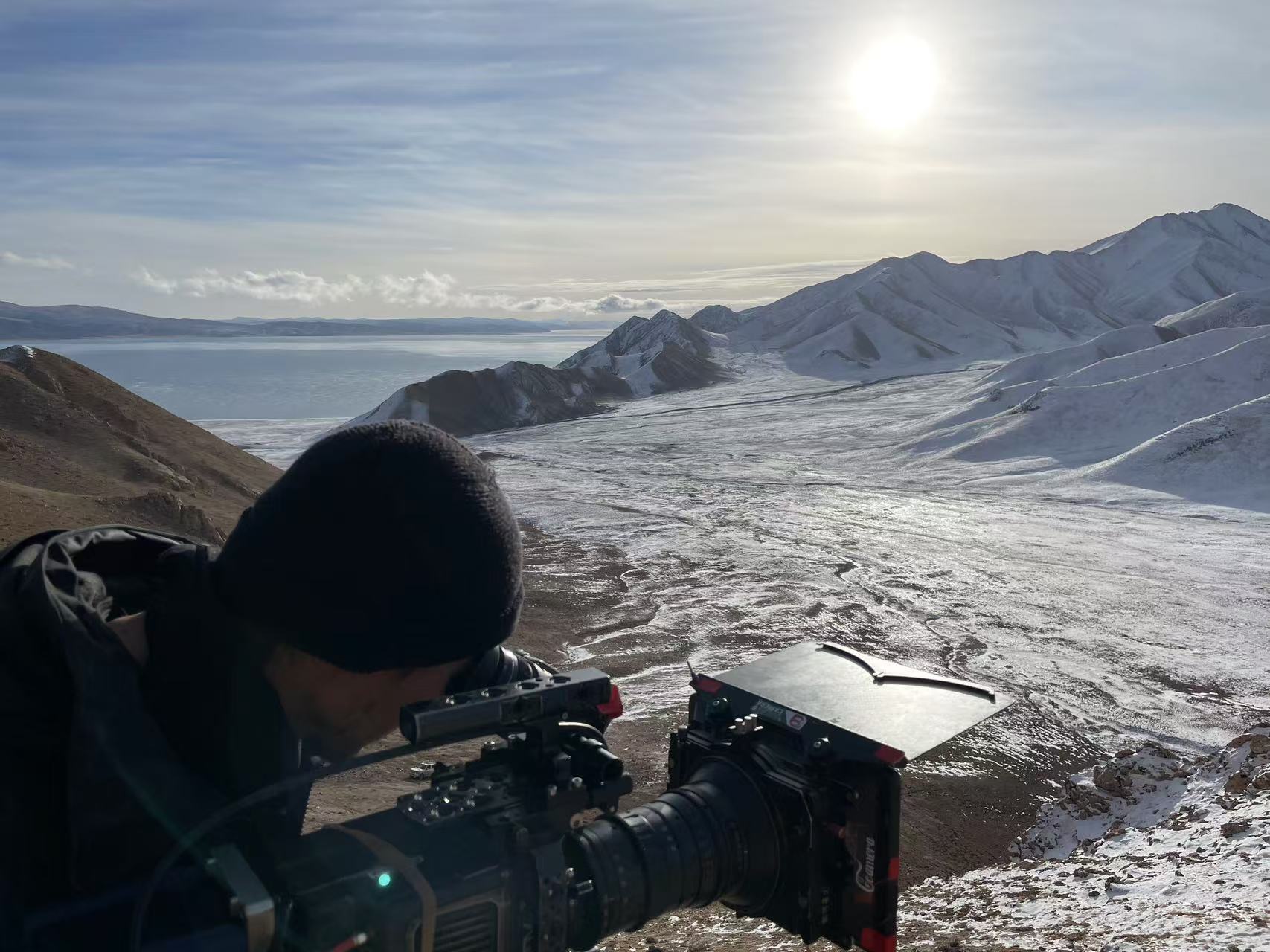
Since my travels in north-west, China I have been very fascinated by the Tibetan regions, and I have loved Pema Tseden’s movies. He pretty much started the Tibetan movie wave. So when I saw him at a film festival, I approached him. He is not a man of many words so it was a very quiet meeting. But a few weeks later he contacted me to work on Snow Leopard. Working with him and his crew, spending time in the Tibetan high plateau and the wildlife there, was an unforgettable experience.
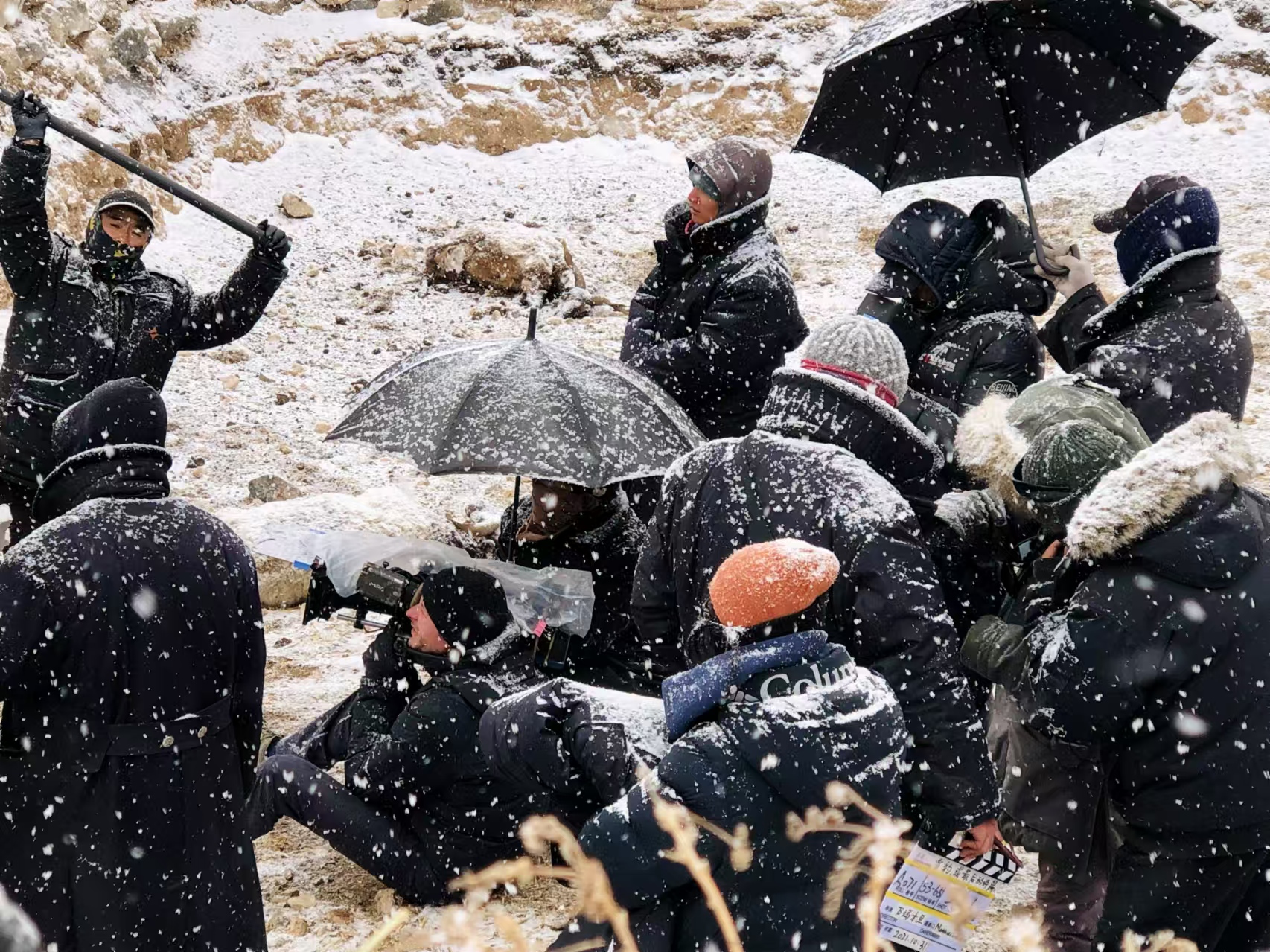
– How was it to film in those high mountains ? Did it influence your team or the equipment you chose ?
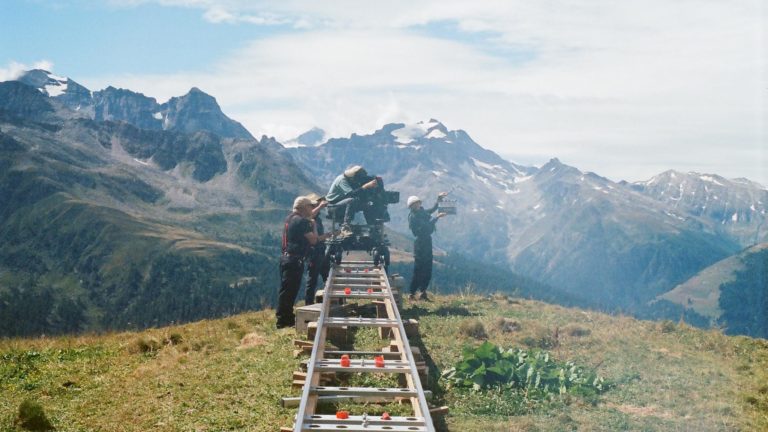
I always liked mountains and I went early to the location to acclimate myself to the high altitude of about 4000 meters. And for location scouting I went to climb and explore mountains daily, which was great fun and good exercise too.
I would take my team with me sometimes so they would get used to the altitude. The equipment we shot with was simple : Arri Amira and Ultra Primes, so it was very transportable.
– Did you prepare this movie differently given the huge amount of CGI in it ?
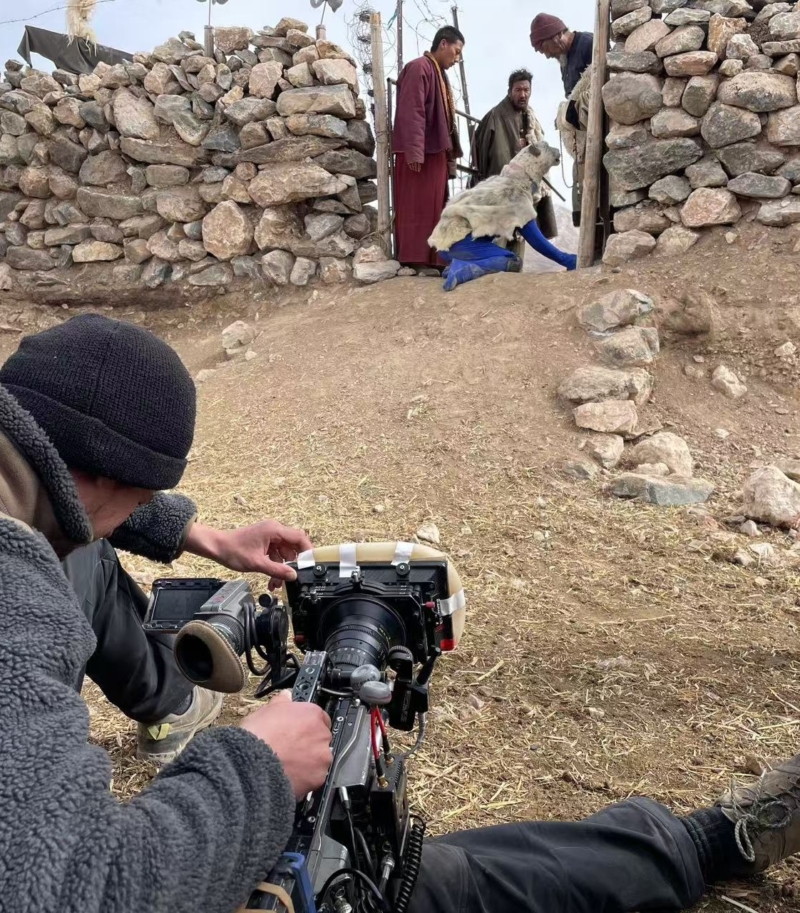
We mostly had to imagine the snow leopard during the shooting. We had an actress who studied the movements of the snow leopard and was wearing a fake fur snow leopard coat. This gave the cast and crew a reference of where the snow leopard would be in the frame. I was in close communication with the CGI team because they had to replace the fake snow leopard with a CGI one in post. But they really gave us a lot of freedom.