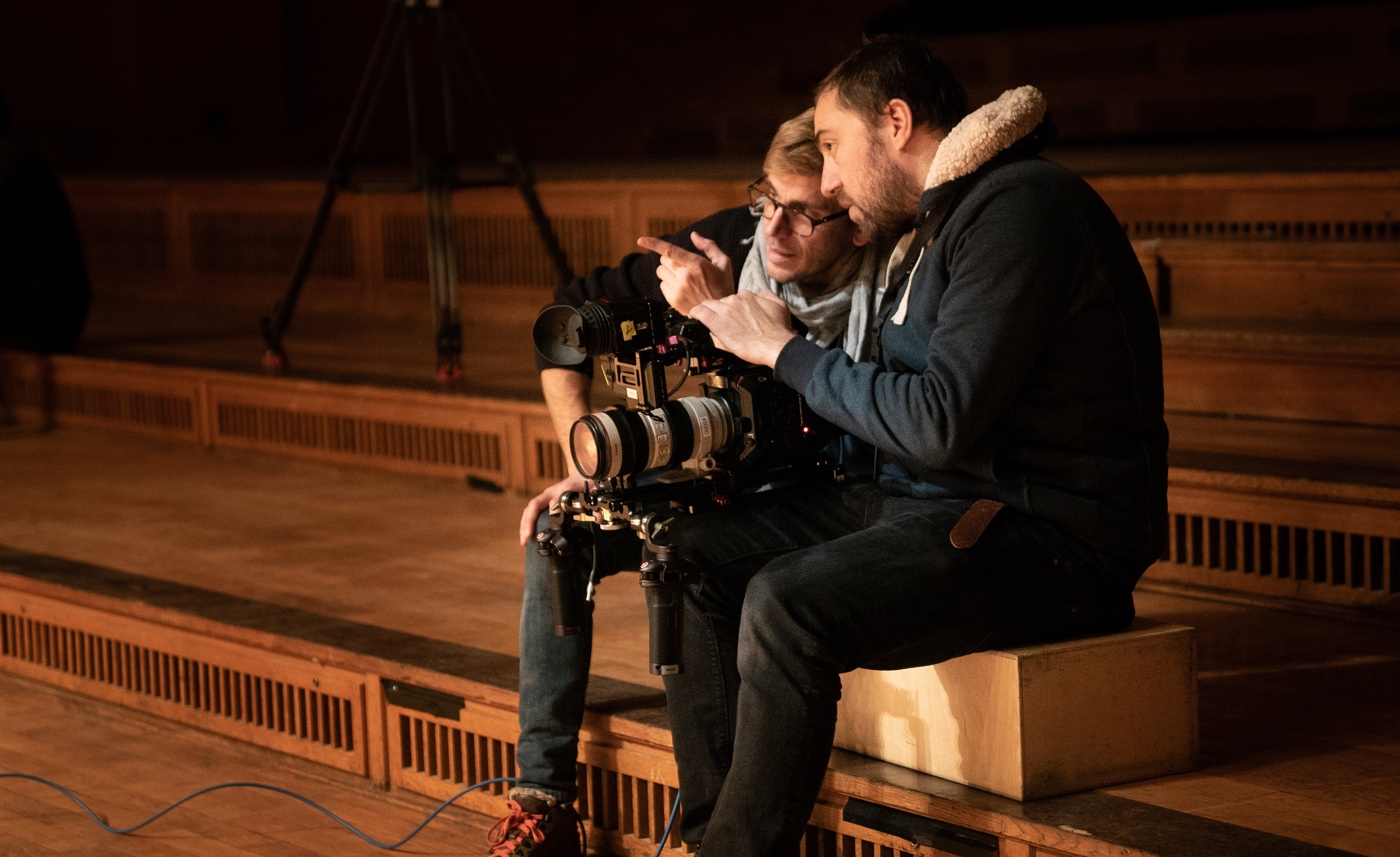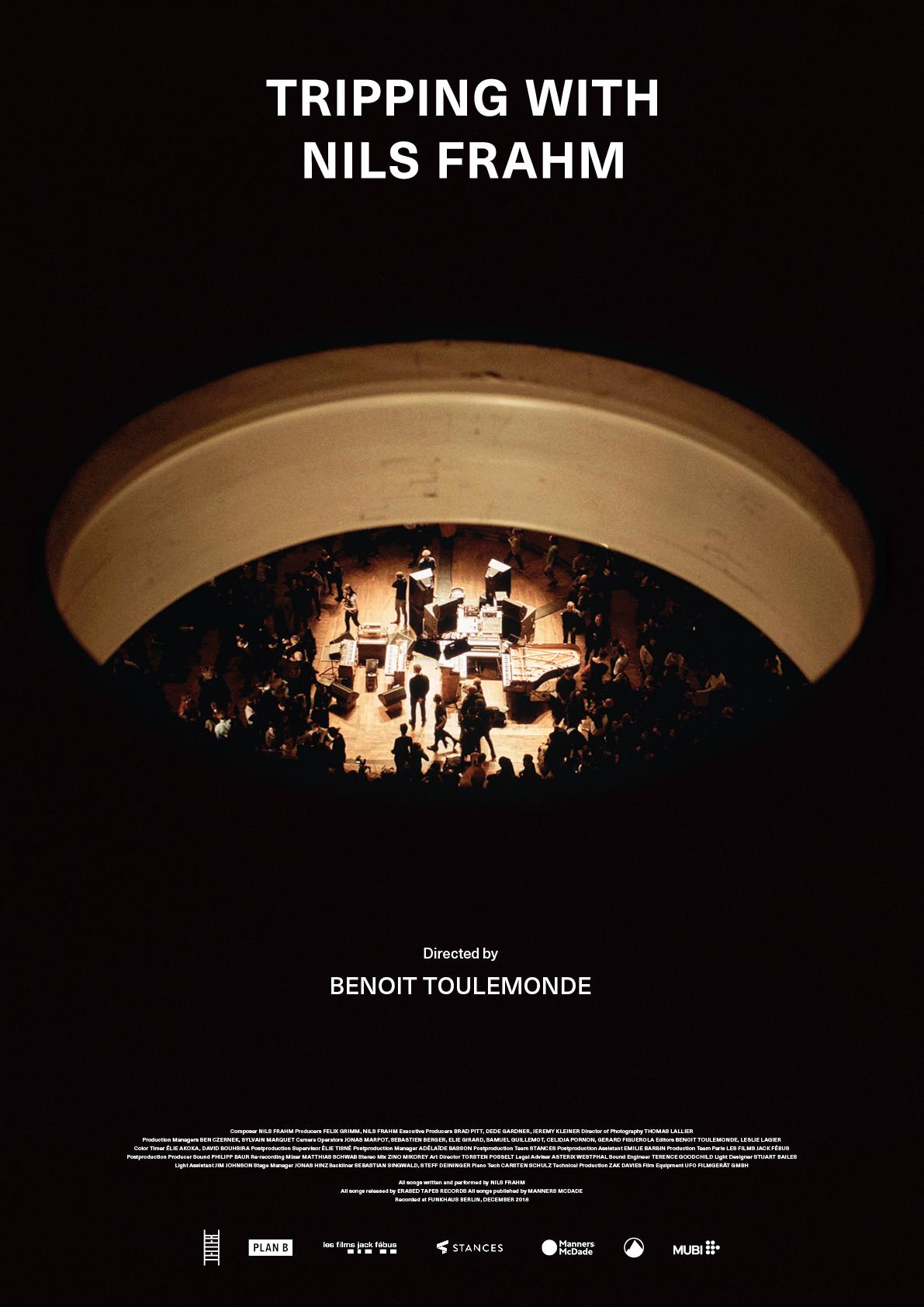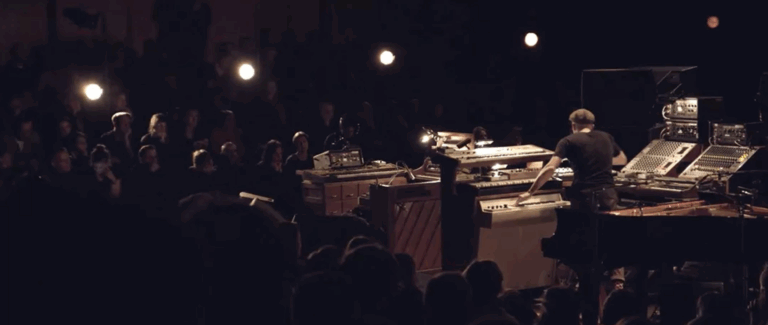
Directed by Benoit Toulemonde, shot in the iconic FunkHaus in Berlin, co-produced by Plan B (Brad Pitt), Tripping With Nils Frahm is the culmination of a story in several chapters that began nine years earlier… I had the privilege of being part of this long adventure, behind the camera alongside Benoit. And Nils, of course.
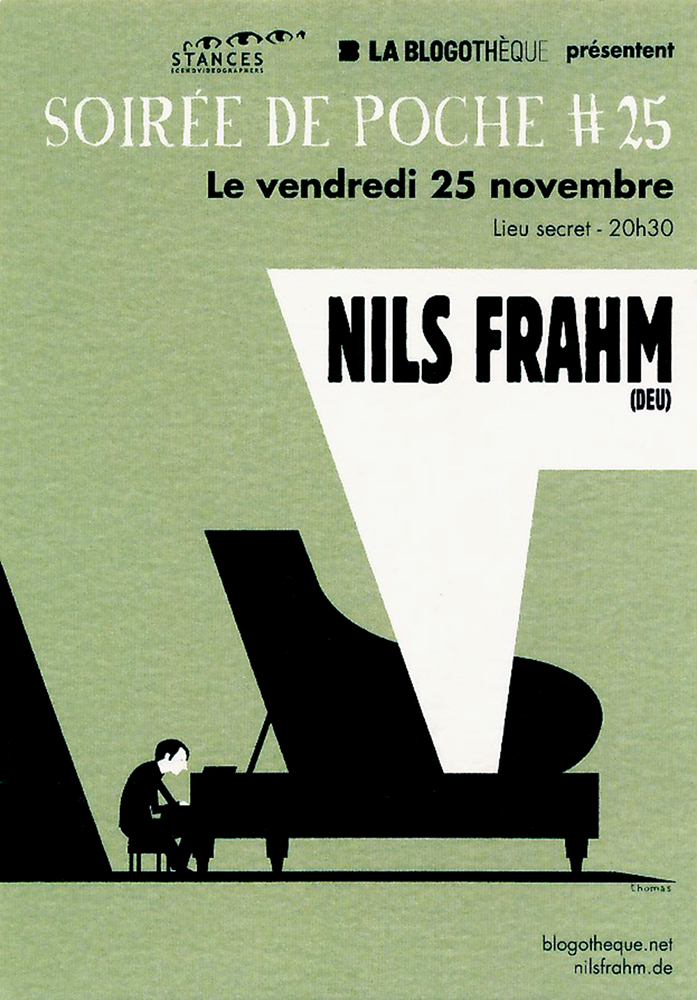
Soirée de Poche #25
The Soirées de Poche are filmed concerts, mostly in apartments, in houses — in people’s homes, basically. Co-produced by La Blogothèque and Stances, this collection of intimate musical films, shot in multi-camera, provided renewed opportunities for small challenges in lighting design, camera placement, and framing of course… With Benoit Toulemonde, the director of the Soirées de Poche, I had the privilege of filming Tinariwen, Benjamin Booker, Saint Paul and the Broken Bones, Baxter Dury, Timber Timbre, Son Lux, Mac DeMarco, Charles Bradley, Run The Jewels and many more… Including a certain Nils Frahm, on November 25, 2011.
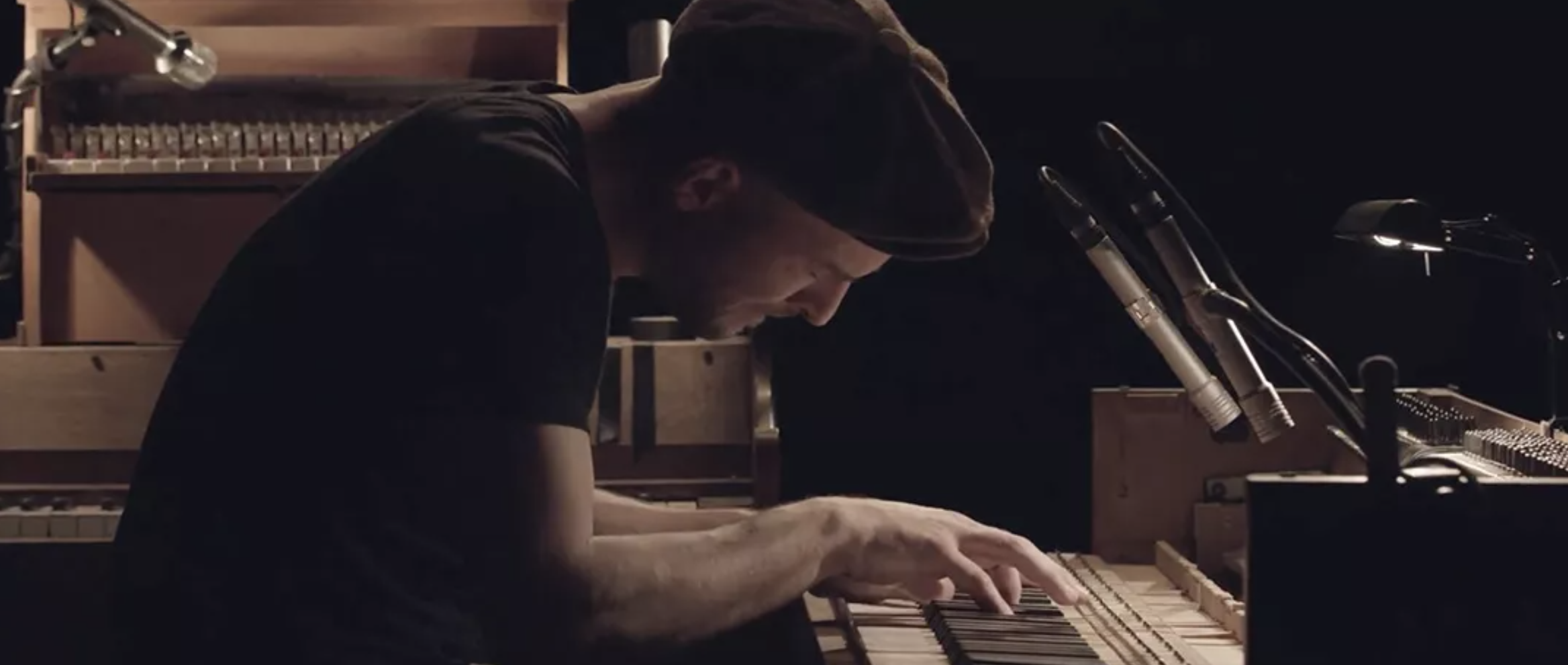
Nils Frahm was to play alone on the piano of the apartment owners, to which a Fender Rhodes had been added. And that was it. The atmosphere that evening turned out to be as mystical as it was experimental… Lit by a few LED panels and mainly my usual Dedolight kit. Benoit had assigned me the telephoto lens, so I was filming Nils in close-up, entirely focused on that face expressing all the emotion of his music. The raw, desaturated image of the film, shot with the Panasonic AF-101, tells of a fragile and melancholic moment, on the edge and under the skin. The AF-101 had the advantage of being lightweight and quite manageable, with a micro 4:3 sensor, which allowed us, with the appropriate adapters and the crop factor, to get tight shots with relatively compact photo lenses (with the notable exception of the Duclos 11-16mm, designed for S35, in PL mount). It must also be said that Benoit and I count ourselves among the great fans of the Panasonic HPX 171.
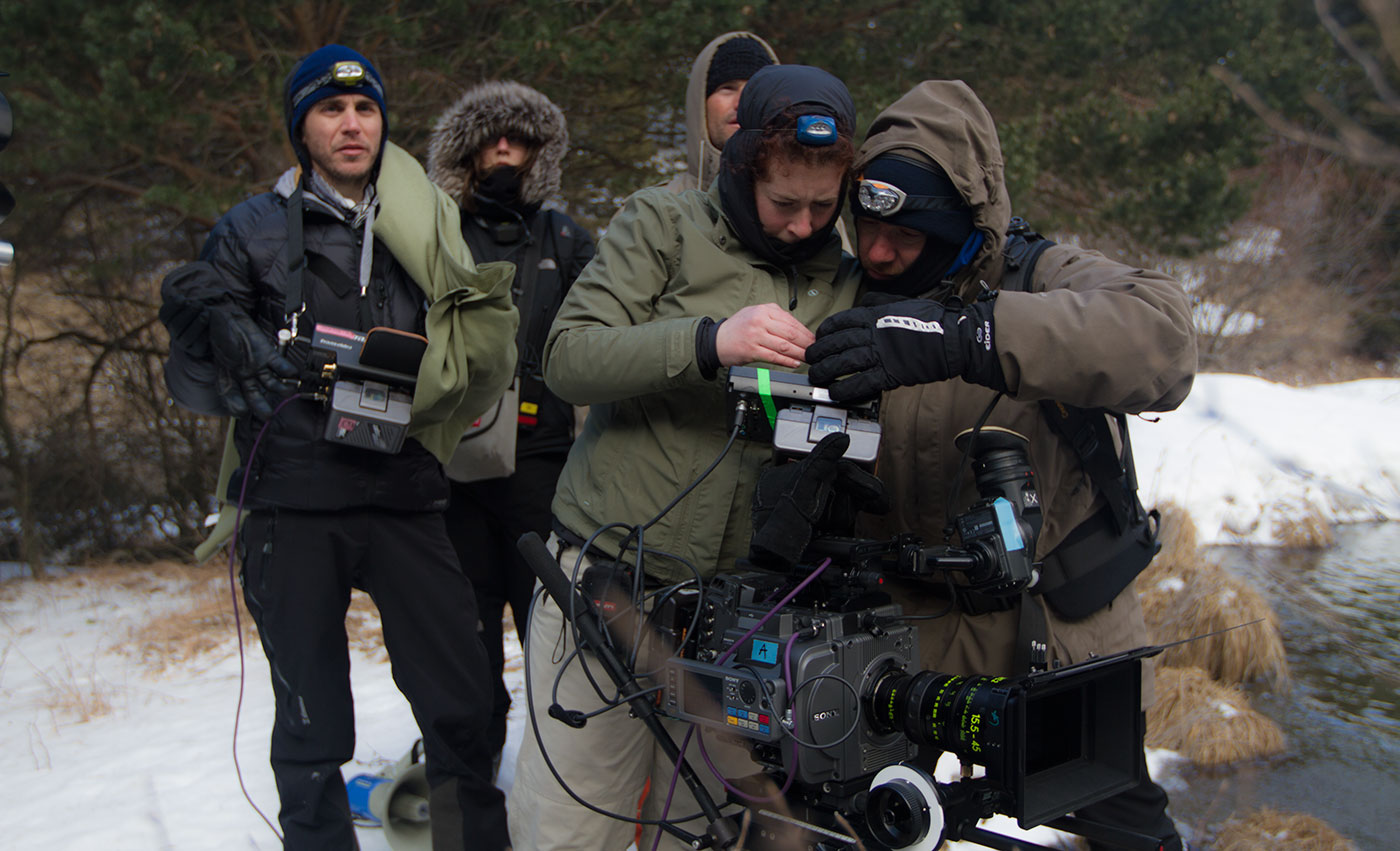
Following that famous Soirée de Poche, Benoit proposed to Nils Frahm a few months later a somewhat wild adventure: to play the main character in a short film, lost in an uncertain quest in the middle of the wintry Vercors landscape. Nils accepted. With the support of Alix Turrettini (Bobine Production) and Albrecht Gerlach (PhotoCineRent), we set off for a few days of shooting in March 2012, without a script, with one of the very first F65s to arrive in France, a set of Master Primes and one of our favorite zooms, the Zeiss LWZ 15.5-45mm. On location, we were joined by the Soulcam team, who complemented our ground footage with aerial shots using a cinébulle equipped with a Red Epic. Shooting with a skeleton crew, in wind and cold, in deserted and grandiose landscapes: the experience was intense and Nils threw himself into it despite the spartan conditions of this quite physical shoot.
The film “Empty,” co-directed by Benoit and Nils, is conceived as a kind of creative conversation. The images inspired the music and the music inspired Benoit in return, like a four-handed composition. The film’s theme composed by Nils would later become the basis of a flagship track from the album of the same name: All Melody. The post-production image work also underwent experimentation, with several color grading explorations. The F65 interested us for the exposure latitude it could offer, which became a considerable asset when you have limited human resources, a shoot half in the snow and night scenes. And of course no additional light source. I have a particular memory of a shot where Nils crosses the frame under a full moon, equipped with a headlamp. I was well aware of shooting under extreme conditions, but the shot in projection proved surprisingly readable, thanks admittedly to the snow covering the ground… This film, presented during a screening at London’s Barbican Center by Nils and Benoit in 2016, eventually became available online.
Tripping With Nils Frahm
Then in early 2018, Nils and Felix Grimm, his producer, proposed to Benoit to film Nils again, this time in concert, in a legendary Berlin venue: the FunkHaus. The four planned evenings in Berlin were the culmination of a world tour that had begun two years earlier, but above all the FunkHaus is an emblematic Berlin location, a place steeped in history. Built in the 1950s, it was the Radio House of East Germany, where symphony orchestras were recorded. It is also in this complex dedicated to music that Nils Frahm’s own studio is located — a working and recording space like I’ve rarely seen, an acoustic cocoon both vintage and high-tech to which Nils has devoted particular care.
Since the Parisian Soirée de Poche, Nils had become an internationally recognized artist, playing to sold-out audiences worldwide. He had also made several notable forays into cinema, notably signing the digital score for Ad Astra by James Gray (DP Hoyte Van Hoytema), released in 2019, for a notable additional music contribution, the original soundtrack being the work of Max Richter.
With these upcoming concerts in mind, Benoit and I began to think about how to film this artist in this place at this moment. The performance was planned for the Saal 1 of the FunkHaus, to take advantage of its perfect acoustics for a live recording and to be able to place the audience all around Nils, with the idea that the sound diffusion could be equally effective regardless of one’s position in the hall.
The question of resources, which would inevitably impact the film’s style, quickly came up. Nils and Felix’s request was that the setup be as unobtrusive as possible — that the cameras not be visible, that there be as little distraction as possible between the artist and his audience, that we could create an immersive experience.
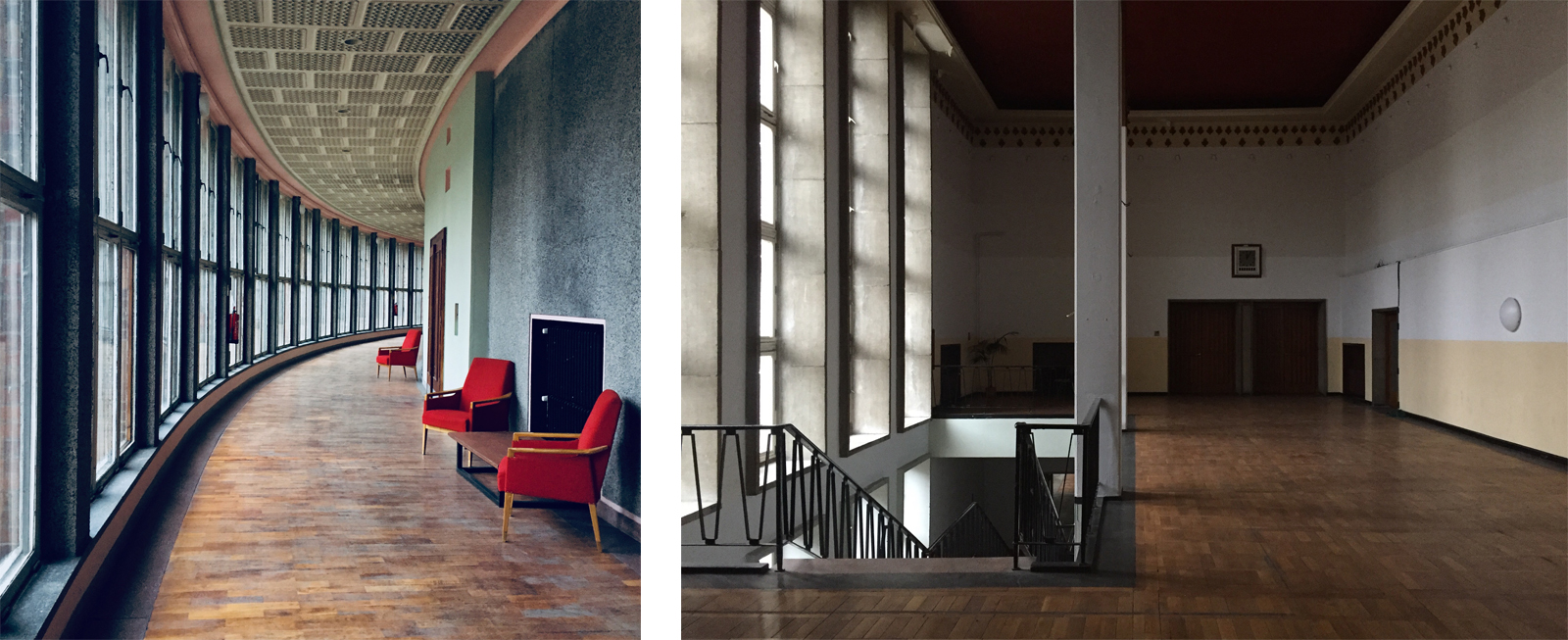
To complement with a more documentary camera — which would be my roving camera that would never leave me. There was also the question of the camera and lens kit, knowing that we would inevitably use mostly zooms, potentially not very fast, but that we would have a fairly dimly lit stage, to preserve the most intimate atmosphere possible. A giant Soirée de Poche, basically! This shared reference for Nils, Benoit and me was still present years later — something had happened that evening… It was time to visit the famous FunkHaus. We therefore went on a location scout in September 2018 with Benoit and Sylvain Marquet, production manager and regular partner in our adventures. The place lived up to my expectations: a massive building, typical Bauhaus architecture, parquet floors, woodwork without unnecessary ornamentation, gigantic bay windows, and proportions that I imagined were as flattering for musicians’ ears as for the filmmaker’s eye.
The concert lighting, designed by Stuart Bailes and Jim, was entirely made up of classic tungsten fixtures and a few moving heads, nothing fancy. And a priori no additional lighting specific to the shoot — Nils wanted to preserve the integrity of the tour’s lighting design. The stakes then shifted almost exclusively to the choice of camera, lenses, and those who would operate them.
The crew selection was made several months before the shoot, as we wanted to be certain we could count on experienced operators in tune with the project: Sébastien Berger, Gérard Figuerola, Élie Girard, Samuel Guillemot, Jonas Marpot, Celidja Pornon. The intention was to maintain as much as possible the feeling of a handheld camera — reactive, sensitive, expressive — with the need to find equipment that was neither too heavy nor too bulky.
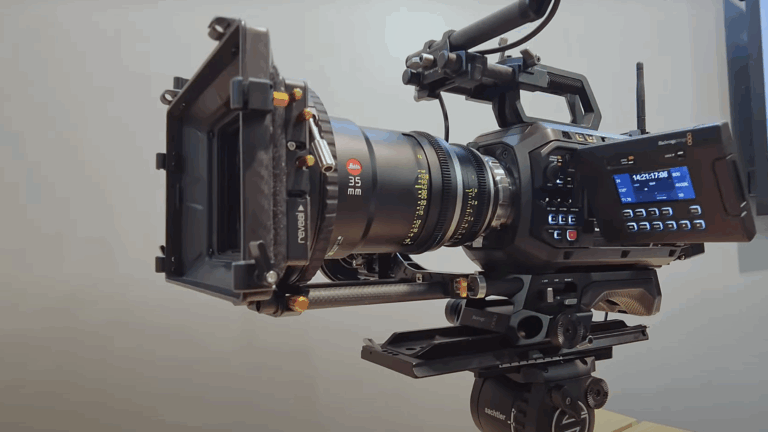
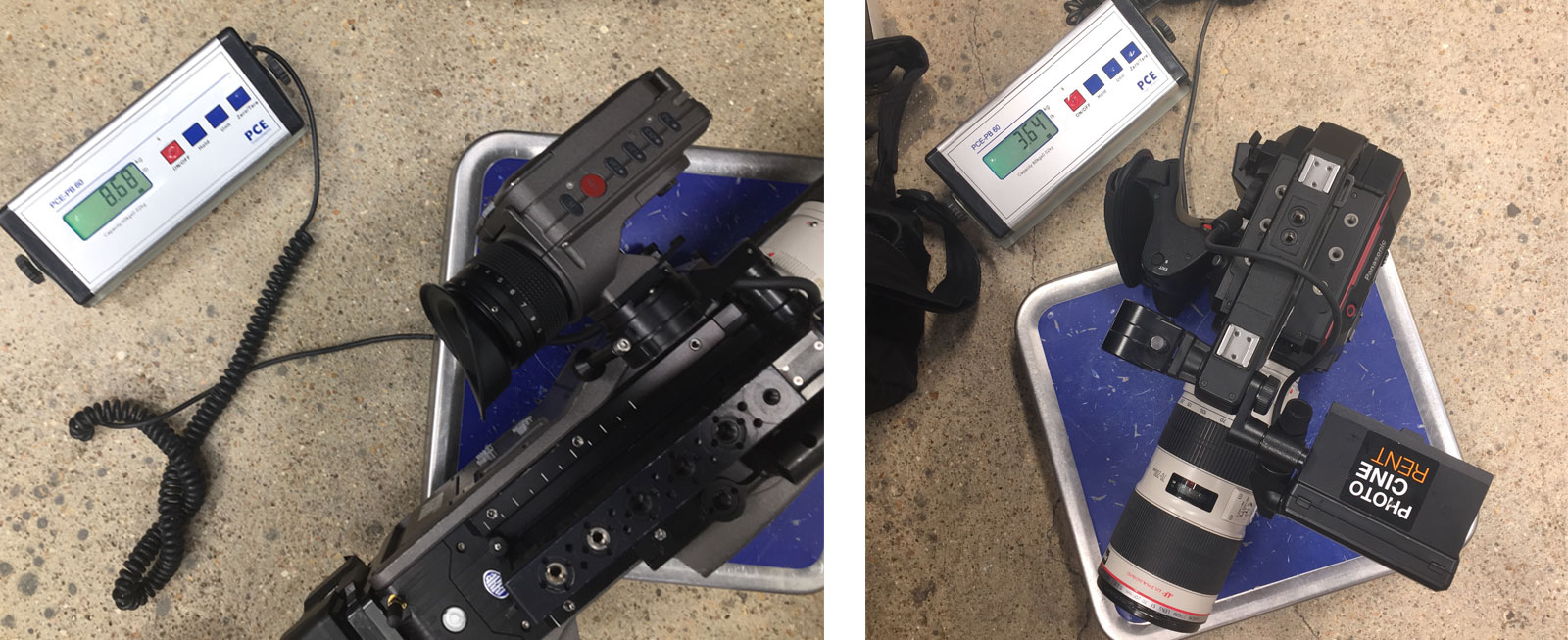
I therefore tested several cameras in shoulder configuration with a classic large-sensor lens: the Canon 70-200mm. The goal: to be as light and maneuverable as possible while being able to shoot at 2500 ISO or more. Given the venue configuration and Nils’s requests, it seemed impossible to imagine the operators, positioned in the audience, being able to move during the concert. The scale then delivered an unequivocal verdict! It would be the EVA-1.
For logistical reasons, the camera equipment would be rented in Berlin. The camera plan with Benoit still needed refining. Since Nils’s setup was meticulously planned, we knew what to expect — we just had to hope our intuitions were right. It would be 6 operated cameras, one fixed camera, one roving camera for me, and two small fixed cameras (GH5s, to stay in the Panasonic spirit) for specific viewpoints potentially useful for editing. Ten viewpoints. That might seem like a lot for a single musician, but it took all of that!
Even in Paris, finding 8 EVA-1s for rent was nearly impossible… Fortunately, Sebastian and Levent at our local rental house, UFO FilmGerät, really went above and beyond, even sourcing SDXC V90 cards from Austria (at the time there was something of a shortage!).
Felix and Benoit then made me an unexpected proposal, suggesting I leave before the crew and join the tour just before Berlin. Without the final form of our film being truly determined, there was surely this idea that my camera could document tour moments, just in case, but without any real obligation either… I took it as a kind of in vivo preparation before getting into the thick of it.
So there I was one December 2018 evening departing from Marseille on the last plane to Berlin. The next morning I went to UFO to get acquainted, discuss the concert and pick up my EVA-1 with two compact Sigma zooms. I joined the tour in Hamburg, then Cologne, exploring the FunkHaus, the bar, the service corridors, the period studios, the “natural” echo chambers built into the architecture’s dead spaces.
We had discussed with Benoit shooting outside the concert hall, in all these spaces we imagined completely empty. Gradually I came up with the idea of bringing them to life, making them vibrate, as if the building could react, respond to Nils’s music. This led to several sequences (which ultimately served for one of the film’s trailers) shot with the complicity of Gérard Figuerola on Steadicam and Stuart and Jim.
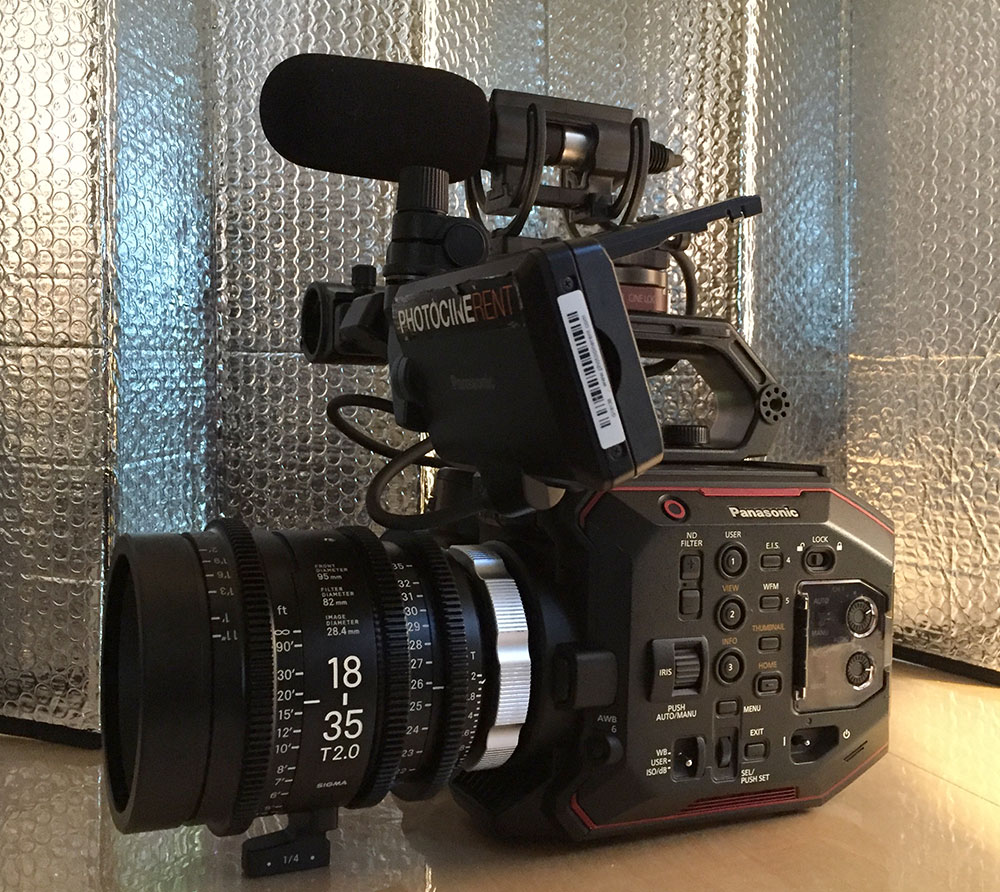
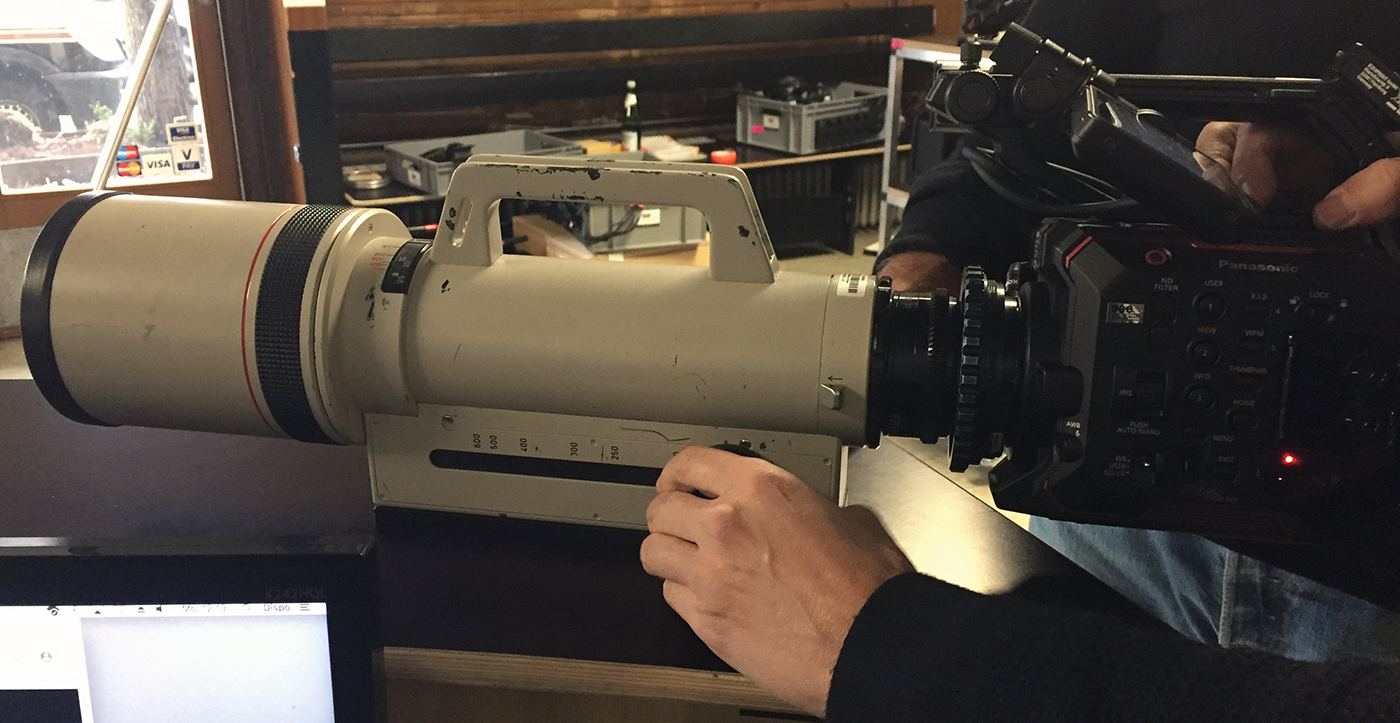
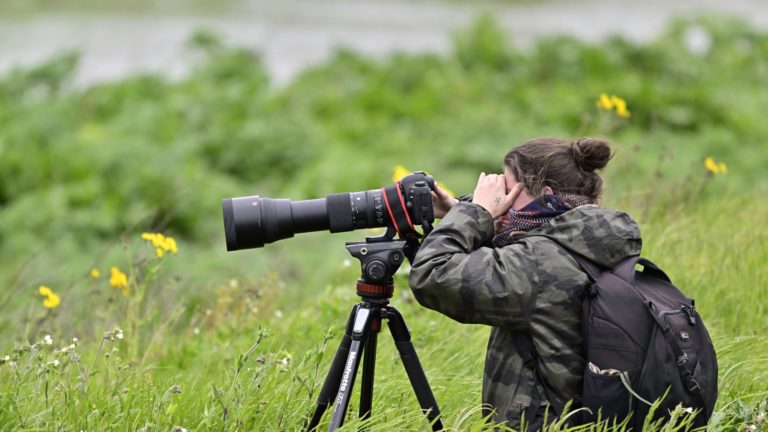
Then Benoit and Sylvain arrived. We had to put the finishing touches on the camera placement. And at the rental house, Benoit had the stroke of genius of requesting a Sigma 150-600mm telephoto lens. We were 7 operators filming the same musician. In fact, since Nils had built his setup around 6 playing positions, there was a certain logic in strategically placing each operator so that at any given moment, each one would have the right shot to cover Nils’s performance — because we also wanted to show his playing, his touch both melodic and percussive.
To maintain a certain energy, to keep the viewer alert, we wanted an image under tension, almost documentary, hence the idea of shooting essentially handheld, or at least “freehand” on a fluid head, depending on the moment and focal lengths used. More broadly, this documentary lineage can be found in our way of envisioning defined but floating frames, ready to turn any potential accident into a creative opening. Making the unexpected an opportunity that Benoit could obviously exploit in editing!
From December 12 to 15, 2018, we shot the last concerts of the tour at the FunkHaus, where it had started two years earlier. Benoit behind his monitors, us behind our cameras. It was a very intense experience, Nils’s mental and emotional music bewitching us every evening. The hall’s acoustics and the speaker layout were totally immersive, and the audience was mesmerized.
It is very rare to film four consecutive nights of the same concert, and rare also not to be tempted to change the camera placement. Only the GH5s were repositioned, but almost none of those shots were kept in the final edit. Technically, we had taken risks by shooting with the EVA — whose use in live capture was extremely rare — and the EVA’s internal recording gave us some cold sweats. I remember the extreme concentration of framing my camera steadily, completely immersed in the music, very mindful of operating a non-stabilized lens, especially at the end of my 600mm (equivalent coverage of a 960mm in S35). Each operator pulled their own focus, knowing that we conceived focus as a narrative instrument for which each operator made a conscious decision, especially at full aperture.
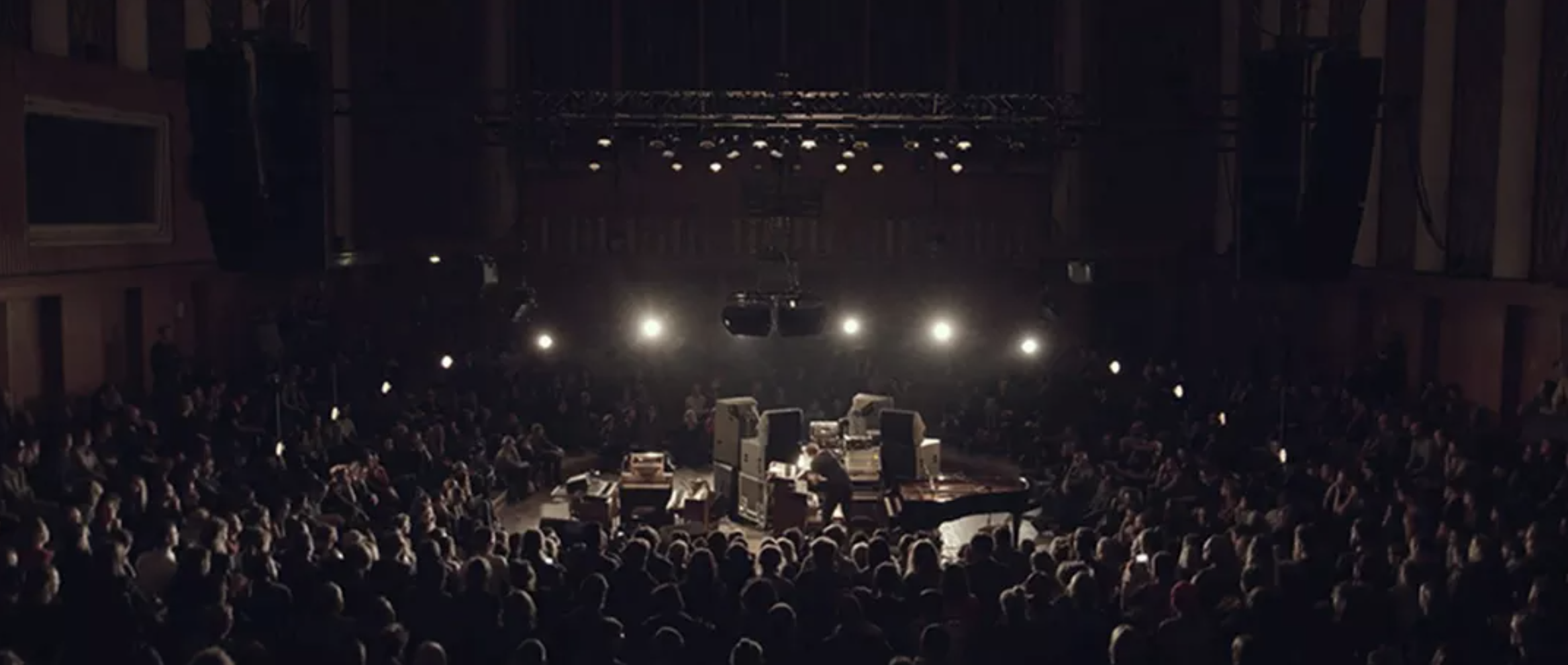
Stuart, the lighting designer, could see Benoit’s live edit on his monitor for control purposes, knowing that we had previously defined together the upper and lower limits of the different concert segments so that everything stayed within the exposure latitude allowed by V-Log. Of course, Stuart had to make some adjustments for the shoot: in live capture, dark segments are always too dark for our cameras, and bright segments always too bright for the same reasons. Our collaboration before the show and during those four evenings was very warm and constructive.
The architecture of the Saal 1 notably allowed us some adaptations, including the use of the immense window of the “control room” where the symphonic recording consoles were once installed. I had suggested using this space to create a light event at some point, which resulted in the installation of 4 Atomic 3000 stroboscopes.
Although I somewhat regret that the sequences shot in the FunkHaus were not used, it also gives the concert the beauty of a raw and radical artistic gesture, with a density that would doubtless be eroded by any element outside the concert itself.
The edited film, initially passed through the hands of Elie Akoka, was subsequently color graded by David Bouhsira, with whom we work very regularly, in Benoit’s post-production studio, Stances. David had also graded the Soirée de Poche #25 (and almost all the others in fact!) and Empty. One of our challenges was to make the four evenings feel like one, and even though the show was well rehearsed, nuances were inevitable while often being productive. The main difficulty lay in the evolution of light levels, knowing that with tungsten, obviously, the lower the brightness dropped, the lower the color temperature dropped as well! Our approach was to accept these images for what they told us and to use color temperature as a narrative instrument.
Tripping With Nils Frahm, co-produced by Benoit Toulemonde (Stances), Felix Grimm (Leiter) and Brad Pitt (Plan B), is available on multiple platforms. The film has won numerous international awards.