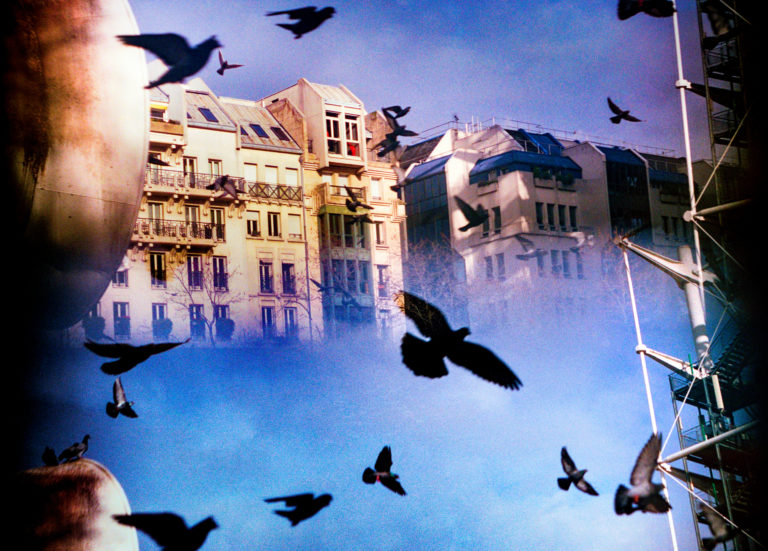
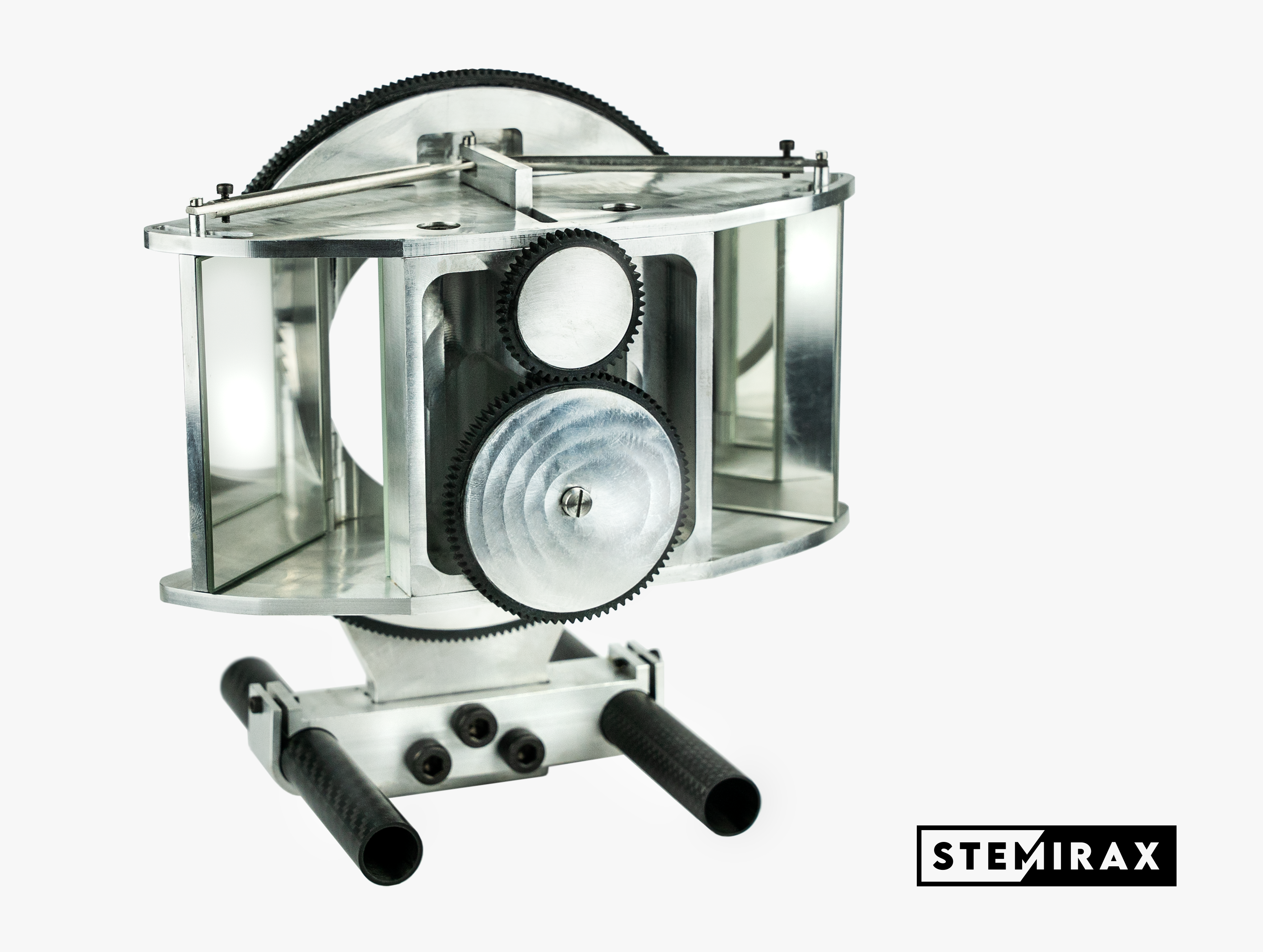
If you attended the MicroSalon this year, you might have come across a peculiar optical system at the TSF booth: the Stemirax, designed to create in-camera image overlays. Théo Fauger, the creator of this device, is a director and cinematographer who is passionate about the early days of cinema and collects antique optical toys. He loves creating effects without resorting to post-production, right from the moment of filming.
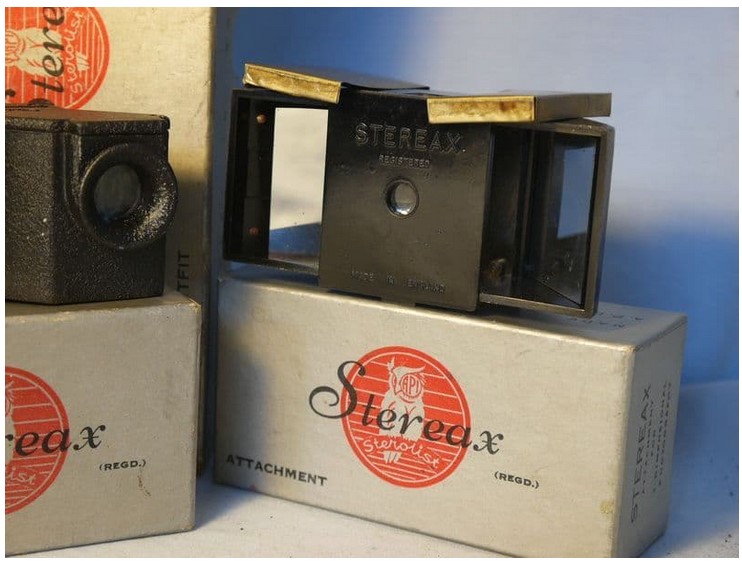
His passion for inventions related to the origins of cinema often led him to explore amateur forums. This is how he discovered the Stereax, a silver-halide photography system from the 1950s. With a set of four mirrors, the Stereax can simultaneously capture two images of the same scene from slightly offset viewpoints to recreate a 3D image later.
He then sets up an eBay alert and, a year later, acquires a model from New Zealand for the modest sum of $20. He mounts it on a polarizing filter ring to easily attach it to any camera lens, allowing it to rotate around the optical axis.
However, he finds the device limited and shelves it while waiting to figure out how to use it more creatively.
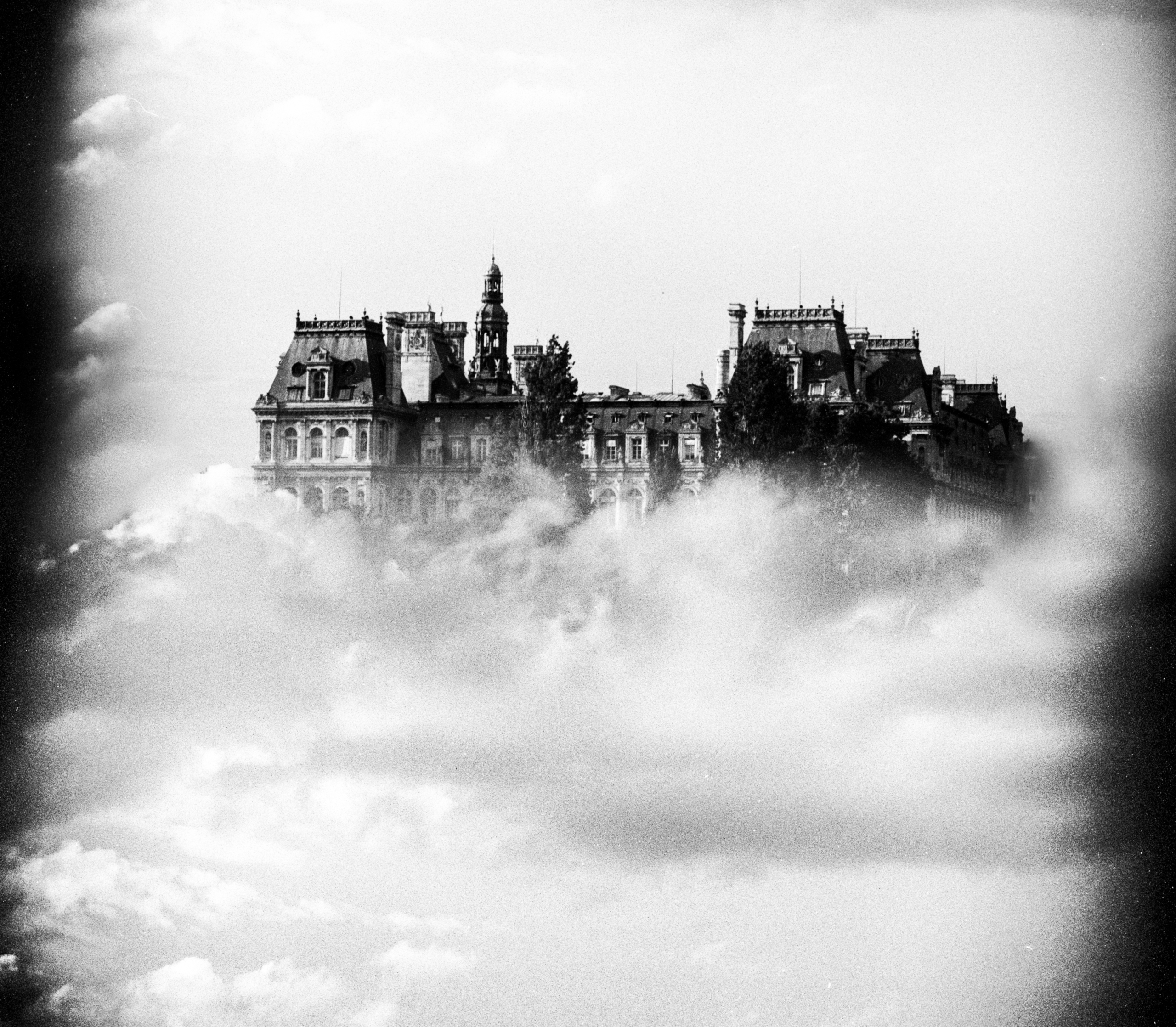
Nonetheless, he realizes he can repurpose the Stereax to create image overlays.
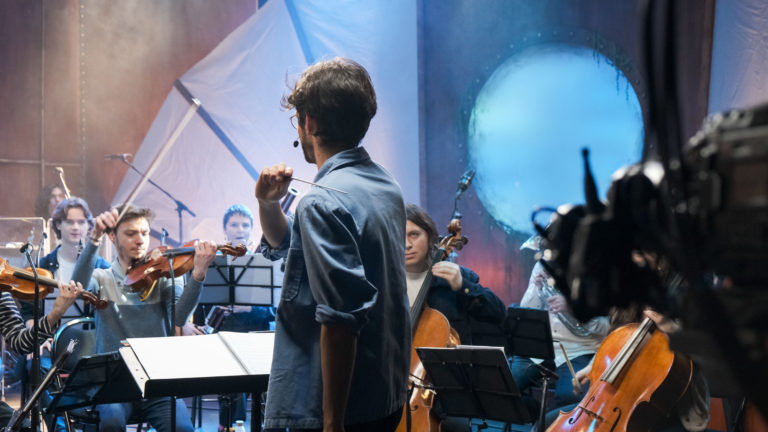
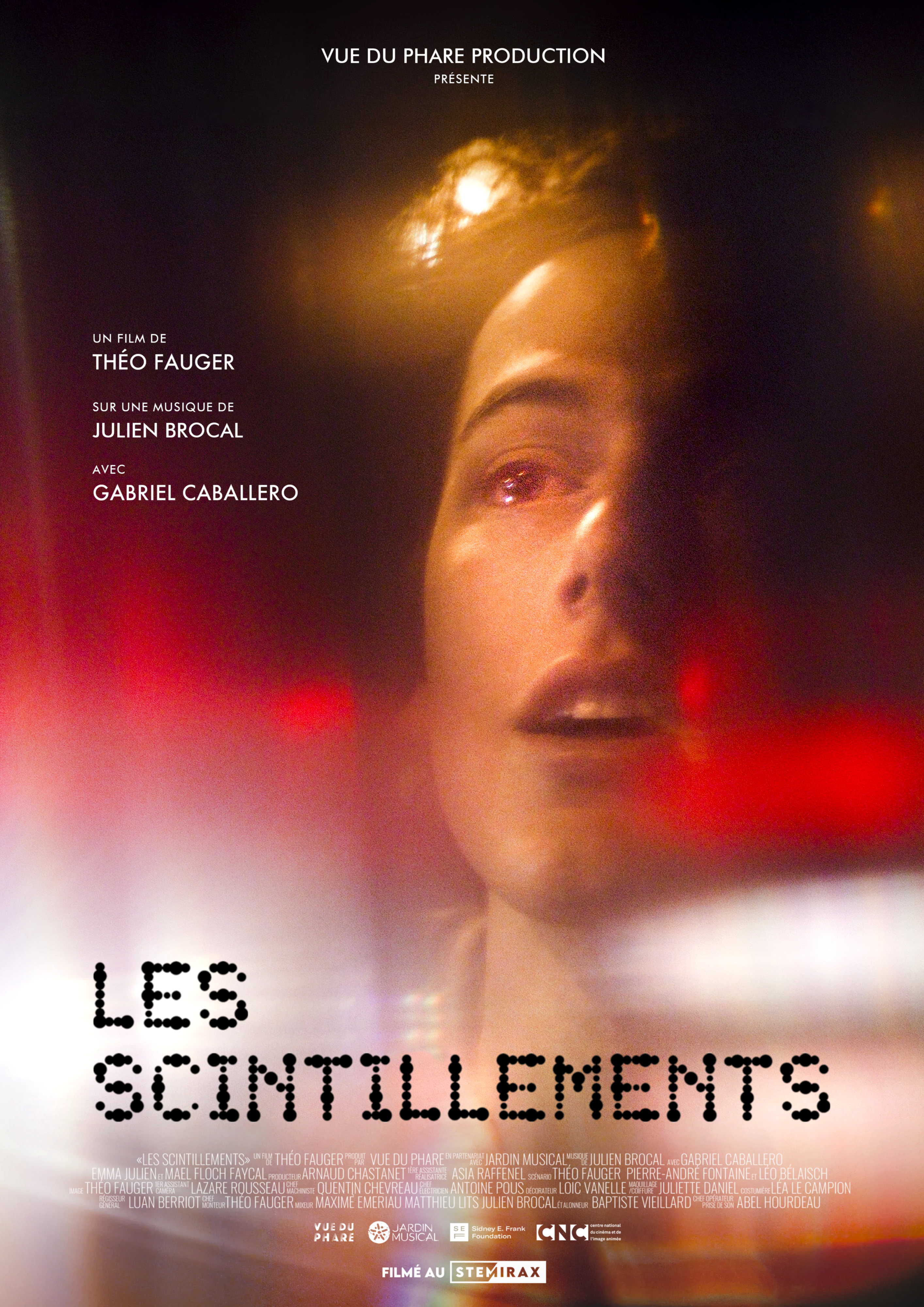
Some time later, a pianist friend gives him free rein to create a short film combined with a music video: The Flickerings. The project is ambitious and enjoys comfortable funding.
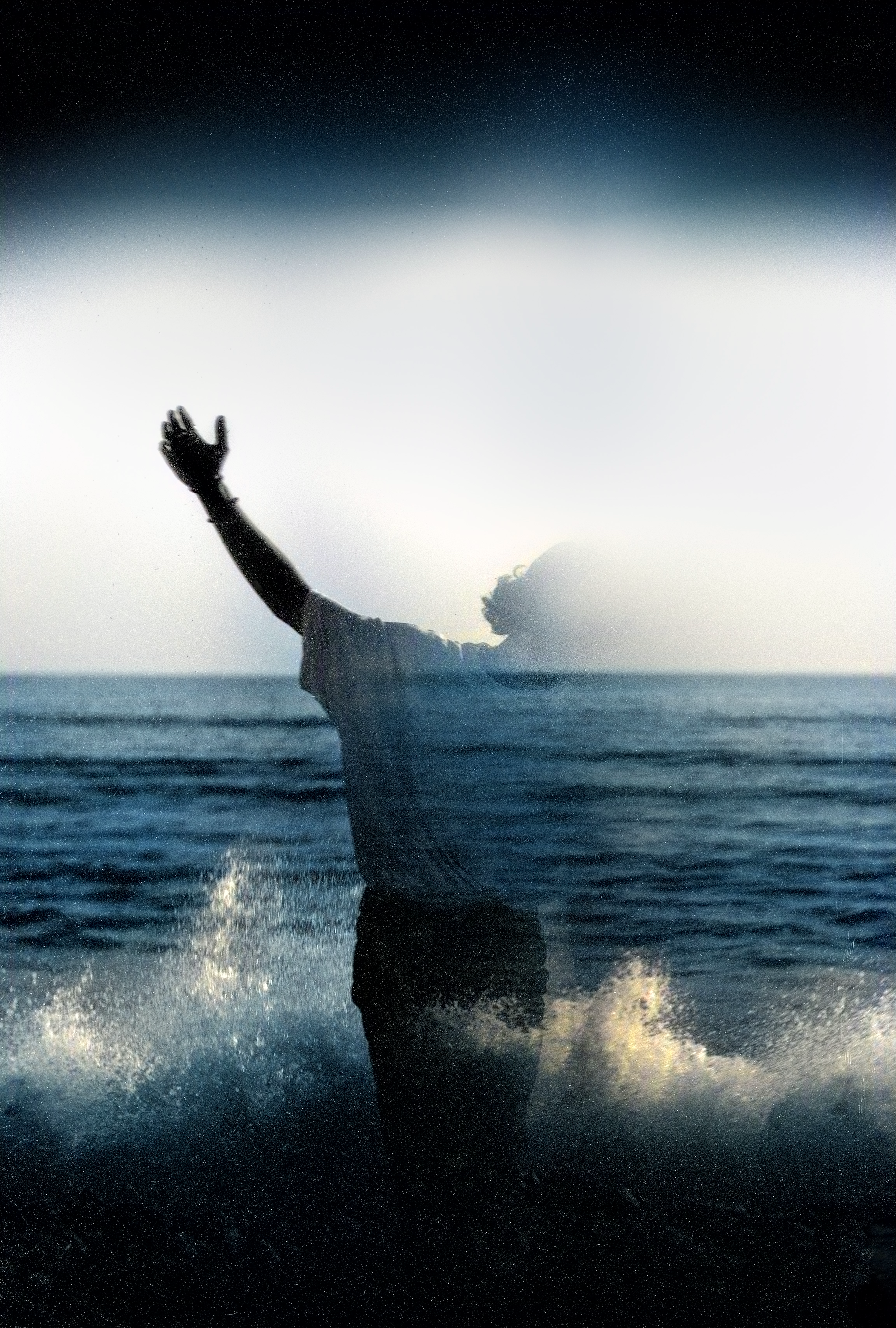
Théo wants to contrast two worlds: the aggressive city and the peaceful mountains. He then considers how to film epilepsy and convey the feeling of being flooded with light.
He comes up with the idea of creating image overlays. He reconsiders the Stereax and tries to adapt its principle to create in-camera image overlays, with adjustable reflections.
He then seeks engineers to help with manufacturing and eventually turns to an uncle who owns a factory in Tunisia that produces parts for airplane seats. Although this field is far removed from optics, it would grant him access to specialized tools.
His uncle introduces him to a young engineer working with him, who agrees to tackle the technical challenge for the sheer pleasure of it.
The project’s specifications present several challenges related to cinema use: adapting to standard cinematic accessory dimensions, allowing motorized mirror control for more accessible and precise effects management, and ensuring greater creative freedom. For example, the device needs to be enlarged to use the system with cinema lenses, which have a much larger diameter than photo lenses. However, the diameter must not exceed a specific size so that the mirrors can rotate around the optical axis, considering that the system will be mounted on rods. Furthermore, to keep the line where the mirrors meet in front of the lens invisible, it needs to be as close to the lens as possible, as thin as possible, and the mirror edges must be precisely beveled.
Another challenge: to mechanically adjust the mirror angles (using a motor typically employed for focusing, for example), a circular motion must be converted into a linear one.
After many exchanges and attempts, the prototype is finally ready. Despite a last-minute delivery, Théo receives it just in time to use it on his shoot.
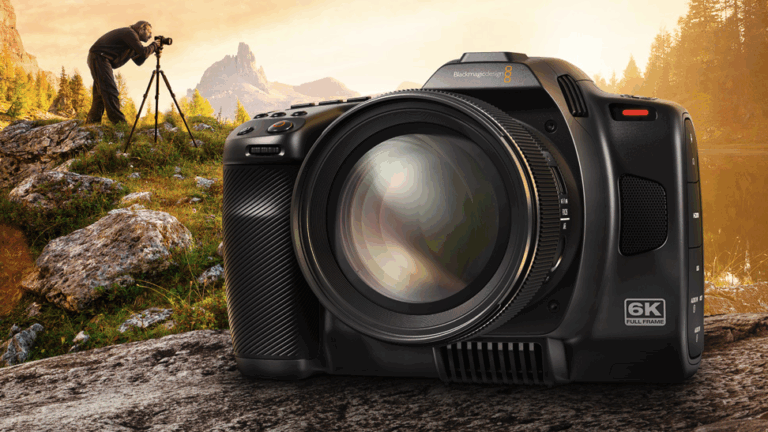
In practical terms, the Stemirax can be easily mounted on 19mm diameter rods. The mirror angles can be controlled using a follow focus, as well as the system’s rotation around the optical axis.
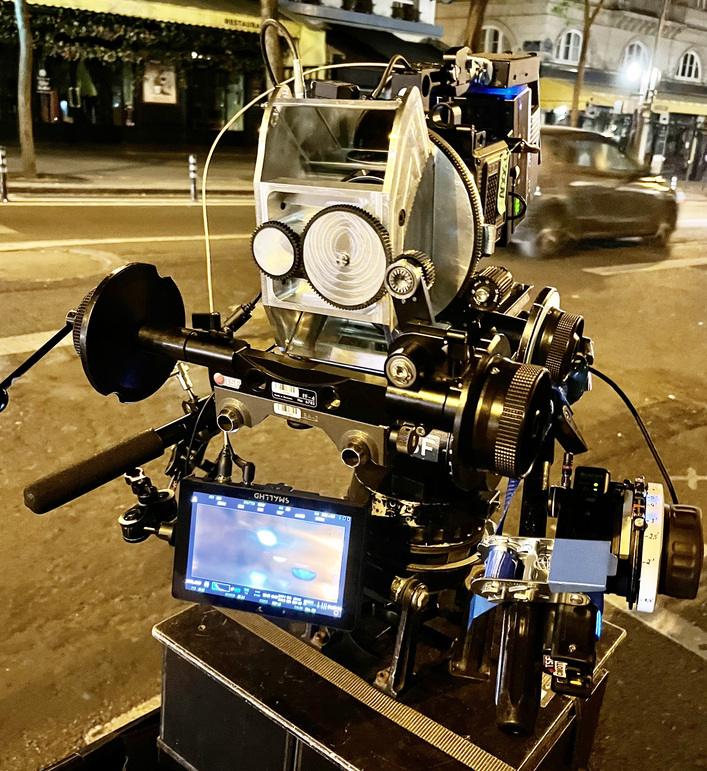
Le Stemirax en configuration de tournage – Photo Théo Fauger
Stemirax in a shooting configuration – Photo by Théo Fauger
Unlike the Stereax, which suffered significant light loss, the Stemirax only causes around 1/3 stop of light loss, making it usable both in dark interiors and daylight exteriors.
It is compatible with many cinema lenses, keeping in mind that below a particular focal length, the field of view becomes too wide, and the system becomes visible; therefore, using at least a 50mm lens is preferable.
Moreover, to avoid seeing the junction between the central mirrors, it is recommended to use large apertures.
Achieving an effect without resorting to post-production brings satisfaction, reminiscent of Méliès’ tricks, whose simplicity did not diminish their effectiveness or magic. Additionally, the advantage of the Stemirax in creating image overlays during filming lies in the ability to better adjust each image and control their interactions. This allows for a more precise direction of actors based on the effects achieved.
Théo is already considering how to improve his invention to stimulate creativity further.
There are still many possibilities to explore. For example, it would be interesting to be able to change the mirrors, to have a range of lighter or darker elements, tinted in different colors, and with textures that create varying degrees of blur. This way, it would be possible to overlay two images of the same object with a slight offset but with different treatments.
The Stemirax is patent-pending. For now, Théo prefers to personally accompany its use on set, mainly because his experience allows him to achieve the desired results more effectively. However, a larger-scale production may be launched in the future.