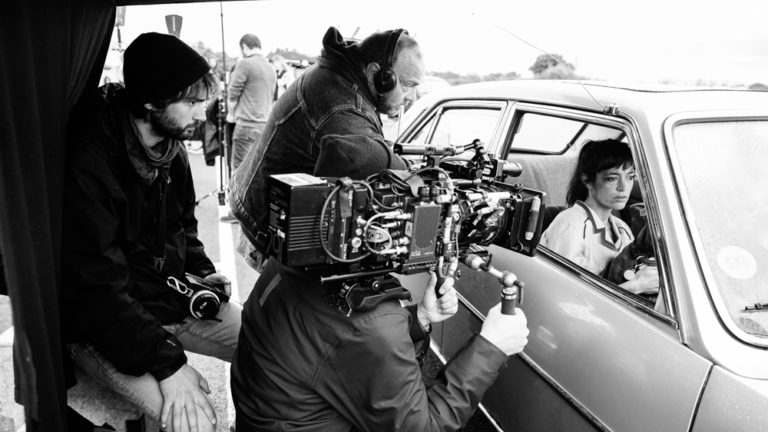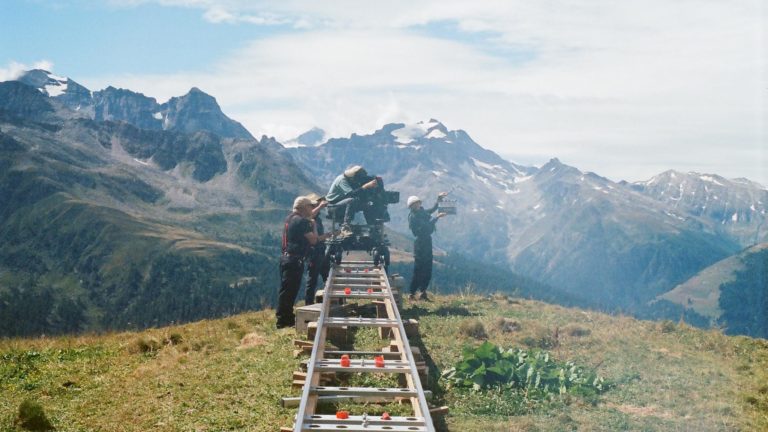
Joachim Rønning’s Young Woman and the Sea offers a visually compelling exploration of Trudy Ederle’s historic swim across the English Channel, brought to life through the lens of Oscar Faura. This biographical drama highlights the technical ingenuity and artistry required to capture the raw, elemental beauty of open water and the intimate emotional depth of its protagonist.
Filming and technical challenges
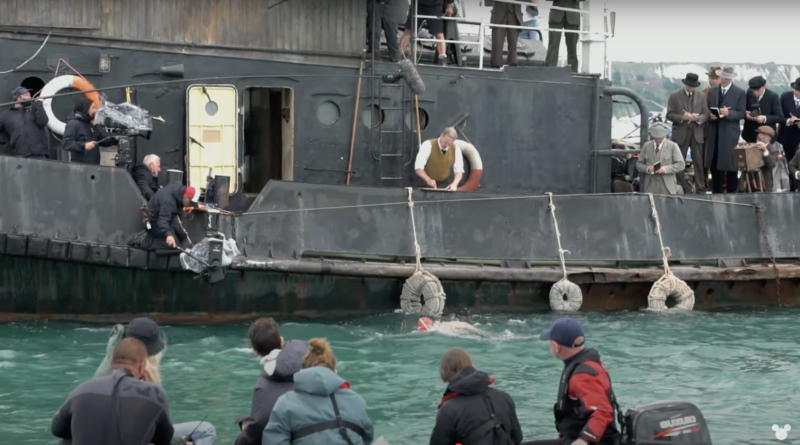
The production relied heavily on location shoots, opting for the open waters of the Black Sea to replicate the English Channel’s formidable conditions. Director Rønning rejected using blue/green-screen substitutes, prioritizing authenticity to immerse viewers in Ederle’s grueling journey. Daisy Ridley, playing Trudy, trained extensively with an Olympic swimmer to endure the physical demands, swimming in frigid 15°C waters for prolonged periods—a commitment mirrored in the film’s dedication to realism.
Equipment and lighting
The film was shot using the Sony Venice system, paired with Cooke anamorphic lenses. This setup provided flexibility in confined environments, such as cramped boats or the family’s small apartment, while maintaining the cinematic scope required for sweeping oceanic vistas. The Rialto extension system proved invaluable, allowing for dynamic handheld shots close to the action, even in turbulent waters, while minimizing the footprint of camera rigs on location.
To achieve a naturalistic aesthetic, Faura meticulously balanced natural light. For daytime scenes, he used diffusers to soften the harsh sunlight. For night sequences, practical sources combined with subtle LED lighting recreated the ethereal glow of moonlight on water, enhancing the drama without breaking immersion.
Underwater sequences
For the film’s underwater sequences, Oscar Faura collaborated with underwater cinematography specialist Peter Zuccarini (Avatar, Black Panther). These scenes presented unique technical challenges, such as controlling lighting and achieving stability in unpredictable currents. Zuccarini used custom waterproof housings for the Venice, ensuring complete functionality and image fidelity even under extreme conditions.
The team employed a blend of natural and artificial lighting underwater to emphasize the drama of Ederle’s struggle. Sunlight filtering through the waves, combined with controlled strobe lighting, produced a striking chiaroscuro effect. Specialized tethered systems allowed cameras to track Ridley seamlessly, capturing expansive establishing shots alongside intimate close-ups.
Aesthetic and narrative
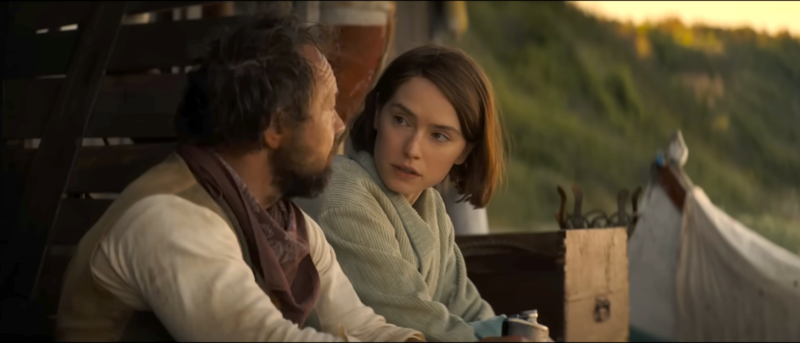
The film’s aesthetic choices are deeply tied to its narrative themes. The juxtaposition of expansive oceanic shots with the intimate portrayal of Trudy’s determination reflects her inner and outer battles. The gritty textures of the period-specific settings and costumes, paired with the lush, almost tactile quality of the imagery, draw viewers into the 1920s, underscoring the story’s historical significance.
With “Young Woman and the Sea,” Oscar Faura once again demonstrates his mastery of complex environments and his ability to craft a visually rich and emotionally resonant aesthetic. This film, where lighting and framing play a pivotal role in amplifying the narrative’s intensity, stands as a benchmark for cinematographers seeking a harmonious blend of technical precision and storytelling artistry.
This film is not just a testament to Trudy Ederle’s pioneering spirit but also to the art of cinematography, showcasing how technological innovation and artistic vision can combine to tell a deeply human story. Whether through the expansive scope of the sea or the claustrophobic tension of a storm, Young Woman and the Sea is a masterclass in capturing the unyielding power of nature and the human spirit.
For further insights into the cinematographic process, visit Sony Cine’s detailed breakdown or explore behind-the-scenes features on the challenges of open-water filmmaking.
YOUNG WOMAN AND THE SEA, a feature film directed by Joachim Rønning (@joachimronning) with cinematography by Oscar Faura (@fauraoscar).