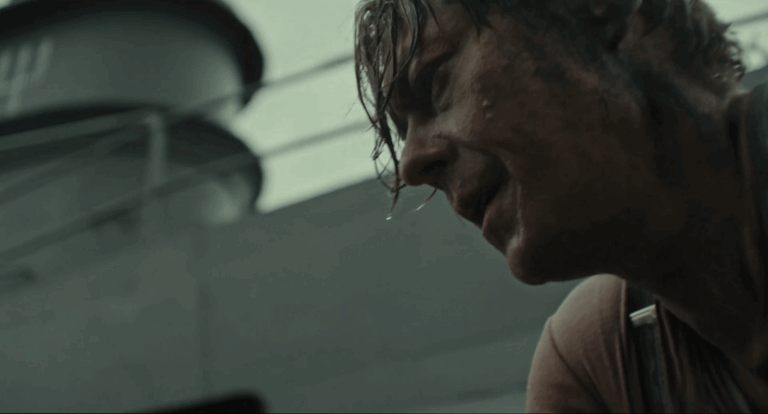
The movie War Sailor, by the Norwegian Gunnar Vikene, was screened in the official competition at Camerimage.
In 1938, at the beginning of the war, Alfred, a father of three and worker in a shipyard, was convinced by his best friend to accompany him to sea for an eighteen-month mission. But along with tens of thousands of Norwegian civilian sailors, Alfred, Sigbjørn, and their new crew are soon requisitioned to support the English war effort. Without weapons or command, under an indefinite status, the two friends are torn between their honor as sailors and the promise, made to Alfred’s family, to return in time and alive to Bergen.
In the meantime, the latter try to lead their daily lives, with the hope that Alfred will return soon. This is not a classic war movie that we are presented here, but rather a story of civilians attempting to live with war, then overcoming the consequences and the trauma from it.
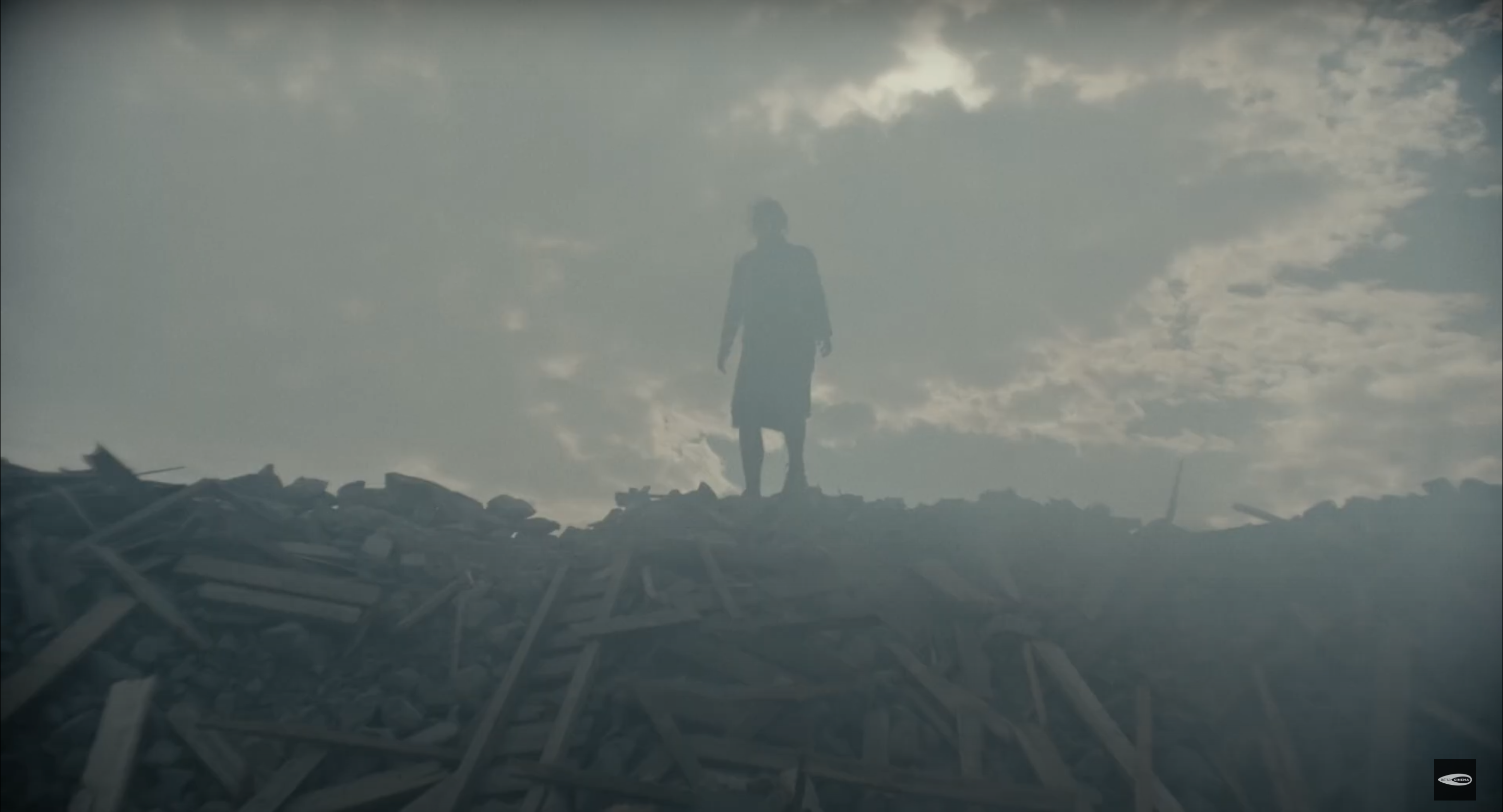
Interview with the director of photography Sturla Brandth Grøvlen (Rams 2015, Victoria 2015, Another Round 2020, Wendy 2020, War Sailor 2022)
You first studied cinema history then cinematography. Do you remember the moment when you chose this path ?
I started quite young having a very strong interest in cinema. But at that time, I thought the only job you could do was to be a director. So that was something I thought I wanted to do. After high school, I started studying film history at the university in Lillehammer, Norway.
At the same university, The Norwegian Film School is located, and I got to know some of its students. I realized the diversity of jobs that could contribute to the making of a film, like sound engineer and cinematographer. That’s partly where I understood that it could be interesting to go deeper into photography and cinematography, and from then on, I was on a path that was leading toward cinematography.
However, Being a musician, I was very interested in sound design and sound engineering. So I studied a lot. I did a one-year program at a film school in Denmark. Then I went to art school and got more and more into photography, and eventually applied to film school as a cinematographer. I had by then worked as a clapper loader in some films, besides my studies. And I realized that the cinematographer was the job on a film set, or the part of creating a film, that interested me the most. I started film school when I was 27, for four years, and finished at 31. I was kind of late in the game.
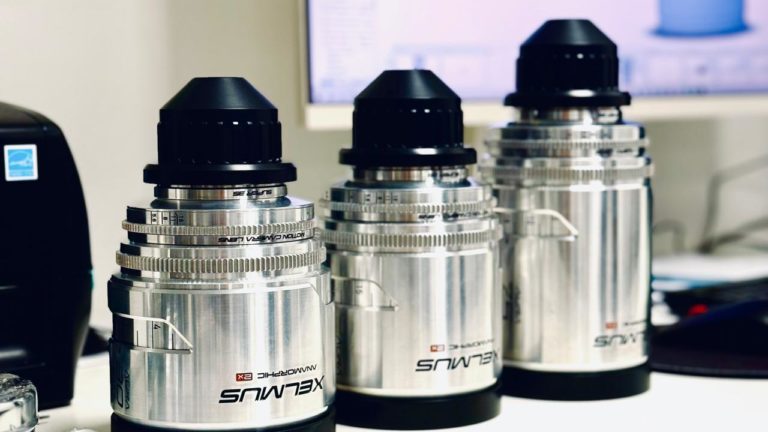
You chose to film with Bausch & Lomb Super Baltar vintage lenses and a zoom K 35, mounted on an Arri Alexa Mini camera.
Did you compare them to other combinations ?
Super Baltar are lenses I like a lot because they have a very specific texture and softness. Each lens has a different texture as well. It adds a surprising element. There is some sort of creative energy in not having control over everything. I sometimes miss shooting analog, because there’s a certain element of randomness in it. There is the exposure, and then it gets processed and then scanned. Of course, I don’t like it to be totally random. But I also like having some sort of poetic results, that you haven’t expected or can’t calculate beforehand. And I think this is why I like these lenses. Every time I put a different lens on the camera, there’s a small surprise that inspires me in a different way.
However, I thought that for War Sailor I would choose something else. Because during my previous films, the Super Baltar lenses were also a challenge. It’s not all good, it’s not all inspiring. There were times in post-production when you had to correct a lot, and I think I was a little bit exhausted by that, so I wanted to go a different path. We did some tests and… Gunnar just fell in love with their look. And I wasn’t too difficult to convince when he loved it, because I do too.
I had another problem with the lenses because they were rehoused, and the rehousing of the ones I used was a little bulky, and with a close focus that wasn’t to my liking. So I found a different set (there was only one in Europe) that had a different rehousing, with a close focus which made me be able to be closer to the actors. They were more versatile and more compact. Finding this particular set of lenses also helped me in making the decision.
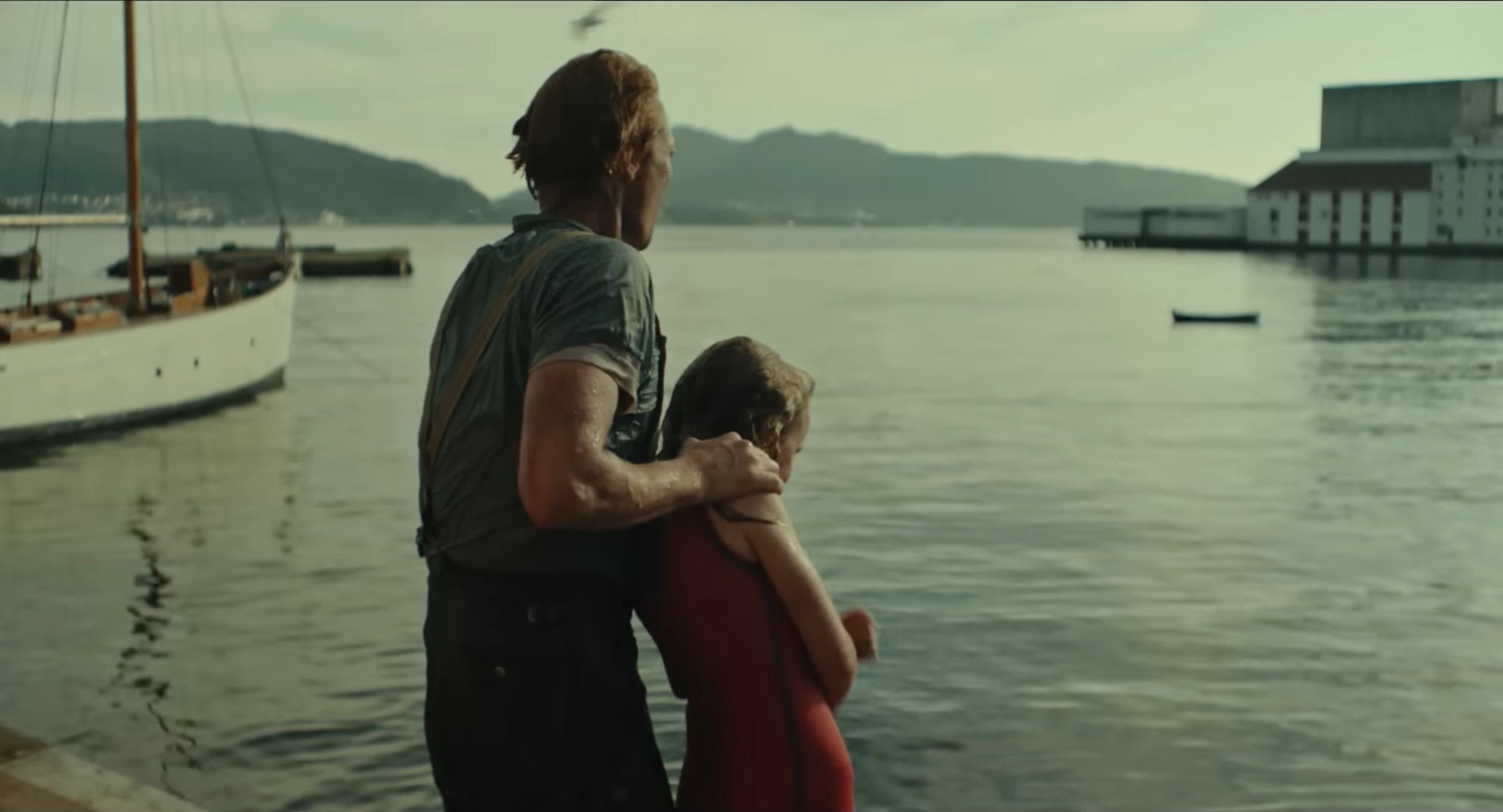
What kind of collaboration did you have on the workflow from pre- to post-production ? Did you work with the colorist in pre-production?
Yes, I did. I started a new collaboration with a young colorist. The reason why I wanted to work with him was that he had published some articles on the matching of digital to film. He is really nerdy about color science, trying to create a digital image that would look more like film. And I thought that was right for a historical drama.
Initially, I wanted to shoot on film, but there wasn’t a budget for it. So my idea was that I would hire an expert, who would go further than I could with my knowledge, into trying to make a digital image look more organic, like 35mm. We did a lot of testing: shot with the Alexa mini and in 35mm, printed and projected, and he made them match. I’m not quite sure what the technical process was, but he created a very accurate LUT.
Then we continued building on that during color grading. There was one LUT for the entire movie. Except for the end scene, where we created a softer and less saturated LUT.
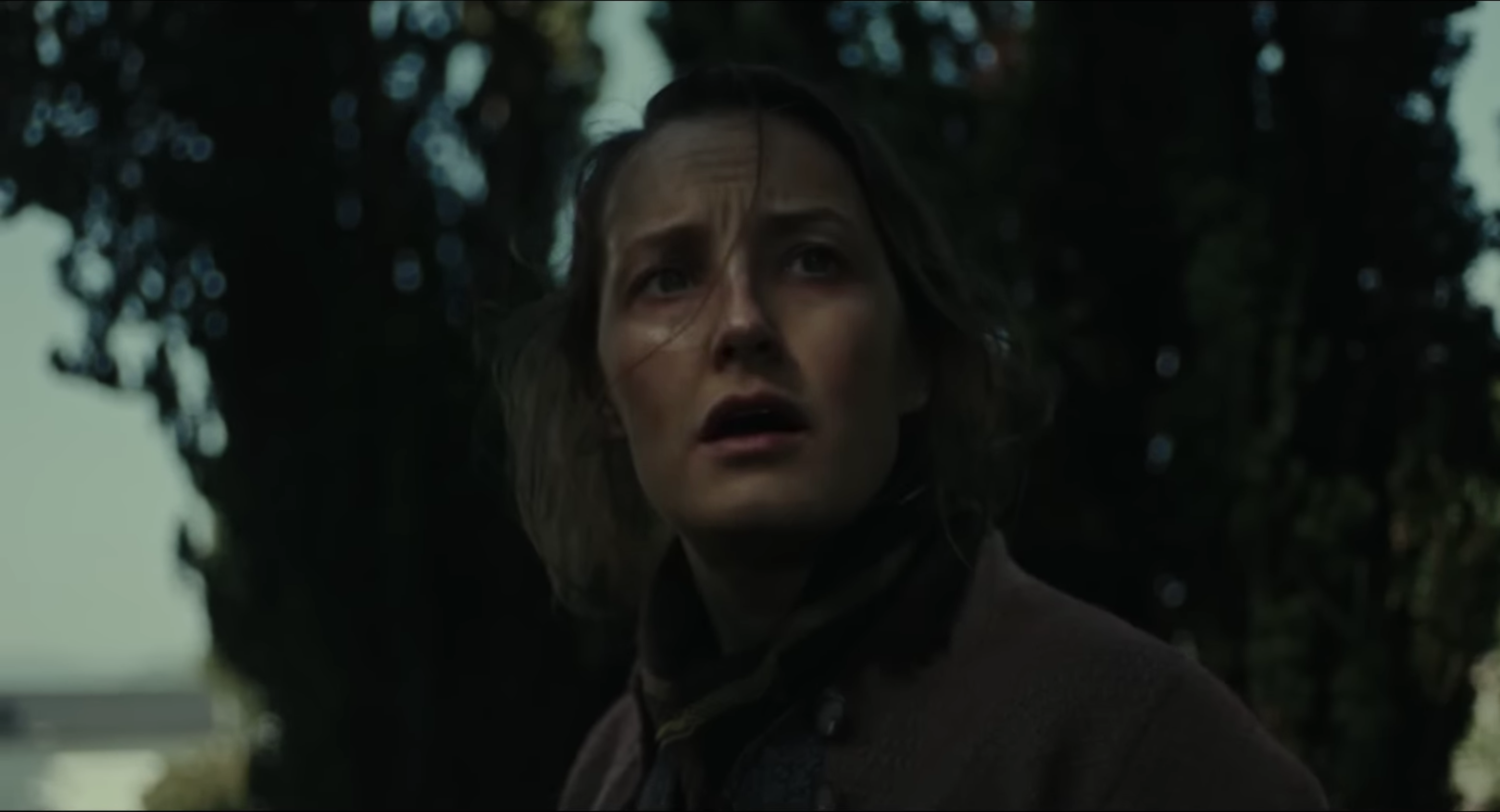
Coming from Norway and Denmark, how did you approach the exotic light of Malta, the « Singapour » part ? Did you use a different equipment (for aesthetic or production reasons)?
Not so much in terms of lights. I mean, we struggled a little bit with Malta because some of the scenes were supposed to be taking place in the Northern sea, and in the Mediterranean sea, the light is quite different… But the temperature is much better. And the working conditions are much safer. So it was what we had, and what we could work with. For the Singapore part (which we also shot in Malta), we were mostly in interiors, and we could control the lighting. We had to use a green screen to create a jungle afterward but otherwise, I don’t think we had a very different approach from the rest of the film.
How did you prepare for New York in the 40’s ?
That’s a big shoulder clap to the art department. They were really, really talented and gave us a lot to work with. It’s not easy to create a set where we basically shoot 360, make it look like a period piece, and furthermore set in New York. We shot this in Hamburg, at the harbor. It was a big set that they had to create, and I think it worked out pretty well. We didn’t do too much CGI, only the skyline in a couple of shots.
I had photographic references, black-and-white stills of New York harbor environments. And I wanted deep blacks and very hard lights, to create this almost Film Noir look, which is what I associate with the 40s in New York.
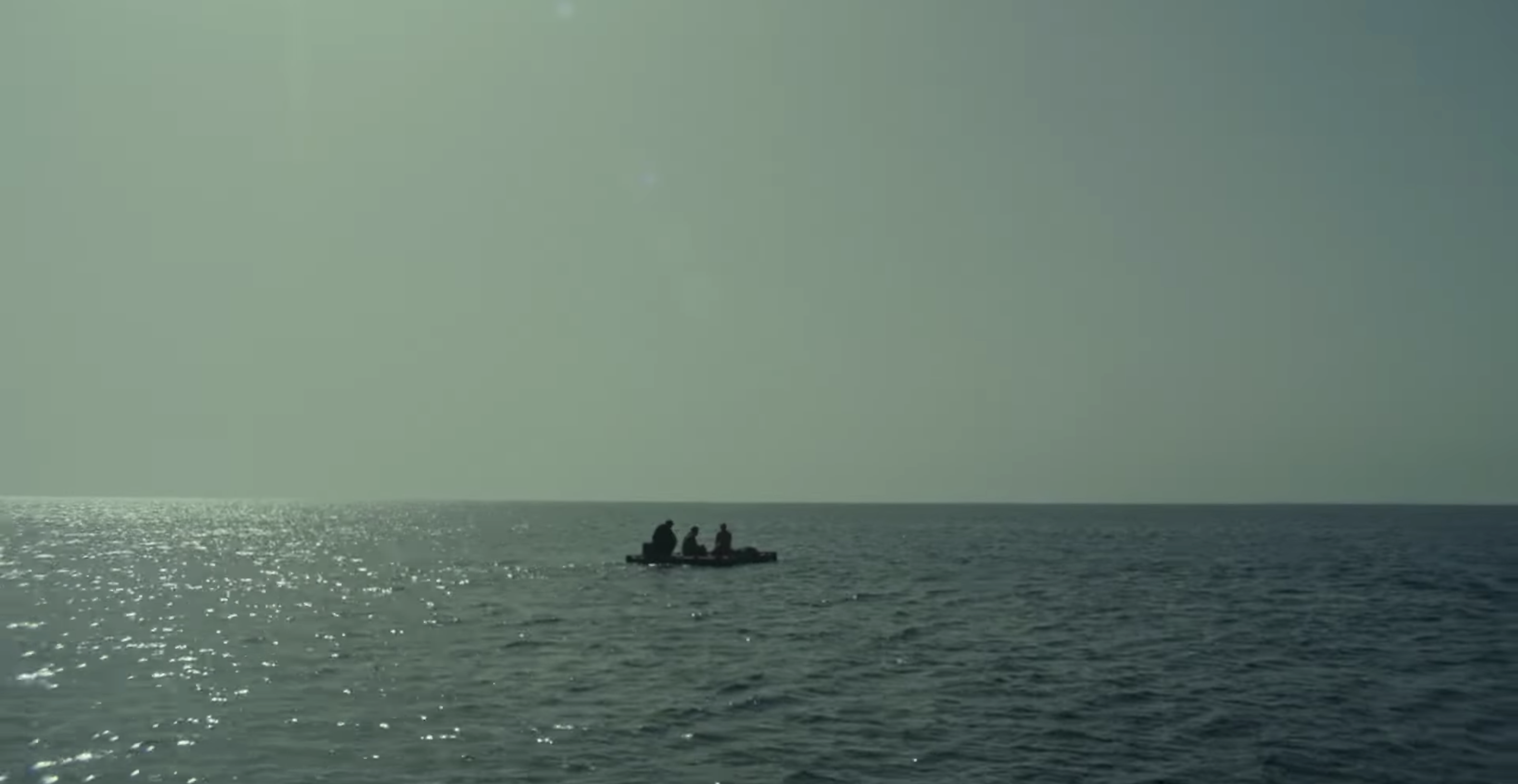
The underwater (or for the most part of them the between-air-and-water) sequences were shot in Malta. You used a crane equipped with a waterproof remote head. The raft was offshore. You had a mothership that had to be digitally removed as long as the shore itself for the 360° shot around the raft.
You also said at the Q&A that: filming underwater was, first thing: « time consuming ». On those sequences did you operate yourself ?
Yes, I operated the Hydrahead. I like operating to a certain extent, but I was actually also lucky to have a young safety diver (we had a lot of them around the raft) who was very interested in cinematography. So I asked him to do one of the shots, because he could swim in the water, like a fish. It was the shot when Alfred swims over to the boy and drags him back to the raft. It was a fairly complicated shot because you had to have the boy in the foreground and then swim after them. I left that to someone who is more used to being in the water and operating with a splash bag.
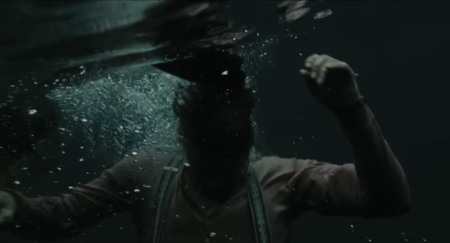
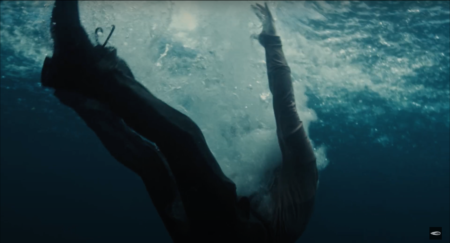
We spent two weeks filming the water scenes. We had a big cut-out green screen that we used to integrate assets or to fake the shadow of a boat. We were on the barge, and by the pier, we had a big green screen set. Then in post-production, they created the ship and the damages. We had done calculations. Some didn’t match exactly. The size and position of the objects had to be readjusted in post. I definitely prefer shooting real props. Like the submarine, it was a real prop.
With a 10 Million budget and 60 days of shooting, the movie is a comfortable European project and still a very light one compared to the epic dimension of some sequences, and the time periods and places the characters travel through. To what extent have today’s CGI possibilities allowed something that may have been impossible before ? (On Jaws, for example, some takes were useless because boats were crossing the frame. Titanic went one hundred and thirty-eight days over schedule)
Also, you participated in the editing and CGI integration. Sometimes the DoPs are not that openly invited during those work stages, how do you feel about that ?
It is maybe because I graduated 10 years ago, but at the time we didn’t have any training in CGI, and we didn’t really have met any visual effects artists. In my films so far, there have been very few visual effects, and they were generally combined with physical elements (like on Wendy by Benh Zeitlin – 2020). So for me, this was a new experience.
I have been quite impressed by what they can do, especially with water and water simulation. I had always been told that putting elements in water, and having them interact with moving water, was the most difficult thing to do. And I was amazed by what they actually were able to do. For example, during the scene when the ship is broken and they are trying to save some sailors from drowning and floating out, almost all of that water is a simulation. Every day I’m sure, there’s a new advance in visual effects. But you’re right: it’s rare that the cinematographer is invited in this process. I was lucky to be.
On certain kinds of projects, the visual effects supervisor is as important a collaborator to a director as a cinematographer is, and should be treated as such. There is taste involved. There’s talent. There’s personality. All those things that a DoP aligns with the intentions of the director, they also have a sense for the visual effects supervisor. It must not be underestimated. If the director and his visual effects supervisor are not in sync, the project might suffer from it. And of course, the cinematographer feels that his or her work is suffering because visual effects create images and you want to have a say in it.
On War Sailor, we had weekly updates for work-in-progress shots. And at one point, the director got sick, and I took over for a little bit, to work with the visual effects crew. So I learned a lot from this experience. I think it’s super important that we are invited in more. It is a collaboration, like color grading.
You said at the Q&A that you usually operate yourself being « unable to clearly communicate with a camera operator ». You seem also to enjoy playing with the actors, giving them and yourself a lot of freedom. For example, the push-in on Maggie’s face at the departure of her father seems quite spontaneous. I’m also thinking about your work on Thomas Vinterberg’s Another Round. Do you sometimes have the feeling that the camera operator is one more actor on the set ?
In a way, yes, maybe I do feel like that. At least, I feel like you have to create an authentic performance as a camera operator. The audience is sensitive to when you’re faking. You can enhance emotions. Sometimes, you can even do too much, you can over-enhance. I feel like when I do my best operating is when I can engage emotionally with the scene and understand the characters, and really try to feel what they’re feeling.
It may sound abstract, but it’s more important to me than having the perfect lighting. I like to have the freedom to shoot 360, or if I get the urge to do a low-angle shot, I want to be able to do so at the moment. It’s like having that freedom of really immersing myself in a scene, in a way that I don’t have to think about what I’m going to do, but I just act on emotion.
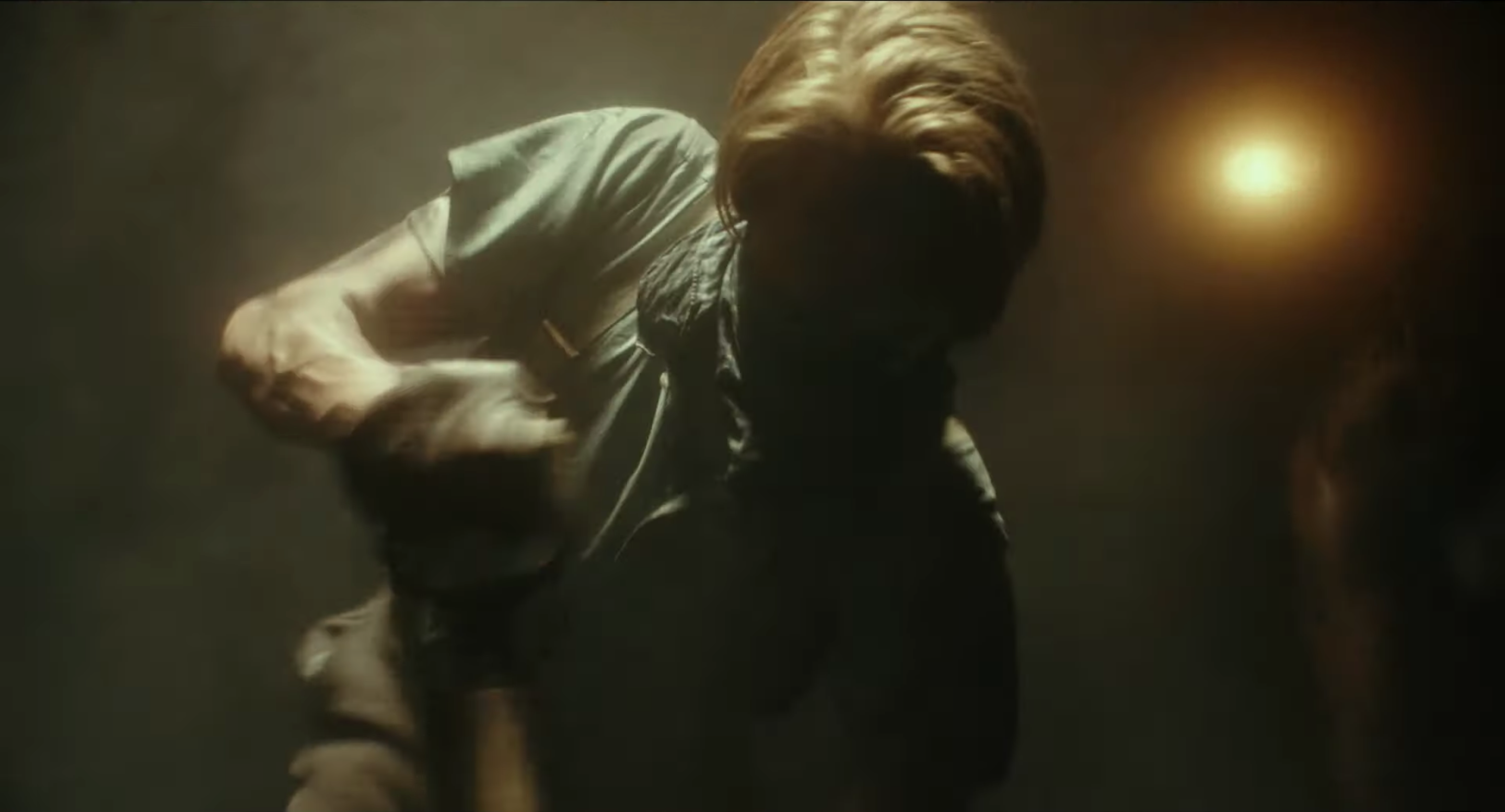
After Rams, your work was noticed on Sebastian Schipper’s Victoria. This one-sequence feature movie was obviously a challenge, and so is War Sailor in its own way.
How do you feel about taking risks ? Career-wise ?
Ha ha ha. I think I’ve always been very interested in challenging myself, or maybe it’s more likely getting out of my comfort zone. I think I’m a person that could easily just sit on the couch, drink a cup of tea, watch Netflix, and just stay there. I’m quite introverted and quite shy. But over the years I’ve been trying to open and broaden my horizon. I think I’m trying to make a conscious decision about those kinds of projects that challenges my personality.
Victoria felt not so scary, as it felt like a step in my own personal development as well. Actually, when I did Victoria, it wasn’t a choice, it just felt like an interesting opportunity. And once it was clear that I was going to do it, then it was just a reality, a task I had to deal with: going full speed ahead and trying to complete that film as best as I could.
That happens in every project once you start going into the story. That’s what becomes important and you try to solve it, according to your own sensibilities and your own taste. And then come, of course, all the technical and logistical aspects. They just are obstacles that you have to overcome. The most important thing is that I have a good connection with the director because going through the process of making a feature film is just exhausting, and I need a good collaboration, like a good friend to work with. We have to be able to talk about everything and be vulnerable, have a bad day and then pick each other up. That feeling of a good team is a good foundation for making a good film.