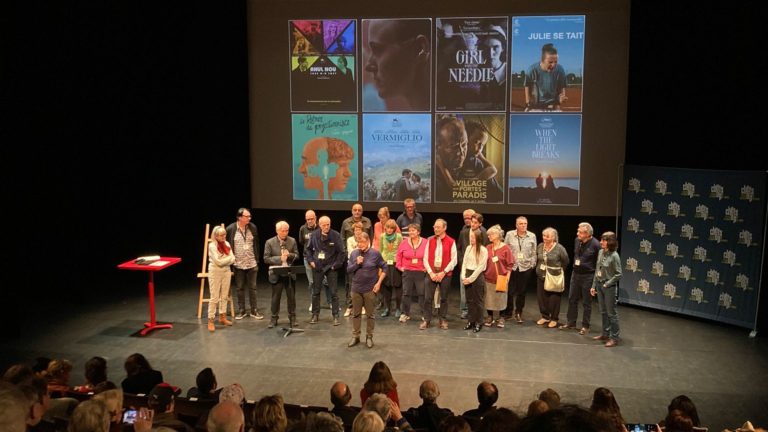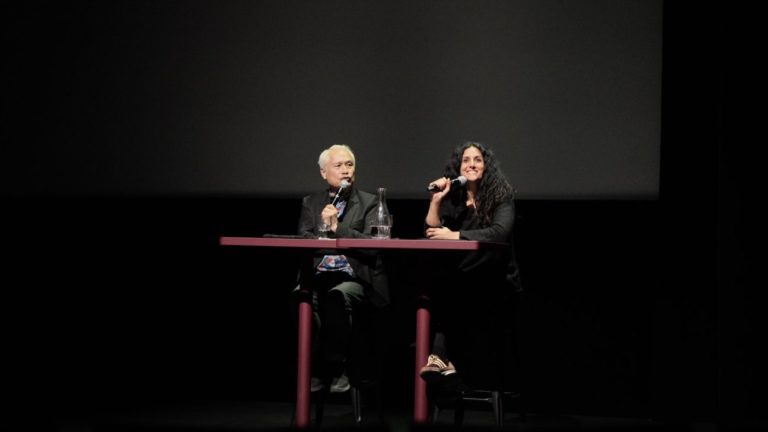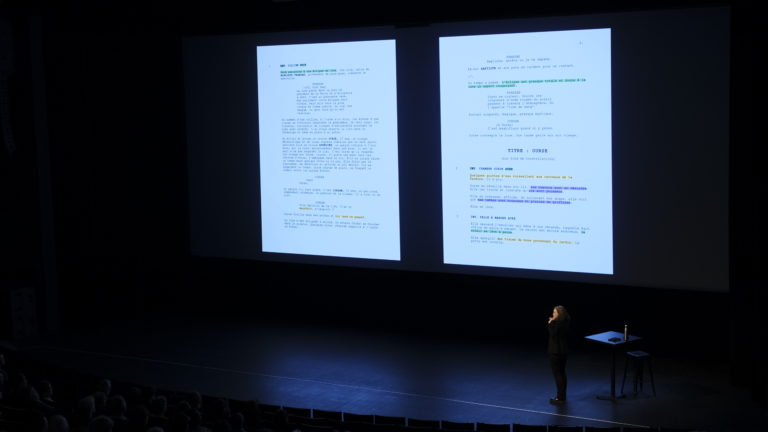
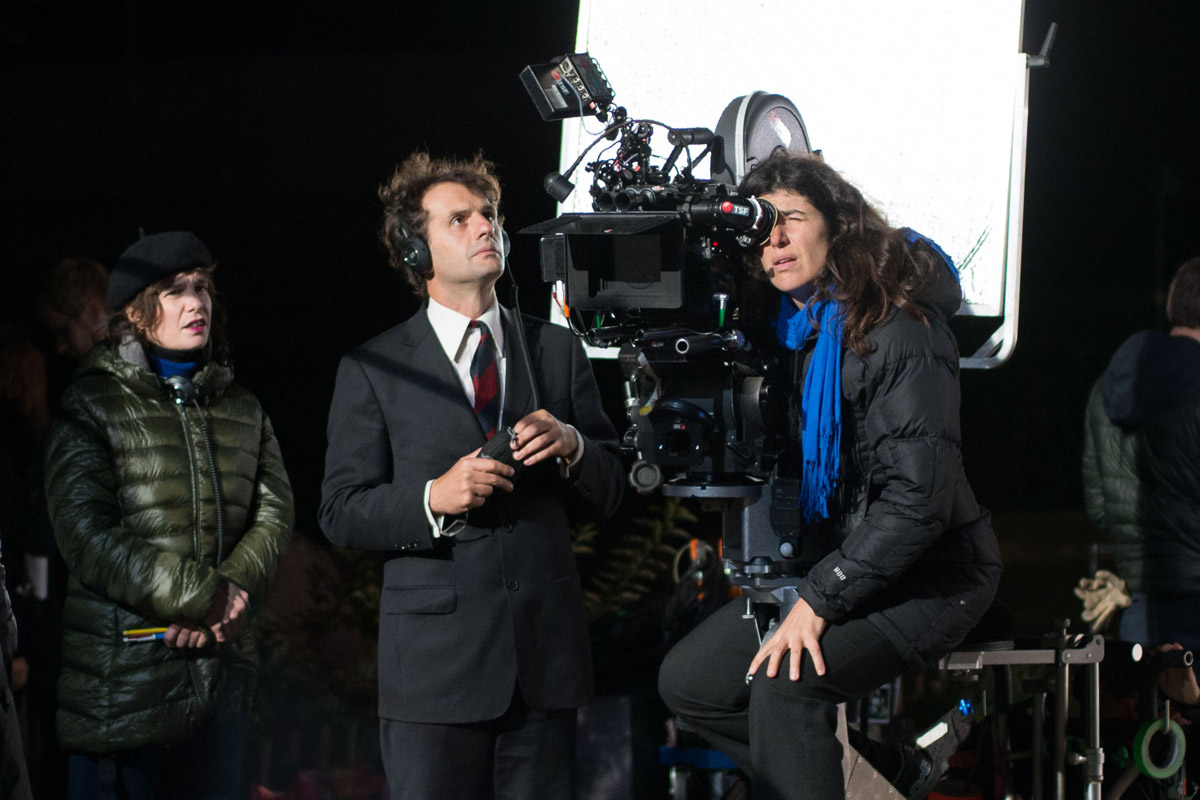
On the occasion of the Chefs Op’ en Lumière festival, Céline Bozon gave a Masterclass at the Espace des Arts in Chalon-sur-Saône. She revisited her career as a cinematographer through several film excerpts, discussed and examined by N.T Binh from the magazine Positif. She also presented the film Selon la police, directed by Frédéric Videau, released in 2022.
As a young woman, Céline Bozon initially wanted to become a photographer. But discovering teamwork during her cinema preparatory studies at the Gabriel Guist’hau secondary school in Nantes ultimately won out over the solitude of the photographer’s profession. “The anxiety of photography is solitude,” she says. After her studies at La Fémis, during which she worked extensively as a camera assistant to Crystel Fournier, she quickly launched herself as a cinematographer, following the model of Éric Gautier. He had started early as a director of photography without going through the traditional assistant path — something that was quite rare at the time.
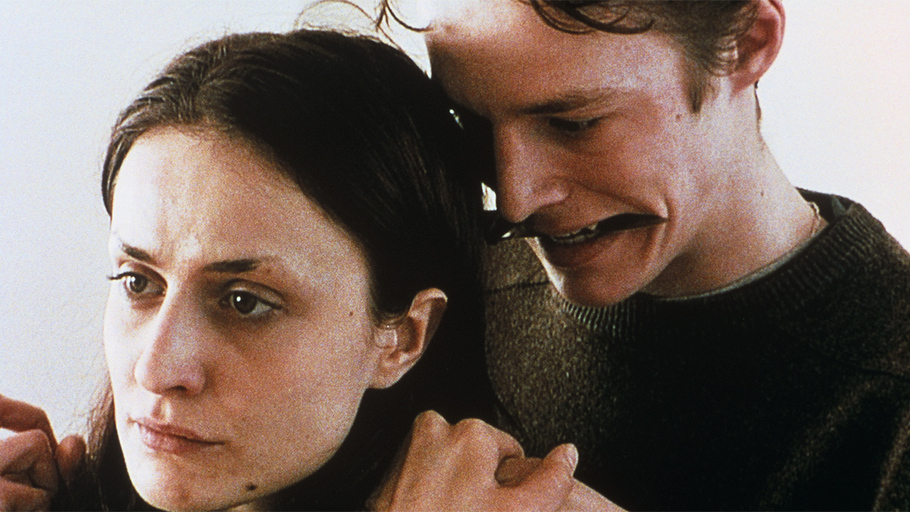
Les Fantômes (2001), Jean-Paul Civeyrac
The first film we watched an excerpt from was Les Fantômes, a film by Jean-Paul Civeyrac shot on Super 16 and blown up to 35mm. Céline Bozon’s camerawork immediately impressed Civeyrac with a tracking shot around a table that was “almost Hitchcockian” in Civeyrac’s words, a cinematic compliment that the cinematographer, who had little experience at the time, truly appreciated.
These beginnings gave her access to directors who quickly trusted her, for whom “the actors’ bodies [were] a starting point,” and who “let [her] participate in the blocking of a shot,” which she found incredibly enriching. It is this kind of collaboration that she still seeks today. However, she emphasises that all of the filmmakers she has worked with share the quality of being generous with their cinematographer: “All of them, in different ways, are very good directors of cinematographers.”
Félicité (2017), Alain Gomis
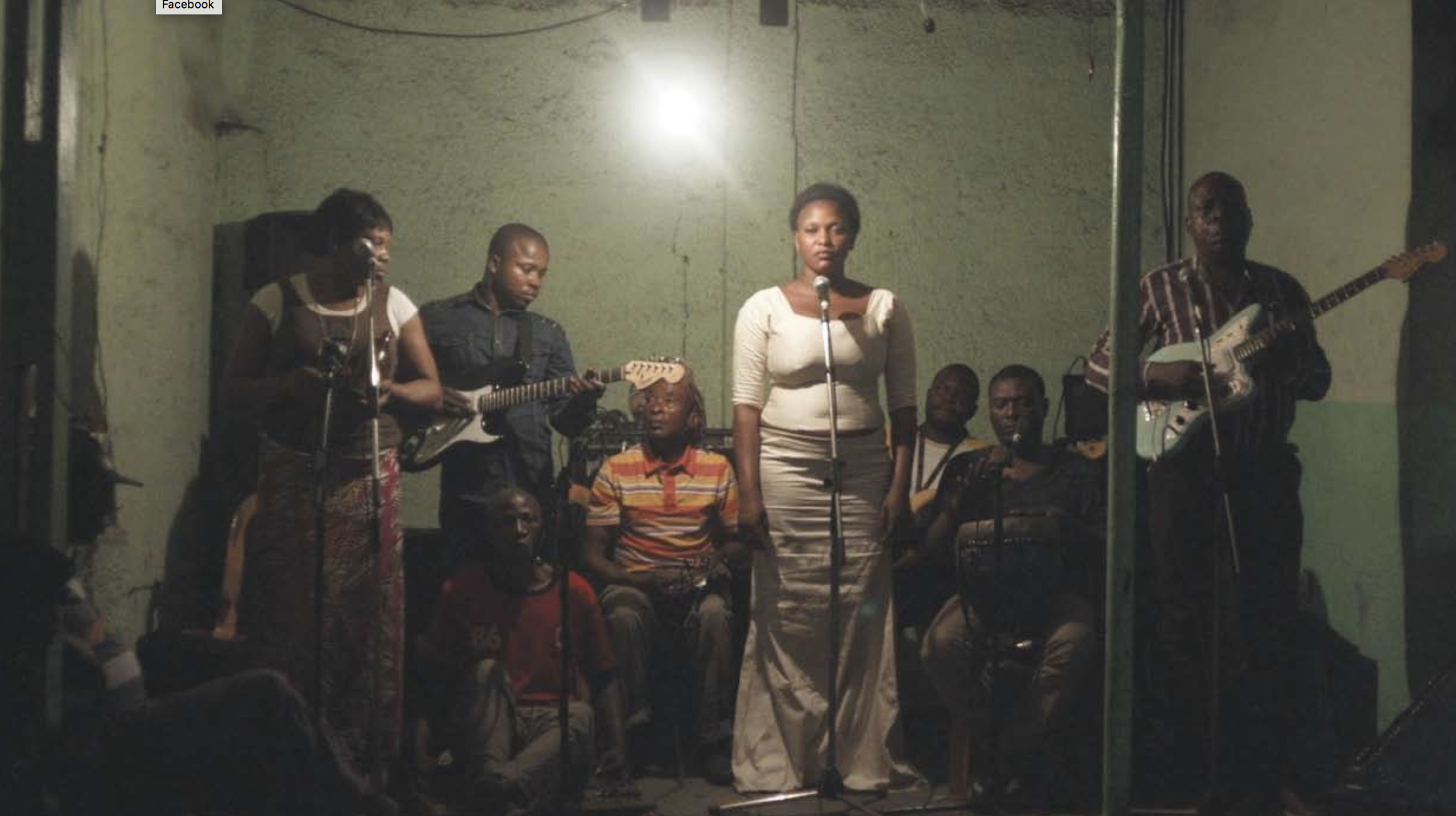
Céline Bozon continued the Masterclass by showing us excerpts from Félicité, by Alain Gomis, released in 2017. The shoot took place entirely on location, in Congo and Senegal. She took genuine pleasure in filming a female character, played by the “mesmerising” Véro Tshanda Beya Mputu. There is in this film an interplay of depth of field and handheld camera mobility, which we discover particularly in the night sequences that immerse us in the streets of Kinshasa, where the actress and the camera wander, lit by the glow of shops, the occasional streetlights, and the headlights of motorcycle taxis.
These documentary moments allowed Alain Gomis to observe how Céline Bozon moved through a city she didn’t know — a way also of discovering each other in a budding cinematographer-director relationship. Alain Gomis likes to introduce documentary elements into a fiction film and therefore insisted on organising rehearsal sessions with the lead actress, during which Céline Bozon could observe and understand how she moved and reacted in these unknown streets. Some of these rehearsal moments were ultimately incorporated into the film.
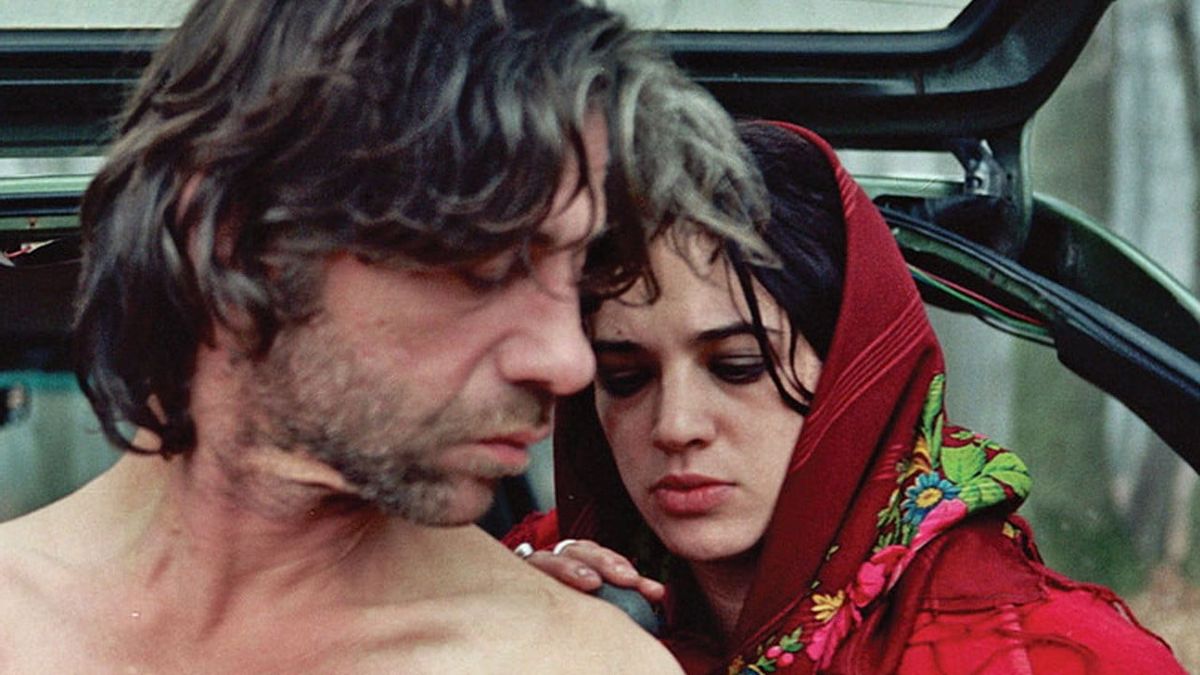
Madame Hyde (2018), Serge Bozon
We then watched an excerpt from Madame Hyde (2018), directed by her brother Serge Bozon and shot on 35mm. In it, we see a physics and chemistry teacher, played by Isabelle Huppert, who leaves her home in the middle of the night and walks the streets. She follows one of her students, one of the “troublemakers” from her class, to his housing estate. There, she observes a group of young people rapping.
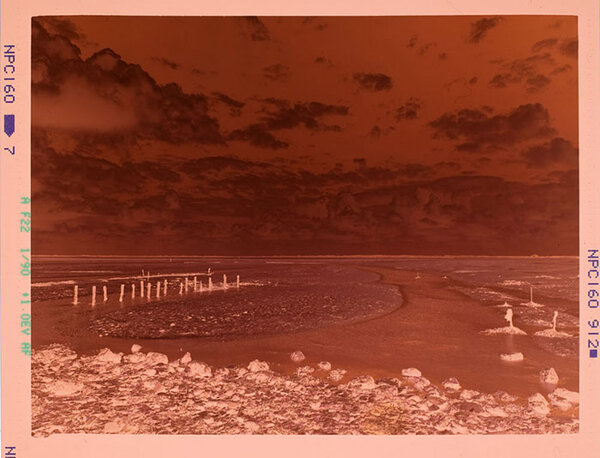
It is a fantasy film where, after being struck by lightning, Mme Géquil (Isabelle Huppert) sees her body glow during the night. Several tests were needed to find the desired effect: she had to radiate, to burn. Céline Bozon conducted camera tests with real flames, then by projecting images of flames onto the actress using a video projector. The result was unconvincing. It was when her brother Serge found an excerpt from a very old black-and-white film in negative, on 35mm, that the breakthrough occurred. By combining colour footage with this negative film superimposed, they achieved the desired incandescent glow. They then needed to find the right balance of superimposition with the special effects team: the character had to truly “radiate” in the night; the “negative” effect alone produced a dull look that didn’t match the vision.
Céline Bozon points out that special effects always work much better when part of the work is done in-camera. She adds that the collaboration with the post-production VFX team (Mikros) was equally crucial in finding and developing this effect.
Serge Bozon is also a great admirer of classic American cinema from the 1950s and 1960s. He therefore favours deep depth of field, which is typical of the visual style of films from that era. But the budget wasn’t sufficient to meet this aesthetic requirement given the various constraints of the shoot: shooting at night on 35mm film stock would have required far more lights to illuminate everything!
Consequently, Serge Bozon wasn’t very fond of the focus pulls from one actor to another in this night sequence, which went against his taste for deep depth of field.
Vif Argent (2019), Stéphane Batut
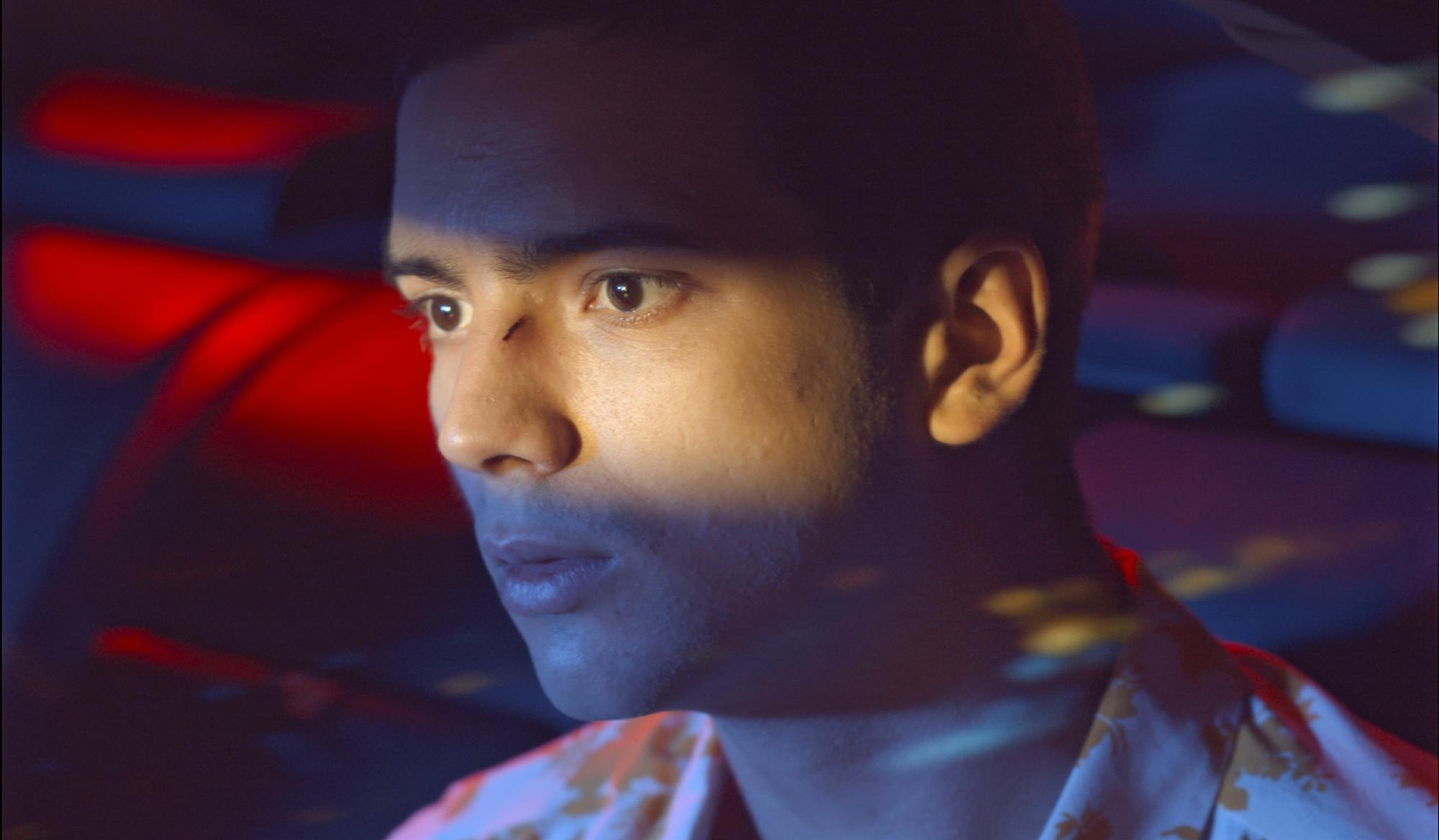
Céline Bozon screened an excerpt from Vif Argent, by Stéphane Batut. She speaks with particular emotion about this film — a work of pure “cinematic poetry.” It is the story of a ghost who wanders through the streets, collecting the last memories of people who are about to die. It is about the final moment, the final memory, and this ghost who wanders, disappears, and returns. Stéphane Batut is someone who speaks very little, who expressed his vision for the film in a sparse but “very beautiful” way. This was a director who gave her “total freedom” to explore her own artistic sensibility, which she considers “the definition of luxury” in her profession as a cinematographer. “A director who gets me out of my habits, but who also lets me express my own fantasies.” She emphasises how deeply she was touched by the immense trust placed in her.
She notes that she loves darkness enormously. This can therefore come into conflict with a shot breakdown. “When you have five setups for the same scene and you need to maintain a late-afternoon sun, it’s very complicated when the light keeps changing. Darkness allows you to compose an image more deliberately.” Reviewing the films she has worked on, she notices that her images are often very dark. “It really goes all in on the shadows! In Félicité, you can barely see anything!” she remarks.
Annie Colère (2022), Blandine Lenoir
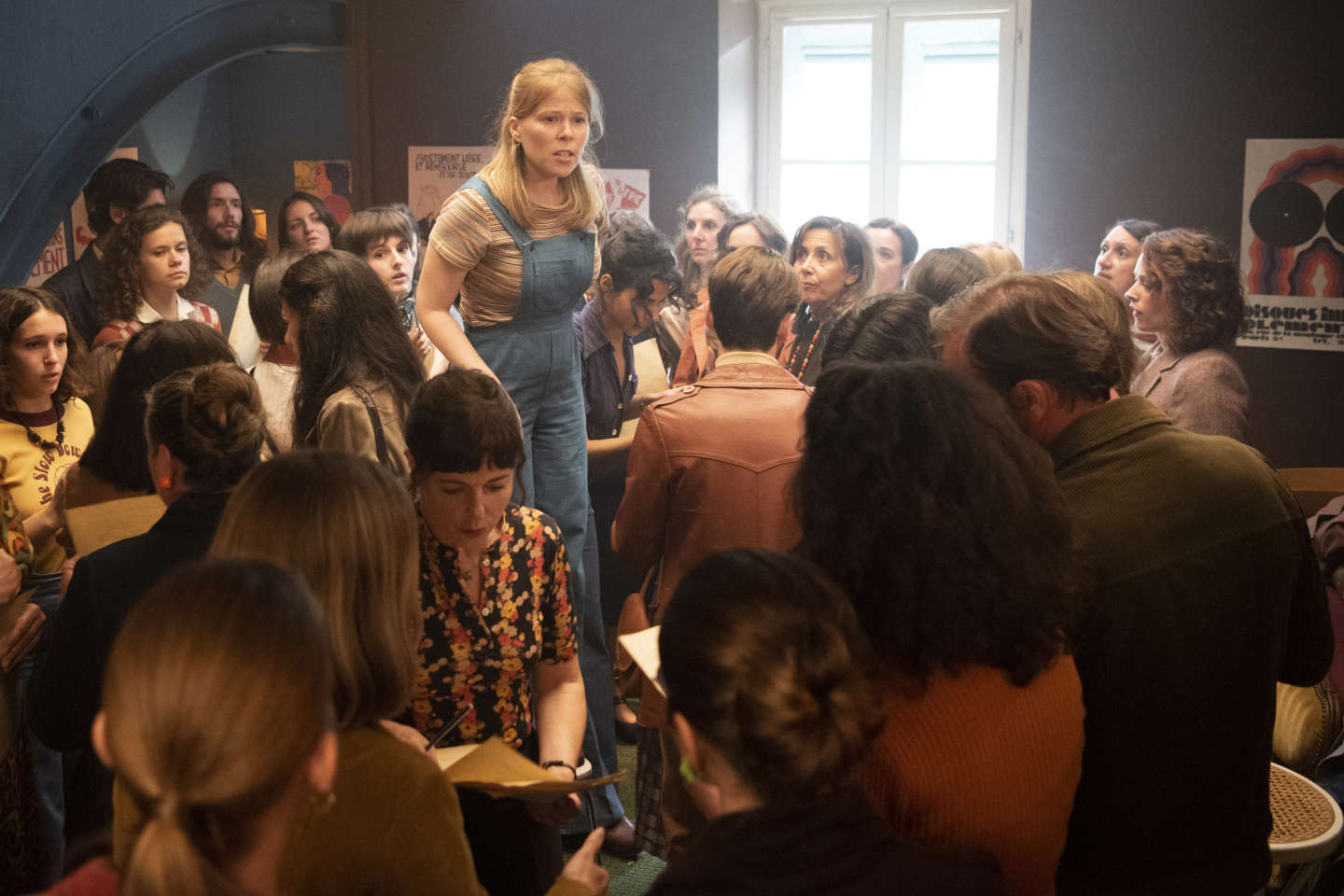
The last excerpt presented was from Annie Colère (2022), by Blandine Lenoir. The story takes place in the 1960s and depicts women’s emancipation movements through scenes of clandestine abortions between women. Rather than choosing vintage lenses for a period film, Céline Bozon opted — somewhat against the usual practice, she says — for contemporary Leitz Prime lenses. She maintains her taste for soft imagery, confirmed by the choice of Mitchell and Satin filters. These were combined differently, notably with colour work during grading, to subtly convey the sensation of passing time (three different seasons in the film). The choice of 1.66 aspect ratio proved most suitable for filming faces, which remains her primary motivation in her practice as a cinematographer. It is a format she greatly appreciates for “photographic” reasons, and which she generally prefers to wider formats.
She takes this opportunity to revisit a particularly ambitious and demanding Steadicam sequence shot. It is a tracking shot that descends into an underground space where a number of women are gathered to perform abortions. The complex choreography of the shot combines dialogue, several actresses, and a set with significant depth. This was the most technically organised shot of the entire film.
Selon la police (2022), Frédéric Videau
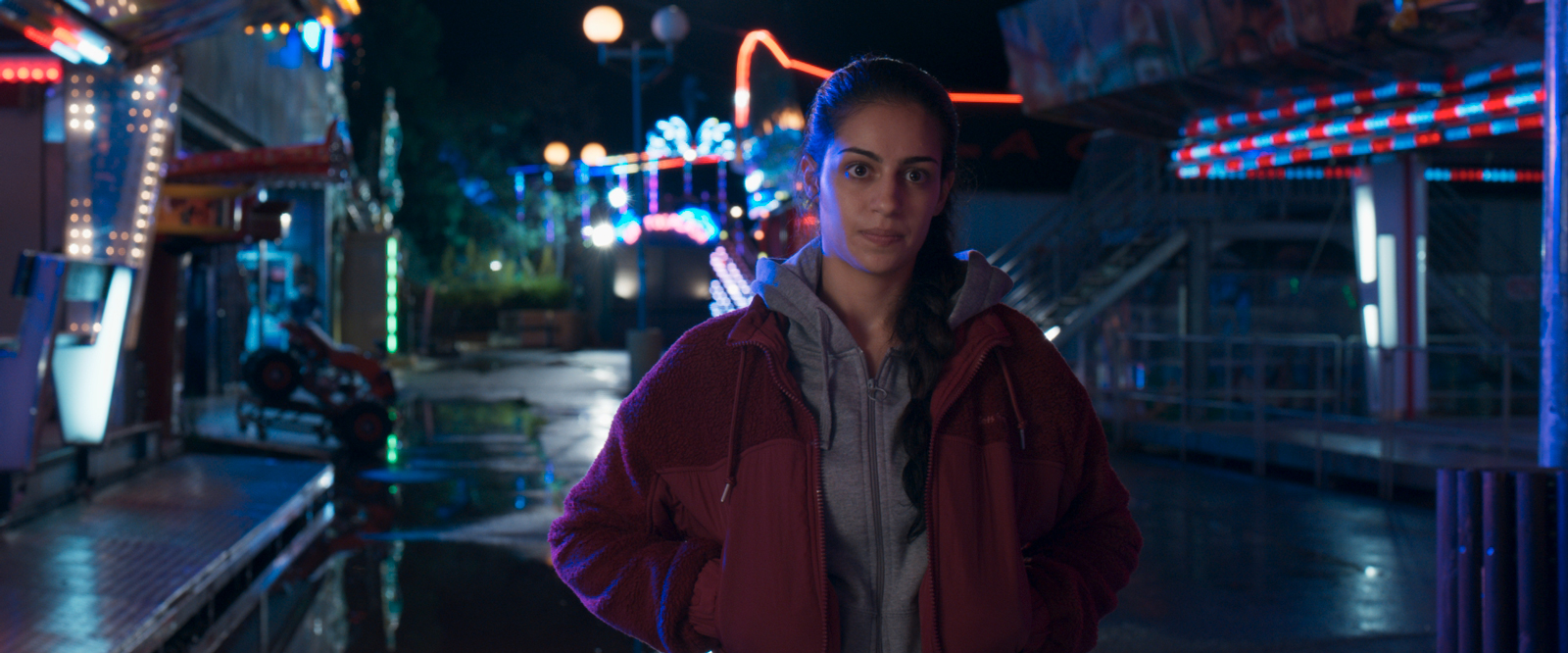
The screening continued with Selon la police, and Céline Bozon was joined on stage by director Frédéric Videau. He explains that about fifteen years ago, he had been struck by a tracking shot in a film by Jean-Paul Civeyrac where Céline was the cinematographer. This camera movement carried a particular tenderness that had fascinated and deeply moved him. He knew he needed such tenderness in the visuals to elevate and add colour in order to express his own tenderness.
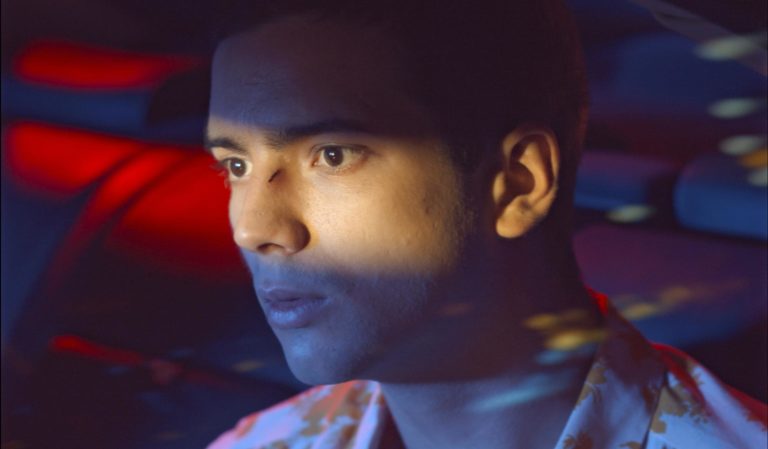
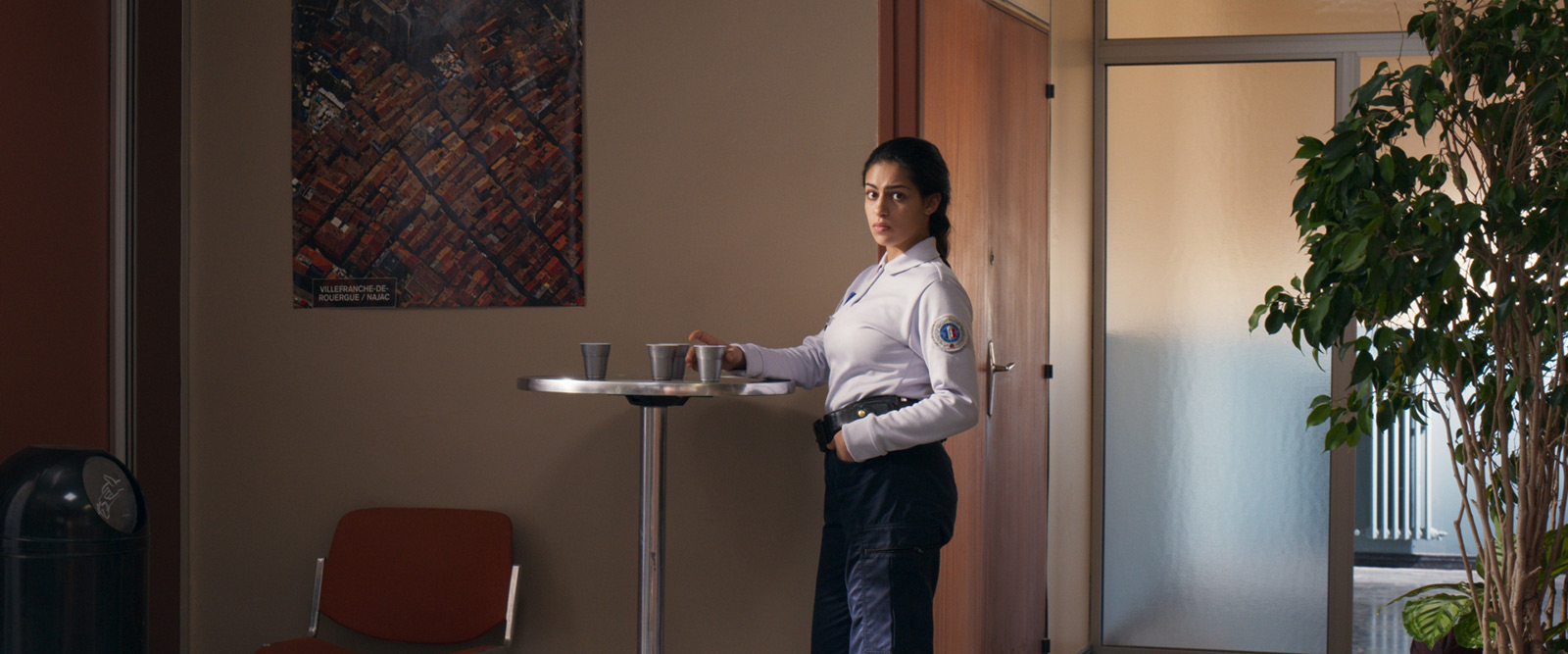
Selon la police is a film drawing on the police thriller and ensemble film genres, following the day of six officers at a police station in Toulouse. Through this film with its very distinctive atmosphere — moving from hyper-realistic settings like a police station to highly stylised ones like a funfair — the director explores the mechanisms of violence that police officers endure and reproduce.
She presents her perspective on the harmony between the film’s various visual styles, which are linked to scenes and locations: “The question of stylisation lies primarily in the degree of stylisation… Whether the shot is simple or elaborate, it’s the consistency of the image and the approach to colours that creates the coherence. I never split myself between something realistic and something stylised.”
In Selon la police, the choice of widescreen format was made because, according to Frédéric Videau, the police officers are depicted in the manner of “cowboys.” We therefore asked the director about the reaction of law enforcement during screenings of the film.
To support his point, the filmmaker assures us he conducted extensive research over four months, consulting archives, films, and conducting interviews with professionals in the field. He also recounts that during a screening in Marseille, a police officer told him he was deeply moved by the film. Frédéric Videau explains that his intention was never to make a film against the police, but rather a humanistic film that draws on his personal knowledge of the profession and the environment. He wanted to show people at work, in all the complexity that entails.
Céline Bozon concludes her Masterclass with a question from the audience about whether she would like to direct a film. She tells us that her photographic work feeds this desire, in a place of solitude and freedom that only photography can offer. However, she does not yet feel the need to give up what she calls “the gift of collaboration.” For now, cinema remains a space of exchange and shared creation. But who knows what the future may bring…
To close the event, the moderator N.T. Binh shared his impression that the cinephilia and imagery of Céline Bozon are shaped by a fantastical, black-and-white cinema that takes a step sideways from reality. She continues this exploration through her photographic work, which is on display as part of the Cinematographers exhibition in Chalon-sur-Saône, as well as at the L77 gallery in Paris (from 16 February to 20 May).
The entire conference was filmed by the festival team, with excerpts from the discussed sequences. It is available online HERE.