Between documentary and fiction, the line is blurring. Six professionals share their approach to reality: neither passive capture nor imposed staging, but a patient co-construction with those they film. A lesson in humanity where technique serves emotion, where listening guides the eye, where accepting the possibility of “missing the shot” paradoxically becomes the key to an honest gaze.
At the Chefs Op’ en lumière festival in January, the A.F.C. and the U.C.O. organised a roundtable dedicated to documentary filmmaking.
Moderated by Catherine Briault (UCO), it brought together: Cécile Bodénès (UCO), Isabelle Razavet (AFC, UCO), Laurent Chalet (AFC), Colin Lévêque (AFC, UCO), Sarah Blum (SBC) and Thomas Favel (AFC, UCO).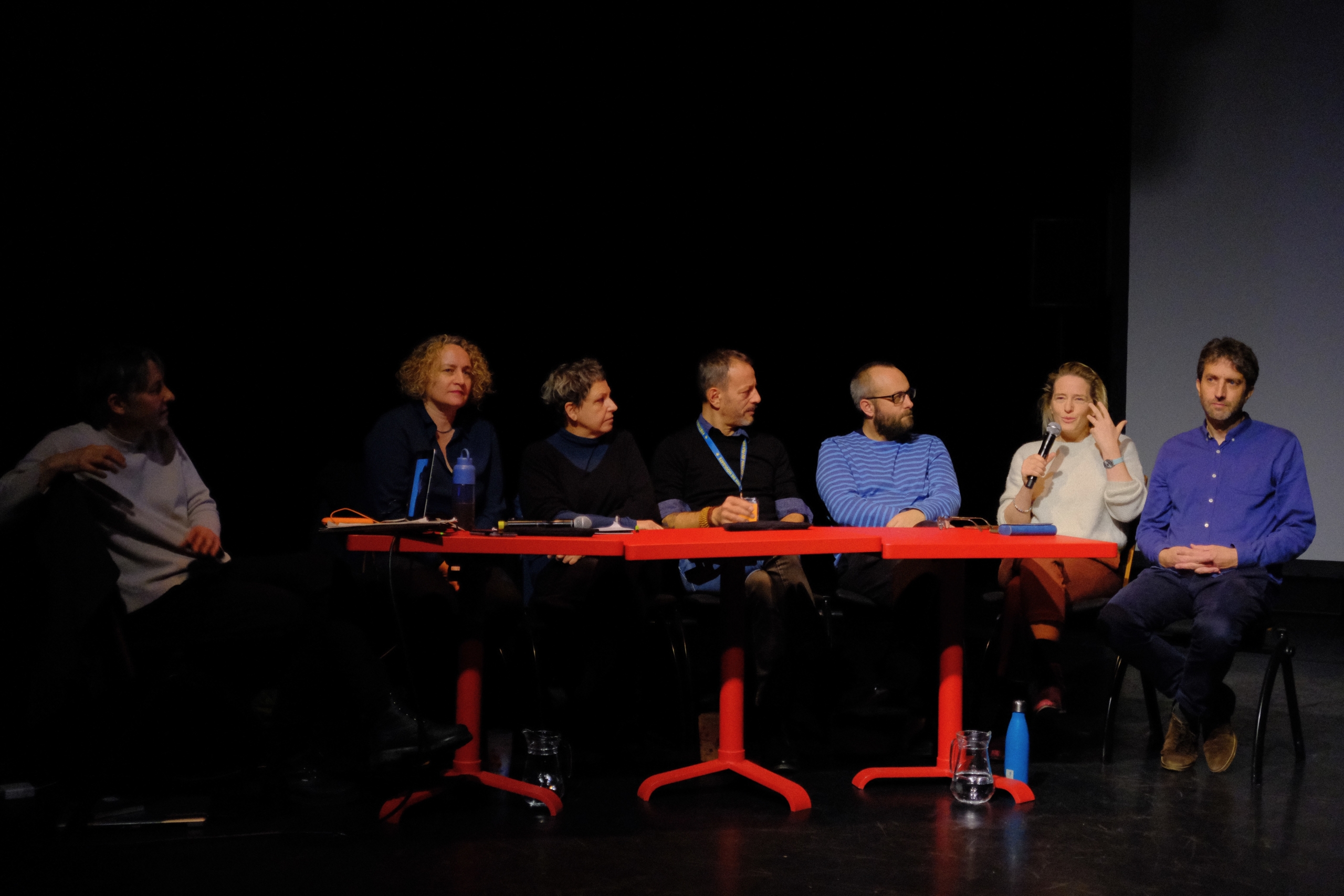 Link to the recorded video
We present here the highlights of the public discussion, punctuated by excerpts from the films: Abbas by Abbas by Kamy Pakdel, À la vie by Aude Pépin and L’aventure Alzheimer by Marie-Pierre Jaury.
The director/cinematographer relationship
Thomas Favel : During the holidays, at a family gathering, my mother asked me what I’d been up to. I told her I’d just shot a fiction feature film, and she said: “Oh! You made a real film!” I’d like to open this roundtable on this question, because it says something about the perception of our profession. This discussion was born from an observation: documentary cinematography is very poorly recognised in France. The roundtable brings together people with very different profiles, which is the beauty of documentary — there are many ways to make films.
How does the relationship between the director and the cinematographer take shape in documentary? In fiction, the aesthetic process begins with the script, from which we work together to develop the visual intention. In documentary, it’s different: the subject, the characters, the locations, the reality of a situation become our shared raw material.
The first exchanges are often about this question: what do we look at? Where do we stand? What do we choose to show and what do we leave out? From there, a proposal can be developed, which we can in turn offer to the directors — a setup and an aesthetic direction. As we go along, this two-way discussion evolves, and by the time we begin shooting, we have an extremely precise understanding of what we’re going to do. This work allows us to react very quickly on location. Sometimes, given the energy on the ground and the immediacy of situations, just a quick look between us is enough to know we’re heading in the right direction.
Cécile Bodénès :: Another point is that directors make fewer films than we do. Sometimes a director will make a film every two or three years. In between, we work with other people. And we can bring them this expertise, this experience from other films, to support their vision.
Laurent Chalet : What really matters to me is confidence. When a director says to me: “I trust you, I have complete confidence in you.” That doesn’t mean they’re giving me free rein with the image. It means trust in a joint vision, a shared project.
Every film is a collaboration. Each project carries within it everything we bring: the films we’ve seen and the ones we’ve made.
Defining intentions
From the audience : A “real film” or a documentary… I want to come back to this because your question struck me, and I’ve been thinking about it since. When you work on a documentary, aren’t you more in the moment, without really having time to refine the images, as you’ve been describing? I’m thinking of a documentary I recently saw about Afghan women, and other documentaries that are shot under urgent conditions. How does your work fit in at that point?
Isabelle Razavet : I think we try to define intentions and a filming approach. In any case, an event will only happen once. An emotion in someone’s eyes will last only a fraction of a second. It’s up to us to be ready, and to have decided in advance where we place ourselves. What is our point of view? What is the intention? What are we trying to bear witness to? Every time we film something, we ask ourselves these questions. And then, yes, of course… what happens happens, and depending on what we decided beforehand, we approach things differently.
On the fiction side
Thomas Favel : If we looked at the other side, the fiction side, we’d talk about mise en scène.
Last year, I shot a film with a director who had only made documentaries until then. He wasn’t at all used to the industry that surrounds a fiction production, which is heavier, involves more people, and takes more time. What I hadn’t understood — and it was my fault at first — was that we’d done very detailed preparation, but in reality he didn’t want any of it. He didn’t want detailed shot lists, he didn’t want storyboards. He’d say: “We’ll see.” And I struggled with that initially, until I understood that his way of working was to remain open to what would emerge on set. In fiction as in documentary, making a film also means building it in the moment.
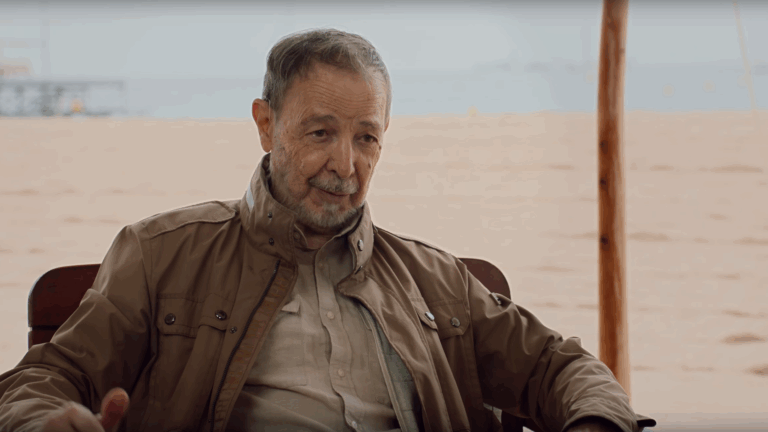
Sarah Blum : I’d like to make a comparison. I don’t know if there are any jazz musicians here. In jazz, there’s a theme. It has a melody. There are chords, a structure to the piece with a beginning, a middle, an end, a tension. Then you improvise variations on the theme. First, we build the theme, because every film has its own logic, its progression, its script — even in documentary. In documentary, we build a theme that plays with reality. That means starting from location scouts, from real people who will inspire the story, but there’s also the form. And then, when we film, we improvise. That is, we create daily variations around the theme. We must find the theme in the variation and the variation in the theme. Sometimes we take the theme very far in the variation, but we always have to come back to it.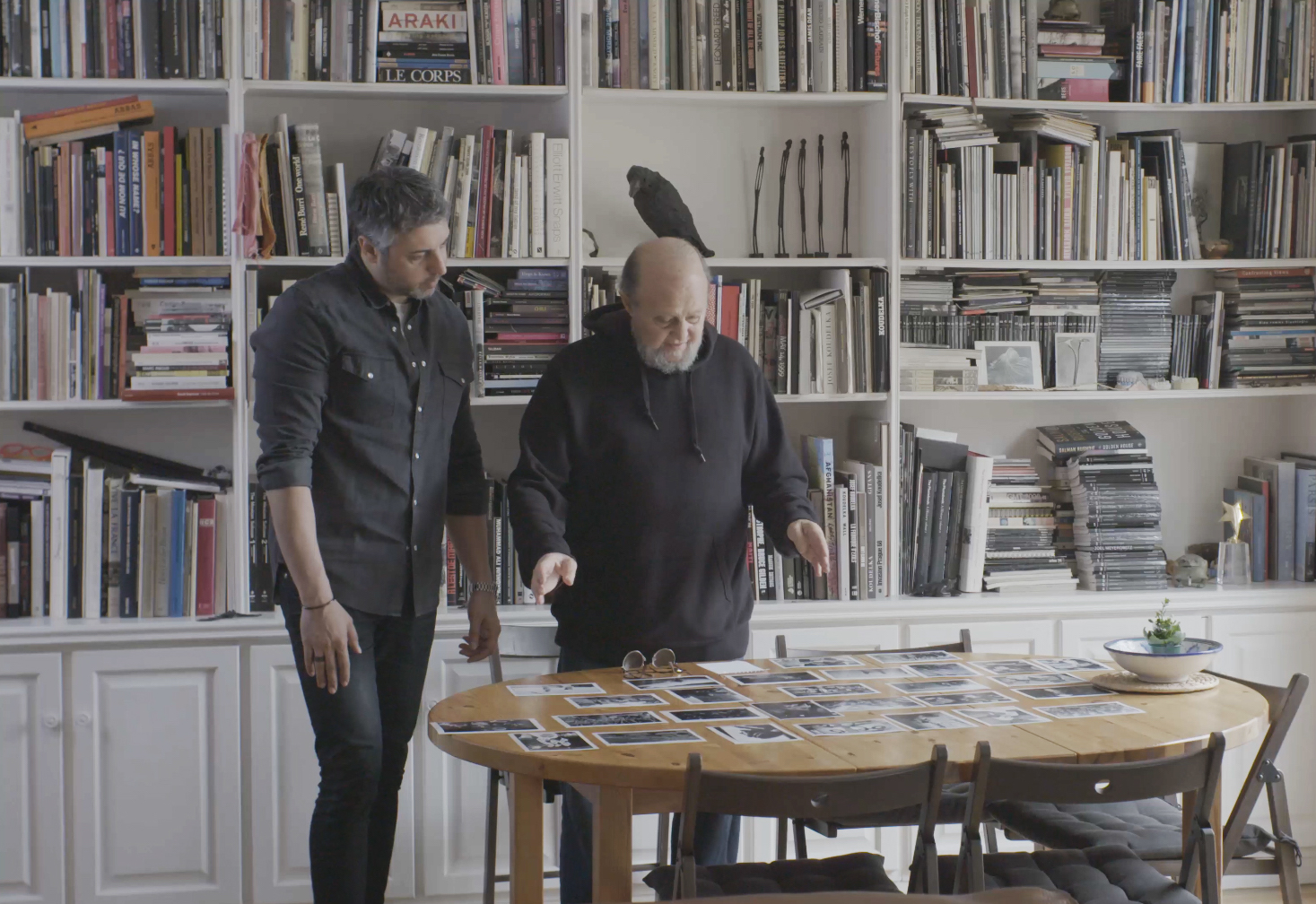 Abbas by Abbas by Kamy Pakdel
This film perfectly illustrates the relationship within the small community we form between cinematographer, sound engineer, director and the people who invite us into their lives and give us a part of who they are. This small community is very important. It’s built on a human relationship above all (before being technical), and it contributes to the creation of the film. It’s extremely important to know that in documentary, there is no truth if it doesn’t come through this human relationship. It’s very emotional for me to talk about it because what we experienced at that moment was something very powerful. It’s all the more important because he had never told his family anything about his career. By watching the film, his children finally discovered who their father really was.
A cinematic approach
Colin Lévêque : There is indeed this idea of a constructed image. It may seem counterintuitive in a documentary, but construction gives meaning. Choosing a lens, a frame, a position — these are not neutral choices. They tell a story.
In documentaries I shoot, I try to bring a cinematic dimension: work on depth, on light, on movement. Not to make things look pretty for the sake of it, but because a carefully composed image carries more emotion and conveys meaning more effectively.
There’s something I find essential: the importance of having that preparatory time to make the right choices, and to have the right crew for the film.
From the audience : About the shot where the camera follows Abbas from behind — when you watch that opening shot, nobody can tell it’s a documentary. Whose idea was this shot, who set it up? Showing him from behind is already a deliberate choice, it belongs to the realm of fiction. There’s an extraordinary image construction in showing us a character from behind — I find it magnificent. Did the director say: “To open the film, I don’t want to see the character, we’ll see him from behind,” to play on this face reveal that suddenly appears? That’s a shot that, to me, could be completely from a fiction film. Or did it just happen?
Laurent Chalet : That scene is typical of a documentary moment. In a documentary moment, everything aligns. Abbas told us: “I want to go see my photos.” We immediately thought: this is the beginning of the film. A character walks through the streets of Tehran. Visually, there are muted warm tones in the background — this is really a city shrouded in smog. But in the foreground, he’s wearing a rather bright blue jacket, so there’s a contrast that makes the shot work. I was on the other side of the street and I followed him. At one point, he turns around. If I’d been on the wrong side of the street, the sun would have been in my face. But I was on the right side. He turned around, and there was a magnificent catch light in his eye. All these elements… we can’t possibly set them up. But we can prepare ourselves to be in the right place at the right time.
The idea of a “documentary moment” is key. There is cinematography at the moment of shooting, there is cinematography at the moment of editing, and when everything is coherent, you get those little magical moments.
Documentary or news report?
Sarah Blum : Nobody has mentioned this term yet, but when I shoot a documentary, the people who welcome us say: “The news crew is here!” “For which channel?” “When does it air?” “Tomorrow?” Children wave at us: “It’s for Mum! Hello!” First of all, around this table, we’re not all going to make the same documentaries. There are many different types of documentary and there’s a huge misunderstanding between news bulletins, reports and documentaries. We position ourselves more in what is becoming increasingly rare in the flow of television: creative documentary.
Creative documentaries aspire to be films. We deal in emotions. Reality becomes the set. The people in them become characters. We don’t take what reality offers us, we construct something from it. There’s a real question about the writing of the image, which is cinematic writing.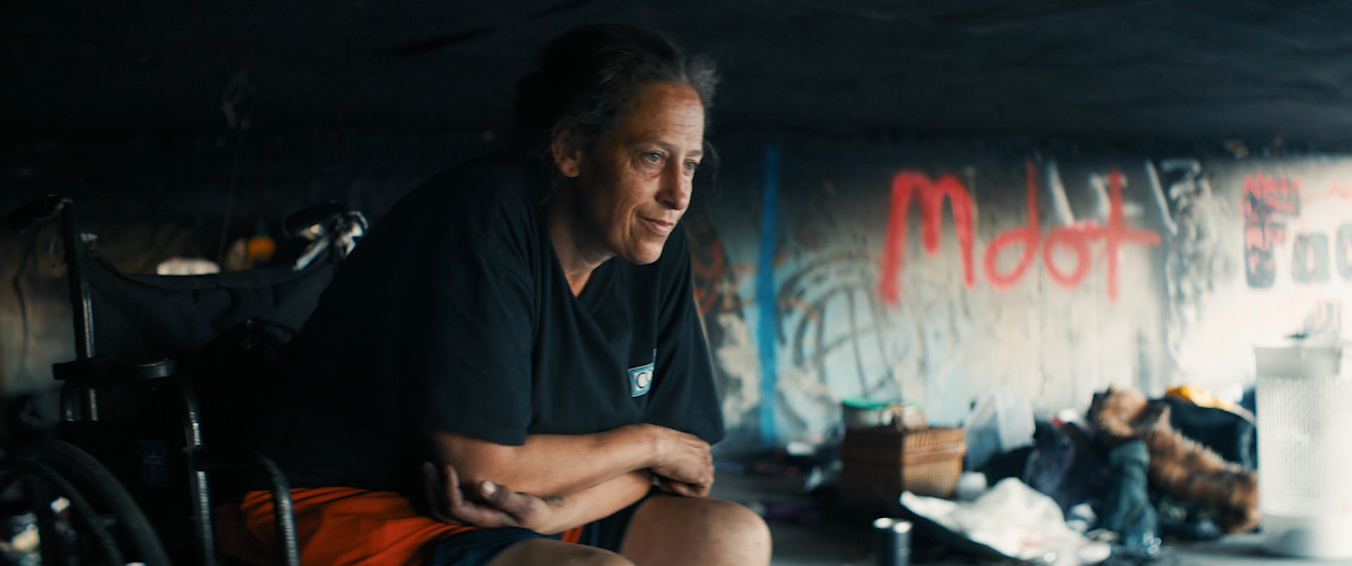
Séance The Neon People | FSTVL CLOSE-UP 2024 director interview
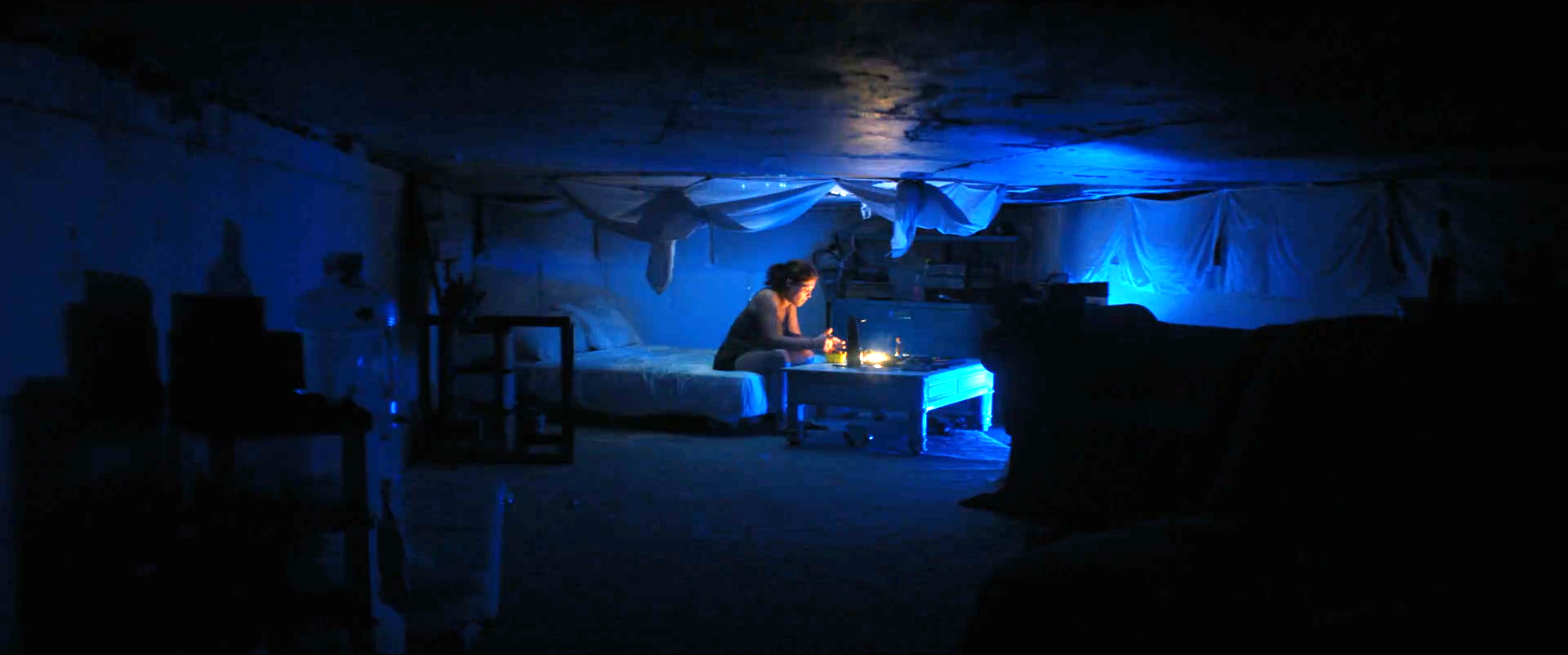
The Neon People by Jean-Baptiste Thoret
Thomas Favel : I was struck, Colin, when you talked about your film yesterday, and the fact that at the beginning (I don’t know if it was during prep or at the time of shooting), you were somewhat held back or hindered because of the perception the people you were going to film had of the media. Were the people being filmed wary of what’s told in the media?
Colin Lévêque : Regarding the media, indeed it was complicated because they lumped us in with everything else. When you arrive somewhere with a camera, you’re a journalist. We’re the media. And then you have to earn trust. That took time. Not much happened during the first shooting block, and it was only on the third trip that things really opened up. And it’s through the human relationship, day after day, that you manage to break through that barrier.
Becoming invisible?
Cécile Bodénès : The question of our presence is essential. In some films, we are there, we are visible, we are part of the story. In others, we try to be invisible. What I find interesting is the moment when people forget the camera. It’s a sign that they trust us. But that doesn’t happen on its own — you have to build it, sometimes over weeks.
In some of my shoots, I sometimes choose to keep a very small setup, just the camera, no additional lighting, to be as discreet as possible. This changes the relationship with the people we film.
A question of ethics: filming violence
From the audience : For me, what’s central in relation to our work is the notion of “using” or “exploiting” reality. As you said, Colin, it’s: “we arrive, we take and we leave” in some cases. And in other cases, we build a relationship, from which may come a story, perhaps a film, or perhaps not — because I’ve also had the misfortune of imagining films that never existed.
I’d like to hear your thoughts on what is central for me: the notion of exploiting the story, or even exploiting people. We approach people, the subject we want to film. Do we arrive with our idea: “I want my film, I want to tell this story”? And if it doesn’t go that way, what do we do?
Laurent Chalet : You’ve summarised very well the difference between, let’s say, reportage (or things harder than reportage) and documentary work.
The question of exploitation is fundamental. In documentary, we owe a debt to the people we film. This debt is repaid through the quality of the gaze we bring, through the respect we show. It’s a relationship of trust that is at the foundation of everything we can build together. And that’s what makes documentary magical, because each time it’s about building a relationship, and proposing a perspective on a human being, or several human beings, and what they experience.
From the audience : I’m a beginner… I often watch documentaries on TV and I wanted to ask you about a pure nature documentary: the tree, the mountain, the field of poppies — how do you construct a documentary about nature?
Laurent Chalet : That’s indeed a different kind of work. We’re not going to say that nature consists of inert objects, but it’s true that we don’t have issues of consent, of relationship, etc. We’re purely in the director’s point of view.
For my part, when I’ve worked on nature documentaries, the approach is very visual, very cinematic. We’re really in the realm of contemplation, of observation. And the role of the cinematographer becomes even more important because we are the ones who give meaning to the image, without the help of a character or a situation.
Thomas Favel : On the question of filming violence, I’d like to share an example. There’s also the work of not filming.
When you’re a cinematographer, at what point do you feel uncomfortable with what you’re filming? I have a concrete example from a film I shot last year, about a seventeen-year-old in Brittany who wants to become a fisherman. It was west of Brest, among people who’ve lived together for a long time, and who are all quite nationalist, even strongly nationalist. At one point I found myself filming the boy in the streets, and that raised real ethical questions for me about what I was showing and what I was choosing to frame.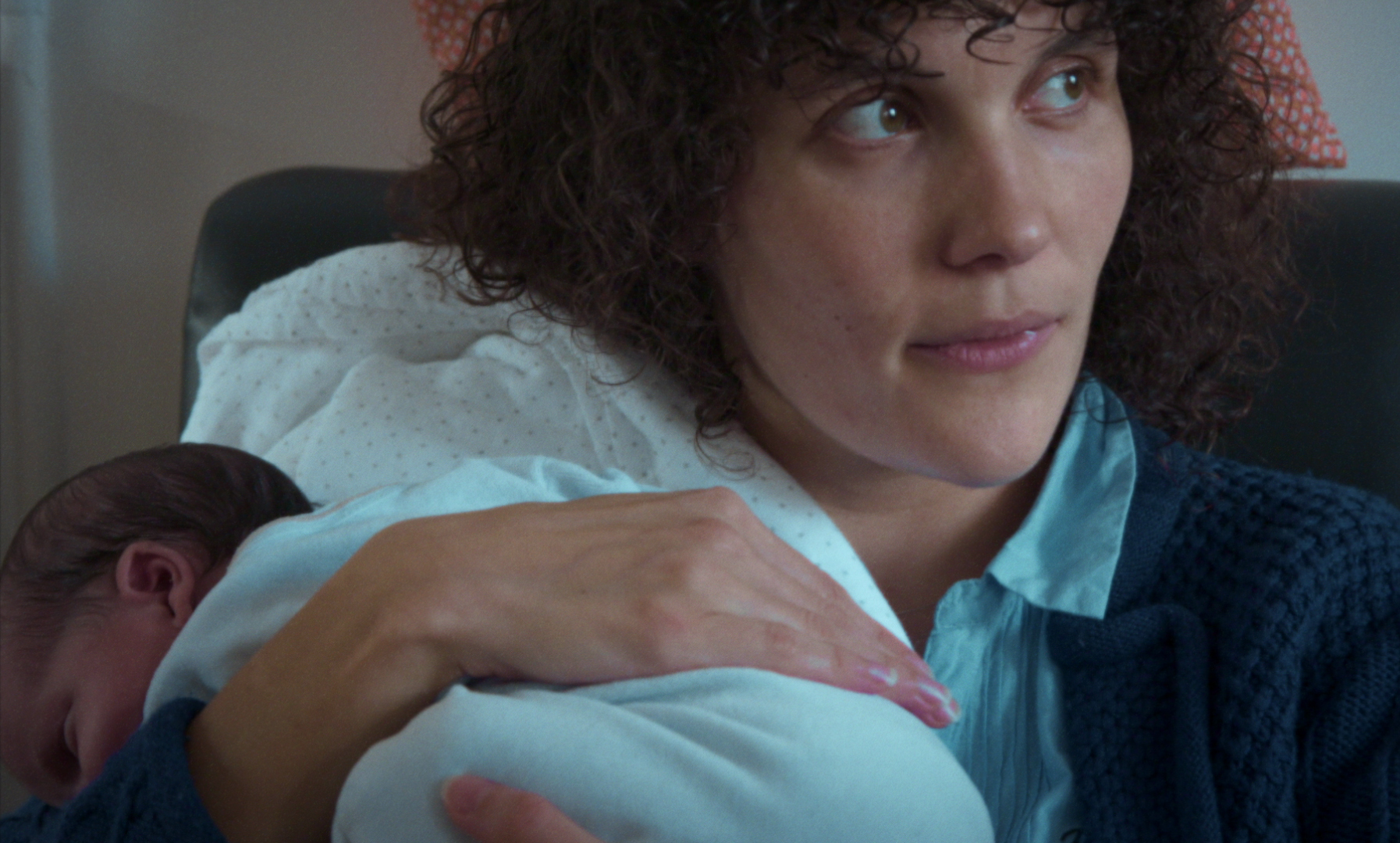
À LA VIE | Trailer
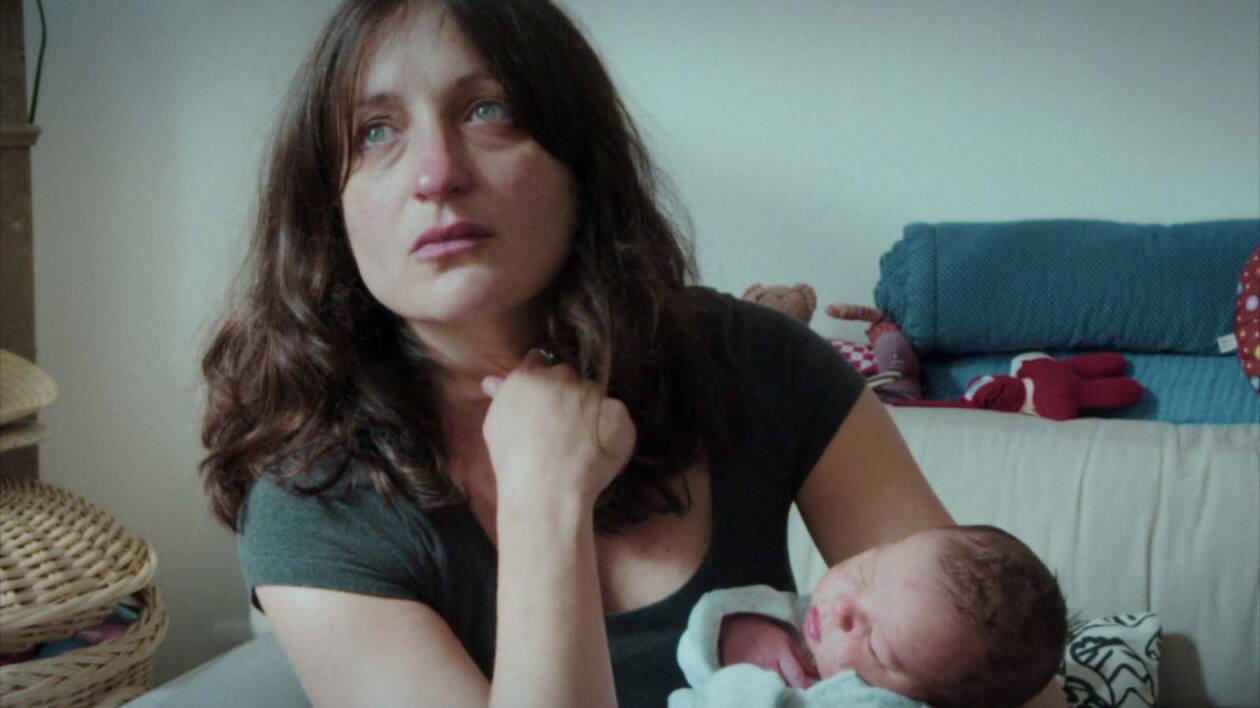
À la vie by Aude Pépin
In the film excerpt shown, Chantal Birman visits a young mother who needs to have her caesarean staples removed.
Sarah Blum : How did the women agree to participate in the film? Well, because we came with Chantal Birman, the midwife, and the director had done a lot of groundwork with them before we arrived, explaining her film project. Many women think it’s innate: the baby is born, everyone’s happy, everything’s wonderful. And then reality hits. And this film talks about that. It talks about the difficulty, the loneliness, the exhaustion. And the women agreed because they felt it was important to show this.
How did I work technically? Very simply. One camera, available light as much as possible. No additional lighting. A small, lightweight setup. The idea was to be able to follow Chantal in her rounds, to be fluid, to be responsive. When you’re in someone’s home, with a newborn baby, you can’t arrive with a big crew and lighting gear. You have to adapt. So you work with what’s there.
The fear of missing the shot
From the audience : I’m a young cinematographer and when I shoot documentary, there’s a question that comes up a lot: the fear of missing a moment. Because every choice to change the frame carries the risk of missing the moment when something happens. Similarly, the choice to film off-screen, to film a reaction during a moment and think “But maybe the person speaking is more important than the reaction!” All these choices increase the risk, and there’s often a demand from directors not to miss anything. How do you manage these very concrete choices? Not missing anything and therefore sometimes slipping into a capture-everything approach? That makes it harder to bring a creative eye to reality.
Cécile Bodénès : What I hear from the directors you describe may be a lack of experience on their part. I think we have to accept missing things. That’s part of the job. And paradoxically, accepting that we might miss something allows us to be more present, more attentive to what’s actually happening in front of us.
The issue of multi-camera setups in documentary is interesting. If we put cameras everywhere, we’re sure we won’t miss anything, but the documentary gesture lies elsewhere. What’s beautiful is, for example, being in the rhythm and intensity of Sarah’s gaze. There’s a moment, and not before, when she wants to go see what’s happening. There’s a moment, and not before, when she wants to pull back. I think this connection with what’s happening, and with your own intuition, nourished by all the creative choices and discussions that came before — you have to trust it.
We always have the question of editing in the back of our minds. We’re also anticipating, so we’re somewhat split, but yes — trust yourself!
Sarah Blum : In a documentary crew, there’s the director, the cinematographer and the sound engineer, and that’s what makes the fear of missing things a collective responsibility. Sound captures what the image doesn’t show. The sound engineer is a fundamental ally. When you film a reaction, they capture the words. When you follow a movement, they hold the atmosphere. You’re never alone in the choice of what to show.
Thomas Favel : In sound, there’s also off-screen. In many films I’ve done, the most powerful moments were often off-screen or shown modestly from a distance, or with the sound shifted elsewhere. What was happening in the sound wasn’t necessarily happening in the image. And that’s also what makes the beauty of documentary cinema as we love it — we think about sound and image separately. Another experience I had that comes from technology: last year I made a documentary where we shot on 16mm and digital. The digital was mainly for dialogue, because when you have people talking, it can take a huge number of reels, and financially we couldn’t have done it. But the 16mm shots were very carefully thought out, and at no point did we use the “safety take” button. There’s something about the constraint of film that forces you to be precise.
The degree of intervention
Isabelle Razavet : There’s a question I ask myself more and more: to what degree do we intervene in what we film? In documentary, we’re supposed to observe. But sometimes, observation means accepting situations that are difficult, or even unacceptable.
I’ve had situations where I had to put the camera down because what was happening in front of me required human intervention before it required a camera. And I think that’s an important boundary to maintain. We’re humans before being cinematographers.
The relationship with time is also essential. In documentary, we sometimes need to be patient for very long stretches. You have to accept the downtime, the emptiness, waiting for something to happen. And paradoxically, it’s often in those moments of apparent emptiness that the most beautiful things emerge.
Directors sometimes arrive with complex ideas from their last shoot. You have to be able to calm their impatience, their anxiety. We’re also there to support and accompany them. “Wait, there’s no problem, we’ll get to that part of your idea, your script.” That’s also our role as cinematographers — not to panic. It requires self-confidence, which isn’t easy when you’re a young cinematographer, but it’s something that comes with time and experience. Directors learn this too over time, and it’s normal at some point to have this fear — the key is learning to overcome it.
Colin Lévêque : Sometimes when we’re shooting, we’re quite alone. But it’s still the director who takes us somewhere. In documentary, for me, that’s rather their role — they’re the person who will take us to places we wouldn’t have gone alone, and who opens doors for us. And our job is to make something of what we discover behind those doors.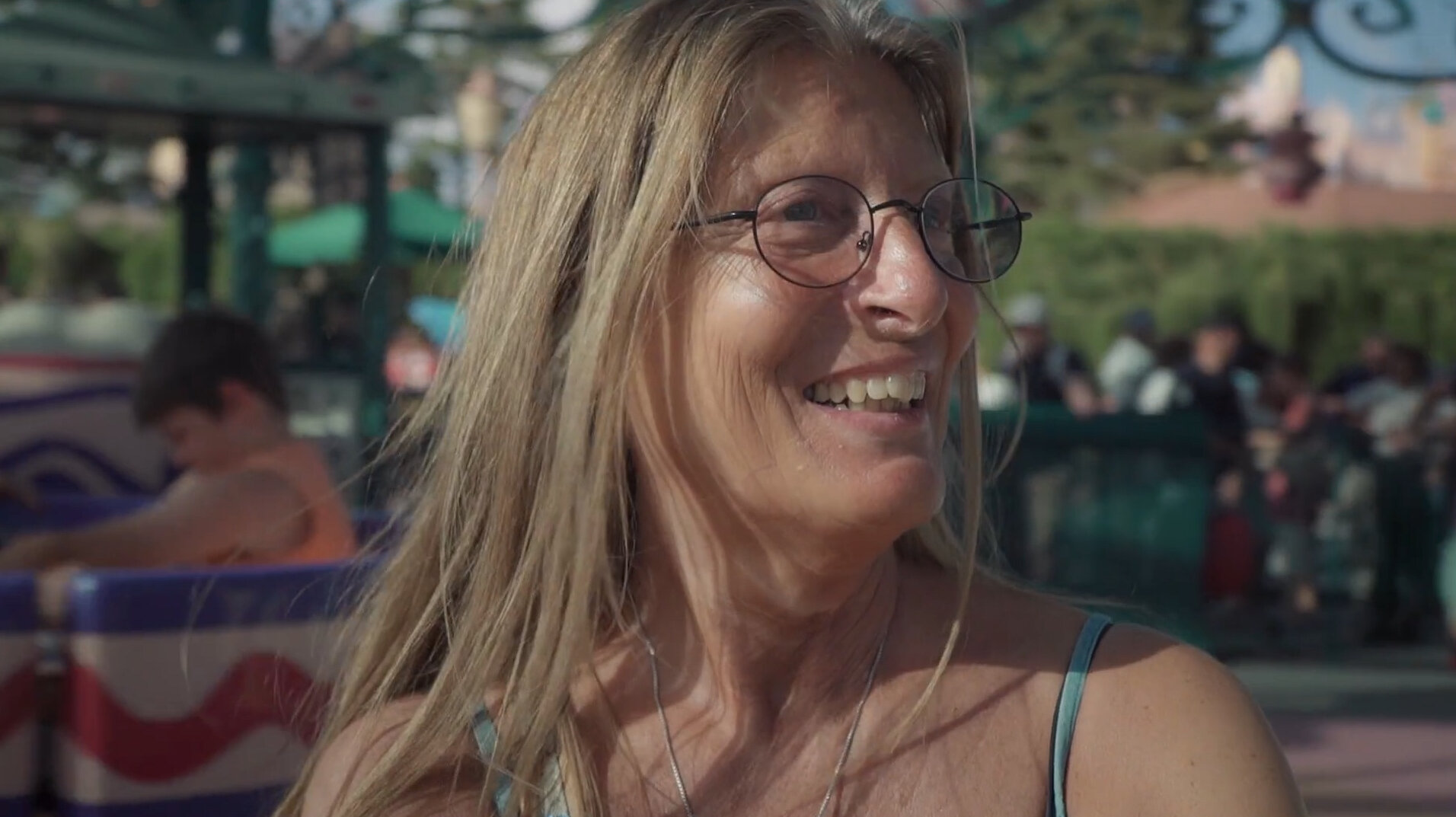
L’aventure Alzheimer by Marie-Pierre Jaury
Facing an Alzheimer’s diagnosis | L’aventure Alzheimer (Excerpt)
The film excerpt shown during the roundtable is the second part of this video.
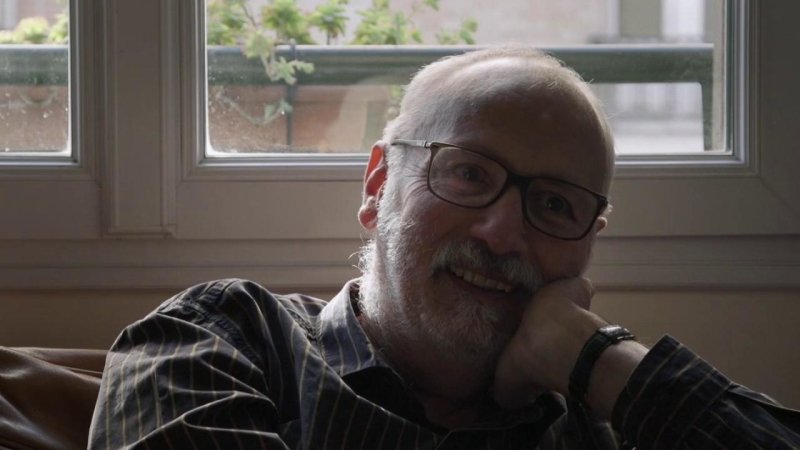
Laurent Chalet : Thank you for this extremely moving excerpt. It’s interesting to see how the particular situation affecting this family is ultimately a universal one. It touches on the fears we have for ourselves, for our loved ones, of experiencing this kind of situation, and the film manages to make this universality tangible.
Proximity and connection
Isabelle Razavet : On this excerpt, there are several things that struck me. First, the proximity. You’re very close to the characters, and yet this closeness doesn’t feel intrusive. There’s a form of respect in the framing, in the distance — or rather the lack of distance — that’s very well judged.
Then there’s the question of the frame composition. The fact that the daughter is positioned next to her father plays a role. It could have been the other way around, and the same thing wouldn’t have happened.
I’m not sure the director really said: “It’s this sister who sits next to her father,” when the whole tension would play out between them. Even though we knew she was the one who found it hardest to talk about her father’s illness. Sometimes a great deal happens within a frame we’re not entirely satisfied with, but in those moments, what matters most is what’s happening in the image. Sometimes — well, often — it’s not perfect, but that’s not what matters. It requires a certain humility.
From the audience : Was the child’s presence intended by the crew? Because at one point, it was rather the child who interested me. Was that the result of teamwork, or did the child just appear there, like in real life?
Isabelle Razavet : Children are always surprising elements in documentary. They bring a spontaneity that can’t be scripted. In this case, the child’s presence adds another layer of emotion, another perspective on the family situation.
Sarah Blum : It’s really something you feel — this question of editing. There’s always a moment in the conversations we film where you need to be on the speaker. And then there are quieter moments where you allow yourself to look for a gaze or a listening expression that will serve the edit. That requires real attentiveness. I’ve found myself filming in quite a few countries whose language I didn’t know, and when I talk about connection, it’s a very important thing. I was able to say at the end of a sequence: “That’s the moment you’ll edit,” because you connect to a body language, to people’s intensity. It’s quite miraculous when it happens, feeling the intensity of someone delivering something powerful.
Laurent Chalet : Yes, this relationship to time is important. The relationship to the characters and situations outside the act of filming is important. We both live with these people, eat with them, spend time with them outside of shooting. And it’s all of that which builds the bond. A documentary isn’t just what happens when the camera is rolling. It’s everything that happens around it, before and after, that gives depth to what we capture.
What’s beautiful about documentary is that every film teaches us something about ourselves, about our relationship to others, about our way of looking at the world. And that’s what makes this profession so rich — each project transforms us a little.