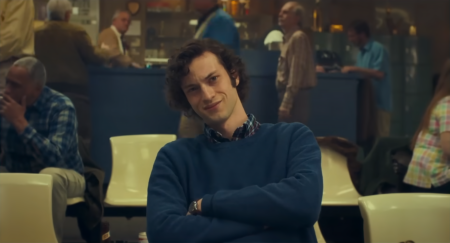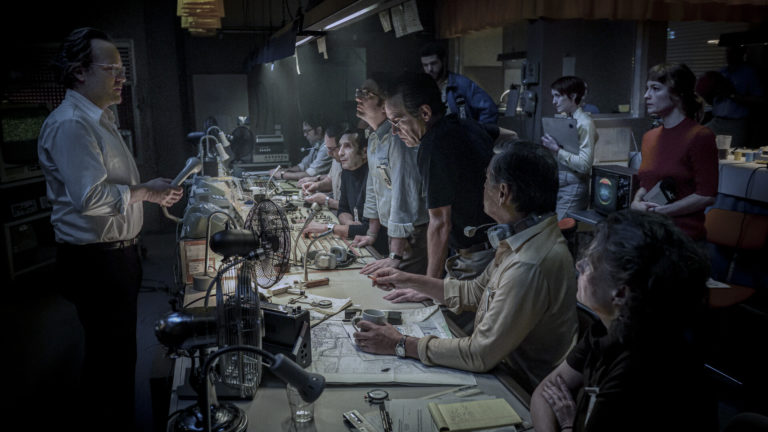
The film “The Holdovers,” directed by Alexander Payne and shown at Camerimage, presents a heartwarming, humorous, and nuanced story with relatable characters.
Set during the winter break of December 1970 at Barton campus, the plot follows Angus Tully, who, due to his mother and stepfather’s honeymoon, finds himself unable to join his family for the holidays. Instead, he remains at school with a group of students known as “the holdovers.” When other students are invited on a skiing trip, Angus is the only one left behind, as his parents are unreachable.
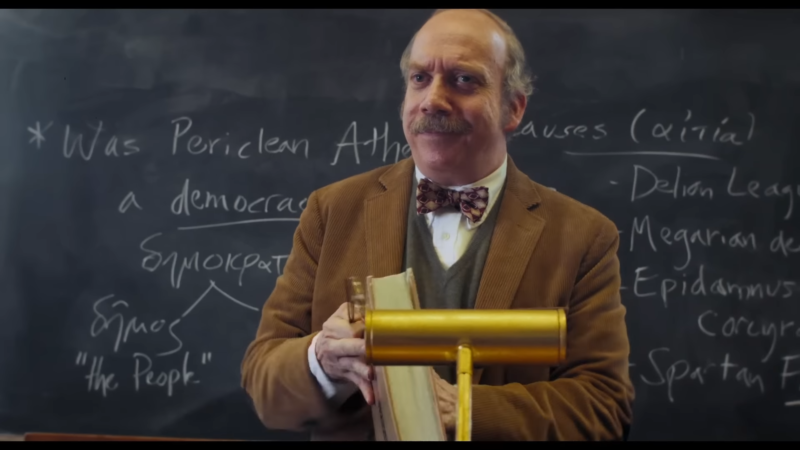
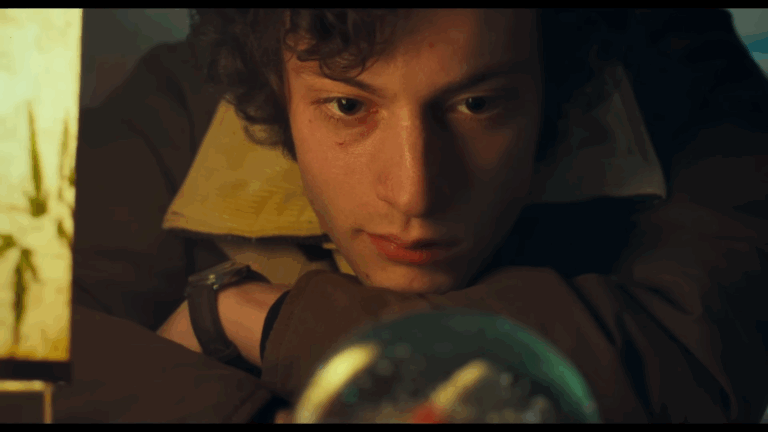
Eigil Bryld, the film’s cinematographer, shares insights into the visual preparation of the film. He aimed to capture the essence of 1970s cinematography not only in costumes and sets but also in the film’s overall aesthetic. After extensive testing, he chose to shoot with an Alexa camera and Panavision H series lenses. His focus was on replicating the grain quality of film stocks from the era, finding modern film stocks too fine-grained and lacking contrast. With his colorist, they recreated a grain texture reminiscent of films from 50 years ago, although they minimally replicated softness and highlight halation, which slightly reduced the impact of their efforts on grain.
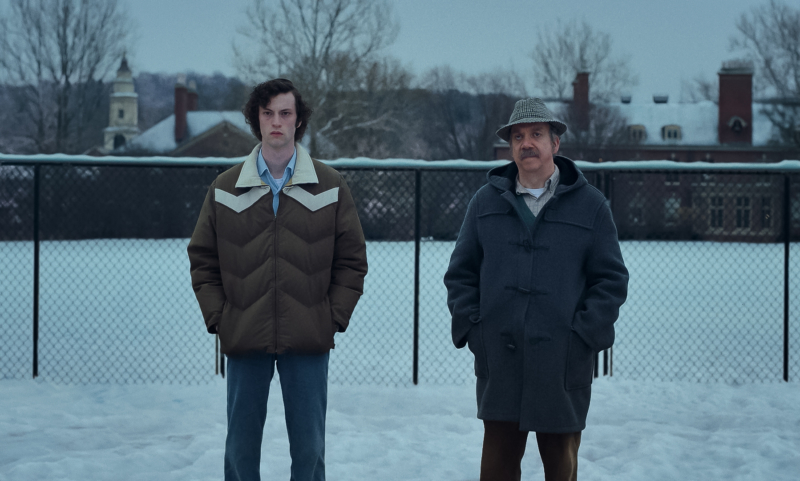
Bryld also reflected on the use of lighting in the film. Initially considering traditional lighting sources, he speculated that 1970s cinematographers would have used LED sources if available, leading him to adopt them for the film. This approach raises an interesting question: when creating a film set in the past, to what extent should filmmakers strive to authentically replicate the visual style of the era, and when should they adapt it for contemporary audiences? In “The Holdovers,” meticulous work was done on the grain, but the lighting and 1:85 aspect ratio give it a modern appearance. This blend of old and new styles results in beautiful cinematography, though it diverges from a strictly period-accurate representation. This leads to the question of whether a more faithful reproduction of 1970s film aesthetics would resonate as strongly with today’s audience, especially those accustomed to modern cinema.
In any case, 70s cinematography or not, this is a must-see film, a delight on the big screen, available in theaters on December 13 in France.