At the 31st edition of the Camerimage festival, cinematographer Peter Zeitlinger hosted a seminar titled “Less is more,” where he explained how simplifying techniques can foster more creativity.
“I must begin this seminar with a trigger warning, for all those obsessed with consumerism.”
Laughter fills the audience as Peter Zeitlinger smiles. Indeed, after strolling for hours at the Camerimage Market in CKK Jordanki, where major equipment manufacturers boast about their latest innovations, the statement brings a smile. Throughout a seminar lasting just over an hour, the renowned Austrian cinematographer known for his work with Werner Herzog delivers jokes and humor.
This is well received by the predominantly young audience gathered at the Cinéma City in Toruń to listen to P. Zeitlinger – also a lecturer at the Munich University of Television and Film. He defends the thesis titled “Less is more.”
But can creating a great work with limited resources truly be possible? Can creativity be constrained by technical limitations? Using excerpts from his films, photos, and sketches, the ASC member cinematographer provides answers and shares his working philosophy.
The Proper Use of Setups
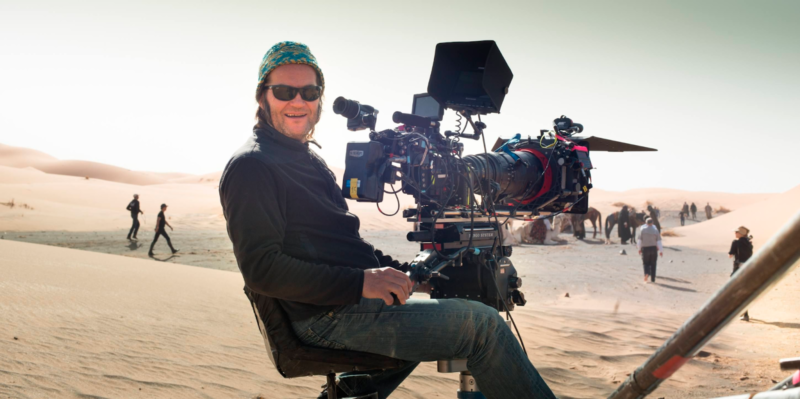
“This is how cinematographers like to show themselves: with big equipment.” — P. Zeitlinger (Credits: IMDbPro)
The cinematographer starts by showing a behind-the-scenes photo of a car setup that allowed him to shoot a dialogue sequence between the protagonist played by Nicolas Cage and another character in the film Bad Lieutenant: Port of Call New Orleans (2009). Exterior, daytime, the car is mounted on a tracking vehicle, with a fixed camera in front of the windshield, filming the two characters facing forward, illuminated by an HMI through a diffusion frame. The rolling sequence is effective; the static shot allows the characters to deliver their dialogues as if they were truly in a car, while the city of New Orleans passes by through the windows. P. Zeitlinger emphasizes that wherever the car went, a significant police escort cleared and blocked the street as the tracking vehicle approached. This heavy and costly setup allowed them to shoot for hours to capture footage for the film.
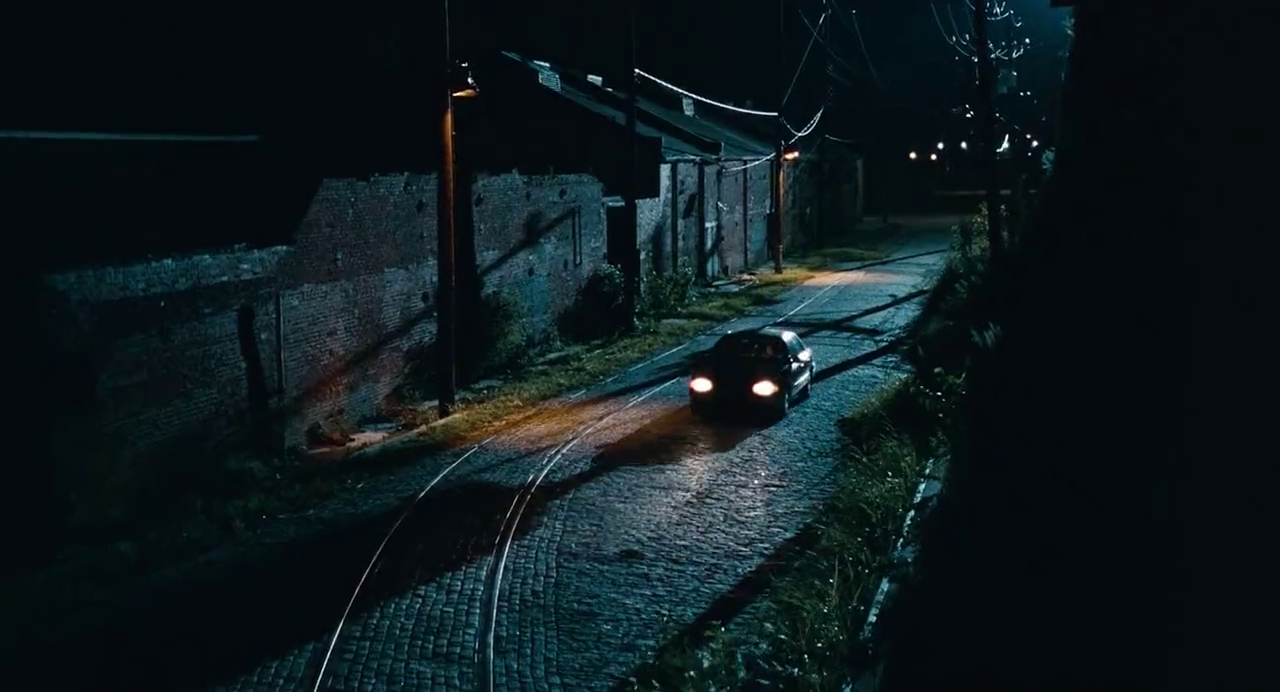
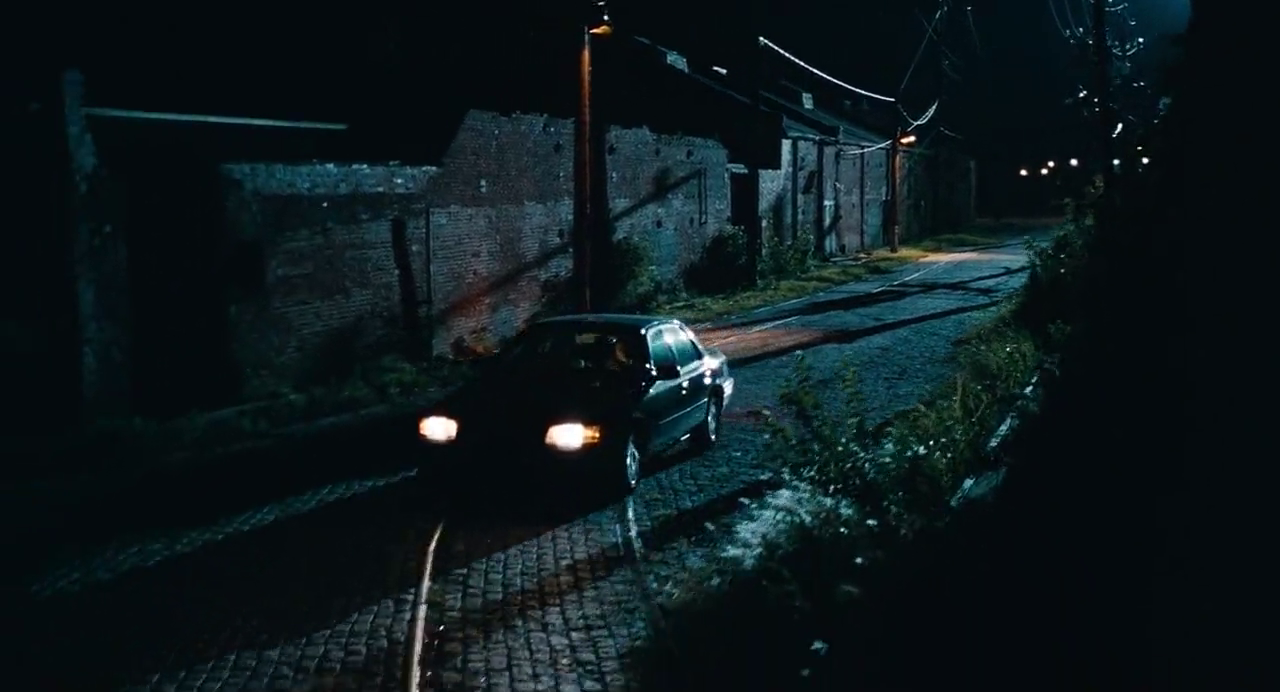
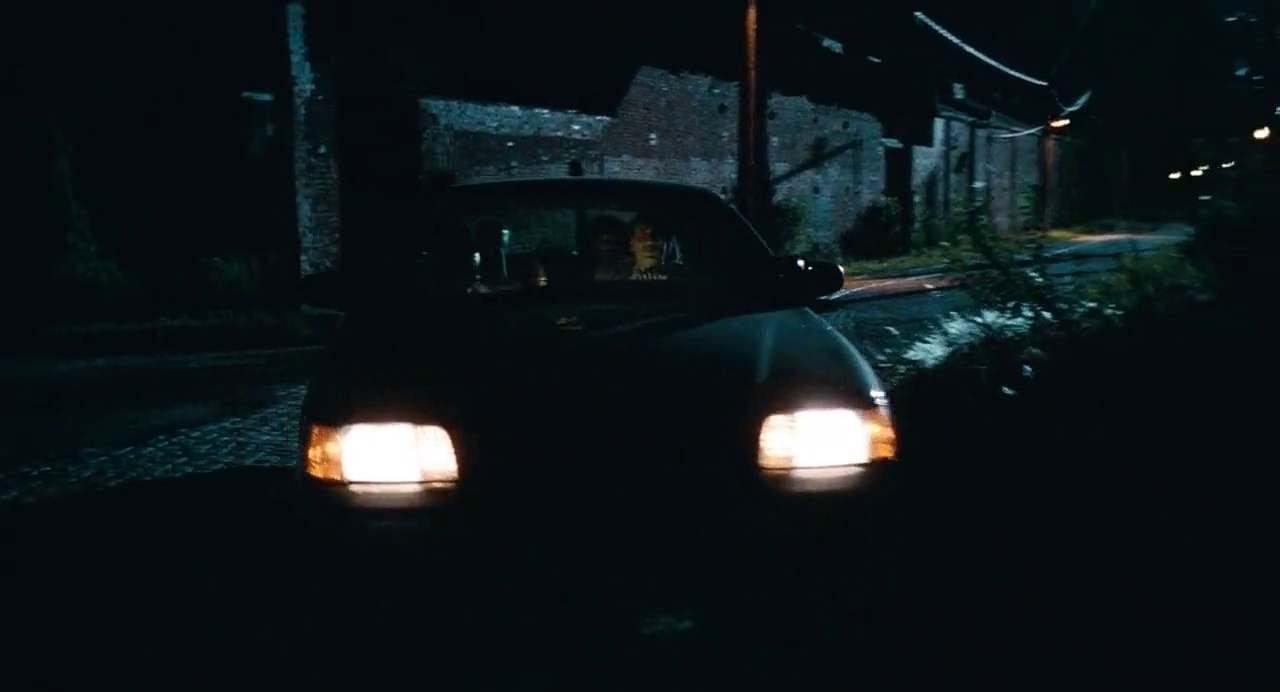
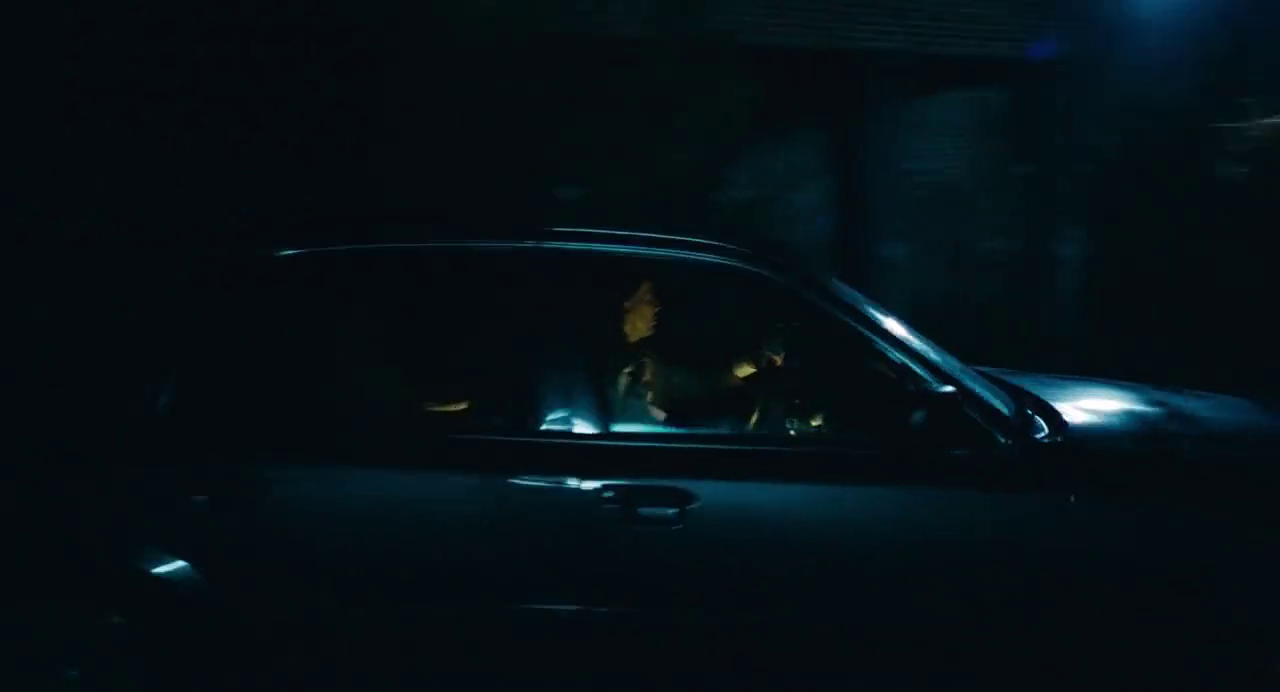
He then recounts how the producers, having “not spent enough money” by the end of shooting, requested more rolling with the car, this time at night, requiring full illumination of the building facades. He proceeds to show the next clip. Exterior, night: a crane movement accompanies the car’s progress along the street illuminated by moonlight-simulating spotlights and street lamps, followed by a series of closer shots of the characters at the front of the car — the sequence ends here. No more rolling, no illuminated building facades at night: “It wasn’t put into the final version of the film… because this sequence had no significance in the narrative,” explains the cinematographer.
 |
 |
 |
 |
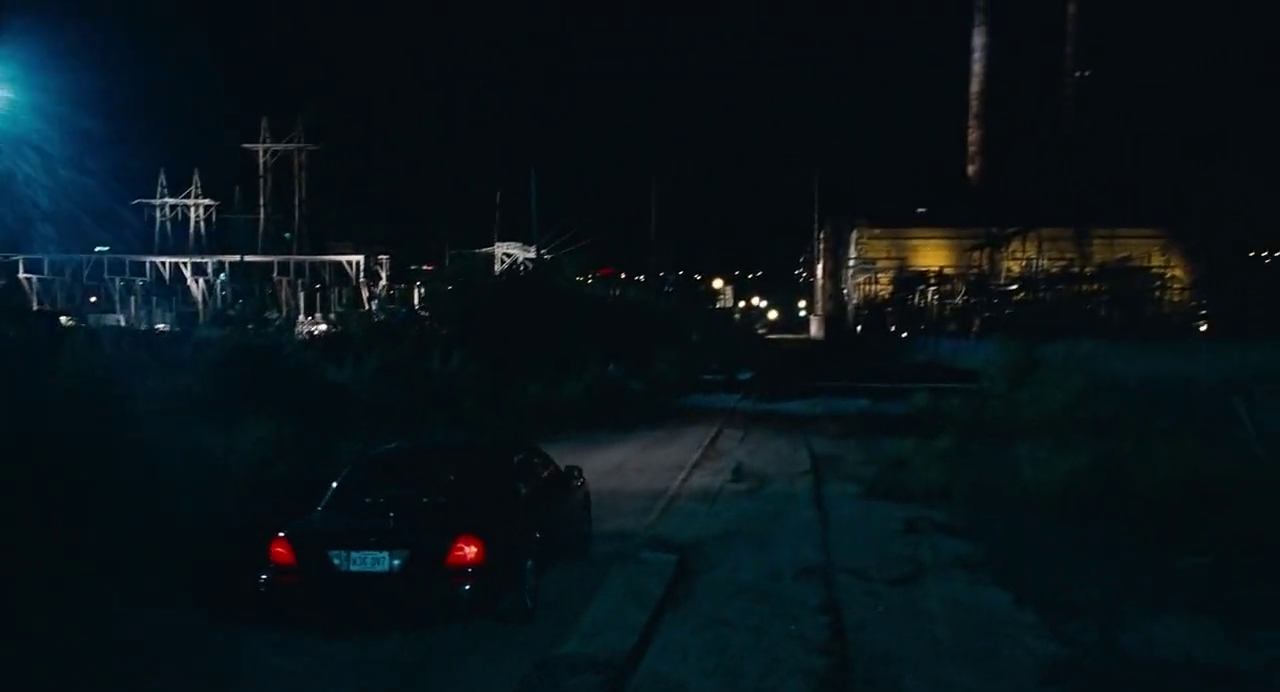 |
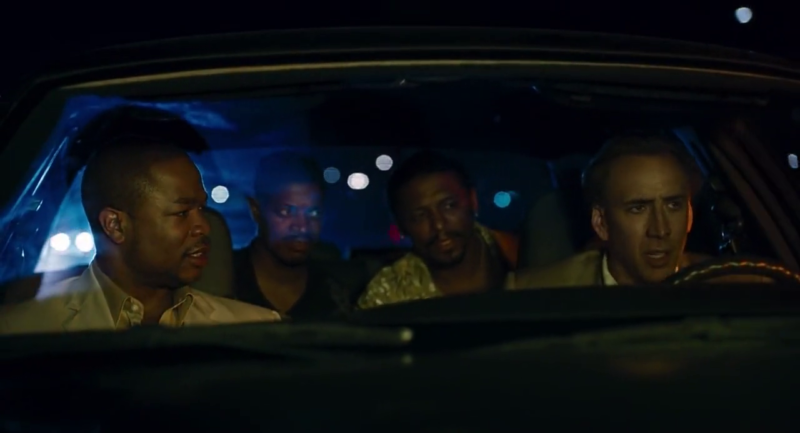
Film stills from Bad Lieutenant: Port of Call New Orleans (2009), dir. Werner Herzog, cin. Peter Zeitlinger (Credits: Millennium Films)
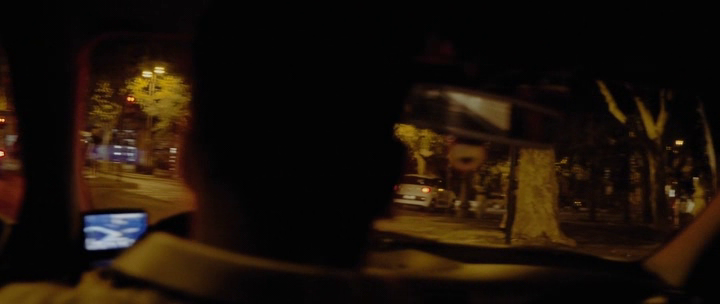
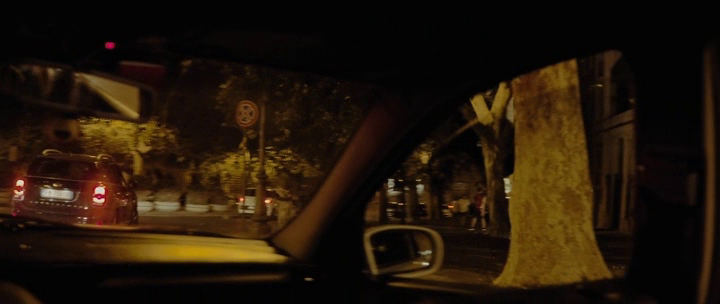
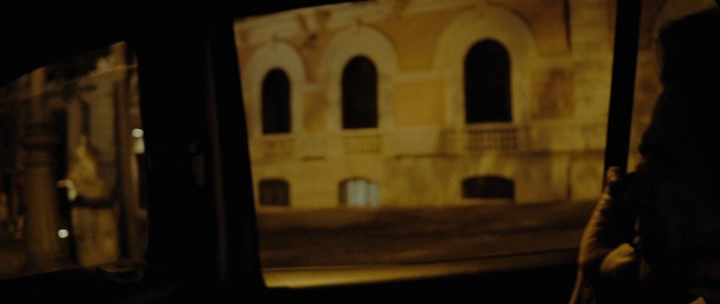
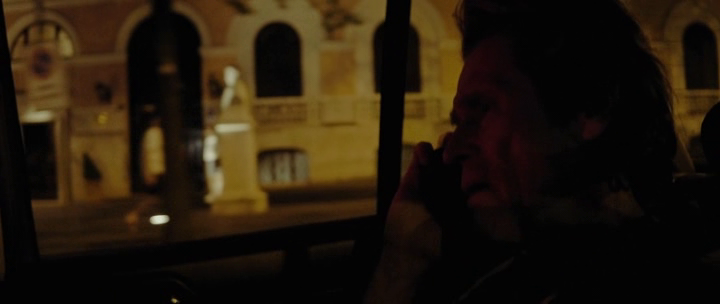
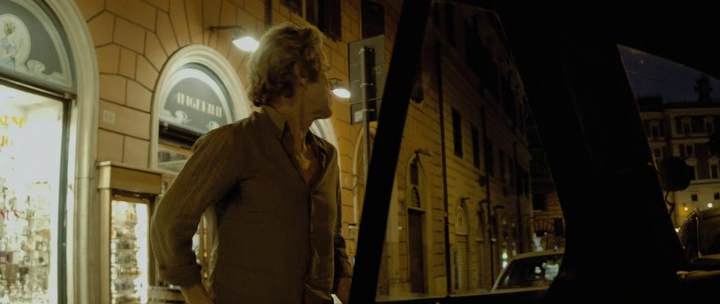
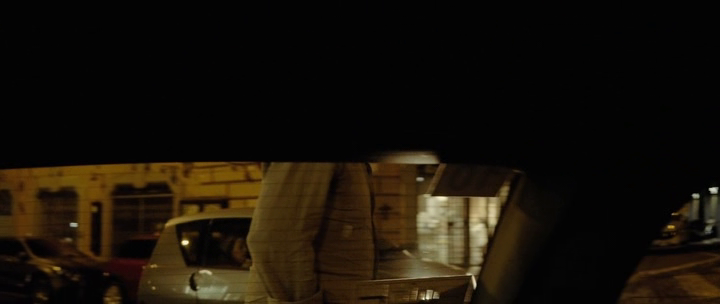
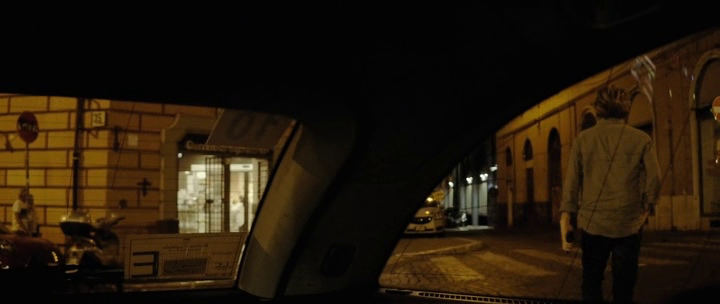
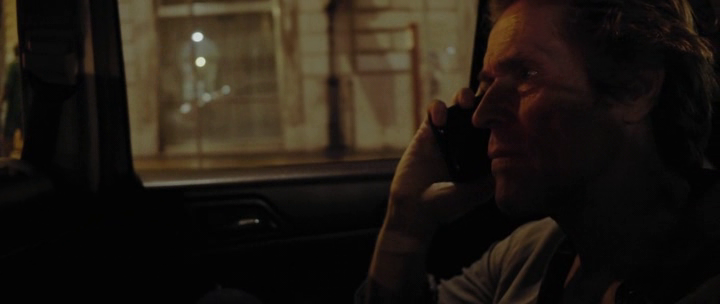
Next excerpt: Tommaso (2019), directed by Abel Ferrara. The scene takes place in Rome. Willem Dafoe — who is also present at Camerimage for the release of the film Poor Things by Yórgos Lánthimos — gets into the back of a taxi. The camera, positioned in the back seat, closely films the actor’s face intermittently lit by the city lights. He makes a call, looks out the window, talks to the driver. The camera pans, reveals a park outside, focuses on the driver’s face, returns to the protagonist’s face.
 |
 |
 |
 |
 |
|
 |
 |
Film stills from Bad Lieutenant: Port of Call New Orleans (2009), dir. Werner Herzog, cin. Peter Zeitlinger (Credits: Millennium Films)
One doesn’t need to wait for P. Zeitlinger to speak again to understand his point; the demonstration is clear: the camera, as he puts it, “much smaller” and “not static,” the predominance of sources from the set, the freedom of movement given to the character, all are assets that allow the cinematographer to qualify the entire sequence as “much more interesting.” And it’s entirely preserved in the editing process.
Making the Most of What We Lack
“Who here has ever shot a film with a $20 million budget? No one? $10 million?… One million?”
A few hands go up.
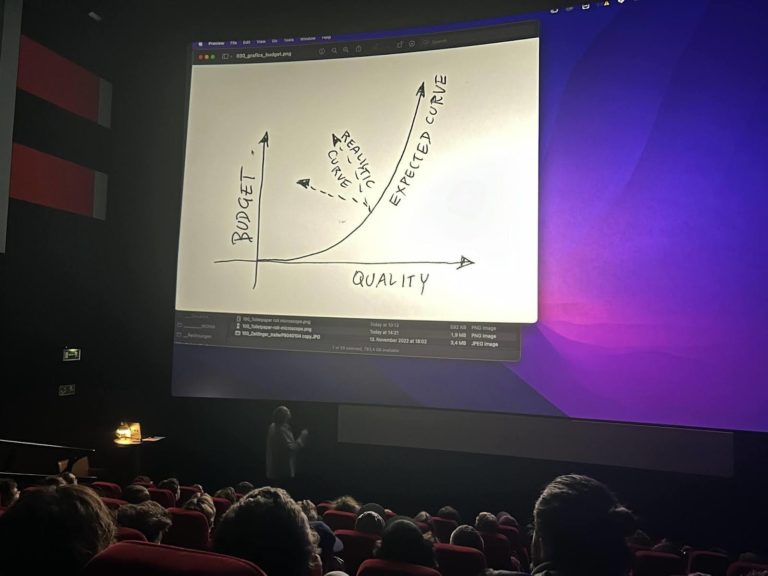
For Peter Zeitlinger, there’s no fundamental difference between a film with a one-million-dollar budget and one with a twenty-million-dollar budget. The argument might raise eyebrows, but the cinematographer clarifies: beyond a certain point, the only difference, based on his experience, lies in the increase in crew size and post-production budget. Once the budget becomes comfortable enough, it should be distributed more towards “emotion,” “music,” “post-production,” and “film promotion.” Consequently, the budget allocated to the image should be reduced.
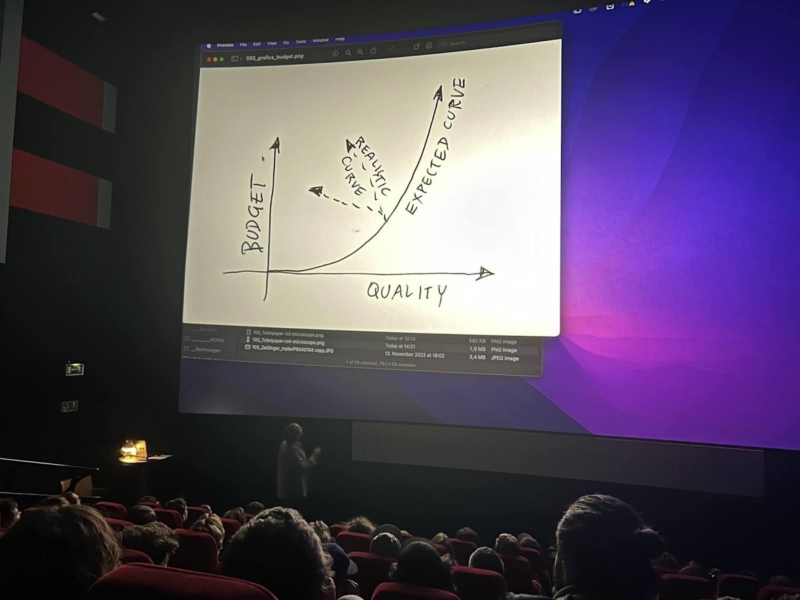
The correlation between the expected quality and budget, versus what P.Z. actually observes (Credits: Mathis D’Angelo, presentation: Peter Zeitlinger)
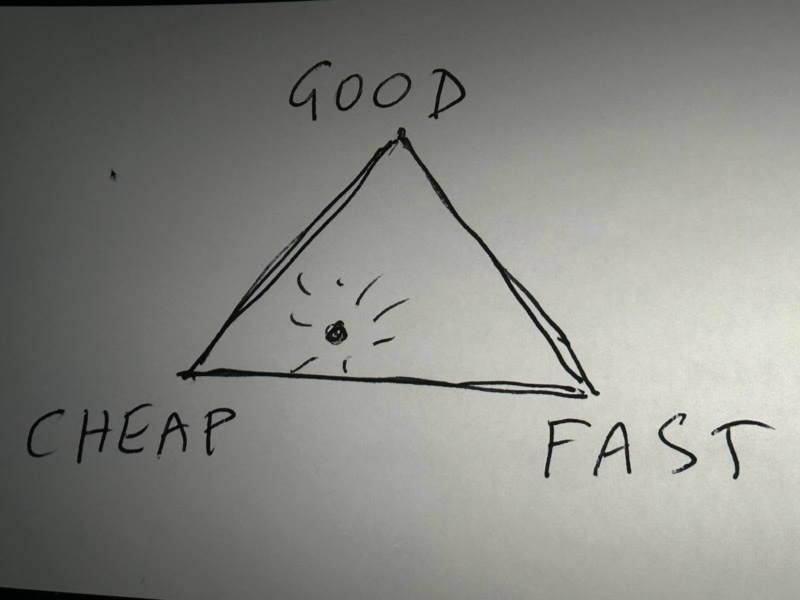
Different diagrams presented by the cinematographer. According to him, the point corresponds to what producers demand (Credits: Mathis D’Angelo, presentation: Peter Zeitlinger)
Doing more with less. Here we delve into the heart of the matter. And to do so, the cinematographer elaborates on various aspects, some of which we’ll highlight here.
Firstly, revisiting the fundamentals of light: understanding the available light and sculpting it. With photo examples, he emphasizes how the use of negative fill can create a contrasted image without additional keylight. Of course, if a scene requires consistent daylight and needs to be shot all day, slightly reducing the light by partially closing shutters to create interesting shadows or using a smoke machine to produce light streaks might be insufficient, as mentioned by the cinematographer.
And for those who might question him about the limitations of film sensitivity, he presents a sequence from one of his films. The scene unfolds around a dining table illuminated by a visible 500W tungsten bulb. The handheld camera follows two children leaving the table, moving out of the room, near the adjacent bed, and returning to the table.
While one can assume the presence of a light source in the room adjacent to the dining area, the table itself seems to be solely lit by this visible light. He further explains that he needed a lot of light to achieve a great depth of field and prevent focus losses.
Following the same principle, he projects another sequence lit solely by a lightbulb. However, for this one, he used a RED camera and HDRx technology to retain information in the highlights – he emphasizes that, from a semantic perspective, it was interesting to be able to see the lamp’s filament, thereby reflecting the character’s interiority, rather than merely filming a crude, overexposed shape.
Some might point out the paradox: a cinema camera appears indispensable for working with a limited budget, if only for its high dynamic range allowing it to capture the subtlest nuances of texture in highlights and shadows. This seems contradictory since these cameras are often more expensive. That’s why, after expressing interest in DJI’s Osmo and its ability to produce .dng RAW files despite its small size, P. Zeitlinger demonstrates some “home” tricks used to stylize his images at a lower cost:
- the renowned Helios 44 lens, appreciated for its affordable price and distinctive circular bokeh (discussed in the previous edition of Camerimage), to which he attached a thread to create light streaks in the image;
- an ellipse-shaped cinefoil placed in front of the lens to simulate an almond-shaped bokeh;
- lastly, a rather peculiar filter, self-made, consisting of a frame crossed by blue and red threads to replicate the characteristic light streaks of anamorphic lenses. “You want the anamorphic look? Don’t shoot anamorphic,” says the cinematographer.
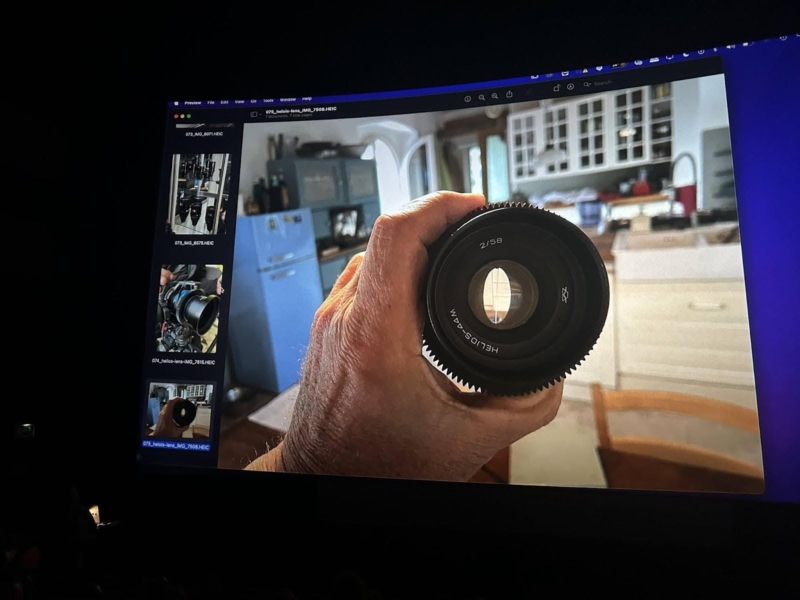
The Helios lens modified by P. Zeitlinger (Credits: Mathis D’Angelo, presentation: Peter Zeitlinger)
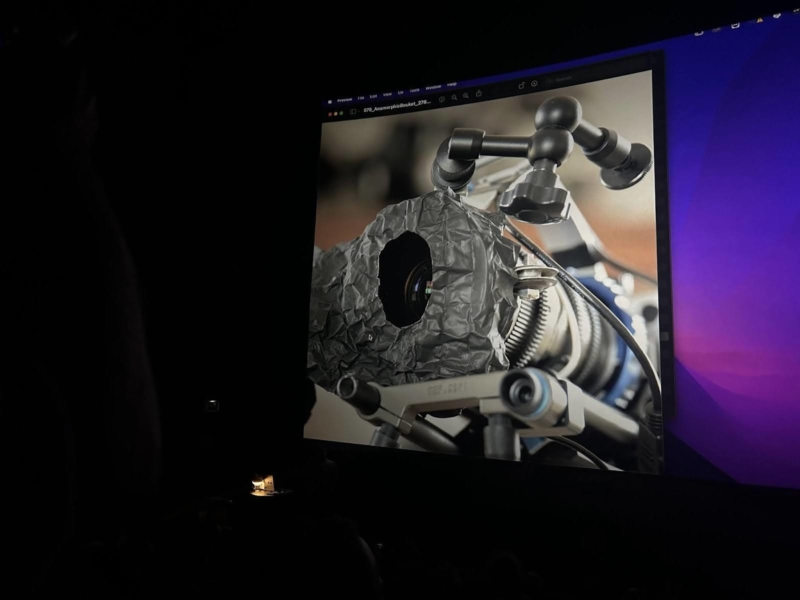
Creating an elliptical bokeh with cinefoil (Credits: Mathis D’Angelo, presentation: Peter Zeitlinger)
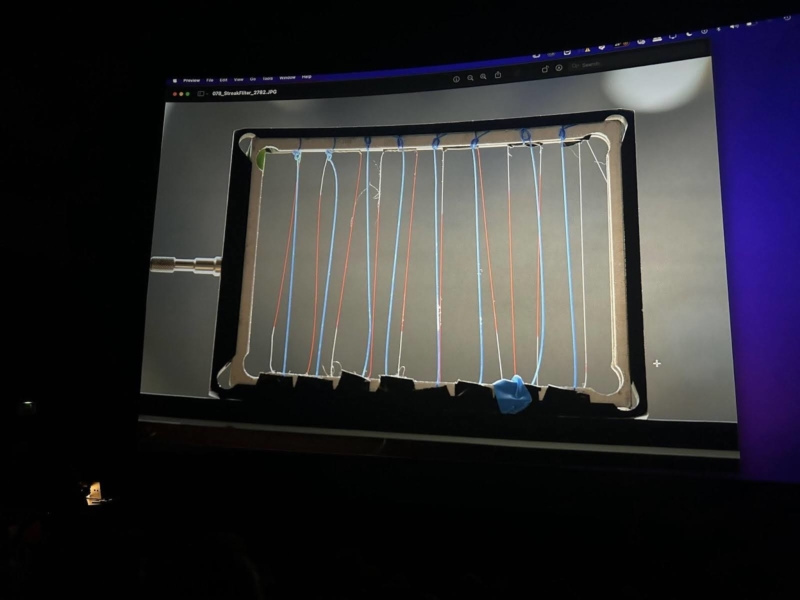
The “filter” created by P. Zeitlinger (Credits: Mathis D’Angelo, presentation: Peter Zeitlinger)
A Lesson in Humility
The idea of “doing more with less” might seem ironic in a context where the digital era has brought about a massive increase in the number of new cameras flooding the market. Simultaneously, LED technology’s development has significantly multiplied the quantity of available light sources. However, Peter Zeitlinger urges us to move beyond the mere race for cutting-edge technology. Instead, he encourages us to return to the fundamentals of our craft. At the core of this incessant quest for innovation, he reminds us of the paramount importance of the image. An image that doesn’t constrict, that doesn’t limit; an image crafted during the shoot and serving the film; an image that, above all, serves the meaning and the narrative.
When asked if the cinematographer’s profession is doomed to disappear, he responds in the negative but emphasizes the rapid evolution of our practices. He also demonstrates the need to adapt our skills based on professions close to ours, even, according to him, occasionally taking on the role of a color grader or a DIT.
Most of us are constrained to work with reduced budgets, certainly far from those of P. Zeitlinger’s films presented throughout this seminar. Defending the thesis outlined here might almost seem ironic in the context of the festival, where the budgets of films in the main competition are in the tens of millions. However, before giving a cinema lesson, P. Zeitlinger imparts a lesson in humility. In reality, we are already working with less, and P. Zeitlinger knows it.
He simply invites us to question our technological greed and encourages us to have confidence in our ability to create.