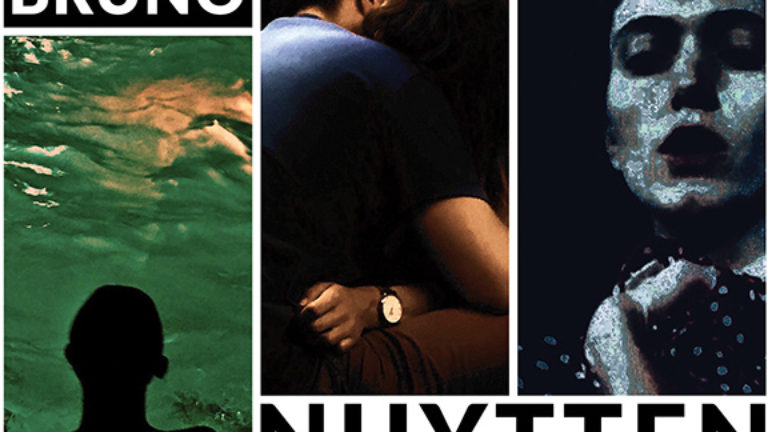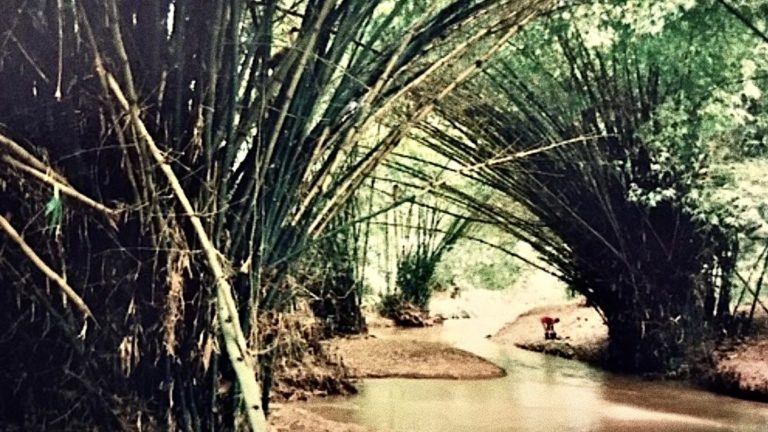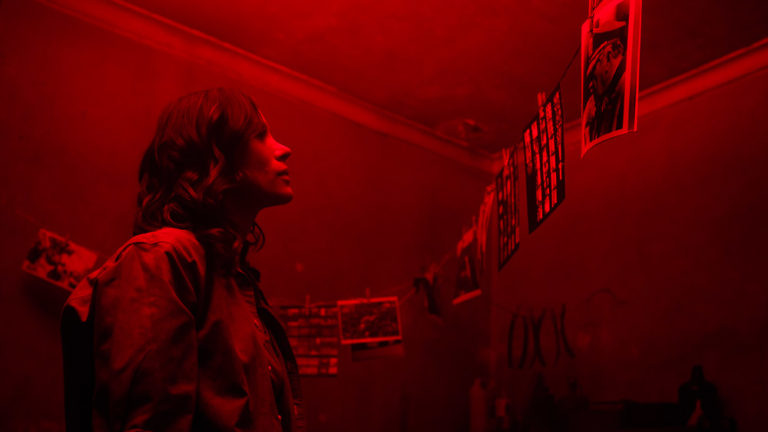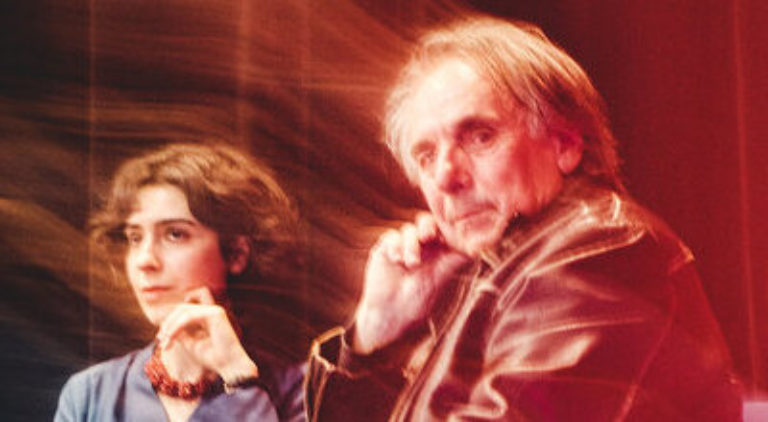
After quite a long career in the cinema industry, Bruno Nuytten, who has been cinematographer for nearly 20 years and a four films director, turns to photography. He exhibits his photographs at the Contemporary Art Center in Toruń from November 13th to 25th, 2021, as part of the Camerimage festival.
Here is a look back at the meeting with Bruno Nuytten, led by Yonca Talu and translated by Léo Hinstin, AFC, retracing his career, what led him to photography and his relationship to fictional and “real” images.
Throughout the meeting, numerous extracts from films that he photographed are shown, with the exception of The Fire Within by Louis Malle, photographed by Ghislain Cloquet, that immediately raised the concern about film restoration without their cinematographers. During the screening, Bruno Nuytten rediscovers the scene with disappointment : he does not recognize the cinematographer’s work at all, who used to work with a lot of gray subtle shades, “almost like a colour within black and white” he says.
The images in the follow up movies similarly upset him, the restorations misrepresenting the original work made on set. For example, André Téchiné’s The Brontë Sisters initially had a dark look with a blue and green toned rich sky and ended up with an overall far too bright image and an overexposed sky. The same happened to Andrzej Zulawski’s Possession, where the supposedly dark and cold look ended up too bright and warm, completely opposed to what Bruno Nuytten had planned.
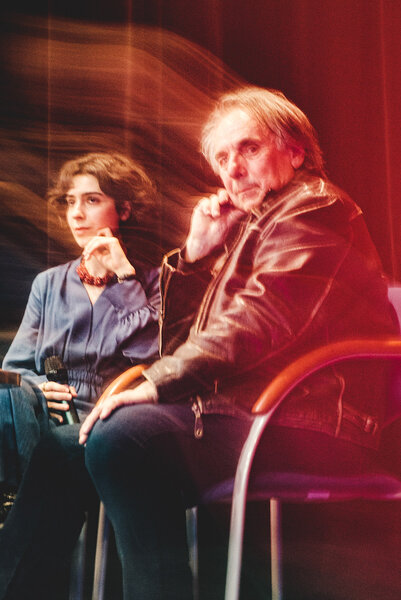
Photo : Filip Tuchowski
Back in 1967, as a student at INSAS in Brussels, Bruno Nuytten met Ghislain Cloquet, his teacher who taught the only courses he liked and for whom he became a camera assistant later on. The technique is what really captivates Nuytten in cinema : how to transform an invention into a means of expression and how cinema began to be fictionalized. Shortly after being Ricardo Aronovich and Claude Lecomte’s camera assistant, he realizes that he is not very good at it and that it does not really bring interest to him. He then decided to become a cinematographer, always very close to Ghislain Cloquet’s work style, which deeply inspired him. German expressionist black and white cinema and underground cinema were also strongly inspiring with their “patched-up”, experimental and rule-breaking techniques. It is also part of the reason as why he likes to work on low budget films, where it is possible to manage anything with next to nothing. After a big budget film, he likes to recharge his batteries by working on a small film right after, where he can retrieve his landmarks and the techniques he likes to apply. Bruno Nuytten likes to have his special effects made on set, directly in camera : matte painting, mirror rigs or flashing. Crossfades and fades to black are effects that he avoids as much as possible to reproduce in the lab after the film is developed.
He doesn’t have the ambition to be recognized as a great director of photography and doesn’t care about awards, he simply wishes to make images, by tinkering. Always resourceful and self-taught, he experiments without hesitation, even when not sure that it will work. He once read an article in the American Cinematographer about flashing, a technique then used by Vilmos Zsigmond, ASC. He had misinterpreted the article, and on the set of Barocco (directed by André Téchiné), instead of exposing the film to a low light source before shooting, he had made up an insane rig with a side-lit pane and a dimmer. It was nothing comparable and was extremely difficult to control but worked very well for this scene. Vilmos Zsigmond asked him how he had achieved this effect a few years later on, during a meeting and felt unsettled by Bruno Nuytten’s technique because of the too random and too uncontrollable effect. However, this is the kind of happy accident that he enjoys, thanks to an ease for experimentation and fearless adaptation he has.
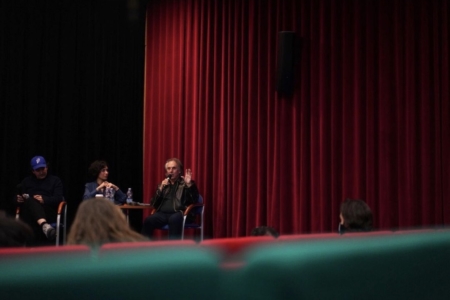
From left to right : Léo Hinstin, AFC, Yonca Talu, Bruno Nuytten – Photo : David Quesemand
After a successful career as a cinematographer, he began to have health issues, that made camera operating too complex to him, leading Nuytten towards directing (from 1988). Nevertheless, he still loves the set and gets less along with what comes before and after shooting. After four films, he stops directing. Slowly, he had grown tired of cinema and compares this passion to a running out of steam love story. During his last movie, Jim, La Nuit, he finds himself filming a scene with bears on an ice rink, without protection, with a broken ice machine and an unarmed Ukrainian tamer screaming to the bears in all directions. The situation seems so strange and implausible to him that he suddenly finds reality more interesting than fiction and does not want to trigger the camera record button, which his assistant does for him.
With the stubborn feeling of having been too far away from reality for too long, he decides to stop working in the cinema industry and to focus on reality.
After more than a 10 years break, and following-up Caroline Champetier’s documentary film on his work in 2015 (Nuytten/Film), he agreed on the Fresnoy invitation (National Studio of Contemporary Arts in Tourcoing, France) to work with him, for which he had to lead a personal project. This is when he then begins a photographic journal only to find himself capturing images again, but this time still and vertical. “I can’t get into reality, it is a bit of a hassle”, says Nuytten.
Article about Bruno Nuytten’s photo exhibit in Toruń for Camerimage here.