The Camerimage festival, at l’Union, we’ve talked about it for a long time. And, finally, for the last two days, we’re finally here!
Well not really…. But a little bit, sort of.
I dreamt of big screens and queuing to see the movies, I thought we might even drink vodka together to warm up in the evening. In the end we settled for a Whatsapp group and an accreditation for a virtual festival. How the world is changing.
On Monday, November 16th I had booked my ticket for Öndög (released in France during the summer of 2020, under the title La Femme des steppes, le flic et l’oeuf), a Quanan Wang film photographed by Aymerick Pilarski, AFC.
Öndög (the egg, in Mongolian) : the origin of everything.
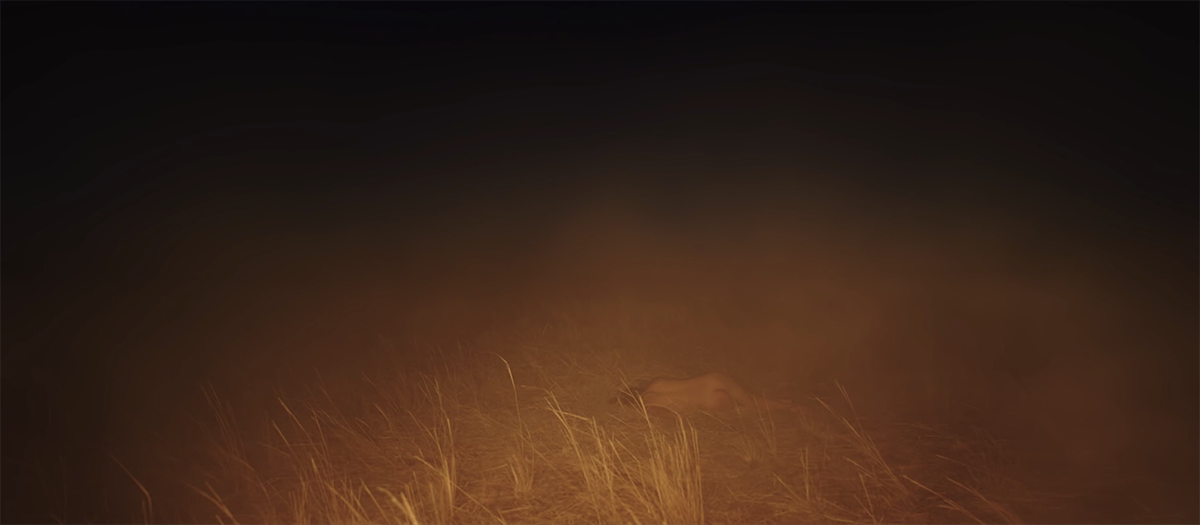
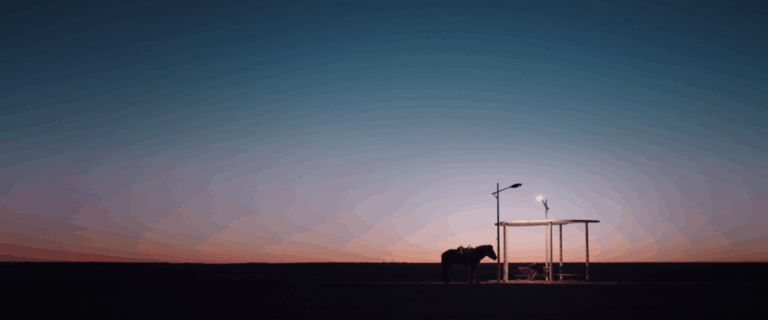
The opening shot of the film is grandiose : a long 3′ sequence shot at sunset.
The headlights of a car driving through the steppe at dusk illuminate what could be a painting. Crazy orange-colored grasses move in the wind, with the horizon in the distance. In the car men discuss the instincts of hunters, wolves and dogs… We see wild horses passing by, we are almost in abstraction and we start to be swallowed, little by little, by nature.
“What we see with human eyes is not always reality,” says one. The shot goes on, the headlights still light up the night and suddenly, in this night in the middle of nowhere, appears the corpse of a naked woman, alone in the middle of the steppe. Three minutes that suck us into nature: the film will be a poetic journey through the steppe.
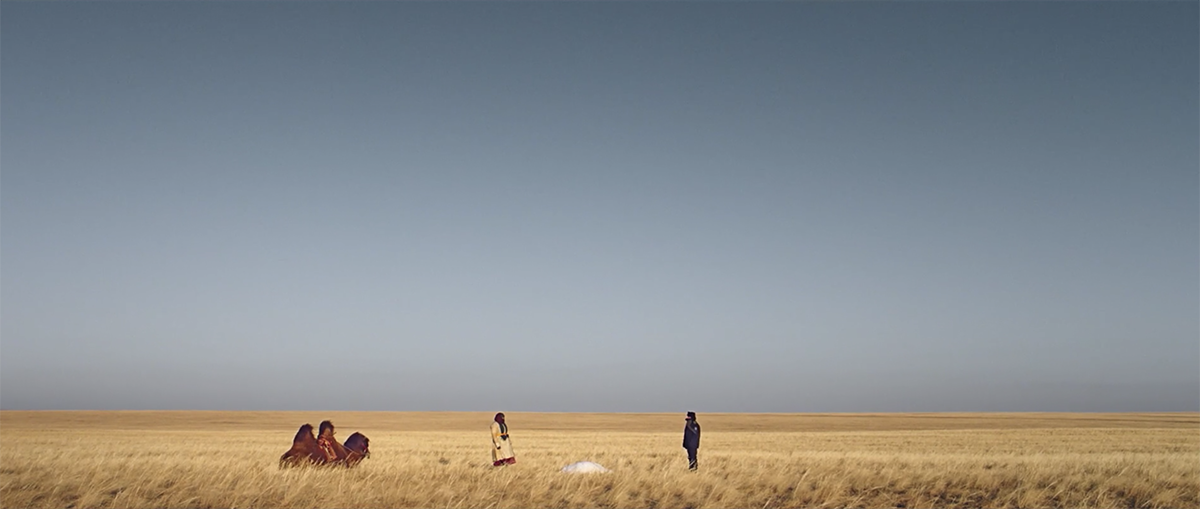
A thriller, therefore, with a murder. For the remainder of the film it will only be a question of what’s essential – here all is purity: the constant location of the steppe and the infinite horizon in the distance.
A love story between a woman and a young policeman.
Natural light, day and night.
At a time when we are locked down here at home, over there everything is open, there seems to be no limit.
A film pure to the marrow (as our friend Pascal Montjovent says) that mixes love, death and life. It is breathtakingly beautiful and behind it there is always the sun on the edge of the horizon. It’s similar to how Terrence Malick films nature, I thought he was the only director who knew how to film the wind, now there are at least two of them.
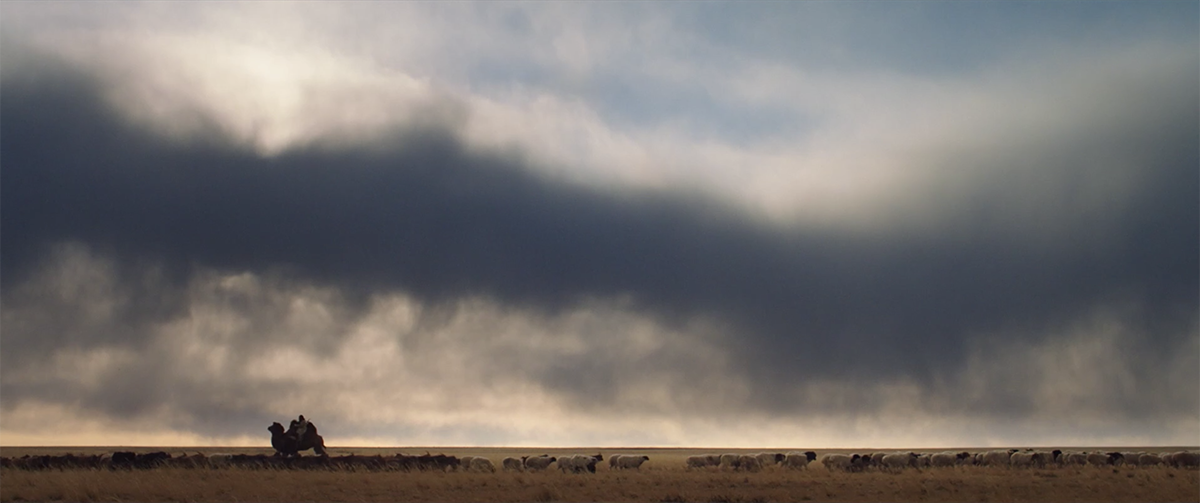
In an interview, AFC cinematographer Aymerick Pilarski explained that the film was shot with an Alexa Mini. “We had a bit of a Terrence Malick style of shooting, in the sense that most of the outside shots were shot at sunrise and sunset. We agreed on this with the director. The sun never rises very high at that time of year but the colors change from day to day, which is a problem for the continuity of the long master shots, which sometimes had to be reshot over several days to get the light of the whole scene to match.
During the day we were busy but we had to be ready for the right moment at sunset, when we knew we could only do at most 2 takes. For the first scene we reshot it over 4 different days”.
A shoot almost exclusively in natural light, apart from a few battery-powered lamps. At -35° celsius (the shoot took place in January in Mongolia), the batteries didn’t last long. The image is as pure as the narration of the film, shot mainly on Cooke S5/i primes for the long wide shots and Angenieux 19.5-94mm and 28-340mm zooms for the close-ups.
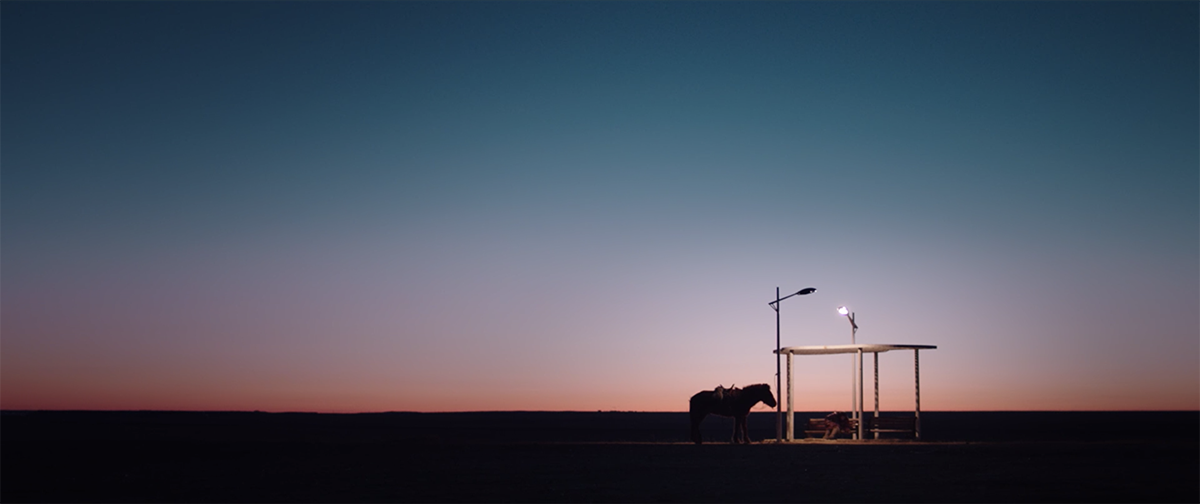
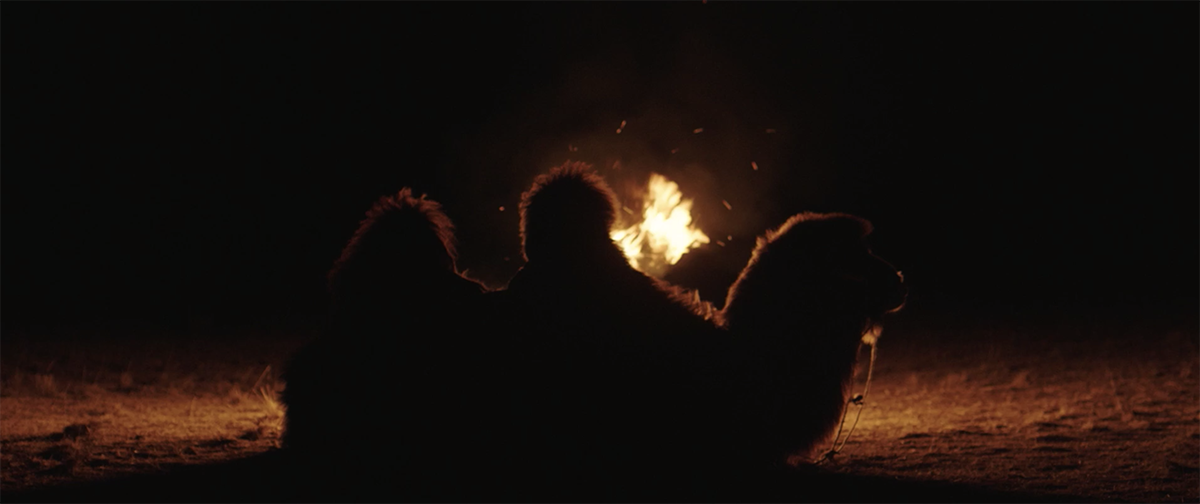
Nature and wildlife are everywhere. There is an incredible scene where the shepherdess and the young policeman are leaning against a camel at night. Before making love with the policeman for the first time, the shepherdess says to him, to change his point of view and tame all this omnipresent nature : “Imagine that you are a wolf”…