6 a.m. – Color Grading at Dawn
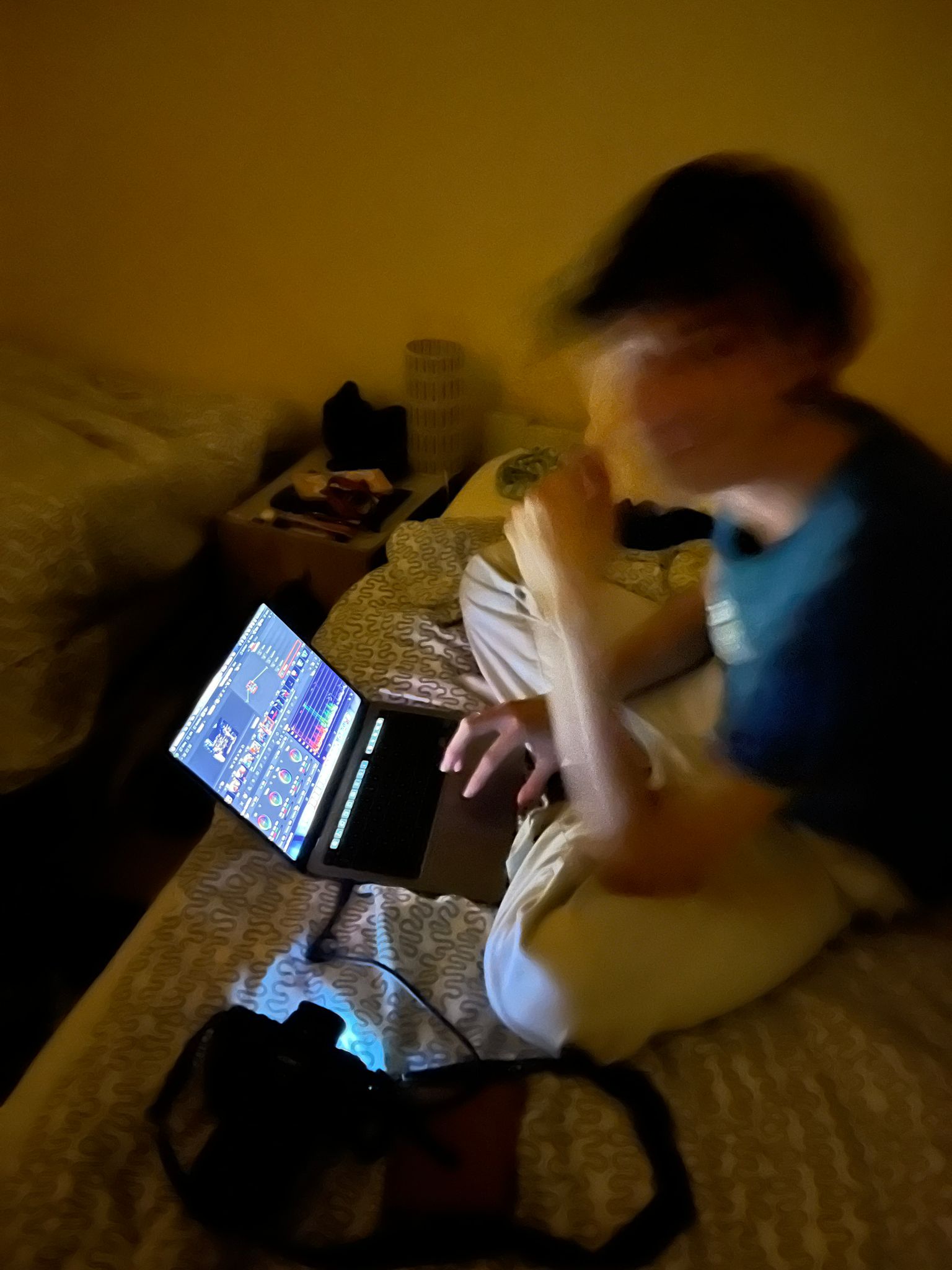
The night was brutally short. I got lost in color grading photos for the journal. My roommate burst out laughing when she found me on DaVinci Resolve at 6 a.m., just back from the club.
10 a.m. – Consequences and Film School Competition
You know that feeling when the alarm goes off but your body decides to protect you by preventing your brain from responding? That’s what happened, until my roommate woke me up. I made a last-minute call to attend the morning student films rather than another screening. Problem: I’m risking a warning, and I already have one…
Camerimage’s verdict came down: no reservation for me the next morning. I immediately sent a complaint message, banking on the human factor (cinema is 90% human, 10% technical) and playing on pathos. It worked!
The day’s selection of short films, though mostly big-budget projects, left me with mixed feelings. Despite very strong and intense technical execution, I felt a certain lack of sincerity.
However, one film clearly stood out: Skin on Skin, by Simon Schneckenburger (cinematographer: Nico Schrenk, who’s leaving Toruń with the Laszlo Kovacs Award for his work). This short is, to my mind, the perfect balance of boldness, singularity, and freshness in action cinema.
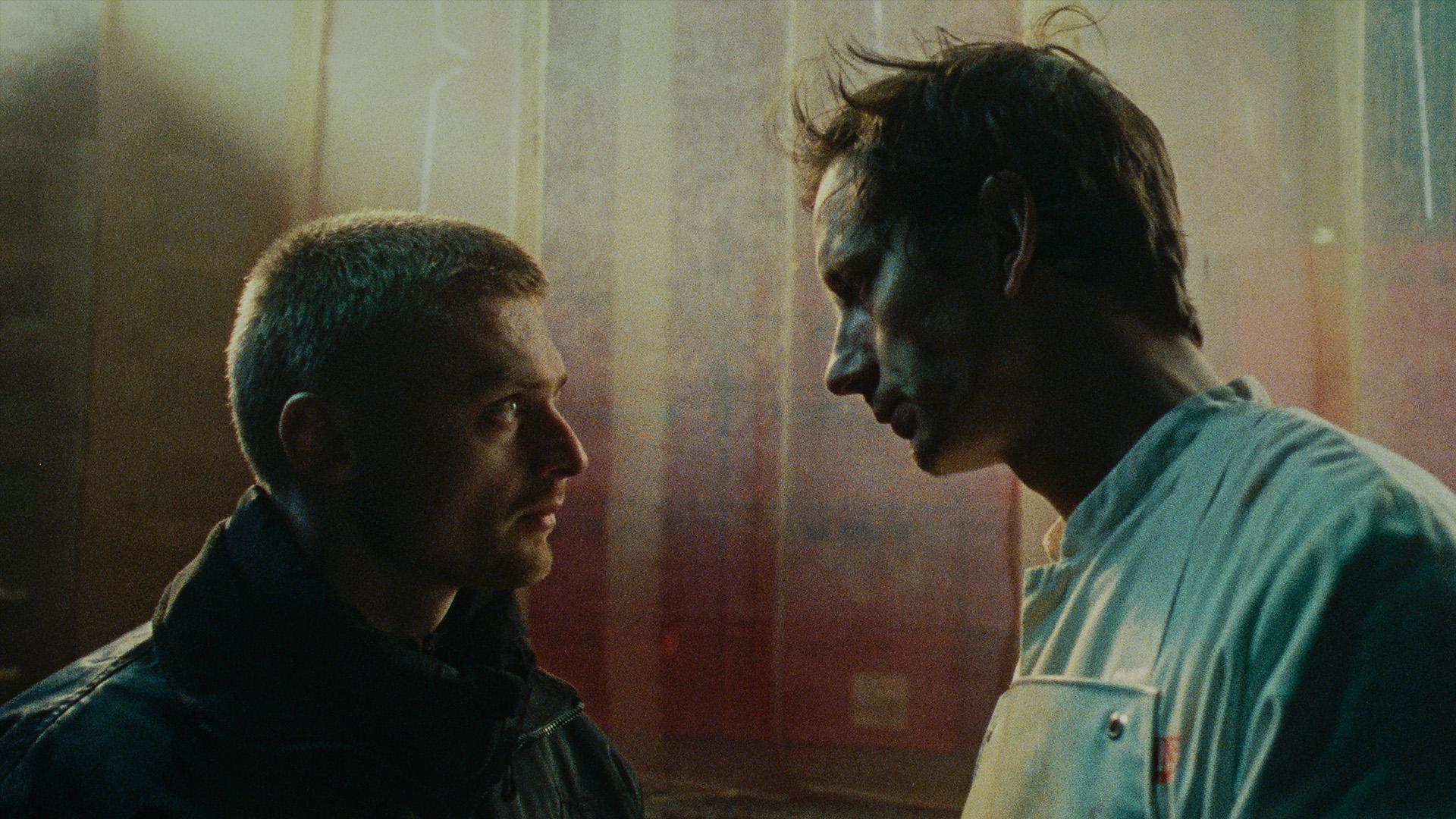
The originality of its narrative is striking: it follows two lovers working in a slaughterhouse. One is a security guard, able to watch the other, who works on the line, his papers confiscated.
This synopsis might suggest a simple game of domination and control. Instead, the film creates a stunning contrast between the tenderness of the romance and the brutality of the workplace.
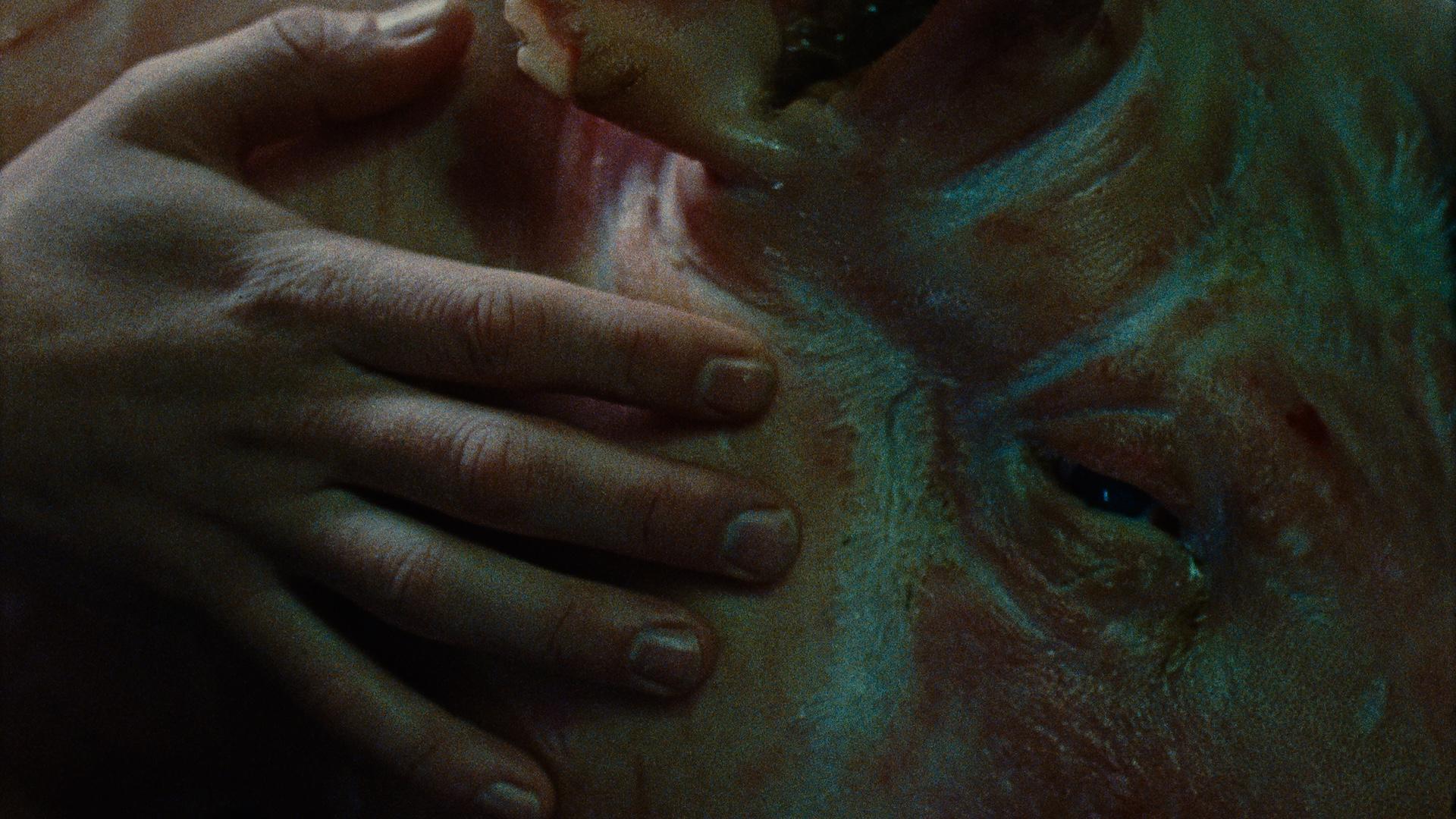
Shot on an Arri 416 in 16mm, the film has a “greasy” aesthetic, as if pork fat had smeared the film stock. The handheld camera contributes to very intelligent framing. The grain gives character to flesh—torn by labor, caressed by love. The film doesn’t take a moralizing stance but carries genuine political weight.
To get a feel for the film’s atmosphere, check out the soundtrack with images: https://www.youtube.com/watch?v=ZYv7uoGulwQ
Another film, clearly very expensive, caught my attention for its visual efficiency, though it merely illustrates a universal problem: inserting a USB key the wrong way multiple times. This short is actually a disguised Apple ad: https://www.youtube.com/watch?v=QR0Z5NbH-rM
Reflection of the Day – Sunlight, Ray of Joy
I want to tell you about the sun that hit Toruń today. The contrast between the scarcity of natural light and the imposed darkness of screening rooms made me feel profound frustration, but also awakened my Marseillaise and cinephile soul.

Yet perhaps it’s in this imbalance that a particular sensitivity to cinematic light is forged.
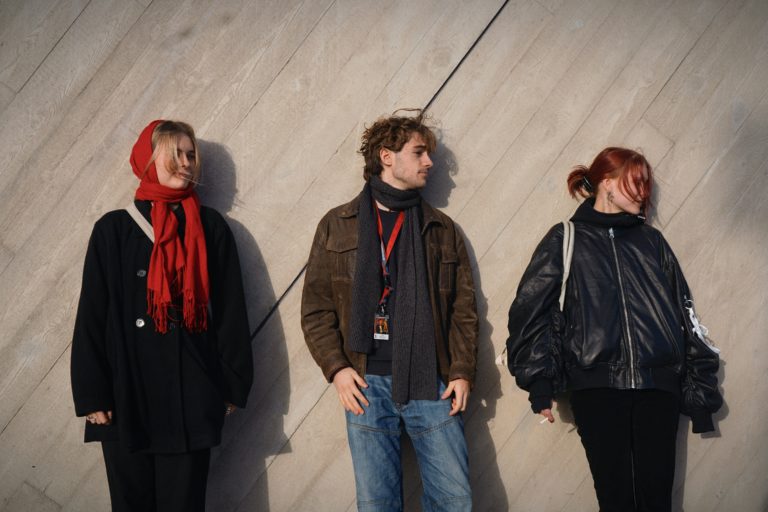
The sun, especially when it plays hard to get, becomes more than weather—an event to celebrate. Those 30 minutes of unexpected warmth become a gift, a pause stolen from the greyness that marked your week. I went crazy wanting to photograph everything, running toward that metal bridge: vital instinct taking over, raw inspiration that cinema itself seeks to capture. Cinema demands we cut ourselves off from the world to better understand it, but that severance can weigh heavy.
My origins amplify this feeling. I grew up in Marseille, where the sun is an almost daily presence, a faithful companion. Moving from that light-bathed childhood to Paris—or similar environments where the sun is rare, or never appears when you hope for it—creates a profound emotional disconnect.
3 p.m. – Sincerity in the Student Panorama
One of this program’s major strengths lies in the session presentations and stimulating debates led by two internationally renowned cinematographers, Stephen Highill ASC and Oliver Stapleton BSC.
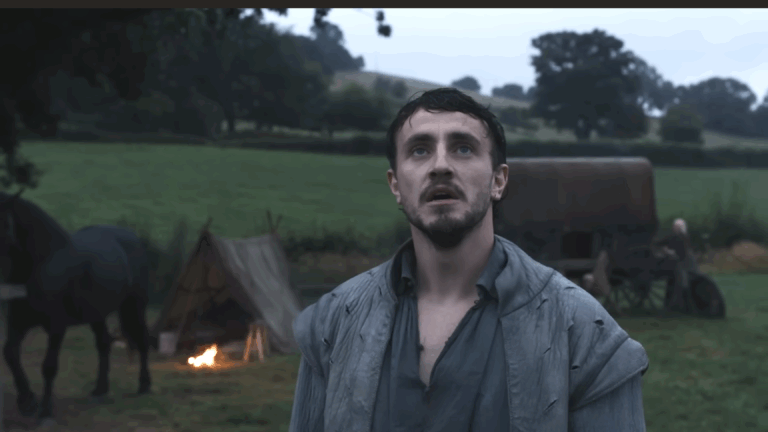
First short : Close to September (Dir. Lucía García Romero / DP Gemma de Miguel Morell)
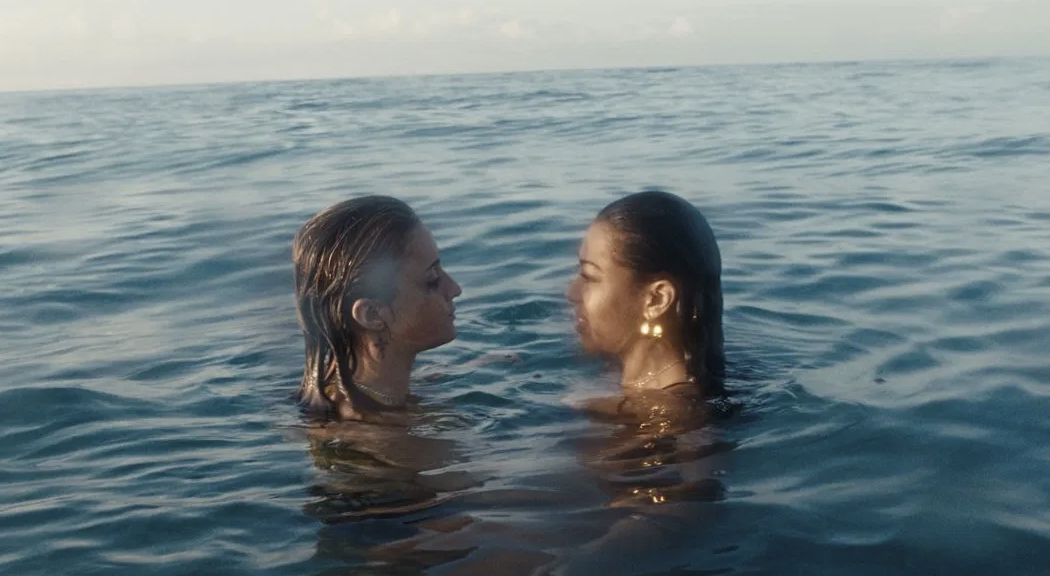
The film’s authenticity lies in its narrative simplicity. Visually, the image isn’t striving to be sublime, but it naturally frames the characters at beautiful angles. The relatively smooth handheld camera gives it an organic quality and great proximity to the protagonists. This close, empathetic side is what I missed in this morning’s films.
The script is marked by constant back-and-forth between love and distance. The point is strong: feeling abandoned when you live in a tourist town where everyone you get attached to eventually leaves, leaving Alejandra prisoner of a space she cannot escape.
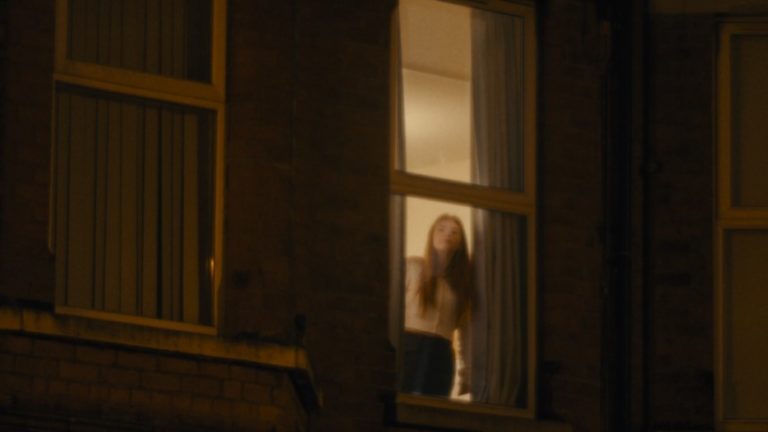
Second short : Lily Under the Rain and Our Two Louis-Lumière Students
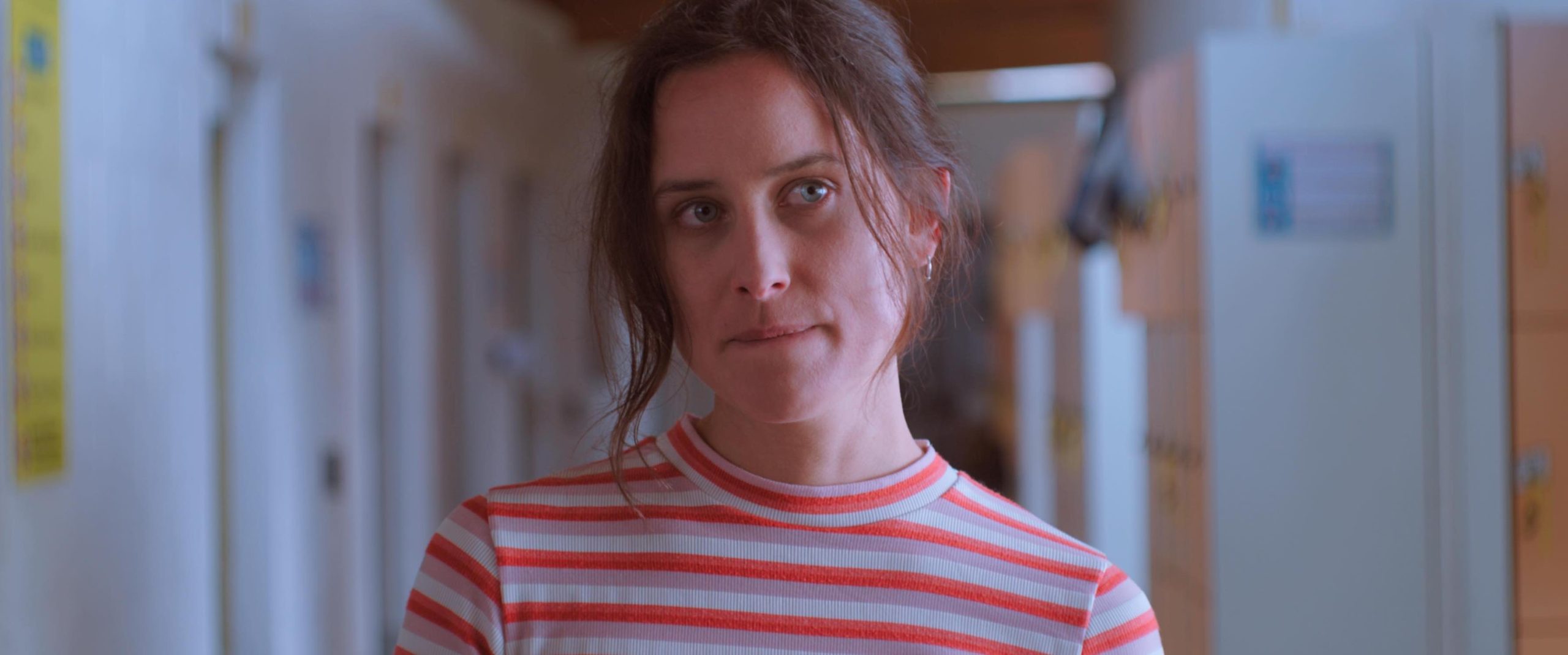
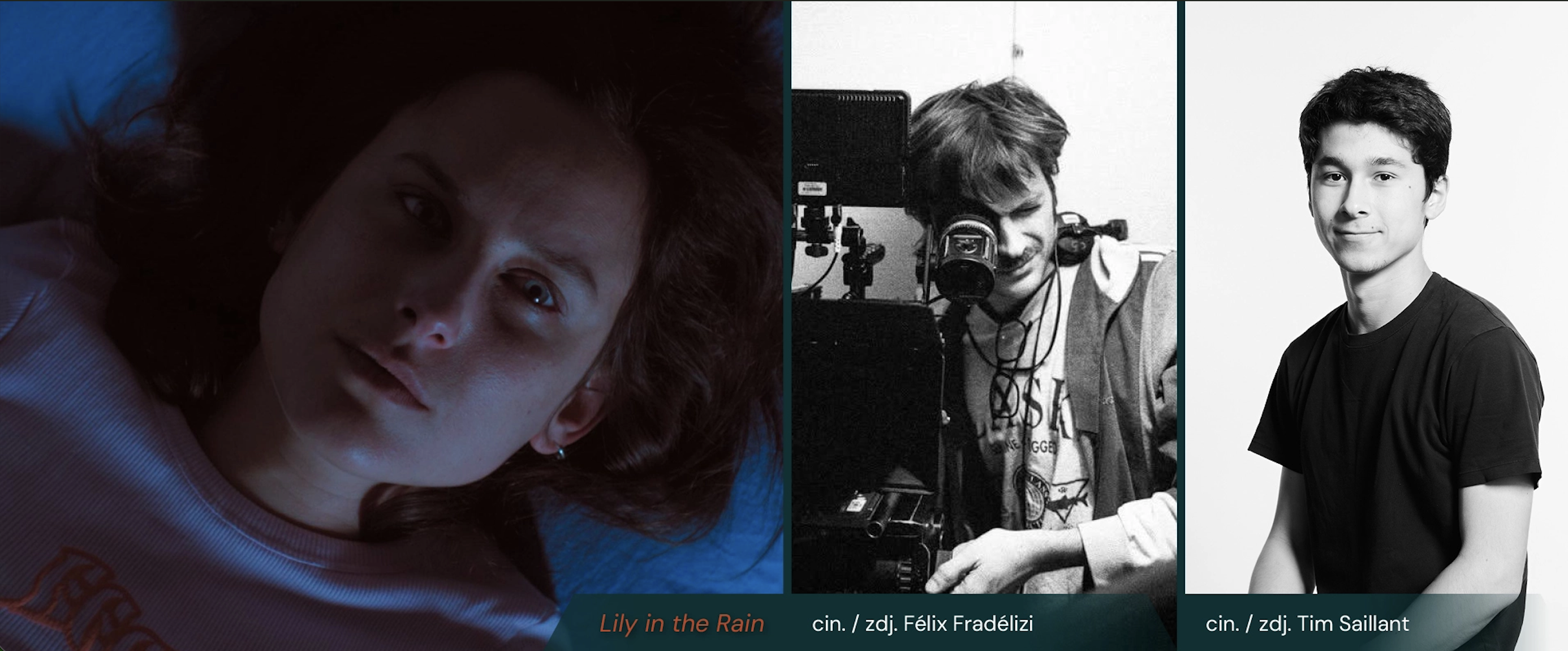
The film exudes great simplicity, reinforced by framing choices that allow breathing room and strong empathy for the character’s depressive state. The static shots, in particular, help represent this sensation of immobility and emotional weight.
Regarding production, the school’s process (ENS Louis-Lumière) puzzled and surprised the entire room: assigning two cinematographers to a single film complicated communication. The task was even more complex since the film was co-directed.
According to Félix, the set was characterized by unusual silence. When the two directors needed to confer or make a joint decision, they systematically withdrew to a separate room to ensure coherence in their vision, underlining a highly structured organization to offset the communication difficulties inherent in double direction. It sounds almost absurd, but we’re used to it.
I approach this subject from an outside perspective, but I’ve experienced it myself. I worked with Jeanne Pignac, a wonderful collaborator and friend. Though our personalities clash, we complement each other in many ways: I’m more comfortable with sensitivity and narrative symbolism, Jeanne with narration and technique.
6 p.m. – Einstein-Style Siesta
I’m applying Einstein’s short sleep method. I can give you the theory—it helps me tremendously to recalibrate. Sleeping 20 minutes benefits the body: it stimulates and realigns cells essential to memory and thought. Sleeping before Lost Highway was a potential solution to finally grasp the twentieth century’s most mysterious film.
9 p.m. – Lost Highway and My Love for David
I’m particularly thrilled at the idea of meeting Peter Deming again so he can give us juicy revelations about David and the film’s production. Seeing that highway again, its yellow lines, hearing the music swell—pure joy.
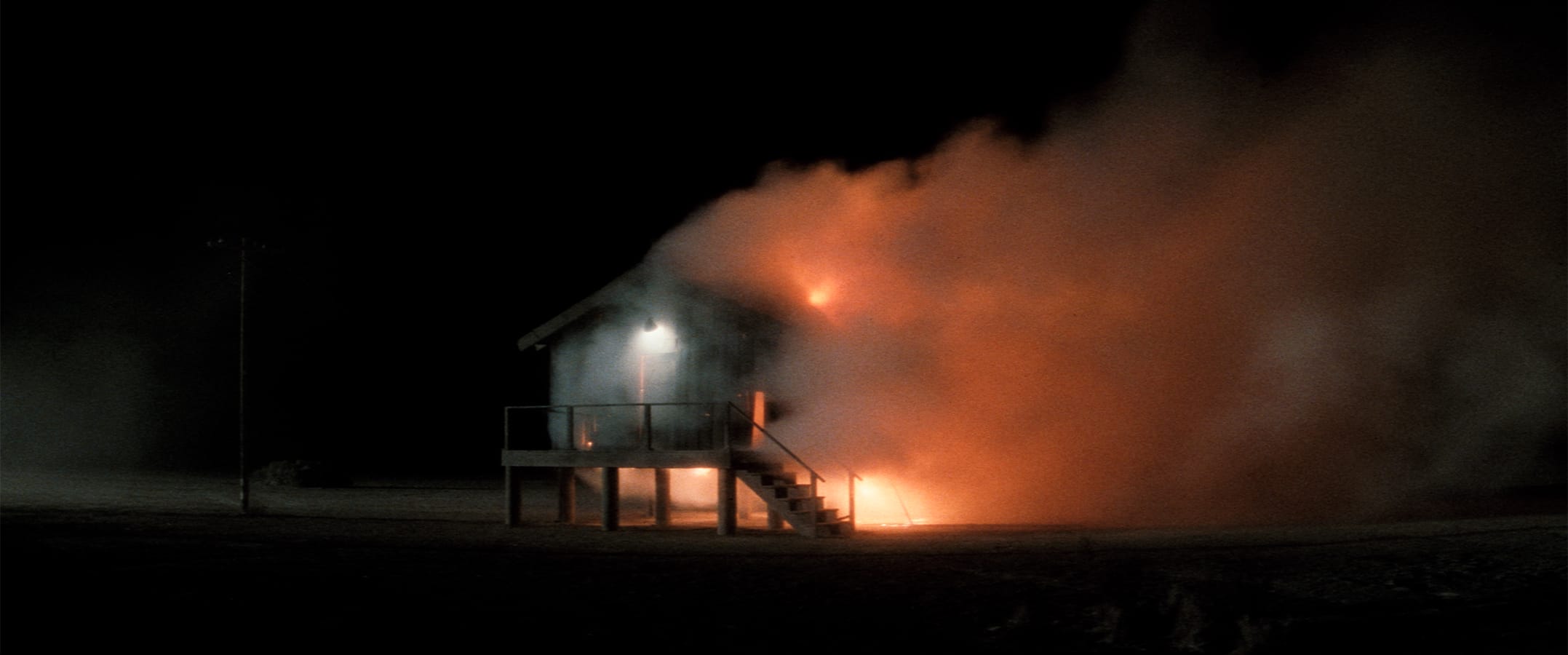
The opening minutes are literally electrifying. Chills run through my body. This film opened a door to reflection and interpretation that may never close.
David, with his penchant for experimentation, acts like a true mad creator rather than a simple director. He injects his own creative madness into production. For example, for a shot he wanted blurry, he didn’t find the effect pronounced enough. While Peter Deming and his assistant searched for the ideal optic, David, impatient, threw at them, “What the hell are you doing?”
He literally removed the lens from the mount to start filming, with the assistant holding the objective by hand.
Beyond these anecdotes, it was moving to see Peter Deming’s tears. It speaks to the beauty of a relationship where the director is far more than a collaborator, but a friend you learn to know deeply over time.
1 a.m. – International Karaoke
Great time sharing with born singers of the image. But I already knew that. It’s funny: when you look more closely, you notice that most cinematographers have a musical sensibility first and foremost. We all have a repressed part in music.
Outside the karaoke, I met students from Norwegian, German, Danish schools. It was amusing to compare our approaches: technicality in some, artistry in others, those little oddities specific to each training program. But the conclusion imposed itself: it’s precisely because our schools are so different that we become cinematographers with unique sensibilities. Each carries within that little interior insect that takes flight and pollinates the director’s soul, becoming their artistic double, the one who sees through their gaze.
Eliott Martin