Day 4 at Camerimage: I continue exploring the festival with the same curiosity as day one, between screenings, encounters, and reflections that feed both my aspiring DP’s eye and my thesis. All the people I’ve met are helping me clarify what I really want to film… and why.
12pm — Student Films & Round Table
Today I dove back into the student films section, and as often happens, I found myself facing proposals as brutal and confident as they were fragile.
Unfortunately, the 1st and 4th shorts lack the narrative and visual richness of the second and third:
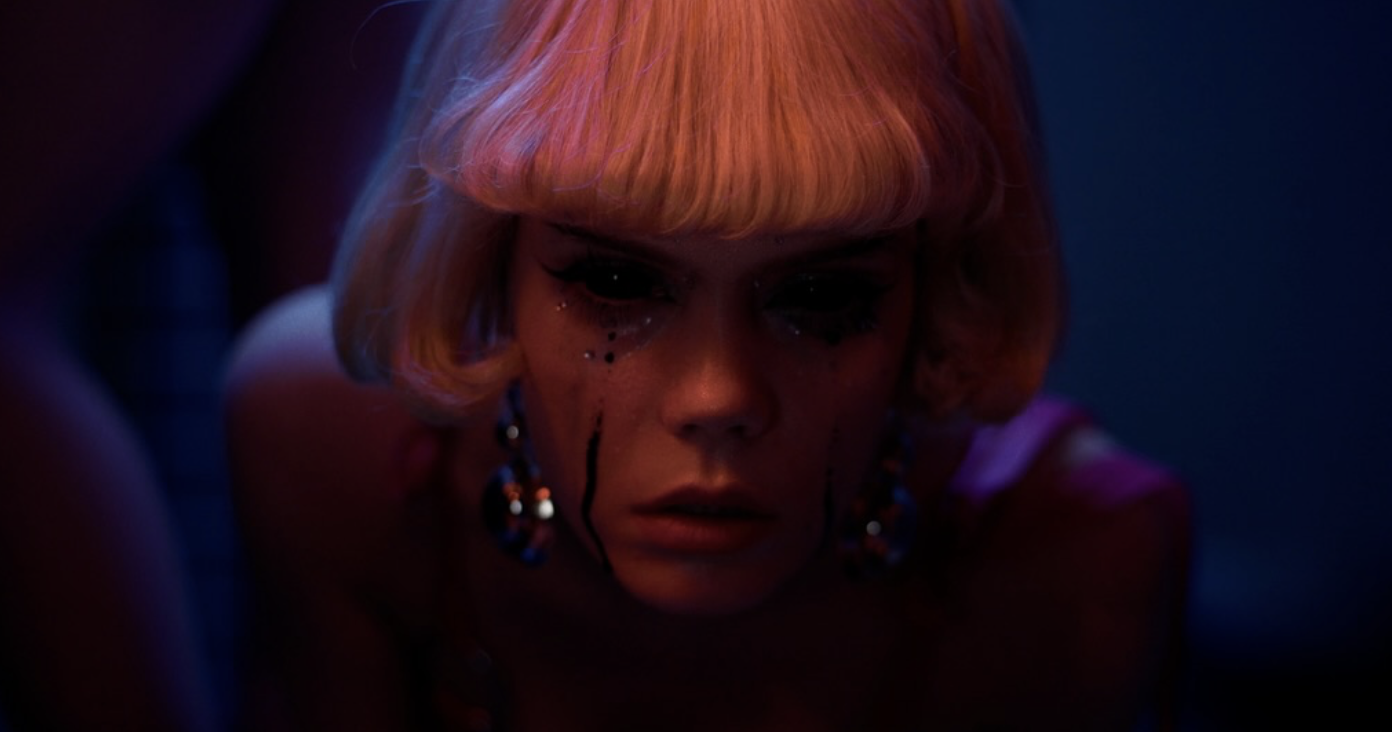
The second short, Call Samba (Dir. Jana Švadlenková / DP. Nikolas Sand) from Michael Academy Prague, tells the drift of a toxic relationship from the oppressor’s perspective. Risky bet, but it works. We see how drugs distort everything: perception, morality, guilt. Blaming the other, always the other, while the world collapses around. The image follows the same principle: saturated, contrasty, almost suffocating. Light comes from above and crushes faces, tearing them further apart.
There’s a taste for the dirty, the impure, something that at times recalls Julia Ducournau’s work: bodies pushed to their limits, assumed textures, palpable unease. The lens choices create incredible, almost liquid bokeh.
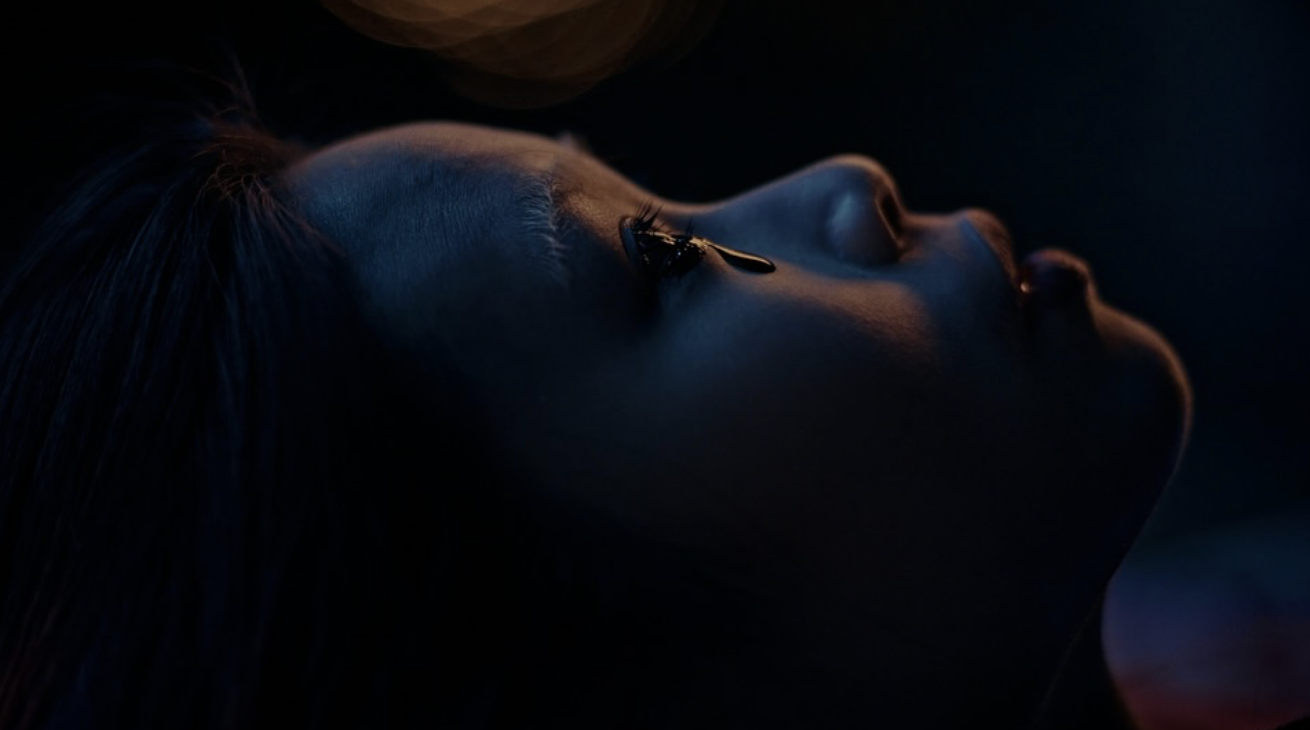
The third film, Sweden (Dir. Nik Asad / DP. Annemarie Chladek) from Babelsberg Film School, takes the form of a satire on German administration: a clinical space which, once entered, you never leave. A printer that won’t stop printing, civil servants perpetually celebrating birthdays. A man finds himself in an office confronting all this.
Roy Andersson’s cinema hovers over every shot: frozen, symmetrical compositions, slightly matte colors, characters stuck in their own absurdity. We can only wait for something to happen — but nothing goes wrong, and that’s precisely what’s disturbing.
The fourth was a horror film. Not easy at first, difficult to get into, but tension eventually builds. The problem: it drops instantly when we see the monster. Eternal question: how to suggest instead of show? How to make something terrifying exist while staying in shadow? Once exposed, you give the audience an outline, a limit. And fear loses its mystery.
3pm — On the Roofs, Again
After the screenings, I spoke to the director and DP of one of the shorts. We talked about rooftops — obviously. I asked them how these heights influenced their staging, their breathing. I had this feeling that rooftops, in their film, allowed the image to open up, to air out the characters, like a space of truth above the chaos.
Rooftops are where everything seems possible. You escape architecture, traffic, noise. Narratively, they allow time to suspend.
What I’m looking for in my thesis is how to light these spaces without betraying them, without over-stylizing them.
The roof is a border zone: neither inside nor outside, neither up nor down.
And naturally, this brings me back to my thesis: how to film rooftops, how to light them, how to make them narrative spaces? Feeling how body movement influences the camera, how a gaze crosses emptiness. Which also makes me increasingly want to shoot my own POV on a rooftop.
4pm — What Better for a POV Than Heading to Camerimage Market
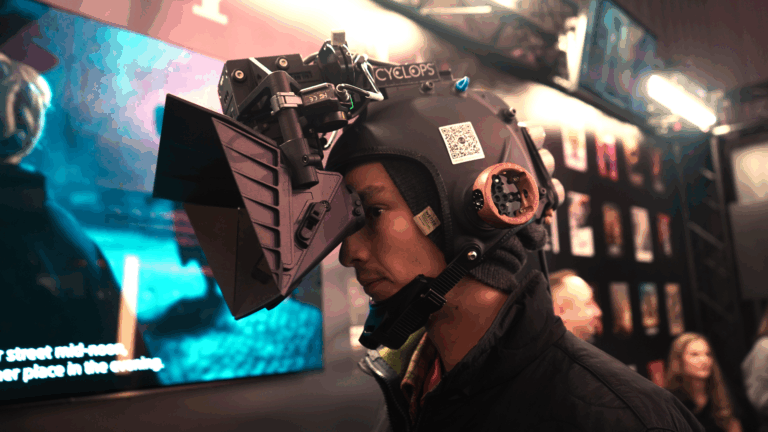
Off to the Market to test the Helmet POV. A surprising experience. The movement is smooth, almost organic: you feel it’s not mechanical, that it comes from human gesture, from real swaying. I love these slightly crazy inventions, carried by brilliant minds seeking alternatives to overly perfect images.
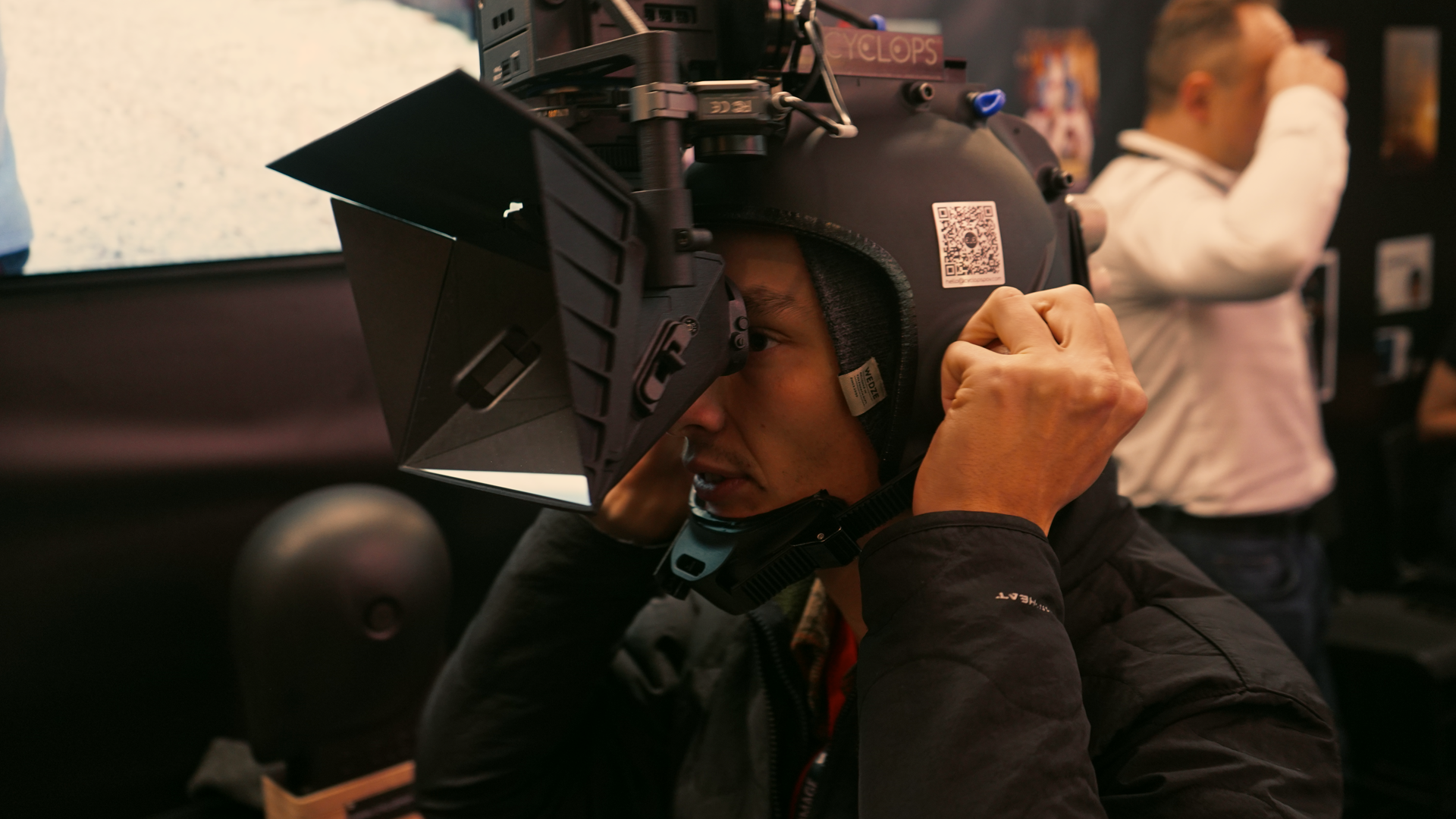
Will it actually be used? Who knows. It’s so specific. But just for having existed, for getting people talking, it’s worth it.
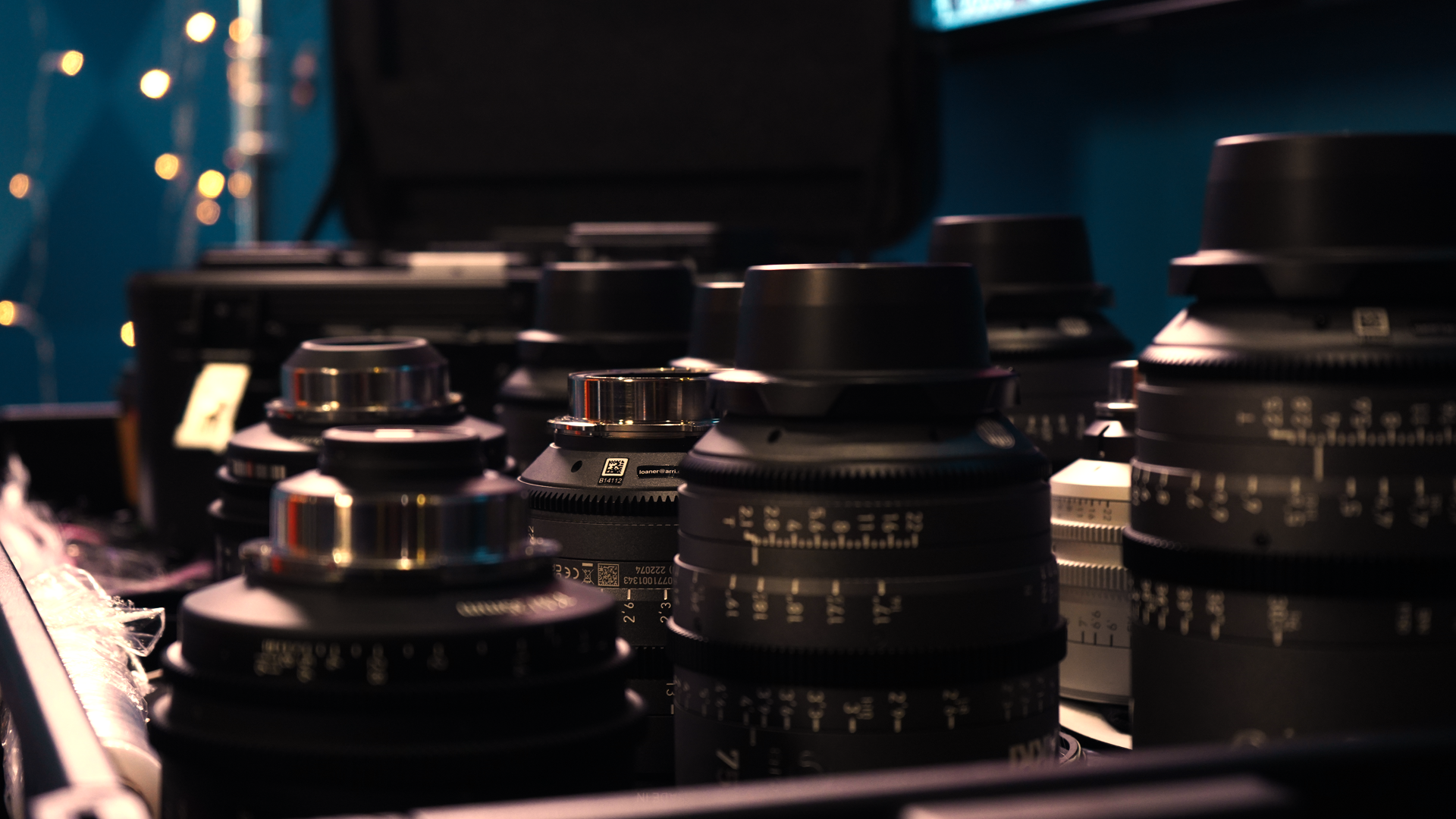
I also got to observe this field of lenses growing like flowers. The angle of view made me laugh, they look like little nuclear plants.
5pm — Talent Demo or How to Make Performative Cinema
Short film session: raw talent and experimentation
This selection highlighted young directors seeking to assert their talent, but I’d rather say “prove” their talent. Meaning in the Q&A as well as the form, you feel there’s a lack of humility that stains the sincerity of the message. A film shot in vertical format or another that had no concrete narrative, both were just a pretext to show visual “beauty.”
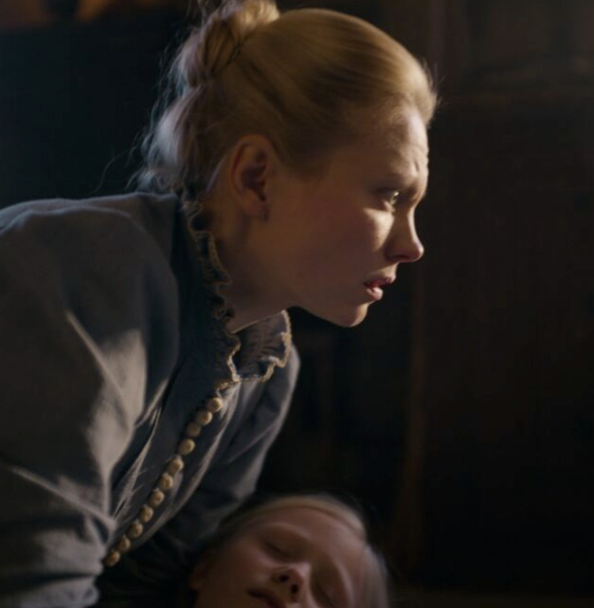
I’ll only talk about one film: Breadsong. A weird little gem, just how I like them.
Quick synopsis: In a 19th-century rural family, after eating bread, children start singing like a radio, revealing a treasure’s location. The more the parents listen, the greater the price grows. A fable about greed, blindness, and treasures we never see.
The father feeds his son black bread so he’ll sing and reveal the treasure cache… to the point of nausea. It’s cruel, absurd, fascinating.
The image is splendid: mastered backlights, low-key that reinforces claustrophobia. The costumes are magnificent, and the grading seems designed to bring textures to life. I love when a film dares to be strange without shame.
A recurring flaw in shorts lies in their constant desire to adopt a standardized aesthetic: that “film look,” often in teal and orange tones with pretty backlights. In trying to stand out, these films end up in a category where they mainly seem to want to prove technical mastery (“I have Skypanels, Nanlux, and I know how to use them”). Please excuse this criticism, but except for documentaries, I rarely feel visually surprised at this festival.
6:30pm — Exhibition: Women Behind the Camera
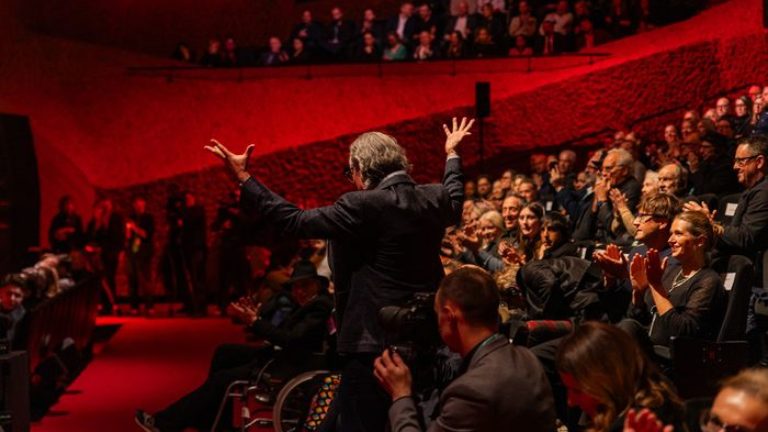
The opening was a real pleasure: meetings, exchanges, and extremely benevolent energy. Nancy Schreiber, great American cinematographer, received a beautiful standing ovation. Accompanied by her Texan friend (with a rather cliché hat), she gave a vibrant speech, full of hope and strength, supporting the growing and quite brilliant association: Women Behind the Camera.
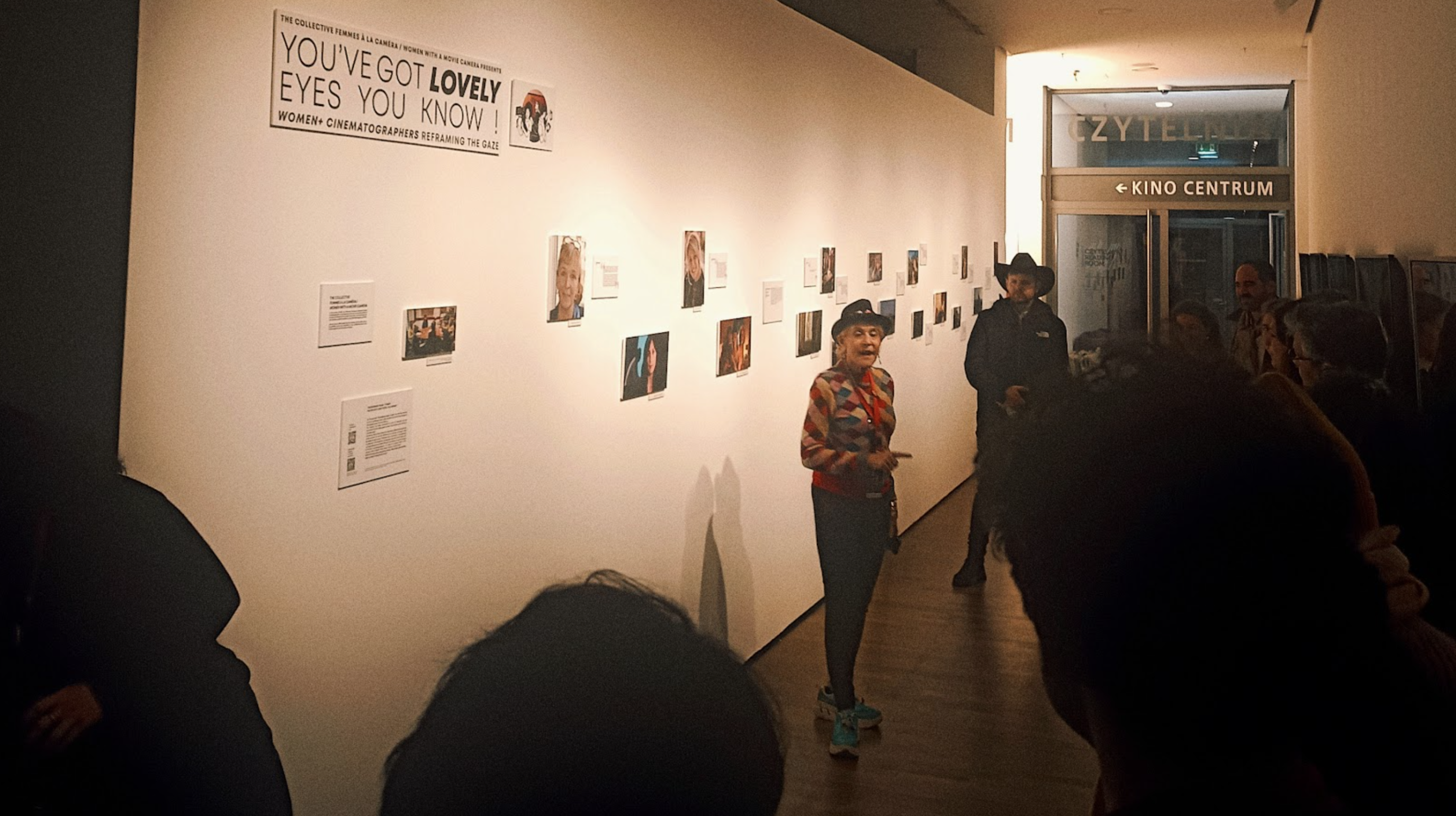
Special mention also to the crackers with hummus and an IPA. Funny fact: DPs seem to prefer wine, while aspiring ones opt for beer.
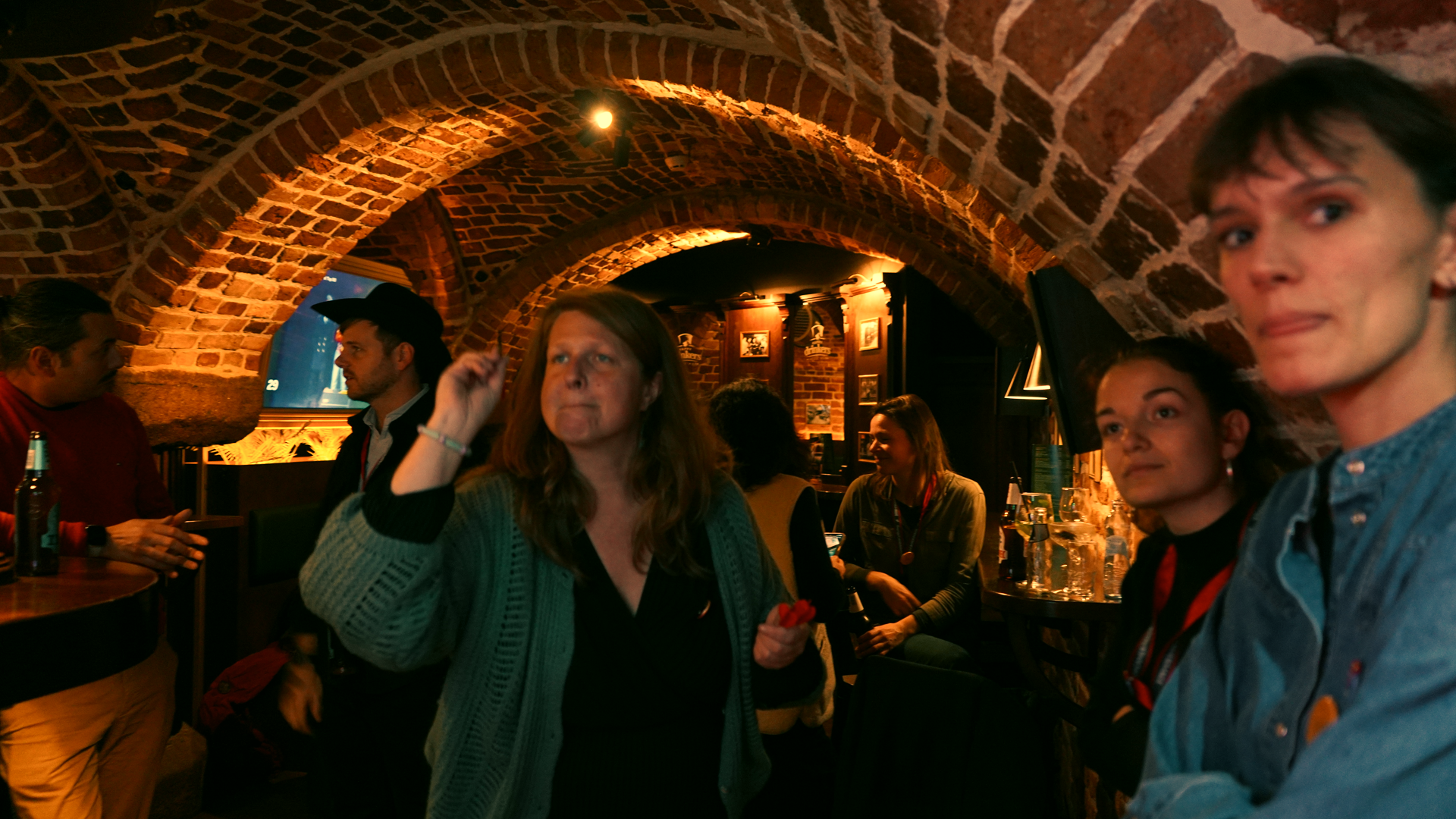
The evening continued with drinks and darts, the latter becoming almost competitive. Second funny observation: Fémis students can’t help playing to win! For them, losing seems to tarnish their dignity. (I laugh because I know them well, and this little group of six from the Fémis School is so kind!)
2 Small Reflections of the Day
1. Bokeh: Why do we seek it so much?
Bokeh, or background blur, has almost become a visual fantasy. We seek to represent with the camera an effect the human eye doesn’t really perceive — or not the same way.
Why this need?
Perhaps because bokeh, by simplifying the world, makes it softer. It isolates. It distances what overwhelms us. It’s a way of saying: I want to see something precisely, and let the rest dissolve.
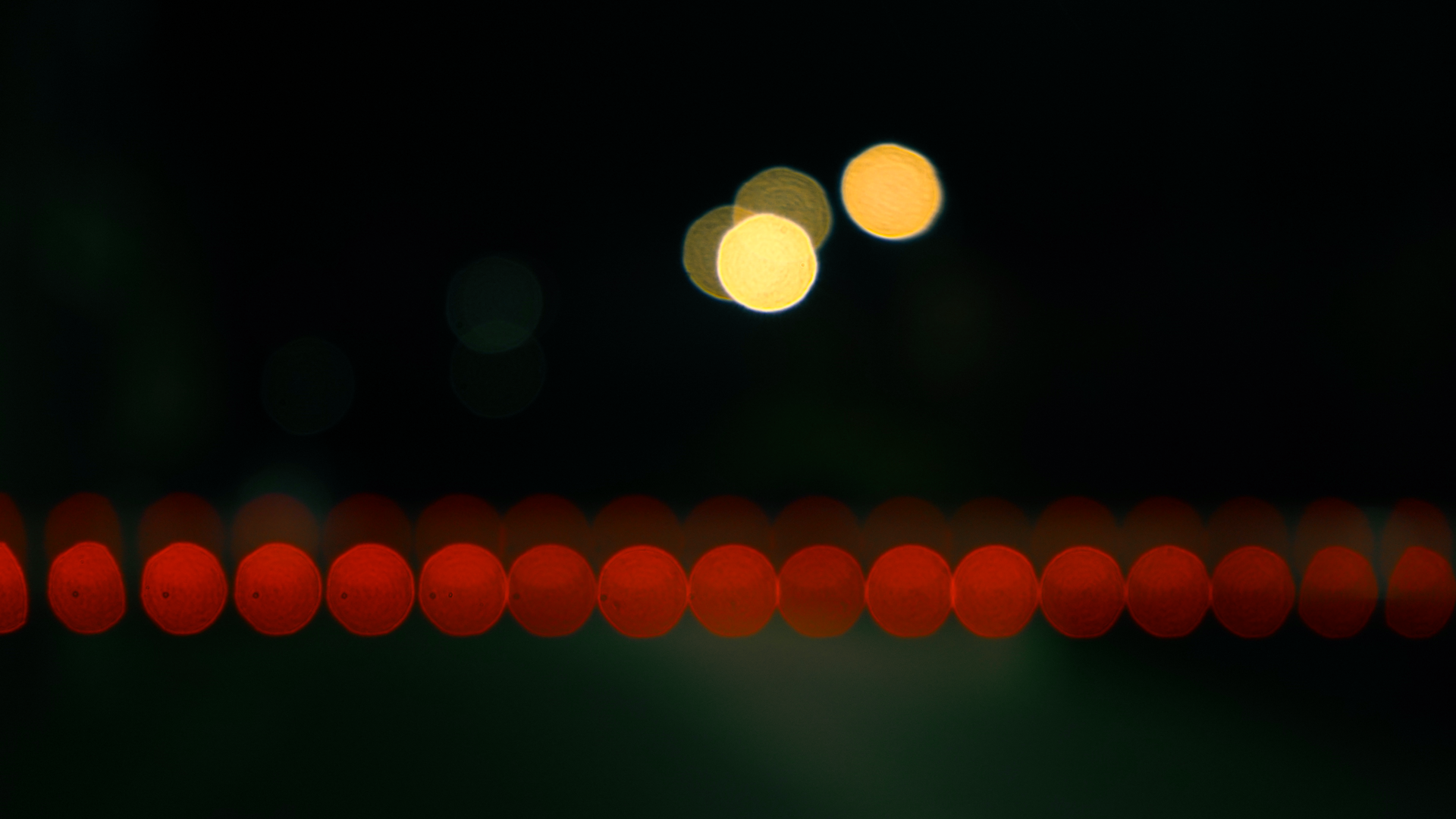
Anecdotally, for yesterday’s review, I tried proposing my photos with bokeh effect as cover images, but they were deemed too abstract. So it seems bokeh is appreciated in the background, but not foreground.
2. Walking C-Stand
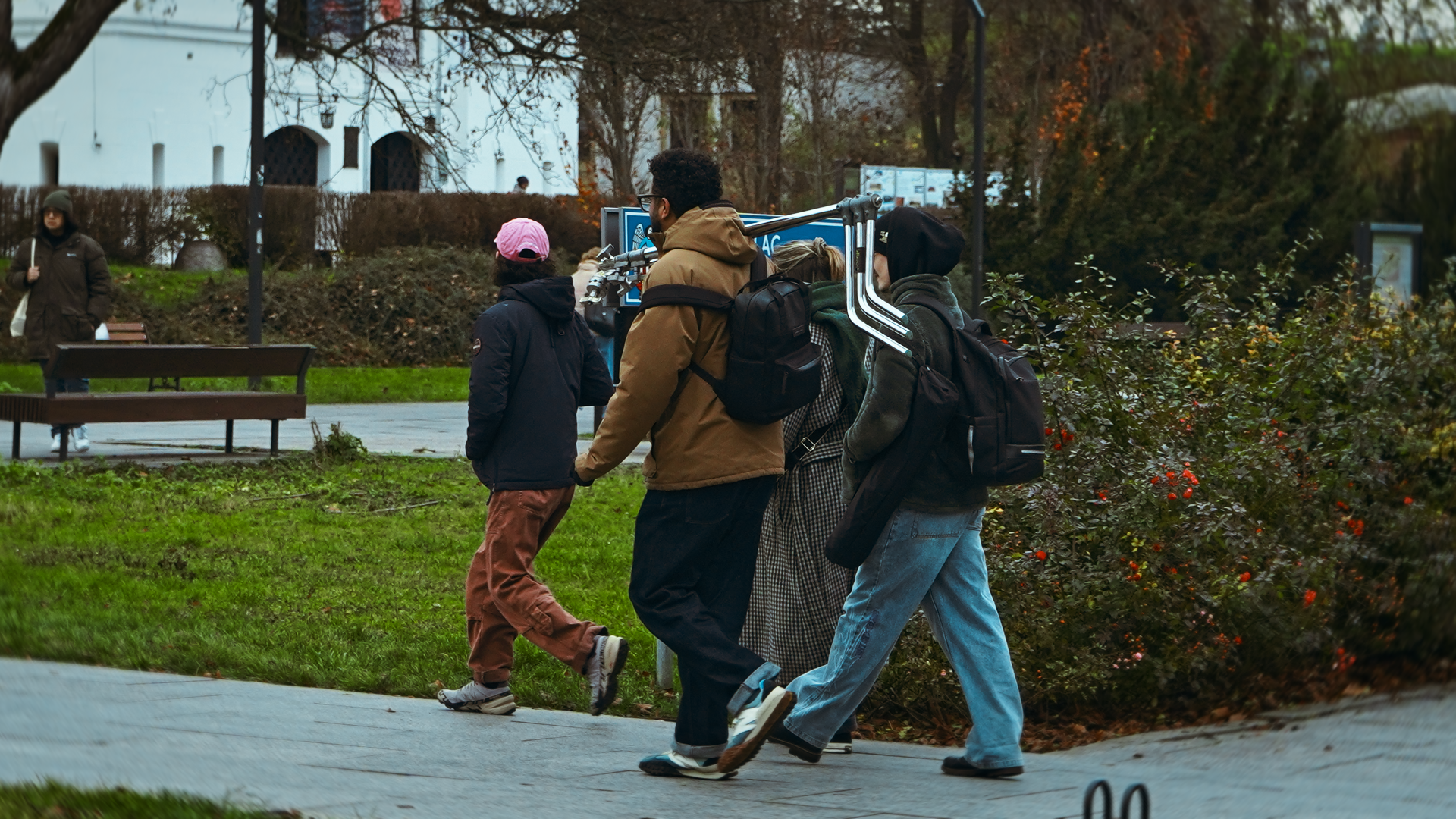
For two days, a strange observation has been bugging me: people walking around with C-stands. I’ve seen no less than three! I didn’t dare interrupt them. Promise, next time, I’ll bring you an interview with one of them.
Eliott Martin