The great Frederick Elmes, ASC, was the festival’s guest of honor, presenting the restored version of Night on Earth and Jarmusch’s latest, Father, Mother, Sister, Brother. Selected excerpts from his surprisingly candid confessions.
The Shot That “Fell Off the Truck”
A young student challenges him about the quest for perfection versus the truth of the image. Elmes’ response crystallizes the whole paradox: “It’s one of the hardest things to do. Because part of my job as a cinematographer is to make every shot perfect. Every shot has to count. But at the same time, you want it to look totally casual, like it just happened by accident, ‘fell off the truck,’ and just became a beautiful shot.”
The Light Instrument
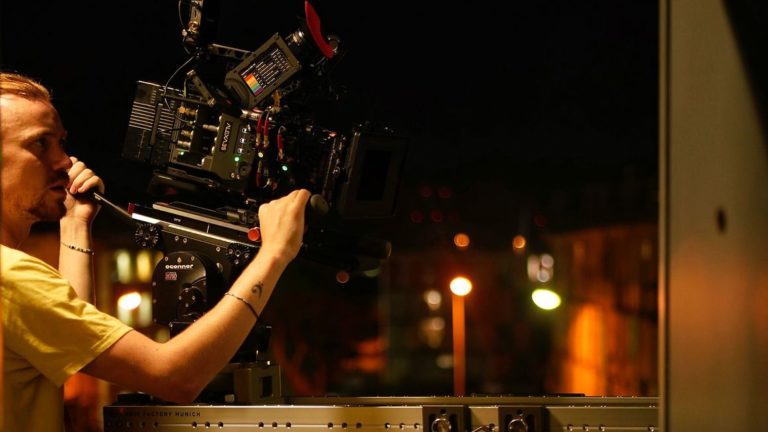
“On Night on Earth, the picture car—the taxi—was on a low-loader. On the tow vehicle, I had installed a small dimmer board. We had tiny lights hidden in the taxi, tucked in the sun visors or near the dashboard. As we drove, I’d watch the actual street lights passing by and manually modulate the intensity of the interior lights to match the rhythm of the street. It was a performance. Like playing a musical instrument.”
The Orange Incident
“In New York, I lit the street orange. Jim shows up and says: ‘Why all this orange light?’ I say: ‘It’s New York, it’s sodium vapor.’ He goes: ‘I don’t like orange.’ We’d never discussed it in detail. I had to quickly change a lot of gels on the lights to accommodate that. That’s the job: solving problems you didn’t see coming.”
The Cassavetes/Lynch Split
“During Eraserhead, David was like a painter with his canvas, meticulous about every shot, every prop. But since Eraserhead took years, we took breaks. During one, I worked with John Cassavetes on The Killing of a Chinese Bookie. John was against the idea of a DP doing ‘Hollywood movie’ lighting. He wanted something more casual, kind of loose.”
“It was amazing to work on a big production with its convoy of equipment trucks, then go back to Eraserhead with a four-person crew where every shot had to be meaningful.”
On one side, all the resources to make it “beautiful” but forbidden to use them. On the other, nothing at all, but an obsession with visual perfection.
The Director on Your Shoulder
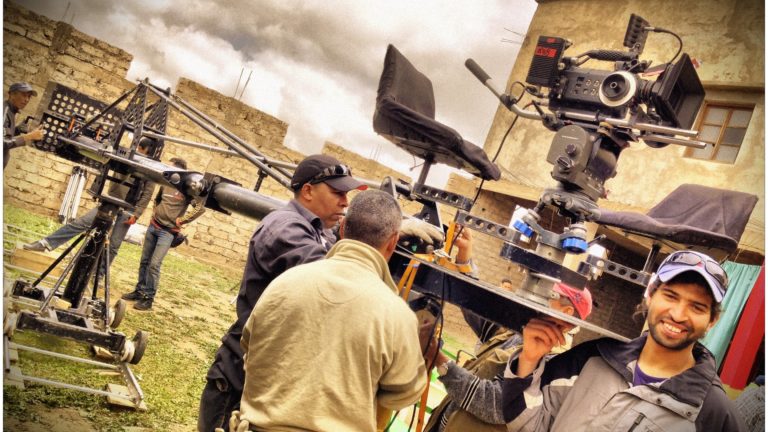
“Jim likes to stand right behind the camera. If the camera’s here and I’m operating, Jim’s right over my shoulder. David Lynch was the same. He wanted me to build him a seat on the dolly so he could ride with the camera during tracking shots. It was a pain, but this was before decent video monitors.”
His verdict: “It scares me when a director sits way back at video village. I like them close to me.”
Green Screen Doubts
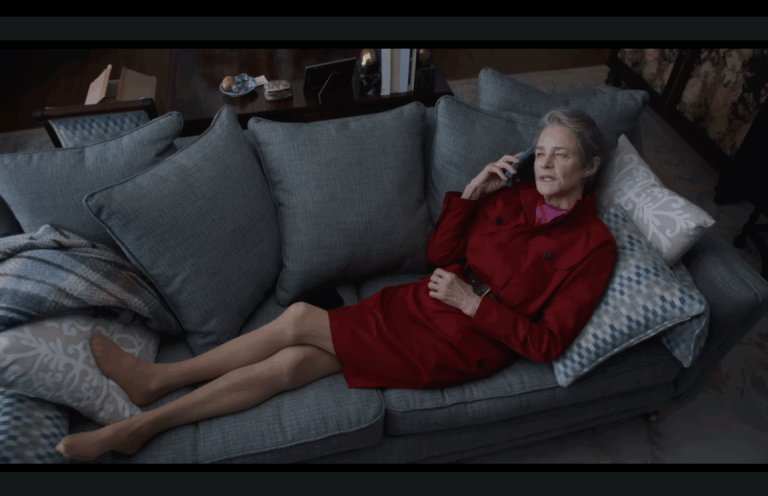
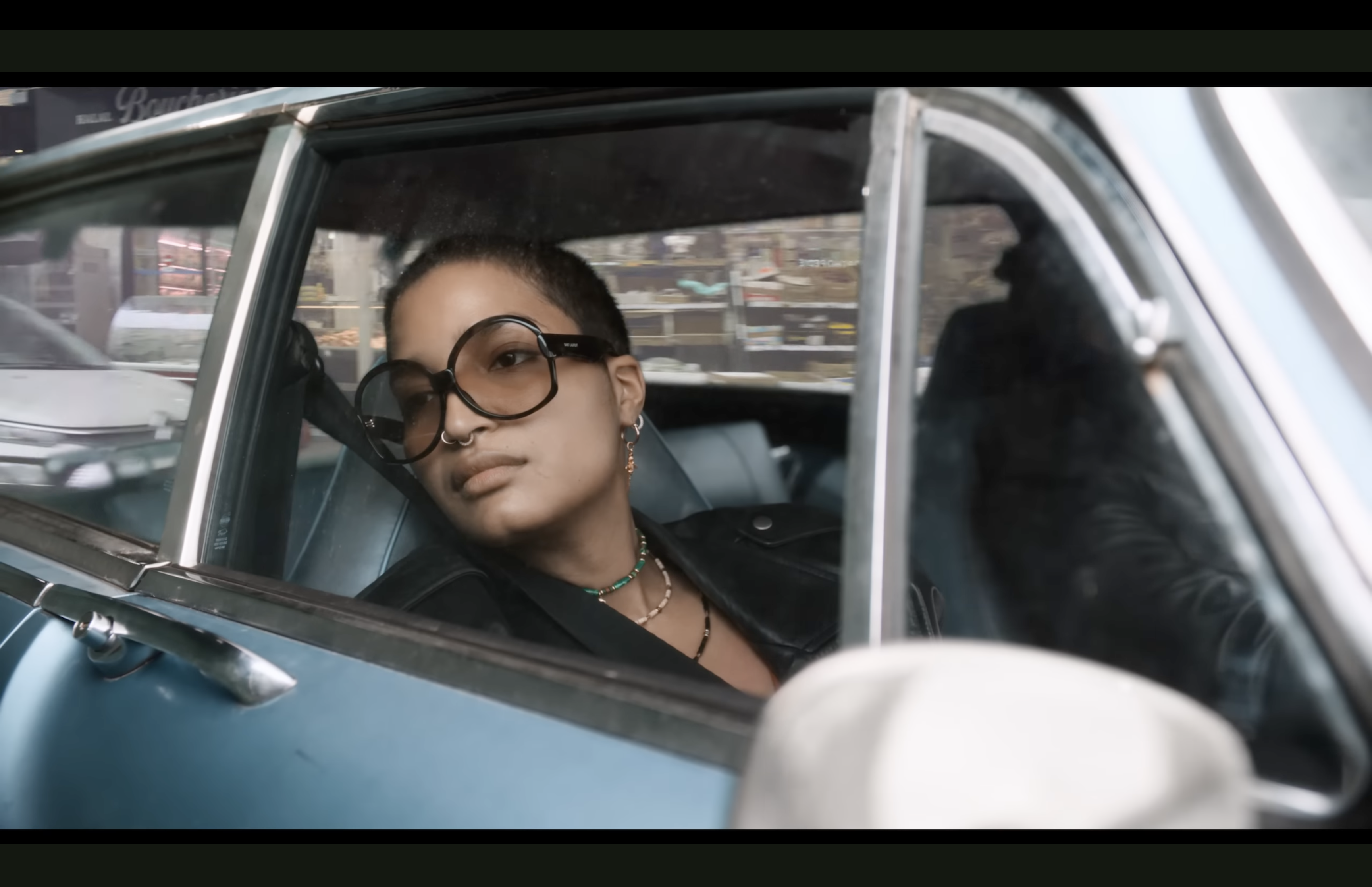
The car scenes in Father, Mother, Sister, Brother? All green screen, but with a risky experiment: “Jim and I were trying something: keeping the background sharper so you can see where the car is, not losing the detail in the background.”
“I’m not sure how successful it was in retrospect. Jim loves it. I’m still on the fence. But it forced a greater depth of field to give the scene a different tone, maybe to suggest it was… a bit artificial?”
Philosophy of the Challenge
“If you don’t challenge yourself, you don’t grow. It’s boring to come to a project thinking you have all the answers.”
After fifty years in the business, Fred Elmes still doubts, still experiments, still searches for that perfect shot that looks like it just… fell off the truck.