Day 3 — Time to Take Root
Everything keeps moving at breakneck speed: screenings, encounters, discussions… No time to breathe, but that’s exactly what makes the experience exciting. We carry on.
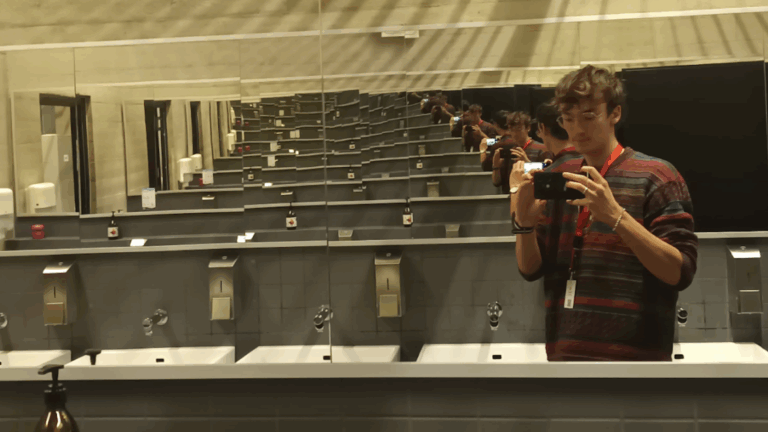
To give you context, I’m Eliott Martin, a Louis-Lumière student on exchange at FAMU Prague, discovering Camerimage for the first time with the fresh eyes of an aspiring DP.
8am — Sharp Awakening at the Flat
Every morning, same ritual with my two flatmates — Katharina, studying in Cologne, and Lukas, studying in Brussels. We wake before 8am, then for two minutes, complete silence. Each of us tries to solve server problems to get our tickets before diving back into deep sleep.
12pm — Filming the Traumatic Aftermath
Bedrock — Dir. Kinga Michelska / DP. Hanna Linkowska
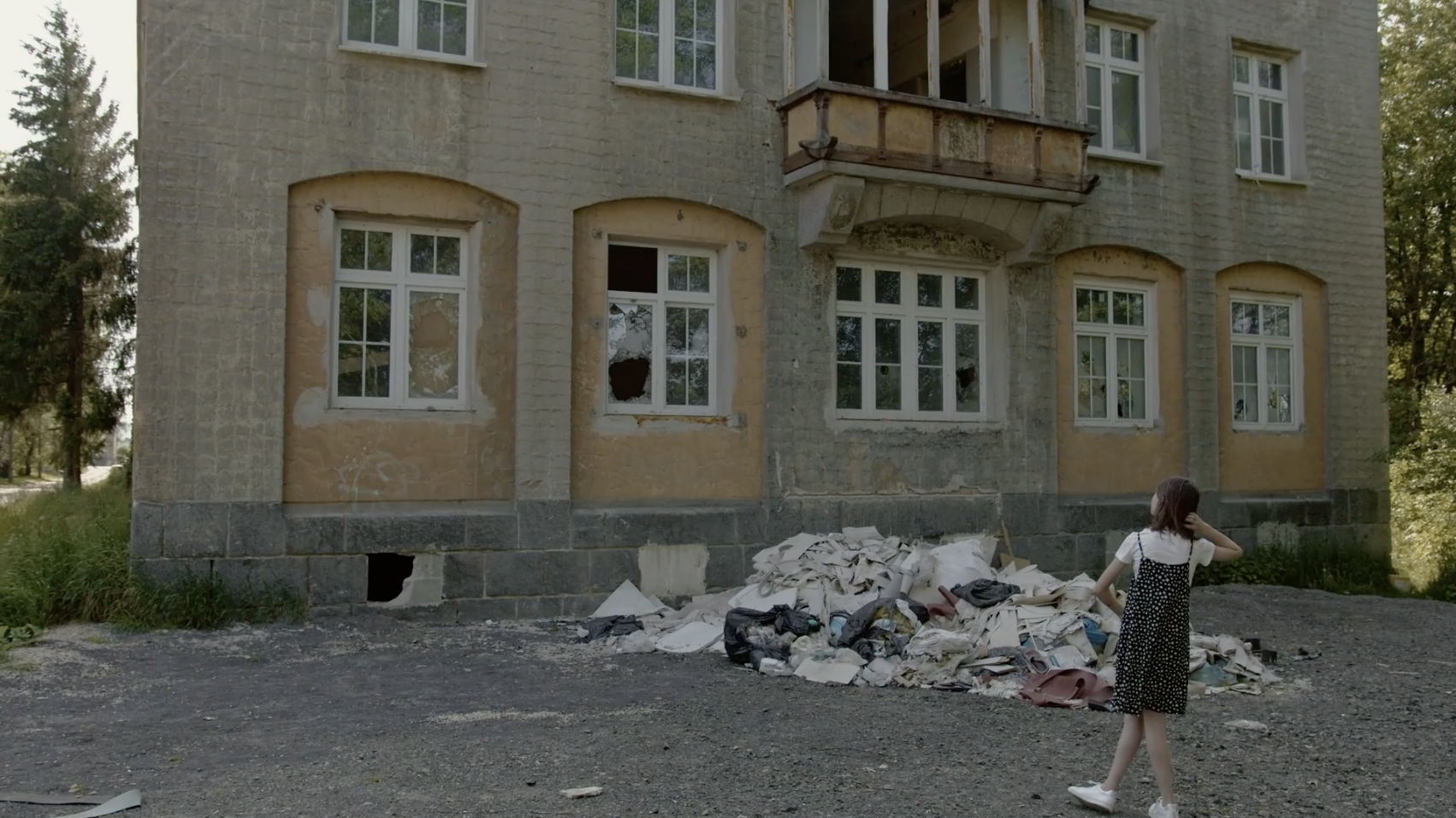
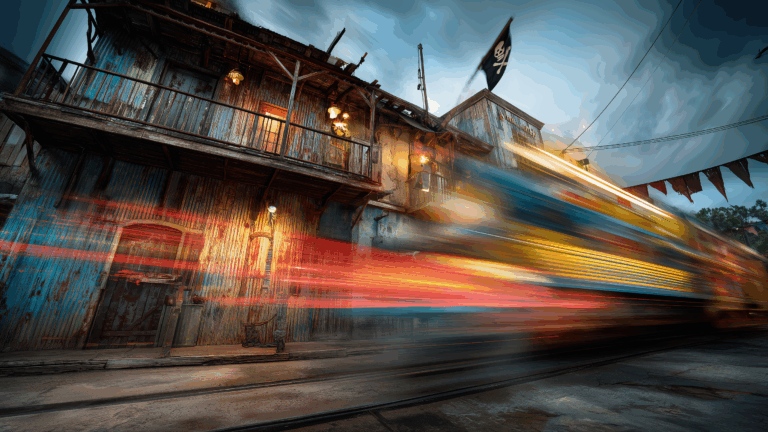
A documentary with washed-out colors, where warm tones oppose the cold atmosphere. Hanna Linkowska decided to reduce color vibrance to create a more neutral tone. The camera paints the calm and time that has passed in these places that remain traumatic spaces for certain families struggling to find resilience.
How to “film the aftermath” is a fascinating subject. Knowing Poland’s history during World War II, the film chooses to film banal moments: walks, conversations, life going on.
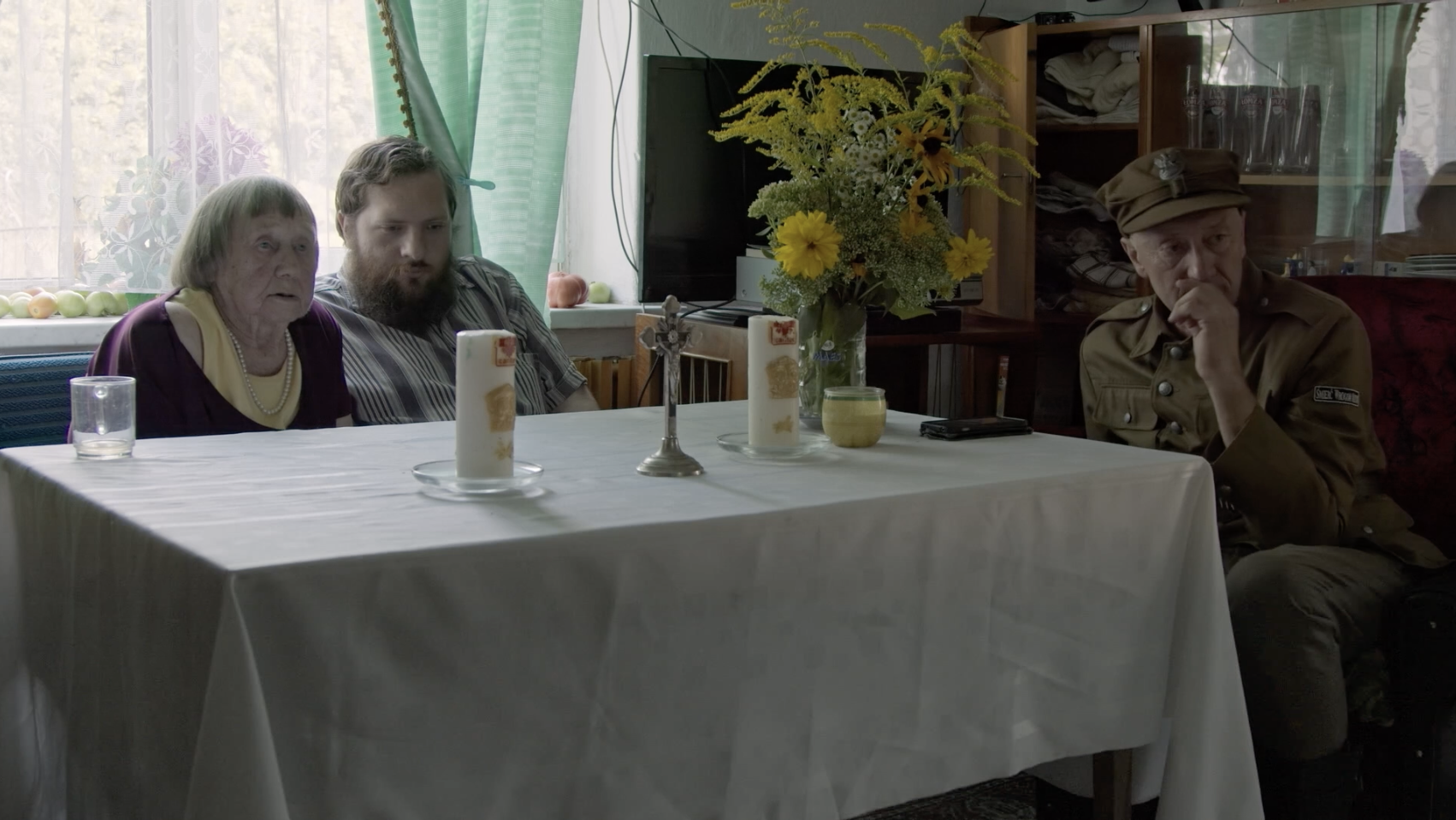
One scene particularly struck me: an Algerian driver and a Polish activist discuss their unwavering sense of colonization and a very harsh shared history. They search for the actors and tormentors to feel understood.
4pm — Thomas, Let’s Remake the World Over Matcha
Thomas Bataille, UCO member, kindly suggested grabbing a matcha at a nice café in Toruń. We had a really interesting discussion: he told me about his projects, and I talked about what Prague brings me in broadening my view of the profession. We also discussed how working with different people pushes us to constantly reinvent ourselves.
I told him about an experience with CinéFabrique students. As a gaffer, I was worried about losing detail in the windows the DP was framing. His only response: “We’re shooting on Alexa 35, it can handle it.” Concerned by this answer, I realized my worries didn’t really matter — he was focused on staging and intentions, while I was fixated on the technical side. Two schools that ultimately teach us to understand each other and bring each other a lot.
5:45pm — Disorganized Journalist
In the rush, I forget to send photos for the article post. I run to the apartment to get full resolution. The difficulties of field journalism…
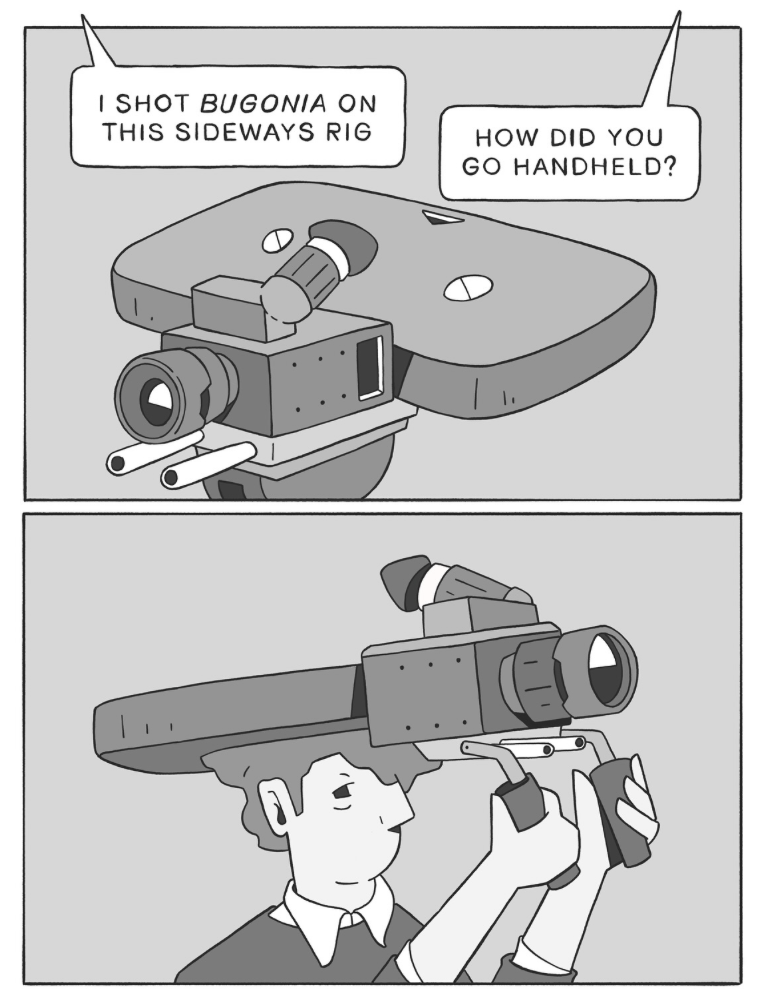
Small share of a great drawing by director Rebertas Nevecka from last night’s Q&A with Robbie Ryan.
6pm — “Don’t be afraid, keep filming”
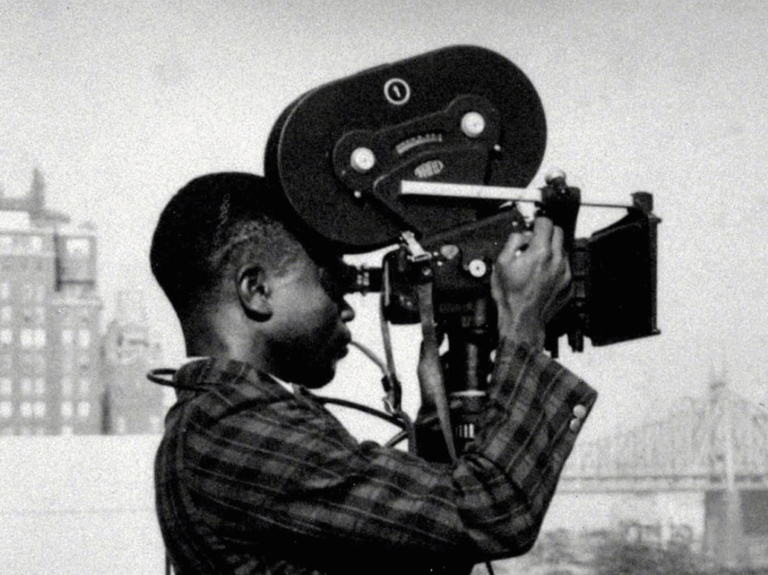
The Eyes of Ghana — Dir. Ben Proudfoot / DP. David Feeney-Mosier, Brandon Somerhalder
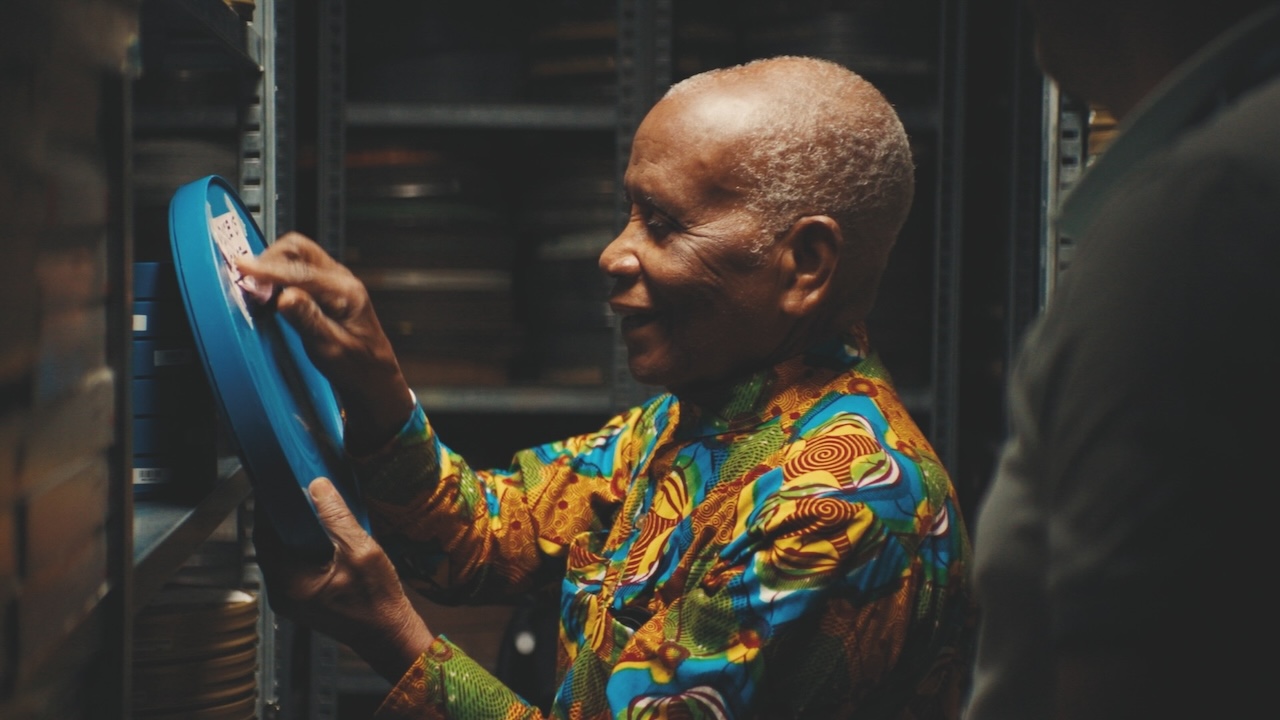
Dynamic rhythm and editing, captivating, with a certain nonchalance. Chris Hesse, the cinematographer who documented Ghana’s independence, is a fantastic character. To draw a parallel, he’s like the Alchemist you want to meet on your personal legend quest, who keeps telling you “Don’t be afraid, keep filming” to push you beyond your limits and mark history with your camera. He has a wise and very open vision of what Africa was, has become, and has to offer today.
It’s important to remember that in Western film schools, the richness of African cinema isn’t shown to us, even though it has much to teach us.
I recommend this great documentary that presents a vision of Ghana, deliberately different from what Western cinematographers and directors show us of African countries: Freedom For Ghana, by Sean Graham (1957).
The film critiques the propaganda and unconsciousness that Westerners can instill in Ghanaians. Yet at certain moments, I felt I was seeing propaganda in this frenetic, dynamic rhythm trying to convince us of the benevolence and good intentions of first president Kwame Nkrumah. Not entirely surprising since the film was produced by Gold Coast Film Unit, a public production…
During the Q&A, I was amazed: a PSC (Polish Society of Cinematographers) cinematographer proposed to the documentary’s DP to come back to Accra in February for an exhibition on local cinematographers. This fraternal impulse between DPs only emerges thanks to these kinds of events. It was magnificent, the DP was glowing, eyes sparkling — you could see him already there, reuniting with Chris and the cutest projectionist.
8:30pm — A Music Video Is Fine for 5 Minutes, but an Hour…
North South — Dir. Sebastian Pańczyk / DP. Tomasz Naumiuk
This film takes a very original approach, what you could call an hour-long “musical video” featuring a famous Polish singer. Next to me, a devoted fan was lip-syncing all the songs.
The cinematographic choices are bold. Tomasz Naumiuk creates beautiful contrasts on faces using a film look. He chooses to film light sources, to leave feet in frame if necessary. Above all, what seems important is that the story speaks to us and the songs carry us away.
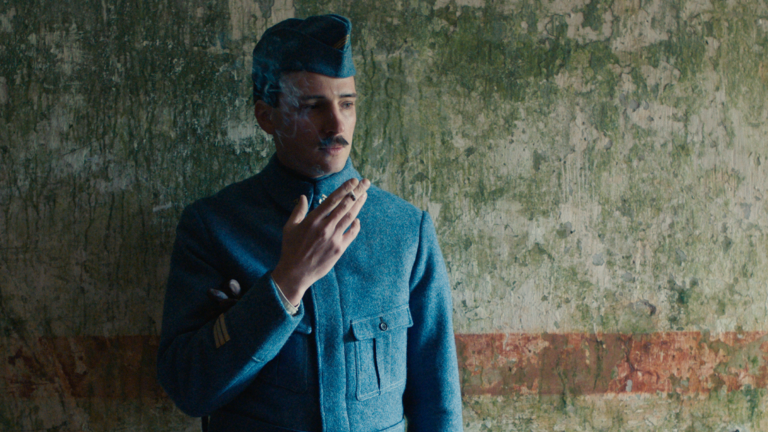
Each song has a new rhythm and increasingly bold ideas. A sequence shot reveals a young face facing the audience, then the actor removes his mask to reveal an older actor’s face.
10pm — A Film Becomes More Beautiful When We Tell It Together
This day reminded me how precious the exchange between us is. Cinema, of course, can be a wonderful refuge when watched alone: we let ourselves be absorbed by a universe, we marvel in silence, we build intimate emotions that belong only to us.
But what I find even more powerful is everything that happens afterward. The moment when we put words to what we felt, when our eyes meet and we realize the other person cried, shivered, or smiled at exactly the same instant. That’s when the film comes to life a second time.
Eliott Martin