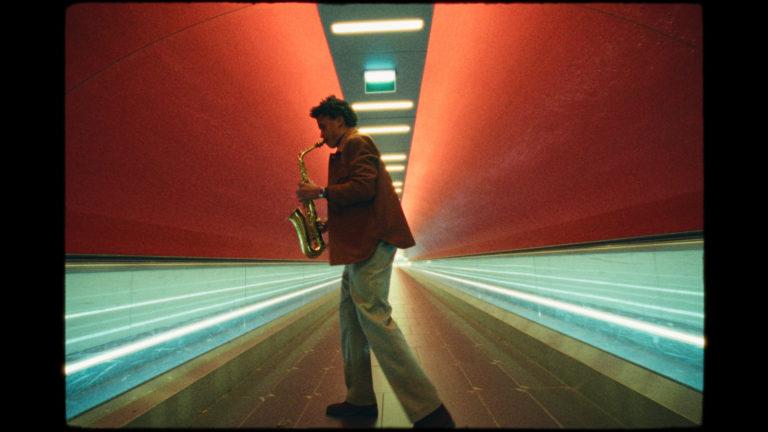
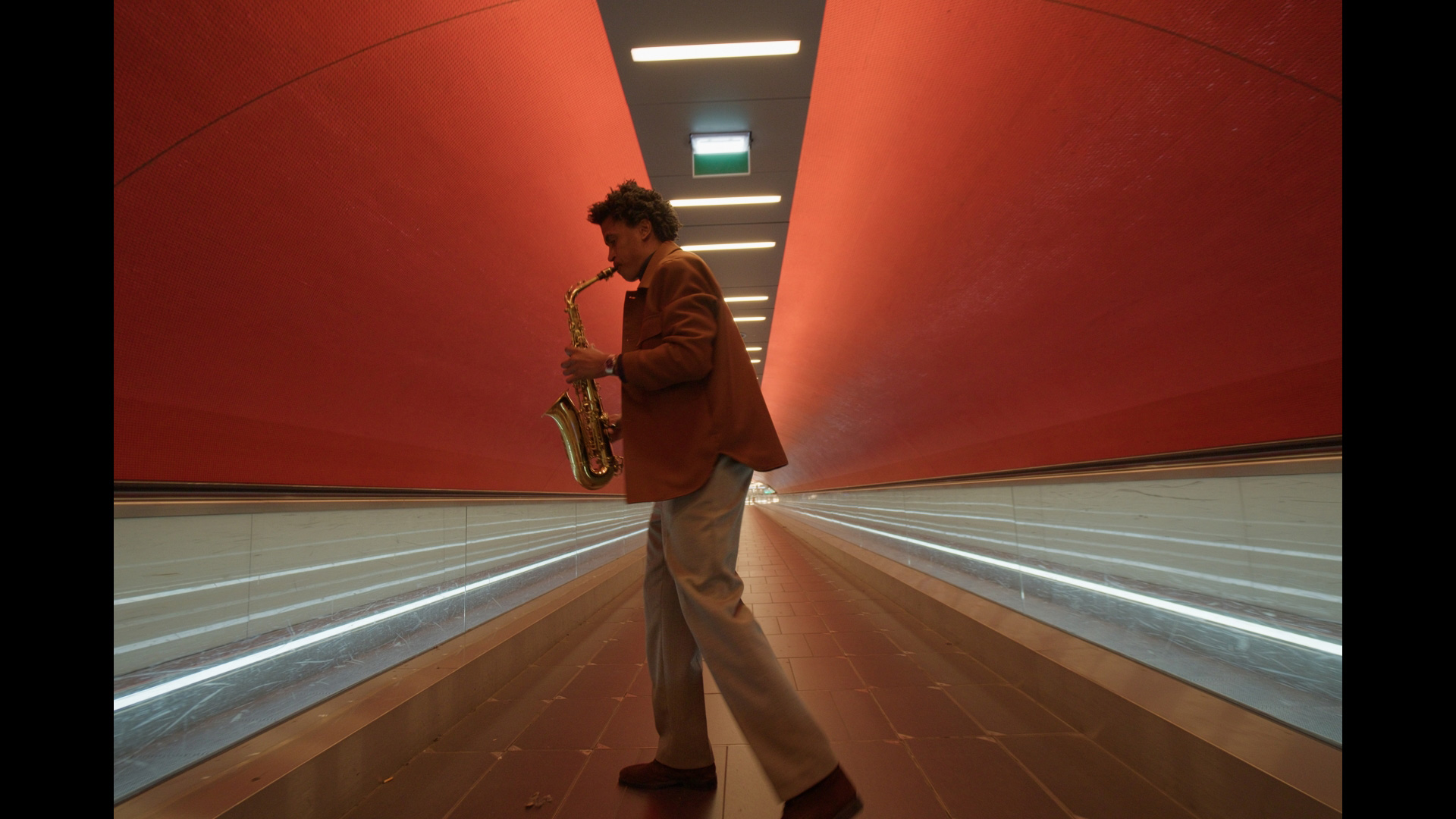
Graded vs REC709
UCO: Was the look of the project defined beforehand with the DP and director? Or was it developed after the shoot?
Douglas Dutton:
The look was primarily defined after the shoot. The team usually sent me footage with a general idea or a few keywords rather than precise visual references. I had carte blanche to explore and propose ideas.
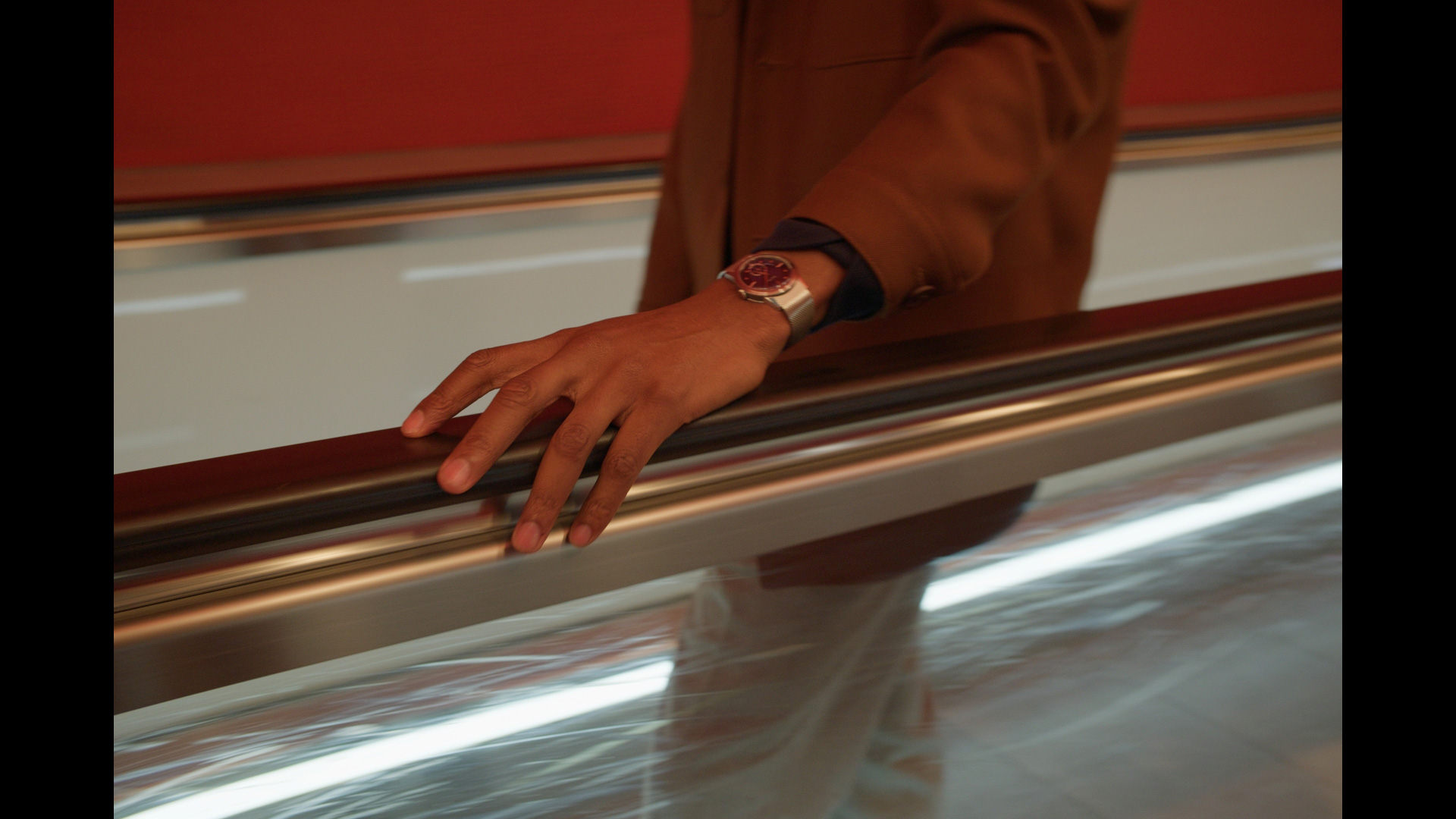
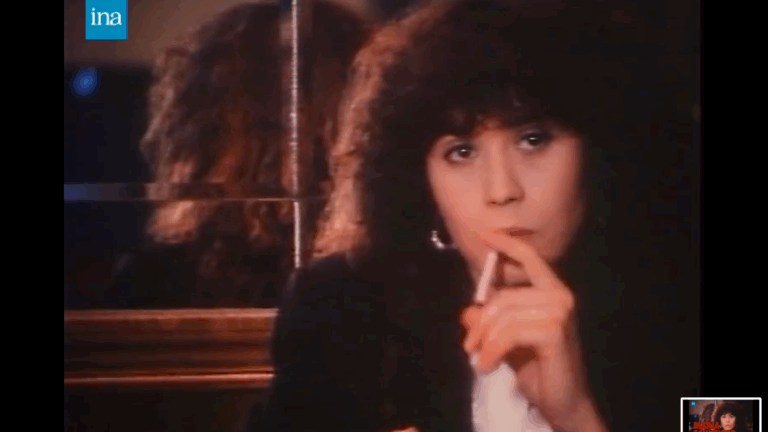
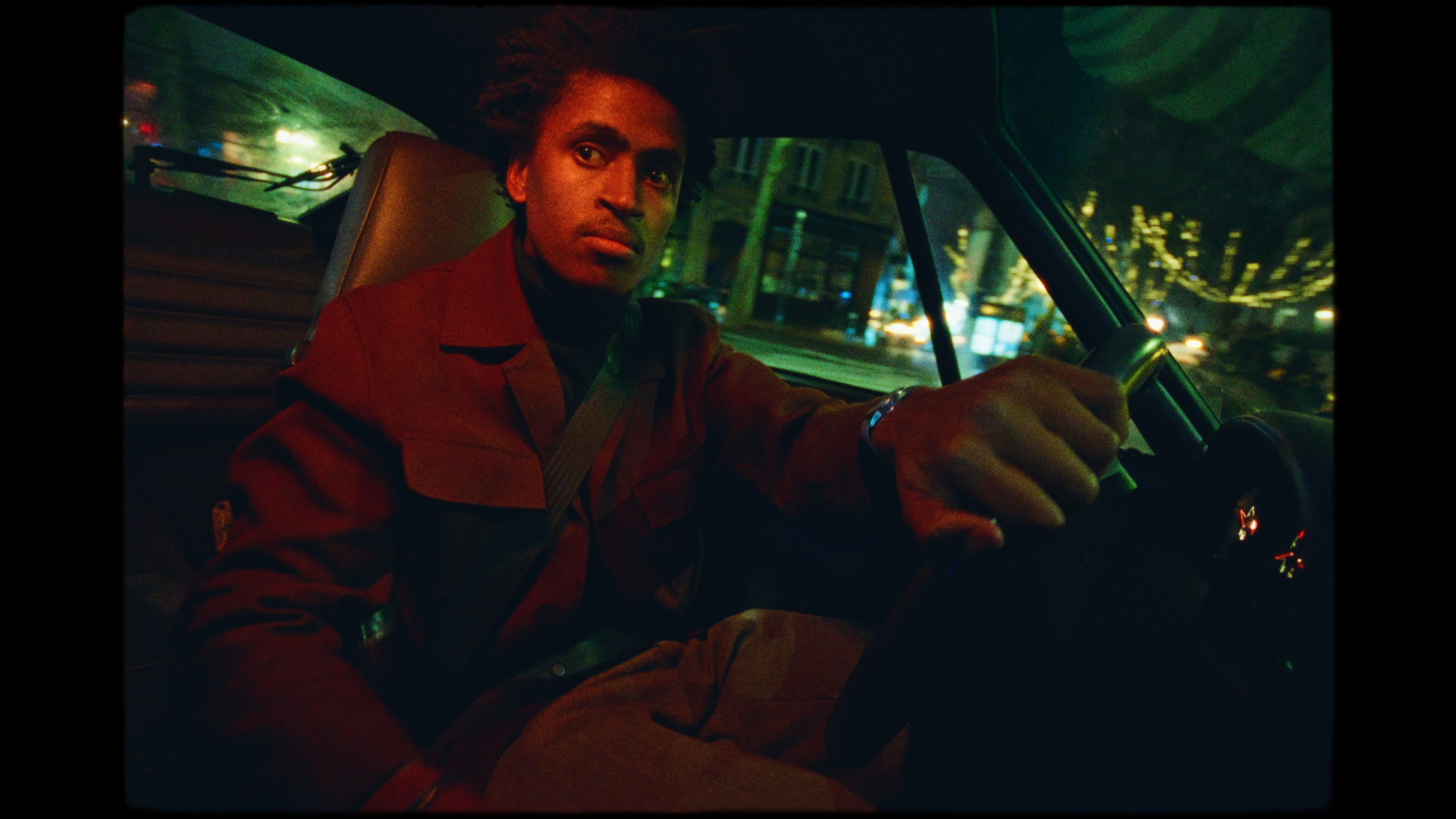
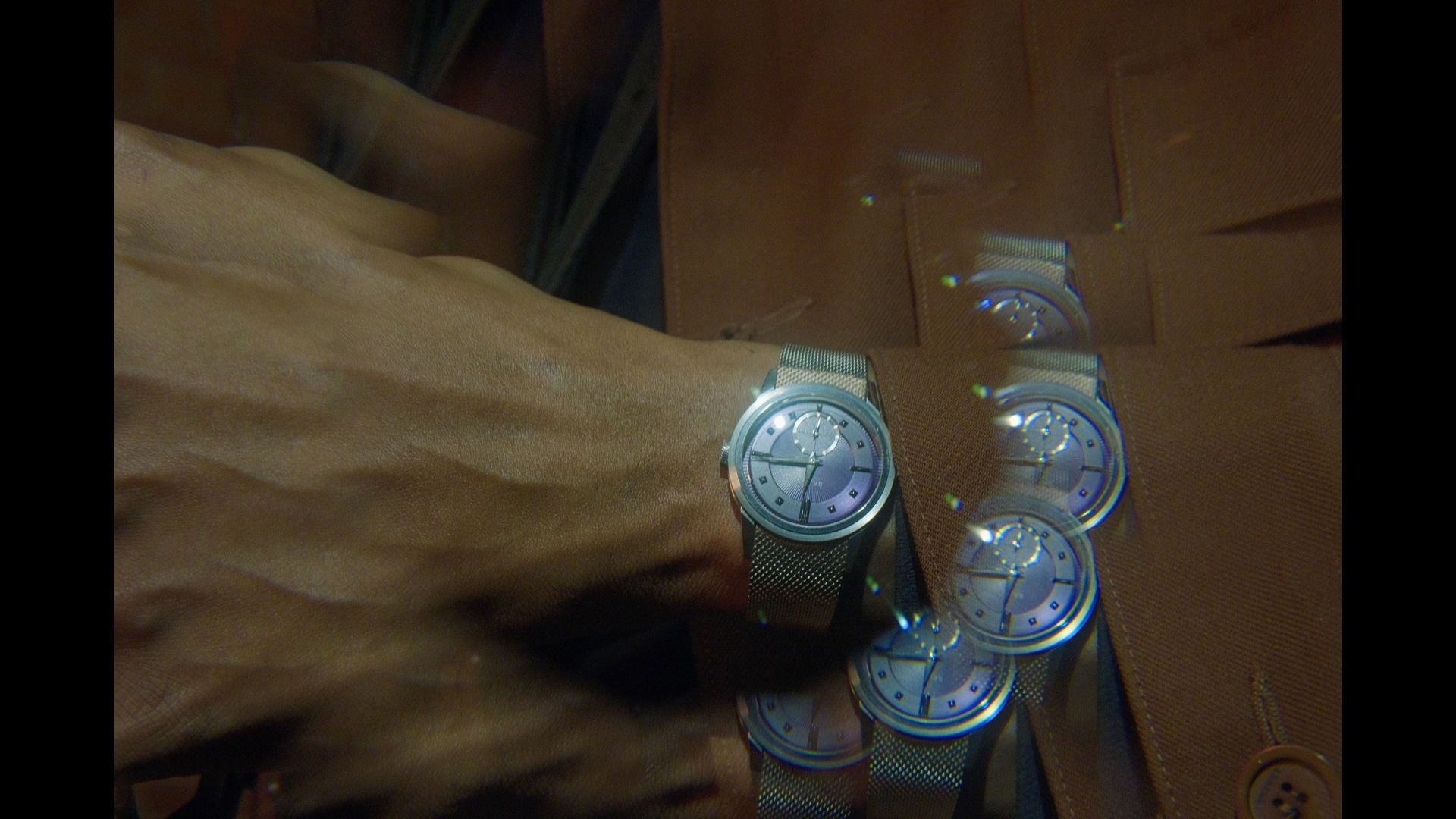
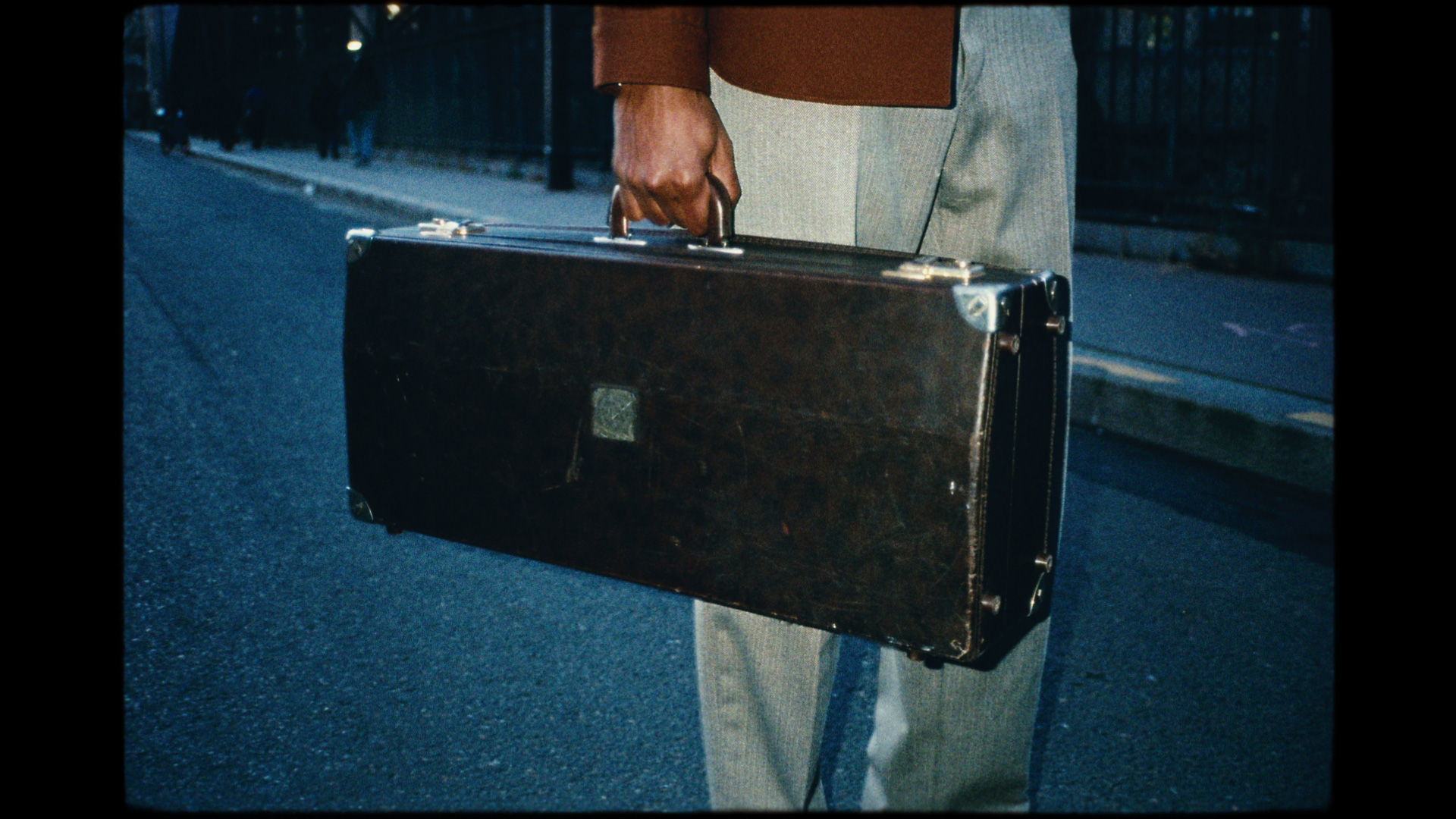
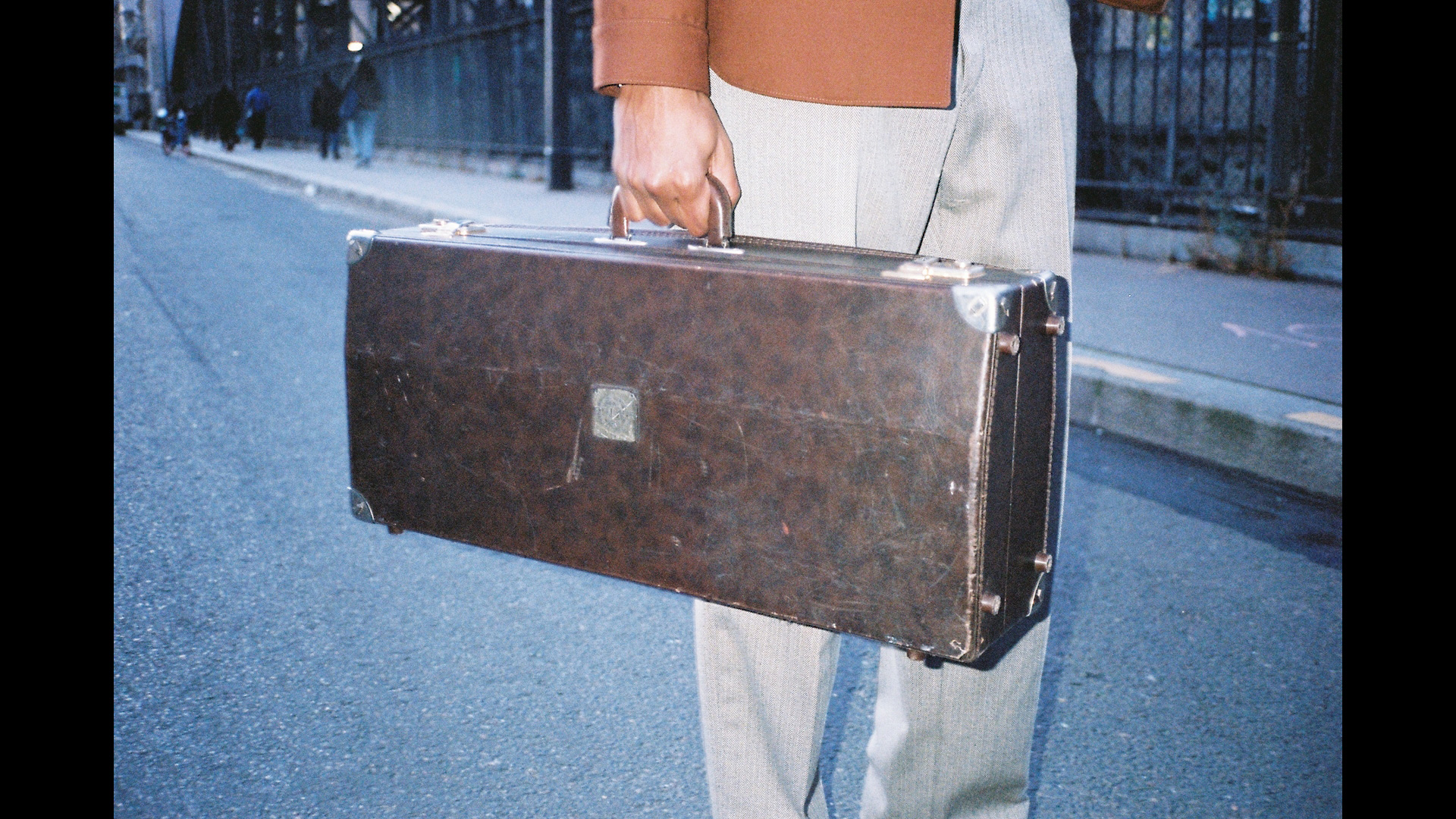
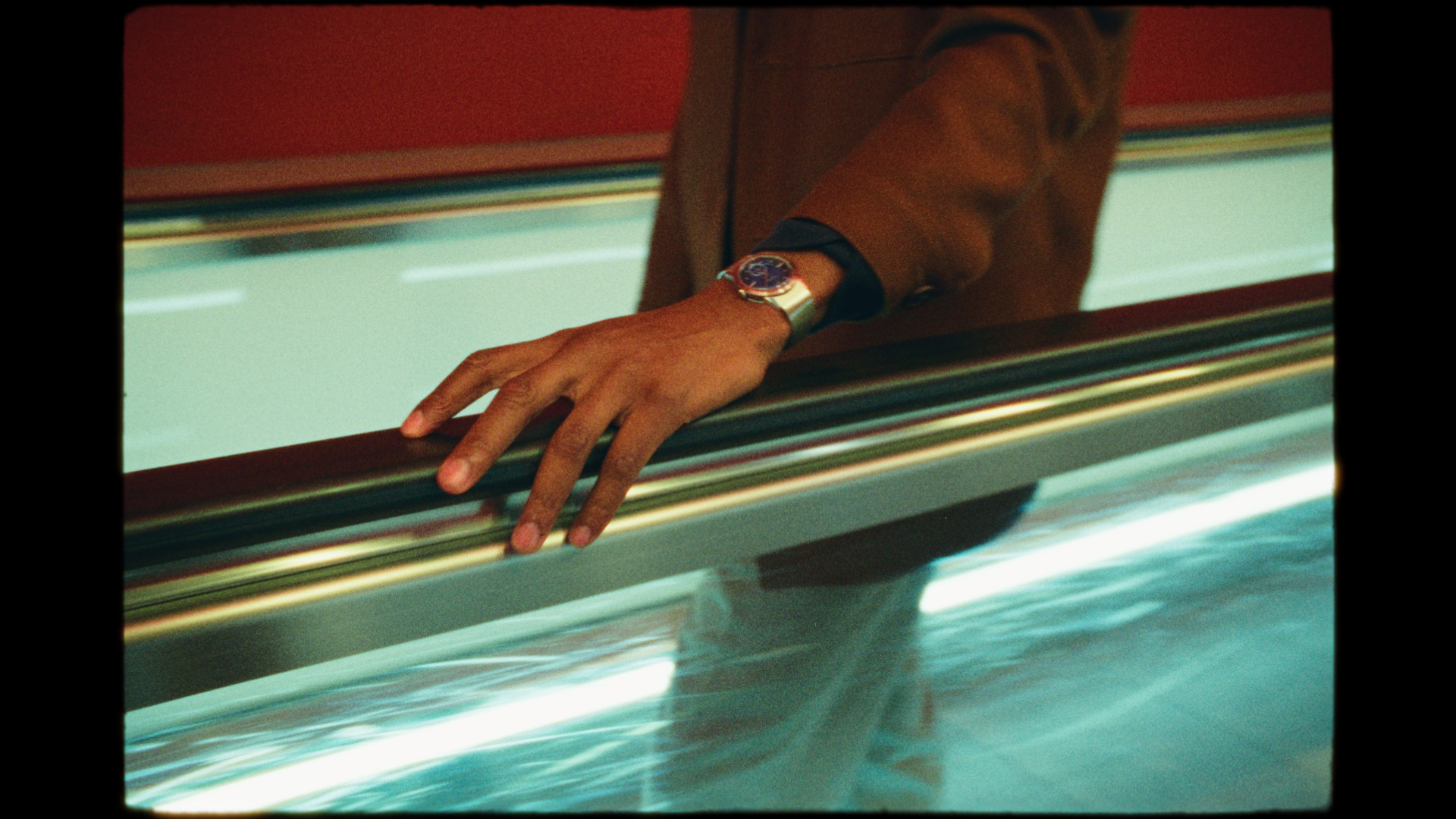
For this project, I decided on a full 16mm film emulation. It fit perfectly with the classic universe we aimed to evoke: jazzy Parisian nights, old watch mechanisms, and a timeless ambiance.
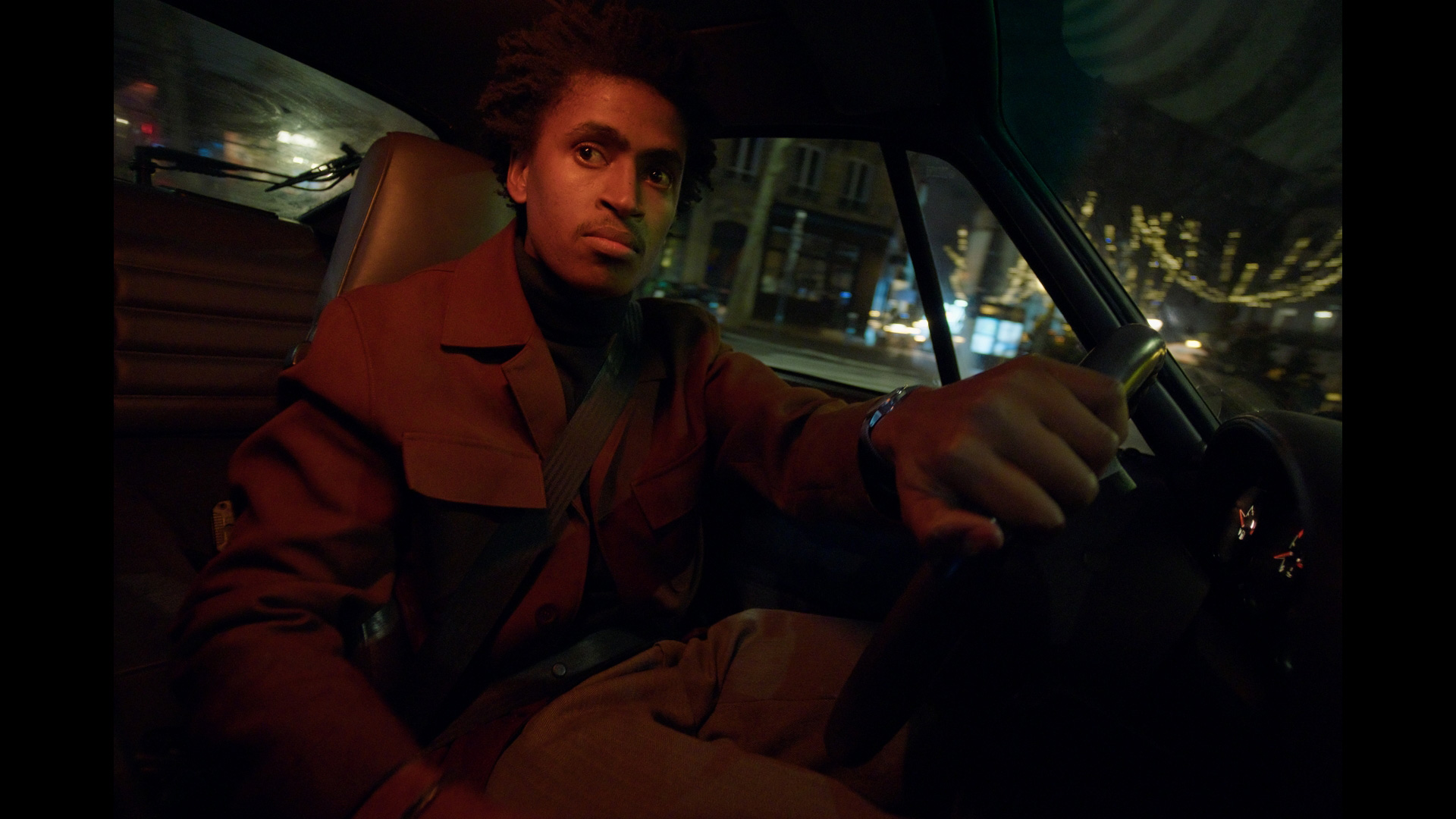
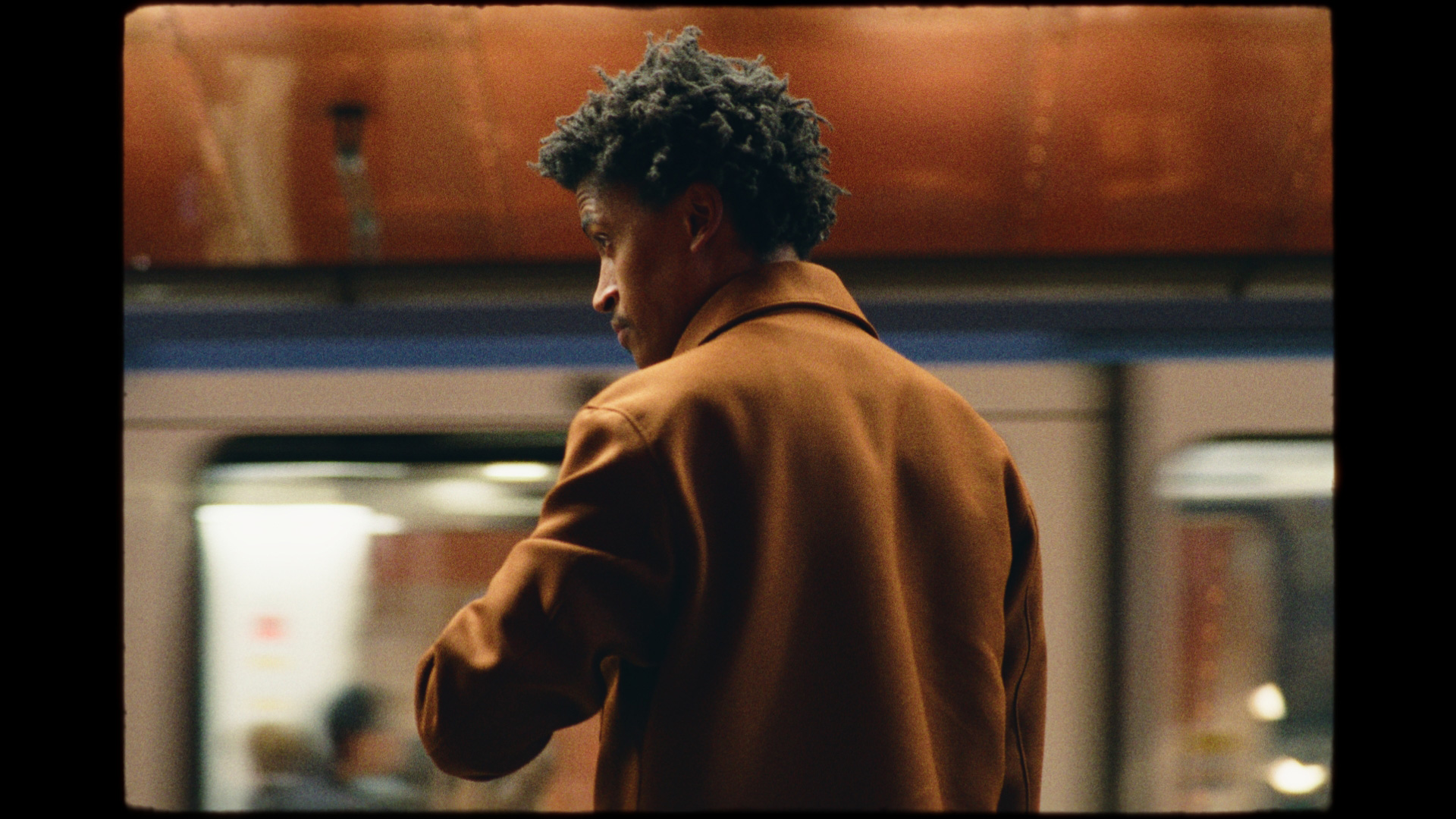
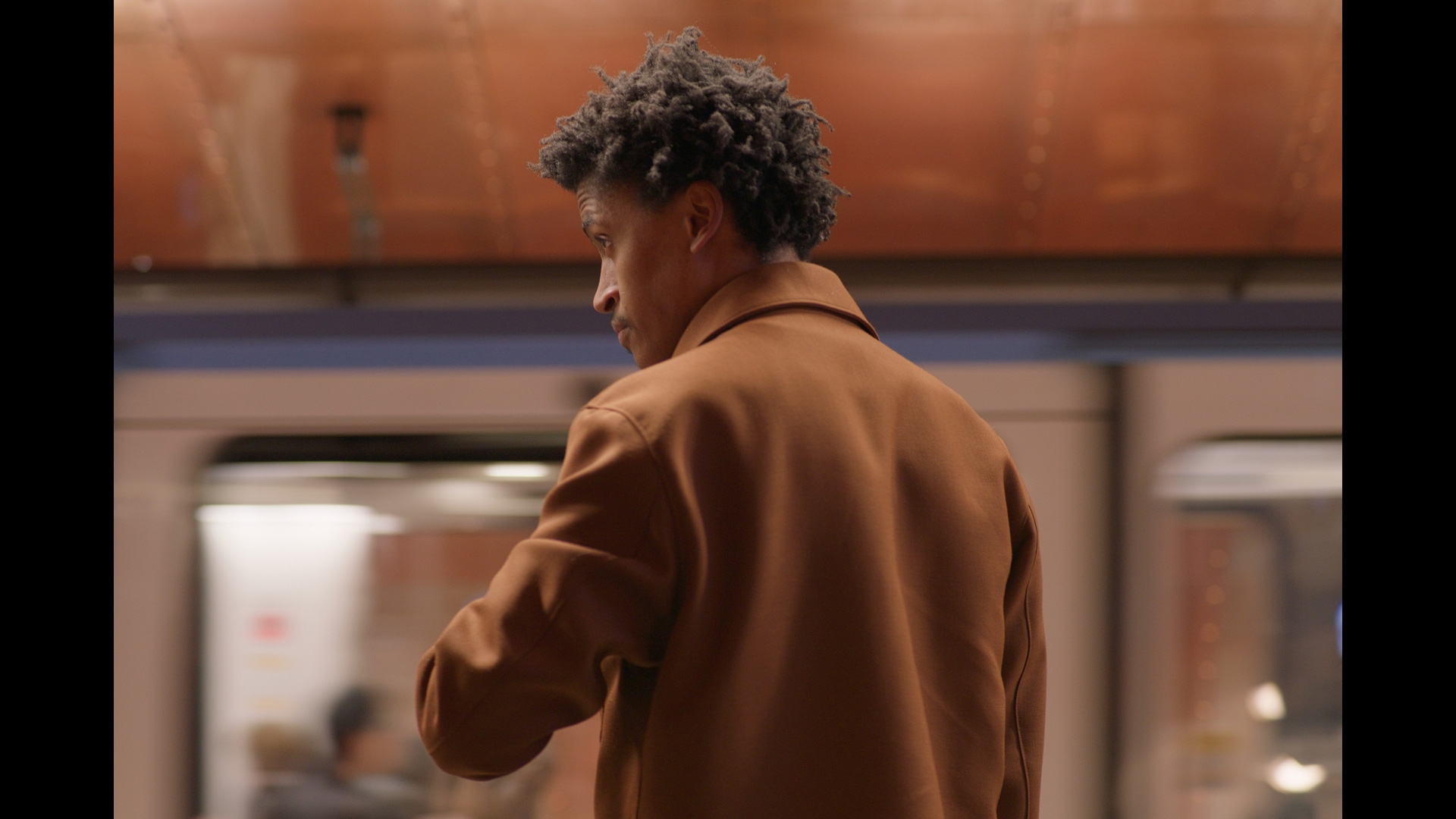
The DSLR, with its modern and clean lenses, provided very sharp images but lacked organic qualities. I worked on giving the footage a more organic, lively, and mechanical feel, akin to 16mm film. The team loved this choice.
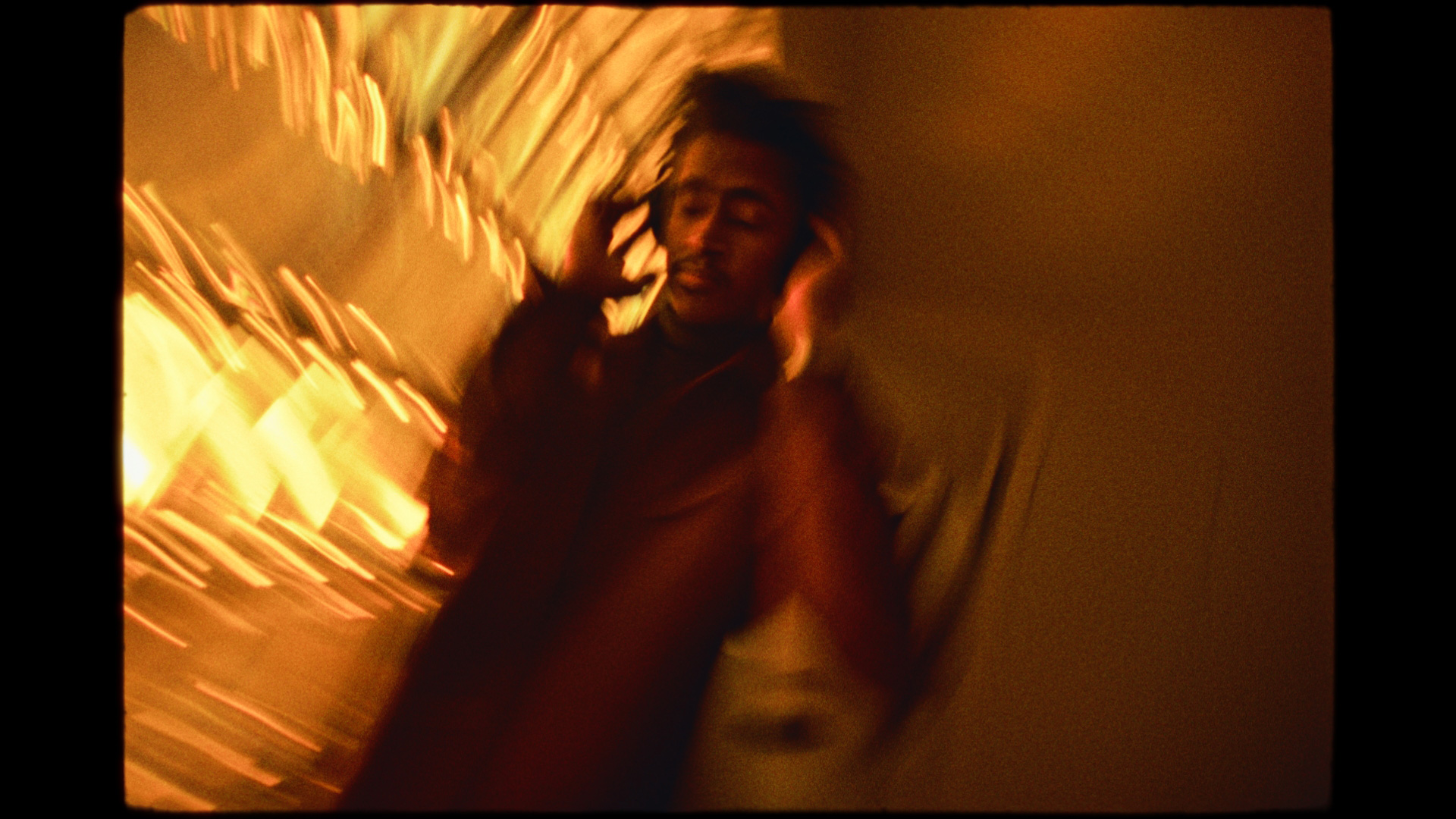
Graded vs REC709
UCO: How did you approach the color grading for this project?
Douglas Dutton:
I wanted to emulate film without directly using a Kodak or Fuji LUT. These tools often create a strong look that’s hard to customize afterward.
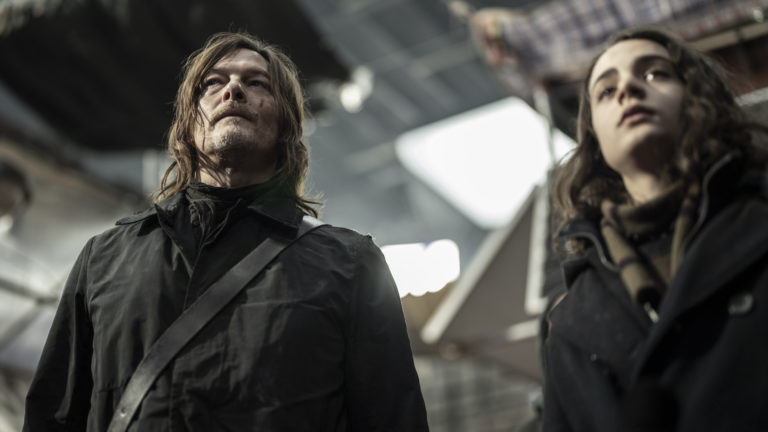
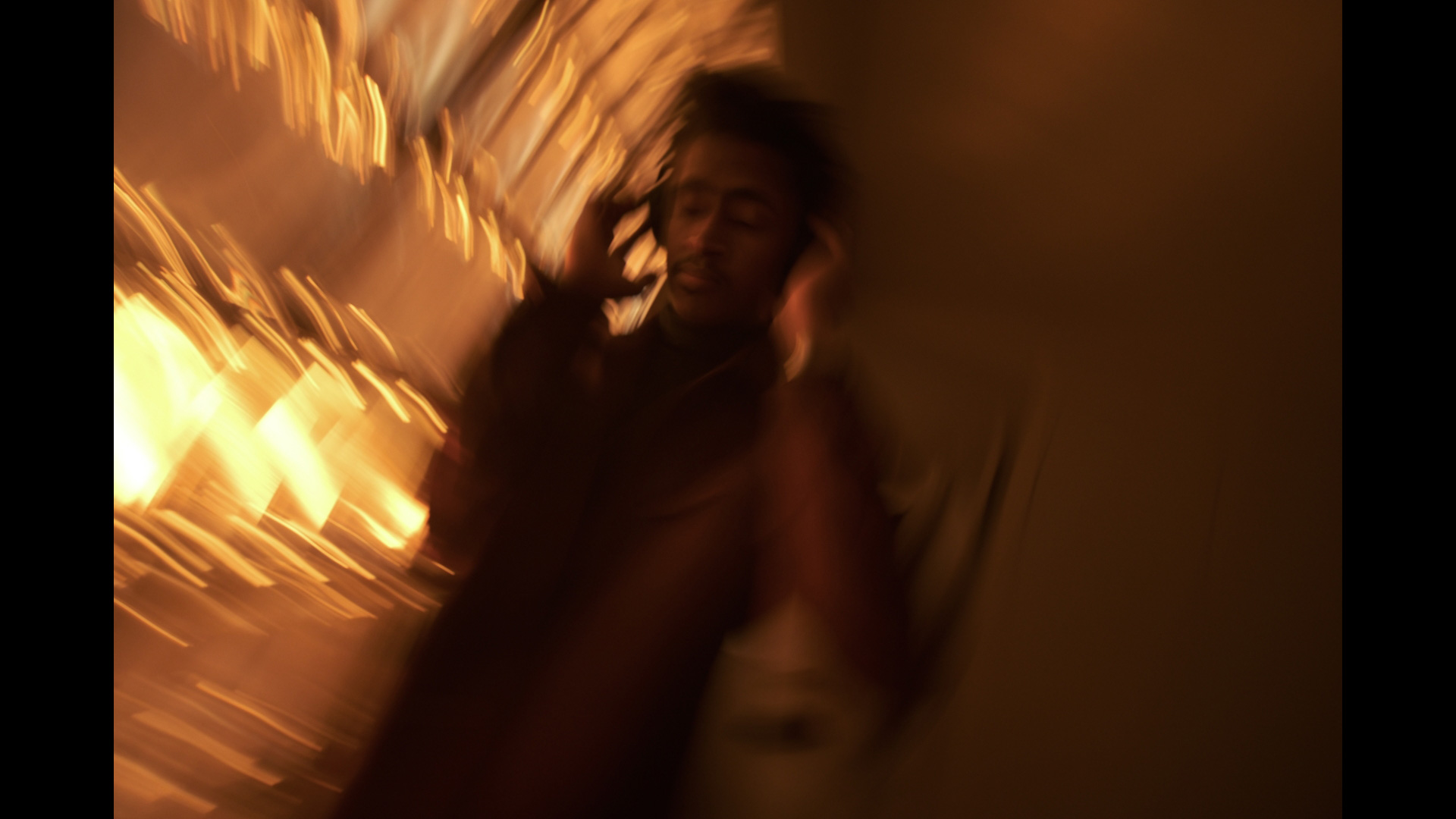
Since the project was shot mainly at night and with natural light, a subtle approach was needed to manage contrasts. The lead actor had a dark complexion, so I opted for a soft contrast curve to preserve details in the shadows and highlights.
I created a unique palette for the project, incorporating blacks with a slight cyan tint and warm highlights, while keeping a clean neutral gray to maintain natural skin tones. This approach balanced the aesthetic while evoking the organic feel of film.
Graded vs REC709
UCO: Have you ever worked with DITs who do pre-grading on-set? How do you collaborate in these cases?
Douglas Dutton:
I haven’t yet had the opportunity to work with a DIT on feature film workflows, but it’s something I’d like to explore.
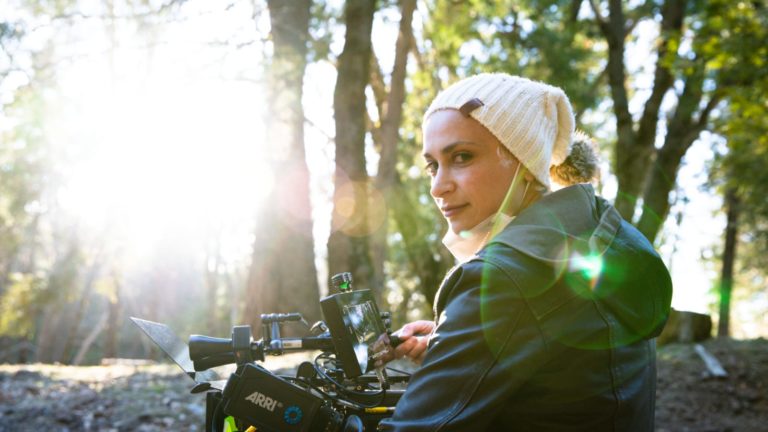
However, I often provide a custom LUT for the shoot. This allows the DP to see a look closer to the final grade during filming, which also helps them maintain consistent lighting ratios. Accurate monitoring is essential to avoid fixing inconsistencies in post-production.

Graded vs REC709
UCO: What is your preferred grading software, and why?
Douglas Dutton:
I mainly use DaVinci Resolve, primarily for financial reasons. Another excellent tool is Baselight, but it’s often reserved for major post-production houses due to its high cost.
Resolve is very comprehensive and meets all my needs as a freelance colorist. That said, the tool itself isn’t as important as how you use it. As a famous colorist once said, “It’s not the sword that matters, but the samurai.”
Graded vs REC709
UCO: What type of projects do you prefer working on?
Douglas Dutton:
I mostly work on short formats like commercials and music videos, but I also enjoy documentaries and feature films.
What I love is the variety. Commercials present a unique technical and artistic challenge, as every shot must be meticulously crafted. Music videos allow for greater creativity, while narrative or documentary formats require subtle grading to enhance the story and emotions.

Graded vs REC709

UCO: What was the most challenging aspect of grading this commercial?
Douglas Dutton:
The main challenge was creating a strong 16mm-inspired look while maintaining consistency across all shots. I had to unify the color palette and manage distractions in the image to draw attention to key elements.
It’s always a delicate balance between technical precision and artistic intuition, but that’s what makes this job so exciting.
Graded vs REC709
UCO: What advice would you give to DPs or directors for better collaboration with a colorist?
Douglas Dutton:
I recommend involving the colorist during pre-production to share ideas and align creative intentions.
It’s also crucial to create a tailored LUT for the shoot to avoid surprises in post-production. This helps work with a clear vision of the final look and prevents getting used to images that don’t match the desired aesthetic.
Communication and collaboration early on are essential to best serve the artistic vision of the project.
Graded vs REC709