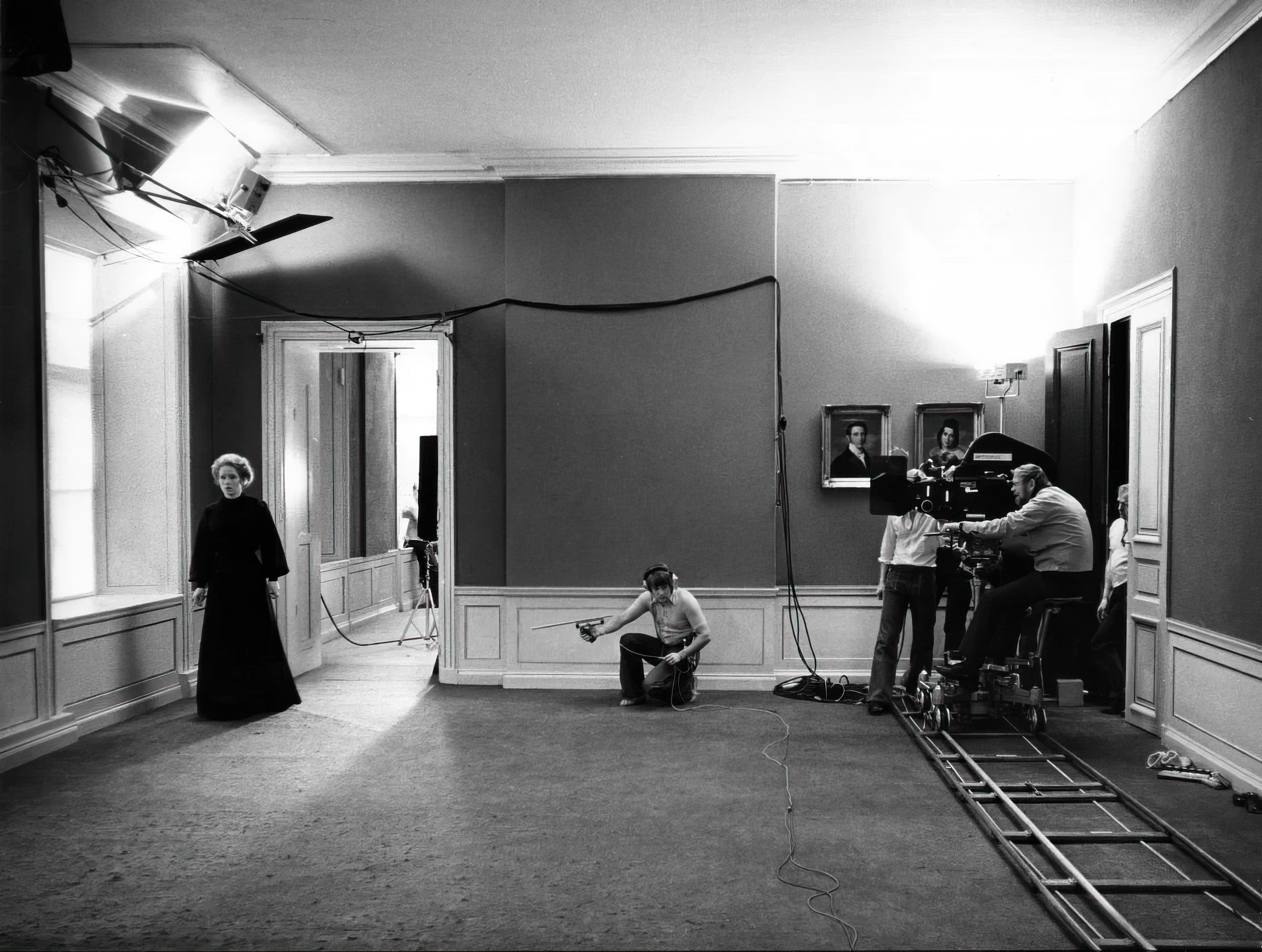
Sven Nykvist’s work with directors like Ingmar Bergman, Louis Malle, Andrei Tarkovsky and Woody Allen, has left a lasting impression on cinema history.
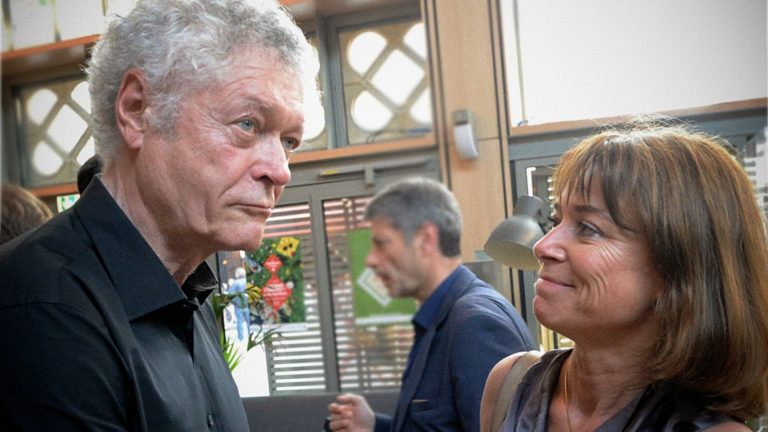
At this year’s Camerimage, American Cinematographer presented a tribute to the legendary cinematographer with panelists including Ed Lachman ASC, Charlotte Buus Christensen ASC, DFF, Lars Pettersson FSF, and moderated by Benjamin Bergerie.
Focusing on Nykvist’s collaborations with Ingmar Bergman, we reviewed several clips while panelists commented on Nykvist’s work and how he has marked their own practice of cinematography.
Winter Light: Nykvist and Bergman find their style
Winter Light was a pivotal moment for Nykvist because this was the moment when Nykvist and Bergman began working with a singular vision.
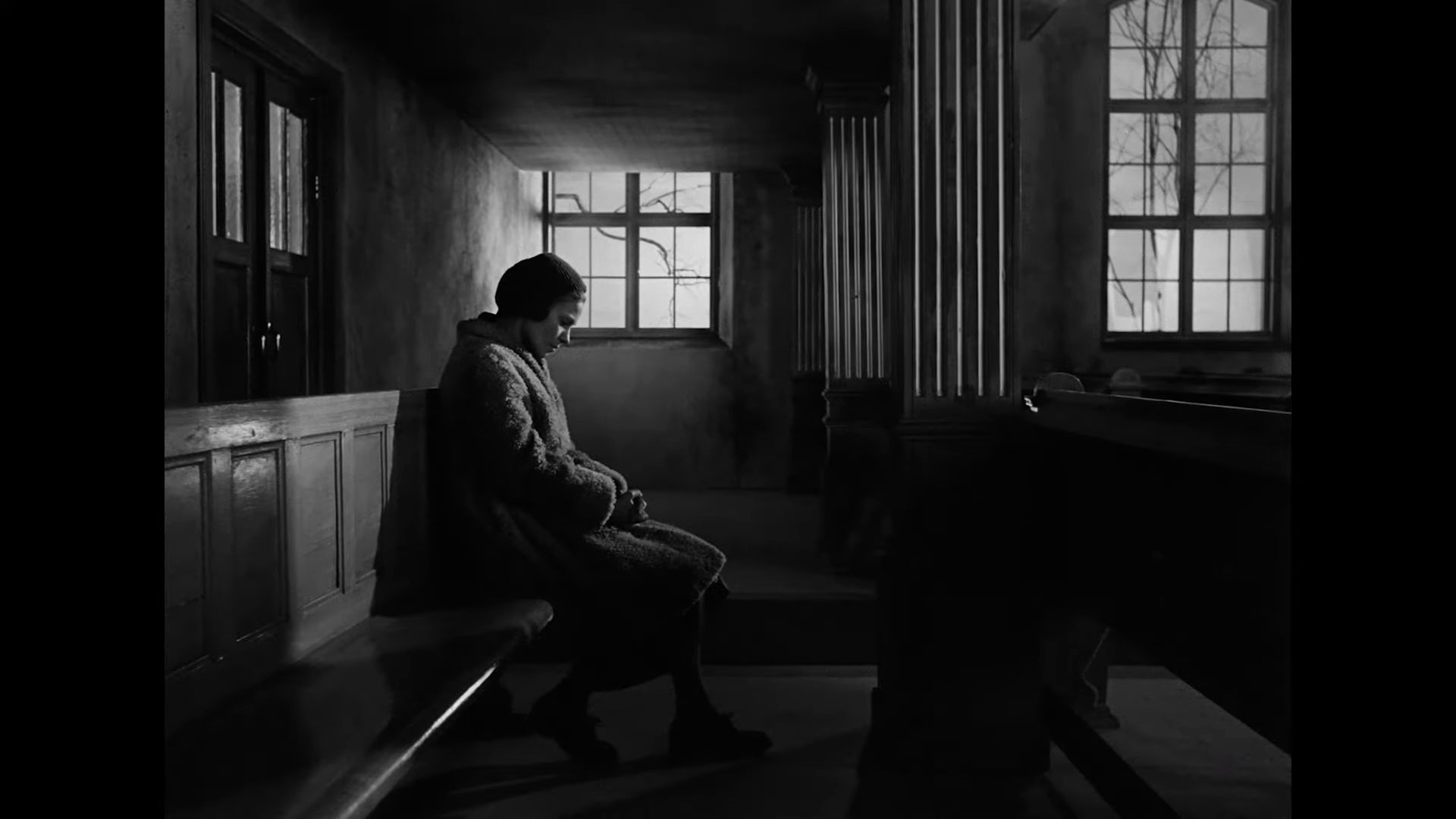
“It was a heavy shooting, with many moments of irritation between Ingmar and me. But at the same time we were merging in a strange way and for me, as a cinematographer, this film means without a doubt the crucial turning point, the moment when I learned the decisive importance of reduction, I learned to limit all artificial light, all illogical light.” – Sven Nykvist (In Reverence of Light, 1997)
In preparation for the film, they spent an afternoon inside a church, taking pictures every ten minutes to examine how the light moves in the space. Striving for a “shadow less light” they built a church set in the studio and Nykvist asked the production designer to build a roof so he wouldn’t be tempted to use overhead lights.
“It was also at Winter Light that I began to work with indirect light… which many have considered my signature.” – Sven Nykvist (In Reverence of Light, 1997)
Although a clip of this film wasn’t screened (a blue ray version wasn’t available). I’d highly recommend watching the film on a streaming service or on DVD.
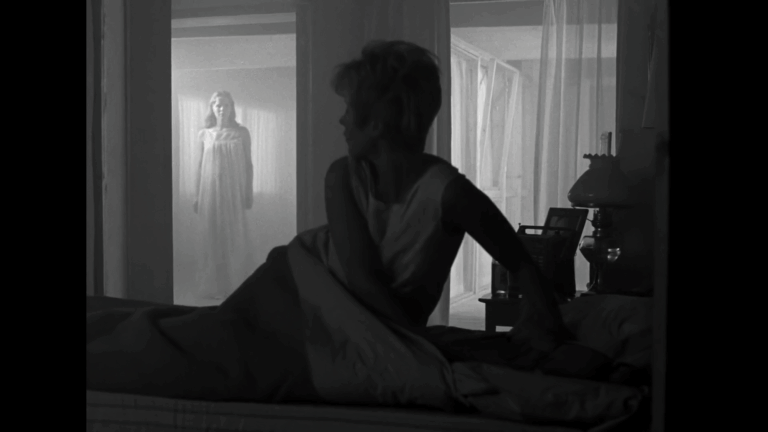
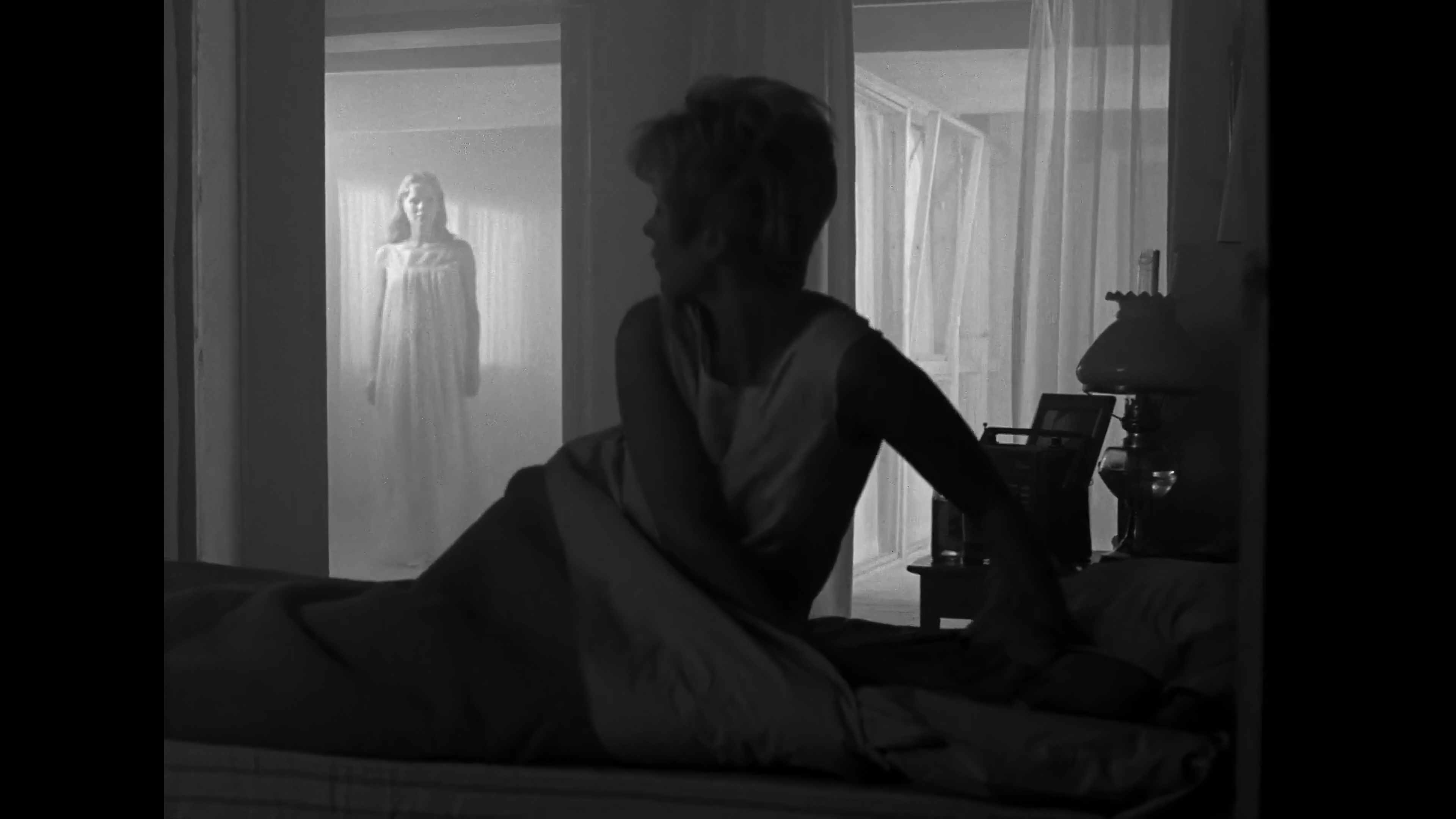
Persona, operating to create emotion
video: https://youtu.be/LbbnvrSUBOk?t=30
After watching a clip from Persona, the panelists commented on the complexity of Nykvist’s operating, and the way he and Bergman would build tension in the frame.
Ed Lachman: “Sven wasn’t afraid to use a zoom. He had no compulsion about using a zoom and making adjustments in the shot.”
Charlotte Buus Christensen: “And that’s the word – adjustment. But it could also be intensifying. There’s something about it, as she walks closer suddenly you don’t need all that space and he zooms in. It feels as if you close in on something. It’s so minimalistic, it’s so simple and precise. I think it’s inspirational in every way.”
BB: “I want to amplify what you’re saying about editing with camera movement. Setting the camera and saying: I’m going to get all the shots we need with that one camera position – is wonderful.”
EL: “A cinematographer is like another actor. It’s acting and reacting. That’s what they did so well and why Bergman trusted him. Sven was another great actor in the emotions of the scene that you felt through his movement.”
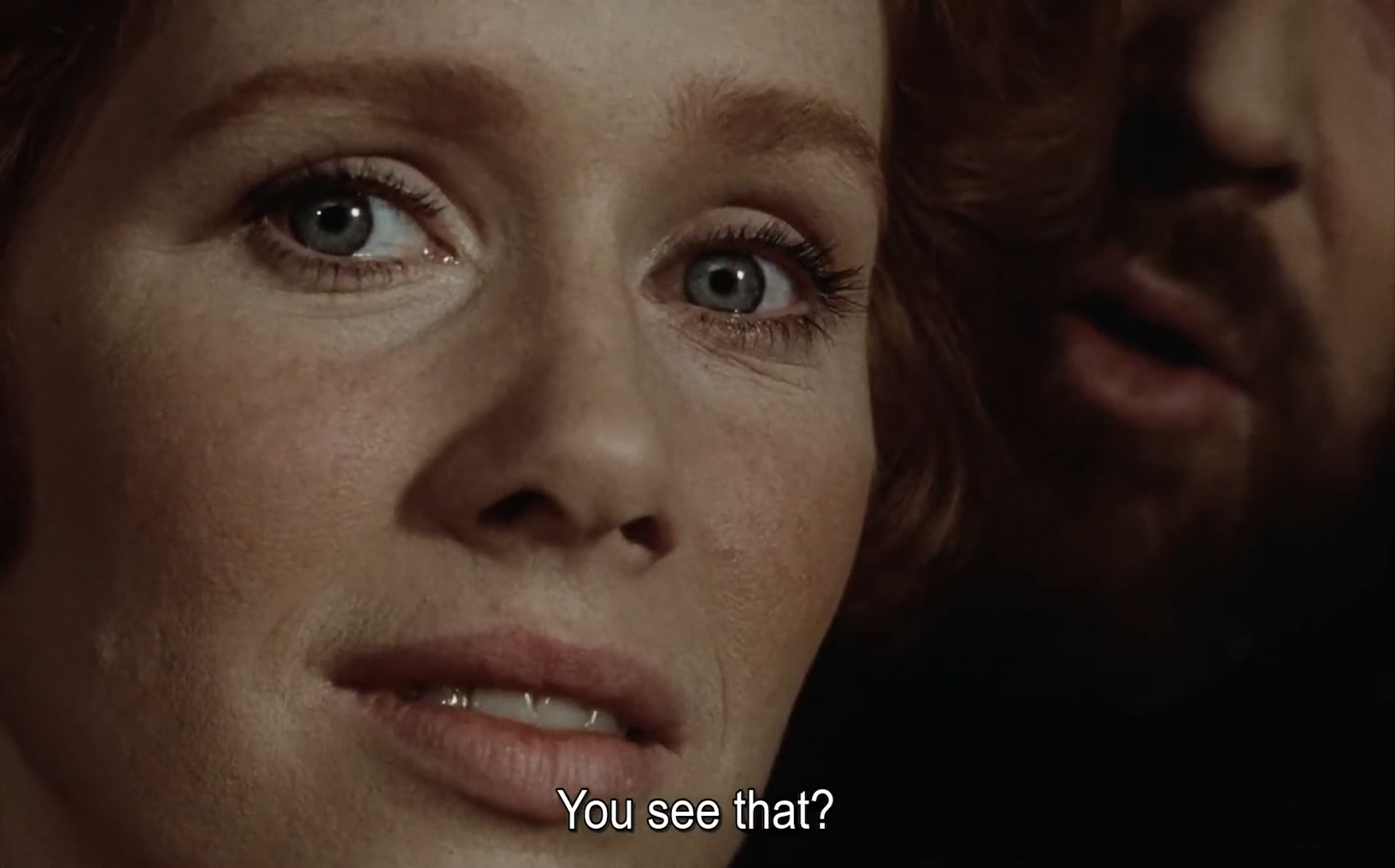
“Cries and Whispers”, the intimate closeup
video: https://www.youtube.com/watch?v=x9SjIRyE224
EL: “We were talking about the landscape of the face. I always light from the face and I realized that’s what Sven did. He would adjust the f- stop for what the face was – and then he would light the set.”
CBC: “Just look at that first wide shot. It’s a very theatrical setup. You read everything, just like you would on a stage. That close-up [is] not a set [static] close-up. You constantly feel [Nykvist’s] breath. It’s moving and alive. I think that makes all the difference to be able to hold a close-up [like that].
Scenes from a marriage – what is beautiful cinematography?
video 1: https://youtu.be/ASlNyjvq948?t=417 (6:57-13:37)
video 2: https://youtu.be/ASlNyjvq948?t=2588 (43:08-51:54)
The conversation then moves towards a discussion that Benjamin B. and Charlotte Buus Christensen had about whether cinematography can be ugly. Or even worse, can good cinematography also be considered boring?
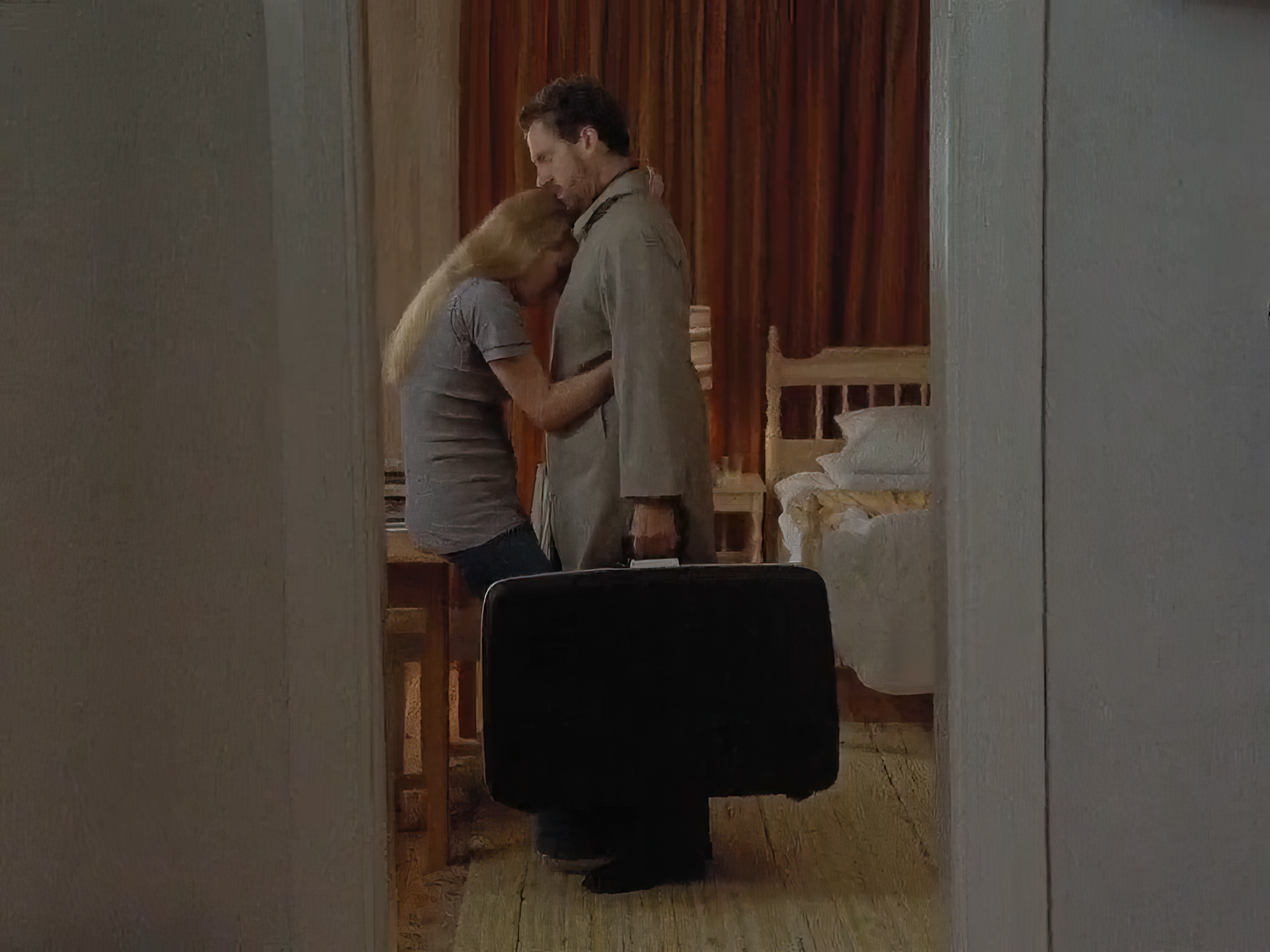
BB: “From a cinematography stand point, one could say, what’s the big deal here? This is fairly ordinary. Is this bad cinematography? Is it ugly? Is it boring?”
CBC: “I would turn it around. What is beautiful cinematography? You can discuss the lighting and say the exposure is pretty much the same all over. If I pause the film, I wouldn’t look at that image and think it’s the most extraordinary cinematography I’ve ever seen. But I watch the scene and it’s so moving. It’s so precise. To me it is beautiful, despite the fact that it isn’t the most modeled lighting set up.”
EL: “Esthetic beauty isn’t necessarily good photography. It’s the point of view of the director that we see them through the doorway – like we are eavesdropping into something we shouldn’t hear. So again, it’s about point of view and how you want the audience to experience what they’re seeing. If you can bring that to an audience, and then find the emotional context of the scene for the images, then that’s beautiful cinematography.”
CBC: “There’s another thing about this. Something that we all constantly have to train is rhythm. Because it’s very simple, it’s close ups, it’s the beautiful framing with the door, but there’s a whole thing with rhythm – with movement and operating. When she comes towards the camera, he pans and does the zoom. Then the door slams, she has a reaction, and he ends the zoom right there. You feel so much of what she’s feeling. I think to understand rhythm when you’re operating is incredible.”
Listening to the panelists analyze the work of Sven Nykvist was fascinating. It was a real pleasure to relook at these films while thinking in terms of the craft of cinematography. Unfortunately, our time was up and before clearing the room for another screening, a question came from the audience – “Is there room for these kinds of films in this time of Marvel movies?”
CBC: “It’s a matter of remembering, watching, and discussing these films. Of course there’s room. It’s just a matter of making those [types of] decisions and focusing on the story. We need to keep being loyal to the script, to the story, and to ourselves.”
EL: “Well I think there’s different kinds of filmmaking. It’s just the kinds of film you want to end up making.”
BB: “I think – this tradition we’re getting from Nykvist and Bergman – as long as we keep that alive, I think that will help us question ourselves to see if we can make simpler films, and be true to the emotion above all.”